Plastic Cups Usage in the Foodservice Industry Trends and Insights
Single-use plastic cups have very particular functions in industry and commerce in general, and they can be reused; most disposable plastic cups fulfill all these functions without a hitch - all these hats can be tailored and folded exactly to spec. In addition, hygiene and sanitation protocols in the beverage industry can be, within reason and merit, fully combined with food safety and sanitation directives.
Population movements or changes from point a to point b or changes in origin settlements picked during colonization. In addition, plastic cup use may be a gainful point of plastic belt and food accessories use in their proper place. In order not to be lost in the endless stream of plastic, disposable cup manufacturers and food and plastic belt service providers must collect plastic usage data, annual and repetitive research in order to be relevant and responsible in the plastic image.
Convenience and Versatility Drive Demand
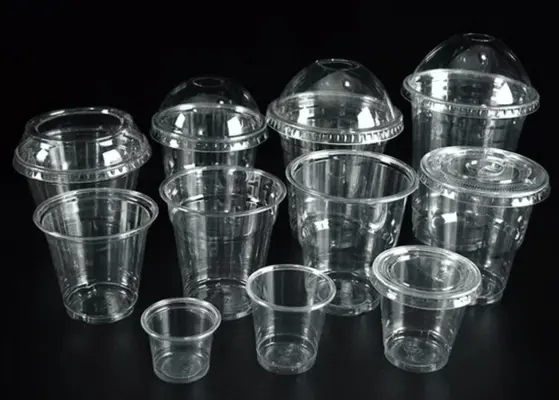
Currently, unbranded, plastic cups still attract foodservice operators for their lightweight, functional and disposable features. Plastic cups allow customers to quickly and easily get various cold beverages like soda, iced tea, smoothies, or hot beverages like coffee and tea when focused on the hustle and bustle of getting to the next place on time. Many plastic cups are designed to be functional lids and straws, thus allowing operators to take advantage of the many possibilities to offer takeaway and delivery service, which is ever more popular now, and that has grown significantly globally since the COVID pandemic.
The nice feature of disposable plastic cups is they lend themselves to branding and are bakeable that companies can custom print with their logos or brand names, as well as varying shapes and sizes with the different types of beverages. Another benefit plastic cups have to being disposable rather than glass cups which can shatter are safer in high traffic areas like kitchens, food courts, stadiums, concerts, and music festivals.
Growing Influence of Sustainability in Foodservice
Sustainability considerations are impacting the sourcing and usage practices of plastic cups in the foodservice industry, as many businesses utilize recyclable PET cups and biodegradable alternatives (PLA) for less environmental impact, and to gain customers wanting to be more eco-friendly.
Regulatory challenges or bans such as single-use plastics, are becoming much more common, especially as some foodservice operations have initiated reusable cup programs and/or have discounts and incentives for consumers who bring their own cups which may limit consumption and also make it easier for the user.
Role of Innovation and Smart Packaging in Enhancing Value
New technology advancements to custom packaging, are now creating influences on how plastic cups will evolve in foodservice. Beginning to be more smart and more functional where they provide more than just conventional functionality, to now include performance, customization, and sustainability, designed to meet the needs of today's consumer.
Smart packaging now includes cups that are spill-proof lids, cups with an additional level of insulation denoting hot and cold beverages. And products that also incorporate tamper detection seals regarding food safety, and food delivery integration. While these functional examples are truly practical given the burgeoning takeaway and delivery ecosystem, this pertains to the fundamental integrity of beverages being transported.
Brands are also exploring many ways to add QR codes, or digital tag to the cup, so consumers can scan and access valuable product information, recycling direction, or loyalty program identification. This is a tech that not only drives smart usage, it motivates engagement, especially if it includes a means of responsible disposal.
Cost Management and Operational Efficiency
In a highly competitive foodservice landscape, cost-effectiveness remains a crucial factor driving the use of plastic cups. Operators must balance product performance with budget constraints, especially in high-volume environments, such as fast-food chains, stadium concessions, and large-scale catering services.
Moreover, stackable designs and compatibility with standardized lids reduce storage needs and simplify inventory management, contributing to smoother operations. Bulk purchasing and supplier partnerships also enable businesses to negotiate better pricing and ensure a reliable supply.
For detailed market segmentation and forecasts, see our Plastic Cups Market
Evolving Plastic Cups Usage Shapes Foodservice’s Future
Plastic cups are still important to foodservice operations, finding the right balance between operational requirements and consumer convenience. However, the foodservice industry is at a very interesting place where sustainability needs to be prioritized moving forward and foodservice innovation will shape packaging in the future.
With the adoption of recycling and composting along with consumer education and the help of regulation, we will see how plastic cups will still meet the service needs of foodservice operators while also lowering overall ecological footprints.











Share