Exploring the Plastics Used in Manufacturing Plastic Cups
The plastic cups market is expanding in a time of increasing demand for light, low-cost, convenience-based food & drinks packaging. Getting to know these materials is your first step in understanding industry trends, sustainability challenges, and ultimately consumer preferences, which are determining the future of plastic cups.
Generally, plastic cups are made of polymers that differ in strength, clarity, heat resistance, recyclability and more. These differences lead to many factors including product design, supply-chain considerations, and end-of-life disposal. Each plastic has many applications, with multiple products and relates to many regulatory and performance requirements around the globe.
PET: The Transparent, Recyclable Favorite
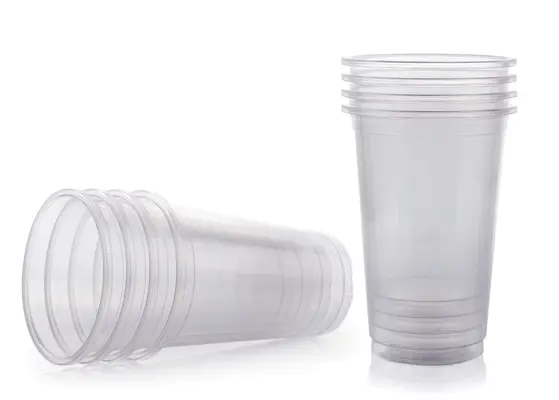
PET is commonly applied to clear plastic cups, particularly to cold drinks like soft drinks, iced coffee, and water. It has a great clarity, allowing people to view the contents and it makes the product appealing in the retail and foodservice markets.
Apart from its aesthetic benefits, PET is extremely recyclable, with widespread recycling streams in most industrialized nations. Such recyclability contributes to its popularity as environmentalism becomes more of an issue. PET cups are also light, impact-resistant, and durable, rendering them well-suited for vending machines and on-the-go use.
PP: Versatile and Heat-Resistant
Polypropylene (PP) is recognized for its resistance to heat and stable chemically. It is designed for hot beverage cups like coffee, tea, with food containers intended for microwaving and reheating. PP cups can be opaque or translucent and have a moderate degree of clarity in comparison to PET.
The strength of PP and resistance to higher temperatures have made it a necessary packaging format for fast food chains, kiosks, and corner stores. PP is lightweight and recyclable, although the recycling framework for PP is less advanced than that of PET.
PS: Economical but Environmentally Challenged
Historically, PS (polystyrene) was the preferred low-cost material for single-use cups and disposable food packaging, because it could be easily formed by molding. PS single use cups tend to be rigid which is great for retaining cold temperature, so it is often used for colds drinks.
PS has a low production cost but is getting a lot of heat recently due to it being attacked environmentally. PS is not recyclable, which means lots of waste ends up either in landfill or open landscapes causing plastic pollution. Many manufactures are being forced to consider alternatives because of the bans being imposed on PS in certain locations.
The region where price is the driving factor for purchases is still using PS, but in regions where environmental sustainability is the focus, there is a clear move to materials that can be sustainably sourced.
PLA: A Biodegradable Alternative Gaining Traction
Polylactic Acid (PLA) is a new generation of plastics which is made from renewable resources like corn starch or sugarcane. PLA cups are compostable in industrial conditions and are considered more environmentally friendly than plastics made from fossil fuels. PLA has its place in niche markets that support sustainability and eco-friendly consumers such as organic cafes, health food stores and event catering.
Many PLA cups will closely resemble PET cups, but have different properties, for example their heat resistance is lower than the traditional PET cup. PLA has the possibility of creating sustainable products, however challenges around composting infrastructure, price and consumer knowledge still exist. Finding proper disposal and industrial composting facilities for PLA are very important for the sustainability claims of PLA to be realized.
Industry Implications: Balancing Performance and Sustainability
As plastic cups remain a commodity in foodservice and retail, manufacturers and stakeholders MUST balance consumers' desires for convenience and safety with the greater need for environmental responsibility. Material selection impacts many factors such as cost, product integrity and quality, recyclability and consumer perceptions.
While there are a variety of closures available to manufacturers, markets that have strict code regulations or are noted as more environmentally conscious have begun to introduce recyclable PET or compostable PLA cups in the marketplace. In commercial markets where cost is a more significant driver, distributors tend to still use either PS or PP poly.
For more detailed analysis on materials and market trends, check out our Plastic Cups Market
Materials Shaping the Future of Plastic Cups
Knowing the types of plastics used in cup-making is important because it indicates where the opportunities and challenges lie in the plastic cups category. Material innovations, such as recyclable PET and biodegradable PLA, address increased consumer interest in sustainability without compromising convenience or performance.
Material choices will continue to be an important consideration for manufacturers, retailers, and policymakers as awareness of environmental footprint grows and regulations tighten. Thoughtfully material-chosen cups can serve the circular economy and other specific needs of the global foodservice and beverage industry.











Share