POS Systems Are Playing a Central Role in India’s Retail Modernization
India's retail industry is transforming at a rapid pace. Small and mid-sized retailers are moving beyond physical registers and manually writing bills. Retailers are now adopting modern point-of-sale (POS) systems.
It has become evident that POS systems are no longer considered optional for companies that want to scale, streamline operations, and meet consumer expectations.
Inventory Management and Billing Are Now Fully Integrated
Modern POS systems are assisting Indian merchants in linking:
- In-store inventory to e-commerce sales
- On-hand stock to a vendor restocking
- Digital payments to tax-compliant invoices
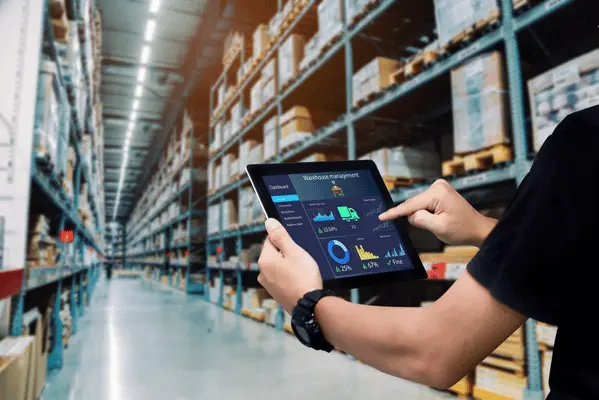
What might have previously required various applications or spreadsheets is now being processed through one interface, available through tablets, desktops, or the cloud linked smart POS machines.
Organised Retail Chains Are Leading the Way
Fashion chains, supermarket groups, electronic retailers and even food court kiosks are now using point-of-sale (POS) systems for:
- Fast billing and barcode scanning
- Loyalty programme integration
- Real-time dashboarding for sales data
As these chains enter Tier 2 and 3 cities, they are establishing a new baseline for what a shoppers’ experience should be like. Independent stores are facing mounting pressure to keep up.
POS Adoption Is Also Helping Retailers Go Omnichannel
A quality POS today connects to online marketplaces, mobile apps, or even WhatsApp-based order systems. This enables:
- Unified stock management
- Synchronised order history across all platforms
- Centralised analytics and promotions
Ultimately, this will allow customers to browse, order, and pay either in-store or online, with continuity in their service experience and data tracking.
To explore POS adoption trends across formats and segments, see our India POS Device Market
Modern Retail in India Needs More Than Just a Payment Device
POS systems are quickly becoming the operational backbone of retail businesses in India. From improving customer checkout to enabling data-driven decisions, these tools are shaping the future of the retail industry in the country.











Share