Trends in Indian Broiler and Layer Production with Methods, Regional Differences, and Growth
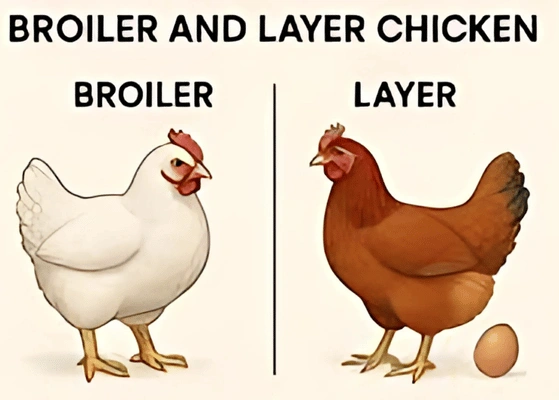
The poultry sector in India is experiencing profound change as it continues to evolve rapidly due to consumer demand, modernization of methodologies, and the application of technology. Broiler and layer are growing steadily as development in the consumption of animal proteins, urbanization, and changes in consumption habits emerge at the same time.
India is becoming a major global poultry sector market with government support, private investment, and physical integration and technology in feed and breeding. The sector is now changing its mode of production. Broiler and layer commercial farms have or are starting to have more individually controllable and protected spaces, feed programs and biosecurity as production continues to increase. Automation in feeding, water, and climate are gradually being integrated into production systems in Tier-1 and Tier-2 poultry clusters.
Regional Differences in Poultry Production
India's poultry production shows a diverse regional character. Andhra Pradesh, Telangana, Tamil Nadu, and Karnataka account for the bulk of the country's broiler production capacity due to their advantageous climate, good infrastructure, and proximity to feed mills. Maharashtra, Gujarat, and Punjab account for egg production in layer farms that also typically have high population densities, leading to urban demand for urban consumption patterns.
However, the eastern and northeastern regions still have limited technical expertise among producers, farms with disparate structures, and little in the way of linking producers to markets. Knowledge of India's regional dynamics of poultry production is important for policymakers and investors interested in sustainable expansion in production capacity.
Adoption of Technology and Modern Practices
Technological adoption is also important for enhancing efficiency in Indian poultry production. The modernization of fish farming has been achieved through an increasing acceptance of automated feeding systems through temperature-controlled housing and vaccination programs that produce a better growth rate and egg yield.
More evidence of modernization includes the use of digital platforms for farm management and supply chain traceability. Producers can monitor the health of the flock, better manage the feed conversion rate, and development of protocols for food safety compliance.
Changing Consumer Preferences Driving Demand
In India, households, bakeries, and foodservice outlets are consuming increased quantities of chicken and eggs due to rising incomes, urbanization, and the growing awareness of protein in nutrition. Broiler meat and eggs are consumed all households and are in growing demand. Broiler meat is growing in preference due to ease of use and price. Eggs are consumed in wider scope including households and bakeries.
Health-conscious consumers are pressing for antibiotic-free meat as well as organic eggs. Producers are increasing the use of standards in what they are going to be utilizing in on feed and rearing practices. The increase in quick-service restaurants, ready-to-eat meals and processed foods has led to increased demand for consumption of high-quality broiler. Urban consumers are utilizing value added products either as marinated or pre-cooked items by the consumer to substitute for raw poultry.
Sustainability and Biosecurity Considerations
Sustainability is becoming the central focus of poultry production. Efficiency of feed consumption, waste, and water have become dominant objectives to reduce farms environmental footprint. Improved biosecurity measures, such as restricting access, vaccinations and health checks are routinely used to avoid severe diseases outbreaks that may have severe negative impacts on productivity and profitability.
Producers have begun exploring renewable energy inputs and eco-design housing standards and practices to incorporate these trends into production, that are satisfactorily aligned with global sustainability standards. These initiatives will protect productivity on farms as well as consideration for growing cohort of aware consumers and responsible buyer institutions.
Government Support and Policy Initiatives
Central and state government schemes are playing a vital role in boosting poultry production. Initiatives include financial assistance for modern farm infrastructure, support for feed mills and hatcheries, and training programs for farmers. The government’s focus on nutrition and food security, including promotion of egg and poultry consumption, has contributed to sustained growth in both broiler and layer segments.
Public-private partnerships and industry-led cooperatives are also facilitating market linkages, technology adoption, and quality assurance. These models ensure small and medium producers benefit from economies of scale while meeting rising domestic and export demand.
For a comprehensive analysis and future forecast, read our India Poultry Market
Future Outlook for Indian Broiler and Layer Production
India’s broiler and layer sector is poised for continued growth, driven by rising protein consumption, urbanization, and modern farming practices. Adoption of advanced technology, sustainable production methods, and strong policy support will shape a more efficient, safe, and profitable poultry industry. Regional dynamics, consumer trends, and contract farming models will remain critical for scaling production while maintaining quality standards. With increasing focus on innovation and biosecurity, India’s poultry sector is set to meet domestic demand and expand its presence in global markets.











Share