Quicklime and Hydrated Lime in Australian Construction Applications
The lime industry is significant in the Australian construction industry and helps stabilize soils, concrete behaviour, and moisture content in infrastructure work. Quicklime and hydrated lime are the most common of all the lime products. Although both are made of limestone, their chemical characteristics are different, hence their real-world construction environment performance.
This knowledge of these differences will assist contractors, engineers, and project planners to choose the appropriate material to use in particular site conditions. It also helps with better workflow planning, enhanced safety practices, and long-term project outcomes.
Understanding Quicklime and Hydrated Lime
Quicklime is calcium oxide, produced by high-temperature heating of limestone to get rid of carbon dioxide. The result of this process is a highly reactive material which produces heat when it contacts water. Quicklime is suitable for work where speed of action is required to reduce moisture and improve soil due to this strong reaction.
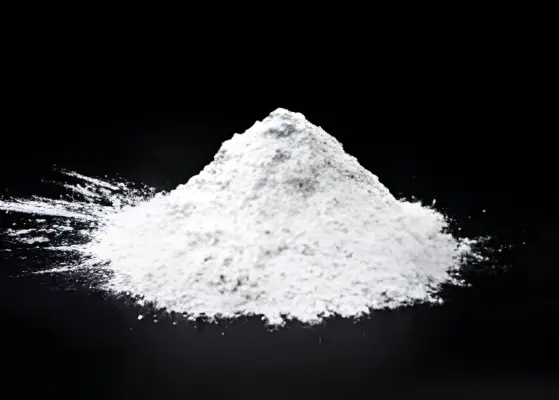
Calcium hydroxide, or hydrated lime, is made by the careful addition of water into quicklime. This hydration forms a fine powder that is more convenient to handle and provides more stable operation. Although hydrated lime is slower to react than quicklime, it has predictable reactions and is safer to use.
The two materials are used in construction for similar purposes; however, they may act differently on site. Quicklime provides rapid chemical activity, whereas hydrated lime provides predictable workability. The last decision usually depends on project size, soil type, and the experience of the on-site teams.
Key Construction Uses Across Australia
The growth in the infrastructure network in Australia continues to create demand for lime products. Improvements in roads, rail lines, ports, and business developments use lime to enhance the strength of the ground and durability of materials. Quicklime is also employed to stabilize wet or clay-rich soils, particularly when carrying out earthworks and foundation works in large civil engineering projects.
Hydrated lime is mostly used in activities where reaction control is required. It is utilized in mortar, plaster, asphalt mixes, and smaller-scale soil treatment by builders. It also aids in the construction of pavements because it enhances load-bearing capacity and is less moisture-sensitive.
Both quicklime and hydrated lime help to enhance soil structure, plasticity in clay soils, durability of pavements, and moisture management on construction sites. These advantages will assist in reducing building schedules and enhancing structural soundness in the long run, which makes lime a vital material in contemporary construction work.
Performance Differences That Matter on Site
Quicklime is highly reactive and therefore works well in time-sensitive stabilization work. It is especially applied in large projects in which fast drying and soil modification are necessary. It is, however, dangerous to touch without caution since it produces heat and may burn an individual if mishandled.
Hydrated lime is slower in reacting, giving more control and safety. It is therefore appropriate in urban construction settings where worker exposure should be minimized. It also facilitates uniformity in mixes in building materials like mortar and asphalt.
Material choice is also affected by storage and logistics. Quicklime should be kept dry to avoid premature hydration, whereas hydrated lime will have better shelf life and will not need such stringent storage conditions. In terms of cost, quicklime can decrease the quantity of material due to high efficiency, but hydrated lime can decrease the risks of operation and costs related to handling. These factors are normally evaluated by project managers considering safety and performance requirements.
Safety and Sustainability Considerations
The use of lime products is generally safe. Quicklime must be handled with proper protective measures because of its caustic nature, whereas hydrated lime can be handled with routine protection measures. Both materials require proper training and site controls.
Sustainability is also becoming an increasingly important factor in the choice of materials. Lime makes the soil reusable, thereby minimizing waste produced by excavation and transportation. It also increases the lifespan of pavements, thereby reducing maintenance costs during the life of infrastructure assets. Australian manufacturers are investing in cleaner production processes and energy-efficient kilns to minimize environmental impact.
In addition to construction, lime finds other uses in the environment, such as treatment of acidic soils and stabilization of contaminated lands. All these long-term applications portray the role of lime in infrastructure growth and environmental management.
Supporting Australia’s Infrastructure Growth
With Australia still investing in transport networks and urban sprawls, quicklime and hydrated lime are considered essential construction inputs. Quicklime is used to promote fast stabilization of large civil construction projects, and hydrated lime offers versatility for mixed-use buildings. Their collaboration assists in fulfilling various project needs across different regions. The reason they continue to be adopted is that they are reliable materials that work under diverse site conditions. Both products are likely to have strong demand with stable infrastructure expenditure.
To gain in-depth knowledge about the production trends, patterns of application & demand, check out the Australia Lime Report.
Building Strong Foundations for the Future
The choice of quicklime versus hydrated lime is not just a matter of chemistry. It affects project efficiency, worker safety, and long-term performance. The materials present certain advantages to the construction industry in Australia, which facilitates more robust foundations and structures.
These differences gain more importance as builders face stricter schedules and increasing demands for sustainability. By making informed material selection, construction teams will deliver reliable results while supporting responsible development at a national level.











Share