The Role of Smart Thermostats in North America's HVAC Innovation Landscape
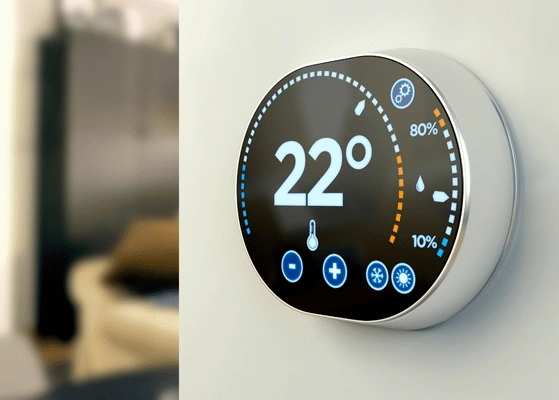
As North America’s HVAC market continues to change, smart thermostats are leading a change in how building managers and bona-fide homeowners regulate and control their indoor climate. Smart thermostats, although they are computerized versions of traditional thermostats, are network-connected devices that usher in the area's changing focus on cost savings, energy efficiency, and smart home control. Smart thermostats represent a larger trend toward smart homes and green building and gaining traction in both commercial and residential HVAC markets.
Smart thermostats are able to adapt in real time, the interface is intuitive and offer machine learning features to allow users not only to achieve increased user comfort but decrease energy usage overall. These features of smart thermostats yield benefits that make them an important climate control device in light of the continuing uncertain energy markets and increasing environmental regulations.
Data-Driven Comfort and Energy Optimization
A key motivator of smart thermostat adoption in North America is their ability to provide individualized climate control. Smart thermostats can learn user habits and patterns, for example, an individual's preferred temperature ranges at certain times of the day, enabling the smart thermostats to adjust settings to help maximize comfort and improve efficiency.
Features like geofencing, occupancy sensors, and real-time weather responsiveness enable HVAC systems to work only when needed, cutting down on waste. Smart thermostats also allow remote control through mobile apps, giving homeowners the flexibility to adjust settings while away, an important feature for vacation homes, rental properties, or during unexpected schedule changes.
Sustainability and Regulatory Drivers
The rise of smart thermostats is occurring at the same time as the national and state-wide goals for energy conservation. Programs like California's Title 24 on energy code and ENERGY STAR are driving consumers towards energy efficient solutions while smart thermostat manufactures are partnering with utilities to offer rebates and incentives to reduce cost barriers. All of this is happening harmoniously with policy, resulting in a win-win-win situation. Customers benefit from lower energy bills, utilities benefit from lower peak loads, that help balance grid loads and renewable energy integration. As decarbonization efforts grow across North America and beyond, smart thermostats are rapidly becoming the bridge between personal comfort and environmental responsibility.
Integration with Broader Smart Home Ecosystems
Another factor driving the growth of smart thermostats is their integration into larger smart home ecosystems. Large technology companies like Google (Nest), Amazon (Ecobee), and Honeywell are building more sophisticated systems with thermostats integrated with voice assistants, lighting, air purifiers, and security.
This interconnectedness appeals to tech-savvy homeowners looking to consolidate control over their living environment. For the HVAC industry, this means new opportunities for upselling related products and offering bundled services. The data collected by smart thermostats also opens doors for predictive maintenance and diagnostics, reducing service calls and preventing system failures before they occur.
Barriers to Adoption and the Path Forward
Although these smart thermostats have many benefits, there are still challenges for adoption in North America. Too many older homes have legacy HVAC systems that cannot handle the smart thermostat without updates. Furthermore, consumer knowledge and technical literacy is inconsistent, and often large gaps are found with age and income demographics, such as renters or low-income units and multi-family homes.
Installation difficulty, real or perceived privacy concerns from data sharing, and the upfront cost even if reduced through rebates can stymie adoption. Education and ease of use will be vital mechanisms in eliminating these barriers. Manufacturers and HVAC service providers have begun responding with easier setup, subscription-based pricing, and assistance for users who were not technology literate.
Commercial applications are increasing as well, especially in office buildings, schools, hospitality, where energy tracking and centralized control can yield significant operational savings. However, for smart thermostats to saturate the commercial market, there needs to be collaborative efforts by manufacturers, utilities, regulators and service professionals align to make integrating the systems simple and conveying value added or savings.
For comprehensive insights into market dynamics, competitive players, and long-term forecasts, read our North America HVAC Market
A Central Component of Climate-Smart Living
Smart thermostats are more than just consumer gadgets. They are considered a crucial enabler in North America’s smart, clean and efficient climate control system. As homes and businesses are looking for solutions that meet their needs for comfort, sustainability and convenience, these devices are delivering real results.
Through continued innovations, policy and system integration with full-service HVAC systems, smart thermostats will take a leading role in the transformation of HVAC in North America. Their contributions towards energy efficiency, consumer empowerment and environmental progress are not a fad but lay the foundation for the HVAC systems in the coming years.











Share