India’s Organic Spice Farming Compliance Challenges and Export Opportunities
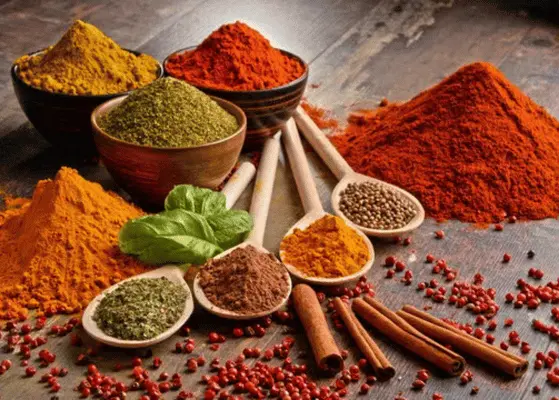
India has been the world's leading producer of spices for years. But now, there is a shift in the industry: buyers are looking for organic, traceable, and residue-free spices, and this is changing how producers, processors, and exporters work.
Organic farming of spices is not just another trend, it has become a path to higher-value export market opportunities particularly in Europe, the United States, and the Middle East.
What is Driving Global Demand for Organic Indian Spices?
Major global F&B and nutraceutical brands are under pressure to use clean-label ingredients, surging the demand for organic Indian turmeric, cumin, coriander, ginger, pepper, and chilli.
European Union and United States importers are facing tough food safety regulations; hence, India’s certified organic spice suppliers are now perceived as lower-risk partners. Retailers in the United Kingdom, Germany, and UAE have begun sourcing residue-free turmeric and jaggery directly from specialty hubs like Kandhamal, Guntur, and Erode, where organic practices are well documented and traceability is far more robust.
Compliance: What Exporters and Producers Must Pay Attention To?
For exporters, compliance is not just about paperwork, it requires robust systems and documentation. Exporters must maintain field-level traceability, internal audit logs, and pesticide-free records to satisfy buyer requirements. Soil health reports are increasingly requested, and in the case of jaggery exports, microbial standards and packaging quality are tightly monitored by Western retailers. Working with certified farmer producer organizations (FPOs) or cooperative clusters helps smaller exporters meet volume demands while staying compliant throughout the supply chain.
For producers, meeting compliance means adhering to one or more certification programs such as India’s National Program for Organic Production (NPOP), USDA’s National Organic Program (NOP), or the EU Organic Regulation (Regulation (EU) 2018/848). Producers must follow strict guidelines on inputs, soil management, and documentation to qualify as organic and to maintain access to premium export markets.
Where Can You Find Opportunities?
Organic turmeric and jaggery are growing at 7–10% CAGR globally. Markets like Germany, Netherlands, United Kingdom, Japan, and UAE have shown major interest in:
- Organic spice blends for herbal teas
- Jaggery powder as a wellness-focused natural sweetener
- Organic chili and pepper variants in functional sauces and condiments
India's export data shows a clear growth trajectory in organic spice volumes post-2020. Pricing is 1.5–2.3x higher than conventional items, but the entry barriers are also high. Hence, there is a legitimate business opportunity for compliant suppliers.
For a broader view of the domestic and export trends, see our India Spices Market Report
Who’s Getting This Right?
States like Kerala, Karnataka, Odisha, and Maharashtra are leading the transition, supported by NGOs, agritech startups, and export-focused contract farming. Small growers are onboarding certified clusters, giving larger exporters dependable, audit-ready supply chains. FPOs are helping streamline field-level compliance and post-harvest traceability.
Companies combining scale, certification, and clean post-harvest processing are gaining ground in the industry. In a market that’s moving from just price to value-plus-compliance, early movers with scalable models are projected to benefit from fewer barriers and better profit margins.








Share