Sustainable Fashion: Eco-Friendly Clothing Brands
The apparel, accessories, and footwear market was valued at approximately USD 2226.56 Billion in 2025. The market is projected to grow at a CAGR of 6.10% between 2026 and 2035, reaching a value of around USD 4025.21 Billion by the end of 2035. However, as consumers become increasingly aware of the environmental and ethical implications of their clothing choices, sustainable or green fashion is stepping into the spotlight.
The Need for Sustainable Fashion
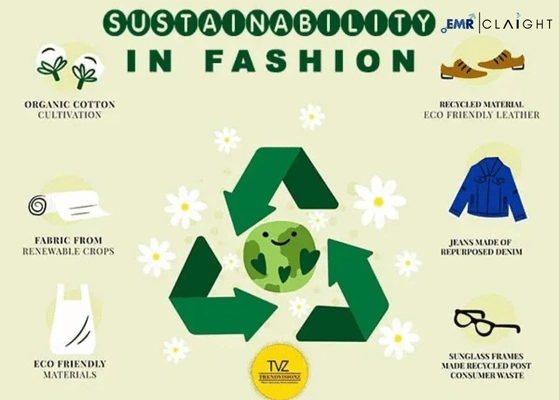
The fashion industry is known for its environmental impact as it contributes to 10% of global carbon emissions and is one of the largest consumers of water worldwide. Fast fashion exacerbates these issues by promoting a cycle of overconsumption and waste. In fact, clothing is now worn only 7 to 10 times before being discarded, a decline of more than 35% in just 15 years. This unsustainable model not only harms the planet but also exploits workers in developing countries, with many earning as little as USD 1.58 per hour.
Prominent Eco-Friendly Fashion Brands in India, USA, and South Korea:
Founded in 2011 and headquartered in Mumbai, No Nasties produces 100% organic cotton clothing using ethical practices. The brand has gained popularity for its carbon-negative production processes. It has also received certifications from organisations like the Global Organic Textile Standard (GOTS), meaning their products meet high environmental and social standards.
Established in 2015 and based in Chennai, Bhumi focuses on handwoven cotton and linen dyed with organic colours, promoting traditional craftsmanship. The brand has contributed to the livelihoods of over 1,000 artisans, priortising fair trade practices. Bhumi has also launched initiatives to educate consumers about sustainable fashion and the importance of ethical sourcing.
A pioneer in sustainable fashion since its founding in 1973, Patagonia is headquartered in Ventura, California. The brand is known for its commitment to environmental activism and ethical manufacturing practices. It has been donating at least 1% of sales to environmental causes since 1985. They were the first company to be certified by the Responsible Wool Standard and the Traceable Down Standard, ensuring humane treatment of animals. In 2023, over 70% of their products were made from recycled materials.
Founded in 2009 and headquartered in Los Angeles, California, Reformation has implemented practices to reduce water usage by up to 30% compared to traditional methods. In 2024, it reported that it had saved over 1 billion gallons of water through its sustainable practices. Additionally, the brand's "RefScale" measures the environmental impact of each item, allowing consumers to make informed choices. Their products have been climate neutral since 2015 and the company has committed to becoming climate positive by 2025 and aims to be fully circular by 2030.
Allbirds, founded in 2014 and based in San Francisco, California, has transformed footwear with its use of natural materials like merino wool and eucalyptus tree fibers. The company focuses on carbon neutrality. Allbirds' commitment to sustainability has made it one of the fastest-growing footwear brands, with sales projected to exceed USD 300 million in 2024.
Founded in 2010 and based in San Francisco, Everlane focuses on "radical transparency” by providing detailed information about production costs and factory conditions. Since 2021, the brand is using only sustainable materials, such as organic cotton and recycled polyester. Company’s efforts have resulted in a 12% increase in sales year-over-year as consumers increasingly seek ethically produced clothing.
- H&M Korea (Conscious Collection)
While H&M was founded in 1947 in Sweden, its Conscious Collection was launched in 2012, with operations expanding into South Korea shortly thereafter. The headquarters for H&M Korea is in Seoul. H&M's Conscious Collection features garments made from organic cotton and recycled polyester. The brand has set a goal to use only sustainable materials by 2030.
Evident Growth in Sustainable Fashion Industries
In the United States alone, consumer spending on green fashion is projected to reach nearly USD 4.39 billion by 2032. Similarly, 62% of European consumers are expressing interest in purchasing sustainable clothing. Moreover, organisations such as the Sustainable Apparel Coalition (SAC) are working towards improving sustainability standards across the industry. The SAC's Higg Index provides a framework for brands to measure their environmental impact and make informed decisions about their practices.
Conclusion
By choosing brands that prioritise sustainability, consumers can play a pivotal role in transforming the fashion industry into a more responsible and eco-conscious sector. Embracing sustainable fashion isn’t just about looking good; it’s about feeling good knowing that your choices contribute to a healthier planet and a more equitable world for all.











Share