Sustainable Rubber Production Practices towards a Greener Future
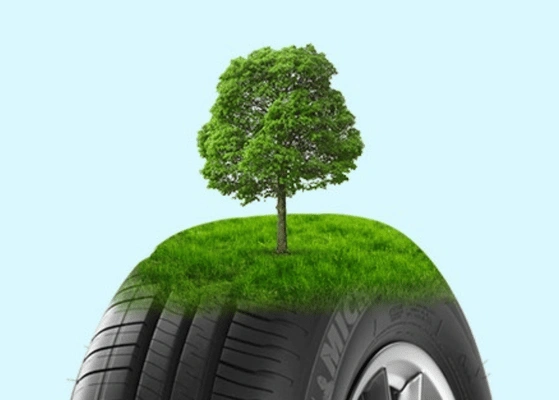
Rubber has become so much of a normal part of life that most people hardly ever pause to consider where it originates from. It is found in car and airplane tires, household gloves, sporting goods, medical supplies, footwear, and thousands of other products that make modern living possible. The global rubber industry has grown to meet this demand, but not without consequences. Expanding plantations have often been linked to deforestation, biodiversity loss, and pollution, raising questions about the long-term sustainability of rubber production.
As automobile, healthcare, and consumer goods industries grow, demand for natural rubber is sure to increase even more. Fulfilling this demand from conventional methods will further place strain on vulnerable ecosystems. There is an alternative. Sustainable rubber production. It's all about minimizing environmental stress and maximizing productivity and profitability.
Growing Rubber Without Harming the Earth
The path to greener rubber begins on the plantations where latex is extracted from trees. Farmers in Asia, Africa, and South America are starting to substitute traditional methods with practices that conserve both the soil and the surrounding landscape. Forestry is a prime practice. It involves growing rubber trees alongside crops such as bananas, coffee, or cocoa. This conserves soil fertility, enhances biodiversity, and provides farmers with more than one source of revenue.
Another crucial shift is the move away from synthetic chemicals. Organic compost, natural fertilizers, and biological pest control are replacing toxic chemicals. This is lessening water pollution as well as enhancing long-term land productivity.
Sustainable agriculture also has economic advantages. Payers in industrial nations are more than happy to pay extra for certified, environmentally friendly latex. Small-scale farmers who embrace greener approaches can negotiate improved contracts and more secure incomes. In Thailand, for instance, farmers adopting sustainable farming are earning greater returns per hectare and ensuring soil quality for future generations. In Africa, international NGOs are funding pilot projects that enable farmers to take up low-cost, environmentally friendly methods that benefit livelihoods and the environment.
Smart Technology for Smarter Plantations
Technology is rapidly becoming an essential partner in the transition to sustainable rubber. Plantation managers are employing drones to survey vast tracts of land and detect early warning signs of disease or water stress in trees. This prevents large losses and minimizes the use of chemical treatments. Satellite monitoring is also employed to monitor deforestation, giving companies and regulators more tools to police sustainable land use.
Digital farm equipment is streamlining plantations. Smartphones allow farmers to monitor latex production, check soil moisture levels, and be reminded of the best times to tap trees. This data-based approach minimizes wastage and optimizes the utilization of resources such as water and fertilizer. Some firms are even trialing blockchain systems that monitor rubber from the plantation to the end consumer, ensuring complete transparency in supply chains.
Why Global Buyers Care About Green Rubber
The need for green rubber is not just from environmentalists but also from influential industries around the world. Motor vehicle manufacturers, particularly those that make electric cars, desire tires in line with their carbon-cutting goals. Sportswear manufacturers are looking for environmentally friendly materials to fulfill customer demands for eco-friendly products. Medical firms desire gloves and medical equipment that are safe and reduce the environmental impact of their supply chains.
Certification programs have become a necessity in satisfying this need. The Forest Stewardship Council (FSC) and the Global Platform for Sustainable Natural Rubber (GPSNR) necessitate that plantations adhere to stringent environmental and social principles. Certified plantations are required to show that their production processes do not lead to illegal deforestation, land acquisition, or hazardous working conditions. This type of responsibility gives assurance to buyers and establishes trust along the supply chain.
In North America and Europe, most consumers today look for environmentally friendly labels when selecting products. This exerts pressure along the supply chain since businesses try to use certified sources of rubber to keep up with market demands.
For full insights into product innovation, adoption trends, and growth opportunities, explore our Natural Rubber Market
Paving the Way for a Greener Future
The change within the rubber industry is ongoing, but the path is evident. Sustainable farming practices, cutting-edge technology, and rigorous certification schemes are laying the groundwork for a more ethical and robust industry. Farmers are discovering that more sustainable methods pay off in both environmental and financial dividends. Companies are establishing more secure supply chains that attract international buyers. Consumers are being able to access products that speak to their values without sacrificing quality.
The rubber story is shifting away from being one of exploitation and environmental degradation to becoming one of sustainable development. With innovation and responsibility, the sector can make certain that this precious material continues to meet global demands without depleting the world. The future might be tough, but the transition to sustainable rubber production demonstrates that sectors can become stronger by becoming greener.









Share