Global Industry Sustainable Rubber Supply Chain Practices
The rubber industry worldwide depends on intricate supply chains that reach from plantations to manufacturers and then to consumers. At every step of the supply chain, environmental and social consequences are far-reaching. Conventional rubber manufacturing is accompanied by deforestation, high water usage, and a lack of transparency. These issues complicate sustainability targets while ensuring efficiency.
Sustainable rubber supply chain practices overcome these issues while preserving quality and productivity. These involve responsible sourcing, ethical labor management, traceable logistics, and technology solutions. Firms globally are embracing these practices to minimize environmental footprint, enhance social performance, and satisfy increasing demands of environmentally attuned consumers. Properly managed supply chain can also drive brand image and establish long-term economic value.
Eco-Friendly Sourcing from Plantations
Sustainability begins in rubber at the plantation. Planters are turning to agroforestry practices, growing rubber among other crops like cocoa, coffee, and fruit trees. It protects the soil, maintains it, and reduces erosion while enhancing biodiversity. Healthy ecosystems are not just beneficial for the environment, but for the productivity of plantations in the long term as well.
Organic cultivation methods are gaining popularity. Natural pest control and organic fertilizers are outcompeting chemical-intensive processes, diminishing water pollution and enhancing soil condition. Improved soil quality leads to higher-quality latex, which is advantageous for farmers and producers alike. Certification schemes like the Forest Stewardship Council and the Global Platform for Sustainable Natural Rubber offer guidelines so that plantations meet environmental and social criteria. Certified rubber assists buyers in ascertaining that latex originates from responsible sources.
Producers employing sustainable methods earn more for their latex. Pilot projects in Southeast Asia assist smallholder farmers to enhance productivity and lower environmental degradation. International collaborations in Africa offer training and funding to adopt environmentally friendly practices. These examples indicate that profitability and sustainability are not mutually exclusive.
Technology Enhancing Transparency
Technology is important in the development of sustainable supply chains. Digital tracing programs and blockchain platforms enable firms to track rubber from farm to factory. Purchasers can ensure that their goods are responsibly produced and not associated with deforestation or unsafe working conditions.
Satellite imaging and drones track plantations, diagnose stress or disease in trees, and evaluate land use. Cell phone apps can help farmers measure their latex production, make decisions about irrigation management, and improve fertilizer applications. These digital tools are also environmentally friendly by improving efficiency and reducing waste.
Producers and consumer companies benefit from real-time visibility and traceability of the supply chain, allowing for better decisions and easier accountability. In addition to tracking and accountability, there is innovation beyond tracking. Some companies are testing new sources for natural rubber, such as lab-grown rubber, recycled latex, and plant-based products. These new sources may strengthen the supply chain, do not compromise on quality, provide another relief for natural rubber plantations, and enhance sustainability.
Collaboration Across the Industry
A sustainable rubber supply chain involves cooperation between farmers, manufacturers, brands, and governments. Global cooperation enables collaboration in sharing knowledge, training, and financing for sustainability practices. Global companies are cooperating with smallholder farmers to enhance production while reducing environmental and social threats.
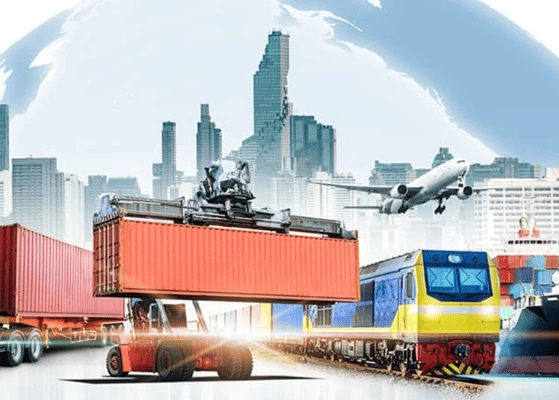
Collaboration also supports innovation. For instance, the integration of recycled rubber or plant-based alternatives is easier when all stakeholders in the supply chain work together. Logistics providers are adopting greener transport methods to reduce emissions during shipping. Joint efforts strengthen the supply chain, making sustainability a shared responsibility rather than an individual effort.
In addition to this, governments around the world are enacting policies to support sustainable production. Incentives, subsidies, and award programs reward businesses that adhere to high environmental and social standards. Consumer consciousness is on the rise as well, putting pressure on brands to use sustainable sources. The intersection of policy incentives, industry cooperation, and consumer demand is propelling the transition to responsible rubber supply chains.
For full insights into product innovation, adoption trends, and growth opportunities, explore our Natural Rubber Market
Building a Responsible Rubber Industry
Sustainable rubber supply chains are changing the game. Green sourcing, advanced technology, and active collaboration produce a system that harmonizes environmental, social, and economic objectives. Society gains improved livelihoods, safer and more equitable working conditions, and stronger community support networks. Businesses benefit from reliable access to high-quality rubber, and customers can choose products that reflect their values and ethical preferences.
By adopting transparency, responsible practices, ethical behavior, and innovative materials, the rubber sector can meet growing global demand while actively protecting the environment. Ethical and sustainable supply chains are not only a source of competitive advantage but also a fundamental pillar of the industry’s resilience and long-term sustainability. Sustainable rubber production demonstrates that economic development and environmental protection are mutually reinforcing, fostering a future where communities thrive, and future generations inherit a healthier, fairer, and more prosperous world.








Share