How Technology and Sustainable Practices Are Transforming Clothing Production
Technology is playing a bigger role in the production of clothing today. Through automation, artificial intelligence, and data analytics, brands can cut down on production costs as well as improve the level of efficiency. Cutting machines equipped with the technology of highly precise operation can not only cut fabrics with great accuracy but also limit the material waste and speed up the assembly operations. AI is used by brands to forecast trends, control stock, and customize products for different consumer segments. The use of digital design software and 3D modeling has revolutionized the garment creation process.
Designers can produce, evaluate, and modify patterns in a virtual environment before physically creating samples. This way, fabric waste is reduced, and product launches are made quicker, which is a great time saver. Those brands that decide to use the above technologies will be able to satisfy the demand of consumers faster while keeping the quality of the products at a high level. In the competition-driven market for apparel, it has become necessary to be efficient as well as precise.
Sustainable Fabrics Leading the Way
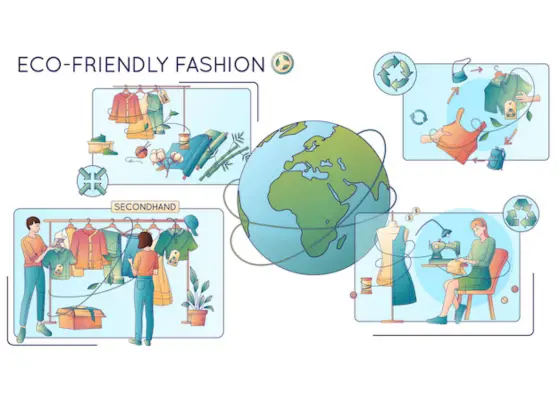
Sustainable materials are extremely significant in the production of eco-friendly clothing. Organic cotton, recycled polyester, and Tencel are different types of fibers that can lessen the clothes industry's dependence on non-renewable resources. Furthermore, the brand-new alternatives, such as fibers extracted from plants, lab-grown leather, and materials from recycled waste, are becoming trendy. These technological advances not only improve environmental performance but also enable companies to create stylish and durable collections.
Using eco-friendly fabrics helps brands differentiate in the market. Many of these fabrics are softer on the skin, comfortable, and durable. These days, most consumers are making a deliberate effort to purchase products that match their environmental values. Therefore, brands emphasize these features to appeal to environmentally conscious consumers. Sustainable materials adoption is gradually becoming a brand's core identity and the ticket to market dominance as the consumers become more aware.
Energy and Resource Efficiency
One of the greatest consumers of energy, water, and chemicals is the manufacturing of clothing. To reduce the negative impacts on the environment, brands are purchasing energy-saving machines and cleaner production methods. Among the innovations aimed at reducing the use of resources are waterless dyeing, low-impact chemical treatments, and solar-powered facilities.
Circular production models are gaining traction as well. Some companies use materials from returned or unsold products to make new ones. This approach reduces waste disposal and conserves raw materials, and it is a win-win situation for both the environment and the company's financial results. Brands can attract consumers and stay profitable at the same time by putting resource efficiency first. Sustainability and technology are now merged as major forces in the transformation of clothing production.
Consumer Influence and Brand Responsibility
Fashion consumers have become the primary decision-makers in determining what is produced in the industry. They want to know not only about the source of the materials but also about the manufacturing process and the working conditions of the employees. Transparent reporting of environmental initiatives, along with certifications for sustainable products, helps brands communicate effectively with customers and build trust and loyalty.
In addition, the availability of online channels and social networks strengthens this effect. Before purchasing, people look at products, check comments, and compare several brands. Those who do not go green may find themselves out of the market. Businesses that integrate sustainability into their operations and articulate these in their communication can improve their brand image as well as widen their audience globally. Customers demand responsible behavior from the brands they wear, besides stylish and superior quality products.
Regional and Global Adoption
Sustainable and technological changes have been increasingly implemented in major regions of the apparel industry. Europe is at the forefront of using eco-friendly fabrics and complying with regulations. Brands in North America have been using automation and AI to achieve higher efficiency and waste reduction. Manufacturers in Asia and the Pacific have been testing fabric recycling, energy-efficient production, and innovative design methods to satisfy the increasing global demand.
There are also significantly more global collaborations. Businesses are sharing their best practices, investing in research, and partnering to develop sustainable and technologically advanced production models. Through these initiatives, the manufacturing of clothes not only satisfies consumer demands but also adheres to environmental standards. With sustainability being a global priority, brands are shifting the ways they produce to stay competitive.
Explore the Readymade Garments Market report for insights on re-globalization trends in clothing, driven by techn & sustainability.
Technology and Sustainability Influencing Garment Production
Technology and sustainability are two major factors influencing the changes in the production of clothing. An increasing number of brands are adopting high-tech machinery, AI, and digital design tools to improve operational efficiency while reducing waste. On top of that, using eco-friendly fabrics and adopting resource-efficient processes have not only helped companies to comply with the environmental regulations but also enabled businesses to win the next generation of consumers.
Such innovations are the way of the future for apparel that is not only fashionable and long-lasting but also environmentally sound. Alongside sustainable practices, technological integration has enabled the garment industry to set new standards in quality, efficiency, and environmental responsibility. Those who take the lead in the market will be the ones that make these changes today and willingly move on with them into the future.











Share