In today's digital age, fitness tracking apps have revolutionized how people approach their fitness goals. These apps, accessible on smartphones and wearable devices, offer users a powerful tool to inspect and manage their physical activity.
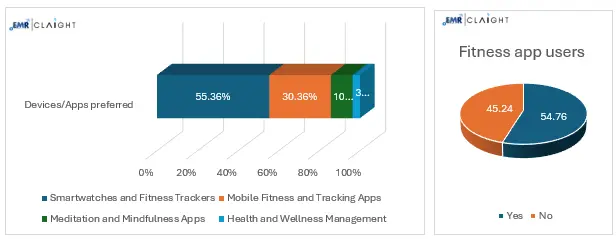
According to a comprehensive survey conducted by Expert Market Research across top-tier 1 and 2 cities, which included 45,000 respondents, the results delve deeply into how many individuals are using fitness apps and which among them is the most widely used.
How Fitness Apps Can Help You Modify Your Fitness Routine?
The results from the survey reveal that 55% of the respondents use fitness apps, while 45% do not use any apps to support their fitness routines. This study aimed to analyze the prevalence of fitness app usage, its impact on daily routines, and identify the most popular app among users. Among those who use apps, smartwatches and fitness trackers emerge as the most utilized, capturing a 55% share, surpassing traditional mobile fitness and tracking apps. This preference indicates a strong inclination among respondents towards smartwatches over other types of fitness apps and devices.
Smartwatches and fitness trackers provide easy access to fitness data directly on the wrist, allowing users to track their activity levels, heart rate, and calories burned in real-time thus provides convenience that encourages consistent monitoring and adjustment of fitness goals throughout the day. To promote fitness and ease and in view of increased users of fitness tracking and mobile apps, Indian government launched FIT INDIA Movement on 29th August 2019 by Honorable Prime Minister with a view to make fitness an integral part of our daily lives.
Under this, Fit India Mobile App was launched to share information, drive awareness and encourage sharing of personal fitness stories.
Integrating Fitness Trackers To Enhance Workout
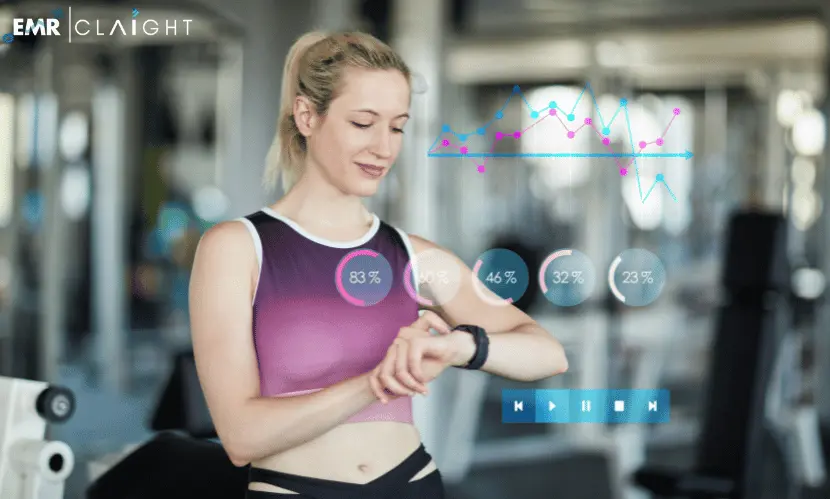
Post analyzing varied preferences of respondents it is concluded that adults and younger individuals are becoming more aware of health and fitness; hence, fitness trackers are becoming popular. Our study further depicts thar with Increasing adoption, new market players compete to reach the growing need and acquire a more significant market share. This has stimulated a rise in device innovation and development.
Advancements in technology, such as wearable fitness trackers incorporating artificial intelligence, IoT, and wireless connectivity, have gained popularity. These upgrades have made the devices accessible to older adults, as they are easy to wear and operate. Users can conveniently monitor their health metrics like heart rate and blood sugar levels in real-time, making these trackers beneficial tools for managing health effectively across different age groups.











Share