USB C Adoption Across Industries and What Manufacturers Should Know
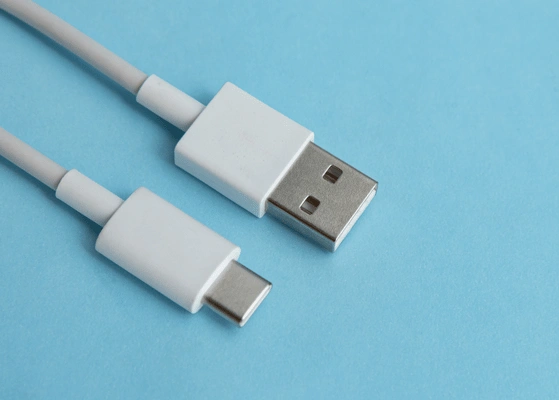
USB C has outgrown smartphone charging and now is being implemented in numerous industries like computing, automotive, healthcare, and consumer electronics. With its universal design, increased charging rates, and compatibility with higher-speed data transfer, USB C has set the new standard for connectivity and power delivery.
USB C is growing fast across devices and industries, as both businesses and consumers look for seamless, efficient, future-proof charging and data experiences. It's critical for manufacturers and charger brands to understand where and how USB C is being implemented so they can stay competitive in an increasingly evolving landscape.
Why USB C Is Becoming the Universal Standard
The multi-purpose flexible nature of USB C, even without consideration for reversibility, would offer a much-improved user experience over previous generations of USB. High throughput power in concert with high-speed data is easy to see why. Additional capabilities to use protocols such as USB PD, DisplayPort, and Thunderbolt only enrich USB replacement potential. Faster charging, faster data transfer rates, and smaller devices.
Governments and industry regulators are also actively supporting USB C adoption. For example, the European Union has mandated that from 2024 all smartphones and small electronic devices will have USB C as a standard charging port. Other regions are following the European Union's lead, which will help USB C standardization happen faster.
USB C in Consumer Electronics and Personal Devices
The consumer electronics industry is driving USB C uptake. Smartphones, tablets, wireless headphones, laptops, and portable gaming systems are being shipped more and more with USB C connectors added, both for charging and data.
Laptop manufacturers are also replacing conventional barrel charging headers with USB C PD ports, enabling thinner devices and universal charging solutions across products. Even gaming console makers like Nintendo have already embraced USB C for charging and accessory usage, and Android phone manufacturers also view USB C as normal.
Even high-end wireless audio accessories such as earbuds and noise-canceling headphones incorporate USB C ports for charging. As devices become smaller and more powerful, driven by batteries, USB C is the logical choice to provide both power and data in a small package.
Expanding Use in Automotive and Industrial Applications
USB C is also gaining traction in the automotive sector. Fresh arrivals on the showroom floor, particularly electric and luxury models, feature USB-C ports that do more than keep the cabin looking modern. They offer quick phone charging, stream audio to the infotainment system, and even link apps at highway speed. When drivers slide behind the wheel, the expectation is that the same cable used at home plugs in with the same speed and seamlessness. Carmakers are rising to the challenge, replacing legacy ports with USB-C to align cabin tech with the devices people carry every day.
In a lumbered production line or a pediatric ward, USB-C is more than a convenience. Its tight-fitting connector reduces the risk of accidental disconnection, and its capability to deliver higher wattage keeps handheld diagnostic devices operating through long shifts. Since USB-C can carry both data and electrical power, a single cable can serve machines on the floor or med carts that escort night nurses between stations, streamlining cable management in conditions that demand reliable, multipurpose gear.
These tailored use cases are fueling dedicated supply lines within the broader USB power market, pointedly for ruggedized and safety-certified USB-C chargers.
Opportunities for Manufacturers in a USB C World
With USB C becoming the standard, charger manufacturers have an opportunity to differentiate through design, quality, and compatibility. Multi-port USB C chargers that support Power Delivery and Quick Charge protocols are increasingly in demand, especially for users looking to charge multiple devices at once, from laptops to phones.
There is also room for specialization. For instance, heavy-duty USB C chargers for industrial tools, fast-charging vehicle adapters, and high-wattage chargers for creative professionals, such as videographers and developers are all niche areas showing growth.
For full market insights and adoption forecasts across sectors, read our Global USB Charger Market
USB C as the Future of Charging and Connectivity
USB C is no longer just a feature as it is a foundation for product design, cross-device compatibility, and user experience across industries. As the ecosystem of compatible devices expands, USB C will continue to drive efficiency, sustainability, and performance in both personal and professional settings.
For manufacturers, success in this evolving landscape depends on understanding how USB C is being adopted in each sector, designing chargers that meet emerging power needs, and clearly communicating product capabilities. USB C is not just the future of charging as it is the future of how we power and connect all our devices.











Share