Digital Fashion Shows and Virtual Couture Experiences
Fashion has always been about creativity, narration, and identification with audiences. Technology has, in recent years, transformed the way designer apparel is presented and experienced. Online fashion events and virtual couture experiences have been considered one of the new approaches by brands to present collections, reach consumers, and increase presence worldwide. These are not experiments anymore but are taking over the center stage of the luxury fashion ecosystem.
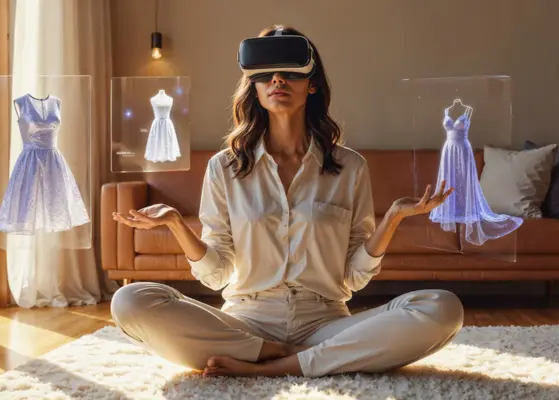
Online events enable designers to access more people across the globe without having to be limited to physical space. They also offer a chance to test new presentation forms, narration styles, and interactivity. Customers are now able to virtually try runway collections, viewing the fashions from every perspective, and even being able to tailor clothes to their preferences and buy them. This has brought a change in the way the luxury brands communicate with their customers and retain the glamour and exclusivity of couture.
Evolution of Virtual Fashion Shows
The use of virtual fashion shows gained momentum during the pandemic, causing physical events to be impossible. Quickly, brands were moving to online channels and developing immersive experiences that blurred into live streaming, 3D, and interactive elements.
In July 2024, Balenciaga introduced a runway that was entirely digital, with its seasonal collection, and incorporated elements of augmented reality, allowing viewers to view garments in movement from any place. That was shown by the show, where technology can keep the couture interesting and capture audiences on a larger scale than the old-fashioned weeks. These innovations also make traveling, building venues, and sample production less harmful to the environment.
Online performances are being added as a part of long-term marketing. Through these platforms, designers generate an interactive experience, release limited editions, and gather information on customer preferences. These learnings will influence future collections and improve the targeting strategies of certain demographics.
Consumer Engagement in the Digital Era
Digital fashion experiences provide new ways for consumers to engage with brands. The online customers have a chance to see the details of clothing, see other colors, or even engage with models or avatars in real time. These features allow the feeling of involvement and individualization that cannot be provided by the conventional runway shows.
Gamification and virtual try-on technology are also applied by luxury brands to improve their engagement. As an example, there are virtual fitting solutions that allow companies such as Dior to offer consumers the opportunity to test some of their choices on a virtual body created in the shape of an avatar. This strategy enabled the customers to engage with couture designs directly in a personal manner and yield meaningful information to the designers.
The result is a deeper connection between the brand and the consumer. Buyers will feel included in the story of the collection, and they will be more convinced to be loyal and interested in future releases. Digital interaction also brings younger technology-oriented consumers who appreciate convenience and immersive experiences in addition to exclusivity.
Technology Driving Creative Storytelling
The virtual couture experiences provide the designers with more freedom than ever to narrate stories through fashion using 3D modeling, motion capture, and augmented reality. The designers are also able to test scale, motion, and visual effects to come up with artistic exhibitions that are unforgettable.
Recently, Prada created a virtual runway in partnership with a technology studio, where the models were shown in a digitally augmented urban environment, which showcases the collection in a completely new storyline. Such experiences underscore the creativity of the brand, given that they capitalize on the latest technology as a means of standing out in the saturated market.
Moreover, these innovations also support sustainability goals. By reducing the need for physical samples, travel, and large-scale event logistics, digital shows help decrease the environmental footprint of couture events without compromising their appeal.
Expanding Access and Global Reach
The virtual fashion shows are democratizing the access to high-end apparel. In the past, only a few people in the industry, celebrities, and the media were allowed to attend the couture events. Nowadays, the digital experiences enable viewers all over the world to view launches in real-time.
Companies are using social media and streaming services to connect with consumers in various geographical locations and are fueling both awareness and purchases. To take an instance, in 2024, Chanel broadcasted its seasonal runway on various platforms, where it was watched by millions of online users and achieved a high level of interest on social platforms. The increased access will assist the designers to create a global brand identity and explore new markets that are experiencing increased demand in luxury apparel.
For insights on digital engagement and virtual fashion shaping luxury apparel, explore the Global Luxury Goods Market Report.
The Future of Couture and Digital Experiences
Online fashion shows and online couture experience is no longer a supplement. They are the key to the manner in which the brands convey creativity, exclusiveness, and innovativeness. Luxury designers are developing new brand engagement and revenue generation opportunities by integrating immersive technology and consumer tailorings.
These experiences are likely to shape the collection design, marketing tactics, and consumer experience in general as they transform over time. Luxury brands can survive in a highly dynamic world by implementing digital tools, which enable flexibility, engagement, and the environmentally friendly nature. An examination of these trends offers the perspective on the manner in which technology is transforming the future of designer clothing and the luxury sector in general.










Share