Digital Fashion Shows and Virtual Runways Transforming Global Apparel Retail
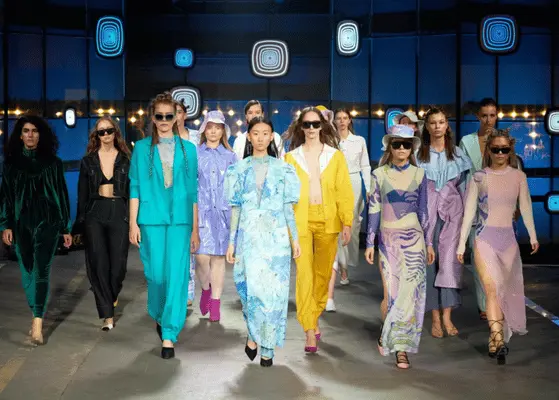
Digital fashion shows and virtual runways are redefining the way apparel brands engage with consumers worldwide. With rapid technological advancements, traditional runway formats are evolving into immersive digital experiences that reach audiences far beyond conventional fashion weeks. Consumers across North America, Europe, Asia-Pacific, and Latin America now expect interactive and visually compelling fashion showcases that provide insight into trends, collections, and brand identities. These digital platforms allow designers to display innovative fabrics, sustainable materials, and unique silhouettes while simultaneously highlighting the story behind each collection.
Retailers and brands are increasingly leveraging augmented reality (AR), 3D visualization, and virtual reality (VR) technologies to create interactive experiences. Consumers can virtually try on garments, explore detailed product views, and connect directly with designers, enhancing engagement and expanding the reach and accessibility of fashion events on a global scale. This transformation is reshaping how fashion is presented, marketed, and experienced, while offering both brands and consumers new ways to interact with apparel collections.
Virtual Runways: Expanding Reach and Engagement
Virtual runways allow brands to showcase collections to global audiences without the constraints of physical venues. Designers can present elaborate fashion concepts digitally, incorporating animation, music, and interactive elements to create immersive viewing experiences. Virtual fashion weeks now attract audiences far beyond industry professionals, including everyday consumers, enthusiasts, and international media. Digital showcases allow viewers to explore new trends, colors, and styles at their own pace, fostering a deeper connection with the brand. Additionally, virtual runways reduce logistical costs and environmental impact, offering a sustainable alternative to traditional fashion shows and supporting the growing demand for eco-conscious practices in the industry.
Technology Driving Innovation in Fashion Presentation
Technology is at the core of digital fashion shows. Augmented reality enables consumers to visualize clothing on virtual avatars or themselves, creating highly personalized experiences. Three-dimensional modeling allows designers to demonstrate intricate fabric textures, patterns, and garment fits in real time, while virtual reality experiences offer immersive tours of collections, studios, and design processes, enhancing storytelling and brand engagement. Social media platforms and live-streaming tools amplify these events, allowing viewers to share looks, vote on favorites, and interact directly with designers. AI-driven recommendations and virtual styling tools further enhance the consumer experience, helping buyers make informed purchasing decisions while enjoying a highly interactive and engaging presentation.
Consumer Trends and Digital Adoption
Global consumers are embracing digital fashion shows as part of a broader trend of online engagement and experiential retail. Tech-savvy millennials and Gen Z buyers increasingly seek unique, interactive experiences that allow them to explore fashion beyond passive observation. Virtual events cater to this demand, offering opportunities to understand fabric quality, garment functionality, and styling potential before making purchases. E-commerce platforms complement digital runways by integrating shoppable links, personalized recommendations, and immersive product displays, creating a seamless transition from inspiration to purchase. Additionally, consumers worldwide are placing greater importance on sustainability, making digital fashion shows an ideal platform to highlight eco-friendly materials, ethical production, and responsible design practices.
Retail Strategies Leveraging Digital Experiences
Brands are adapting retail strategies to maximize the impact of virtual fashion shows. Online exclusives, limited-edition collections, and pre-order campaigns allow consumers to engage directly with new lines. Retailers integrate digital showcases into omnichannel strategies, offering virtual try-on features in-store or online, combined with interactive content and social media campaigns. Collaborations with influencers, fashion bloggers, and stylists enhance visibility, attract younger audiences, and reinforce brand positioning. By integrating technology into fashion presentations, brands can create richer narratives, educate consumers about design processes and fabrics, and strengthen loyalty, ultimately driving both online and offline sales.
The Future of Digital Fashion Globally
Digital fashion shows and virtual runways are becoming permanent fixtures in the global apparel industry. The convergence of technology, creativity, and consumer demand for immersive experiences is transforming the way fashion is presented, marketed, and purchased. Brands that successfully leverage virtual platforms, interactive content, and shoppable experiences gain a competitive edge among digitally active consumers. Sustainability and accessibility remain key priorities, as digital formats reduce environmental impact while broadening market reach. Over time, digital fashion experiences are likely to redefine the relationship between consumers, designers, and brands, fostering deeper engagement, personalization, and innovation across global retail.
For detailed insights into market trends, growth drivers, and projections, read our Apparel, Accessories, and Footwear Market
Digital Runways: Redefining Consumer Experience
The integration of digital technologies into fashion shows represents a paradigm shift in how apparel is showcased, consumed, and marketed. Virtual runways and interactive platforms allow consumers to explore collections, understand design philosophies, and engage with brands in ways that were previously impossible. By combining innovation, accessibility, and storytelling, digital fashion shows are transforming global retail into a more immersive, inclusive, and sustainable ecosystem, enabling brands to connect with audiences worldwide and redefine the fashion experience.











Share