Why Wearable Medical Devices Are Gaining Momentum in South Korea’s Healthcare System?
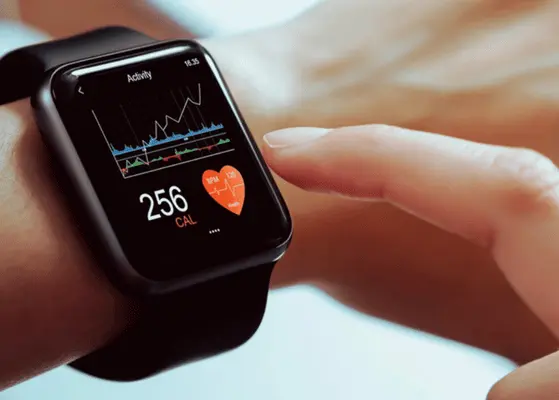
South Korea has always been at the forefront of consumer electronics, and in recent years has opportunistically leveraged its capabilities to augment healthcare delivery. Wearable medical devices, from smart watches that measure heart rhythm to biosensors woven into clothing, are changing how patients and physicians interact with each other. Considering a rapidly aging population, the increasing frequency of chronic diseases, and the country’s prevalence of ICT infrastructure, wearables are no longer a consumer gadget but rather a clinical-grade device in the medical ecosystem.
Hospitals Are Using Wearables to Impact Clinical Care
Major hospitals in South Korea are leading the integration of wearables into the management of chronic disease and rehabilitation from surgery. For example, Seoul National University Hospital is piloting a wearable ECG that sends live data to physicians that will allow them to detect atrial fibrillation and other cardiovascular conditions early.
Asan Medical Center is also minimizing visits to the clinic while improving the quality of health care service to diabetic patients using an online patient monitoring program that involves the use of glucose sensors originally designed as wearables.
These hospital-led initiatives demonstrate that wearables are moving beyond fitness tracking into the realm of regulated healthcare solutions.
Startups and Global Firms Entering the Korean Market
The local startup ecosystem is responding quickly. Korean companies such as Wellysis and Sky Labs are developing wearable platforms that combine hardware with AI-powered analytics. Sky Labs’ ring-shaped wearable for continuous blood pressure monitoring received MFDS approval in March 2023.
Meanwhile, global players like Apple, Fitbit, and Garmin are collaborating with Korean insurers and hospitals to integrate their devices into structured wellness and disease management programs. Apple’s ECG-enabled Apple Watch was among the first international devices to gain MFDS clearance, setting a precedent for global tech firms in Korea.
Chronic Diseases and Lifestyle Conditions as Key Drivers
Wearables are gaining traction particularly in managing chronic illnesses. Changing diets and sedentary lifestyles have been the two major sources of frequent illnesses. Continuous glucose monitors (CGMs) are therefore seeing strong demand.
Mental health applications are also expanding, with wearable devices being used to monitor sleep patterns and stress levels, critical in a country where long working hours and stress-related disorders are quite common.
Insurers Are Starting to Incentivize Wearable Use
Insurance companies in South Korea are incorporating wearables into premium plans. Policyholders receiving shared health data from devices like smartwatches or continuous glucose monitors can qualify for discounts and wellness benefits. This model is a close replica of successful experiments in the United States and Europe, showing that insurers believe wearables have value as a tool for reducing long-term costs by preventing severe complications.
For B2B stakeholders, this presents an opportunity to build solutions that connect healthcare providers, insurers, and consumers within a single ecosystem.
ESG and Corporate Wellness Programs
Wearables are also entering the corporate healthcare market. Korean conglomerates in Such programs align with ESG frameworks, where workforce health metrics are increasingly linked to sustainability reporting.
This adoption by corporates not only improves employee well-being but also generates large-scale datasets that can help refine wearable healthcare solutions.
For full market insights and forecast data, explore our South Korea Smart Healthcare Market
Wearables Are Becoming a Cornerstone of Smart Healthcare in South Korea
The adoption of wearable medical devices in South Korea reflects a healthcare ecosystem that is both digitally advanced and patient-centered. As hospitals integrate wearable monitoring systems, startups innovate new platforms, and insurers offer incentives, these devices are moving from optional lifestyle tools to standard medical practices.
Challenges such as data privacy, reimbursement, and physician acceptance remain, but the overall trajectory is clear. Wearables are becoming a cornerstone of South Korea’s smart healthcare transformation. For B2B players in healthcare technology, insurance, and medical services, the market presents opportunities to collaborate, co-develop, and lead in one of Asia’s most dynamic health tech frontiers.











Share