The global insulin pens market was valued at USD 41.96 million in 2024. The market is expected to grow at a CAGR of 3.1% during the forecast period of 2024-2034, with the values likely to reach USD 55.23 million by 2034. The market is driven by the rise in diabetes cases across the globe.
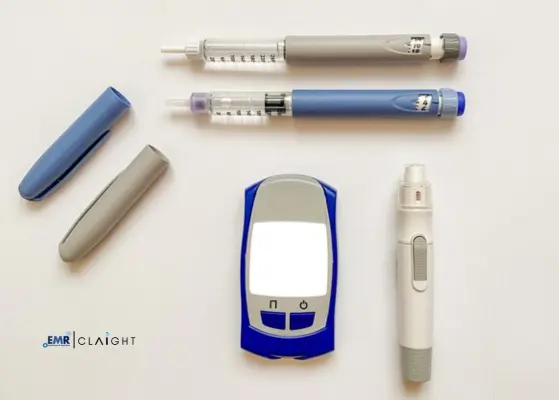
Insulin pens are advanced clinical devices designed to offer a convenient, unique, and consumer-friendly approach to administering insulin for diabetic patients. The pens typically consist of a pre-crammed insulin cartridge and are fitted with a satisfactory, retractable needle for injection. Users can dial the specified dose with relative ease, ensuring flexibility and accuracy in insulin delivery. Insulin pens are always preferred over conventional syringes due to their ease of use, discreet nature, and greater comfort. They are available in both disposable and reusable forms, catering to patients' needs and preferences. By simplifying insulin administration, insulin pens play a considerable role in improving patient adherence to medication, decreasing dosage errors, and in the long run improving the overall management of diabetes throughout all age groups.
The global market for insulin pens is growing rapidly due to the increasing prevalence of diabetes, particularly type 1 and type 2. Innovations in design, including smart pens, digital tracking, and connectivity features, help improve diabetes management by sending dosage reminders. Additionally, factors such as heightened awareness of diabetes care, enhanced infrastructure, and supportive government policies are driving market growth.
In March 2022, Novo Nordisk launched its first smart insulin pens for NHS patients, which revolutionized the management of diabetes. The advanced pens, with digital tracking and real-time dosing adjustments, provide greater precision and convenience for insulin delivery. This technological breakthrough will enhance treatment outcomes by allowing better patient monitoring and adherence. Such innovations in smart insulin pens are likely to elevate the market value in the coming years.
Top Companies Leading the Global Insulin Pens Market
1. Asahi Kasei Medical Co. Ltd
| Headquarters |
Hibiya Mitsui Tower, Tokyo |
| Establishment |
1974 |
| Website |
https://www.asahi-kasei-plastics.com/en/ |
Asahi Kasei Plastics is one of the leading companies in the global insulin pen market. It focuses on the development of new plastic materials to produce insulin pen devices. The company offers high-performance materials that guarantee durability, safety, and precision for insulin delivery systems. It has a strong focus on medical applications and plays a significant role in improving the quality and efficiency of insulin pens for diabetes management.
2. B. Braun Melsungen AG
| Headquarters |
Melsungen, Germany |
| Establishment |
1839 |
| Website |
https://www.bbraun.com/en.html |
B. Braun Melsungen AG is a significant player in the global insulin pens market, known for its high-quality medical devices and solutions. The company offers the Omnican Fine, an advanced insulin pen designed for precise and comfortable diabetes management. With a focus on enhancing user experience and improving therapeutic outcomes, it contributes significantly to the insulin pens market by providing reliable, easy-to-use products that meet the needs of diabetes patients worldwide.
3. Eli Lilly and Company
| Headquarters |
Indiana, United States |
| Establishment |
1876 |
| Website |
https://www.lilly.com/en-CA/ |
Eli Lilly and Company is one of the key players in the global insulin pens market, providing novel solutions for diabetes management. The company's portfolio has prefilled insulin pens that have been designed to make insulin administration for patients easier. Lilly's insulin pens are known for precision, ease of use, and enhanced patient comfort. As a commitment to the improvement of diabetes care, Eli Lilly continues to advance its efforts in making insulin delivery options accessible and effective globally.
4. Becton, Dickinson and Company
| Headquarters |
New Jersey, United States |
| Establishment |
1897 |
| Website |
https://www.bd.com/en-us |
Becton, Dickinson and Company is an established player in the global insulin pens market with sophisticated solution packages for managing diabetes. The company develops innovative, state-of-the-art insulin pen devices designed to enhance patient comfort and usability. Committed to improving health and quality of life, BD continues to advance its insulin pen technology to better support patients worldwide.
5. Novo Nordisk A/S
| Headquarters |
Bagsværd, Denmark |
| Establishment |
1989 |
| Website |
https://www.novonordisk.co.in/ |
Novo Nordisk is one of the biggest players in the insulin pens market and is known for its innovative products in the field of diabetes care. The company provides insulin pens that are easy to use and give accurate doses. These insulin pens suit type 1 and type 2 diabetes patients and can significantly improve patient compliance along with maintaining appropriate blood sugar control.
6. Ypsomed AG
| Headquarters |
Burgdorf, Switzerland |
| Establishment |
2003 |
| Website |
https://www.ypsomed.com/en/ |
Ypsomed plays a key role in driving growth in the insulin pen market with its advanced injection systems for diabetes management. The company offers the YpsoPen, an ergonomic and user-friendly insulin pen designed for convenience, safety, and precise drug delivery. Focused on delivering high-quality, patient-centered solutions, Ypsomed has established a strong position in the expanding insulin pen market.
7. Terumo Corporation
| Headquarters |
Shibuya, Japan |
| Establishment |
1921 |
| Website |
https://terumoindiaskilllab.com/ |
Terumo India is a key player in the global insulin pens market, known for its innovative solutions like the FineGlide insulin pen. Designed for accuracy and ease of use, the FineGlide pen ensures efficient insulin delivery, enhancing the diabetes management experience. With a strong focus on quality and patient care, Terumo continues to provide reliable, user-friendly products that support better health outcomes for individuals with diabetes.












Share