

Consumer Insights
Uncover trends and behaviors shaping consumer choices today
Procurement Insights
Optimize your sourcing strategy with key market data
Industry Stats
Stay ahead with the latest trends and market analysis.

The global 3D printing materials market attained a value of approximately USD 2.93 Billion in 2025. The market is further expected to grow in the forecast period of 2026-2035 at a CAGR of 26.90%, reaching a value of around USD 31.73 Billion by 2035.
Base Year
Historical Period
Forecast Period
Fused deposition modelling (FDM) or fused filament fabrication (FFF) is the most widely used 3D printing technology.
The Chinese government has issued the 'Additive Manufacturing Industry Development Action Plan' as part of the 'Made in China 2025' to make China one of the leading 3D printing nations.
As per industry reports, there are 871,000 3D printing machines in use worldwide.
Compound Annual Growth Rate
26.9%
Value in USD Billion
2026-2035
*this image is indicative*
| Global 3D Printing Materials Market Report Summary | Description | Value |
| Base Year | USD Billion | 2025 |
| Historical Period | USD Billion | 2019-2025 |
| Forecast Period | USD Billion | 2026-2035 |
| Market Size 2025 | USD Billion | 2.93 |
| Market Size 2035 | USD Billion | 31.73 |
| CAGR 2019-2025 | Percentage | XX% |
| CAGR 2026-2035 | Percentage | 26.90% |
| CAGR 2026-2035 - Market by Region | Asia Pacific | 28.4% |
| CAGR 2026-2035 - Market by Country | India | 28.7% |
| CAGR 2026-2035 - Market by Country | Canada | 28.1% |
| CAGR 2026-2035 - Market by Type | Polymers | 29.2% |
| CAGR 2026-2035 - Market by Form | Powder | 28.8% |
| Market Share by Country 2025 | Brazil | 2.6% |
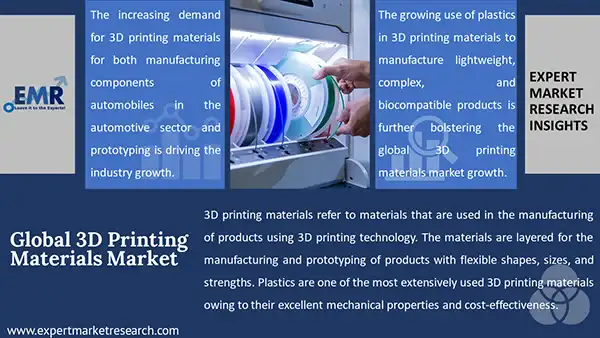
3D printing materials refer to materials that are used in the manufacturing of products using 3D printing technology. The materials are layered for the manufacturing and prototyping of products with flexible shapes, sizes, and strengths. Plastics are one of the most extensively used 3D printing materials owing to their excellent mechanical properties and cost-effectiveness.
Read more about this report - REQUEST FREE SAMPLE COPY IN PDF
Factors shaping the 3D printing materials market are the ease in the development of customised products using 3D printing, reduction in manufacturing costs and process downtime, and the growing demand for 3D printing materials in various sectors such as healthcare, cosmetics, aerospace, and automotive. Furthermore, government investments in 3D printing technologies, such as the U.S. Department of Defense's 2018 budget supporting increased use of 3D printing and additive manufacturing, are expected to have a positive influence on the market growth.
Increasing applications of 3D printing, development of advance polymers, and rising demand for 3D printing materials in automotive industry are boosting the 3D printing materials market development
The stringent regulations imposed by various governments to encourage the use of eco-friendly printing materials are anticipated to drive 3D printing materials market development.
The increasing applications of 3D printing materials in the aerospace and defence sector is expected to be another driving factor of the market. This can be attributed to the fact that 3D printing brings self-sufficiency to the military component manufacturing process.
Growing deployment of 3D printing technology for the development of innovative, customisable, sterilised, and biocompatible medical devices and equipment is increasing the demand for 3D printing materials, such as plastic.
Automobile manufacturers are extensively leveraging 3D printing technology in prototyping, which is rising the demand for 3D printing materials like plastics and metals. Moreover, the use of different materials in manufacturing different automotive parts is also surging the demand for 3D printing materials.
The increasing demand for metals in additive manufacturing of personalised and cost-effective implants, devices, and prostheses, is enlarging the market for 3D printing materials further. The thermal, mechanical, and chemical properties of metals enable easy and effective sterilisation of medical devices, hence accelerating the 3D printing materials market expansion.
The rising demand for functional 3D printing materials and carbon-reinforced composites, among others, that can withstand extreme weather conditions is expected to invigorate market’s growth. Moreover, the market growth can also be attributed to the development of advanced polymers with specific properties such as fire and temperature resistance. The use of such polymers is anticipated to increase in the manufacturing of products for industries like electronics and automotive, which is predicted to provide further impetus to the market growth.
Read more about this report - REQUEST FREE SAMPLE COPY IN PDF
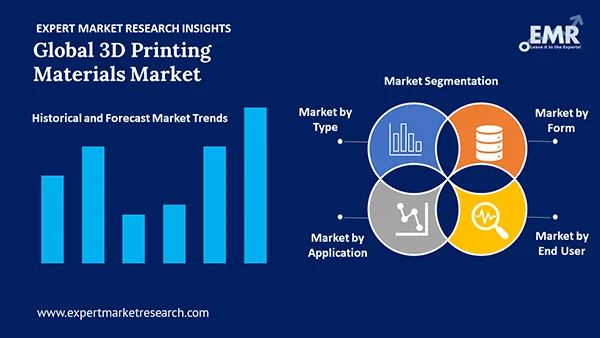
The EMR’s report titled “3D Printing Materials Market Report and Forecast 2026-2035” offers a detailed analysis of the market based on the following segments:
Market Breakup by Type
Market Breakup by Form
Market Breakup by End-User
Market Breakup by Application
Market Breakup by Region
| CAGR 2026-2035 - Market by | Country |
| India | 28.7% |
| Canada | 28.1% |
| Saudi Arabia | 28.0% |
| UK | 27.7% |
| China | 27.2% |
| USA | XX% |
| France | XX% |
| Italy | XX% |
| Japan | XX% |
| Australia | XX% |
| Brazil | XX% |
| Mexico | 27.2% |
| Germany | 26.3% |
Materials like plastics and polymers are high in demand due to their wide range of properties suitable for 3D printing
Plastics account for a sizable share of the market, supported by the growing popularity of biodegradable plastics used in 3D printing such as polylactic acid (PLA). PLA is one of the major types of 3D printing plastics, along with acrylonitrile butadiene styrene (ABS), acrylonitrile styrene acrylate (ASA), and polyamide/nylon. Moreover, the growing use of filament in 3D printing plastics due to its benefits like wear resistance, high density, strong layer adhesion, odorless properties, and chemical resistance is supporting the plastics segment of the 3D printing materials market.
Polymers also dominate the market due to their versatility and cost-effectiveness. Polymers are widely used in various industries, including automotive, healthcare, and consumer products, for applications such as prototyping, manufacturing, and end-use parts. Commonly used polymers in 3D printing include acrylonitrile butadiene styrene (ABS), polylactic acid or polylactide (PLA), and others.
As per 3D printing materials market analysis, the metals segment is witnessing growth, particularly in sectors that require high-performance, long-lasting, and heat-resistant components. Metals are used in aerospace, automotive, medical, and other industries for applications such as tooling, manufacturing, and end parts. Commonly used metals in 3D printing include titanium, alumina, and others.
Ceramics are gaining popularity in the market, especially for applications that require high-temperature resistance, wear resistance, and biological compatibility. Ceramics are used in various industries, including medical, aerospace, and industrial sectors, for applications such as tooling, manufacturing, and end parts. Commonly used ceramics in 3D printing include silica.
Prototyping segment holds a significant market share as 3D printing helps reducing the time and costs associated with traditional printing methods
Prototyping applications are a significant segment in the 3D printing materials market report. This segment includes the use of 3D printing materials for creating models, mockups, and test parts to validate design and functionality before mass production. The segment is driven by the increasing demand for rapid prototyping and the need for efficient product development processes. For instance, companies like General Electric (GE) use 3D printing to create prototypes of aircraft engine components, which helps in reducing the time and cost associated with traditional prototyping methods.
The manufacturing segment is another key area of application for 3D printing materials. This segment involves using 3D printing materials to produce functional parts and products directly, without additional manufacturing steps. The manufacturing segment is driven by the growing demand for mass customisation and the need for efficient production processes. For example, companies like Stratasys use 3D printing to produce parts for the aerospace and automotive industries, which helps in reducing production time and costs.
Market players are concentrating on the development of new methods for the creation of complex metal-plastic composite structures and next-generation electronics using 3D printing
3D Systems Corporation is a leading provider of 3D printing solutions and materials. Founded in 1986, the company is headquartered in South Carolina, United States. The company offers a range of high-performance plastics for 3D printing for various industries.
Evonik Industries AG is a speciality chemicals company that was founded in 2007 because of the merger of RAG AG and Degussa AG. The company is headquartered in Essen, Germany. Evonik offers 3D printing plastics for industrial applications.
Solvay SA is a chemical company that was founded in 1863. The company is headquartered in Brussels, Belgium. Solvay offers high-performance materials for 3D printing, including biopolymers for sustainable applications. It also offers consulting and support for 3D printing applications.
Arkema S.A is a chemical company that was founded in 1994 because of the merger of Total and Elf Aquitaine. The company is headquartered in Colombes, France. Arkema offers high-performance materials for 3D printing, including thermoplastic powders and pellets for various applications.
*Please note that this is only a partial list; the complete list of key players is available in the full report. Additionally, the list of key players can be customized to better suit your needs.*
Other key players in the global 3D printing materials market include The ExOne Co., EOS GmbH, BASF SE, Stratasys Ltd., MATERIALISE NV, Sandvik AB, ExOne Operating, LLC, Henkel AG & Co. KGaA, Formlabs Inc., Shenzhen Esun Industrial Co., Ltd., and Tethon 3D, among others.
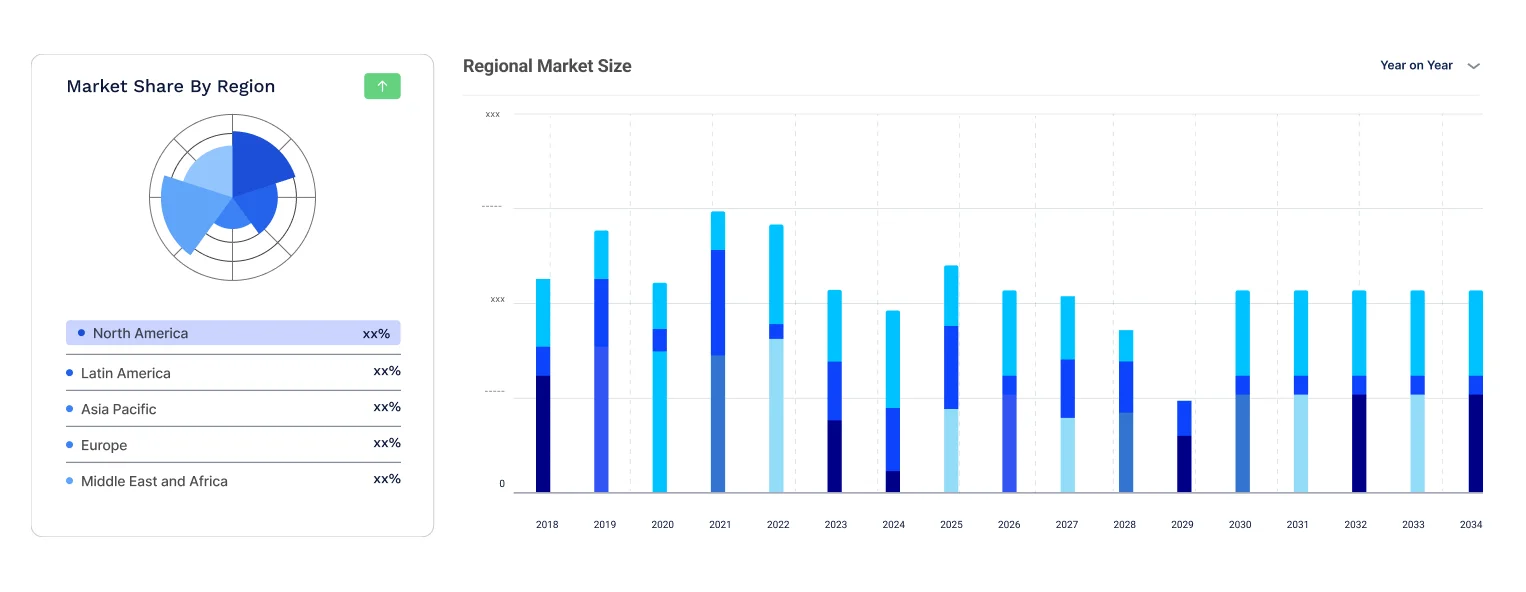
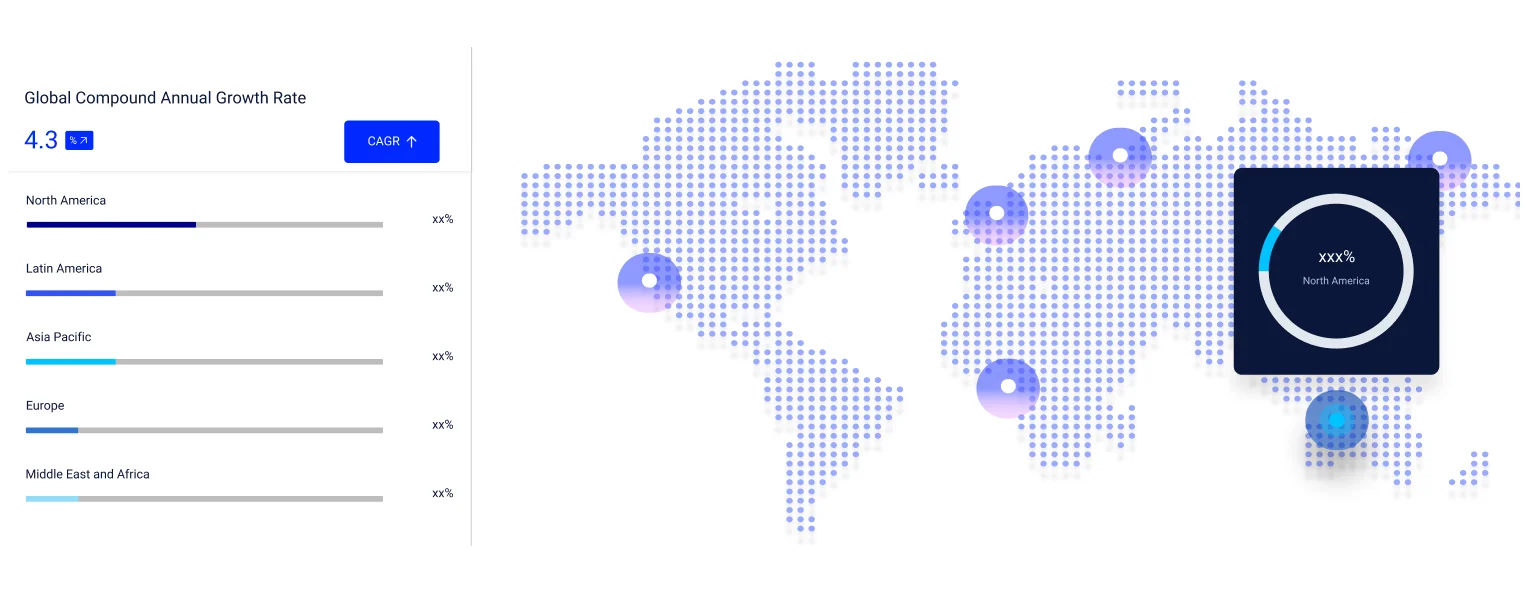
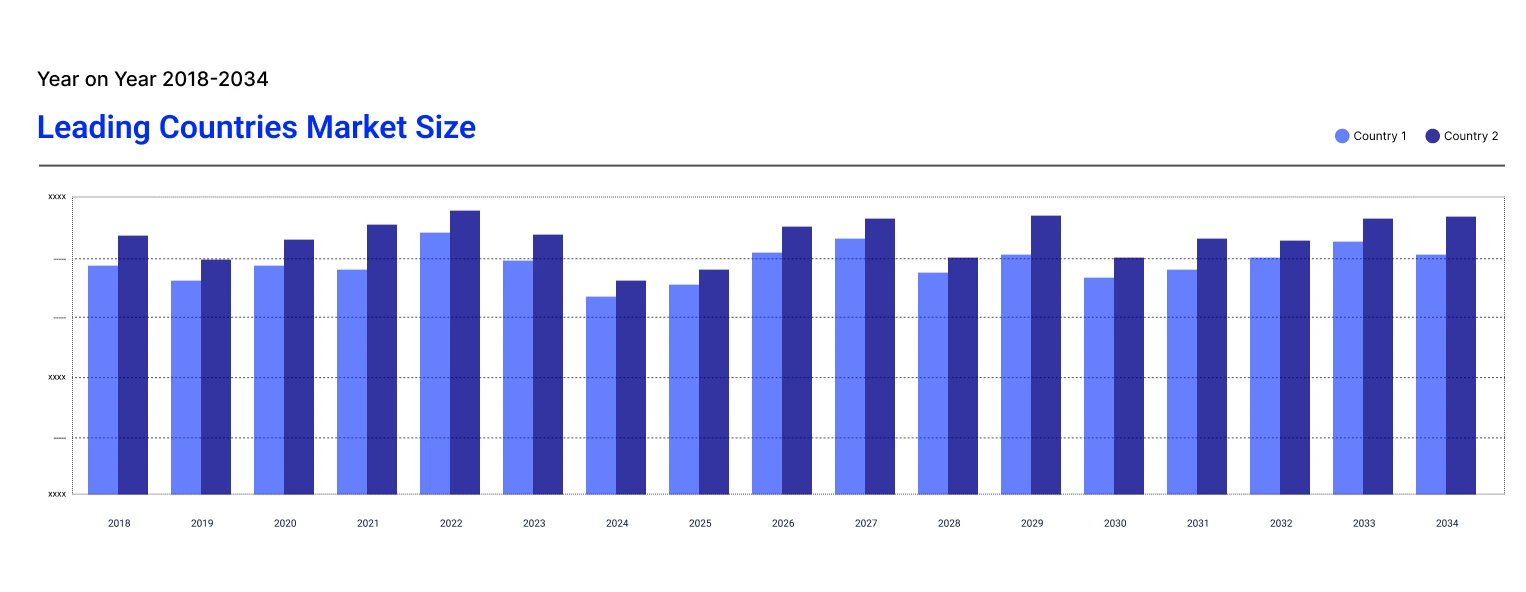
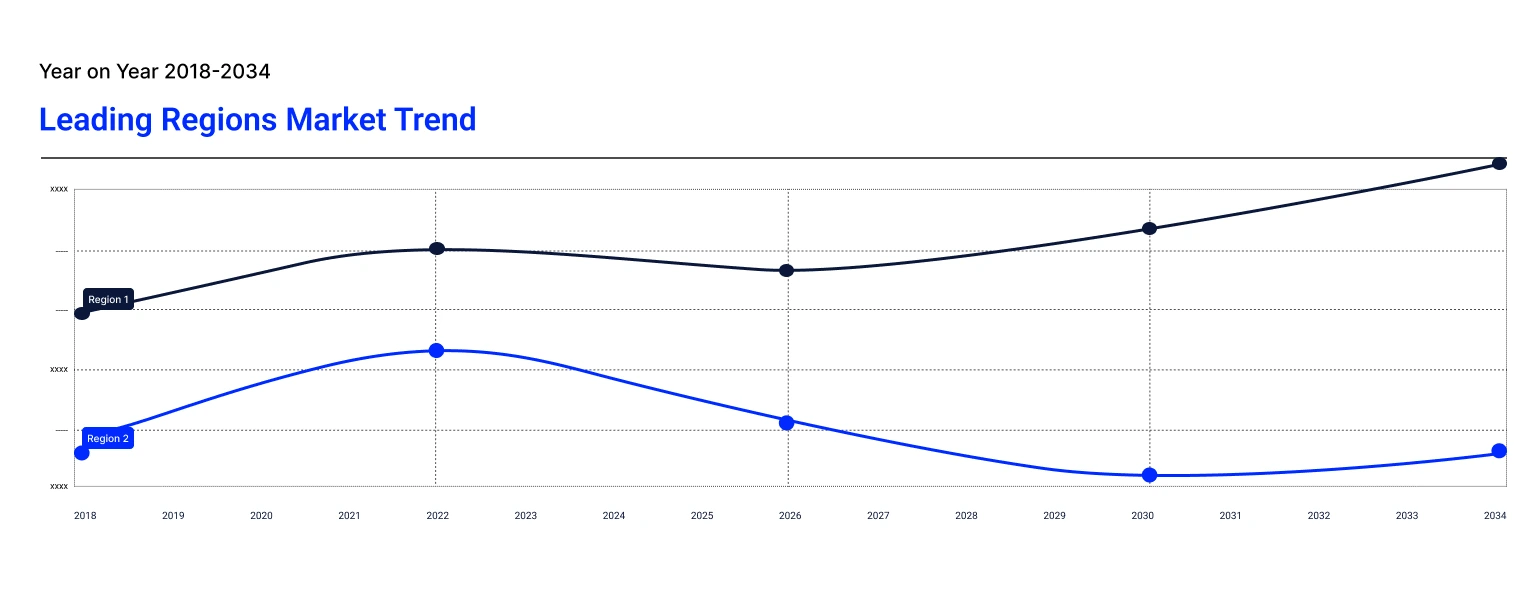
North America holds a significant market share, driven by increasing use of 3D printing materials in automotive industries
North America holds a significant market share due to increasing deployment of innovative technologies in the region. The robust healthcare infrastructure in countries like the United States and Canada is surging the use of 3D printing materials to develop affordable and innovative medical-grade products, increasing the market potential for 3D printing materials. In addition, the rising use of 3D printing materials by the original equipment manufacturers (OEM) of NA in the automotive and aerospace sectors is positively impacting the region’s 3D printing materials market share.
Meanwhile, the Asia Pacific region is likely to witness significant growth in the market for 3D printing materials, owing to the extensive manufacturing activities in countries such as India and China. Advancements in 3D printing technology in the region are expected to further surge the deployment of 3D printing materials and strengthen the market dynamics in the forecast period.


Upto 15% Off
USD
$3999 $3599
$2499 $2249
$4999 $4249
$5999 $5099


*While we strive to always give you current and accurate information, the numbers depicted on the website are indicative and may differ from the actual numbers in the main report. At Expert Market Research, we aim to bring you the latest insights and trends in the market. Using our analyses and forecasts, stakeholders can understand the market dynamics, navigate challenges, and capitalize on opportunities to make data-driven strategic decisions.*
Get in touch with us for a customized solution tailored to your unique requirements and save upto 35%!
In 2025, the 3D printing materials market attained a value of approximately USD 2.93 Billion.
The market is expected to grow at a CAGR of 26.90% between 2026 and 2035.
The market is estimated to witness a healthy growth in the forecast period of 2026-2035 to USD 31.73 Billion by 2035.
Factors driving market growth include the increasing adoption of 3D printing technology across various industries, the need for high-performance materials, and the expansion of applications in sectors like aerospace, automotive, and medical.
The rising use of 3D printing materials technology in prototyping applications, the growing demand for innovative materials for 3D printing of high-end products, the adoption of 3D printing technology in home printing, and the increasing adoption of 3D printing hardware are the key trends guiding the market growth.
Regions considered in the market are North America, Europe, the Asia Pacific, Latin America, and the Middle East and Africa.
The major types of 3D printing materials considered in the market are polymers, metals, plastic, and ceramic, among others.
The various forms of 3D printing materials are powder, filament, and liquid.
The different end-users of 3D printing materials are automotive, aerospace and defence, consumer products, industrial, healthcare, and education and research, among others.
The significant applications of 3D printing materials are prototyping and manufacturing, among others.
Key players in the market are 3D Systems Corporation, Evonik Industries AG, The ExOne Co., EOS GmbH, BASF SE, Arkema S.A., Stratasys Ltd., MATERIALISE NV, Sandvik AB, ExOne Operating, LLC, Henkel AG & Co. KGaA, Formlabs Inc., Solvay SA, Shenzhen Esun Industrial Co., Ltd., and Tethon 3D, among others.
Explore our key highlights of the report and gain a concise overview of key findings, trends, and actionable insights that will empower your strategic decisions.
| REPORT FEATURES | DETAILS |
| Base Year | 2025 |
| Historical Period | 2019-2025 |
| Forecast Period | 2026-2035 |
| Scope of the Report |
Historical and Forecast Trends, Industry Drivers and Constraints, Historical and Forecast Market Analysis by Segment:
|
| Breakup by Type |
|
| Breakup by Form |
|
| Breakup by End-User |
|
| Breakup by Application |
|
| Breakup by Region |
|
| Market Dynamics |
|
| Competitive Landscape |
|
| Companies Covered |
|
Single User License
One User
USD 3,999
USD 3,599
tax inclusive*
Datasheet
One User
USD 2,499
USD 2,249
tax inclusive*
Five User License
Five User
USD 4,999
USD 4,249
tax inclusive*
Corporate License
Unlimited Users
USD 5,999
USD 5,099
tax inclusive*
*Please note that the prices mentioned below are starting prices for each bundle type. Kindly contact our team for further details.*
Flash Bundle
Small Business Bundle
Growth Bundle
Enterprise Bundle
*Please note that the prices mentioned below are starting prices for each bundle type. Kindly contact our team for further details.*
Flash Bundle
Number of Reports: 3
20%
tax inclusive*
Small Business Bundle
Number of Reports: 5
25%
tax inclusive*
Growth Bundle
Number of Reports: 8
30%
tax inclusive*
Enterprise Bundle
Number of Reports: 10
35%
tax inclusive*
How To Order

Select License Type
Choose the right license for your needs and access rights.

Click on ‘Buy Now’
Add the report to your cart with one click and proceed to register.

Select Mode of Payment
Choose a payment option for a secure checkout. You will be redirected accordingly.
Gain insights to stay ahead and seize opportunities.

Get insights & trends for a competitive edge.

Track prices with detailed trend reports.

Analyse trade data for supply chain insights.

Leverage cost reports for smart savings

Enhance supply chain with partnerships.

Connect For More Information
Our expert team of analysts will offer full support and resolve any queries regarding the report, before and after the purchase.
Our expert team of analysts will offer full support and resolve any queries regarding the report, before and after the purchase.
We employ meticulous research methods, blending advanced analytics and expert insights to deliver accurate, actionable industry intelligence, staying ahead of competitors.
Our skilled analysts offer unparalleled competitive advantage with detailed insights on current and emerging markets, ensuring your strategic edge.
We offer an in-depth yet simplified presentation of industry insights and analysis to meet your specific requirements effectively.





Share