

Consumer Insights
Uncover trends and behaviors shaping consumer choices today
Procurement Insights
Optimize your sourcing strategy with key market data
Industry Stats
Stay ahead with the latest trends and market analysis.
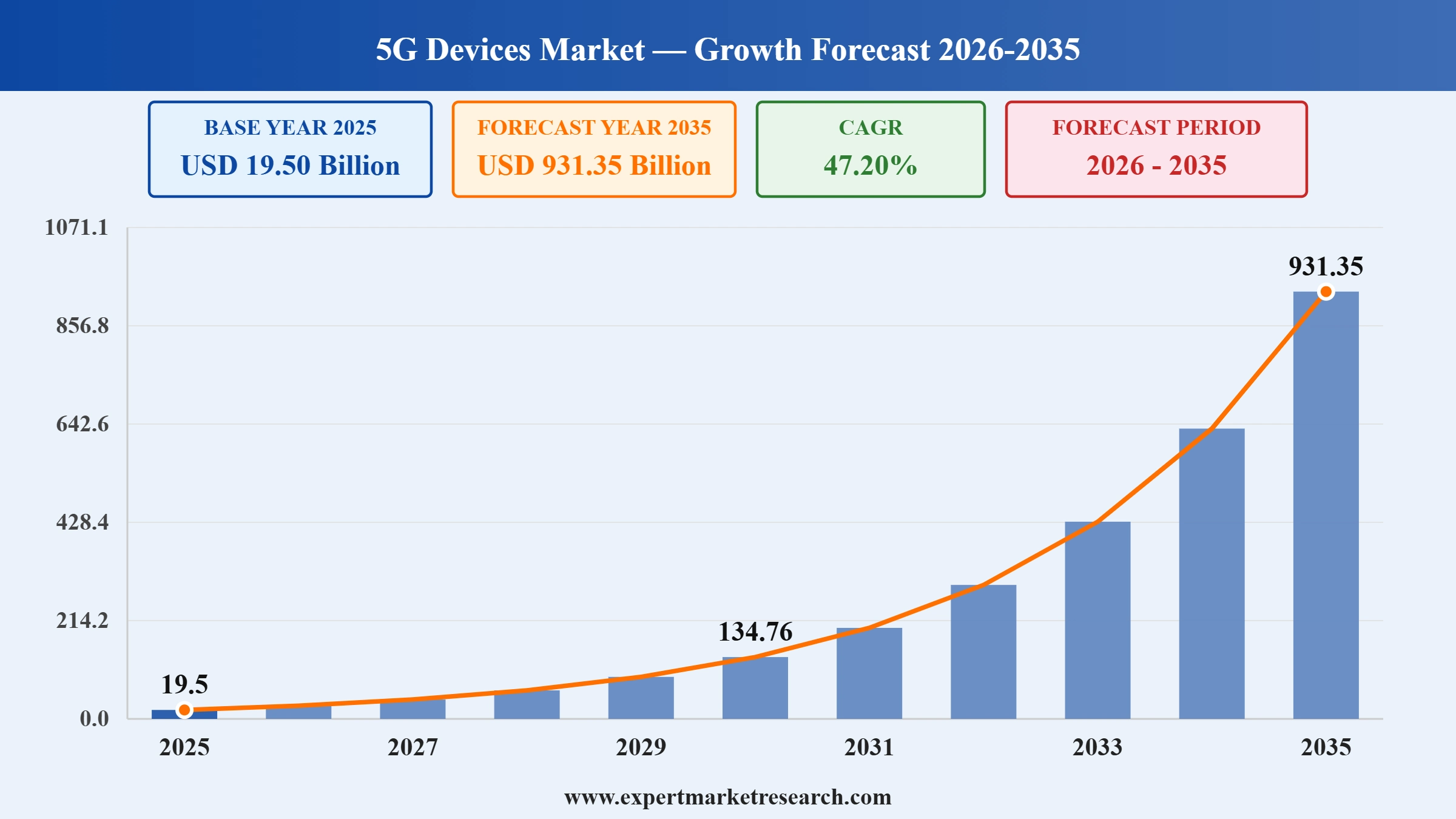
The global 5G devices market reached approximately USD 19.50 Billion in 2025. The market is projected to grow at a CAGR of 47.20% between 2026 and 2035, reaching a value of around USD 931.35 Billion by 2035.
Read more about this report - REQUEST FREE SAMPLE COPY IN PDF
5G stands for fifth generation and 5G device refers to electronic devices including mobile phones that use the fifth-generation mobile network to connect machines, devices, and objects virtually and are engineered to increase the speed and responsiveness of wireless networks. Examples of 5G devices include smartphones, tablets, laptops with 5G modems, Internet of Things (IoT) devices, and fixed wireless access points.
Infrastructural development such as the upgradation of existing modems and towers, among others, along with the growing adoption of wearable technologies is supporting the 5G devices market development. The rising requirement for speed data connectivity owing to the increase in work-from-home is also fuelling the market growth. The demand for 5G devices from the healthcare and automobile sectors is rising rapidly owing to their capability to support high-speed data transfer rate, consistent connectivity, and low latency. Moreover, government initiatives to develop smart cities are further boosting the requirement for 5G infrastructure to allow device connectivity and deployment of sensors. 5G also allows for industrial automation and smart manufacturing by enabling multiple advances including computer vision and machine learning, among others.
Huawei launched its Mate XT2 series, featuring a tri-fold design, the in-house Kirin 9050 Pro chipset, enhanced water resistance and a privacy display. The device uses Huawei’s proprietary LogicFolding architecture and was positioned as a high-end 5G smartphone ahead of Apple’s expected foldable launch. The development strengthens Huawei’s premium-device portfolio and demonstrates continued innovation in advanced 5G form factors.
Xiaomi unveiled the Xiaomi 18 Fold, introducing an AI-powered XRing O3 processor and a compact foldable design capable of supporting three applications simultaneously when opened. The smartphone also uses locally sourced DRAM from CXMT, highlighting Xiaomi’s efforts to combine advanced device capabilities with a more domestic component ecosystem. The launch increases competition in premium 5G smartphones, particularly across China’s rapidly evolving foldable-device segment.
Lava launched its Agni 4N 5G smartphone in the UK, marking a strategic international expansion for the Indian manufacturer. The device features a MediaTek Dimensity 8350 5G processor, 8GB LPDDR5X RAM, 256GB UFS 4.0 storage, a 5,000mAh battery and 66W fast charging. The company is targeting the value-oriented premium segment through online distribution and local after-sales support, therefore expanding the growth of the 5G devices market.
Philips launched the S7221 5G smartphone in India, marking the brand’s return to the Indian smartphone market after focusing primarily on consumer electronics and home appliances. The launch expands the competitive landscape by bringing a recognised electronics brand into the 5G handset segment. Philips’ re-entry highlights the continuing attractiveness of India’s 5G device market and creates another branded option for consumers.
A niche trend in the 5G devices market is the expansion of 5G Reduced Capability (RedCap) devices for industrial IoT, wearables and enterprise applications. In April 2025, the Global mobile Suppliers Association reported that more than 20 RedCap devices and six chipsets were commercially available, with 30 operators across 21 countries and territories investing in the technology. Huawei, Nokia, Samsung, TCL and ZTE were among vendors expanding RedCap device support. RedCap creates a lower-complexity 5G device category, widening 5G adoption beyond smartphones into cost-sensitive connected equipment.
A significant emerging trend is the integration of satellite connectivity into 5G smartphones, enabling communication where terrestrial networks are unavailable. Recent industry analysis indicates that Apple, Samsung, Google and Huawei are among manufacturers driving satellite-enabled smartphone development. Counterpoint expects satellite connectivity to reach 46% of global smartphone shipments by 2030, although proprietary solutions are likely to dominate initially while 3GPP NTN ecosystems mature. Satellite-enabled handsets can expand the addressable market for 5G-capable devices by adding emergency communication and connectivity in remote areas, thus propelling the demand of the 5G devices market.
Smart glasses and other connected wearables enabled by 5G are turning out to be a new category of devices as manufacturers look to deploy use cases which require always-on connectivity and distributed computing. Ericsson’s latest device outlook indicates that smartglasses volumes are expected to grow two to three times in 2026. Technology is gradually getting dependent upon uplink optimization and intelligent computing distribution between the wearables and the network. Growth in connected glasses would allow diversified demand from 5G devices towards lightweight wearables.
The market is seeing increased deployment of 5G Fixed Wireless Access (FWA) customer-premises equipment, particularly where operators need to provide broadband without extensive fixed-line infrastructure. Recent industry developments point to rising demand for 5G FWA CPE across remote, rural and urban locations. These devices allow cellular networks to deliver broadband through dedicated indoor or outdoor routers rather than smartphones. FWA expands the 5G device opportunity into home and enterprise broadband, increasing demand for 5G routers, gateways and CPE equipment, thus pushing the 5G devices demand globally.
5G devices are now being increasingly designed for on-device AI computation to facilitate the performance of functionalities like real-time translation, image creation, context-based assistance, and visual search on local computing. In 2026, there will be a shift in the industry from looking at generative AI technology as a secondary feature on smartphones to its integration in the very architecture of the devices. This will lead to the need for a combination of 5G and more advanced processing capability for hardware and neural processing.
The expansion of 5G networks to support a wide range of applications, especially in critical infrastructure and services, has raised concerns about security vulnerabilities and the potential for cyberattacks. As a result, there is a growing focus on enhancing security features in 5G devices to ensure the protection of data, privacy, and the integrity of communication networks. For instance, implementing strong encryption protocols for data transmitted over 5G networks to prevent unauthorised access or interception.
Market players in 5G devices market are enhancing their partnership and collaboration efforts to expand the 5G network. The announcement of the partnership between Comviva, a leading global provider of mobility solutions, and GSMA's Open Gateway initiative to standardise 5G APIs, in March 2024, aims to unlock the full potential of 5G networks by providing a unified ecosystem for developers and cloud providers to rapidly deploy services across operator networks.
“5G Devices Market Report and Forecast 2026-2035” offers a detailed analysis of the market based on the following segments:
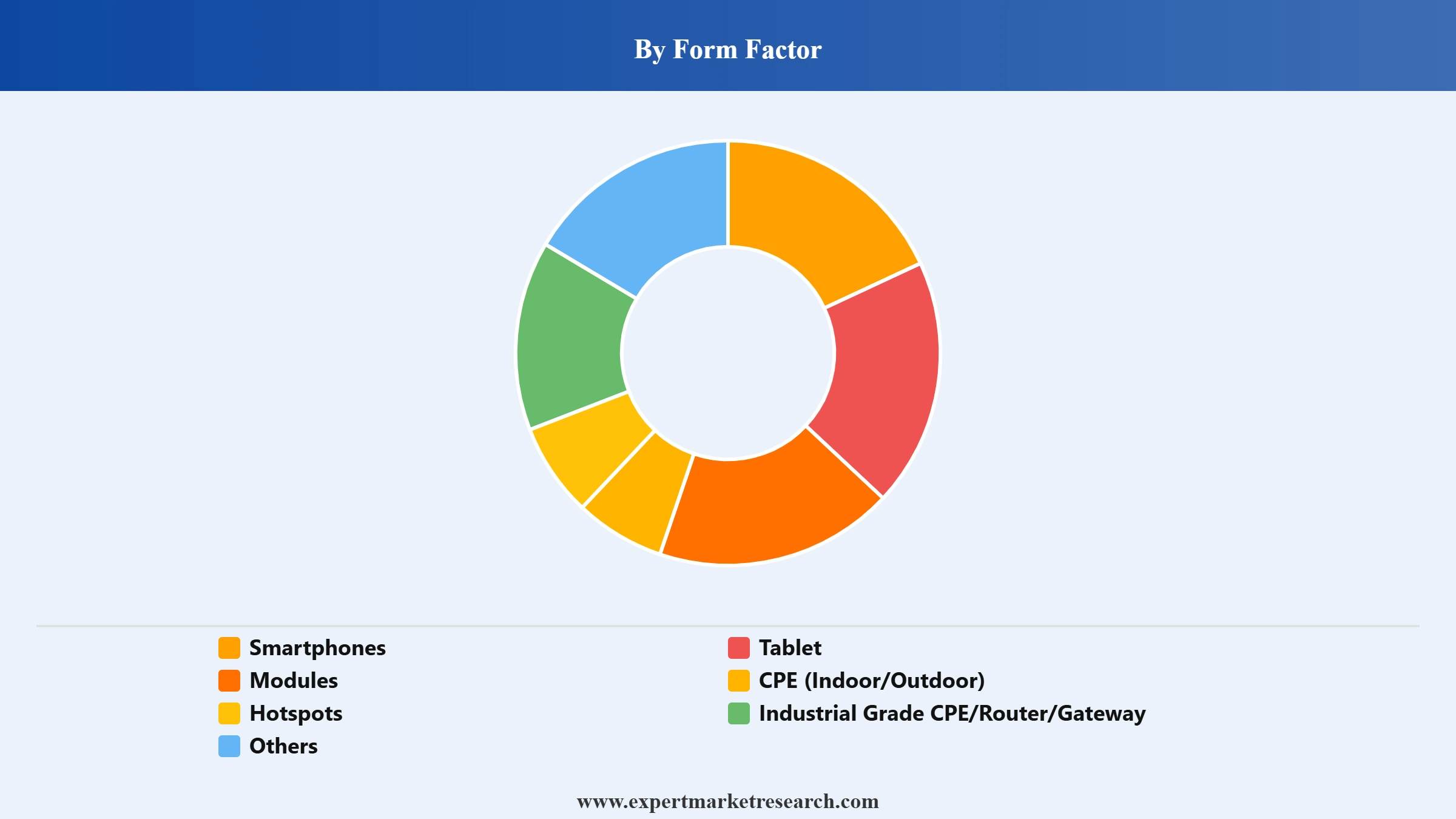
Market Breakup by Form Factor
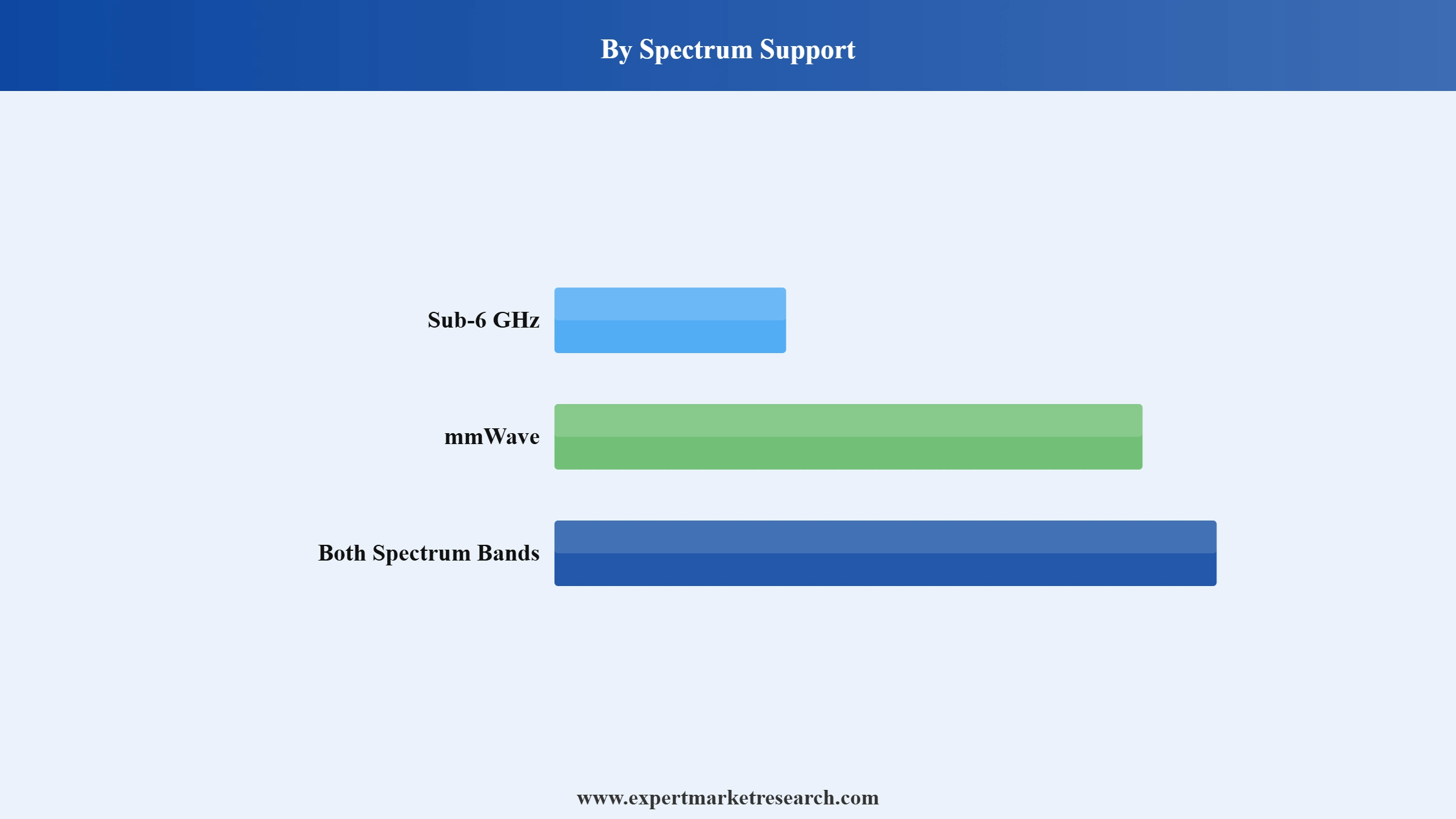
Market Breakup by Spectrum Support
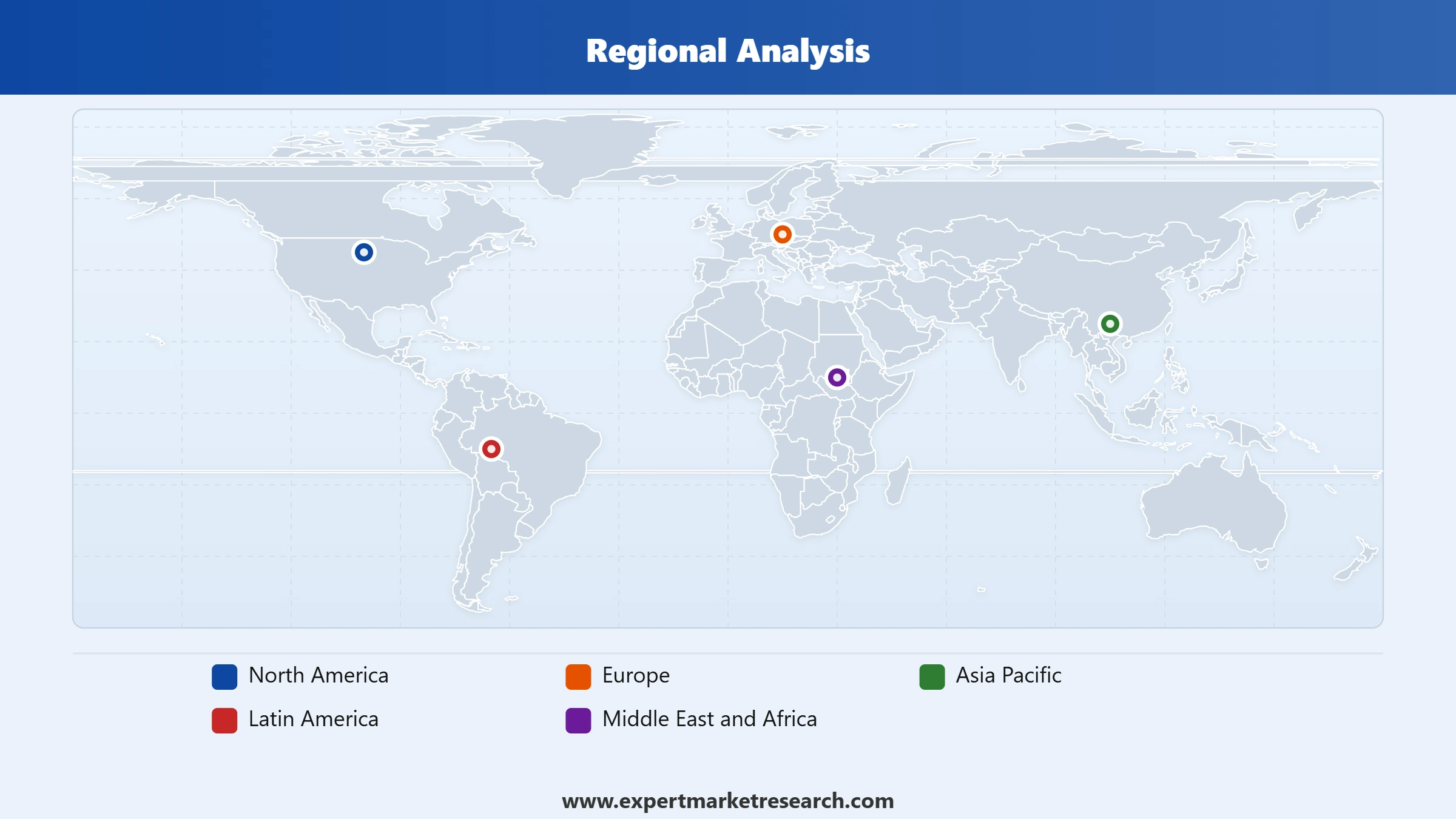
Market Breakup by Region
Read more about this report - REQUEST FREE SAMPLE COPY IN PDF
Demand for smartphones is increasing due to the growing launch of new 5G models as well as the rise in 5G network plans
Smartphones are expected to account for a significant market share over the forecast period. This growth can be attributed to the increasing popularity of various data-intensive applications including gaming and video streaming, among others. The growing technological advancements and rising demand for massive connectivity, ultra-high bandwidth, and ultra-low latency in smartphones are further supporting the segment growth. The increased requirement for high-speed data for IoT applications is further propelling the requirement for 5G smartphones.
Read more about this report - REQUEST FREE SAMPLE COPY IN PDF
CPE is anticipated to grow at a sizeable rate in the 5G devices market in the coming years. CPE includes devices such as indoor and outdoor routers, gateways, and fixed wireless access points that enable 5G connectivity in homes and businesses. With the deployment of 5G networks, there is a growing demand for 5G CPE to provide high-speed internet access in areas where traditional wired broadband is not available or is less reliable.
The sub-6 GHz segment maintains its dominance in the market as a wide variety of devices offer support to sub-6 GHZ frequencies
Sub-6 GHz holds a significant share of the 5G devices market. The majority of 5G devices currently in the market support Sub-6 GHz frequencies. This is because Sub-6 GHz bands offer a good balance of coverage and capacity, making them suitable for a wide range of applications and environments. Sub-6 GHz frequencies can penetrate buildings and other obstacles more effectively than mmWave frequencies, providing more extensive and reliable coverage.
Read more about this report - REQUEST FREE SAMPLE COPY IN PDF
Both Spectrum Bands segment is anticipated to witness sizeable growth in the forecast period. Devices that support both Sub-6 GHz and mmWave frequencies are becoming increasingly popular, especially in markets where mmWave 5G deployment is expanding as these devices offer the best of both worlds: the extensive coverage of Sub-6 GHz and the ultra-high speeds of mmWave.
The market players are increasing product launches to gain a competitive edge in the 5G devices market
ZTE Corporation was founded in 1985 and is headquartered in Shenzhen, China. The telecommunications company provides integrated solutions and innovative technologies for consumers, government enterprises, and global operators.
Samsung Electronics Co. Ltd is an electronics company that was founded in 1969, is headquartered in Suwon-si, South Korea, and specialises in device solutions and consumer electronics, among others.
Xiaomi Corporation was established in 2010 and has its headquarters located in Beijing, China. The software development company pursues innovation, operational efficiency, and high-quality user experience.
Lenovo Group Limited is a multinational technology company with headquarters in Beijing, China. Its product portfolio includes a wide range of technology products and services, including personal computers and tablets.
*Please note that this is only a partial list; the complete list of key players is available in the full report. Additionally, the list of key players can be customized to better suit your needs.*
Other 5G devices market key players include Nokia Corporation, Huawei Technologies Co., Ltd., Apple Inc., Telefonaktiebolaget LM Ericsson, Cisco Systems, Inc., and Qualcomm Technologies, Inc., among others.
North America is anticipated to hold a significant share of the market over the forecast period owing to the increasing launch of commercial 5G services for mobile broadband. The introduction of 5G devices which are capable of supporting all three frequency bands are anticipated to encourage the adoption of 5G technology in the region. An increase in the number of fixed wireless access and improved infrastructural support for the 5G rollout is further boosting the market demand.
Read more about this report - REQUEST FREE SAMPLE COPY IN PDF
The demand for 5G devices market in the Asia Pacific region is expected to experience significant growth in the foreseeable future. Many countries in the Asia Pacific region, such as South Korea, China, Japan, and Australia, are at the forefront of 5G network deployment. The availability of 5G networks is driving the demand for 5G-enabled devices, as consumers and businesses seek to take advantage of faster data speeds and lower latency.


Upto 15% Off
USD
$2499 $2249
$3999 $3599
$4999 $4249
$5999 $5099


*While we strive to always give you current and accurate information, the numbers depicted on the website are indicative and may differ from the actual numbers in the main report. At Expert Market Research, we aim to bring you the latest insights and trends in the market. Using our analyses and forecasts, stakeholders can understand the market dynamics, navigate challenges, and capitalize on opportunities to make data-driven strategic decisions.*
The market reached a value of approximately USD 19.50 Billion in 2025.
The market is projected to grow at a CAGR of 47.20% between 2026 and 2035.
The market is estimated to witness a healthy growth in the forecast period of 2026-2035 to reach USD 931.35 Billion by 2035.
The major market drivers include development of smart cities and increasing utilisation of 5G devices for industrial automation.
The key trends fuelling the growth of the market rising demand from automobile and healthcare sectors and growing speed data connectivity owing to increase in work from home.
The major regions in the market are North America, Europe, the Asia Pacific, Latin America, and the Middle East and Africa.
The significant spectrum supports include sub-6 GHz, mmWave, and both spectrum bands.
The major players in the market are ZTE Corporation, Samsung Electronics Co. Ltd, Xiaomi Corporation, Lenovo Group Limited, Nokia Corporation, Huawei Technologies Co., Ltd., Apple Inc., Telefonaktiebolaget LM Ericsson, Cisco Systems, Inc., and Qualcomm Technologies, Inc., among others.
Explore our key highlights of the report and gain a concise overview of key findings, trends, and actionable insights that will empower your strategic decisions.
| REPORT FEATURES | DETAILS |
| Base Year | 2025 |
| Historical Period | 2019-2025 |
| Forecast Period | 2026-2035 |
| Scope of the Report |
Historical and Forecast Trends, Industry Drivers and Constraints, Historical and Forecast Market Analysis by Segment:
|
| Breakup by Form Factor |
|
| Breakup by Spectrum Support |
|
| Breakup by Region |
|
| Market Dynamics |
|
| Competitive Landscape |
|
| Companies Covered |
|
Datasheet
One User
USD 2,499
USD 2,249
tax inclusive*
Single User License
One User
USD 3,999
USD 3,599
tax inclusive*
Five User License
Five User
USD 4,999
USD 4,249
tax inclusive*
Corporate License
Unlimited Users
USD 5,999
USD 5,099
tax inclusive*
*Please note that the prices mentioned below are starting prices for each bundle type. Kindly contact our team for further details.*
Flash Bundle
Small Business Bundle
Growth Bundle
Enterprise Bundle
*Please note that the prices mentioned below are starting prices for each bundle type. Kindly contact our team for further details.*
Flash Bundle
Number of Reports: 3
20%
tax inclusive*
Small Business Bundle
Number of Reports: 5
25%
tax inclusive*
Growth Bundle
Number of Reports: 8
30%
tax inclusive*
Enterprise Bundle
Number of Reports: 10
35%
tax inclusive*
How To Order

Select License Type
Choose the right license for your needs and access rights.

Click on ‘Buy Now’
Add the report to your cart with one click and proceed to register.

Select Mode of Payment
Choose a payment option for a secure checkout. You will be redirected accordingly.
Strategic Solutions for Informed Decision-Making
Gain insights to stay ahead and seize opportunities.

Get insights & trends for a competitive edge.

Track prices with detailed trend reports.

Analyse trade data for supply chain insights.

Leverage cost reports for smart savings

Enhance supply chain with partnerships.

Connect For More Information
Our expert team of analysts will offer full support and resolve any queries regarding the report, before and after the purchase.
Our expert team of analysts will offer full support and resolve any queries regarding the report, before and after the purchase.
We employ meticulous research methods, blending advanced analytics and expert insights to deliver accurate, actionable industry intelligence, staying ahead of competitors.
Our skilled analysts offer unparalleled competitive advantage with detailed insights on current and emerging markets, ensuring your strategic edge.
We offer an in-depth yet simplified presentation of industry insights and analysis to meet your specific requirements effectively.




