

Consumer Insights
Uncover trends and behaviors shaping consumer choices today
Procurement Insights
Optimize your sourcing strategy with key market data
Industry Stats
Stay ahead with the latest trends and market analysis.
The global 5G enterprise market reached nearly USD 6.16 Billion in 2025. The market is projected to grow at a CAGR of 30.00% between 2026 and 2035 to reach a value of around USD 84.92 Billion by 2035.
Compound Annual Growth Rate
30%
Value in USD Billion
2026-2035
| Global 5G Enterprise Market Report Summary | Description | Value |
| Base Year | USD Billion | 2025 |
| Historical Period | USD Billion | 2019-2025 |
| Forecast Period | USD Billion | 2026-2035 |
| Market Size 2025 | USD Billion | 6.16 |
| Market Size 2035 | USD Billion | 84.92 |
| CAGR 2019-2025 | Percentage | XX% |
| CAGR 2026-2035 | Percentage | 30.00% |
| CAGR 2026-2035 - Market by Region | Asia Pacific | 33.5% |
| CAGR 2026-2035 - Market by Country | India | 37.6% |
| CAGR 2026-2035 - Market by Country | China | 33.8% |
| CAGR 2026-2035 - Market by Frequency | Sub-6Ghz | 31.7% |
| CAGR 2026-2035 - Market by Organization Size | Small and Medium-sized Enterprises | 32.2% |
| Market Share by Country 2025 | Japan | 5.8% |
5G enterprise refers to a type of enterprise equipped with 5G technology. In other words, this type of enterprise uses 5G technology to meet an organisation’s demands, such as fast data speed, great connectivity of multiple devices, and lower latency, among others.
Two major factors that will accelerate the 5G enterprise industry are better connectivity and speed, and more network capacity. With ultrafast data transmission rates and low latency, 5G can support real-time communication and advanced technologies such as IoT, augmented reality, and high-definition video conferencing, raising operational efficiency and innovation for enterprises. Moreover, the high density and large throughput in data of the 5G connected devices support smart infrastructure expansion and, therefore, complex digital solutions drive digital transformation at large across industries, bolstering the growth of the 5G enterprise market.
Airtel Business and ITI Limited announced a strategic partnership in August 2026 to provide enterprises with connectivity, data centres, sovereign cloud, IoT, AI, cybersecurity and private 4G/5G network solutions. The collaboration particularly targets regulated industries, public-sector organisations and industrial users requiring secure digital infrastructure. The partnership strengthens the enterprise 5G ecosystem in India by combining telecom connectivity with domestic engineering and infrastructure capabilities.
T-Mobile launched SuperBroadband for business customers in April 2026, combining its 5G network with Starlink satellite connectivity as a backup. The service targets enterprises with multiple locations and businesses operating in remote or underserved areas, providing connectivity continuity when terrestrial networks experience outages. The development expands the role of 5G in enterprise connectivity beyond conventional cellular access and strengthens demand for hybrid terrestrial-satellite networking solutions.
Nokia announced in February 2026 that it would showcase an intent-based 5G network-slicing solution at Mobile World Congress 2026, combining its advanced network-slicing technology with AWS artificial intelligence capabilities. The solution is designed to allow operators to deliver connectivity tailored to specific requirements and locations. This development supports the enterprise market's shift toward programmable connectivity, enabling differentiated network performance for applications with varying latency, reliability and capacity requirements, thereby augmenting the 5G enterprise demand.
Microsoft and Ericsson announced an enterprise solution in February 2026 integrating Microsoft Intune with Ericsson Enterprise 5G Connect to provide AI-powered management of 5G connectivity on Windows 11 devices. The system can assess network conditions, optimise connections and apply enterprise policies while supporting features such as automated eSIM management. The initiative extends 5G enterprise use from factories and campuses to mobile workforces and managed corporate computing devices.
Enhanced Reduced Capability (eRedCap) is proving to be a promising growth opportunity in the future due to its applicability to enterprise devices without needing 5G capabilities. This concept has been introduced by 3GPP in the 18th release and is aimed at devices that are simpler and have lower bandwidth, reducing power consumption. Applications include surveillance cameras, industry sensors, wearable and tracking devices. Analysts in the sector believe the launch of the first eRedCap devices is set for 2027. Inexpensive 5G connection will open up millions of potential enterprise IoT endpoints that currently run on LTE.
From conventional 5G to 5G-Advanced will bring new enterprise opportunities due to positioning, automation, sensing, reliability, and network intelligence improvements. According to GSMA, 5G-Advanced will be a crucial step for enterprise 5G development with applications in smart mobility, industrial automation, and AI-powered solutions. It is becoming commercialized as operators move beyond standard 5G connectivity with better features. These enhanced capabilities will push enterprises to embrace 5G connectivity in their operations as previous technologies lacked adequate precision and performance, thus boosting the growth of the 5G enterprise market.
One area where 5G can experience future growth is by making network capabilities discoverable via APIs, which enables businesses and developers to invoke capabilities such as quality on demand, location of the device, and device authentication and connection management from their application. This will shift 5G beyond a connectivity offering and into a more programmatic platform for enterprises. The present 5G roadmap from GSMA sees service innovation and monetisation as crucial ingredients for the next stage of enterprise.
Enterprise 5G growth is likely to accelerate as businesses connect large populations of mobile sensors, trackers, cameras and machines rather than isolated devices. AT&T identifies a major shift toward wireless-first enterprise architectures, noting that organisations increasingly manage hundreds or thousands of moving endpoints and require cellular networks for mobility, scale and reliability. The proliferation of mobile endpoints can increase demand for 5G modules, gateways, managed connectivity and device-management platforms across logistics, utilities, warehousing and field operations, thus propelling the 5G enterprise market growth.
As the 5G future enterprise market evolves, it continues to shift towards a cloud-native approach to the programmability of its network architecture, thus offering a more dynamic allocation of connectivity resources according to shifting needs of enterprises. According to the Global Mobile Suppliers Association, growth of the 5G Standalone cores creates the basis for even more sophisticated enterprise solutions and transition to programmable and cloud-native mobile networks. A cloud-native approach to 5G reduces deployment inflexibility and facilitates the integration of 5G networks into an enterprise IT environment.
One of the key trends found within the 5G enterprise industry is an increased acceptance of private 5G networks. Most companies are starting to invest in their own dedicated 5G infrastructure so that they get better control over current concerns regarding security, performance, and network customization. The growing interest in private 5G networks is driven by the fact that different kinds of businesses are considering it as the right solution to improve data privacy, transmit large amounts of data at very high speeds, and ensure reliable communication for mission-critical applications. The use of a private 5G network enables an enterprise to optimise its operations, providing a base for advanced technologies like IoT and automation, increasing productivity in the process, and thereby aiding the demand of the 5G enterprise market.
The Growth in Smartphone Users Aids the Demand for 5G Enterprises.
South Korea, a country noted for its very high level of technological development, hit 35.3% in terms of 5G availability, marking fast deployment and consumer adoption of 5G services. France led Europe's principal market with 27.1% availability, underpinning the robustness of its telecommunications infrastructure.
In Thailand, 5G Availability reached 26.8 percent because of the quickly rising demand for digital services and policies enacted by the government to support digital transformation. In Spain, availability accounted for 24.5 percent, which is the strongest for 5G in Europe. Germany and the UK both showed 22.3 and 20.5 percent availability, respectively, which maintained steady progress toward 5G deployment, developing a strong focus on improving connectivity that will spur growth and innovation. The Philippines posted 19.8 percent, powered by continued 5G coverage expansion efforts that are geographically challenged combined with actions to place them better regionally in terms of 5G enterprise demand growth.
Compared with the huge scale and rapid technological advancement in China, its 18.1% availability was pretty low. Italy followed with 16.4% availability, impelled by strong efforts from the local telecom industry and government backing. Next came New Zealand, with 16% availability, underlining its commitment to getting its digital infrastructure in order. Singapore, with 15.7%, would be able to sustain a competitive position in its regional market thanks to strategic investments that country had been making in 5G. In Japan, 14.9 percent availability attested to continued network expansion driven by growing consumer and industrial demand. Malaysia and India, with 8.6 percent and 8.4 percent availability, respectively, were emerging 5G markets that were very much focused on initial deployments and tackling infrastructural and regulatory challenges.
The growth in smartphone adoption increases the growth of 5G enterprise industry. China leads the global smartphone market with 974.69 million users, indicating a vast consumer base and a high penetration rate of mobile technology. India follows with 659 million smartphone users, reflecting significant growth in mobile connectivity. The United States has 276.14 million smartphone users, highlighting a mature and saturated market. Indonesia, with 187.7 million smartphone users, demonstrates significant mobile growth in Southeast Asia. Brazil's 143.43 million smartphone users reflect the largest mobile market in Latin America. Russia, with 106.44 million smartphone users, signifies a robust mobile market in Eastern Europe. Japan has 97.44 million smartphone users, indicative of a technologically advanced and highly connected society. Nigeria's 83.34 million smartphone users represent the largest mobile market in Africa. Mexico, with 78.37 million smartphone users, illustrates the expanding mobile connectivity in Latin America. Pakistan's 72.99 million smartphone users indicate significant growth in mobile technology adoption.
“Global 5G Enterprise Market Report and Forecast 2026-2035” offers a detailed analysis of the market based on the following segments:
Based on communication infrastructure type, the segmentation includes:
Based on enterprise type, the market is classified into:
The major regional markets for 5G enterprise include:
As per 5G enterprise industry analysis, the manufacturing sector accounts for a significant portion of the global market share. 5G-enabled devices are witnessing a heightened demand in the manufacturing sector to facilitate the remote monitoring of production assets and the maintenance and management of devices.
In addition, the low latency and stable connectivity of 5G technology enables reality troubleshooting, which leads to effective and quick repair of manufacturing devices and equipment. Moreover, the growing use of 3D printing in the manufacturing sector is likely to propel the demand for 5G infrastructure across warehouses and manufacturing units in the forecast period.
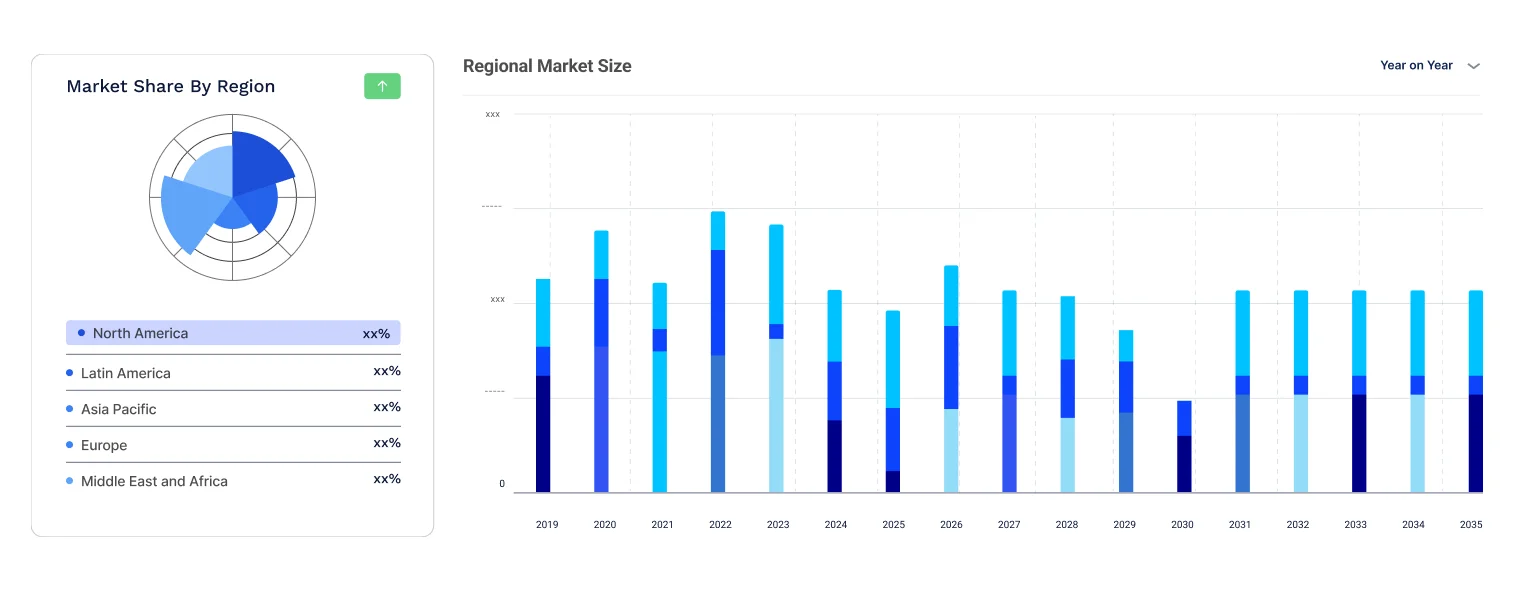
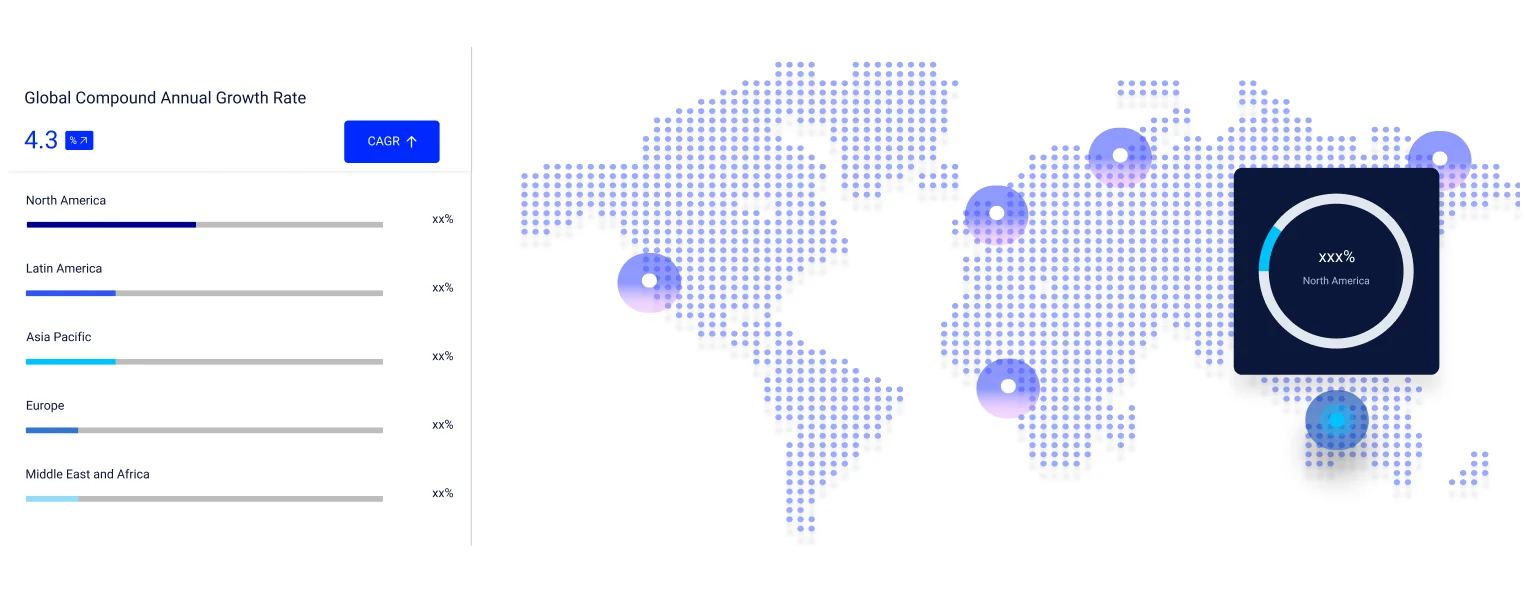
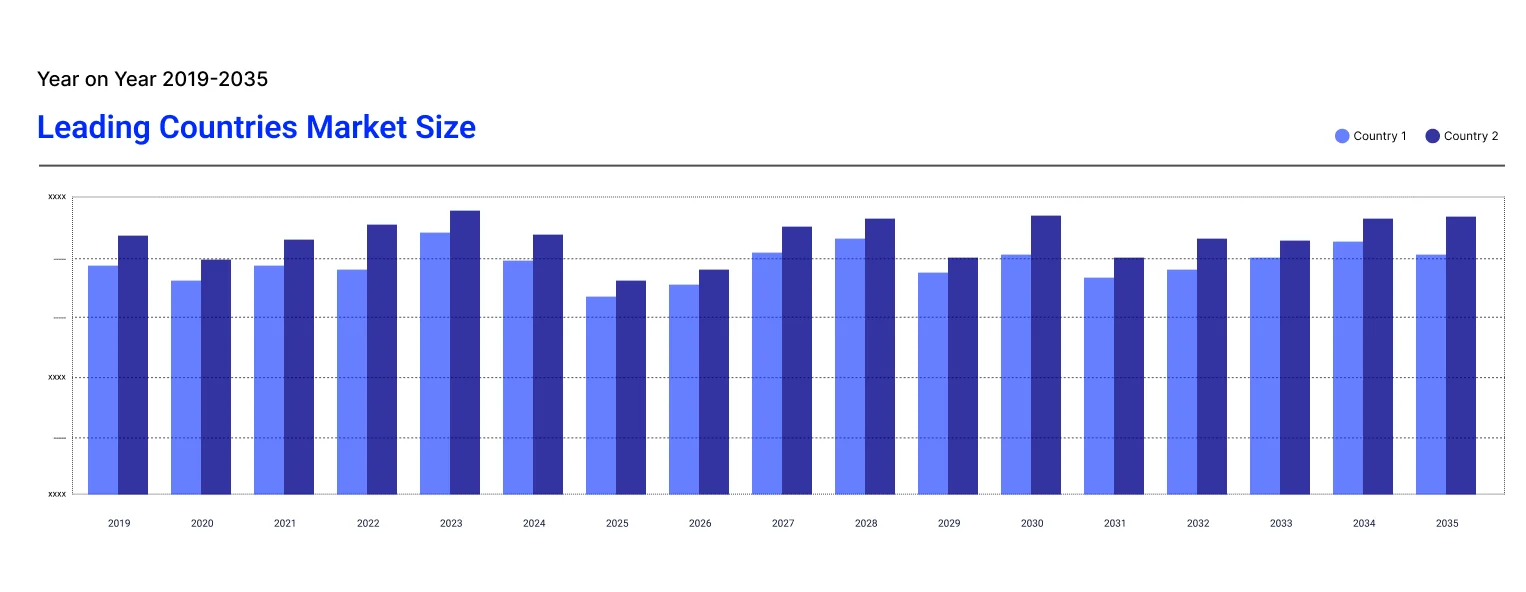
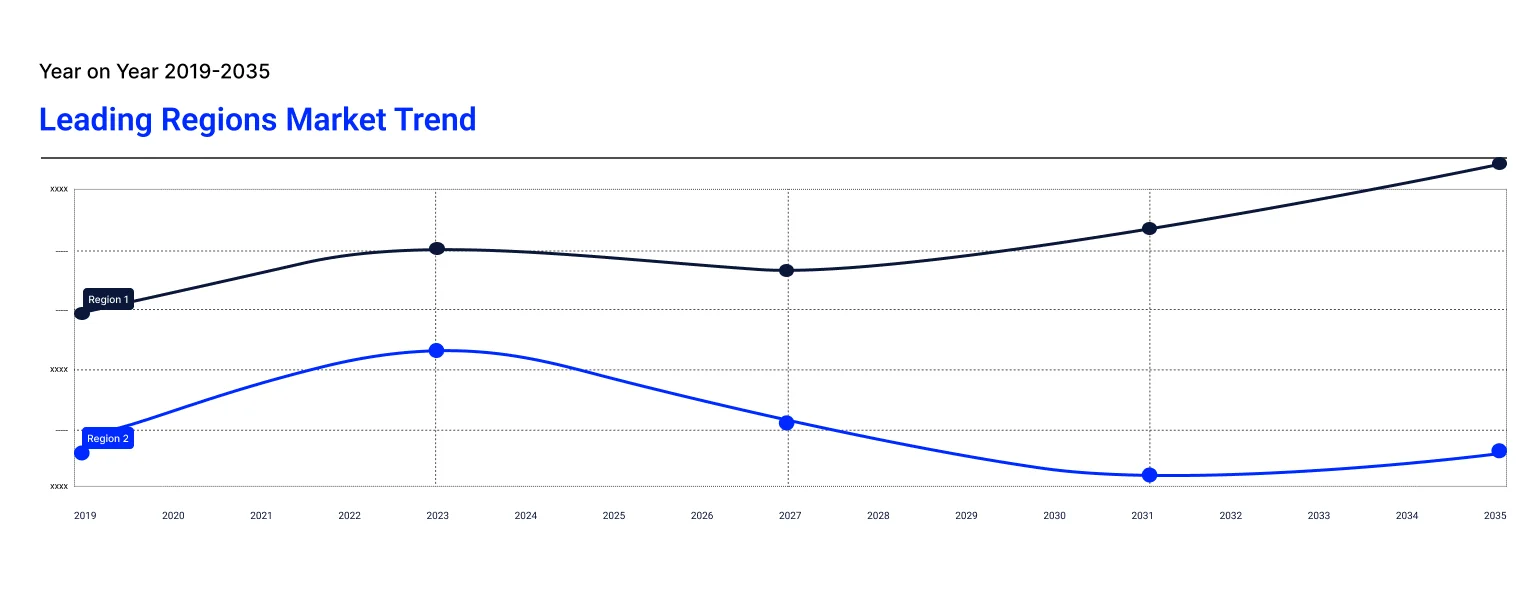
The 5G enterprise industry in Asia Pacific is likely to witness considerable growth over the forecast period, driven by the growing number of 5G network subscription enterprises in Southeast Asian countries, such as Thailand and Malaysia. Many enterprises take advantage of the benefits that 5G infrastructure offers with respect to safety, security, and speed of data access to increase productivity and profitability.
| CAGR 2026-2035 - Market by | Country |
| India | 37.6% |
| China | 33.8% |
| UK | 28.0% |
| USA | 27.6% |
| Germany | 25.2% |
| Canada | XX% |
| France | XX% |
| Italy | XX% |
| Japan | 21.1% |
| Australia | XX% |
| Saudi Arabia | XX% |
| Brazil | XX% |
| Mexico | XX% |
Meanwhile, the 5G enterprise market share in North America is significantly contributing to the global market demand, which can be attributed to the surging cloud-based enterprise applications in the region.
Key 5G enterprise market players focus on infrastructure expansion, next-generation technology development, and partnerships toward progress in connectivity, security, and network customization to foster innovation and adoption across industries.
Cisco Systems, Inc. is a multinational digital communications technology company that offers solutions related to networking, cloud, and cyber security, among others. It was founded in 1984 and is headquartered in California, the United States.
Telefonaktiebolaget LM Ericsson is a leading telecommunications company that provides 5G network and telecommunication products and services to various businesses. It was established in 1876 and is headquartered in Stockholm, Sweden.
Huawei Technologies Co., Ltd. is a company that offers information and communication technology (ICT) infrastructure, along with smart devices. The company was founded in 1987 and is headquartered in Shenzhen, China.
*Please note that this is only a partial list; the complete list of key players is available in the full report. Additionally, the list of key players can be customized to better suit your needs.*
Other market players include Nokia Corporation, NEC Corporation, Samsung Electronics, Verizon Communications, and Juniper Networks, Inc., among others.


Upto 15% Off
USD
$3999 $3599
$2499 $2249
$4999 $4249
$5999 $5099


*While we strive to always give you current and accurate information, the numbers depicted on the website are indicative and may differ from the actual numbers in the main report. At Expert Market Research, we aim to bring you the latest insights and trends in the market. Using our analyses and forecasts, stakeholders can understand the market dynamics, navigate challenges, and capitalize on opportunities to make data-driven strategic decisions.*
The 5G enterprise market reached a value of nearly USD 6.16 Billion in 2025.
The market is estimated to grow at a CAGR of 30.00% between 2026 and 2035.
The market is estimated to witness a healthy growth in the forecast period of 2026-2035 to reach a value of around USD 84.92 Billion by 2035.
The emergence of Industry 4.0, the heightening adoption of 5G technology by banking firms and fintech services, and the thriving manufacturing sector are the major drivers of the market.
The key trends in the market include the emergence of technologies, such as video analytics, AR/VR, and IoT, among others, and the growing adoption of cloud-based software across enterprises.
5G radio access networks, 5G core networks, and transport networks are the different communication infrastructure types considered in the market report.
IT and telecommunication, BFSI, retail and e-commerce, and manufacturing, among others, are the major enterprise types included in the market report.
Cisco Systems, Inc., Telefonaktiebolaget LM Ericsson, Huawei Technologies Co., Ltd., Nokia Corporation, NEC Corporation, Samsung Electronics, Verizon Communications, and Juniper Networks, Inc., among others, are the key market players.
Explore our key highlights of the report and gain a concise overview of key findings, trends, and actionable insights that will empower your strategic decisions.
| REPORT FEATURES | DETAILS |
| Base Year | 2025 |
| Historical Period | 2019-2025 |
| Forecast Period | 2026-2035 |
| Scope of the Report |
Historical and Forecast Trends, Industry Drivers and Constraints, Historical and Forecast Market Analysis by Segment:
|
| Breakup by Communication Infrastructure Type |
|
| Breakup by Enterprise Type |
|
| Breakup by Region |
|
| Market Dynamics |
|
| Competitive Landscape |
|
| Companies Covered |
|
Single User License
One User
USD 3,999
USD 3,599
tax inclusive*
Datasheet
One User
USD 2,499
USD 2,249
tax inclusive*
Five User License
Five User
USD 4,999
USD 4,249
tax inclusive*
Corporate License
Unlimited Users
USD 5,999
USD 5,099
tax inclusive*
*Please note that the prices mentioned below are starting prices for each bundle type. Kindly contact our team for further details.*
Flash Bundle
Small Business Bundle
Growth Bundle
Enterprise Bundle
*Please note that the prices mentioned below are starting prices for each bundle type. Kindly contact our team for further details.*
Flash Bundle
Number of Reports: 3
20%
tax inclusive*
Small Business Bundle
Number of Reports: 5
25%
tax inclusive*
Growth Bundle
Number of Reports: 8
30%
tax inclusive*
Enterprise Bundle
Number of Reports: 10
35%
tax inclusive*
How To Order

Select License Type
Choose the right license for your needs and access rights.

Click on ‘Buy Now’
Add the report to your cart with one click and proceed to register.

Select Mode of Payment
Choose a payment option for a secure checkout. You will be redirected accordingly.
Strategic Solutions for Informed Decision-Making
Gain insights to stay ahead and seize opportunities.

Get insights & trends for a competitive edge.

Track prices with detailed trend reports.

Analyse trade data for supply chain insights.

Leverage cost reports for smart savings

Enhance supply chain with partnerships.

Connect For More Information
Our expert team of analysts will offer full support and resolve any queries regarding the report, before and after the purchase.
Our expert team of analysts will offer full support and resolve any queries regarding the report, before and after the purchase.
We employ meticulous research methods, blending advanced analytics and expert insights to deliver accurate, actionable industry intelligence, staying ahead of competitors.
Our skilled analysts offer unparalleled competitive advantage with detailed insights on current and emerging markets, ensuring your strategic edge.
We offer an in-depth yet simplified presentation of industry insights and analysis to meet your specific requirements effectively.




