

Consumer Insights
Uncover trends and behaviors shaping consumer choices today
Procurement Insights
Optimize your sourcing strategy with key market data
Industry Stats
Stay ahead with the latest trends and market analysis.
The Asia Pacific kiosk market size reached around USD 7.24 Billion in 2025. The market is projected to grow at a CAGR of 9.80% between 2026 and 2035 to reach nearly USD 18.44 Billion by 2035.
Compound Annual Growth Rate
9.8%
Value in USD Billion
2026-2035
As of March 2022, India had a total of 252,000 ATMs, both offline and online. The country boasts over 160,000 bank branches, which equates to approximately 15 branches for every 100,000 individuals. This extensive network is further supported by 217,000 ATMs, with 47% located in rural and semi-urban regions, thus augmenting growth in the kiosk market in Asia Pacific. As financial institutions broaden their service offerings and branch presence, they are increasingly implementing kiosks to enhance customer engagement. These self-service kiosks improve operational efficiency by providing services such as account management, bill payments, and document processing, thereby minimising wait times and reducing operational expenses.
As per the Asia Pacific kiosk market analysis, before the COVID-19 pandemic, the Asia Pacific region held the title of the largest travel market globally, however, it fell to the second position in 2021 following the pandemic's impact. By 2025, the market is anticipated to reach approximately USD 490 billion, reflecting a 10% increase compared to its 2019 figures. The growth of the tourism sector is also fuelling an increasing demand for kiosks in popular tourist destinations. As the number of visitors rises, these kiosks offer effective solutions for ticketing, information dissemination, and reservations at airports, train stations, and attractions. These self-service units significantly enhance the visitor experience by providing real-time updates, multilingual assistance, and convenient access to services, thereby aiding in the management of high foot traffic and optimising operations in busy tourist locales.
A new self-service biometric kiosk was introduced at Kolkata airport for e-visa holders, enabling travellers to complete biometric verification independently during immigration processing. The deployment is designed to reduce manual intervention and processing time while supporting the growing volume of international travellers using electronic visas. The initiative adds another application for automated kiosks in India’s airport infrastructure, alongside existing self-service immigration and passenger-processing technologies. Airport adoption is increasing demand for biometric scanners, secure identification software, document readers and integrated self-service kiosk systems across Asia Pacific.
Indian event-technology provider Dreamcast launched Fastest Indian, a self-service badge kiosk designed to complete event registration in approximately 10 seconds. The system combines QR-code scanning, facial recognition and instant badge printing for conferences and exhibitions. The launch demonstrates how kiosks are moving beyond conventional retail and payment applications into high-volume event environments, where rapid attendee processing is particularly valuable. The technology is designed to reduce queues while maintaining automated identity and registration checks. Adoption by India's exhibition and conference sector is creating opportunities for kiosk suppliers providing facial recognition, QR integration, badge printing and event-management software.
Singapore’s Immigration & Checkpoints Authority announced further development of its New Clearance Concept, including AI-enabled self-service enrolment kiosks for eligible users. The planned iEnrol kiosks are designed to allow users to complete biometric enrolment and related formalities with reduced dependence on conventional service counters. The initiative builds on Singapore’s broader use of automated immigration and identity-verification infrastructure, including kiosks equipped with facial-recognition and fingerprint technologies. Government investment in biometric self-service infrastructure is supporting demand for advanced kiosks combining AI, biometrics, secure identification and automated document processing, therefore bolstering the Asia Pacific kiosk market trends.
Singapore’s ICA introduced iSMART, an automated document-collection system combining robotics, biometrics and self-service kiosks. The system allows eligible users to collect passports and identity cards through automated machines at the ICA Services Centre. ICA stated that the kiosk-based process takes around five minutes, compared with approximately 11 minutes under the previous process. The kiosks use fingerprint verification and facial recognition to establish and verify the identity of users during collection. The deployment demonstrates the increasing sophistication of government kiosks, encouraging demand for integrated robotics, biometric authentication, document handling and self-service technologies in Asia Pacific.
Biometric functionality is becoming a more important component of Asia Pacific kiosks, particularly in airports and government services. In September 2026, a self-service biometric kiosk was introduced at Kolkata airport for e-visa holders, allowing travellers to complete biometric verification without direct manual processing. Singapore has also been developing biometric self-service using the facilities available for its immigration system. The examples of such implementation demonstrate that kiosks are becoming developed as identity verification terminals rather than just terminals with information and/or transaction capabilities. In that regard, facial recognition software, fingerprint scanners, cameras and document scanners are used more frequently in kiosks. The mentioned trend has great importance for airports, immigration services and other public services organizations that need to handle large numbers of people.
AI is increasingly changing kiosks from fixed-function transaction machines into systems capable of responding dynamically to users. Recent Asia Pacific deployments and technology development are incorporating computer vision, analytics and intelligent software to support personalised interactions, automated verification and operational decision-making. Intel's 2026 Discussions about APAC’s self-service technologies indicate that there is a move from traditional kiosk systems to self-checkouts, smart vending machines, healthcare check-ins, lockers, and autonomous retailing, which calls for increased local processing. This is critical since AI-powered kiosks are capable of performing some local processing of information without necessarily having to rely on distant servers. Therefore, retailers and service providers can use kiosks for purposes of making recommendations, identifying customers, managing queues, and offering automatic assistance.
Kiosk operators across Asia Pacific are increasingly connecting terminals to central cloud platforms so that software, content, security settings and performance can be managed remotely. This is particularly valuable for businesses operating hundreds or thousands of machines across geographically dispersed stores, restaurants, transport facilities or government locations. Cloud management enables operators to monitor individual terminals, identify faults and deploy software updates without visiting every installation. The shift is also supporting the development of recurring service and software models around kiosk hardware. Current industry analysis identifies cloud-based management as a major trend in retail self-service kiosks, alongside AI and enhanced security. As deployments become larger and more distributed, remote monitoring and centralized administration are becoming increasingly important to controlling maintenance costs and improving uptime, thus propelling the Asia Pacific kiosk market growth.
Asia Pacific's strong adoption of QR payments, mobile wallets and contactless transactions is changing the design of self-service kiosks. Modern terminals increasingly need to accept QR codes, NFC-enabled payments and other digital credentials rather than relying primarily on cash or conventional card transactions. This is particularly relevant in China, India, Singapore, South Korea and other digitally advanced markets, where consumers are accustomed to smartphone-based payments. Additionally, kiosks have the capability of linking up the mobile devices with the transaction process whereby consumers will be able to scan QR codes and proceed with the transaction process via their mobile device. In recent Asia Pacific market analysis, QR code, NFC payments and mobile wallet integration are some of the features that will help drive the uptake of kiosks.
The Asia Pacific kiosk market is increasingly diversifying beyond traditional retail ordering and payment applications. Healthcare, airports, public transportation, banking, government services and hospitality are becoming important deployment environments because these sectors handle large numbers of repetitive customer interactions. Current Asia Pacific market coverage identifies healthcare, hospitals, airports and transportation among key kiosk verticals, while Singapore and India provide concrete examples of government and airport deployments. Healthcare kiosks can support registration and check-in, while transport kiosks can handle ticketing, passenger information and identity-related processes. This diversification is also encouraging suppliers to customize hardware for different environments, including rugged outdoor terminals, biometric systems and specialised document or payment interfaces. As a result, the market is shifting from standalone retail machines towards multi-industry self-service infrastructure.
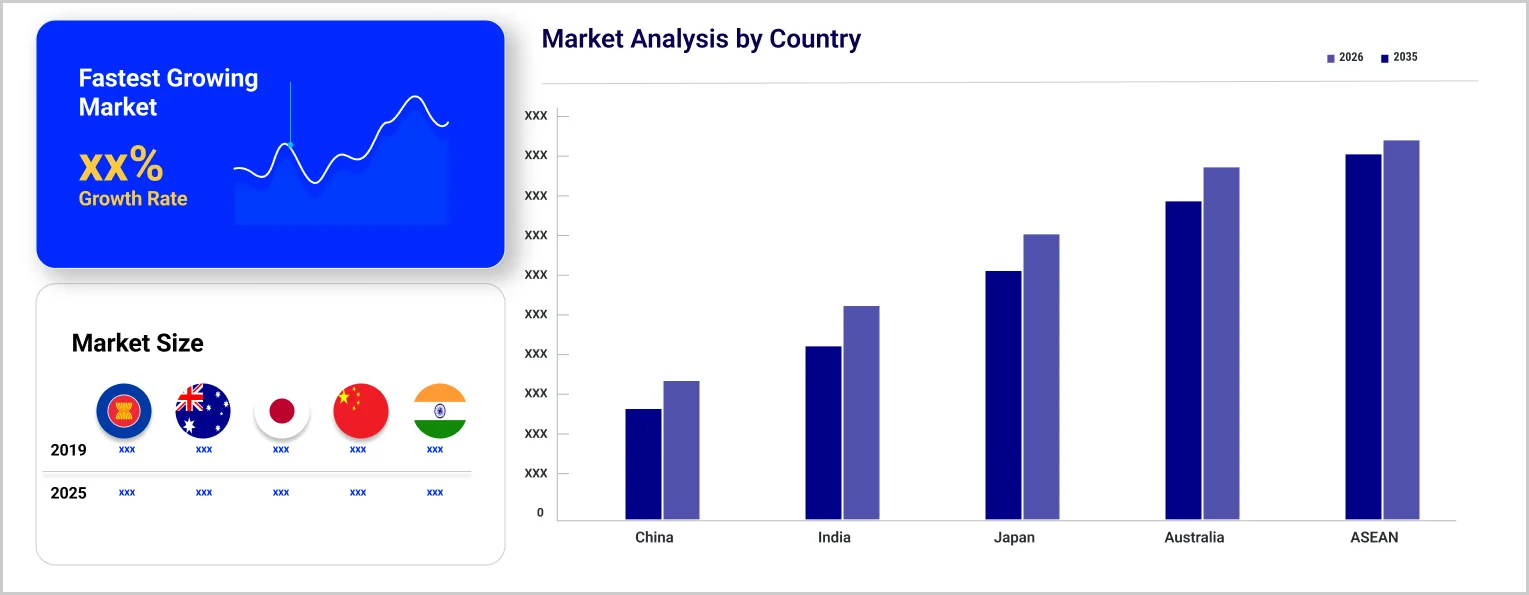
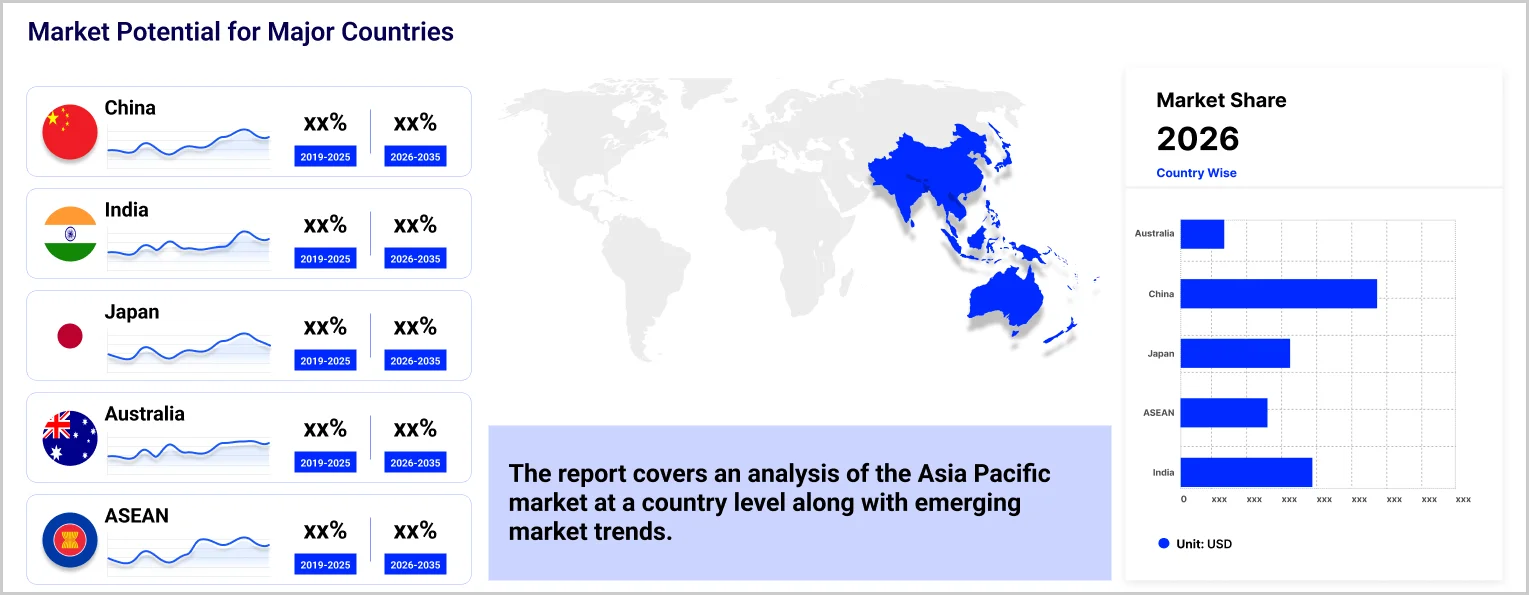
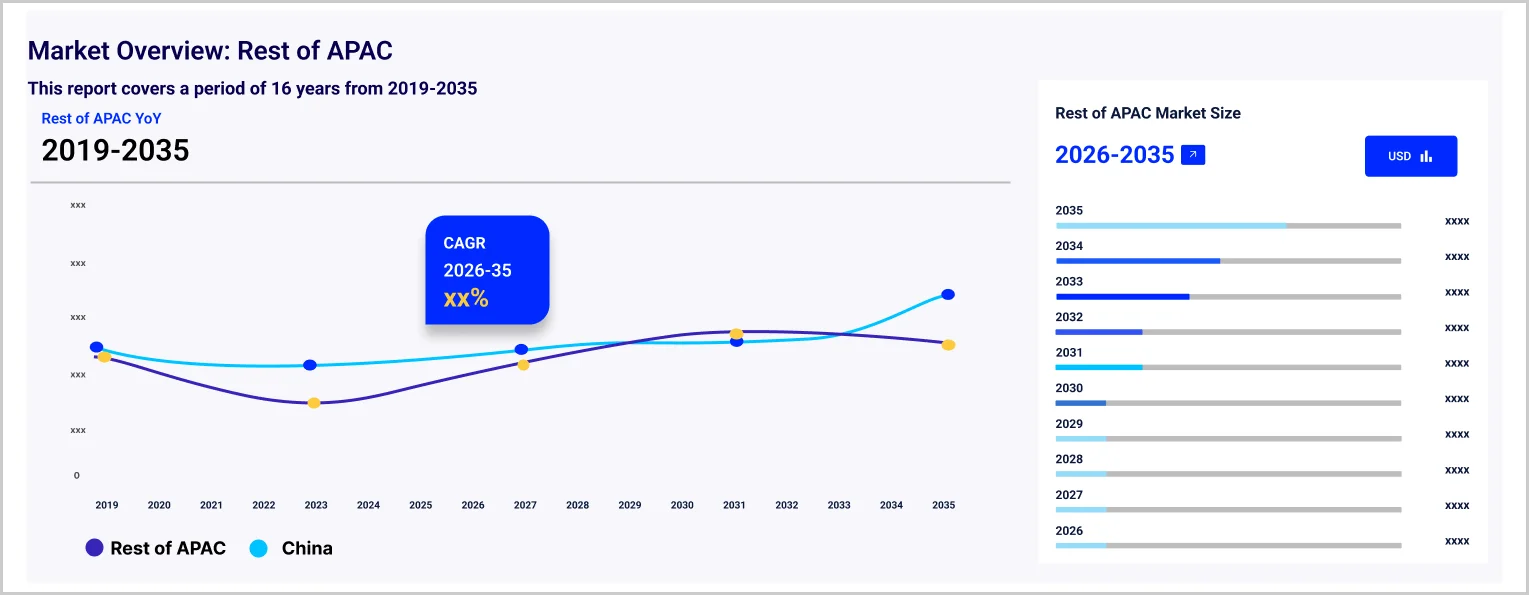
With the increasing adoption of cashless transactions, kiosks facilitate a range of payment options, such as mobile wallets and contactless cards, thereby improving convenience and security for users in retail, transportation, and public services, leading to the Asia Pacific kiosk market expansion.
There is a notable shift towards the implementation of interactive and intelligent kiosks throughout the region. These kiosks are equipped with cutting-edge technologies, including touchscreens, AI-enhanced customer support, and real-time data analytics, which provide tailored experiences and effective information sharing across sectors such as retail, hospitality, and transportation.
The EMR’s report titled “Asia Pacific Kiosk Market Report and Forecast 2026-2035” offers a detailed analysis of the market based on the following segments:
Market Breakup by Type
Market Breakup by End-User Industry
Market Breakup by Country
Based on end use, the market is segmented into BFSI, healthcare, retail, hospitality, and transportation, among others. The BFSI segment is projected to grow at a CAGR of 11.1% during the forecast period. Kiosks within the BFSI sector offer self-service solutions for clients, facilitating rapid transactions including withdrawals, cash deposits, bill payments, and account inquiries. These kiosks contribute to increased efficiency, minimised wait times, and enhanced convenience and accessibility for customers.
Major players are focusing on technological advancements to gain a to improve Asia Pacific kiosk market outlook.
NCR Corp., founded in 1884, is headquartered in Atlanta, Georgia. The organisation specialises in self-service kiosks, automated teller machines (ATMs), and point-of-sale (POS) systems, serving sectors including retail, financial services, and hospitality by leveraging cutting-edge technological innovations.
Thales S.A., founded in 1893, is a multinational corporation based in Paris, France. The organisation engages in multiple sectors, including aerospace, defence, security, and transportation. It offers advanced solutions such as biometric systems, payment terminals, and self-service kiosks, all designed to enhance safety and operational efficiency.
Fujitsu Ltd., founded in 1935 and headquartered in Tokyo, Japan, is a leading global provider of information technology services. The company offers a diverse range of technological solutions, including self-service kiosks, serving various sectors such as retail and finance, consequently driving up the Asia Pacific kiosk market share.
Hitachi Ltd. founded in 1910, is a leading Japanese multinational corporation headquartered in Tokyo. The organisation specialises in electronics, information technology services, and industrial systems, providing solutions across various sectors, including infrastructure and advanced technology.
*Please note that this is only a partial list; the complete list of key players is available in the full report. Additionally, the list of key players can be customized to better suit your needs.*
Other major players in the market are Diebold Nixdorf Inc, Posiflex Technology Inc, Oki Electric Industry Co., Ltd, Glory Ltd., Hyosung Corp., and Advantech Co., Ltd., among others.


Upto 15% Off
USD
$2499 $2249
$3999 $3599
$4999 $4249
$5999 $5099


*While we strive to always give you current and accurate information, the numbers depicted on the website are indicative and may differ from the actual numbers in the main report. At Expert Market Research, we aim to bring you the latest insights and trends in the market. Using our analyses and forecasts, stakeholders can understand the market dynamics, navigate challenges, and capitalize on opportunities to make data-driven strategic decisions.*
In 2025, the market attained a value of nearly USD 7.24 Billion.
The market is assessed to grow at a CAGR of 9.80% between 2026 and 2035.
The market is estimated to witness a healthy growth in the forecast period of 2026-2035 to reach about USD 18.44 Billion by 2035.
The market is being driven by the rapid urbanisation in the region and expansion of the retail sector.
The key trends aiding the market expansion include the incorporation of advanced technologies in kiosks and the rising adoption of cashless transactions.
The major countries considered in the market are China, Japan, India, ASEAN, and Australia, among others.
The major players in the market are NCR Corporation, Diebold Nixdorf Incorporated, Thales S.A., Posiflex Technology Incorporated, Fujitsu Ltd., Oki Electric Industry Co., Ltd, Glory Ltd., Hitachi Ltd., Hyosung Corp., and Advantech Co., Ltd., among others.
Explore our key highlights of the report and gain a concise overview of key findings, trends, and actionable insights that will empower your strategic decisions.
| REPORT FEATURES | DETAILS |
| Base Year | 2025 |
| Historical Period | 2019-2025 |
| Forecast Period | 2026-2035 |
| Scope of the Report |
Historical and Forecast Trends, Industry Drivers and Constraints, Historical and Forecast Market Analysis by Segment:
|
| Breakup by Type |
|
| Breakup by End-User Industry |
|
| Breakup by Region |
|
| Market Dynamics |
|
| Competitive Landscape |
|
| Companies Covered |
|
Datasheet
One User
USD 2,499
USD 2,249
tax inclusive*
Single User License
One User
USD 3,999
USD 3,599
tax inclusive*
Five User License
Five User
USD 4,999
USD 4,249
tax inclusive*
Corporate License
Unlimited Users
USD 5,999
USD 5,099
tax inclusive*
*Please note that the prices mentioned below are starting prices for each bundle type. Kindly contact our team for further details.*
Flash Bundle
Small Business Bundle
Growth Bundle
Enterprise Bundle
*Please note that the prices mentioned below are starting prices for each bundle type. Kindly contact our team for further details.*
Flash Bundle
Number of Reports: 3
20%
tax inclusive*
Small Business Bundle
Number of Reports: 5
25%
tax inclusive*
Growth Bundle
Number of Reports: 8
30%
tax inclusive*
Enterprise Bundle
Number of Reports: 10
35%
tax inclusive*
How To Order

Select License Type
Choose the right license for your needs and access rights.

Click on ‘Buy Now’
Add the report to your cart with one click and proceed to register.

Select Mode of Payment
Choose a payment option for a secure checkout. You will be redirected accordingly.
Strategic Solutions for Informed Decision-Making
Gain insights to stay ahead and seize opportunities.

Get insights & trends for a competitive edge.

Track prices with detailed trend reports.

Analyse trade data for supply chain insights.

Leverage cost reports for smart savings

Enhance supply chain with partnerships.

Connect For More Information
Our expert team of analysts will offer full support and resolve any queries regarding the report, before and after the purchase.
Our expert team of analysts will offer full support and resolve any queries regarding the report, before and after the purchase.
We employ meticulous research methods, blending advanced analytics and expert insights to deliver accurate, actionable industry intelligence, staying ahead of competitors.
Our skilled analysts offer unparalleled competitive advantage with detailed insights on current and emerging markets, ensuring your strategic edge.
We offer an in-depth yet simplified presentation of industry insights and analysis to meet your specific requirements effectively.




