

Consumer Insights
Uncover trends and behaviors shaping consumer choices today
Procurement Insights
Optimize your sourcing strategy with key market data
Industry Stats
Stay ahead with the latest trends and market analysis.
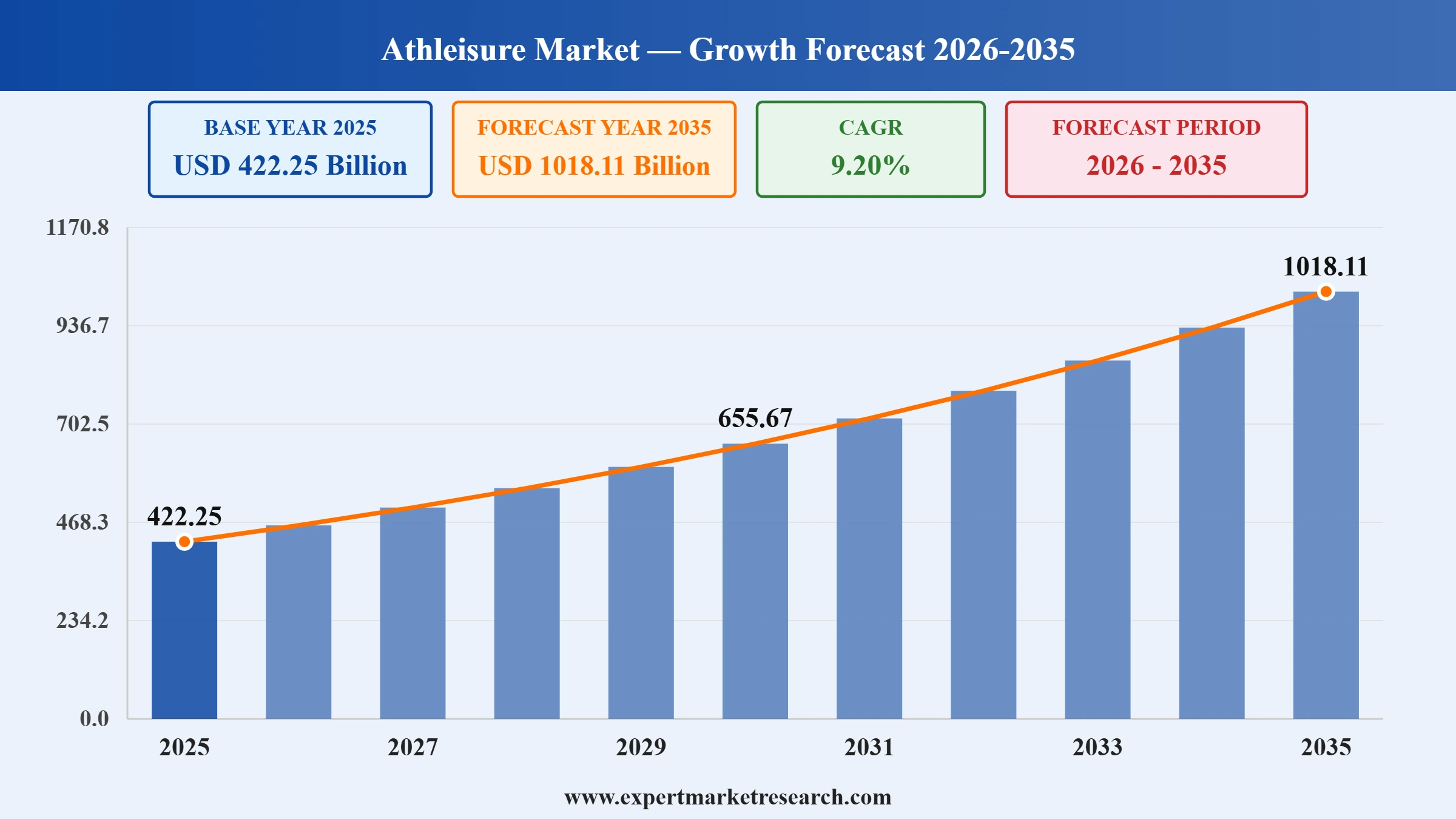
The global athleisure market attained a value of USD 422.25 Billion in 2025 and is projected to expand at a CAGR of 9.20% through 2035. The market is further expected to achieve USD 1018.11 Billion by 2035. The rising popularity of hybrid working and active living habits is making brands innovate on wear that seamlessly shifts from one use case, such as commute, to another, such as workouts, while technical fabrics and versatility in designs increase product usage.
The athleisure market observes an emerging trend toward premiumization which drives demand for performance-driven clothing made with superior fabrics and construction and greater durability that helps brands sustain price points and differentiate products from each other in the competitive market segment. At the same time, clothes that adapt to climate are becoming a strategy of great relevance, as brands are innovating in terms of cooling, moisture-wicking and breathable fabrics in hot climates.
With FlyWeb, a 3D printed TPU performance material introduced in June 2025, Nike has taken the trend of athleisure clothing beyond the traditional sportswear segment. With this innovation, new athleisure market opportunities are being created for creating apparel because the new technology allows building a piece out of polymer digital structure instead of using yarn to knit or weave fabric.
Major brands working in the market are currently paying attention to the development of product platforms and not individual seasonal collections. For example, Nike introduced its 24.7 collection in January 2025, blending everyday wear with sports functionality through refined apparel, while its Swift and Stride collections incorporates runner feedback to improve fit and performance. This creates opportunities for suppliers and manufacturers to develop versatile fabrics, trims, construction techniques, and fit systems suited to both athletic and everyday applications.
Read more about this report - REQUEST FREE SAMPLE COPY IN PDF
| Global Athleisure Market Report Summary | Description | Value |
| Base Year | USD Billion | 2025 |
| Historical Period | USD Billion | 2019-2025 |
| Forecast Period | USD Billion | 2026-2035 |
| Market Size 2025 | USD Billion | 422.25 |
| Market Size 2035 | USD Billion | 1018.11 |
| CAGR 2019-2025 | Percentage | XX% |
| CAGR 2026-2035 | Percentage | 9.20% |
| CAGR 2026-2035 - Market by Region | Asia Pacific | 10.6% |
| CAGR 2026-2035 - Market by Country | India | 12.2% |
| CAGR 2026-2035 - Market by Country | China | 10.2% |
| CAGR 2026-2035 - Market by Product | Yoga Apparel | 10.1% |
| CAGR 2026-2035 - Market by Distribution Channel | Online | 14.7% |
| Market Share by Country 2025 | France | 3.3% |
The Reliance Brands Company collaborated with Fabletics to bring its performance and athleisure collection to India. Clothing manufacturers can design clothes that breathe, stretch, and wick away moisture for Indian customers looking for performance and lifestyle wear options.
Alo Yoga announced that it would launch its products on the Chinese e-commerce site Alibaba’s Tmall website. Manufacturers will be able to make multi-tasking clothing that combines performance features with fashion and comfort, capitalizing on such advancements in the athleisure market.
Poetrique made its debut in India as an upscale lifestyle athleisure brand that combines fashionable designs along with functional athletic wear. Suppliers can focus on supplying premium brand manufacturers with elevated materials, finishes, and fabrication methods that ensure not only style but also athletic performance.
Athletifreak launched its Delhi store, where luxury athleisure products are being offered under premium lifestyles and fitness themes. Companies can cater to emerging premium athleisure brands with luxurious technical fabrications and customized trims, accelerating the athleisure market growth.
Athleisure market players are increasingly making use of body-scanning technology, digital fit and predictive analytics in order to minimize sizing challenges and create products based on particular types of physical activity. Companies like Nike are expanding the application of digital product creation and design in clothing creation, whereas Adidas is increasingly incorporating digital technologies into both product creation and consumer experiences. In January 2026, Campus expanded its athleisure portfolio, strengthening its offering across performance-focused apparel and lifestyle products for Indian consumers. Textile innovations are being supported by government incentives via funding.
Sustainability is shifting from being an element of marketing strategy towards material and manufacturing choices in the athleisure industry. Major brands are using more recycled polyester, plant-based fibers, lower impact dyes, and textile-to-textile recycling in order to reduce their reliance on virgin materials. Nike is working on its Move to Zero initiative to tackle waste and carbon emissions, while Adidas is increasing its use of recycled and low impact materials in different product ranges. Following this sustainability trend, in May 2025, TechnoSport launched CotFlex, combining cotton comfort with high-performance functionality and sustainable materials for everyday activewear consumers.
Clothing line manufacturers are increasingly introducing garments that cater to changing weather, thereby boosting opportunities in the athleisure market. In July 2025, for example, Outlast Technologies and Reggiani Group introduced temperature-regulating fabric technology designed to improve thermal comfort and performance across activewear and lifestyle apparel. Similarly, Adidas and other sportswear manufacturers around the world are manufacturing breathable and lightweight clothes that provide moisture management, for sportspeople and regular consumers. Climate-related government policies are also promoting this kind of product innovation.
A resilient supply chain is becoming a strategic priority for athleisure brands to achieve shorter lead times, reduce inventory risks and have more adaptability to regional demands. Athleisure brands are seeking to diversify their supply chain options with nearshoring, regional sourcing, automated cutting, small batch manufacturing. Puma, Adidas, and Nike are continuing their investments in supply chain digitalization and sourcing options. There are government policies that support such trends in the athleisure market. For example, the European Chips-style industry policy initiative of the European Union is supported by policies under the EU Industrial Strategy, and the National Institute of Standards and Technology in the United States supports the advancement in manufacturing. Demonstrating this shift, in March 2026, Caracol Knits launched a digital platform enabling brands to develop customized, on-demand knitwear through advanced manufacturing technologies.
Fashion sportswear businesses are moving toward extending product life spans by adopting resell, repair, take-back, and recycling programs in order to develop new business models different from the traditional ones based on selling apparel. In July 2026, Lululemon expanded its Hong Kong take-back scheme, encouraging customers to return used apparel while supporting circularity and responsible product lifecycle management. Meanwhile, Patagonia’s Worn Wear approach shows how repair and second-hand markets can help maintain their consumer base, stimulating demand in the athleisure market. The government regulations are fueling this trend, especially in Europe with EU Strategy for Sustainable and Circular Textiles, which focuses on extending product lifespans, recycling, and less waste production from textiles.
The Expert Market Research's report titled “Athleisure Market Report and Forecast 2026-2035” offers a detailed analysis of the market based on the following segments:
Market Breakup by Type
Key Insight: Accessibility, wide range of sizes, and versatility of positioning in everyday use are the advantages of mass athleisure, while the features of the latter are associated with technological materials, good workmanship, and uniqueness of design. In terms of mass products, retailers seek scalable basics, versatile silhouettes, and cost-effective supply chains to ensure constant updates of the offer, leveraging such developments in the athleisure market. In the case of premium products, the focus is made on innovative materials, unique finishes, perfect fit, and elegant design. Flexibility of the supply chain is becoming increasingly crucial for both types of athleisure due to the necessity to be responsive to the changes in consumer’s tastes.
Market Breakup by Product
Key Insight: Yoga clothing is built around mobility, breathability, and health-based design, while the tops are benefited by layering and fashion aspects. Shorts gain popularity from training and summer usage, whereas the pants gain momentum due to consumers who want coverage and use the garments as all-day wear. Capris appeal to consumers looking for mid-length coverage, while the leggings rule the segment owing to versatility and stretch. Shirts are generally light-weight, breathable, and performant, while other products cover specific needs.
Market Breakup by End User
Key Insight: Women continue to play a vital role in the purchase of athleisure through product variety, specific fit, coordinating outfits, and activity-appropriate fabrications. For men, there is growing interest in garments with technical features appropriate for commuting, traveling, exercising, and casual occasions, leading to a demand for versatility in both construction and styling. The children’s segment observes growth in the athleisure market owing to the comfort and wearability of their fabrications, durability of construction, flexibility of fit, and activity-oriented nature of their lifestyle. For all three categories, material and construction technology are being adapted to the needs of different movements beyond style alone.
Market Breakup by Distribution Channel
Key Insight: Online channels are gaining major momentum in the athleisure market through convenience, personalization of merchandizing, fit assistance, and direct access to consumer data, while offline channels maintain relevance through the ability to evaluate products physically and the ability to have products fitted directly by consumers. Brand-owned outlets offer controlled spaces for showcasing technical attributes of the product, while sporting goods and specialty stores offer wider access among active consumers. Department stores offer the positioning of the brand and the seasonality of merchandizing. Online marketplaces provide wider access to the product assortment, but at the same time intensify competition in price and fulfillment.
Market Breakup by Region
Key Insight: North America continues to be one of the most significant athleisure markets due to the high adoption of sportswear, presence of premium brands, and preference of functional clothing. In Europe, there is an emphasis on integration of fashion and performance, sustainability, and premiumization, which motivates innovation of new materials and business models based on circular economy principles. Asia Pacific is the most rapidly developing region due to increased interest of people in health-related activities, urbanization, e-commerce, and higher demand for foreign brand products in China and India.
Read more about this report - REQUEST FREE SAMPLE COPY IN PDF
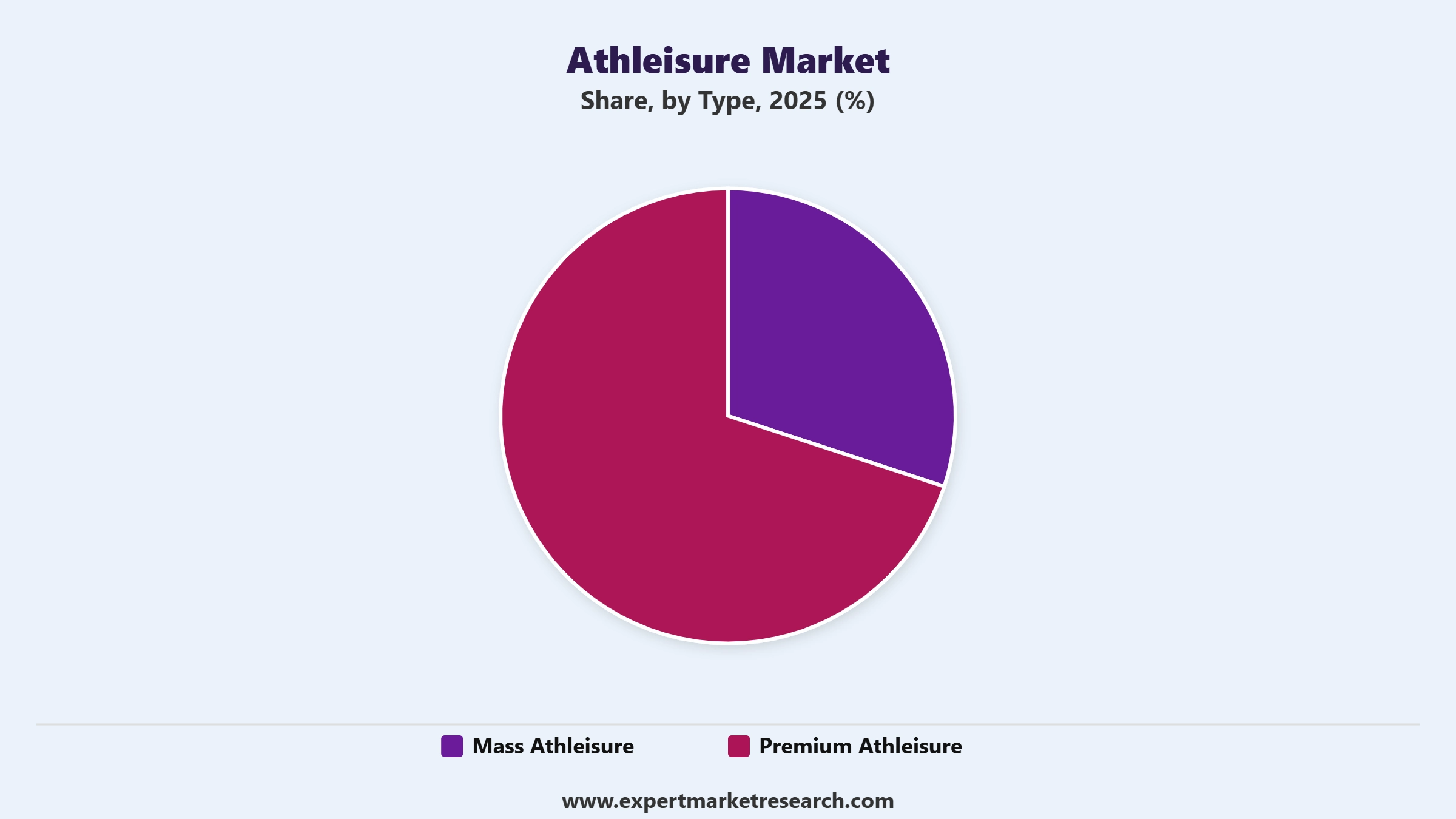
By type, mass athleisure holds the largest share of the market due to broad affordability and everyday versatility
The most widespread form of athleisure is mass athleisure as it unites performance and accessibility in terms of price and everyday wearability, boosting growth in the athleisure market. Mass-market athletic brands increasingly focus on functional fabrics, simple designs, and faster production to provide consumers with practical workout apparel. Mass retailers also benefit from mass athleisure as such collection helps retailers to increase their sales turnover as the same clothing lines can be worn by consumers not only during workouts but also during commuting, casual activities, fitness training, and traveling. In addition, private label developments in this segment are becoming more common as retailers want to develop their own athleisure lines but under strict control over sourcing and margins.
Read more about this report - REQUEST FREE SAMPLE COPY IN PDF
The fast-growing premium athleisure industry is associated with the consumers’ growing understanding that high-performance fabric, design, and construction create high value products. This segment focuses on moisture management, thermal management, ergonomic construction, seam-free technologies, and premium natural or recycled fabrics. Aligning with this trend, in June 2026, Tata CLiQ partnered with Lululemon to launch stores in India, strengthening premium athleisure distribution and expanding access to international activewear brands.
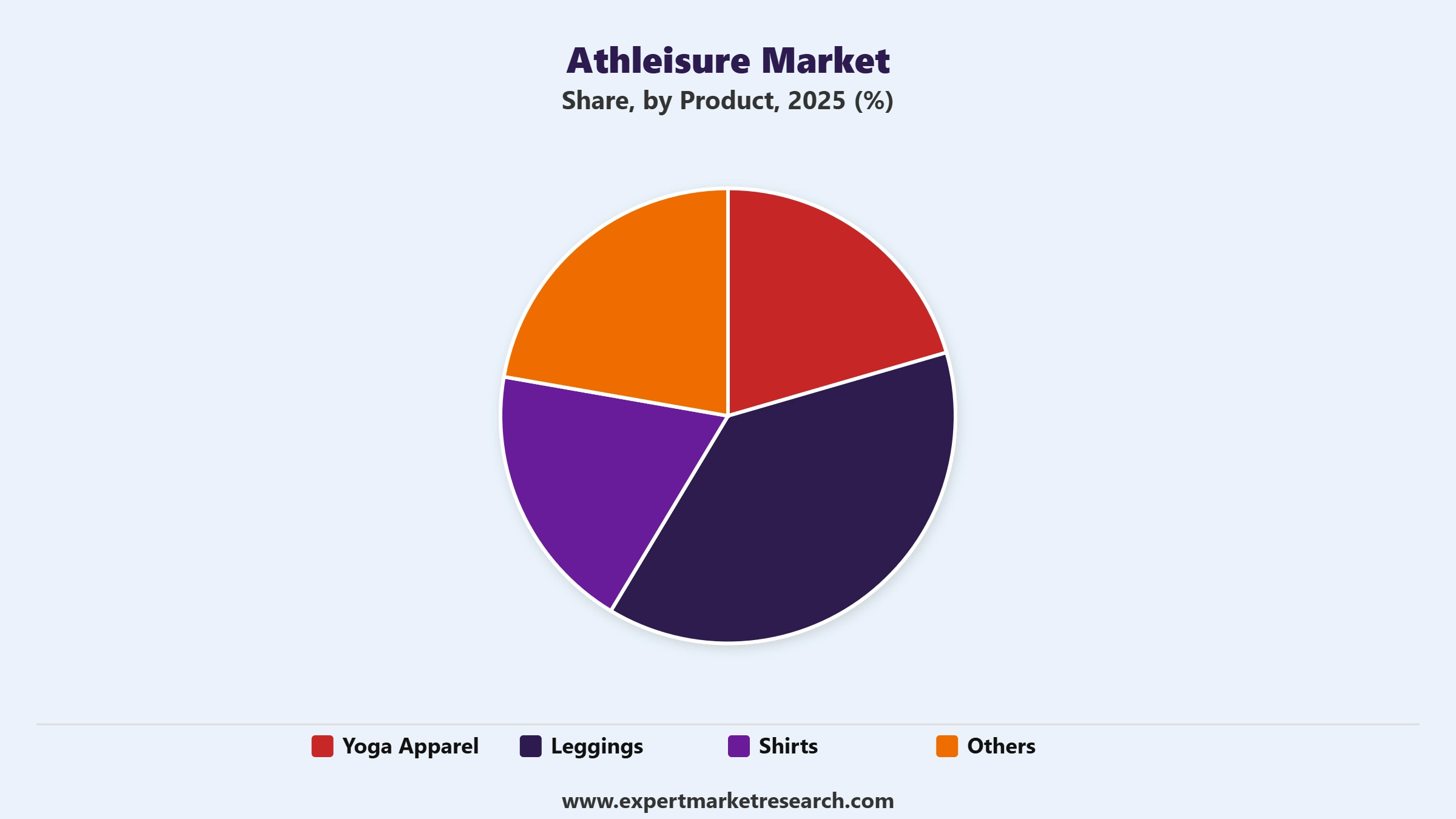
By product, leggings capture a substantial share of the market due to versatility across fitness and lifestyle activities
Leggings comprise the majority product category since their design allows for multiple uses of athleisure pieces with brands applying innovative fabric technologies, propelling the overall athleisure market penetration. Specifications such as stretch performance, compression, moisture management, squat proof, and seamlessness are becoming more critical when manufacturers introduce new collections. Besides, brands apply leggings as the platform for the introduction of seasonal colors, prints, body-sculpting, and different waistline constructions, which help introduce new assortments regularly without changes in manufacturing technology. In January 2026, ThirdLove launched TempSync sports bras and leggings using temperature-regulating fabric technology to enhance comfort during changing workout conditions.
Read more about this report - REQUEST FREE SAMPLE COPY IN PDF
The category of yoga apparel grows due to the development of products specifically designed with an emphasis on mobility, breathability, comfort, and no distraction design, boosting the athleisure market growth. Manufacturers are experimenting with light-weighted knits, four-way stretch fabric, bonding of seams, adjustments, and touchable finishing in order to ensure better performance during yoga and other wellness activities. In October 2024, Resoluna launched versatile activewear designed to combine performance, comfort, and everyday functionality across diverse lifestyles and activities.
By end user, the women category represents the dominant end-user segment due to broader product variety and frequent usage
The female demographic group forms the majority of end-users since the offerings from brands in this category have comprehensive product architectures in terms of training gear, yoga, running, travel, leisure, and casual designs. The product range is increasingly characterized by distinctions that include fit, fabric compression, seamless construction, and layering options, accelerating the athleisure market value. In addition, coordinated product designs present an opportunity for brands to enlarge the size of the basket of products but maintain the same fabric platform in multiple items. In May 2025, Nike and SKIMS launched NikeSKIMS, combining performance innovation and body-conscious design to target women’s expanding fitness and athleisure needs.
Male consumers are gaining major momentum as brands develop their lines from sportswear beyond traditional training items to more sophisticated apparel for commuting, travel, casual business, and leisure activities. Product developers are designing tapered pants, technical polos, jackets, shirts, and hybrid shorts that blend construction with minimalistic design features. This presents an athleisure market opportunity for brands providing moisture wicking, breathable, and odor resistant fabrics among others. In July 2026, GymNation launched a men’s athleisure collection combining traditional thobes and ghutras with performance-oriented design for fitness-focused consumers.
Offline distribution continues to be dominant in the market due to tactile product evaluation and established retail networks
The offline channels continue to dominate the athleisure market as the purchase decision is based on evaluation of the hand feel, stretch and recovery, fit, construction, and comfort. This is possible through brand-owned stores, sports goods, retail outlets, department stores, and specialized fitness retail stores where companies can showcase the technical aspects and provide fitting services. Retailers are redesigning their stores' layout to create experiences in which the brands can highlight the technologies and benefits for specific activities.
The online distribution segment is rapidly expanding its share in the athleisure market revenue due to the improvements in fit technology, product visualization, personalization, and fulfillment. Athleisure products are best suited to be merchandised online due to the fact that technical information regarding stretch, moisture management, compression, weight of the fabrics, and activity can be communicated via the product page and videos. In October 2023, Bata India launched athleisure apparel under its Power brand, expanding beyond footwear into performance-focused clothing for active consumers.
Read more about this report - REQUEST FREE SAMPLE COPY IN PDF
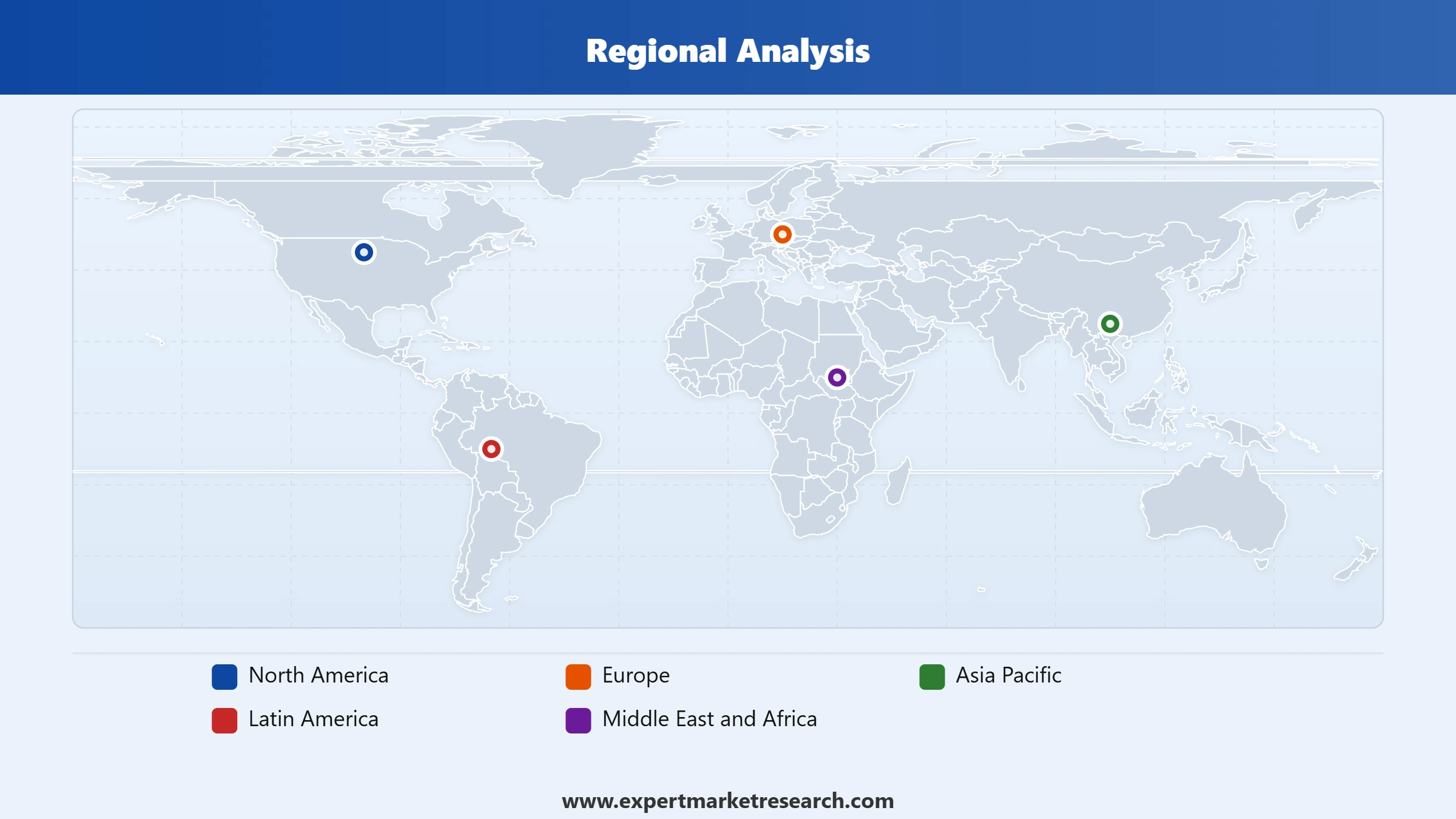
North America captures the largest share of the market due to established sportswear adoption and premium brand presence
North America holds dominance as the leading regional athleisure market due to its high integration of athleisure within fitness, casual clothing, travel, and daily consumption habits. Major sports apparel firms have an already existing presence in the form of advanced product development, retailing infrastructure, and direct-to-consumer capabilities. Companies are increasingly investing in technologies such as functional textiles, silhouette versatility, fit options, and e-commerce experiences to bolster their presence in this regional market. In May 2026, Hugo Boss opened its first standalone United States athleisure store, expanding premium sportswear retail and strengthening its performance-fashion positioning.
Asia Pacific is experiencing rapid expansion in the athleisure market due to the increasing urban population, participation in fitness activities, digital commerce, and changes in work-life culture resulting in a higher need for versatile sports apparel. Apparel brands are now targeting consumers in markets such as China, India, Japan, South Korea, and Southeast Asia through offerings customized for the weather, activities, and fashion tastes of the region. Regional apparel producers are developing better capabilities for technical textiles, reducing development times, and offering localized products.
The market is becoming increasingly competitive as athleisure companies such as Nike, Adidas, Lululemon, Puma, Under Armour, and new direct-to-consumer businesses compete through product differentiation, technical fabrics, sustainability, and lifestyle. Leading brands in the industry are shifting their focus towards creating a versatile range with performance-based design along with styling for every day whereas newer brands are targeting under-served consumer segments with specific fits and community-based positioning.
The recent trend of competition is compelling athleisure market players to optimize their product lines, enhance inventory productivity and direct their investments in high potential categories. There is scope in adaptive athleisure, inclusive sizing, climate-sensitive clothing, recycled materials, and sport-specific products like pickleball or padel gear. Digital-fit technology, personalized recommendations, resale services, and local product development can be used for differentiation.
Founded in 1964, headquartered in Beaverton, Oregon, United States, Nike supports the athleisure market through performance apparel, lifestyle lines, and high-performance materials development. Nike's attempt to design light-weight engineering apparel while linking elite performance with casual fashion.
Established in 1920, headquartered in Herzogenaurach, Germany, Adidas offers performance apparel and sport-inspired lifestyle lines. The company targets consumers who want sporting legacy while combining athletic functionality with casual fashion.
Founded in 1919 with its headquarters located in Herzogenaurach, Germany, Puma serves the athleisure market through its performance line and Sportstyle range that are built on the foundation of innovative technologies like CLOUDSPUN and ULTRAWEAVE. The CLOUDSPUN technology emphasizes softness and stretchability along with moisture wicking, and ULTRAWEAVE is built on the technology that gives lightweight, four-way stretch construction.
Founded in 1998 and having its headquarters in Vancouver, Canada, Lululemon specializes in technical athletic wear that is tailored for yoga, running, training, and general activity. The approach to product development of the company includes innovative fabrics, fit science, seamless construction, and feedback from athletes.
Other key players in the market include Under Armour Inc., Patagonia, Inc., Vuori, Inc., Pangaia Group, Outerknown, LLC, Lyst Ltd, and HanesBrands Inc., among others.
*Please note that this is only a partial list; the complete list of key players is available in the full report. Additionally, the list of key players can be customized to better suit your needs.*
Unlock the latest insights with our athleisure market trends 2026 report. Discover regional growth patterns, consumer preferences, and key industry players. Stay ahead of competition with trusted data and expert analysis. Download your free sample report today and drive informed decisions in the market.


Upto 15% Off
USD
$2499 $2249
$3999 $3599
$4999 $4249
$5999 $5099


*While we strive to always give you current and accurate information, the numbers depicted on the website are indicative and may differ from the actual numbers in the main report. At Expert Market Research, we aim to bring you the latest insights and trends in the market. Using our analyses and forecasts, stakeholders can understand the market dynamics, navigate challenges, and capitalize on opportunities to make data-driven strategic decisions.*
In 2025, the market reached a value of around USD 422.25 Billion.
The market is projected to grow at a CAGR of 9.20% between 2026 and 2035.
The market is estimated to witness a healthy growth in the forecast period of 2026-2035 to reach around USD 1018.11 Billion by 2035.
Stakeholders are investing in advanced fabrics, developing climate-responsive garments, strengthening localized sourcing, expanding digital fit tools, testing circular materials, and building athlete-led product development partnerships.
The key trends guiding the market include innovative product launches, increasing endorsements from celebrities and influencers, and the rapid growth of the e-commerce sector.
The regional markets for athleisure include North America, Europe, the Asia Pacific, Latin America, and the Middle East and Africa.
The different distribution channels in the market include online and offline.
The major players in the market are Nike Inc., Adidas AG, Puma SE, Lululemon Athletica Inc., Under Armour Inc., Patagonia, Inc., Vuori, Inc, Pangaia Group, Outerknown, LLC, Lyst Ltd, and HanesBrands Inc., among others.
Companies are facing intense brand competition, volatile consumer preferences, inventory risks, rising material costs, sustainability requirements, counterfeit products, complex global sourcing, and the challenge of commercializing advanced fabrics without significantly increasing prices.
Explore our key highlights of the report and gain a concise overview of key findings, trends, and actionable insights that will empower your strategic decisions.
| REPORT FEATURES | DETAILS |
| Base Year | 2025 |
| Historical Period | 2019-2025 |
| Forecast Period | 2026-2035 |
| Scope of the Report |
Historical and Forecast Trends, Industry Drivers and Constraints, Historical and Forecast Market Analysis by Segment:
|
| Breakup by Type |
|
| Breakup by Product |
|
| Breakup by End User |
|
| Breakup by Distribution Channel |
|
| Breakup by Region |
|
| Market Dynamics |
|
| Competitive Landscape |
|
| Companies Covered |
|
Datasheet
One User
USD 2,499
USD 2,249
tax inclusive*
Single User License
One User
USD 3,999
USD 3,599
tax inclusive*
Five User License
Five User
USD 4,999
USD 4,249
tax inclusive*
Corporate License
Unlimited Users
USD 5,999
USD 5,099
tax inclusive*
*Please note that the prices mentioned below are starting prices for each bundle type. Kindly contact our team for further details.*
Flash Bundle
Small Business Bundle
Growth Bundle
Enterprise Bundle
*Please note that the prices mentioned below are starting prices for each bundle type. Kindly contact our team for further details.*
Flash Bundle
Number of Reports: 3
20%
tax inclusive*
Small Business Bundle
Number of Reports: 5
25%
tax inclusive*
Growth Bundle
Number of Reports: 8
30%
tax inclusive*
Enterprise Bundle
Number of Reports: 10
35%
tax inclusive*
How To Order

Select License Type
Choose the right license for your needs and access rights.

Click on ‘Buy Now’
Add the report to your cart with one click and proceed to register.

Select Mode of Payment
Choose a payment option for a secure checkout. You will be redirected accordingly.
Strategic Solutions for Informed Decision-Making
Gain insights to stay ahead and seize opportunities.

Get insights & trends for a competitive edge.

Track prices with detailed trend reports.

Analyse trade data for supply chain insights.

Leverage cost reports for smart savings

Enhance supply chain with partnerships.

Connect For More Information
Our expert team of analysts will offer full support and resolve any queries regarding the report, before and after the purchase.
Our expert team of analysts will offer full support and resolve any queries regarding the report, before and after the purchase.
We employ meticulous research methods, blending advanced analytics and expert insights to deliver accurate, actionable industry intelligence, staying ahead of competitors.
Our skilled analysts offer unparalleled competitive advantage with detailed insights on current and emerging markets, ensuring your strategic edge.
We offer an in-depth yet simplified presentation of industry insights and analysis to meet your specific requirements effectively.




