

Consumer Insights
Uncover trends and behaviors shaping consumer choices today
Procurement Insights
Optimize your sourcing strategy with key market data
Industry Stats
Stay ahead with the latest trends and market analysis.
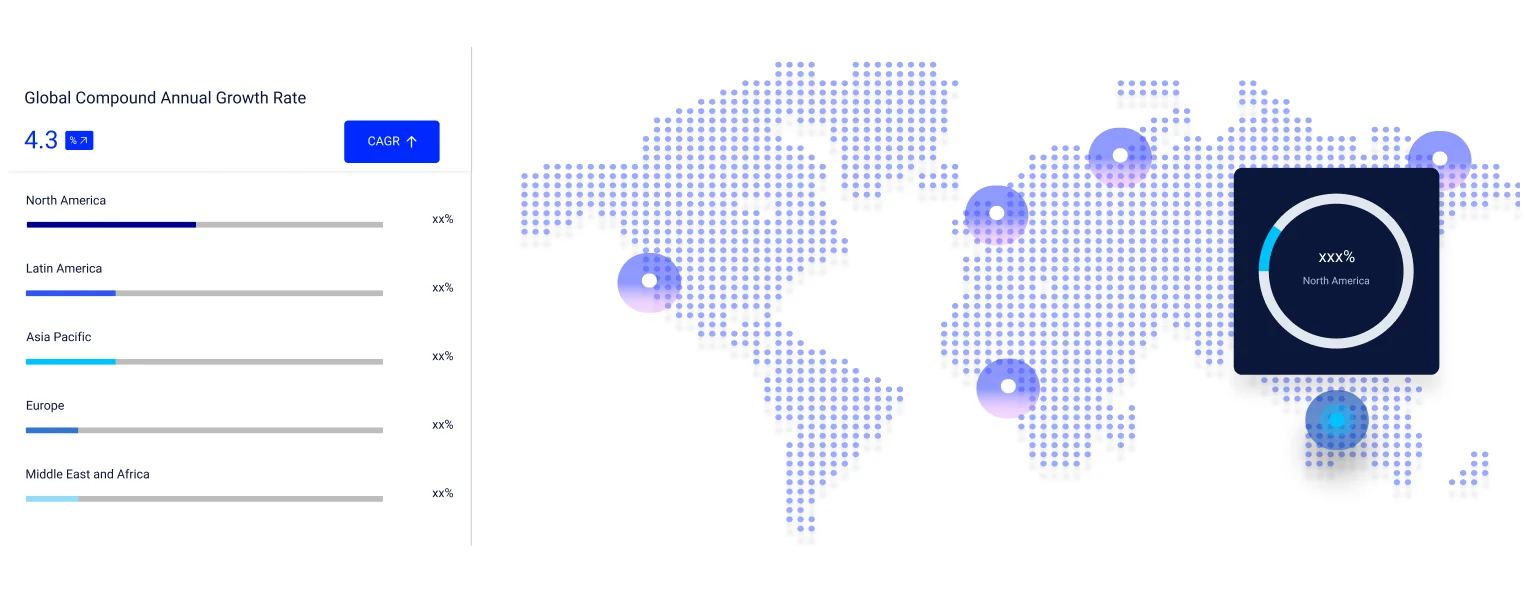
The global automotive alternator and starter motor market attained a value of USD 35.82 Billion in 2025 and is projected to expand at a CAGR of 4.80% through 2035. The market is further expected to achieve USD 57.25 Billion by 2035. The growing integration of start-stop and 48-volt mild-hybrid technologies in passenger and commercial vehicles is increasing demand for high-cycle starter motors, belt-driven alternator starters, and integrated starter generators. These systems help improve fuel efficiency and reduce emissions while retaining conventional powertrains, encouraging automakers to adopt more advanced starting and charging components.
The market is evolving as manufacturers transition from conventional components toward integrated starter-generators, belt-driven starter-generators, intelligent alternators, and higher-efficiency electrical systems. Industry leaders including Bosch, DENSO, Valeo, and Mitsubishi Electric are strengthening their portfolios through product development, aftermarket expansion, manufacturing capabilities, and electrification-oriented technologies. Bosch, for example, offers starters and alternators for passenger cars, commercial vehicles, tractors, and three-wheelers, while DENSO continues to expand its starter and alternator aftermarket applications, thereby boosting the automotive alternator and starter motor market value.
One of the significant innovations in the automotive alternator and starter motor market is the advent of high-voltage integrated starter generators (ISGs), where the functions of both the starter and alternators are integrated into a single compact device. In the high-voltage ISG offered by DENSO, the company employs proprietary coil winding technology in order to produce high output from its compact design in addition to being able to assist the engine during starting, generate electrical energy, and assist the engine. These innovative products have been used by several automobile makers such as BMW, MINI, Renault, and Suzuki.
A major challenge for the automotive alternator and starter motor market is the accelerating shift toward vehicle electrification, which can reduce reliance on conventional components. Manufacturers can overcome this by diversifying into integrated starter-generators, 48V mild-hybrid systems, and high-efficiency electrical components. Integrated starter-generators combine starting and power-generation functions while supporting regenerative braking and engine start-stop operations, creating opportunities beyond conventional alternators and starter motors. Companies should also invest in compact designs, advanced power electronics, thermal management, and modular architectures to meet evolving OEM requirements. This strategy can help suppliers retain relevance, expand product portfolios, and capture demand from increasingly electrified vehicle platforms, thus aiming more towards the automotive alternator and starter motor market developments.
Compound Annual Growth Rate
4.8%
Value in USD Billion
2026-2035
Read more about this report - REQUEST FREE SAMPLE COPY IN PDF
| Global Automotive Alternator and Starter Motor Market Report Summary | Description | Value |
| Base Year | USD Billion | 2025 |
| Historical Period | USD Billion | 2019-2025 |
| Forecast Period | USD Billion | 2026-2035 |
| Market Size 2025 | USD Billion | 35.82 |
| Market Size 2035 | USD Billion | 57.25 |
| CAGR 2019-2025 | Percentage | XX% |
| CAGR 2026-2035 | Percentage | 4.80% |
| CAGR 2026-2035- Market by Region | Asia Pacific | 5.4% |
| CAGR 2026-2035 - Market by Country | India | 5.5% |
| CAGR 2026-2035 - Market by Country | China | 5.3% |
| CAGR 2026-2035 - Market by By Product Type | Alternator | 5.2% |
| CAGR 2026-2035 - Market by By Technology | Integrated Starter Generator (ISG) | 5.6% |
| Market Share by Country 2025 | Australia | 2.2% |
DELTABLOC launched its Race Track Safety Barriers, with the first installation at A1 Motor Park in Bulgaria. More than 300 double-sided barriers, 88 pit-wall elements, and two pit-wall gates were installed, expanding the company’s safety barrier applications into motorsport infrastructure.
DENSO’s PowerEdge brand launched the 28PE plug-in alternator for commercial vehicles and medium- and heavy-duty trucks in April 2026. The alternator features a plug-in connection designed to simplify installation by eliminating harness cutting and rewiring. Alignment with the market: This development supports demand for efficient, easy-to-install alternators and strengthens aftermarket opportunities in commercial vehicle applications, thereby boosting the trends in the automotive alternator and starter motor market.
DENSO added 17 new part numbers to its Rotating Electrics portfolio for motorcycle and heavy-duty applications in March 2026. The expansion strengthens its starter and alternator coverage across additional vehicle applications. Alignment with the market: This supports aftermarket growth and demonstrates increasing demand for broader, application-specific rotating electrical solutions.
DENSO added 51 new alternator part numbers, linked to 340 OE numbers and covering nearly 3,300 applications across Europe. The additions target passenger cars and light commercial vehicles. Alignment with the market: The development highlights manufacturers' focus on expanding aftermarket coverage and meeting continued demand for efficient, reliable alternator replacements, thus aiming for growth of the automotive alternator and starter motor market.
The increasing usage of start-stop and mild hybrid cars is driving demand for conventional starters to be replaced by reinforced starters and starter generators. The Valeo 48V iBSG replaces the conventional alternator and includes engine start, energy recuperation, regenerative braking, and torque assist features. Valeo claims that this system will result in fuel savings of 6% under the WLTP. This development has encouraged manufacturers to come up with high-cycle, smaller starter generators for use in combustion-engine vehicles, thus affecting the automotive alternator and starter motor market dynamics and trends.
Modern vehicles require greater electrical output for increasingly sophisticated electronics, encouraging manufacturers to improve alternator efficiency rather than simply increasing size. Valeo’s 12V Efficient Generator uses MOSFET-based synchronous rectification to reduce voltage losses during current conversion. Its alternator portfolio illustrates the shift toward compact, efficient charging systems capable of supporting higher electrical loads. This trend is creating opportunities for suppliers developing improved regulators, rectification technologies, thermal management, and high-output alternators.
Vehicle electrification is changing the role of conventional starter and alternator suppliers, particularly as battery-electric vehicles eliminate the need for traditional engine-starting and charging components. However, the mild hybrid vehicles are still contributing to the demand for starter generators. The 48V system of Valeo consists of lithium-ion battery, belt-driven starter generator, and DC/DC converter, which clearly explains the extension by suppliers of their traditional alternator technology into the electrified systems, thereby boosting the trends in the automotive alternator and starter motor market.
The large installed base of internal-combustion vehicles continues to generate replacement demand for starters and alternators, making the aftermarket an important growth avenue. A recent example is DENSO’s February 2026 expansion, which added 51 alternator part numbers covering 3,229 applications and more than 70 million passenger cars and light commercial vehicles across Europe. The development demonstrates how suppliers are broadening application coverage and strengthening aftermarket availability even as new-vehicle powertrains become increasingly electrified.
Stricter vehicle CO₂ requirements are encouraging automakers to improve efficiency across combustion and hybrid powertrains, indirectly supporting advanced alternators and starter-generators. EU fleet-wide targets for 2025–2029 are 93.6 g CO₂/km for passenger cars and 153.9 g CO₂/km for vans. Technologies such as regenerative braking, start-stop systems, and 48V starter-generators help manufacturers extract additional efficiency from combustion-based platforms. Consequently, regulatory pressure is strengthening the business case for more efficient charging, starting, and energy-recovery technologies.
Read more about this report - REQUEST FREE SAMPLE COPY IN PDF
The Expert Market Research’s report titled “Automotive Alternator And Starter Motor Market Report and Forecast 2026-2035” offers a detailed analysis of the market based on the following segments:
Market Breakup by Product
Key Insight: There is a growing demand for both starter motors and alternators due to the rising need associated with the production of automobiles, start-stop functionality, and increased electrical loads within vehicles. The demand for starter motors is increasing due to the frequent starts that the engines have to perform in vehicles with start-stop and mild hybrid technology. Moreover, there is an increase in the demand for alternators due to higher electrical loads caused by ADAS, infotainment systems, etc., thereby opening up new opportunities and boosting the growth of the automotive alternator and starter motor market.
Market Breakup by Technology
Key Insight: Belt Alternator Starter (BAS), Enhanced Starter, Direct Start, and Integrated Starter Generator (ISG) are emerging due to the need for improved fuel economy, fast restarting of the engine, and reduced emission levels by the automobile industry. While BAS is capable of supporting start-stop and regeneration functionalities, enhanced starters can ensure the robustness of the starter motor. Direct Start is still applicable in traditional use cases, while ISG is being used in mild hybrid vehicles.
Market Breakup by Starter Motor Type
Key Insight: As per automotive alternator and starter motor market study, Electric, pneumatic, hydraulic, and other starter motor technologies serve different vehicle and operating requirements. Electric motors dominate because of their compactness, reliability, cost-effectiveness, and compatibility with modern passenger and commercial vehicles. Pneumatic starters gain traction in heavy-duty applications requiring dependable operation under demanding conditions, while hydraulic starters are preferred where high starting torque and harsh-environment performance are critical. Other technologies remain niche, serving specialized applications.
Market Breakup by Vehicle Type
Key Insight: Passenger and commercial vehicles are both gaining traction as global vehicle production, ownership, and fleet utilisation increase. Passenger vehicles remain the leading segment, supported by high production volumes, rising electronic content, start-stop systems, and mild-hybrid adoption. Commercial vehicles, particularly LCVs and HCVs, are benefiting from expanding e-commerce, logistics, construction, and freight transportation, which increase demand for durable, high-output alternators and starter motors. HCVs additionally require robust components capable of handling intensive operating cycles and higher electrical loads.
Market Breakup by Sales Channel
Key Insight: Both Original Equipment Manufacturers (OEMs) and aftermarket channels are gaining traction in the global market, but the former have an edge because of the increasing volume of automobile production and the installation of alternators and starter motors in factories. The automotive industry needs more efficient and durable products that can work with start-stop and hybrid systems. Moreover, there are new chances for the aftermarket business since replacement will be demanded by old automobiles and via electronic commerce.
Market Breakup by Region
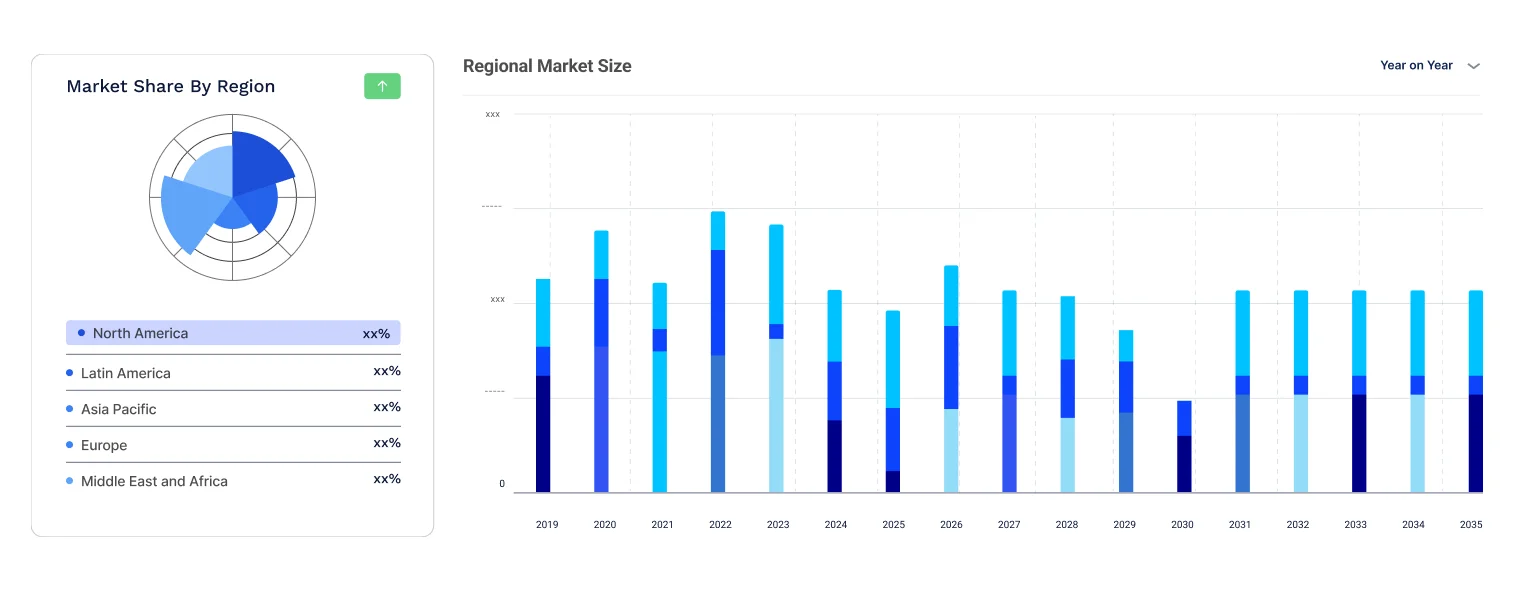
Key Insight: Asia Pacific is gaining the strongest traction, supported by high vehicle production, expanding automotive manufacturing, rising vehicle ownership, and growing demand for advanced starting and charging systems in China, India, Japan, and South Korea. North America benefits from a large installed vehicle base and aftermarket replacement demand, while Europe is supported by start-stop and hybrid adoption and stringent emissions requirements. Latin America is benefiting from expanding vehicle fleets and aftermarket activity, particularly in Brazil. Demand in the Middle East and Africa is gaining traction through increasing vehicle ownership, commercial transportation, and replacement demand for components operating in demanding conditions.
By product, starter motors lead due to essential engine-starting requirements and widespread ICE vehicle adoption
Starter motors are gaining traction mainly from start-stop and mild-hybrid applications, where repeated engine cycling requires substantially higher durability than conventional systems. Valeo states that its 12V electric starters and ReStarters can withstand up to 400,000 cycles, specifically addressing frequent restarting requirements. This makes enhanced starters particularly relevant as automakers increase start-stop functionality without completely redesigning ICE platforms. The segment therefore benefits from both replacement demand and technology upgrades in newer combustion and hybrid vehicles, thus boosting the overall automotive alternator and starter motor market development.
Alternators are gaining traction as vehicle electrical loads increase and manufacturers demand greater output from smaller units. A concrete example is DENSO’s February 2026 aftermarket expansion, adding 51 alternator part numbers linked to 340 OE numbers and covering 3,229 applications across more than 70 million European passenger cars and light commercial vehicles. This demonstrates continued demand for replacement alternators while highlighting manufacturers’ focus on compact, durable, high-efficiency charging systems.
By technology, BAS gains traction as an economical 48V mild-hybrid solution
BAS technology has started to make its mark as an economical solution to the adoption of 48V mild hybridization. The 48V iBSG technology by Valeo uses the standard alternator but offers the functions of starting, generating, regenerative braking, and torque assist in a single pack. The system is capable of offering up to 6% savings on WLTP, along with handling over a million stop-start cycles, and hence bolstering the automotive alternator and starter motor market revenues.
Enhanced starters are gaining traction because start-stop systems substantially increase the number of engine restarts during a vehicle’s operating life. Valeo’s ReStarter is specifically engineered for repeated stopping and starting and offers durability of up to 400,000 cycles. Its ability to operate without major changes to existing vehicle architecture makes the technology attractive for manufacturers upgrading conventional ICE platforms. Consequently, enhanced starters provide a practical intermediate solution between conventional starting systems and integrated starter-generators.
By starter motor type, electric starters dominate due to mature technology, compact design, reliability, and broad vehicle compatibility
Electric starters dominate since they offer compact packaging, controllable operation, and broad compatibility across passenger and commercial vehicles. Valeo reports more than 10 million electric starters and ReStarters produced annually, covering applications from small 1.2-litre three-cylinder engines to 3.6-litre six-cylinder engines. The technology is also evolving toward higher durability for start-stop operation, allowing manufacturers to retain electric starting architectures while meeting more demanding restart cycles and fuel-efficiency requirements.
Pneumatic starters remain a specialised technology rather than a mainstream passenger-vehicle solution. Their strongest opportunity lies in heavy-duty and industrial environments where starting reliability under demanding operating conditions is more important than compact packaging. They are relevant to large engines and specialised fleets where compressed air infrastructure is already available. Consequently, the segment’s growth is tied to heavy commercial vehicles, industrial equipment, mining, marine, and other specialised applications rather than the rapidly electrifying passenger-car market.
By vehicle type, passenger vehicles dominate because of high production volumes, electrification features, and substantial replacement demand.
Passenger vehicles remain the largest opportunity because of their enormous production volumes and installed base, while hybridisation is creating additional technology demand. ACEA reported that hybrid-electric vehicles captured 35.1% of EU new-car registrations during January-May 2025, making hybrids the region’s most popular powertrain category. This supports demand for enhanced starters and starter-generators alongside conventional components. The segment therefore combines substantial replacement volumes with technology-driven demand created by start-stop and mild-hybrid adoption.
Commercial vehicles generate demand for durable starters and high-output alternators because fleet operators place greater emphasis on uptime and component reliability. India provides a useful indicator of the underlying vehicle base: SIAM reported 9.57 lakh commercial-vehicle sales in FY2024–25, including 3.74 lakh medium and heavy commercial vehicles. Although electrification is progressing, the continuing scale of ICE commercial fleets sustains demand for conventional rotating electrical components and creates opportunities for higher-output and hybrid-compatible systems.
By sales channel, OEMs lead through direct integration of starters and alternators into newly manufactured vehicles globally
OEMs remain strategically important because alternators and starters must meet precise vehicle-level requirements for packaging, electrical output, durability, and powertrain integration. DENSO’s February 2026 aftermarket expansion illustrates the depth of this OE ecosystem: its 51 new alternators correspond to 340 OE part numbers and cover 3,229 applications. Such extensive OE cross-referencing demonstrates how component suppliers leverage established automaker specifications to build large application portfolios and subsequently strengthen their aftermarket presence.
The aftermarket is gaining traction through the large installed base of ICE vehicles and recurring replacement requirements. DENSO’s February 2026 addition of 51 alternator part numbers provides a clear example: the new products cover more than 70 million passenger cars and light commercial vehicles across Europe. This scale demonstrates the commercial opportunity created by replacement demand. Suppliers are therefore expanding catalogues and vehicle coverage to capture ageing-fleet demand even as new-vehicle powertrains gradually become more electrified.
Read more about this report - REQUEST FREE SAMPLE COPY IN PDF
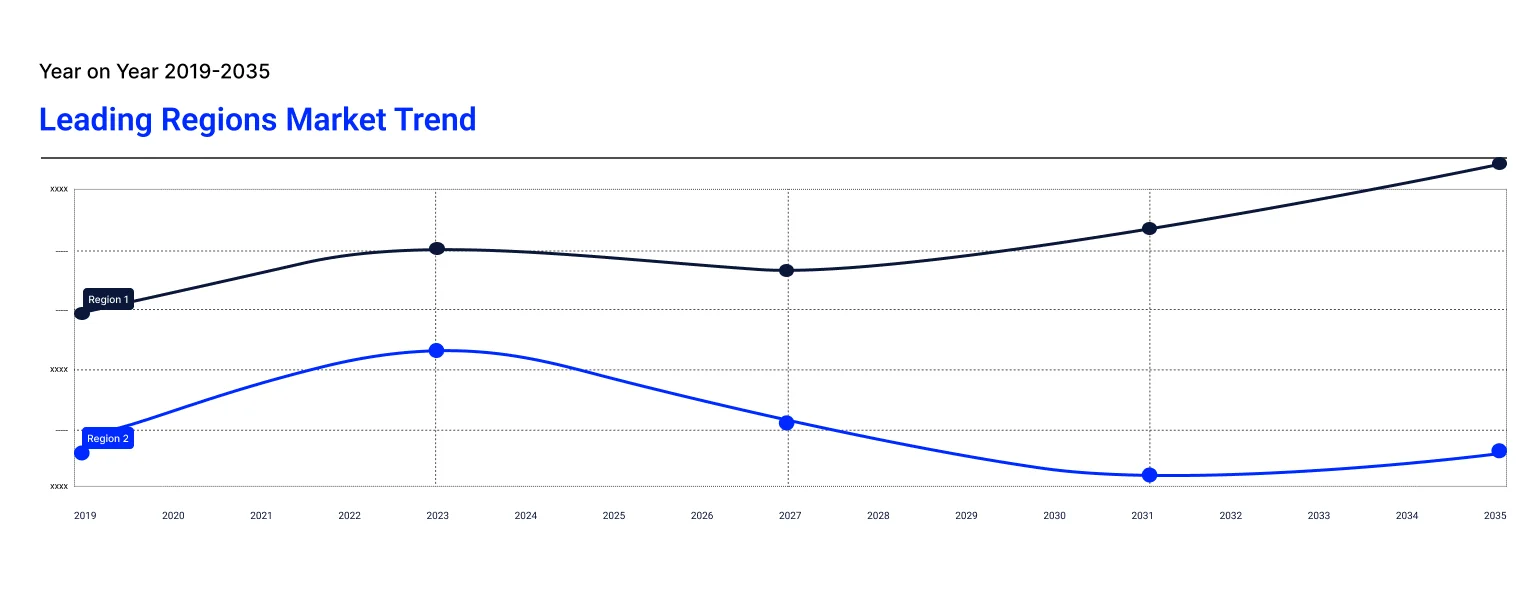
By region, Asia Pacific remains a key hub for automotive component manufacturing and innovation.
Asia Pacific is expected to remain the leading regional market because of its enormous vehicle-production base, expanding passenger and commercial vehicle fleets, strong automotive manufacturing ecosystems, and extensive presence of major component suppliers. China, Japan, India, South Korea, and Southeast Asian economies provide broad OEM and aftermarket opportunities. The region also represents an important growth centre for hybridisation and vehicle electrification. Supplier investments and localisation further strengthen the region's importance. Valeo's Pune operations, for example, manufacture starters, alternators, regulators, iStARS, and iBSG systems for major OEM customers. Such factors are directly boosting the automotive alternator and starter motor market regional growth.
The North American region is an example of an established market, yet one that continues to be of technological significance owing to a large vehicle parc, high car ownership, commercial transport requirements, and a sizable aftermarket sector. There is continued strong demand for standard starters and alternators within the existing internal combustion engine vehicles, whereas hybridization brings into play the possibility of sophisticated starter generators. The regulatory situation continues to be a key variable. In February 2026, the US EPA removed the federal GHG endangerment-based vehicle standards, although other standards still apply.
Automotive alternator and starter motor market players are pursuing scalability through product innovation, manufacturing expansion, and technological advancements. They are developing lightweight, high-efficiency alternators and advanced starter motors compatible with start-stop systems and modern powertrains. Investments in automated production, localized manufacturing, supply-chain optimization, and aftermarket networks are helping companies reduce costs, improve availability, and strengthen competitiveness.
Automotive alternator and starter motor companies are also expanding geographically, particularly across emerging automotive markets, while building stronger relationships with vehicle OEMs. Strategic partnerships, acquisitions, and research investments are enabling access to new technologies, customers, and production capabilities. Additionally, portfolio diversification and investments in electrification, energy-efficient components, and digital manufacturing are helping manufacturers expand applications and achieve sustainable long-term growth.
Established in 1886 and headquartered in Gerlingen-Schillerhöhe, Germany, the company offers automotive alternators and starter motors designed for reliable engine starting, efficient power generation, and modern vehicle electrical systems. Its portfolio supports passenger cars, commercial vehicles, and various powertrain applications, with technologies focused on efficiency, durability, and evolving vehicle electrification requirements.
Established in 1949 and headquartered in Kariya, Aichi, Japan, DENSO Corporation provides automotive alternators and starter motors as part of its broader electrification and powertrain portfolio. Its products are engineered for dependable engine starting, efficient electrical power generation, compact packaging, and improved vehicle performance across passenger vehicles, commercial vehicles, and other automotive applications.
Established in 1946 and headquartered in Kiryu, Gunma, Japan, Mitsuba Corporation offers automotive starter motors, AC generators, and starting generators for automobiles and motorcycles. Its products emphasize compact designs, reliable starting performance, and efficient electrical generation. The company manufactures these systems alongside a wider portfolio of automotive electrical and motor-based components for global vehicle manufacturers.
Established in 1962 and headquartered in Chennai, India, Lucas TVS Limited offers automotive alternators and starter motors for two-wheelers, passenger vehicles, SUVs, commercial vehicles, and buses. Its portfolio includes high-efficiency alternators, gear-reduction starter motors, and advanced start-stop starter motors, addressing growing requirements for fuel efficiency, reliable starting, reduced emissions, and vehicle electrification.
Other key players in the market include Mitsubishi Electric Corporation, among others.
*Please note that this is only a partial list; the complete list of key players is available in the full report. Additionally, the list of key players can be customized to better suit your needs.*
Unlock the potential of the evolving automotive alternator and starter motor market with comprehensive insights from Expert Market Research. Leverage market analysis, forecasts, competitive intelligence, and emerging trend assessments to identify lucrative opportunities, strengthen business strategies, and gain a competitive edge. Get the latest automotive alternator and starter motor market report today and make informed decisions with confidence.


Upto 15% Off
USD
$2499 $2249
$3999 $3599
$4999 $4249
$5999 $5099


*While we strive to always give you current and accurate information, the numbers depicted on the website are indicative and may differ from the actual numbers in the main report. At Expert Market Research, we aim to bring you the latest insights and trends in the market. Using our analyses and forecasts, stakeholders can understand the market dynamics, navigate challenges, and capitalize on opportunities to make data-driven strategic decisions.*
The global automotive alternator and starter motor market is projected to grow at a CAGR of 4.80% between 2026 and 2035.
Key strategies include product innovation, lightweight component development, enhanced efficiency, integration with start-stop systems, aftermarket expansion, strategic partnerships, localized manufacturing, cost optimization, and investments in advanced automotive technologies.
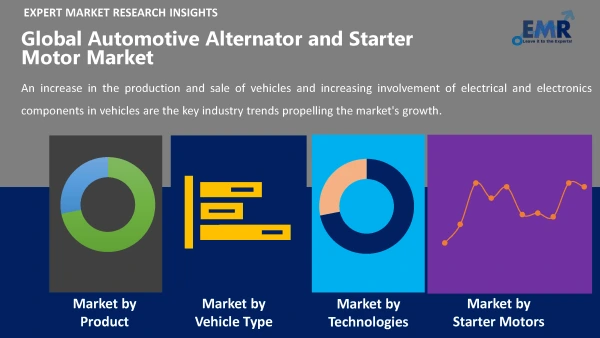
An increase in the production and sale of vehicles and increasing involvement of electrical and electronics components in vehicles are the key industry trends propelling the market's growth.
The major regions in the industry are North America, Latin America, the Middle East and Africa, Europe, and the Asia Pacific.
The major products include a starter motor and alternator.
Based on technology, the market is divided into belt alternator starter (BAS), enhanced starter, direct-start, and integrated starter generator (ISG).
The different types of starter motors are electric, pneumatic, and hydraulic, among others.
Based on vehicle type, the market is divided into passenger vehicles and commercial vehicles. Commercial vehicles are further divided into light commercial vehicles and heavy commercial vehicles.
The different sales channels in the market are OEMs and aftermarket.
The major players in the industry are Robert Bosch GmbH, DENSO Corporation, Mitsuba Corporation, Lucas TVS Limited, and Mitsubishi Electric Corporation, among others.
In 2025, the market reached an approximate value of USD 35.82 Billion.
Key challenges include supply chain disruptions, rising raw material costs, stringent emission regulations, increasing vehicle electrification, technological complexity, aftermarket competition, and pressure to improve alternator and starter motor efficiency and durability.
Explore our key highlights of the report and gain a concise overview of key findings, trends, and actionable insights that will empower your strategic decisions.
| REPORT FEATURES | DETAILS |
| Base Year | 2025 |
| Historical Period | 2019-2025 |
| Forecast Period | 2026-2035 |
| Scope of the Report |
Historical and Forecast Trends, Industry Drivers and Constraints, Historical and Forecast Market Analysis by Segment:
|
| Breakup by Product |
|
| Breakup by Technology |
|
| Breakup by Starter Motor Type |
|
| Breakup by Vehicle Type |
|
| Breakup by Sales Channel |
|
| Breakup by Region |
|
| Market Dynamics |
|
| Competitive Landscape |
|
| Companies Covered |
|
| Report Price and Purchase Option | Explore our purchase options that are best suited to your resources and industry needs. |
| Delivery Format | Delivered as an attached PDF and Excel through email, with an option of receiving an editable PPT, according to the purchase option. |
Datasheet
One User
USD 2,499
USD 2,249
tax inclusive*
Single User License
One User
USD 3,999
USD 3,599
tax inclusive*
Five User License
Five User
USD 4,999
USD 4,249
tax inclusive*
Corporate License
Unlimited Users
USD 5,999
USD 5,099
tax inclusive*
*Please note that the prices mentioned below are starting prices for each bundle type. Kindly contact our team for further details.*
Flash Bundle
Small Business Bundle
Growth Bundle
Enterprise Bundle
*Please note that the prices mentioned below are starting prices for each bundle type. Kindly contact our team for further details.*
Flash Bundle
Number of Reports: 3
20%
tax inclusive*
Small Business Bundle
Number of Reports: 5
25%
tax inclusive*
Growth Bundle
Number of Reports: 8
30%
tax inclusive*
Enterprise Bundle
Number of Reports: 10
35%
tax inclusive*
How To Order

Select License Type
Choose the right license for your needs and access rights.

Click on ‘Buy Now’
Add the report to your cart with one click and proceed to register.

Select Mode of Payment
Choose a payment option for a secure checkout. You will be redirected accordingly.
Strategic Solutions for Informed Decision-Making
Gain insights to stay ahead and seize opportunities.

Get insights & trends for a competitive edge.

Track prices with detailed trend reports.

Analyse trade data for supply chain insights.

Leverage cost reports for smart savings

Enhance supply chain with partnerships.

Connect For More Information
Our expert team of analysts will offer full support and resolve any queries regarding the report, before and after the purchase.
Our expert team of analysts will offer full support and resolve any queries regarding the report, before and after the purchase.
We employ meticulous research methods, blending advanced analytics and expert insights to deliver accurate, actionable industry intelligence, staying ahead of competitors.
Our skilled analysts offer unparalleled competitive advantage with detailed insights on current and emerging markets, ensuring your strategic edge.
We offer an in-depth yet simplified presentation of industry insights and analysis to meet your specific requirements effectively.




