

Consumer Insights
Uncover trends and behaviors shaping consumer choices today
Procurement Insights
Optimize your sourcing strategy with key market data
Industry Stats
Stay ahead with the latest trends and market analysis.
The global automotive electric water pump market was valued at USD 4.63 Billion in 2025. The market is expected to grow at a CAGR of 14.30% during the forecast period of 2026-2035 to reach a value of USD 17.62 Billion by 2035. Growing integration of advanced thermal management systems in hybrid SUVs is accelerating electric water pump adoption globally, as OEMs focus on efficiency gains beyond electrification commitments.
The global market is experiencing rapid growth, largely fueled by the transition toward electrification and higher thermal efficiency requirements. One major driving factor is the increasing production of electric vehicles (EVs) where thermal management plays a critical role. According to the automotive electric water pump market analysis, global EV sales surged past 14 million units in 2023, a 35% rise from 2022, driving unprecedented demand for advanced cooling systems. In the United States, the Department of Energy allocated over USD 7.5 billion in June 2024 under the Bipartisan Infrastructure Law to build EV charging infrastructure, indirectly boosting the adoption of efficient auxiliary systems like electric water pumps.
Another significant factor is stringent emission regulations across key markets. The European Union, for instance, enforced a 55% reduction target in CO2 emissions from passenger cars by 2030, in October 2023. Automakers are increasingly adopting electric water pumps to optimize engine performance and reduce emissions, accelerating growth in the automotive electric water pump market. Meanwhile, China’s “Made in China 2025” initiative emphasizes advanced automotive component manufacturing, with subsidies extended for electrified components. These programs collectively create a supportive framework for innovation.
Compound Annual Growth Rate
14.3%
Value in USD Billion
2026-2035
With the introduction of its Automotive Water Pump, Setco Automotive Limited broadened its product line to include engine cooling options for Medium & Heavy Commercial Vehicles (MHCVs) and Light Commercial Vehicles (LCVs). This strengthens the role of electric water pumps in heavy-duty and commercial fleet electrification, addressing rising thermal management demands.
DYNASET presented the new EPW Electric High Pressure Water Pump Range, which is intended to provide dependable and effective power for a broad range of industries and work settings. These pumps, which come in two different varieties including DC pumps for mobile use and AC pumps for stationary applications, convert electric power into high-pressure water. This automotive electric water pump market development showcases cross-industry innovation.
A new order for several hundred thousand CWA 2000 high-voltage electric coolant pumps was awarded to Rheinmetall. This highlights the growing demand for advanced thermal management in EVs, reinforcing electric water pumps as critical components for next-gen mobility.
The introduction of its line of auxiliary electric water pumps was announced by NTN. In order to satisfy the increasing need for more effective cooling systems in electric and hybrid vehicles, this new range provides more than 40 references. Such a development directly caters to EV and hybrid cooling requirements, showcasing the automotive electric water pump market responsiveness to OEM and aftermarket needs for efficiency and variety.
The surge in EV adoption is perhaps the strongest catalyst for the automotive electric water pump market growth. With more than 3.4 million EVs sold in China in 2023 alone, thermal management systems are no longer optional but mandatory. OEMs are deploying electric water pumps to regulate battery packs, inverters, and e-motors. Tesla’s Model Y and BYD’s Han EV utilize advanced water pump solutions to improve range and charging efficiency. With government-backed EV mandates across Europe and the United States, the integration of these pumps into mainstream models is poised to accelerate significantly.
Governments across the globe are enforcing stricter norms for emissions and fuel efficiency. In India, the Bharat Stage VI norms and Europe’s Euro 7 regulations are forcing automakers to optimize cooling performance while reducing CO2 footprints, strengthening the automotive electric water pump demand forecast. Electric water pumps eliminate parasitic losses caused by mechanical pumps, directly improving fuel efficiency. German OEMs like BMW have already shifted to electrified pumps in their 3-Series to meet the upcoming fleetwide CO2 compliance. Regulatory pressure continues to push this substitution, fueling widespread adoption.
Hybrid vehicles present dual challenges such as cooling the combustion engine and the high-voltage battery system. Electric water pumps offer modular and scalable solutions to address both. Toyota’s Prius and Hyundai’s Ioniq have adopted specialized dual-circuit cooling systems with variable-speed electric pumps to balance efficiency. With hybrid sales expected to rise steadily, especially in regions where EV infrastructure is still maturing, such applications are expanding. According to the automotive electric water pump market analysis, hybrid sales accounted for 55% of the total revenue in Japan in 2023, creating sustained demand.
Innovation is reshaping the landscape with pumps designed for higher durability and flexible voltage operations. Bosch launched modular 12V/24V pump series aimed at both light-duty passenger cars and heavy-duty EVs in July 2024. High-voltage pumps (800V compatible) are becoming essential for ultra-fast charging vehicles, where heat dissipation must match accelerated energy output, transforming the automotive electric water pump market dynamics. These innovations enhance pump lifespan while ensuring compatibility across platforms. Suppliers with strong R&D pipelines are positioned to capture premium contracts in the OEM supply chain.
Policy support is another growth engine. In March 2025, the Union Cabinet of India approved the USD 3.02 billion PLI-Auto Scheme to enhance domestic manufacturing of Advanced Automotive Technology products, including electric water pumps. Similarly, the United States Inflation Reduction Act encourages local sourcing and manufacturing of electrified components. Such incentives not only de-risk supply chains but also give OEMs confidence to integrate advanced pump systems without cost overburdens, accelerating the automotive electric water pump market opportunities. As supply chains regionalize, localized production of pumps is expected to strengthen vendor competitiveness and attract new market entrants.
Read more about this report - REQUEST FREE SAMPLE COPY IN PDF
The EMR’s report titled “Global Automotive Electric Water Pump Market Report and Forecast 2026-2035” offers a detailed analysis of the market based on the following segments:
Market Breakup by Vehicle Type
Key Insight: Automotive electric water pump demand is shaped by electrification, regulatory pressure, and OEM-led strategies. Passenger cars are driving adoption through scale and affordability, light commercial vehicles expand integration via last-mile electrification, while EVs reshape cooling needs with advanced, high-voltage pump systems supporting fast charging and range stability. Both these categories highlight how varying mobility demands drive innovation in thermal management, positioning electric water pumps as critical enablers of efficiency across the automotive spectrum.
Market Breakup by Pump Type
Key Insight: 12V pumps dominate mainstream adoption, particularly in passenger cars and hybrids, owing to their affordability, compact design, and scalability for mass-market integration. Automakers prefer these pumps to meet efficiency standards without raising costs. Meanwhile, 24V pumps are growing at the fastest pace, driven by electrification of buses, trucks, and heavy-duty fleets where thermal demands are significantly higher. Their higher capacity and reliability make them essential for supporting fleet electrification, positioning them as a critical for the automotive electric water pump market growth.
Market Breakup by Application
Key Insight: Engines remain the leading application, ensuring compliance and efficiency in both traditional and hybrid vehicles. Turbochargers boost reliability by managing heat under high-performance conditions, while batteries drive innovation in EV cooling systems. Other niche applications, such as inverter and auxiliary component cooling, expand aftermarket opportunities by addressing specialized thermal needs.
Market Breakup by Sales Channel
Key Insight: OEMs position themselves at the forefront of the automotive electric water pump market dynamics by ensuring standardized integration across diverse vehicle platforms, aligning with automakers’ electrification and efficiency strategies. Meanwhile, aftermarket channels grow rapidly as replacement demand rises, particularly in aging fleets and emerging markets. This dual structure supports long-term reliability while enabling flexibility for consumers and fleet operators, reinforcing the critical role of both channels in market expansion.
Market Breakup by Region
Key Insight: Asia Pacific dominates the automotive electric water pump market, driven by large-scale vehicle production and government subsidies that accelerate EV adoption. The European market is being propelled by strict emission mandates and automaker electrification goals. North America benefits from incentives and federal funding programs supporting EV infrastructure and component adoption. Latin America is gradually integrating pumps as electrification initiatives expand, while the market in Middle East and Africa evolves slowly, with growth linked to infrastructure upgrades and government-led mobility modernization projects.
Electric vehicles account for the largest share of the market due to soaring demand for battery thermal management systems
Given their reliance on advanced cooling systems for battery packs, inverters, and electric drivetrains, electric vehicles account for the largest share of the market. With global EV stock surpassing 17 million units in 2024, electric water pumps are becoming crucial to ensuring performance, range stability, and safety. Companies like BYD and Tesla are embedding high-voltage pumps to enhance energy efficiency under ultra-fast charging conditions. Additionally, government mandates like California’s ban on new ICE vehicle sales by 2035 are accelerating EV integration, ensuring electric water pumps become indispensable in this category.
Passenger cars experience accelerated growth in the automotive electric water pump market due to their large-scale electrification and higher demand for thermal management in compact engine bays. OEMs are increasingly shifting to electrified water pumps to meet emission and efficiency standards. Luxury automakers such as Mercedes-Benz and Audi have deployed electric pumps across their plug-in hybrid fleets, improving fuel efficiency and performance.
By pump type, 12V pumps register the largest share of the market due to mass adoption in passenger vehicles
The 12V pump category holds dominance as they are widely integrated into mass-market passenger cars and hybrids. These pumps offer cost-effective, compact, and energy-efficient solutions, particularly suited for small combustion engines and low-voltage hybrid architectures. OEMs in emerging markets like India and Southeast Asia are prioritizing 12V pumps to meet stricter fuel efficiency standards while ensuring affordability. Their scalability and compatibility with existing vehicle designs continue to strengthen their automotive electric water pump market share across mid-range vehicles.
The surging popularity of 24V pumps is driven by their use in electric buses, trucks, and heavy-duty vehicles where thermal loads are substantially higher. These pumps ensure consistent thermal stability across battery modules and motors under heavy workloads. Their higher capacity and compatibility with modern EV architectures are pushing OEMs to prioritize them in fleet electrification projects, making this category one of the most dynamic growth areas.
By application, engine pumps account for the largest share of the market due to stringent thermal efficiency needs
Engines remain the dominant application for electric water pumps as automakers shift away from mechanical pumps to improve overall efficiency and reduce CO2 emissions. These pumps enable precise control of coolant flow, directly enhancing fuel economy and thermal stability under high-performance conditions. Premium OEMs such as BMW and Audi have embedded electrified pumps into ICE and hybrid engines to meet tightening emission regulations. In emerging markets, demand is further boosted by mid-range cars requiring cost-effective cooling systems, impacting the overall automotive electric water pump market revenue.
Battery cooling represents the fastest-growing application area, fueled by surging electric vehicle production. Electric water pumps are indispensable for regulating battery pack temperature, ensuring performance consistency, charging safety, and longer battery life. Tesla’s Model 3 and BYD’s Qin EV demonstrate how precision cooling boosts range and prevents thermal runaway. Governments in regions like Europe and California mandating zero-emission targets are accelerating EV adoption, creating exponential demand for high-performance pumps.
By sales channel, OEMs capture the largest market share due to automaker-led integration strategies
Original equipment manufacturers dominate the sales channel category due to their direct role in integrating electric water pumps into new vehicle platforms. Automakers are aligning product design with stringent emission mandates and efficiency requirements, making OEM integration the most reliable route for large-scale adoption. Suppliers like Bosch and Continental secure long-term contracts with automakers to standardize electric pump use across ICE, hybrid, and EV models. This direct linkage to vehicle production ensures consistency, scalability, and compliance with regional standards, consolidating OEMs’ hold as the dominant distribution channel for the market.
The aftermarket channel significantly boosts the automotive electric water pump market scope as electric water pumps require periodic replacement, especially in regions with aging vehicle fleets. Independent distributors and service providers are responding to the rising demand for affordable and compatible pumps across different vehicle models. In addition, the growth of online platforms is enabling greater accessibility and faster product availability, especially in emerging economies. Fleet operators and small workshops rely heavily on aftermarket channels to manage cost-efficient thermal management solutions.
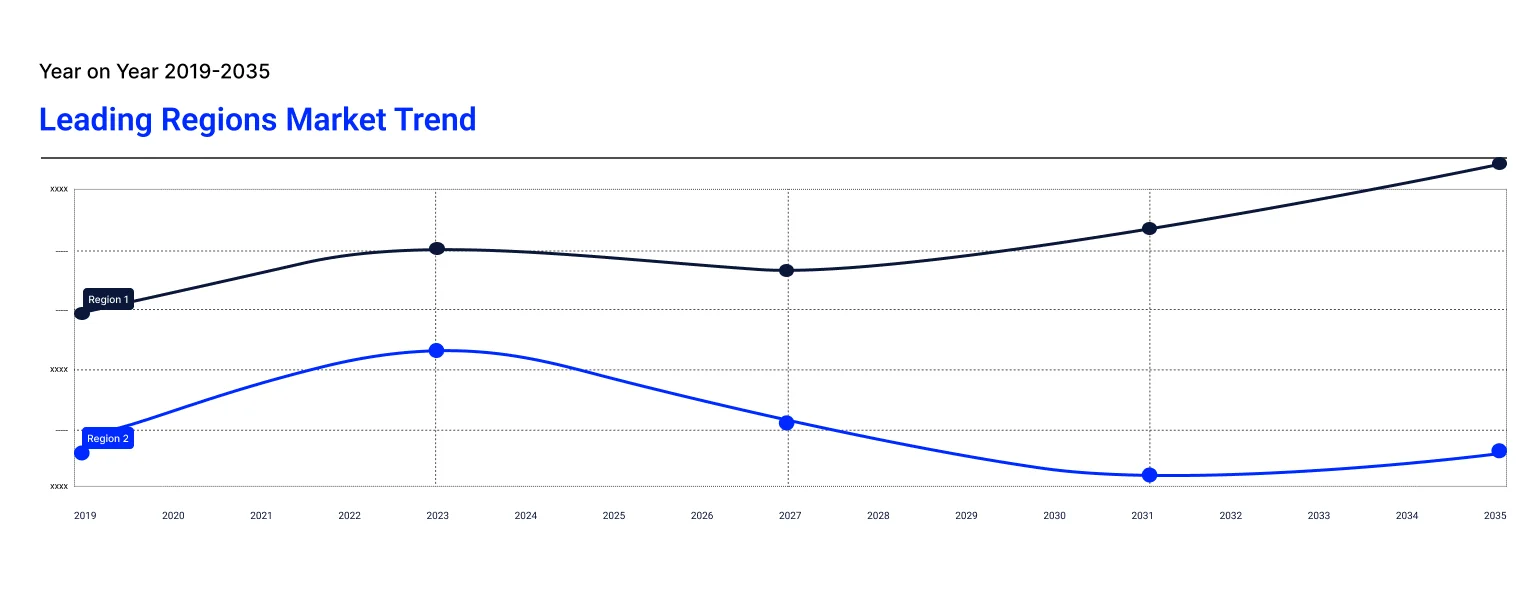
Asia Pacific holds the leading market position due to massive EV production scale
Asia Pacific dominates the market by a high margin, owing to the sheer volume of vehicle production and rapid adoption of electric mobility. China leads global EV manufacturing, while Japan and South Korea invest heavily in hybrid and electrified systems. With governments offering subsidies and manufacturers scaling battery production, the need for efficient cooling solutions is rising dramatically. Suppliers across the region are also localizing pump production to reduce costs and strengthen supply chains.
Europe is witnessing the fastest growth in the automotive electric water pump market as automakers accelerate electrification under strict climate policies. The EU’s Green Deal and Euro 7 emission standards are compelling OEMs to adopt advanced electric water pumps across both EVs and ICE models. Germany, France, and the Nordic countries are leading with aggressive EV penetration targets, while luxury brands like Mercedes and Porsche are driving premium adoption.
Key areas of focus from leading automotive electric water pump market players include developing high-voltage pumps for next-generation EVs, enhancing durability for hybrid applications, and localizing production to meet regional supply chain resilience goals. Opportunities are arising in premium vehicle electrification, commercial fleet decarbonization, and government-backed incentives supporting advanced thermal management technologies.
Automotive electric water pump companies are investing in modular designs that serve multiple vehicle platforms, strengthening their value proposition. Strategic collaborations with automakers are critical as companies seek to capture contracts for EV-dedicated platforms, where electric water pumps are central to performance and safety.
Founded in 1946 and headquartered in Herzogenaurach, Germany, Schaeffler focuses on high-efficiency pump systems tailored for hybrid and electric drivetrains. It has pioneered compact, low-noise electric water pumps designed to optimize energy use in premium passenger vehicles.
Founded in 1871 and headquartered in Hanover, Germany, Continental AG develops advanced electric water pumps integrated with intelligent control units for EVs and hybrids. The company emphasizes modularity, offering pumps compatible with 12V, 24V, and 800V architectures. Its ability to leverage electronics expertise gives it a competitive edge in precision cooling.
Founded in 1886 and headquartered in Germany, Bosch is a global leader in automotive components, including modular electric water pump platforms. Its latest designs emphasize long service life and flexible voltage scalability. Bosch also works closely with commercial vehicle OEMs, introducing heavy-duty pump systems capable of sustaining thermal performance in electric buses and trucks.
Founded in 1997 and headquartered in Germany, Rheinmetall specializes in robust electric water pumps optimized for high-performance and defense-related vehicles. Its pumps are engineered for extreme durability under high-load conditions. Rheinmetall is expanding its portfolio to address EV and hybrid cooling demands, developing compact pumps for battery and inverter systems.
*Please note that this is only a partial list; the complete list of key players is available in the full report. Additionally, the list of key players can be customized to better suit your needs.*
Other key players in the market are Gates Corporation, BLDC Pump Co., Ltd., Davies, Craig Pty Ltd, Valeo SA, Behr Hella Service GmbH, and Hanon Systems, among others.
Explore the latest trends shaping the automotive electric water pump market 2026-2035 with our in-depth report. Gain strategic insights, future forecasts, and key market developments that can help you stay competitive. Download a free sample report or contact our team for customized consultation on automotive electric water pump market trends 2026.


Upto 15% Off
USD
$2499 $2249
$3999 $3599
$4999 $4249
$5999 $5099


*While we strive to always give you current and accurate information, the numbers depicted on the website are indicative and may differ from the actual numbers in the main report. At Expert Market Research, we aim to bring you the latest insights and trends in the market. Using our analyses and forecasts, stakeholders can understand the market dynamics, navigate challenges, and capitalize on opportunities to make data-driven strategic decisions.*
In 2025, the automotive electric water pump market reached an approximate value of USD 4.63 Billion.
The market is projected to grow at a CAGR of 14.30% between 2026 and 2035.
The market is estimated to witness a healthy growth in the forecast period of 2026-2035 to reach over USD 17.62 Billion by 2035.
The major regions in the industry are North America, Latin America, the Middle East and Africa, Europe, and the Asia Pacific.
Companies are investing in modular pump platforms, strengthening OEM partnerships, expanding localized manufacturing, advancing high-voltage innovations, and enhancing durability features to capture opportunities in electrification and hybrid vehicle transitions.
The increasing preference towards environment-friendly automotive equipment with minimal toxicity is expected to be a key trend guiding the growth of the industry.
The major vehicle types in the market are passenger cars, light commercial vehicles, and electric vehicles.
The different pump types in the market are 12V and 24V.
The different applications of automotive electric water pump are engine, turbocharger, and battery, among others.
The significant sales channel are OEMs and aftermarket.
The key players in the market include Schaeffler Technologies AG & Co. KG, Continental AG, Robert Bosch GmbH, Rheinmetall Automotive AG, Gates Corporation, BLDC Pump Co., Ltd., Davies, Craig Pty Ltd, Valeo SA, Behr Hella Service GmbH, and Hanon Systems, among others.
High development costs, stringent emission regulations, and supply chain localization pressures challenge companies in the automotive electric water pump market as they balance innovation with affordability and long-term OEM partnerships.
Explore our key highlights of the report and gain a concise overview of key findings, trends, and actionable insights that will empower your strategic decisions.
| REPORT FEATURES | DETAILS |
| Base Year | 2025 |
| Historical Period | 2019-2025 |
| Forecast Period | 2026-2035 |
| Scope of the Report |
Historical and Forecast Trends, Industry Drivers and Constraints, Historical and Forecast Market Analysis by Segment:
|
| Breakup by Vehicle Type |
|
| Breakup by Pump Type |
|
| Breakup by Application |
|
| Breakup by Sales Channel |
|
| Breakup by Region |
|
| Market Dynamics |
|
| Competitive Landscape |
|
| Companies Covered |
|
| Report Price and Purchase Option | Explore our purchase options that are best suited to your resources and industry needs. |
| Delivery Format | Delivered as an attached PDF and Excel through email, with an option of receiving an editable PPT, according to the purchase option. |
Datasheet
One User
USD 2,499
USD 2,249
tax inclusive*
Single User License
One User
USD 3,999
USD 3,599
tax inclusive*
Five User License
Five User
USD 4,999
USD 4,249
tax inclusive*
Corporate License
Unlimited Users
USD 5,999
USD 5,099
tax inclusive*
*Please note that the prices mentioned below are starting prices for each bundle type. Kindly contact our team for further details.*
Flash Bundle
Small Business Bundle
Growth Bundle
Enterprise Bundle
*Please note that the prices mentioned below are starting prices for each bundle type. Kindly contact our team for further details.*
Flash Bundle
Number of Reports: 3
20%
tax inclusive*
Small Business Bundle
Number of Reports: 5
25%
tax inclusive*
Growth Bundle
Number of Reports: 8
30%
tax inclusive*
Enterprise Bundle
Number of Reports: 10
35%
tax inclusive*
How To Order

Select License Type
Choose the right license for your needs and access rights.

Click on ‘Buy Now’
Add the report to your cart with one click and proceed to register.

Select Mode of Payment
Choose a payment option for a secure checkout. You will be redirected accordingly.
Strategic Solutions for Informed Decision-Making
Gain insights to stay ahead and seize opportunities.

Get insights & trends for a competitive edge.

Track prices with detailed trend reports.

Analyse trade data for supply chain insights.

Leverage cost reports for smart savings

Enhance supply chain with partnerships.

Connect For More Information
Our expert team of analysts will offer full support and resolve any queries regarding the report, before and after the purchase.
Our expert team of analysts will offer full support and resolve any queries regarding the report, before and after the purchase.
We employ meticulous research methods, blending advanced analytics and expert insights to deliver accurate, actionable industry intelligence, staying ahead of competitors.
Our skilled analysts offer unparalleled competitive advantage with detailed insights on current and emerging markets, ensuring your strategic edge.
We offer an in-depth yet simplified presentation of industry insights and analysis to meet your specific requirements effectively.




