

Consumer Insights
Uncover trends and behaviors shaping consumer choices today
Procurement Insights
Optimize your sourcing strategy with key market data
Industry Stats
Stay ahead with the latest trends and market analysis.
The global automotive roof system market attained a value of USD 33.12 Billion in 2025 and is projected to grow at a CAGR of 5.30% through 2035. The market is further expected to reach USD 55.51 Billion by 2035. Rising demand for panoramic and multi-optional roof configurations, growing SUV and electric vehicle penetration, and expanding use of lightweight composite and glass-plastic materials are helping manufacturers broaden their product portfolios across passenger and commercial vehicle segments.
The automotive roof system market spans sunroof, panorama roof, multi-optional roof, solar roof, and convertible roof configurations manufactured from steel, aluminium, polycarbonate, and glass-plastic composite materials, serving passenger cars, light commercial vehicles, and heavy commercial vehicles through both OEM and aftermarket channels. Roof systems have evolved from a styling led feature category into a broader comfort, technology, and vehicle integration segment, as automakers increasingly treat the roof as a platform for sensors, solar cells, and cabin ambience rather than a purely structural component. Rising SUV and electric vehicle production across North America, Europe, and Asia Pacific continues to widen the addressable base for larger, more sophisticated roof modules, while established suppliers continue to modernize legacy fixed roof designs with electrically actuated, multi panel configurations.
Manufacturers are responding to this demand by expanding sustainable and lightweight roof system offerings that reduce both vehicle weight and lifecycle emissions. In April 2025, Webasto unveiled its Greener Roof concept at Auto Shanghai 2025, a new roof design that the company said can cut roof system carbon dioxide equivalent emissions by about 30 percent while simultaneously reducing weight and increasing usable interior space. This kind of sustainability focused redesign is helping major roof system suppliers differentiate their platforms as automakers face tightening vehicle emissions targets, reinforcing demand for lightweight materials and efficient manufacturing processes across the roof system supply chain.
Leading suppliers are increasingly consolidating through acquisitions to broaden their component and system level capabilities rather than relying solely on organic contract wins, reflecting a shift toward deeper design collaboration between roof system suppliers and automakers. In March 2026, CIE Automotive completed its acquisition of Aludec Group, a decorative automotive components supplier, for an enterprise value of approximately 200 million euros, adding aesthetic components capability across ten manufacturing facilities. This kind of capability driven consolidation signals where the market is heading, with suppliers competing increasingly on their ability to offer broader roof and trim system portfolios rather than bidding on finished specifications alone.
Compound Annual Growth Rate
5.3%
Value in USD Billion
2026-2035
Read more about this report - REQUEST FREE SAMPLE COPY IN PDF
Inalfa Roof Systems launched a new customizable panoramic sunroof system designed specifically for luxury vehicles, reflecting the company's focus on meeting the evolving design demands of high-end automotive programs. The launch expanded Inalfa's premium roof portfolio beyond standard panoramic configurations. Luxury vehicle programs across the automotive roof system market can leverage this trend by specifying modular panoramic architectures rather than committing to fixed single panel designs.
Magna International introduced a lightweight modular electric sunroof platform engineered specifically for next-generation electric vehicle architectures, targeting reduced structural weight and simplified integration across multiple vehicle programs. The launch broadened Magna's electric actuation portfolio ahead of upcoming model year programs. Automakers can leverage this trend by specifying modular electric platforms to reduce engineering time across shared vehicle architectures.
Kyocera Corporation launched a new high clarity laminated panoramic sunroof glass with integrated electrochromic shading for electric vehicles, adding automated light and heat control to a single glazing layer. The launch targeted premium electric vehicle interior programs. Glazing suppliers across the automotive roof system market can leverage this trend by differentiating on integrated shading performance rather than clarity and strength alone.
Sungwoo Hitech entered a strategic partnership with a global roof system supplier to co-develop next generation panoramic sunroof modules for electric vehicles, combining actuation expertise with glass and lamination capabilities. The collaboration targeted lighter, more energy efficient roof assemblies. Electric vehicle programs across the automotive roof system market can leverage this trend by pairing actuation specialists with glass and lamination partners early in development.
Roof system suppliers across the automotive roof system market are increasingly localizing manufacturing and design capacity closer to major electric vehicle production hubs rather than exporting finished modules across long supply chains. This is reducing logistics costs and shortening development cycles for regionally specified roof programs while easing currency and tariff exposure across global supply chains. In June 2025, Valmet Automotive completed the expansion of its convertible roof and kinematic systems manufacturing facility in Zary, Poland, adding over 300 new jobs and significantly increased production capacity.
Glass suppliers across the automotive roof system market serving the roof system industry are increasingly localizing production within North America to secure just in time supply for assembly lines and reduce exposure to tariff driven cost volatility. This is reshaping capital investment priorities across the glazing supply base as automakers demand shorter lead times and greater supply chain resilience. In March 2025, Fuyao Glass announced a 400-million-dollar investment to expand its Decatur, Illinois facility, reinforcing its commitment to supplying the North American automotive glass and roof glazing market.
The panoramic roof segment across the automotive roof system market is continuing to expand faster than overall vehicle production growth, as automakers position larger glass roof areas as a standard differentiator across mainstream and premium trims alike. This is pushing suppliers to scale panoramic specific tooling and assembly capacity well ahead of anticipated demand. In June 2025, ASK Automotive signed a joint venture agreement with Germany's T.D. Holding to manufacture and sell sunroof control cables and helix cables for passenger vehicles across the growing Indian market.
Roof system suppliers across the automotive roof system market are increasingly directing investment toward electric actuation systems and smart shading platforms rather than manually operated mechanisms, reflecting rising consumer expectations for connected, app-controlled comfort features across new vehicle programs. This is reshaping supplier research and development priorities across the industry as competition intensifies among established Tier 1 suppliers. In May 2025, Aisin Corporation demonstrated an advanced electrochromic sunroof with automated tint adjustment and integrated solar energy capture, aimed at Japanese electric vehicle programs entering production.
Electric vehicle roof programs are increasingly attracting dedicated supplier investment separate from conventional internal combustion roof platforms, as EV architectures place different structural and thermal demands on roof design and weight budgets. This is prompting suppliers to build EV specific product lines rather than adapting existing internal combustion platforms to fit these evolving requirements. In May 2025, Inteva Products formalized new supply agreements with several European automakers for tilt and slide and spoiler mounted roof modules destined for upcoming 2026 model year electric vehicle programs.

Read more about this report - REQUEST FREE SAMPLE COPY IN PDF
The Expert Market Research's report titled “Global Automotive Roof System Market Report and Forecast 2026-2035” offers a detailed analysis of the market based on the following segments:
Market Breakup by Type
Key Insight: Sunroof systems account for the largest type share of the automotive roof system market given their widespread adoption across mainstream passenger vehicles as an affordable comfort feature; panorama roof systems are expanding fastest as automakers position expansive glass roof areas as a premium differentiator across SUVs and electric vehicles; multi-optional roof systems combine sliding, tilting, and removable panel functions for versatile use cases; solar roof systems integrate photovoltaic cells to offset auxiliary power draw; convertible roof systems serve open top vehicle programs; and the others category spans specialty and niche roof configurations.
Market Breakup by Material
Key Insight: Steel remains the largest material category across the automotive roof system market given its structural strength, cost efficiency, and compatibility with established stamping processes across mainstream vehicle platforms; glass-plastic composite is growing fastest as panoramic and solar roof programs require lightweight, optically clear materials that reduce overall vehicle weight without sacrificing structural integrity; aluminium supports weight reduction in premium and electric vehicle platforms, illustrated by Toyota's March 2025 launch of lightweight aluminium roof rail systems across its latest SUV models to improve aerodynamics and load capacity; polycarbonate offers impact resistant, moldable alternatives for complex roof geometries; and fibre-plastic composite serves niche lightweight structural applications.
Market Breakup by Vehicle Type
Key Insight: Passenger vehicles account for the largest vehicle type share of the automotive roof system market given the high volume of global passenger car and SUV production incorporating sunroof and panoramic roof options; light commercial vehicles are expanding fastest as last mile delivery fleets adopt roof mounted equipment racks and ventilation systems alongside rising e-commerce driven fleet expansion, illustrated by Rivian opening sales of its purpose built Commercial Van to fleets of all sizes across the United States in February 2025; and heavy commercial vehicles rely on simpler, durability focused roof systems suited to long haul and construction applications.
Market Breakup by Sales Channel
Key Insight: OEM sales account for the largest distribution share of the automotive roof system market as roof systems are increasingly specified and integrated during original vehicle design and assembly rather than added afterward; and the aftermarket segment is growing fastest as vehicle owners retrofit sunroof, roof rack, and roof rail accessories to extend vehicle functionality and personalize older vehicle platforms.
Market Breakup by Region
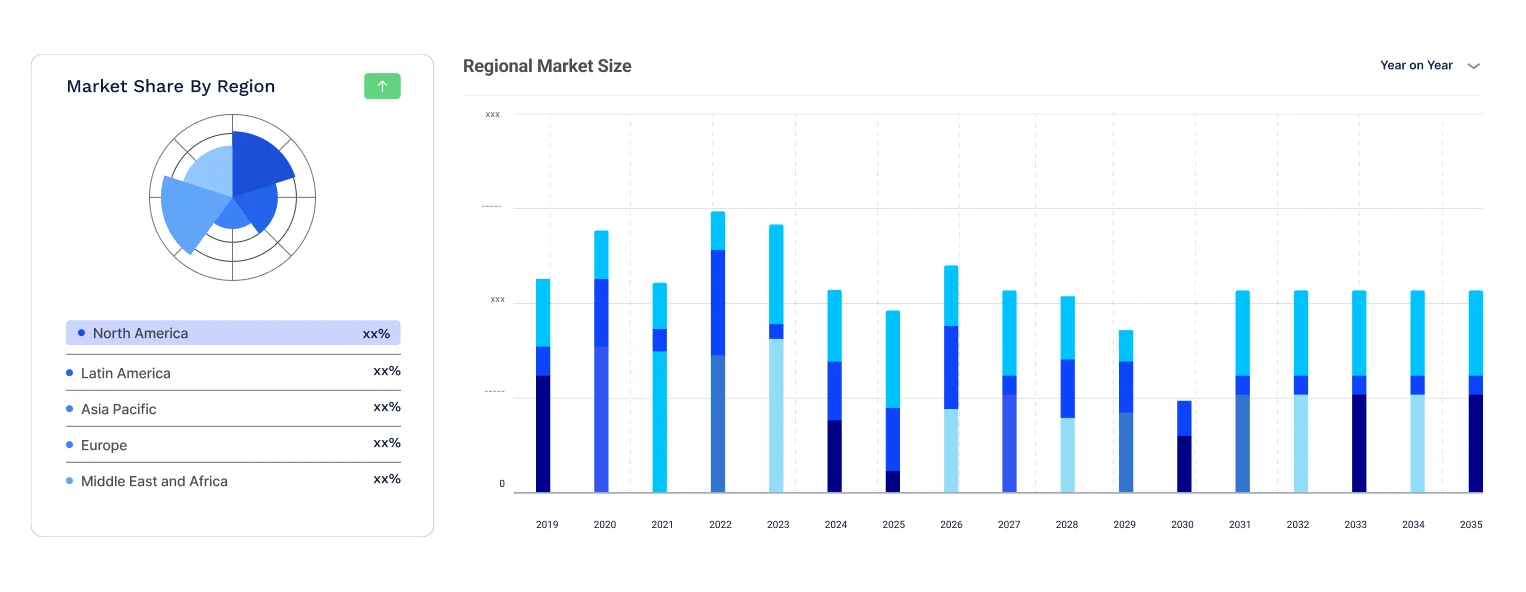
Key Insight: North America represents the largest automotive roof system market given high penetration of SUVs, premium vehicles, and electric vehicles supported by strong consumer demand for comfort oriented roof features; Europe follows closely, supported by a large premium and luxury vehicle manufacturing base; Asia Pacific is expanding fastest on the back of rising vehicle production and electric vehicle adoption across China, India, and Southeast Asia; Latin America is gradually scaling alongside expanding regional vehicle assembly; and the Middle East and Africa are growing as premium vehicle imports and regional assembly capacity increase.

Read more about this report - REQUEST FREE SAMPLE COPY IN PDF
By type, the sunroof system segment dominates the market owing to its widespread adoption as an affordable comfort feature across mainstream passenger vehicles
Sunroof systems hold the largest share of the automotive roof system market, reflecting their established position as a widely available comfort feature across mainstream vehicle trims rather than a premium exclusive option. Automakers increasingly treat sunroofs as a baseline expectation on mid-range and premium trims alike, extending specification beyond the SUV and crossover segments where the feature was traditionally concentrated. This continued specification anchors sunroof systems as the default roof configuration globally.
Panorama roof systems are registering the fastest growth in the automotive roof system market as automakers position expansive glass roof areas as a standard differentiator across SUV and electric vehicle trims rather than a rare luxury option. In the second quarter of 2025, AGC secured a contract to supply advanced panoramic sunroof glazing for Hyundai's next generation electric vehicle lineup, with production beginning in late 2025. Continued investment in multi panel and electrically actuated panoramic designs is expected to sustain above average growth for this segment.
By material, the steel segment dominates the market due to its structural strength and cost efficiency across mainstream vehicle platforms
Steel holds the dominant material share of the automotive roof system market, valued for its structural strength, established stamping infrastructure, and cost efficiency across high volume vehicle platforms. In February 2025, ArcelorMittal announced a 1.2-billion-dollar investment in a new electrical steel plant at Calvert, Alabama, supporting automotive customers including electric vehicle programs with construction beginning in the second half of 2025. This kind of dedicated capacity investment continues to anchor steel as the primary structural material across mainstream vehicle production.
Glass-plastic composite is growing at the fastest pace within the automotive roof system market as panoramic and solar roof programs require lightweight, optically clear materials that reduce vehicle weight without compromising structural performance. In November 2025, CSP, a composite body panel supplier to the Chevrolet Corvette programme, debuted its ultra-lightweight TCA Float material, developed specifically for Class A surfaces such as removable roof panels where part weight is a key consideration. Rising panoramic roof adoption is expected to sustain above average growth for glass-plastic composite materials through the forecast period.
By vehicle type, the passenger vehicles segment dominates the market owing to the high global volume of passenger car and SUV production
Passenger vehicles account for the largest vehicle type share of the automotive roof system market, reflecting the scale of global passenger car and SUV production incorporating sunroof, panoramic, and solar roof options. In April 2026, reports confirmed the redesigned 2027 Chevrolet Silverado and GMC Sierra would gain a sunroof option for the first time, extending glass roof availability into a high-volume pickup segment. This continues to anchor passenger vehicles as the primary demand driver.
Light commercial vehicles are expanding at the fastest rate within the automotive roof system market as last mile delivery fleets adopt roof mounted racks, ventilation systems, and reinforced roof structures. In January 2025, Flexis, a joint venture between Renault, Volvo, and CMA CGM, unveiled the production version of its FlexEVan electric light commercial vehicle ahead of 2026 manufacturing at Renault's Sandouville plant. Continued expansion of electrified delivery fleets is expected to sustain above average growth.
By sales channel, the OEM segment dominates the market as roof systems are increasingly specified during original vehicle design and assembly
OEM sales account for the largest distribution channel share of the automotive roof system market, as roof systems are increasingly engineered and integrated during original vehicle design rather than retrofitted afterward. In February 2025, HAPPICH reported that its IATF 16949 certified Adana plant runs nine dedicated assembly lines supplying roof components for approximately 2,500 buses annually, illustrating the scale of factory certified OEM production behind commercial roof programs. This design stage integration continues to anchor OEM channels as the primary route to market.
The aftermarket segment is growing fastest within the automotive roof system market as vehicle owners increasingly retrofit sunroof, roof rack, and roof rail accessories to extend the functionality of existing vehicles. In September 2025, Yakima unveiled its 2026 roof rack lineup, including the StepUp and StepUp Swing platform racks, emphasizing easier rear access and modular truck configurations for outdoor and overlanding customers. Continued growth in vehicle personalization spending is expected to sustain above average aftermarket channel growth.

Read more about this report - REQUEST FREE SAMPLE COPY IN PDF
North America leads the market through high SUV and premium vehicle penetration while Asia Pacific grows fastest on rising vehicle production and EV adoption
North America holds the largest share of the automotive roof system market, underpinned by high penetration of SUVs, premium vehicles, and electric vehicles supported by strong consumer demand for comfort oriented and visually distinctive roof systems. In May 2026, Ford confirmed that its 2027 Explorer would regain a power Panoramic Vista Roof with power shade across multiple trims after the feature had been dropped for the 2026 model year in favor of a fixed glass panel. Established suppliers with deep regional manufacturing footprints continue to anchor OEM roof system supply relationships, reinforcing North America's position as the most mature market globally.
Asia Pacific is the fastest-growing region in the automotive roof system market, propelled by rising vehicle production, expanding electric vehicle adoption, and growing consumer preference for premium cabin features. In September 2025, Saint-Gobain Sekurit unveiled its AmpliSky illuminated glazing technology for panoramic roofs, transforming standard glass into an interactive surface capable of emitting light patterns within the vehicle cabin. Continued growth in regional vehicle assembly capacity is expected to sustain above average roof system demand across Asia Pacific.
The competitive landscape features a mix of large multinational automotive roof system companies and specialized regional manufacturers competing on material innovation, electrification readiness, and platform integration capability. Leading automotive roof system companies are investing in lightweight glass-plastic composites, solar integration, and electric actuation technology to meet automaker demand for larger, smarter roof modules while managing overall vehicle weight and cost. Competition is also intensifying around design stage collaboration, as automakers increasingly prefer suppliers capable of co-developing roof architecture from the earliest vehicle platform stages rather than bidding on finished specifications.
Several automotive roof system market players are prioritizing regional manufacturing expansion closer to major vehicle production hubs to reduce logistics costs and shorten development cycles for regionally specified programs. Other market players are pursuing strategic partnerships with glazing, electronics, and actuation specialists to accelerate development of solar integrated and electrochromic roof modules rather than building every subsystem internally.
Founded in 1901 and headquartered in Stockdorf, Germany, Webasto SE supplies sunroof, panoramic roof, and convertible roof systems alongside heating, cooling, and electromobility solutions to automotive manufacturers worldwide. The company's roof system portfolio spans electrically actuated panoramic modules, solar integrated roofs, and lightweight composite designs serving passenger cars, commercial vehicles, and the marine sector. Webasto continues to expand its sustainability focused roof platforms and electric vehicle specific product lines, reinforcing its position among the largest global roof system suppliers.
Founded in 1957 and headquartered in Aurora, Ontario, Canada, Magna International Inc. supplies roof systems, body exteriors, and a broad range of automotive components and systems to vehicle manufacturers worldwide. The company's roof system offerings include panoramic sunroof assemblies and modular electric sunroof platforms engineered for next generation electric vehicle architectures. Magna continues to win platform level roof system contracts tied to flagship electric vehicle programs, reflecting its shift toward deeper design collaboration with automakers.
Founded in 1946 and headquartered in Venray, Netherlands, Inalfa Roof Systems Group B.V. specializes in the design, development, and manufacturing of sunroof and reconfigurable roof systems for more than 40 vehicle brands worldwide. The company delivers more than 2.5 million roof modules annually, integrating functionalities such as sunblinds, glass, and sensors into its panoramic and multi-optional roof platforms. Inalfa continues to expand its regional manufacturing footprint and luxury vehicle roof portfolio to serve growing global demand.
Founded in 1953 and headquartered in Sayama, Japan, Yachiyo Industry Co., Ltd. develops, manufactures, and sells automotive components including sunroof systems, fuel tanks, and plastic body parts for vehicle manufacturers across Japan, the Americas, China, and Europe. The company's sunroof portfolio spans tilt inner slide, outer slide, popup, and panorama configurations serving both passenger and motorcycle applications. Yachiyo continues to broaden its global manufacturing presence to support automotive customers across multiple regions.
Other key players in the market include Valmet Automotive Plc, AAS Automotive s.r.o., ALUPROF Aluminiumprofile GmbH, BOS GmbH and Co. KG, The Haartz Corporation, Standex International Corporation, and CIE Automotive S.A., among others.
*Please note that this is only a partial list; the complete list of key players is available in the full report. Additionally, the list of key players can be customized to better suit your needs.*
Unlock the latest insights with our automotive roof system market trends 2026 report. Discover regional growth patterns, material innovation trends, and key industry players. Stay ahead of competition with trusted data and expert analysis. Download your free sample report today and drive informed decisions in the market.


Upto 15% Off
USD
$2499 $2249
$3999 $3599
$4999 $4249
$5999 $5099


*While we strive to always give you current and accurate information, the numbers depicted on the website are indicative and may differ from the actual numbers in the main report. At Expert Market Research, we aim to bring you the latest insights and trends in the market. Using our analyses and forecasts, stakeholders can understand the market dynamics, navigate challenges, and capitalize on opportunities to make data-driven strategic decisions.*
The market reached a value of approximately USD 33.12 Billion in 2025.
The market is projected to grow at a CAGR of 5.30% between 2026 and 2035.
The market is estimated to witness a healthy growth in the forecast period of 2026-2035 to reach about USD 55.51 Billion by 2035.
Expanding lightweight glass-plastic composite and solar integrated roof portfolios, pursuing platform level co-development contracts with automakers, and forming partnerships with glazing and electronics specialists to accelerate smart roof technology development.
The key trends of the market include rising disposable income, availability of cars with advanced automotive roof systems, and changing lifestyles of consumers.
The various types of automotive roof systems include sunroof system, panorama roof system, multi-optional roof system, solar roof system, and convertible roof system, among others.
The major regions in the market include North America, Europe, the Asia Pacific, Latin America, and the Middle East and Africa.
The key players in the market are Webasto SE, Magna International Inc., Valmet Automotive Plc, Inalfa Roof Systems Group B.V., AAS Automotive s.r.o., ALUPROF Aluminiumprofile GmbH, BOS GmbH & Co. KG, The Haartz Corporation, Standex International Corporation, CIE Automotive S.A., and Yachiyo Industry Co., Ltd., among others.
Manufacturers face rising material and engineering costs for panoramic and solar integrated roofs, structural reinforcement requirements for larger glass roof areas, and the complexity of adapting roof platforms to varied electric vehicle architectures.
Explore our key highlights of the report and gain a concise overview of key findings, trends, and actionable insights that will empower your strategic decisions.
| REPORT FEATURES | DETAILS |
| Base Year | 2025 |
| Historical Period | 2019-2025 |
| Forecast Period | 2026-2035 |
| Scope of the Report |
Historical and Forecast Trends, Industry Drivers and Constraints, Historical and Forecast Market Analysis by Segment:
|
| Breakup by Type |
|
| Breakup by Material |
|
| Breakup by Vehicle Type |
|
| Breakup by Sales Channel |
|
| Breakup by Region |
|
| Market Dynamics |
|
| Competitive Landscape |
|
| Companies Covered |
|
Datasheet
One User
USD 2,499
USD 2,249
tax inclusive*
Single User License
One User
USD 3,999
USD 3,599
tax inclusive*
Five User License
Five User
USD 4,999
USD 4,249
tax inclusive*
Corporate License
Unlimited Users
USD 5,999
USD 5,099
tax inclusive*
*Please note that the prices mentioned below are starting prices for each bundle type. Kindly contact our team for further details.*
Flash Bundle
Small Business Bundle
Growth Bundle
Enterprise Bundle
*Please note that the prices mentioned below are starting prices for each bundle type. Kindly contact our team for further details.*
Flash Bundle
Number of Reports: 3
20%
tax inclusive*
Small Business Bundle
Number of Reports: 5
25%
tax inclusive*
Growth Bundle
Number of Reports: 8
30%
tax inclusive*
Enterprise Bundle
Number of Reports: 10
35%
tax inclusive*
How To Order

Select License Type
Choose the right license for your needs and access rights.

Click on ‘Buy Now’
Add the report to your cart with one click and proceed to register.

Select Mode of Payment
Choose a payment option for a secure checkout. You will be redirected accordingly.
Strategic Solutions for Informed Decision-Making
Gain insights to stay ahead and seize opportunities.

Get insights & trends for a competitive edge.

Track prices with detailed trend reports.

Analyse trade data for supply chain insights.

Leverage cost reports for smart savings

Enhance supply chain with partnerships.

Connect For More Information
Our expert team of analysts will offer full support and resolve any queries regarding the report, before and after the purchase.
Our expert team of analysts will offer full support and resolve any queries regarding the report, before and after the purchase.
We employ meticulous research methods, blending advanced analytics and expert insights to deliver accurate, actionable industry intelligence, staying ahead of competitors.
Our skilled analysts offer unparalleled competitive advantage with detailed insights on current and emerging markets, ensuring your strategic edge.
We offer an in-depth yet simplified presentation of industry insights and analysis to meet your specific requirements effectively.




