

Consumer Insights
Uncover trends and behaviors shaping consumer choices today
Procurement Insights
Optimize your sourcing strategy with key market data
Industry Stats
Stay ahead with the latest trends and market analysis.
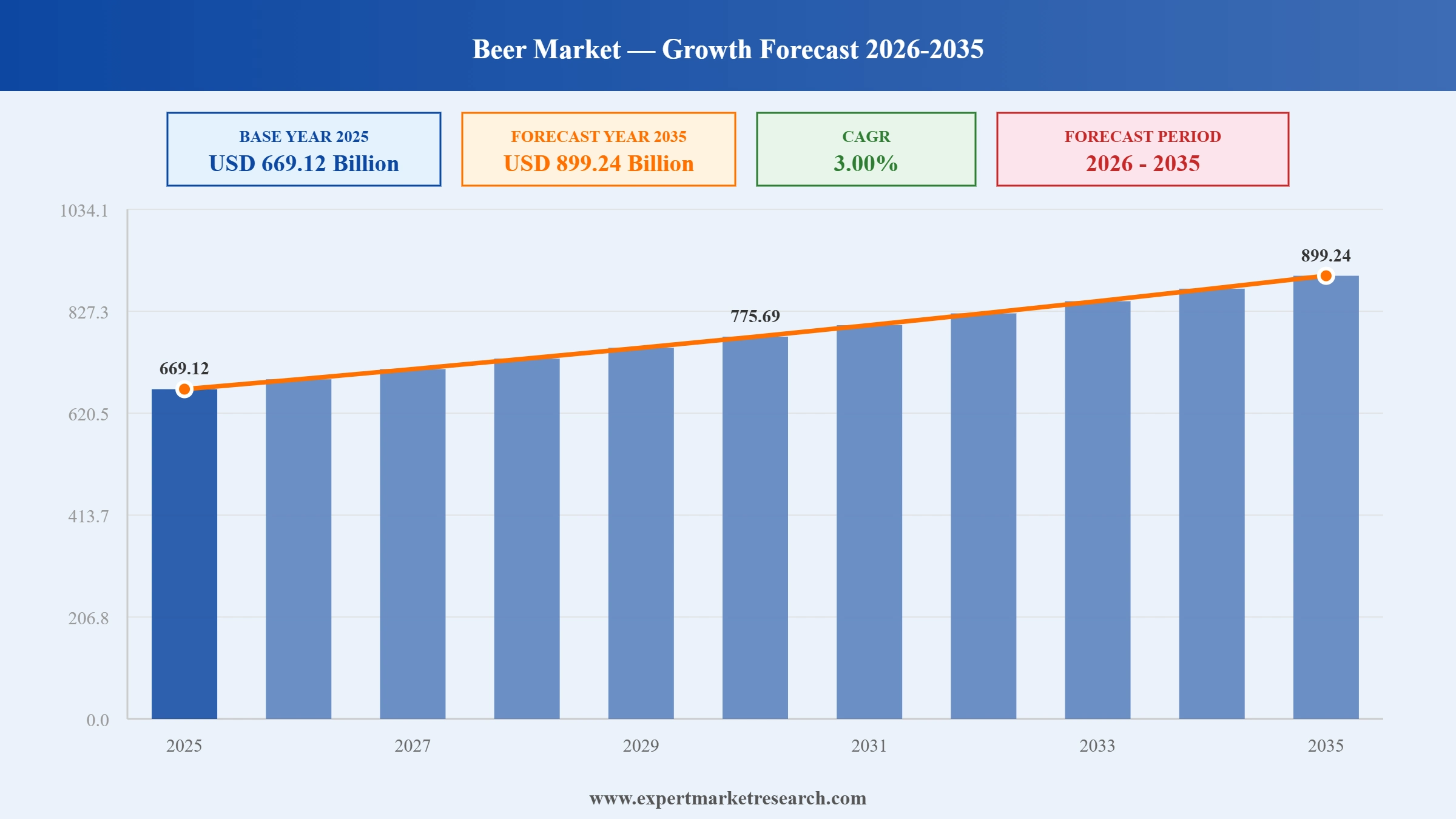
The global beer market attained a value of USD 669.12 Billion in 2025 and is projected to expand at a CAGR of 3.00% through 2035. The market is further expected to achieve USD 899.24 Billion by 2035. The increasing focus on precision fermentation, high-end alcohol-free beverages, and digitally-driven brewing are speeding up product differentiation while helping brands to create stronger long-term collaborations in retail, hospitality, and digital commerce segments.
The growing expectation of customers for premium quality craftsmanship is prompting players in the beer market to come up with limited products that include locally sourced components, the use of barrel aging and other special flavors that fetch a premium price and loyalty from the consumers. On the other hand, digital commerce collaboration is increasing direct-to-consumer sales of beer via subscriptions and data-based marketing and product recommendation.
New product innovations are revolutionizing the beer market trends as top producers are increasingly focusing on premiumization, sustainability, and functionality rather than just growing the volumes of sales. In March 2026, Heineken launched Heineken Studio 0.0, an alcohol-free beer fortified with vitamin D and natural flavors. The launch is consistent with the current trend towards producing healthier beverages. The new beer variant represents the strategy of portfolio diversification and addresses the needs of young consumers who prefer healthier alternatives.
Apart from innovations, beer market players are changing their approaches to manufacturing and distribution in order to increase profits and build better business resilience in highly competitive markets. Companies are focusing on using AI for demand forecasting, building automated breweries, and connecting the supply chains through digital technologies to minimize waste during production and optimize inventories. For example, in September 2025, ABB and B&R showcase integrated brewery automation improving efficiency, sustainability, packaging flexibility at drinktec 2025. Sustainability is thus also becoming one more key consideration for retailers and hospitality chains in making decisions about purchases.
Read more about this report - REQUEST FREE SAMPLE
| Global Beer Market Report Summary | Description | Value |
| Base Year | USD Billion | 2025 |
| Historical Period | USD Billion | 2019-2025 |
| Forecast Period | USD Billion | 2026-2035 |
| Market Size 2025 | USD Billion | 669.12 |
| Market Size 2035 | USD Billion | 899.24 |
| CAGR 2019-2025 | Percentage | XX% |
| CAGR 2026-2035 | Percentage | 3.00% |
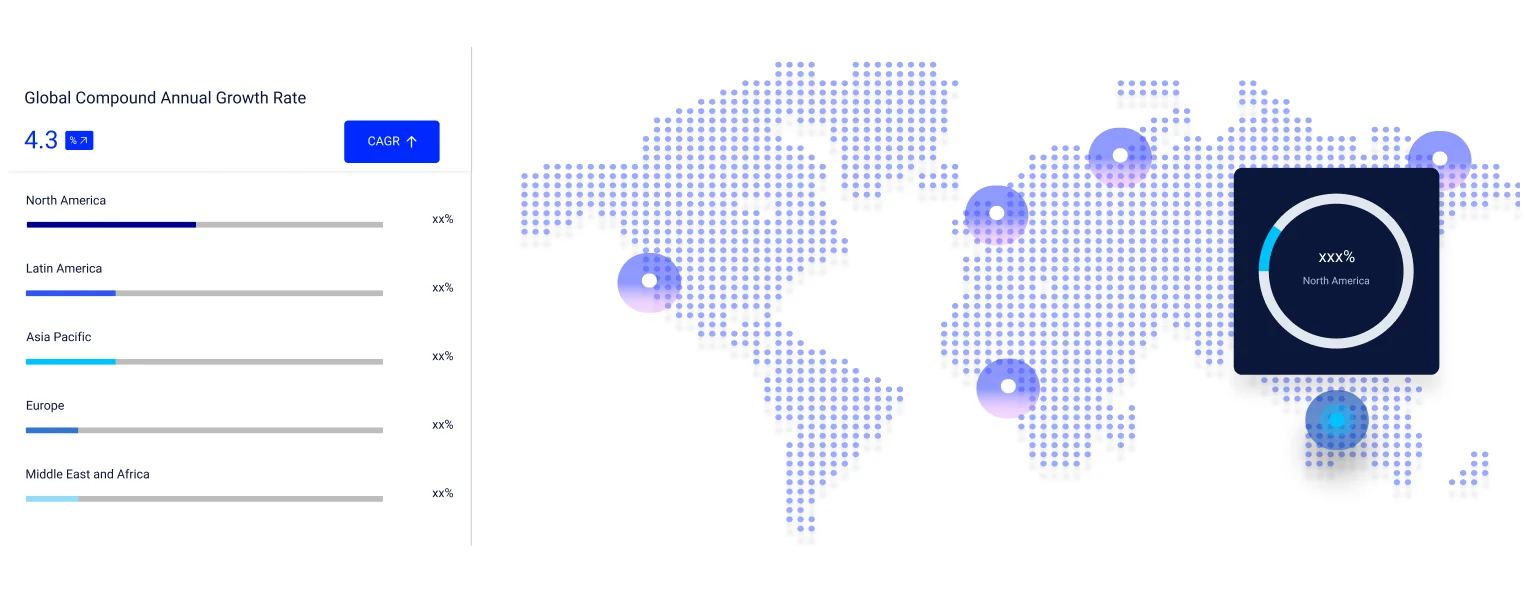
| CAGR 2026-2035 - Market by Region | Asia Pacific | 3.5% |
| CAGR 2026-2035 - Market by Country | India | 4.0% |
| CAGR 2026-2035 - Market by Country | China | 3.3% |
| CAGR 2026-2035 - Market by Alcohol Content | High | 3.2% |
| CAGR 2026-2035 - Market by Distribution Channel | Supermarkets and Hypermarkets | 4.2% |
| Market Share by Country 2025 | Japan | 4.1% |
STOK Beer entered the Indian market with its range of Lager, Strong, and Wheat beers through its #LiveTheChill campaign, appealing to young customers interested in premium yet affordable beer brands. This move indicates the increasing need for diversification in beer products and lifestyle branding, allowing for premiumization and retail exposure in the evolving Indian beer market. Competitors can introduce their premium lifestyle products along with regional collections to target young consumers.
Ambev launched protein-based beer, merging wellness with premium brewing to cater to the increasing interest among consumers in healthy alcoholic beverages. This illustrates the fact that breweries are increasingly moving towards diversification of their beer products through the incorporation of wellness features. Beer brands can develop functional variants with health benefits to target premium pricing in the market.
Cheez-It in partnership with Coors Light launched limited edition Beer Cheese crackers. The launch enhances consumer engagement beyond beverages by increasing points of sale and reinforcing brand recognition across sports, entertainment, and social occasions. Companies in the beer market can partner with snack food brands to make co-branded products and engage consumers with incremental retail sales.
Bunta Beer launched the United Kingdom’s first non-alcoholic Indian craft lager, created specially to complement Indian cuisine. This launch capitalizes on the growing trend of premium alcohol-free beverages and creates a niche through food pairing innovation. Brewers can therefore develop premium alcohol-free, cuisine-specific beers.
Premium beers continue to attract more investments with the introduction of limited-edition, barrel-aged, and region-specific flavors by the brewers that enhance the profitability of the market. Prominent companies continue to acquire or collaborate with craft breweries to diversify their product lines and retain regional authenticity. An example of this is the expansion of Anheuser-Busch's craft beers portfolio through innovative programs for localized brewing and seasonal launches in North America, in May 2026. The government also encourages the development of small brewery companies through regulations. This trend in the beer market was exemplified in 2025 where the United States Alcohol and Tobacco Tax and Trade Bureau continued streamlining the process of regulation for some eligible craft beer companies.
The beer market observes an increasing consumer interest in healthier drinks that is leading to investment in development of beers that have low alcohol content, no calories, and are enhanced with the use of natural ingredients and brewing technology. Established companies are continuing to increase the R&D budget allocation for developing beers that offer traditional taste profiles but contain low alcohol levels. For instance, in April 2026, Coors Light introduced Coors 0.0, its first non-alcoholic beer, expanding Molson Coors' alcohol-free portfolio amid rising moderation trends.
Environmental goals are gaining relevance as a competitive advantage among the leading beer market players due to modernization of production sites and packaging emissions reduction. Investments in renewable energy, water recycling, lightweight cans, glass bottles for refilling, and low-carbon logistics are being made. The Carlsberg Group is progressing its efforts in developing the Green Fiber Bottle project and increasing partnerships on sustainable packaging to decrease the emissions during the entire lifecycle of products. On the other hand, in March 2025, Ball and LOA introduced Chile's first ASI-certified beer cans, advancing sustainable aluminum packaging and circular economy practices. Regulations from government regarding the extended producer responsibility and packaging waste reduction in the European Union promote the adoption of the technology of recyclable packaging.
Artificial intelligence, predictive analytics, and industrial automation are changing the entire beer market dynamics through optimization of production, quality control, and inventory management. The smart brewery systems allow for the monitoring of fermentation processes in real-time and minimizing the waste of raw materials, while maintaining the required quality of products. For example, in June 2025, Heineken established its first global Generative AI lab in Singapore, accelerating AI-driven innovation, brewery operations, and customer engagement. Government-driven initiatives related to the Industry 4.0 in Germany, Japan, and South Korea continue promoting the digitization in food and beverages manufacturing.
Instead of depending only on traditional marketing methods, producers in the beer market are increasingly turning towards immersive consumer experiences. The strategic alliances of these breweries with sports associations, music festivals, stadiums, and entertainment locations are helping in building up a brand’s premium visibility and driving better on-site sales. For instance, in June 2026, Sector 144 launched its King of Pours craft beer program in Bengaluru, blending signature brews, hyperlocal ingredients, live entertainment, and immersive storytelling to strengthen consumer engagement and differentiate premium brewery experiences in India. In Germany, Belgium, and Czech Republic, among other countries, tourism organizations along with the government are providing support to beer festivals and brewing heritage projects.
The EMR’s report titled “Global Beer Market Report and Forecast 2026-2035” offers a detailed analysis of the market based on the following segments:
Market Breakup by Product Type
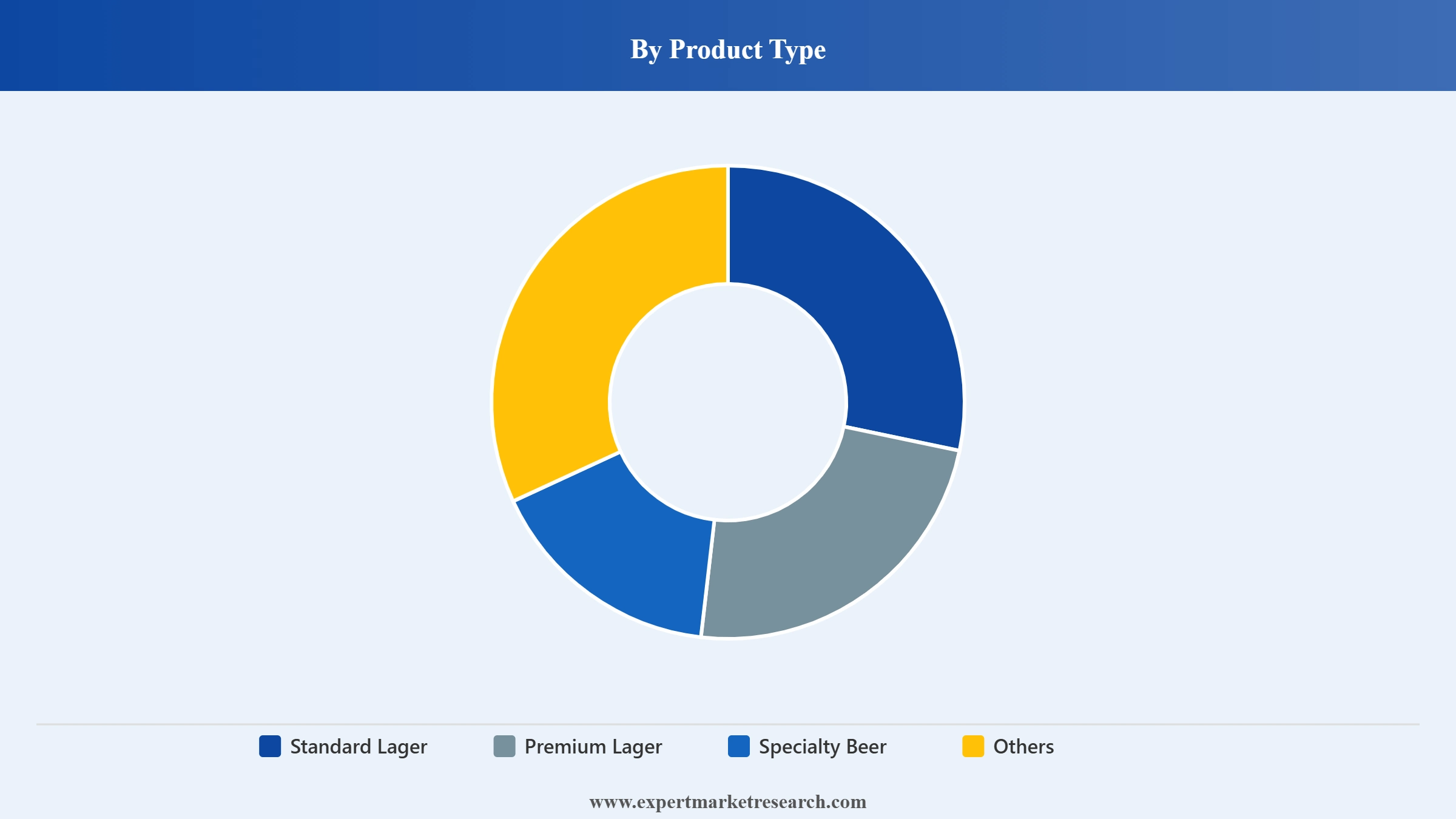
Key Insight: Standard lager is set to retain its leadership position across the beer market scope due to its affordability, efficiency in production, and consumer appeal. Premium lager retains its demand from consumers interested in more refined tastes, better quality ingredients, and premium branding. Specialty beer is experiencing the highest rate of growth through innovative brewing techniques, unique flavor profiles, and premium experience which increases profits. Wheat beers, stouts, and other regional types of beer provide portfolio diversification for consumer tastes and preferences. This segmentation of products allows for the balancing of volumes and premium revenues of breweries.
Market Breakup by Packaging
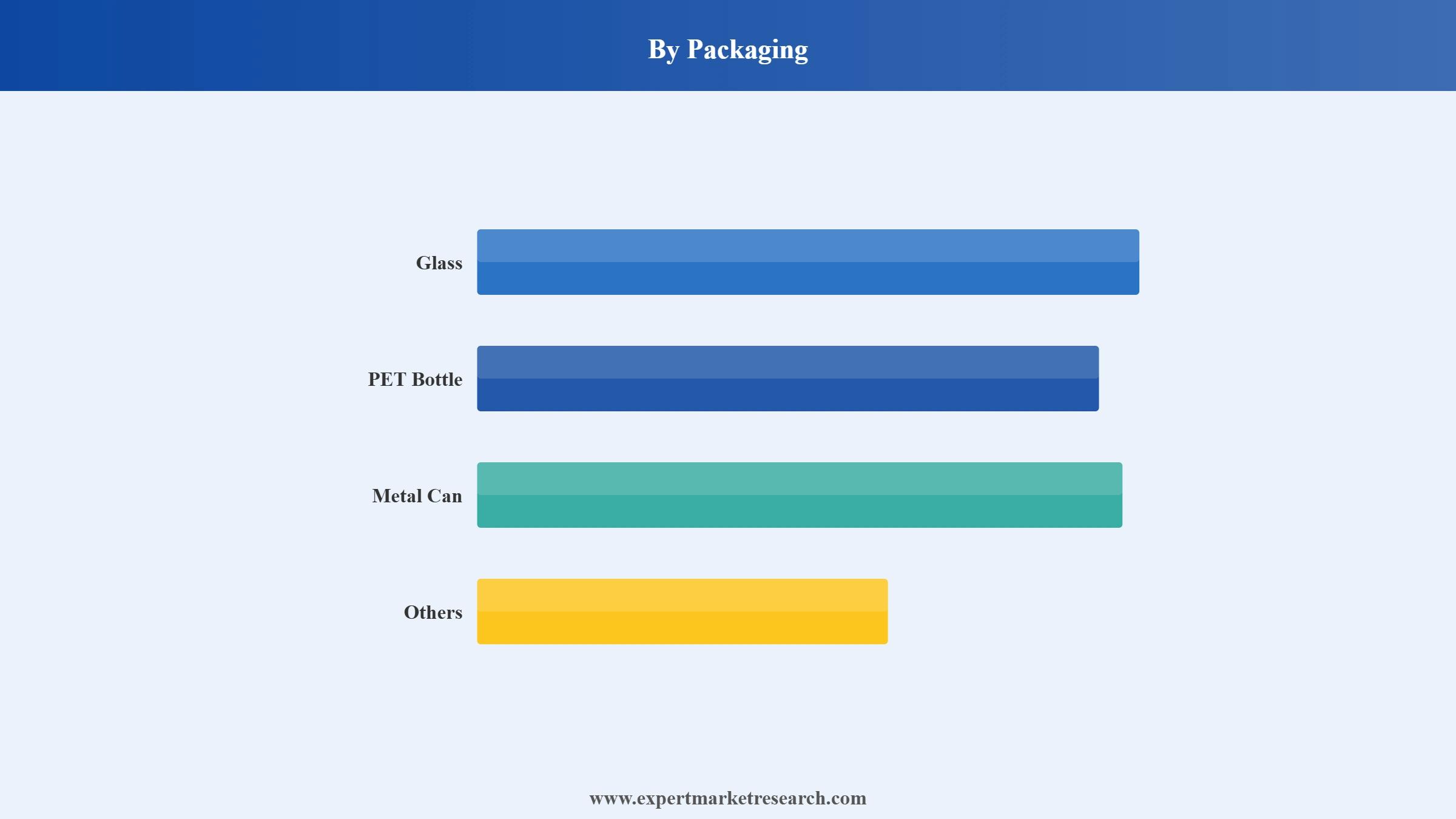
Key Insight: Glass packaging remains to be a leading choice among premium beer buyers due to its superior product protection and premium appearance. PET bottles are used by those looking for affordable, portable, and bulk packaging solutions in a market that seeks everyday drinking convenience. Metal cans are the most rapidly growing packaging solution due to their convenience, ability to recycle, and logistics advantages, accelerating the beer market penetration. In October 2025, AGI Greenpac advanced sustainable aluminum beer cans, enhancing recyclability, premium branding, product protection, and beverage packaging efficiency. Other forms of packaging provide special commercial needs, such as promotion and institutional sales. Altogether, packaging developments enable breweries to lower their shipping costs, increase their environmental footprint, enhance their brand identity, and meet evolving retail demands.
Market Breakup by Production
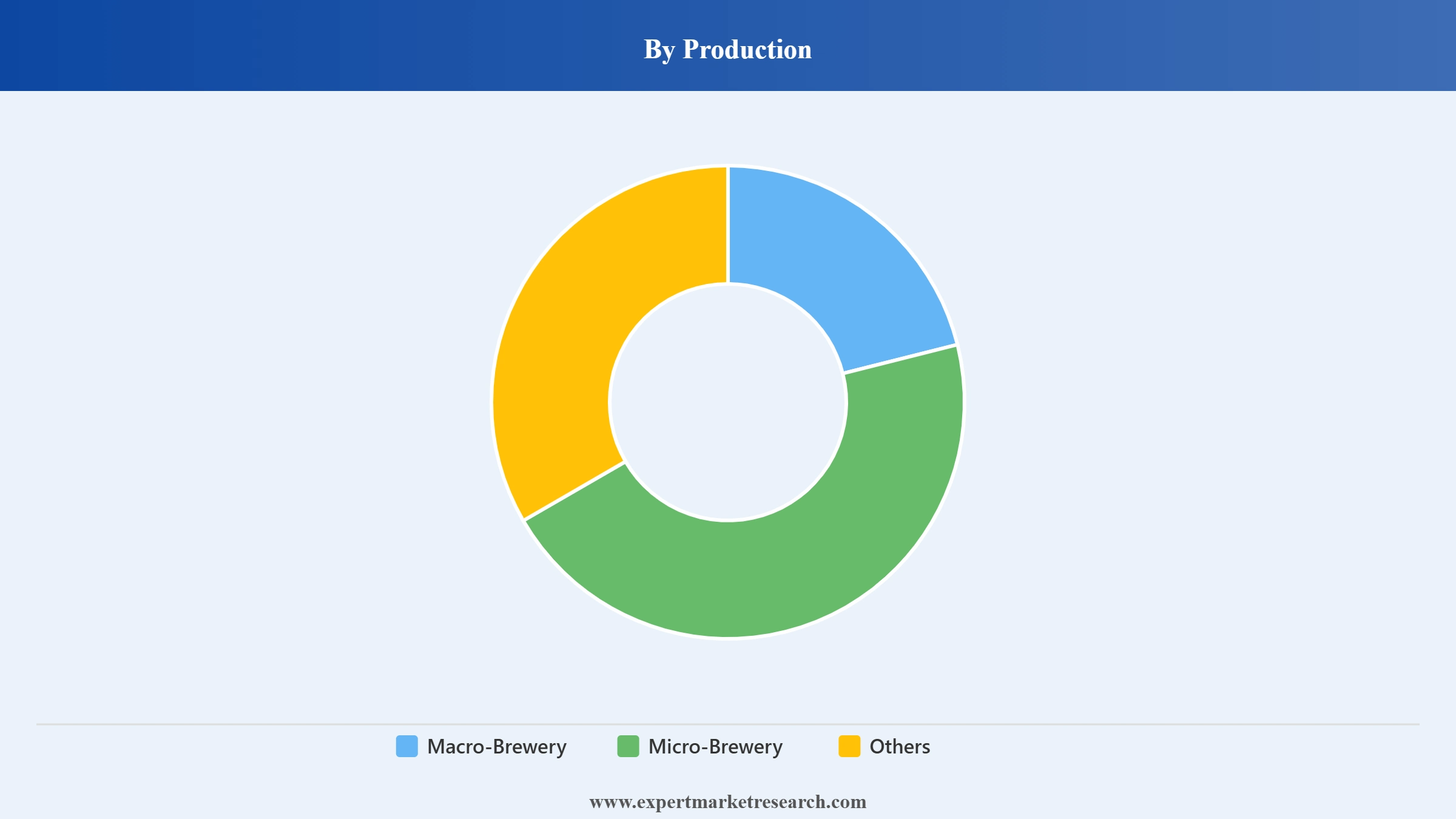
Key Insight: Macro-breweries maintain their dominance in the beer market through efficient production methods, comprehensive distribution networks, and renowned international brand names. Micro-breweries are the fastest growing production method due to their focus on innovation, authenticity, regionalized offerings, and consumer experience. The other production facilities, which include contract brewing and regional brewing, assist in meeting private labels and specialty commercial demands. All these production methods enhance the resilience of the industry while balancing large-scale production efficiency and product innovation.
Market Breakup by Alcohol Content
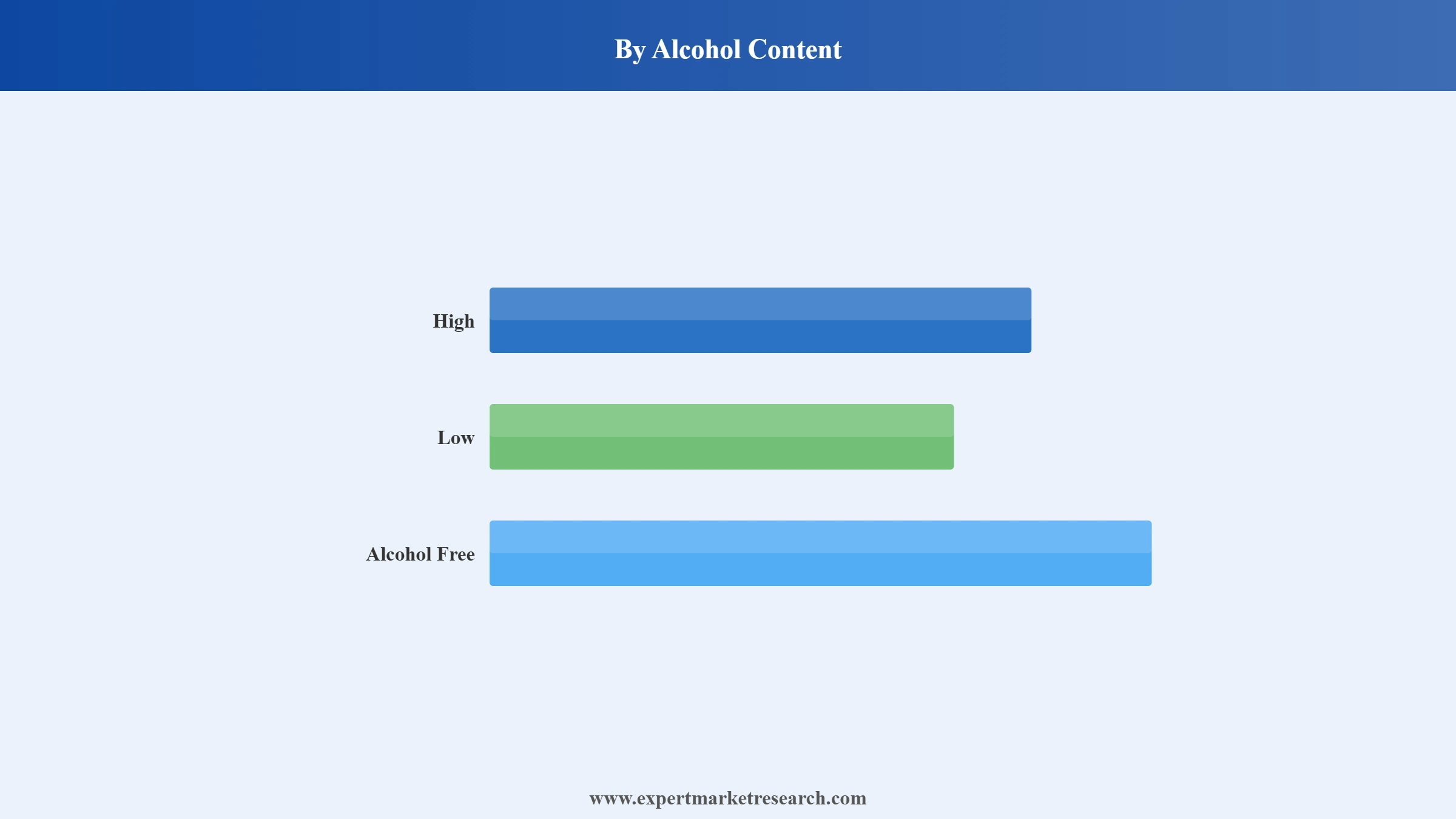
Key Insight: High alcohol content beer continues to prevail because of existing customer tastes, diverse products range, and hospitality requirements. Low alcohol content beer meets the needs of responsible customers who want to enjoy the balanced taste without having too much alcohol. The no-alcohol beer category demonstrates the highest growth potential in the beer market as firms focus on the wellness factor, compatibility in the working environment, and rising consumer acceptance. In February 2026, Michelob ULTRA Zero became America’s top-selling non-alcohol beer, accelerating premium alcohol-free category growth and adoption.
Market Breakup by Flavour
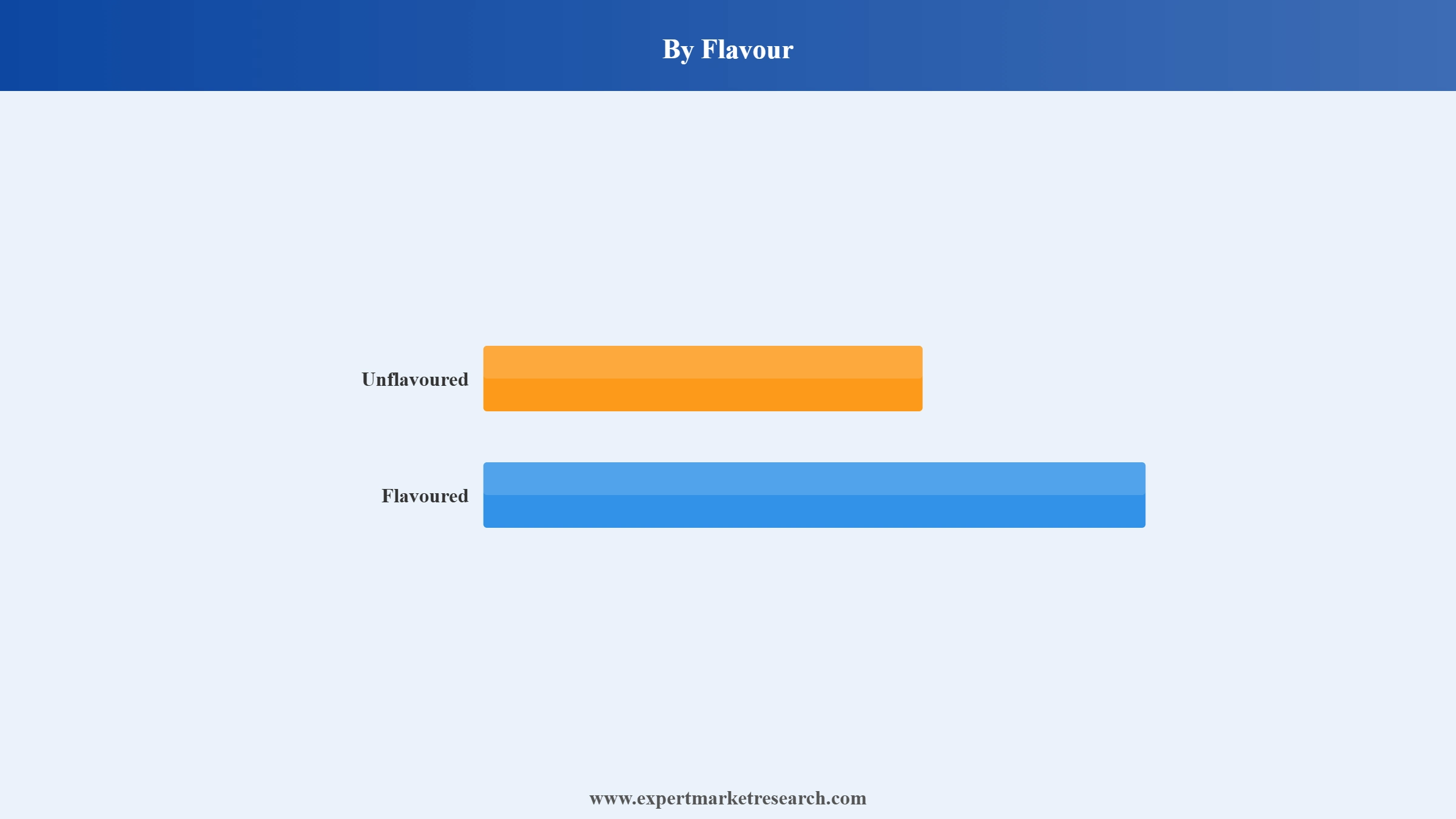
Key Insight: The flavorless beer market is becoming more popular as consumers appreciate the same taste, consistency, and flexibility. Flavored beer grows faster as it caters to the demands for high-end products, experimentation, and sensory experience. Both types of beer work well together as they cater to different types of customers while enabling the breweries to have optimal manufacturing and marketing strategies. The traditional beers provide consistent volume of sales while the flavored beers enable better positioning and help to reach new customers.
Market Breakup by Distribution Channel
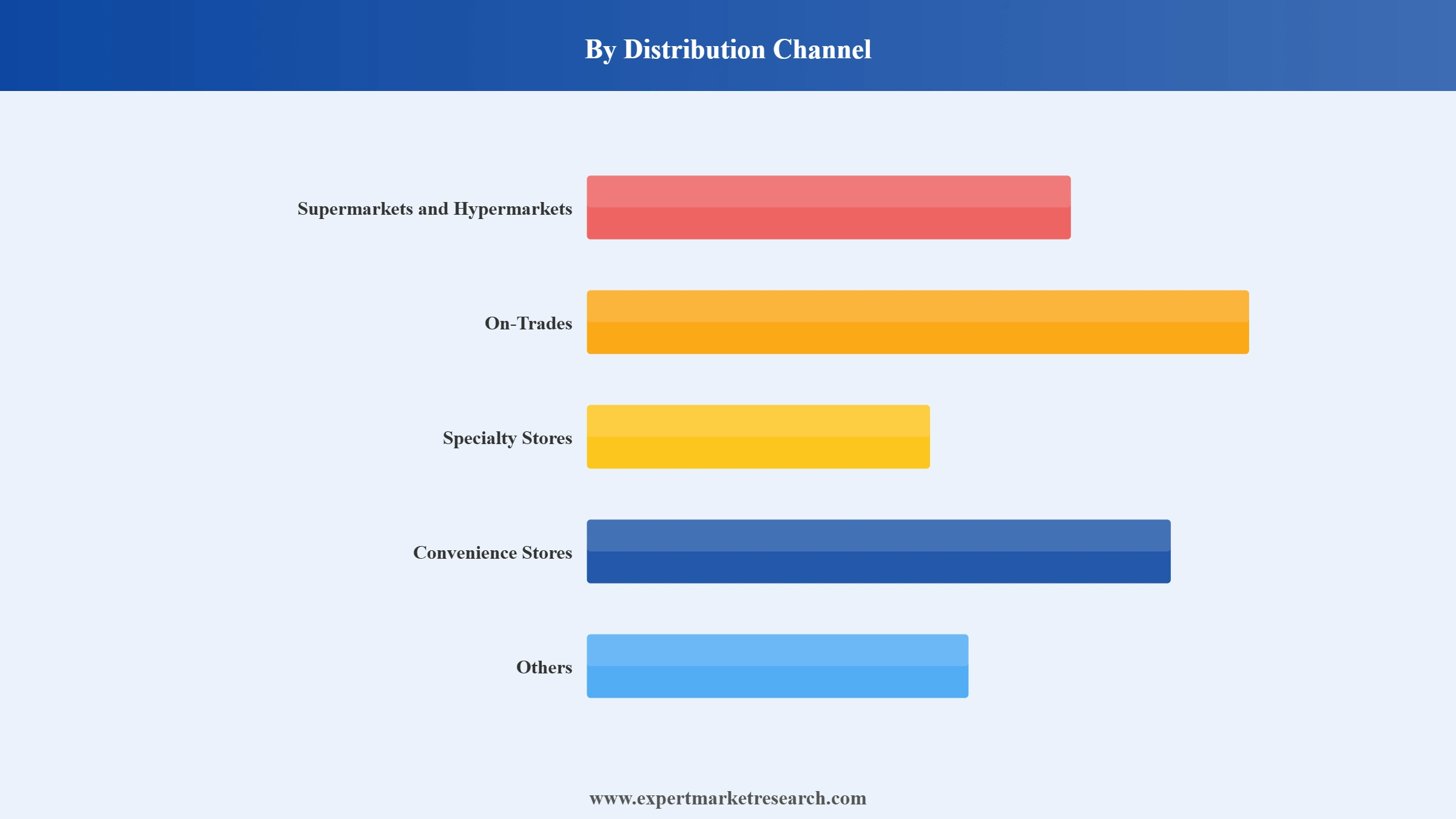
Key Insight: The dominance of supermarkets and hypermarkets is based on their broad accessibility, competitive prices, and product variety. The on-trade channel is considered to be the most rapidly developing category in the beer market as it provides top-notch consumption experience and increases the brand engagement level. The specialty store channel helps to provide premium imported products and craft beer and allows for discovering various products. The convenience store channel ensures that the product is available for immediate consumption. Other channels are needed to increase the reach of the market and make the process of purchasing more flexible.
Market Breakup by Region
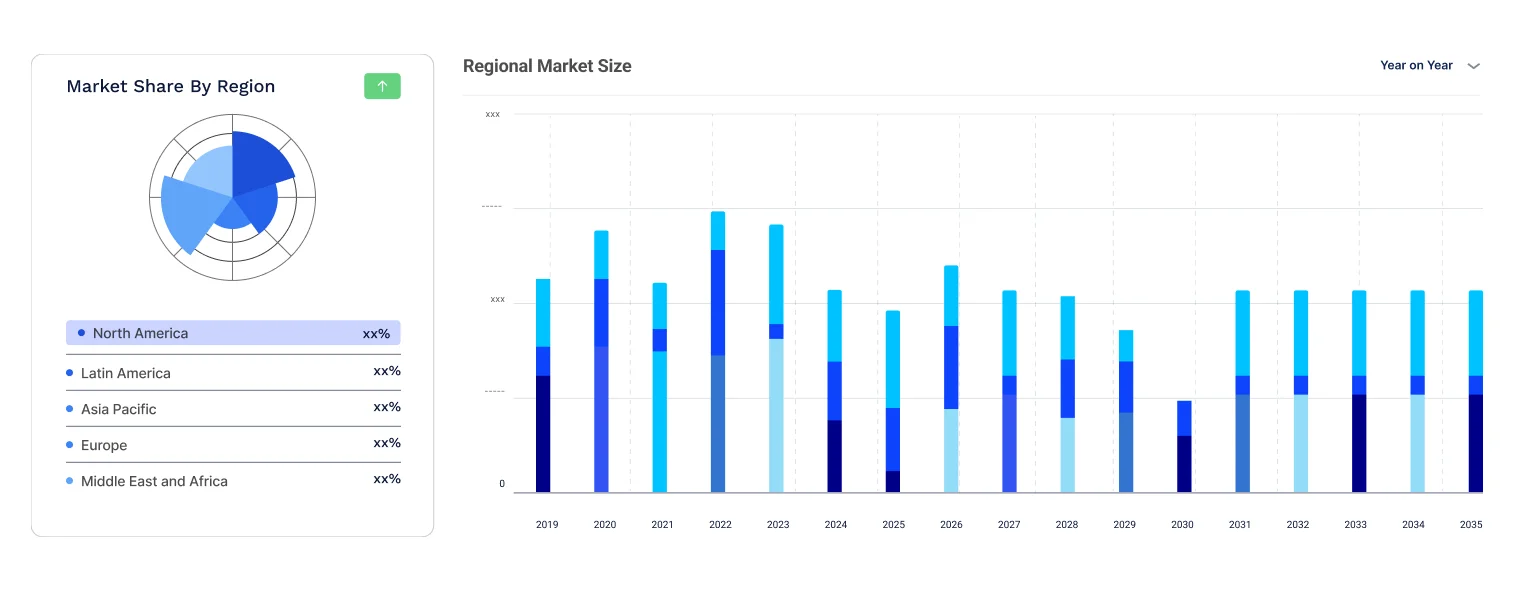
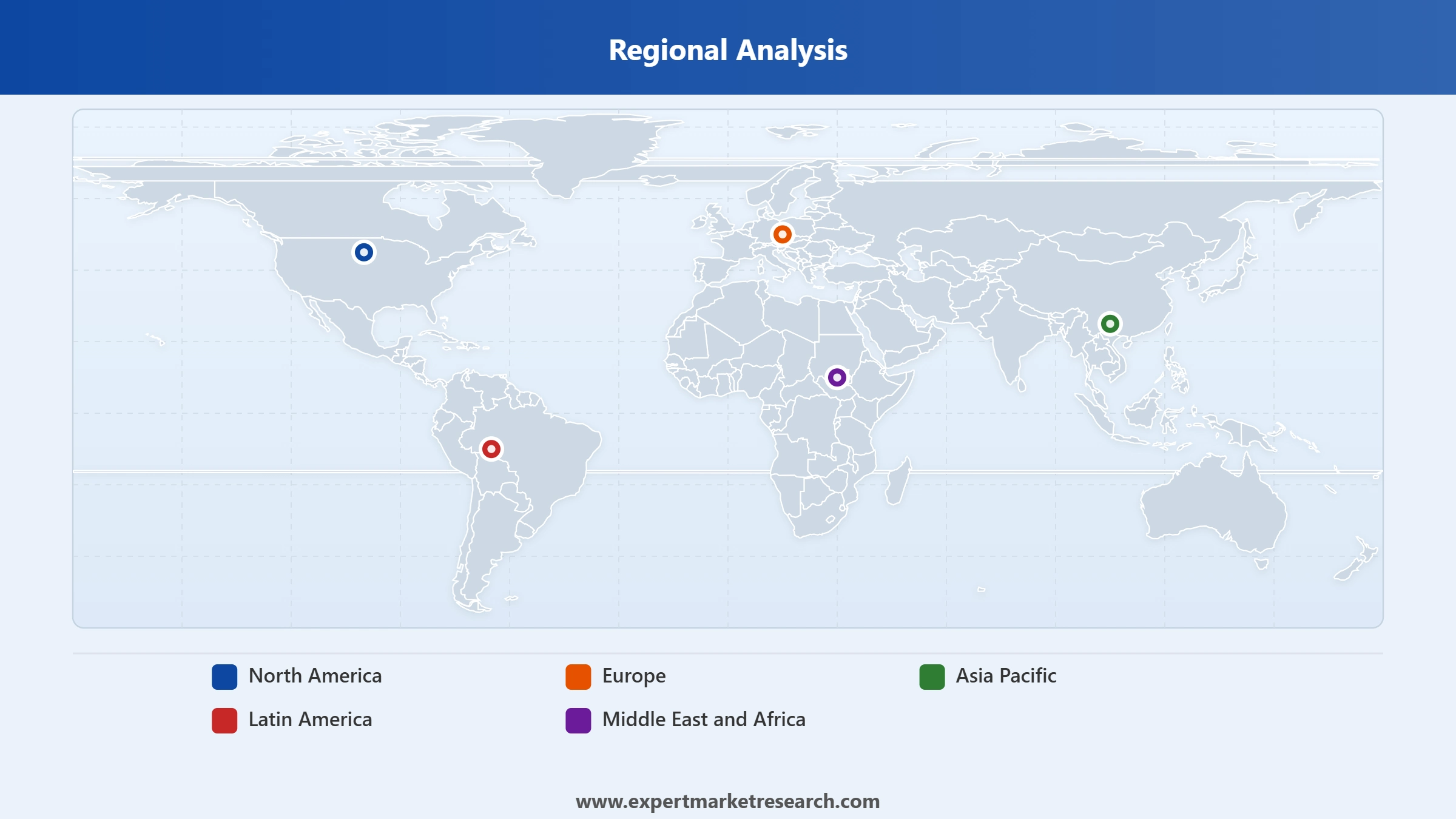
Key Insight: Europe remains a leader in the global beer market due to its legacy in brewing, the preference for premium products, and the existing infrastructure of the distribution network. North America gains momentum due to innovations, craft brewing, and the preference for premium products. Asia Pacific experiences the highest growth rates as a result of urbanization, rise in income levels, and changes in consumption behavior. Latin America allows growth owing to increased availability of beer, growth of the hospitality industry, and enhanced retail reach. The Middle East and Africa offer high-potential opportunities with tourism, and the development of premium hospitality segments, and improved beverage distribution infrastructure.
By product type, standard lager dominates the market due to widespread consumer acceptance and high-volume production
The standard lager continues to be the dominating product group due to its wide range of popularity, consistent taste and wide distribution network that includes supermarkets, bars, restaurants and convenience stores. Major brewers prefer to focus on this segment to gain the best efficiency of production and economies of scale as well as to keep competitive prices, thereby strengthening demand in the beer market. The strong brand identity, loyalty, and long-term relationships with retailers also contribute to its growing sales.
Read more about this report - REQUEST FREE SAMPLE
The beer market observes a dynamic growth in specialty beer segment, since an increasing number of consumers look for exotic taste profiles, premium ingredients and brewing techniques. Special products such as seasonal editions, barrel-aged beers, fruits-based and locally inspired beers are used for brand positioning. Specialty beer ranges can help companies increase their profit and attract the younger generation that prefers unique beverages. Such dynamics are also driven by cooperation between multinational beer manufacturers and craft beer breweries. For example, in July 2026, M&S introduced redesigned Craft and Continental beer ranges, enhancing premium shelf appeal through authentic storytelling, brewery collaborations, and distinctive packaging.
The glass packaging segment leads growth in the market through premium branding and superior product preservation
The prevalence of glass bottles is a reflection of their capacity to maintain product quality, ensure flavor stability, and support the premium image of the brand. The beer market continues to use glass as the material of choice for premium, imported and special brands of beer, where appearance is an important factor in buying decisions. The material also provides the opportunity to establish refillable bottle schemes and circular economy systems in a number of countries. High consumer trust, excellent barrier properties and wide adoption in restaurants, bars and hospitality establishments are contributing to maintaining the segment in its position despite rising competitive pressure from other packaging materials. In March 2024, Heineken shifted 65% of its South African beer portfolio to returnable glass, advancing circular packaging and carbon reduction.
Read more about this report - REQUEST FREE SAMPLE
The metal cans are rapidly expanding their share in the beer market due to their advantages related to reduced weight, low cost of logistics operations, and strong protection from light and oxygen. Many companies in the beverages sector choose to use cans for premium craft beers, new ready-to-drink innovations, and outdoor consumption opportunities. Growing recyclability rates and increasing popularity of convenient packaging among consumers make the material even more popular. Modern printing techniques also help the breweries to increase the shelf presence through branding opportunities.
Macro-brewery production captures the largest share of the market through extensive manufacturing capacity and established distribution networks
Macro-breweries represent the largest share in the beer market as they have the capacity to produce at a larger scale, allowing them to maintain high-quality standards as well as provide global demand at the most efficient level. Manufacturing capacities, procurement systems, and retail connections enable cost-effective business operation. Major brewers always make efforts to automate processes, use innovative brewing technologies, and sustainable approaches to production. International brands' portfolio and effective export abilities add to their strong position in both developed and developing beer markets.
Read more about this report - REQUEST FREE SAMPLE
Micro-breweries are becoming increasingly popular as consumers start valuing locally brewed, unique-tasting, artisanal variants, boosting the overall demand in the beer market. Smaller breweries adapt to consumers' demands by producing experimental formulas and limited editions. The market observes an increasing number of hospitality establishments are collaborating with small breweries in order to develop unique beverages. The ability to be flexible helps micro-breweries compete in the premium beer sector. For example, in March 2026, IBC introduced ENZO and WIT UNO canned craft beers, expanding premium retail reach with portable packaging across Maharashtra, India.
High alcohol beer variants record stable demand owing to traditional consumption patterns and broad product availability
The high alcohol beer market continues to be the biggest in terms of size since traditional consumers are opting for full-strength beers during social functions, hotels, and other high-end beverages. This product type is widely offered in a diverse portfolio by various breweries. Its strong distribution through restaurants, bars, liquor stores, and supermarkets drives its demand. Consumer loyalty, purchasing behaviors, and premium position help drive its sustainable growth. For example, in January 206, Heineken introduced Kingfisher Smooth, offering smoother strong beer with imported hops for next-generation Indian consumers.
Read more about this report - REQUEST FREE SAMPLE
The alcohol-free beer segment is growing rapidly due to changing consumer preferences towards healthiness and active life. Manufacturers are constantly improving their fermentation process that helps in making their beer healthy and free of alcohol but with real flavors. Firms in the beer market are making investments for premium positioning, functionality, and wide retail presence. Consumers' growing interest in young adults, professionals, and health-conscious consumers encourage manufacturers to offer more products in this segment.
Unflavored beer maintains its leadership in the market through universal taste preference and widespread availability
The unflavored segment remains prevalent in the global beer industry owing to the traditional taste characteristics and its universal appeal to different population groups and various food options. The leading beer manufacturers focus on this segment by providing high-quality products on a large scale with a proper distribution channel. In addition, the segment offers stable production planning and proper management of inventories for breweries.
Read more about this report - REQUEST FREE SAMPLE
The flavored beer market is growing at an accelerated pace since the producers introduce new fruit, botanical, spice, honey, and citrus options to attract young people who seek unique drinking experience. Seasonal and special editions of the products help engage customers better and implement premium pricing strategies. The beverage industry uses the segment to reach new demographics such as those who consume alcohol occasionally and those switching to another type of alcohol drinks. Following such trends in the market, in June 2023, Labatt introduced Blue Light Apple, expanding fruit-flavored beer offerings with crisp apple taste and seasonal premium appeal.
By distribution channel, supermarkets and hypermarkets dominate the market through extensive retail presence and product variety
The dominance of supermarkets and hypermarkets is due to their wide product ranges, competitive prices, and easy shopping experience, largely contributing to the beer market revenue. The capability of having mainstream, premium, import, and craft beers contribute to high exposure of the products to different consumers. Promotion, discounts for large volume purchase, and availability at nationwide retail stores help to increase sales volume. Long-term cooperation deals between brewers and retail companies are consistently consolidating the role of this segment in the market.
Read more about this report - REQUEST FREE SAMPLE
The on-trade sector consisting of bars, restaurants, hotels, breweries, and entertainment venues, is growing rapidly as consumers prefer to have better social experience in such places. The hospitality industry prefers to have differentiated beer range including craft beers, seasonal variants and premium international beers. Brewers work in close cooperation with hospitality establishments in order to create special offers. In July 2026, Bunta Beer partnered with Champers Drinks, expanding United Kingdom hospitality distribution across restaurants, hotels, pubs, and specialist retailers.
Read more about this report - REQUEST FREE SAMPLE
Europe clocks in the dominant share of the market through mature brewing heritage and premium beer consumption culture
Europe continues to be the dominant regional beer market owing to the well-established brewing culture and the prevalence of multinational breweries within the region. Consumers in Europe are supportive of various beer categories, ranging from standard lagers to craft beers. Strong hospitality, export-oriented breweries, and sophisticated retail channels further reinforce dominance in this regional market. Sustained investment in brewing, innovative premium beers, and tourism are other aspects contributing to constant demand in both domestic and international markets.
Asia Pacific emerges to be the fastest-growing regional beer industry, powered by the rise in disposable income levels and changes in lifestyles, resulting in an increased demand for premium beer in the market. International breweries continue their efforts through investing in manufacturing plants and developing products that suit regional tastes and establishing partnerships. Consumers prefer premium lagers, craft beers, and no-alcohol varieties of beer, leading to diversified portfolio offerings. For example, in February 2026, AB InBev launched Corona Cero in India, expanding premium non-alcoholic beer choices for mindful consumers.
Read more about this report - REQUEST FREE SAMPLE
Competitive activity in the global industry is becoming more related to premium innovations, non-alcoholic lines, brewing via new technologies, and environmentally friendly production processes. Leading beer market players are developing their AI-based production planning systems, precision fermentation, recyclable packaging, and breweries which use renewable sources of energy for the improvement of efficiency and minimization of the negative impact on the environment.
Beer companies are also working with craft breweries for launching the region-specific brands. Direct consumer engagement programs are expected to remain one of the main areas of competitive development. Firms can find further opportunities in the field of functional beer, low carbon-footprint brewing, premium flavored beverages, and new supply chain technologies.
Asahi Group Holdings was formed in 1889 and operates from Tokyo, Japan, to manufacture premium beer, alcohol-free drinks, and innovations in the brewing process. The firm keeps increasing the reach of its premium international brands by creating products that are manufactured using the carbon-neutral process and circular packaging methods as well as using brewing technology.
Formed in 1876 and operating from Leuven, Belgium, Anheuser-Busch InBev is the largest brewer in the world and is characterized by its emphasis on digital manufacturing process, AI-based brewing operations, and premium brand development. The company has been increasing its partnerships in craft beers, alcohol-free drinks, and sustainable packaging processes.
Carlsberg Group was founded in 1847 and operates from Copenhagen, Denmark, with its areas of operations being sustainable brewing, development of premium beers, and eco-friendly packaging technologies. It develops the project of Green Fiber Bottle, implements innovations for improvement of water efficiency, and develops premium specialty beers in various regions. Investments into the digitalization of manufacturing processes and responsible brewing activities contribute to the operational excellence of the company.
Heineken N.V. was founded in the year 1864, with headquarters based in Amsterdam, Netherlands. The company continues to develop premium and alcohol-free products through product innovation and investments in smart breweries, renewable energy usage, and advanced consumer analytics. Premiumization strategy, along with localized product development and sustainable packaging initiatives, helps the company to compete in developed and emerging beer industries.
Other key players in the market include Sierra Nevada Brewing Co., and United Breweries Ltd., among others.
*Please note that this is only a partial list; the complete list of key players is available in the full report. Additionally, the list of key players can be customized to better suit your needs.*
Unlock the latest insights with our beer market trends 2026 report. Discover regional growth patterns, consumer preferences, and key industry players. Stay ahead of competition with trusted data and expert analysis. Download your free sample report today and drive informed decisions in the market.


Upto 15% Off
USD
$2499 $2249
$3999 $3599
$4999 $4249
$5999 $5099


*While we strive to always give you current and accurate information, the numbers depicted on the website are indicative and may differ from the actual numbers in the main report. At Expert Market Research, we aim to bring you the latest insights and trends in the market. Using our analyses and forecasts, stakeholders can understand the market dynamics, navigate challenges, and capitalize on opportunities to make data-driven strategic decisions.*
In 2025, the market reached an approximate value of USD 669.12 Billion.
The market is projected to grow at a CAGR of 3.00% between 2026 and 2035.
The market is estimated to witness a healthy growth in the forecast period of 2026-2035 to USD 899.24 Billion by 2035.
Expanding alcohol-free portfolios, investing in AI-powered breweries, strengthening sustainable packaging, forming regional craft partnerships, improving digital commerce, optimizing supply chains, and developing premium localized products are enhancing competitiveness.
Key trends aiding market expansion include the premiumisation of beer, introduction of low calorie and alcohol-free variants, and popularity of new flavours like blueberry, strawberry, peach, chocolate, and lemon are the major trends of the market.
Regions considered in the market are North America, Europe, the Asia Pacific, Latin America, and the Middle East and Africa.
The leading product types in the market are standard lager, premium lager, and speciality beer, among others.
The alcohol content of beer in the market includes high, low, and alcohol-free.
Supermarkets and hypermarkets, on-trades, speciality stores, and convenience stores, among others, are the leading distribution channels of beer in the market.
The key players in the market include Asahi Group Holdings Ltd., Anheuser-Busch InBev, Carlsberg Group, Heineken N.V., Sierra Nevada Brewing Co., and United Breweries Ltd., among others.
North America holds a dominant position, driven by a mature craft beer culture and strong consumer demand for premium and specialty beers.
Rising raw material costs, stricter environmental regulations, changing alcohol consumption preferences, supply chain disruptions, premium competition, packaging sustainability requirements, and fluctuating energy prices continue challenging profitability and operational efficiency.
Explore our key highlights of the report and gain a concise overview of key findings, trends, and actionable insights that will empower your strategic decisions.
| REPORT FEATURES | DETAILS |
| Base Year | 2025 |
| Historical Period | 2019-2025 |
| Forecast Period | 2026-2035 |
| Scope of the Report | Historical and Forecast Trends, Industry Drivers and Constraints, Historical and Forecast Market Analysis by Segment:
|
| Breakup by Product Type |
|
| Breakup by Packaging |
|
| Breakup by Production |
|
| Breakup by Alcohol Content |
|
| Breakup by Flavour |
|
| Breakup by Distribution Channel |
|
| Breakup by Region |
|
| Market Dynamics |
|
| Price Analysis |
|
| Competitive Landscape |
|
| Companies Covered |
|
| Report Price and Purchase Option | Explore our purchase options that are best suited to your resources and industry needs. |
| Delivery Format | Delivered as an attached PDF and Excel through email, with an option of receiving an editable PPT, according to the purchase option. |
Datasheet
One User
USD 2,499
USD 2,249
tax inclusive*
Single User License
One User
USD 3,999
USD 3,599
tax inclusive*
Five User License
Five User
USD 4,999
USD 4,249
tax inclusive*
Corporate License
Unlimited Users
USD 5,999
USD 5,099
tax inclusive*
*Please note that the prices mentioned below are starting prices for each bundle type. Kindly contact our team for further details.*
Flash Bundle
Small Business Bundle
Growth Bundle
Enterprise Bundle
*Please note that the prices mentioned below are starting prices for each bundle type. Kindly contact our team for further details.*
Flash Bundle
Number of Reports: 3
20%
tax inclusive*
Small Business Bundle
Number of Reports: 5
25%
tax inclusive*
Growth Bundle
Number of Reports: 8
30%
tax inclusive*
Enterprise Bundle
Number of Reports: 10
35%
tax inclusive*
How To Order

Select License Type
Choose the right license for your needs and access rights.

Click on ‘Buy Now’
Add the report to your cart with one click and proceed to register.

Select Mode of Payment
Choose a payment option for a secure checkout. You will be redirected accordingly.
Strategic Solutions for Informed Decision-Making
Gain insights to stay ahead and seize opportunities.

Get insights & trends for a competitive edge.

Track prices with detailed trend reports.

Analyse trade data for supply chain insights.

Leverage cost reports for smart savings

Enhance supply chain with partnerships.

Connect For More Information
Our expert team of analysts will offer full support and resolve any queries regarding the report, before and after the purchase.
Our expert team of analysts will offer full support and resolve any queries regarding the report, before and after the purchase.
We employ meticulous research methods, blending advanced analytics and expert insights to deliver accurate, actionable industry intelligence, staying ahead of competitors.
Our skilled analysts offer unparalleled competitive advantage with detailed insights on current and emerging markets, ensuring your strategic edge.
We offer an in-depth yet simplified presentation of industry insights and analysis to meet your specific requirements effectively.




