

Consumer Insights
Uncover trends and behaviors shaping consumer choices today
Procurement Insights
Optimize your sourcing strategy with key market data
Industry Stats
Stay ahead with the latest trends and market analysis.
The global bleaching clay market attained a value of USD 1.34 Billion in 2025 and is projected to expand at a CAGR of 6.70% through 2035. The market is further expected to reach USD 2.56 Billion by 2035. Rising edible oil refining capacity, growing demand for industrial oil purification, and increasing adoption of activated clay technologies are pushing refiners and processors toward higher performance bleaching clay across vegetable oil, animal fat and industrial oil applications worldwide.
Bleaching clay refers to a class of natural and chemically activated clays, primarily bentonite based, used to adsorb pigments, impurities and unwanted colour from oils and fats during refining. The market spans activated bleaching clay, valued for its higher adsorption capacity, and natural bleaching clay, used where a milder purification step is sufficient. Rising edible oil refining capacity, growing demand for industrial oil purification, and increasing adoption of activated clay technologies continue to widen the buyer base for the global bleaching clay market.
Demand is concentrating around suppliers able to secure a stable, diversified base of raw mineral reserves, particularly as refiners increasingly value supply continuity over price alone. In July 2025, India Gate Foods introduced Uplife Gut Pro Oil, a premium wellness edible oil, adding another branded, refined product to a segment that depends on consistent bleaching clay supply to hit its purity and shelf-life targets. Suppliers able to demonstrate this kind of reserve depth are increasingly using it directly in customer retention conversations, rather than competing on price alone.
Producers are converging on a common development direction, widening from standard activated clay grades toward products engineered for lower dosage rates and reduced residual oil loss during filtration. Producers are also increasingly investing in spent clay recovery and reactivation processes, positioning this as a way to reduce disposal costs and improve the sustainability profile of the refining process. Portfolios across the market are being rebuilt around efficiency and lower environmental footprint rather than adsorption capacity alone.
Compound Annual Growth Rate
6.7%
Value in USD Billion
2026-2035
Read more about this report - REQUEST FREE SAMPLE COPY IN PDF
| Global Bleaching Clay Market Report Summary | Description | Value |
| Base Year | USD Billion | 2025 |
| Historical Period | USD Billion | 2019-2025 |
| Forecast Period | USD Billion | 2026-2035 |
| Market Size 2025 | USD Billion | 1.34 |
| Market Size 2035 | USD Billion | 2.56 |
| CAGR 2019-2025 | Percentage | XX% |
| CAGR 2026-2035 | Percentage | 6.70% |
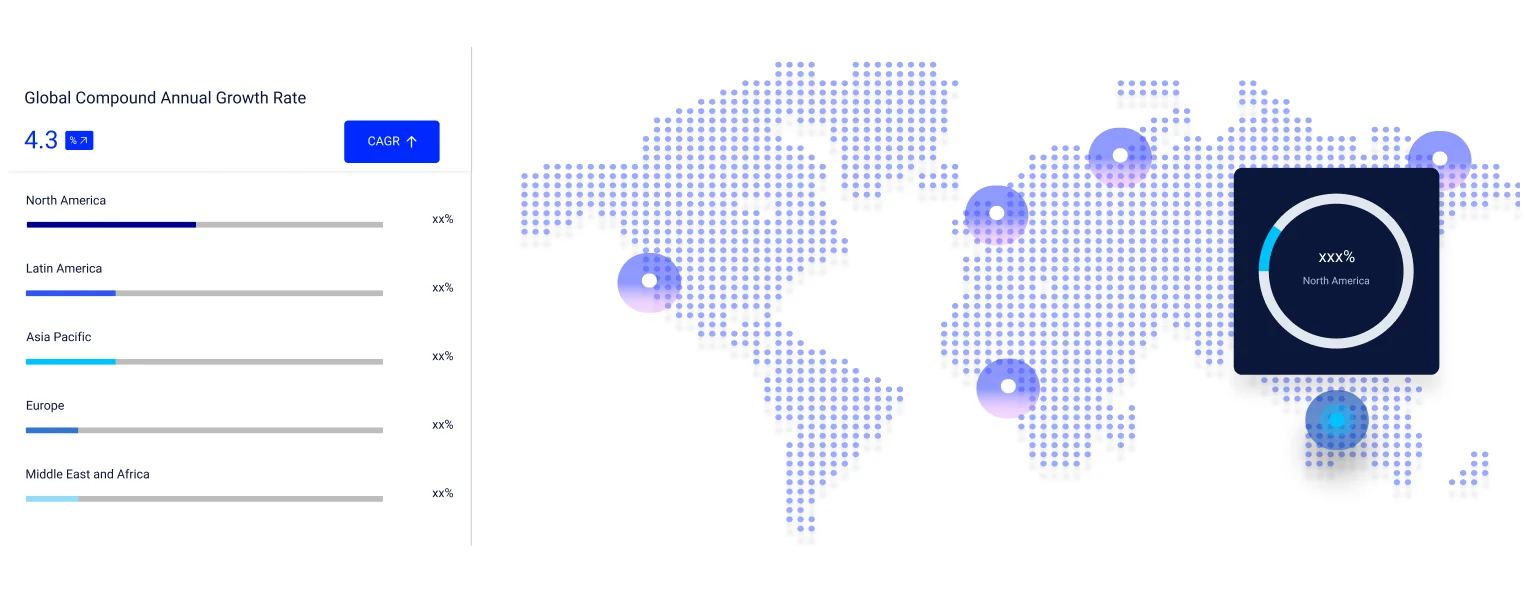
| CAGR 2026-2035 - Market by Region | Asia Pacific | 7.6% |
| CAGR 2026-2035 - Market by Country | Brazil | 7.9% |
| CAGR 2026-2035 - Market by Country | Saudi Arabia | 7.7% |
| CAGR 2026-2035 - Market by Product Type | Activated Bleaching Clay | 7.0% |
| CAGR 2026-2035 - Market by Application | Vegetable Oil and Animal Fats | 7.4% |
| Market Share by Country 2025 | India | 4.9% |
In March 2026, Cargill expanded its edible oil plant in Port Klang, Malaysia with a new specialty fats production line, broadening its portfolio of cocoa butter equivalents and other specialty fats for confectionery and bakery customers. Producers across the bleaching clay market can leverage this trend by directing new capacity toward established Southeast Asian palm oil hubs, since proximity to the region's largest refining clusters shortens supply lines more effectively than a centrally located facility would.
In January 2026, HF Sinclair completed the acquisition of Industrial Oils Unlimited, strengthening its specialty industrial lubricants portfolio and adding a new base of processing capacity serving the industrial oil segment. This deal reflects a broader shift in how specialty processors across the bleaching clay market change hands: a buyer gets an established customer base and a working plant on day one, something a greenfield build cannot offer regardless of how much capital is committed to it.
In January 2026, Covenant Edible Oil announced a major expansion of its sunflower oil refinery, adding processing capacity at a time when tight Black Sea sunflower seed supply has kept refiners focused on tightening every input cost across the line. Producers can leverage this trend by pursuing dosage efficiency improvements alongside a refiner's own capacity expansion, since a larger operation multiplies the cost impact of even a small gain in clay efficiency per tonne processed.
In June 2025, Imerys completed a EUR 50 million acquisition of Chemviron's European diatomite and perlite operations, incorporating three mines in France and Italy to strengthen its raw material supply for filtration and bleaching applications. The move gives other producers a template worth watching securing upstream mineral reserves directly is proving a faster route to supply security than relying solely on existing extraction contracts in the bleaching clay market.
New edible oil refining capacity is increasingly emerging in markets that previously relied entirely on imported refined oil, creating fresh demand centres that bleaching clay suppliers must now serve directly rather than through an established regional distributor with existing relationships. In January 2026, Senegal opened a new USD 109.5 million edible oil refinery developed by Mavamar Industries in Rufisque, with an initial daily processing capacity of 600 tonnes of vegetable oil, aimed squarely at reducing the country's reliance on imports.
Multi-year government programmes targeting domestic oilseed output give bleaching clay suppliers a rare planning horizon that a single refiner's own investment announcement cannot, since the programme signals sustained demand across an entire industry rather than one facility. This lets a supplier justify capacity investment decisions years ahead of when individual refiner contracts would otherwise confirm demand. In August 2025, the Government of India launched the National Mission for Edible Oils, Oil Palm, expanding the country's domestic oilseed cultivation and processing base.
Refiners building new crush and refining capacity increasingly design bleaching clay handling and spent clay management directly into the facility from the outset, rather than retrofitting these systems once the plant is already operating and running at full throughput on a tight schedule. In June 2026, Incobrasa Industries opened a USD 250 million soybean processing plant expansion in Gilman, Illinois, doubling the site's crushing capacity to nearly 100 million bushels annually and adding a new on-site solar array alongside it.
Refiners are increasingly targeting a specific domestic crop as the reason for a plant upgrade, rather than expanding generic multi-seed capacity that could process whatever feedstock happens to be cheapest that season. In July 2026, Bunge invested EUR 4.4 million to upgrade its soybean processing facility in Porto Corsini, Ravenna, Italy, intended to double the processing of Italian-grown soybeans specifically and give local farmers a dedicated, reliable buyer for their crop going forward each season.
Crude palm oil producers in Africa are increasingly moving into local refining themselves, rather than continuing to export unrefined oil to third-party refiners in Europe and Asia and simply buying back the finished products afterward. In April 2026, Plantations et Huileries du Congo said it was targeting a 2028 launch for a domestic palm oil refinery, aiming to process part of its own crude output locally rather than continuing to sell it entirely to refiners in Kinshasa and Kongo Central.
The Expert Market Research’s report titled "Global Bleaching Clay Market Report and Forecast 2026-2035" offers a detailed analysis of the market based on the following segments:
Market Breakup by Product Type
Key Insight: Activated bleaching clay holds the leading product type share of the bleaching clay market, reflecting its superior adsorption capacity and suitability for high-throughput edible oil refining operations. Natural bleaching clay retains a meaningful share where a milder purification step is sufficient, typically in lower-volume or less colour-sensitive applications. Refiners increasingly select between the two grades based on total processing cost rather than upfront price alone, weighing dosage rate and oil retention against the purchase price of the clay itself.
Market Breakup by Application
Key Insight: Vegetable oil and animal fats account for the leading application share of the bleaching clay market, supported by sustained global growth in edible oil consumption and refining capacity. Industrial oil forms a significant application share as lubricant and mineral oil processors continue to rely on bleaching clay for decolourisation and purification. The others category spans biodiesel purification and specialty chemical applications, where bleaching clay is used at smaller volumes but under increasingly specific performance requirements.
Market Breakup by Region
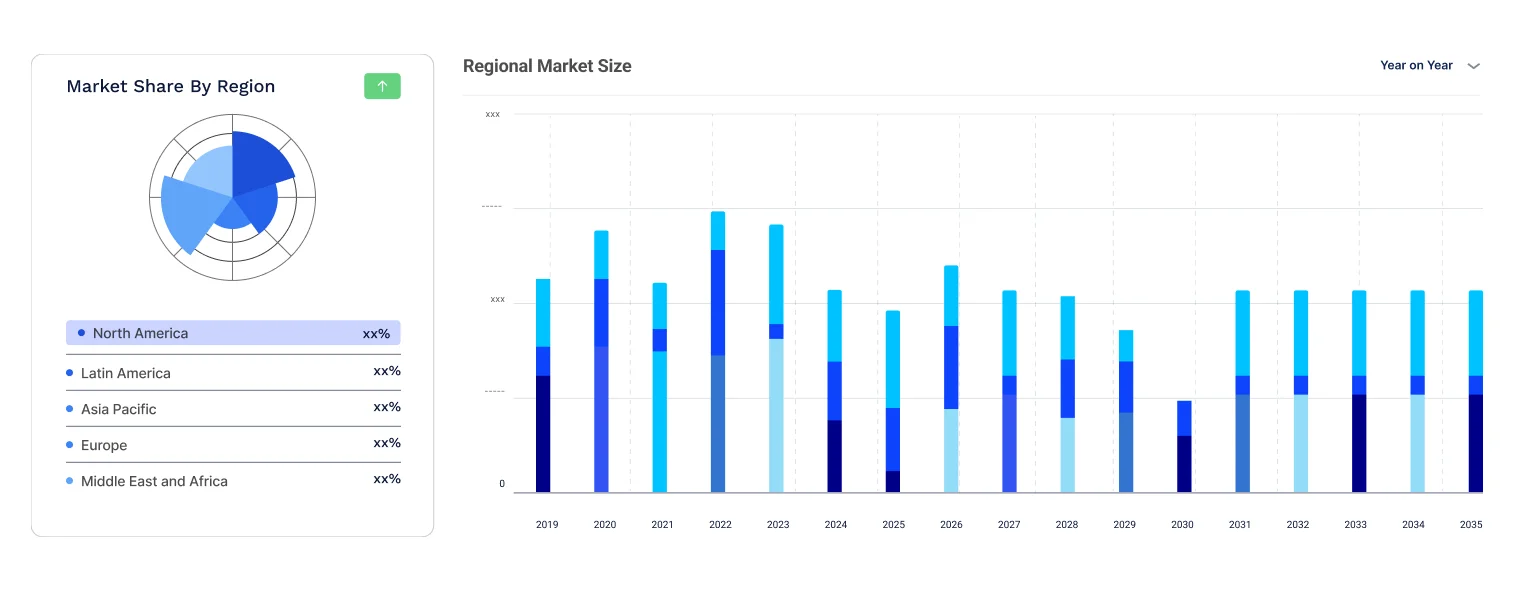
Key Insight: Regional dynamics in the bleaching clay market continue to shape provider strategies. North America leads on an established industrial oil processing base and a mature edible oil refining industry. Europe combines steady industrial oil demand with increasingly strict environmental regulation around spent clay disposal. In September 2025, Louis Dreyfus Company completed its acquisition of former Viterra oilseed operations in Hungary and Poland, including one of Europe's largest sunflower seed crushing facilities. Asia Pacific grows fastest as expanding palm and vegetable oil refining capacity across the region's largest producing economies lifts demand, while Latin America and the Middle East and Africa build on expanding refining infrastructure and rising edible oil consumption.
By product type, activated bleaching clay dominates the market through superior adsorption while natural clay holds share on lower cost applications
Activated bleaching clay holds the largest product type share of the bleaching clay market because its superior adsorption capacity makes it the preferred choice for high-throughput edible oil refineries operating under strict colour and purity specifications. In March 2025, Paraffin Vaseline Pure Plus Company introduced Ultrapure 75 Bleaching Earth, an advanced activated clay product designed for edible oil, lubricant and wax purification with high adsorption efficiency for chlorophyll, carotenoids and trace metals. Refiners running continuous, large-scale operations prioritise activated clay accordingly, since the higher upfront cost is typically offset by a lower dosage requirement and more consistent output quality across production runs.
Natural bleaching clay retains a meaningful share of the bleaching clay market as processors handling smaller volumes or less colour-sensitive applications continue to find its lower cost sufficient for their purification needs. Providers serving this segment are increasingly positioning natural clay as a cost-effective entry point for processors not yet operating at the scale where activated clay's efficiency advantages become decisive, a distinction that continues to keep both grades commercially relevant.
By application, vegetable oil and animal fats lead the market on edible oil demand while industrial oil grows through lubricant purification needs
Vegetable oil and animal fats account for the largest application share of the bleaching clay market because sustained global growth in edible oil consumption and refining capacity generates a far larger base of recurring demand than industrial applications command on their own. In March 2026, Whitworths Food Group acquired KTC Edibles in the UK, expanding its distribution network and specialty oils offerings across the edible oil category. Producers serving this segment continue to prioritise supply agreements tied to refining campaigns, since edible oil refiners typically consume clay in large, predictable volumes across continuous production cycles.
Industrial oil applications continue to provide a significant and steady share of demand as lubricant and mineral oil processors across the bleaching clay market rely on bleaching clay for decolourisation and purification across a wide range of industrial products. Providers serving this segment are increasingly developing specialised grades tailored to specific industrial oil chemistries, since the purification requirements for lubricants and mineral oils differ meaningfully from the requirements of edible oil refining.
Read more about this report - REQUEST FREE SAMPLE COPY IN PDF
North America leads the market through established refining infrastructure while Asia Pacific grows fastest on expanding oil production
North America commands the largest share of the bleaching clay market, supported by an established industrial oil processing base, a mature edible oil refining industry, and long-standing supplier relationships built over decades of continuous operation. In May 2026, the US Bureau of Land Management approved the Black Hills Bentonite Mine in Natrona County, Wyoming, authorising a new open-pit bentonite operation on public land over a twenty-year permit term for the market. Providers serving this region continue to benefit from a stable regulatory environment that supports predictable long-term supply agreements with major refiners and processors.
Asia Pacific is the fastest-growing regional bleaching clay market as expanding palm and vegetable oil refining capacity across the region's largest producing economies lifts demand faster than in more mature markets. Providers entering the region are increasingly building local processing and blending capability rather than relying solely on imported clay, recognising that logistics costs and delivery reliability weigh heavily on a refiner's choice of supplier across this fast-growing but geographically dispersed market.
The global industry is consolidating around vertically integrated mineral producers as leading bleaching clay companies invest in upstream reserve acquisition, activation capacity and spent clay recovery to defend both edible oil and industrial applications. Providers are prioritising supply continuity, product consistency and dosage efficiency to differentiate offerings in a segment where the underlying adsorption chemistry is broadly comparable across suppliers. Deep, long-standing refiner relationships remain a decisive advantage, since a continuous supply contract typically renews with the incumbent provider rather than being rebid to a competitor.
Major bleaching clay market players are also competing on total processing cost, since a supplier's ability to demonstrate a lower effective cost per tonne of oil processed, accounting for dosage rate and oil retention together, increasingly determines which vendor wins a refiner's business. Opportunities are emerging in spent clay recovery and reactivation, in lower dosage activated grades, and in expanding processing capacity closer to Asia Pacific's growing refining base. Providers combining secure mineral reserves with demonstrated processing efficiency are positioned to strengthen their standing as refiners continue prioritising supply reliability and total cost over price alone.
Founded in 1957 and headquartered in Madrid, Spain, the company extracts, treats and markets special clays including bentonite and sepiolite, supplying bleaching clay and functional additives to industrial and consumer markets worldwide. Its bleaching clay offering draws on decades of mineral extraction and processing expertise, positioning Tolsa among the established European suppliers to the market.
Founded in 1995 and headquartered in Muttenz, Switzerland, the company supplies activated bleaching clay under its Tonsil brand through its Adsorbents and Additives division, serving edible oil refiners and industrial oil processors globally. Its bleaching clay portfolio draws on the company's broader specialty chemical expertise, positioning Clariant among the largest established suppliers to the market.
Founded in 1941 and headquartered in Chicago, Illinois, United States, the company is a vertically integrated producer of specialty sorbent products, controlling extensive calcium bentonite and attapulgite mineral reserves used in bleaching clay manufacturing. Its fluids purification portfolio serves industrial oil and edible oil customers directly, positioning Oil-Dri among the established mineral reserve holders in the market.
Founded in 1802 and headquartered in Wilmington, Delaware, United States, the company supplies adsorbent and filtration mineral products through its broader industrial materials portfolio, serving oil refining and industrial purification customers worldwide. Its bleaching clay related offering draws on more than two centuries of chemical and materials expertise, positioning DuPont among the established diversified suppliers to the market.
Other key players in the market include Taiko Clay Marketing Sdn Bhd, Ashapura Perfoclay Limited, EP Minerals LLC, HRP Industries Pvt Ltd, Musim Mas Group, Qingdao Qiancheng Minerals Co. Ltd., and Iris Impulse India Pvt. Ltd., among others.
*Please note that this is only a partial list; the complete list of key players is available in the full report. Additionally, the list of key players can be customized to better suit your needs.*
Unlock the latest insights with our bleaching clay market trends 2026 report. Discover regional growth patterns, processing economics, and key industry players. Stay ahead of competition with trusted data and expert analysis. Download your free sample report today and drive informed decisions in the market.


Upto 15% Off
USD
$2499 $2249
$3999 $3599
$4999 $4249
$5999 $5099


*While we strive to always give you current and accurate information, the numbers depicted on the website are indicative and may differ from the actual numbers in the main report. At Expert Market Research, we aim to bring you the latest insights and trends in the market. Using our analyses and forecasts, stakeholders can understand the market dynamics, navigate challenges, and capitalize on opportunities to make data-driven strategic decisions.*
In 2025, the market reached an approximate value of USD 1.34 Billion.
The market is projected to grow at a CAGR of 6.70% between 2026 and 2035.
The market is estimated to witness a healthy growth in the forecast period of 2026-2035 to reach about USD 2.56 Billion by 2035.
Acquiring upstream mineral reserves to secure supply, investing in spent clay recovery and reactivation, engineering lower dosage activated clay grades, and expanding processing capacity closer to Asia Pacific's growing refining base.
The key trends of the market are technological advancements, improvements in bleaching clay production, investments of various governments towards oil production, and growing demand for natural products.
The major regions in the market are North America, Europe, the Asia Pacific, Latin America, and the Middle East and Africa.
The significant product types in the market for bleaching clay are activated bleaching clay and natural bleaching clay.
The key players in the market include Tolsa SA, Taiko Clay Marketing Sdn Bhd, Ashapura Perfoclay Limited, Clariant AG, DuPont de Nemours, Inc., EP Minerals LLC, HRP Industries Pvt Ltd, Musim Mas Group, Oil-Dri Corporation of America, Qingdao Qiancheng Minerals Co. Ltd., and Iris Impulse India Pvt. Ltd., among others.
Producers face tightening environmental regulation around spent clay disposal, rising costs of securing and expanding mineral reserves, growing price competition from lower cost regional suppliers, and the technical complexity of engineering lower dosage grades without compromising performance.
Explore our key highlights of the report and gain a concise overview of key findings, trends, and actionable insights that will empower your strategic decisions.
| REPORT FEATURES | DETAILS |
| Base Year | 2025 |
| Historical Period | 2019-2025 |
| Forecast Period | 2026-2035 |
| Scope of the Report |
Historical and Forecast Trends, Industry Drivers and Constraints, Historical and Forecast Market Analysis by Segment:
|
| Breakup by Product Type |
|
| Breakup by Application |
|
| Breakup by Region |
|
| Market Dynamics |
|
| Competitive Landscape |
|
| Companies Covered |
|
Datasheet
One User
USD 2,499
USD 2,249
tax inclusive*
Single User License
One User
USD 3,999
USD 3,599
tax inclusive*
Five User License
Five User
USD 4,999
USD 4,249
tax inclusive*
Corporate License
Unlimited Users
USD 5,999
USD 5,099
tax inclusive*
*Please note that the prices mentioned below are starting prices for each bundle type. Kindly contact our team for further details.*
Flash Bundle
Small Business Bundle
Growth Bundle
Enterprise Bundle
*Please note that the prices mentioned below are starting prices for each bundle type. Kindly contact our team for further details.*
Flash Bundle
Number of Reports: 3
20%
tax inclusive*
Small Business Bundle
Number of Reports: 5
25%
tax inclusive*
Growth Bundle
Number of Reports: 8
30%
tax inclusive*
Enterprise Bundle
Number of Reports: 10
35%
tax inclusive*
How To Order

Select License Type
Choose the right license for your needs and access rights.

Click on ‘Buy Now’
Add the report to your cart with one click and proceed to register.

Select Mode of Payment
Choose a payment option for a secure checkout. You will be redirected accordingly.
Strategic Solutions for Informed Decision-Making
Gain insights to stay ahead and seize opportunities.

Get insights & trends for a competitive edge.

Track prices with detailed trend reports.

Analyse trade data for supply chain insights.

Leverage cost reports for smart savings

Enhance supply chain with partnerships.

Connect For More Information
Our expert team of analysts will offer full support and resolve any queries regarding the report, before and after the purchase.
Our expert team of analysts will offer full support and resolve any queries regarding the report, before and after the purchase.
We employ meticulous research methods, blending advanced analytics and expert insights to deliver accurate, actionable industry intelligence, staying ahead of competitors.
Our skilled analysts offer unparalleled competitive advantage with detailed insights on current and emerging markets, ensuring your strategic edge.
We offer an in-depth yet simplified presentation of industry insights and analysis to meet your specific requirements effectively.




