

Consumer Insights
Uncover trends and behaviors shaping consumer choices today
Procurement Insights
Optimize your sourcing strategy with key market data
Industry Stats
Stay ahead with the latest trends and market analysis.
The Brazil personal protective equipment market is projected to grow at a CAGR of 4.10% between 2026 and 2035. The market is being driven by the robust growth of the construction sector in the country.
Compound Annual Growth Rate
4.1%
2026-2035
Read more about this report - REQUEST FREE SAMPLE COPY IN PDF
In 2022, the construction market in Brazil reached a total value of $120.5 billion. An Average Annual Growth Rate (AAGR) of over 2% is anticipated between 2024 and 2027. The sector expansion during this period is expected to be supported by investments in the transportation, industrial, renewable energy, housing, and oil sectors. Personal protective equipment is essential in the construction sector, as it safeguards the health and safety of workers. Construction sites present numerous risks, including falling debris, sharp instruments, and heavy machinery. The use of personal protective equipment, such as hard hats, gloves, safety footwear, and goggles, is vital in preventing injuries associated with these dangers.
In 2023, Brazil produced approximately 2.2 million vehicles. The country also aims to manufacture a total of 1 million hybrid (HEV) and battery (BEV) electric vehicles by 2030. The use of personal protective equipment in the automotive manufacturing sector Is vital, as it is crucial to ensure the well-being of employees who are exposed to various hazards. Dangers such as heavy machinery, moving equipment, and sharp tools pose significant risks to workers. Personal protective gloves, steel-toed boots, and safety clothing are necessary to prevent cuts, scrapes, and crushing injuries.
Brazilian PPE manufacturer Prots announced the robotisation of its Araquari, Santa Catarina manufacturing operations, targeting full robotisation of the complex by 2027. The facility produces insulating gloves and sleeves for electrical-sector applications and currently has capacity for up to 15,000 pairs of gloves per month. The project is intended to improve production efficiency, precision, and output while maintaining product-quality standards. The development highlights increasing investment in automated manufacturing for specialised protective equipment and could strengthen domestic production capabilities for electrical-safety PPE.
Brazil’s Ministry of Labour and Employment issued Comunicado LXVI on 23 March 2026, providing clarification on Certificates of Approval for footwear evaluated by product family. The communication forms part of Brazil’s ongoing administration of PPE certification requirements under NR-6. Since PPE manufactured domestically or imported into Brazil requires an applicable Certificate of Approval before being marketed or used, clarification of certification procedures is directly relevant to protective-footwear manufacturers, importers, laboratories, and distributors. The development supports greater regulatory clarity for companies supplying safety footwear to Brazilian workplaces.
Brazil introduced new import requirements affecting specific protective helmets following changes to the country’s NCM classification system. From 1 February 2026, helmets previously classified under NCM 65061000 were divided into separate classifications, including firefighter helmets and other protective helmets. For ballistic helmets classified under the relevant category, imports require licensing from Brazil’s Ministry of Defence through Siscomex procedures. The change creates additional documentation and compliance requirements for companies importing specialised protective headgear and demonstrates the increasing importance of accurate product classification and regulatory screening within Brazil’s protective-equipment supply chain, thus augmenting the trends of the Brazil protective equipment market.
Brazil’s Ministry of Labour issued Comunicado LXIV on 4 August 2025, clarifying requirements concerning retroreflective bands on protective garments designed to protect workers against thermal agents, including electrical arc and flash fire. The communication addressed alignment of procedures for PPE classified as protective clothing. The clarification is relevant to manufacturers and suppliers of specialised industrial garments used in environments where thermal hazards require both protective performance and appropriate garment characteristics. It also encourages greater attention to product specifications and conformity documentation when supplying protective clothing to Brazilian industrial workplaces.
Brazil’s updated occupational-risk framework is encouraging employers to connect protective-equipment decisions more closely with documented workplace hazards. The revised Chapter 1.5 of NR-1 entered into force on 26 May 2026, while the Ministry of Labour released a dedicated question-and-answer resource and an interpretation manual to support implementation of the Occupational Risk Management and Risk Management Programme requirements. This is encouraging companies to evaluate protection needs according to specific exposure conditions rather than purchasing standard PPE across all work areas. For suppliers, the trend supports demand for technically differentiated equipment, application guidance, risk-assessment support, and documentation that helps employers justify PPE selection.
The stronger implementation focus around NR-12 is increasing attention to protection in workplaces operating machinery and industrial equipment. In August 2026, Fundacentro launched free online training covering machine-safety fundamentals and risk assessment and reduction, with modules addressing electricity, mechanics, hydraulics, pneumatics, safety interfaces, protective devices, and interlocking systems. Although engineering controls remain central to NR-12 compliance, the broader emphasis on hazard identification is increasing demand for complementary protective equipment suited to machinery-related tasks. Suppliers serving manufacturing, food processing, metalworking, and other industrial environments can therefore expect greater emphasis on task-specific hand, eye, hearing, footwear, and protective-clothing solutions.
Brazil’s 2026 occupational-safety agenda is expanding beyond conventional physical hazards to include psychosocial risks. The Ministry of Labour made psychosocial-risk prevention the focus of CANPAT 2026, following the implementation of the revised NR-1 requirements in May. The initiative includes guidance on identifying and managing psychosocial factors within occupational-risk management. This broader approach is influencing how companies structure workplace health and safety programmes, although these risks are not directly addressed through conventional PPE. For the protective-equipment industry, the implication is a more comprehensive safety-procurement environment in which PPE forms one component of wider occupational-risk management rather than the entire workplace protection strategy, thereby boosting the growth of the Brazil protective equipment market.
Brazilian occupational-health discussions are increasingly examining how digital technologies can change workplace protection. A Ministry of Health technical publication highlighting the 2025 World Day for Safety and Health at Work identified artificial intelligence, advanced robotics, exoskeletons, drones, IoT, and virtual and augmented reality as technologies affecting occupational safety. These technologies can change worker exposure patterns and create new requirements for protective solutions around automated and connected workplaces. For protective-equipment manufacturers, this supports development of equipment compatible with increasingly technology-enabled work environments, including ergonomically designed protection and solutions that do not interfere with digital monitoring, automated machinery, or human-machine interaction.
A 2026 Fundacentro assessment of Brazil’s solidarity-economy enterprises highlights significant gaps in workplace protection among smaller organisations. The survey covered 499 participants, with activities mapped across 1,025 municipalities. More than 61% of the enterprises reported that they did not use PPE, while approximately 81.41% did not monitor occupational accidents and diseases. The findings indicate that protective-equipment adoption remains uneven outside more formalised industrial environments. For suppliers, this points toward opportunities among small enterprises and community-based operations where affordability, simple product selection, training, and distribution accessibility may be important factors in increasing PPE adoption.
The growing recognition of occupational safety and health among both employers and employees has created a robust demand for personal protective equipment. This trend reflects a broader commitment to fostering a safe work environment, driven by regulatory compliance, ethical considerations, financial incentives, and technological advancements. As organisations continue to prioritise worker safety, the market is likely to expand further, leading to improved outcomes for both employees and employers alike. This heightened awareness has resulted in a growing demand for personal protective equipment, as organisations strive to meet regulatory requirements and foster a culture of safety.
Brazil Personal Equipment Market Report and Forecast 2026-2035 offers a detailed analysis of the market based on the following segments:
Market Breakup by Product
Market Breakup by End Use
Market Breakup by Region
Read more about this report - REQUEST FREE SAMPLE COPY IN PDF
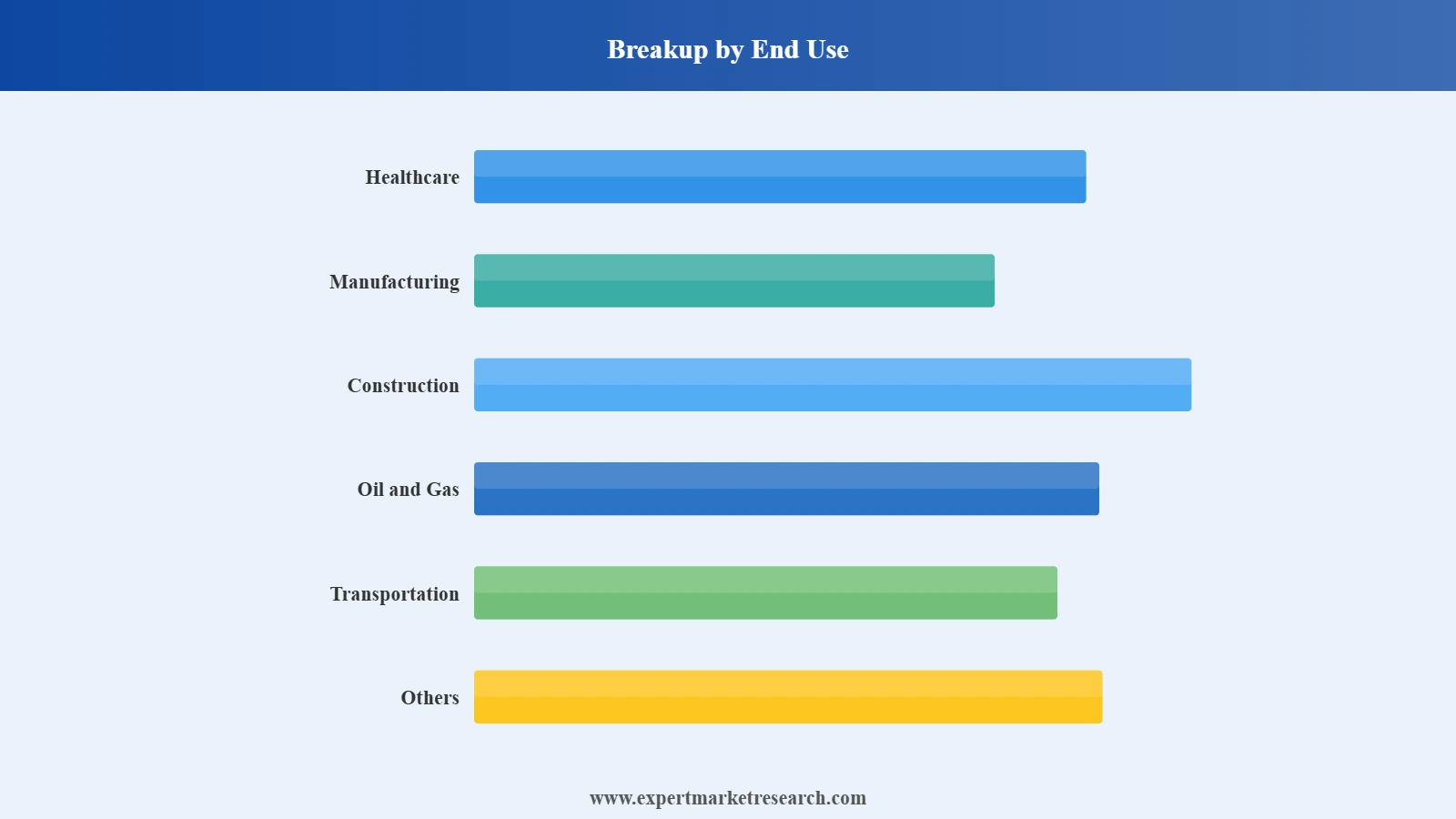
Based on end use, the market is segmented into healthcare, manufacturing, construction, oil and gas, and transportation, among others. The healthcare sector is projected to grow at a CAGR of 4.8% during the forecast period of 2026-2035. Personal protective equipment in the healthcare sector serves to protect workers by minimising their exposure to infectious agents, shielding them from contaminants, and ensuring their safety during medical procedures, which ultimately lowers the likelihood of disease transmission.
Read more about this report - REQUEST FREE SAMPLE COPY IN PDF
Major players are focusing on technological advancements and sustainable production practices to gain a competitive edge in the market.
The comprehensive report looks into the macro and micro aspects of the market. The EMR report gives an in-depth insight into the market by providing a SWOT analysis as well as an analysis of Porter’s Five Forces model.
Brazil's protective equipment market faces persistent operational challenges rooted in enforcement gaps and workforce informality. A significant share of Brazil's labour force operates within the informal economy, where regulatory oversight remains limited and employer compliance with occupational safety standards, including mandatory PPE provision under the Consolidation of Labour Laws, is difficult to monitor. Counterfeit and uncertified equipment continues to circulate in certain market segments, undermining the integrity of Brazil's Certificate of Approval system administered by the Ministry of Labour and Employment. Low safety awareness among workers in smaller enterprises and rural sectors further compounds the challenge of achieving consistent, sector-wide adoption.
Structural restraints add further complexity to market growth. The mandatory certification process for PPE sold in Brazil is time-intensive and costly, creating entry barriers for foreign manufacturers and limiting product diversity in specialised categories. Price sensitivity among small and medium-sized enterprises, combined with periodic currency volatility affecting the cost of imported raw materials, constrains procurement budgets. Bureaucratic delays in certificate renewal also reduce the pace at which innovative products can reach end users.
Despite these constraints, the market holds substantial growth potential. Large-scale infrastructure and energy investments from Petrobras and Vale are generating durable demand across industrial PPE categories. Full enforcement of updated NR-1 regulations from May 2026 is broadening safety compliance obligations, compelling employers to invest more comprehensively in certified protective equipment. Brazil's expanding agribusiness, healthcare, and construction sectors further reinforce the long-term demand outlook.


Upto 15% Off
USD
$2499 $2249
$3999 $3599
$4999 $4249
$5999 $5099


*While we strive to always give you current and accurate information, the numbers depicted on the website are indicative and may differ from the actual numbers in the main report. At Expert Market Research, we aim to bring you the latest insights and trends in the market. Using our analyses and forecasts, stakeholders can understand the market dynamics, navigate challenges, and capitalize on opportunities to make data-driven strategic decisions.*
The market is assessed to grow at a CAGR of 4.10% between 2026 and 2035.
The market is being driven by rising oil production activities in the region and the robust growth of the construction sector.
The key trends aiding the market expansion include the rising adoption of advanced technologies and the growing demand for customisation of personal protective equipment.
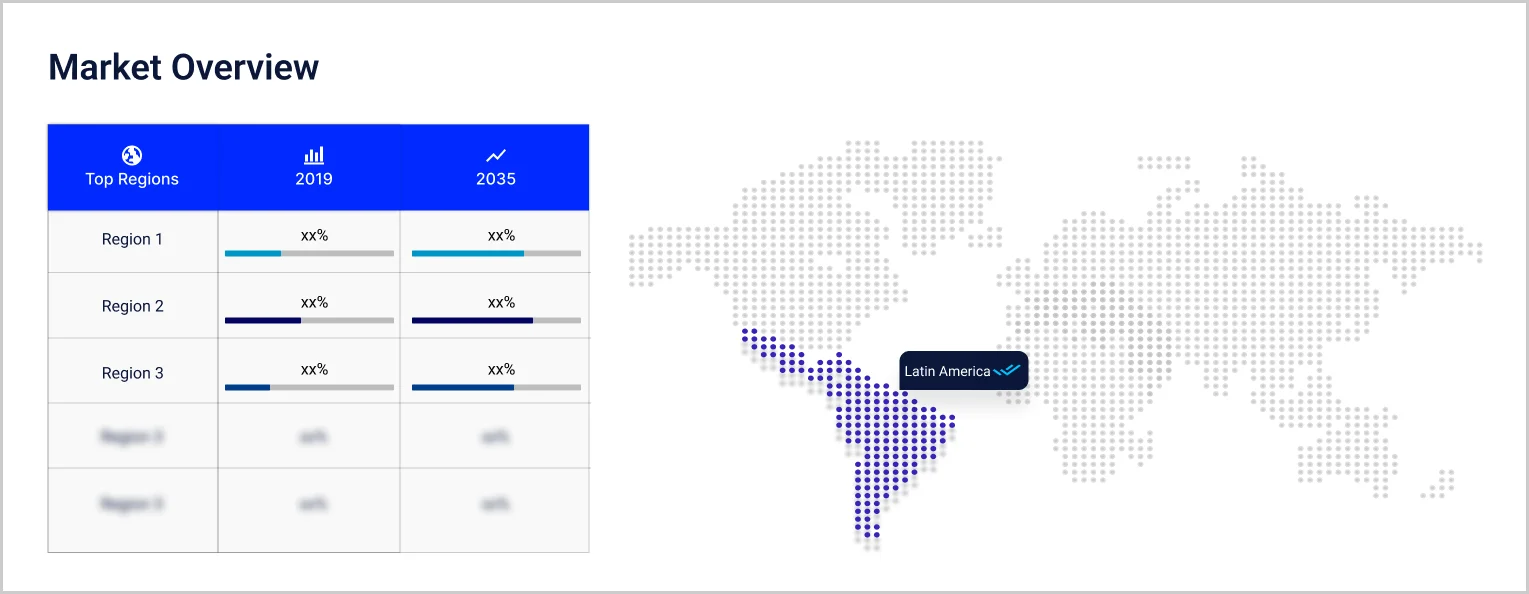
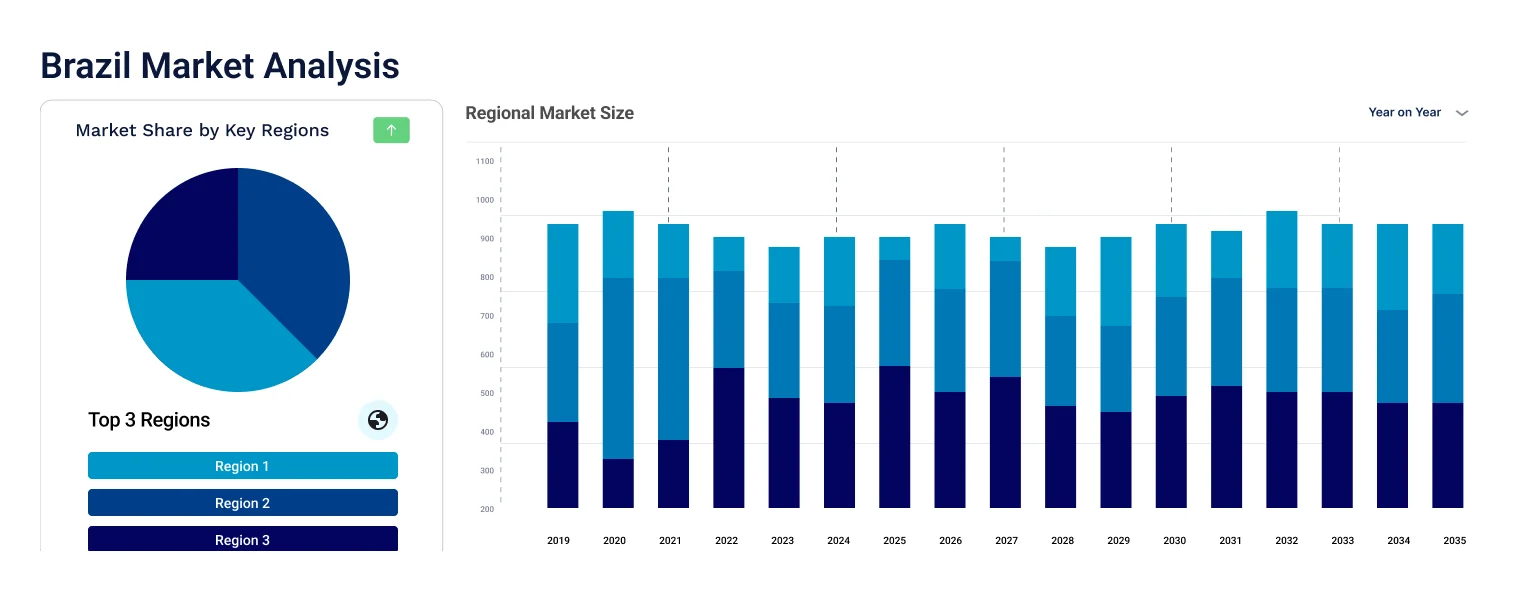
The major regions considered in the market are São Paulo, Minas Gerais, Rio de Janeiro, Bahia, and Rio Grande do Sul.
The different products in the market are hand protection, protective clothing, respiratory protection, eye and footwear protection, hearing protection, and head protection, among others.
The major players in the market are Honeywell International Inc., Ansell Limited, MSA Safety Incorporated, 3M Company, DuPont de Nemours, Inc., Balaska Equipamentos, JGB - Equipamentos de Segurança LTDA, and Cardinal Health Inc., among others.
Explore our key highlights of the report and gain a concise overview of key findings, trends, and actionable insights that will empower your strategic decisions.
| REPORT FEATURES | DETAILS |
| Base Year | 2025 |
| Historical Period | 2019-2025 |
| Forecast Period | 2026-2035 |
| Scope of the Report |
Historical and Forecast Trends, Industry Drivers and Constraints, Historical and Forecast Market Analysis by Segment
|
| Breakup by Product |
|
| Breakup by End Use |
|
| Breakup by Region |
|
| Market Dynamics |
|
| Competitive Landscape |
|
| Companies Covered |
|
Datasheet
One User
USD 2,499
USD 2,249
tax inclusive*
Single User License
One User
USD 3,999
USD 3,599
tax inclusive*
Five User License
Five User
USD 4,999
USD 4,249
tax inclusive*
Corporate License
Unlimited Users
USD 5,999
USD 5,099
tax inclusive*
*Please note that the prices mentioned below are starting prices for each bundle type. Kindly contact our team for further details.*
Flash Bundle
Small Business Bundle
Growth Bundle
Enterprise Bundle
*Please note that the prices mentioned below are starting prices for each bundle type. Kindly contact our team for further details.*
Flash Bundle
Number of Reports: 3
20%
tax inclusive*
Small Business Bundle
Number of Reports: 5
25%
tax inclusive*
Growth Bundle
Number of Reports: 8
30%
tax inclusive*
Enterprise Bundle
Number of Reports: 10
35%
tax inclusive*
How To Order

Select License Type
Choose the right license for your needs and access rights.

Click on ‘Buy Now’
Add the report to your cart with one click and proceed to register.

Select Mode of Payment
Choose a payment option for a secure checkout. You will be redirected accordingly.
Strategic Solutions for Informed Decision-Making
Gain insights to stay ahead and seize opportunities.

Get insights & trends for a competitive edge.

Track prices with detailed trend reports.

Analyse trade data for supply chain insights.

Leverage cost reports for smart savings

Enhance supply chain with partnerships.

Connect For More Information
Our expert team of analysts will offer full support and resolve any queries regarding the report, before and after the purchase.
Our expert team of analysts will offer full support and resolve any queries regarding the report, before and after the purchase.
We employ meticulous research methods, blending advanced analytics and expert insights to deliver accurate, actionable industry intelligence, staying ahead of competitors.
Our skilled analysts offer unparalleled competitive advantage with detailed insights on current and emerging markets, ensuring your strategic edge.
We offer an in-depth yet simplified presentation of industry insights and analysis to meet your specific requirements effectively.




