

Consumer Insights
Uncover trends and behaviors shaping consumer choices today
Procurement Insights
Optimize your sourcing strategy with key market data
Industry Stats
Stay ahead with the latest trends and market analysis.
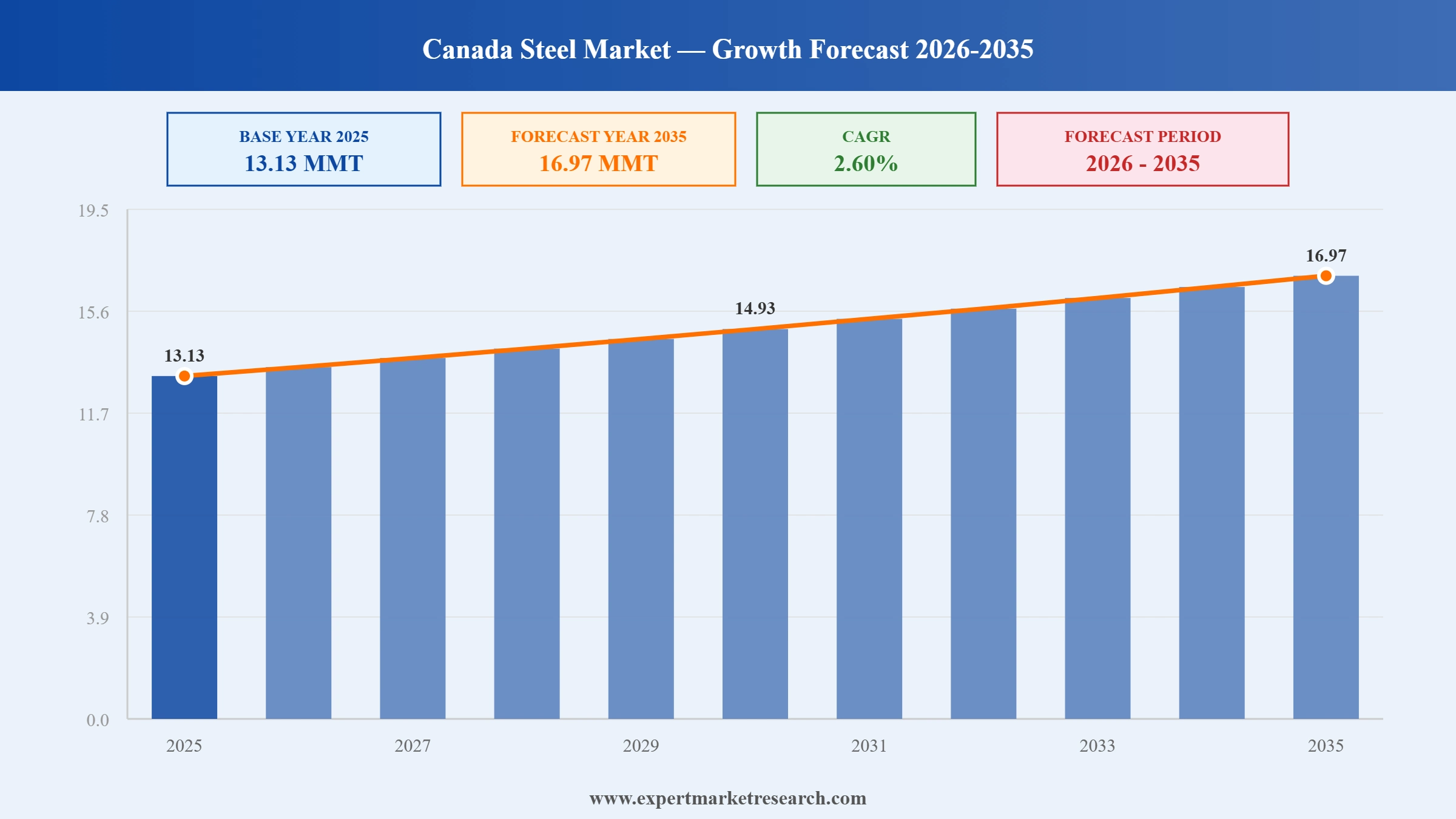
The Canada steel market attained a value of 13.13 MMT in 2025 and is projected to grow at a CAGR of 2.60% through 2035, reaching 16.97 MMT by 2035, as domestic producers pivot toward electric arc furnace production and Canadian market diversification amid sustained US Section 232 tariff disruption.
Domestic market diversification and electric arc furnace investment continue to anchor steady demand across the Canada steel market amid sustained tariff disruption. Algoma Steel permanently closed its blast furnace on January 18, 2026, completing a full transition from coal-based steelmaking to recycled-content electric arc furnace production, ending 125 years of blast furnace operation at its Sault Ste. Marie facility.
The Canada steel market is witnessing further developments as the federal government strengthens domestic industry protections amid escalating US trade pressure. Canada introduced a new tariff-rate quota system on December 26, 2025, implementing a 50 percent above-quota tariff and tightening quotas to support and protect the domestic steel industry against a surge in low-cost imports displaced by US tariffs.
In addition, established Canadian steelmakers continue pivoting toward domestic customers as US Section 232 tariffs curtail historical export flows. Stelco's Lake Erie operations recorded an estimated 9 percent year-to-date production increase as of mid-2026, capturing domestic supply vacuum left as expensive US steel imports withdrew from the Canadian market.
Read more about this report - REQUEST FREE SAMPLE COPY IN PDF
Canadian steelmakers with strong domestic customer relationships continue capturing market share vacated by costlier US steel imports amid sustained Section 232 tariff pressure. Stelco's Lake Erie operations recorded an estimated 9 percent year-to-date production increase as of mid-2026, pivoting successfully toward domestic customers as expensive US steel imports withdrew from the Canadian market following escalating trade tensions. Companies can pivot toward underserved domestic customer segments to capture market share vacated by costlier tariff-affected import competitors.
Primary steelmakers continue completing capital-intensive transitions from blast furnace to electric arc furnace production despite near-term cost pressure from US tariff exposure. Algoma Steel reported a net loss of USD116.5 million for the first quarter of 2026 while confirming the full transition of its Sault Ste. Marie campus from blast furnace technology to recycled-content electric arc furnace production, permanently closing its blast furnace on January 18, 2026 after 125 years of coal-based steelmaking. Companies can complete capital-intensive decarbonisation transitions even amid near-term cost pressure to secure long-term competitive positioning.
Federal governments continue strengthening domestic industry protections as steel-producing nations navigate escalating bilateral trade tensions with the United States. Canada introduced a new tariff-rate quota system on December 26, 2025, implementing a 50 percent above-quota tariff and tightening existing tariff-rate quotas to protect the domestic steel industry against a surge in displaced low-cost imports following US Section 232 tariff escalation. Companies can advocate for government tariff-rate quota protections to defend domestic market share against displaced low-cost import surges.
Primary steelmakers with historical US export dependency continue implementing significant workforce reductions as Section 232 tariffs fundamentally alter competitive market access. Algoma Steel announced plans to lay off approximately 1,000 workers on December 1, 2025, also accelerating its blast furnace closure and coke-making shutdown to early 2026, a year ahead of original schedule, after reporting a 13 percent sales drop with direct tariff expenses reaching CAD89.7 million. Companies can accelerate planned operational transitions when tariff pressure fundamentally alters competitive market access timelines.
Integrated steelmakers with established domestic procurement relationships continue demonstrating relative resilience amid broader industry tariff disruption. ArcelorMittal Dofasco's core flat-rolled steel business, supported by long-term procurement agreements serving Ontario's local automotive corridor, tracked approximately 3 percent up year-to-date production according to industry data published in July 2026, reflecting the protective effect of domestic market concentration amid sustained US tariff pressure. Companies can maintain long-term domestic procurement agreements to sustain production resilience amid broader industry tariff disruption.
Canadian steel producers continue experiencing sharp export declines as escalating US Section 232 tariffs curtail historical trade flows built over decades. Section 232 tariffs, imposed at 25 percent from March 2025 and doubled to 50 percent in June 2025, contributed to Canadian steel deliveries to the US falling by more than 68 percent year-on-year by January 2026, according to US import licensing data, fundamentally altering the industry's historical export-dependent business model. Companies can diversify export markets and accelerate domestic sales strategies to offset sharply declining historical export destinations.
Higher-performance steel grades continue outpacing broader category growth as automotive and mechanical engineering end users increasingly specify advanced structural materials. Algoma Steel reported a second consecutive quarter of record plate sales in July 2026, with plate demand from infrastructure, construction, and defence end-markets remaining healthy as the company's electric arc furnace ramp-up continued through the year. Companies can expand alloy and specialised steel production capacity to capture accelerating demand from automotive, defence, and infrastructure end users.
Domestic infrastructure and housing developers continue favouring Canadian-sourced steel as tariff-driven supply chain disruption reshapes established procurement patterns. Algoma Steel confirmed in August 2026 that construction on its second electric arc furnace unit was nearing completion, with first steel production expected in the third quarter of 2026 to support growing domestic plate demand from infrastructure and construction end-markets. Companies can position domestic steel sourcing and expanding production capacity as a supply chain resilience advantage to capture reshoring-driven construction demand.
This Expert Market Research Report titled "Canada Steel Market Report and Forecast 2026-2035" offers a detailed analysis of the market based on the following segments:
Market Breakup by Product
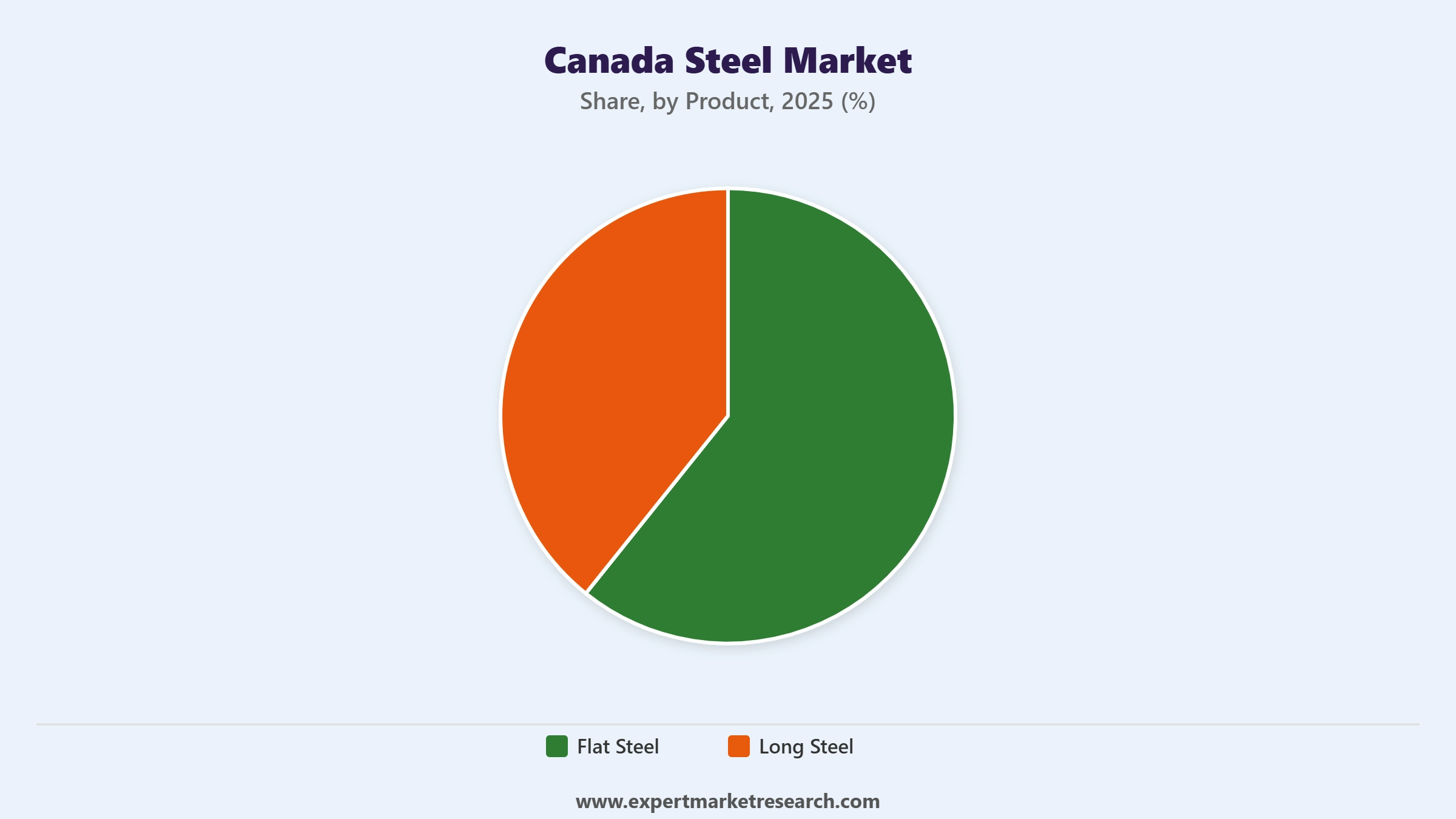
Key Insight: Flat Steel accounts for the largest share of the market, reflecting sustained automotive and appliance manufacturing demand across Ontario's concentrated production corridor. Long Steel continues to represent substantial demand tied to construction reinforcement and structural applications nationwide, with industry data published in May 2026 confirming steady reinforcing bar and structural demand tied to ongoing infrastructure and non-residential construction activity.
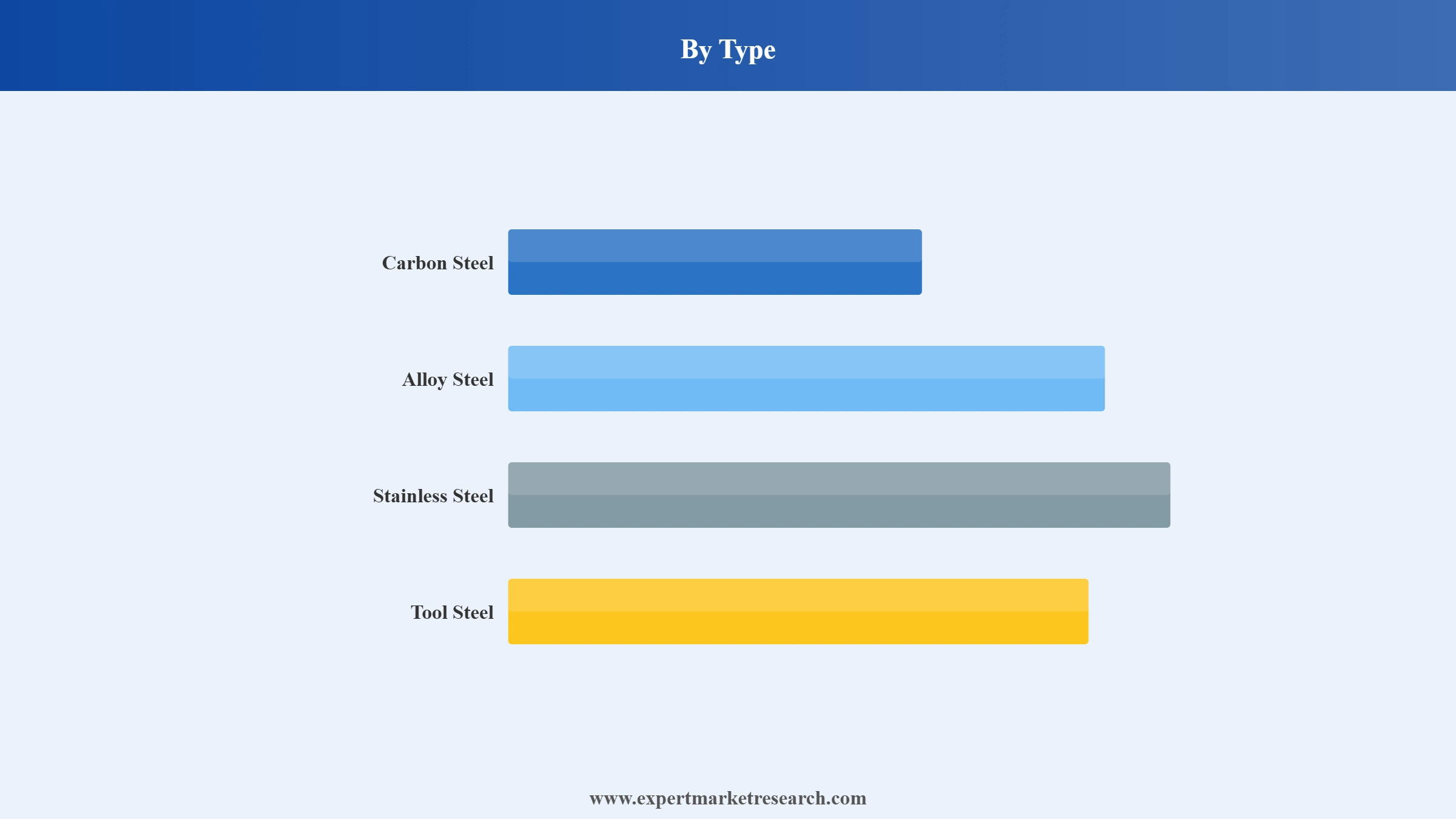
Market Breakup by Type
Key Insight: Carbon Steel accounts for the largest share of the market, reflecting broad structural and construction applications across cost-sensitive segments nationwide. Stainless Steel and Tool Steel continue to serve specialised corrosion-resistant and precision manufacturing applications respectively. Alloy Steel is growing fastest at a projected 4.10 percent CAGR as automotive and mechanical engineering end users increasingly specify higher-performance grades, with industry data published in July 2026 confirming alloy steel as the fastest-growing type category amid accelerating automotive specification requirements.
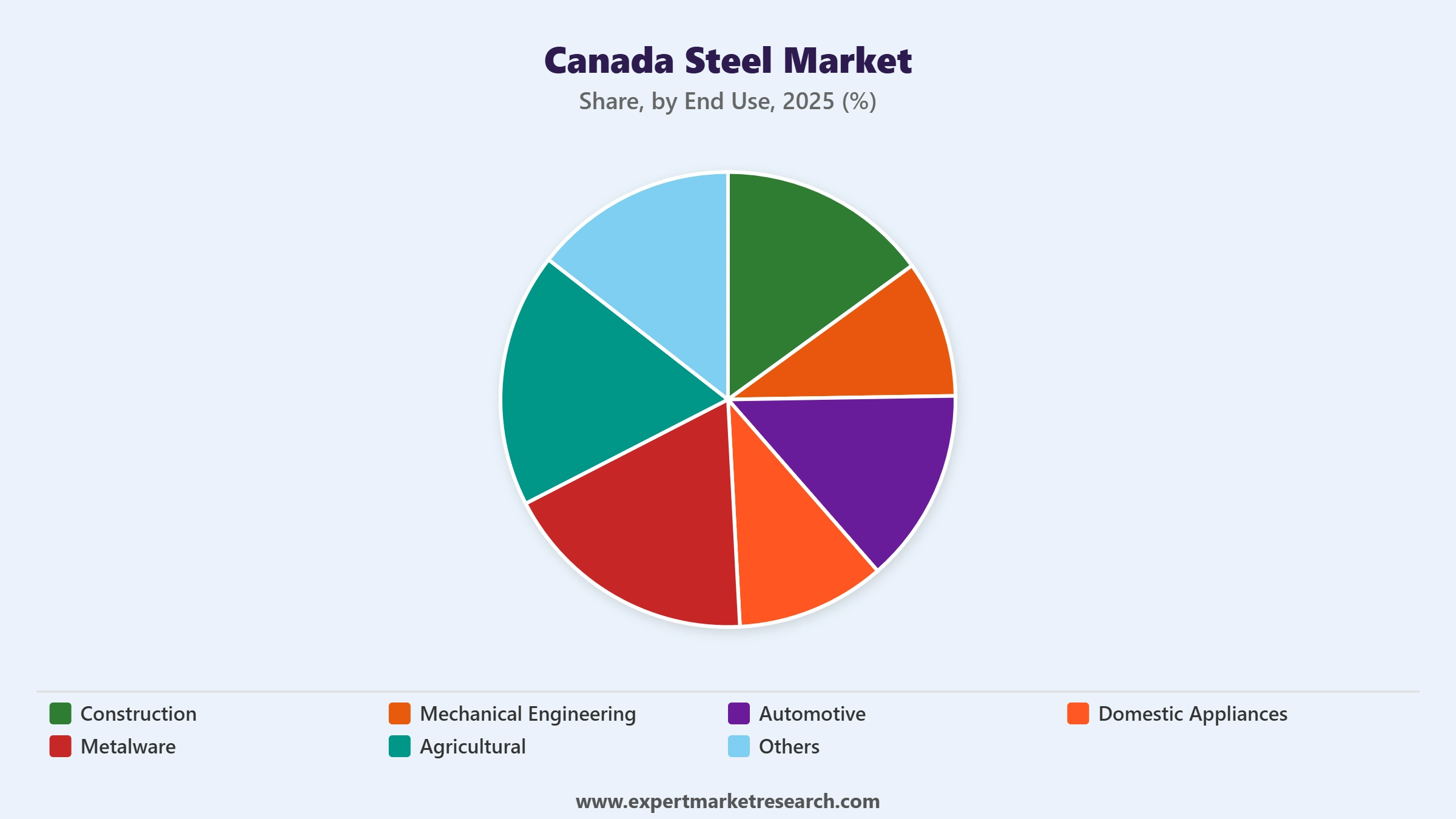
Market Breakup by End Use
Key Insight: Construction accounts for the largest share of the market, reflecting sustained structural framework, reinforcing bar, and roofing system demand nationwide. Automotive and Mechanical Engineering continue to represent substantial demand tied to Ontario's concentrated manufacturing corridor. Domestic Appliances, Metalware, Agricultural, and Others each address distinct niche applications across the broader industrial base. Automotive is growing fastest at a projected 4.30 percent CAGR as Ontario's concentrated automotive manufacturing corridor increasingly specifies higher-performance domestic steel grades amid tariff-driven supply chain reshoring, with industry estimates published in June 2026 confirming automotive as the fastest-growing end-use segment nationally.
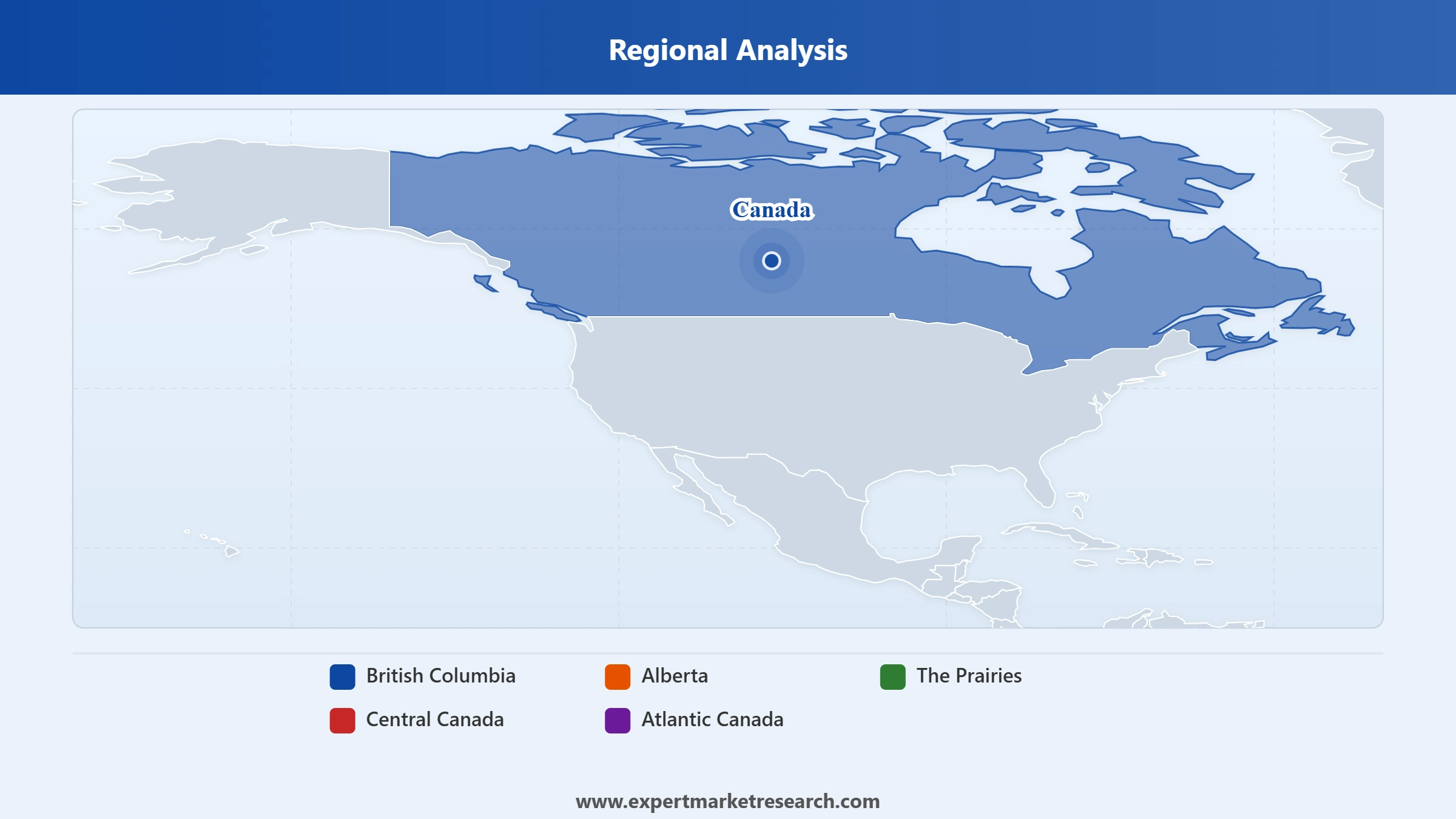
Market Breakup by Region
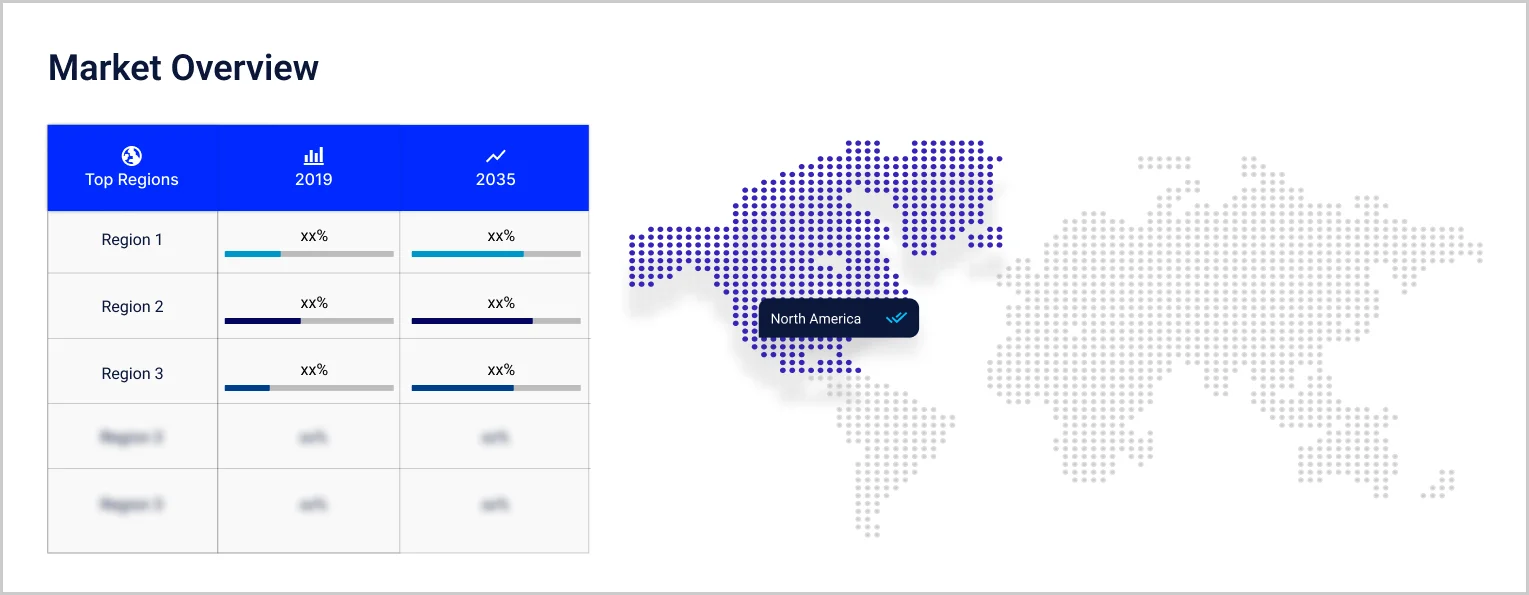
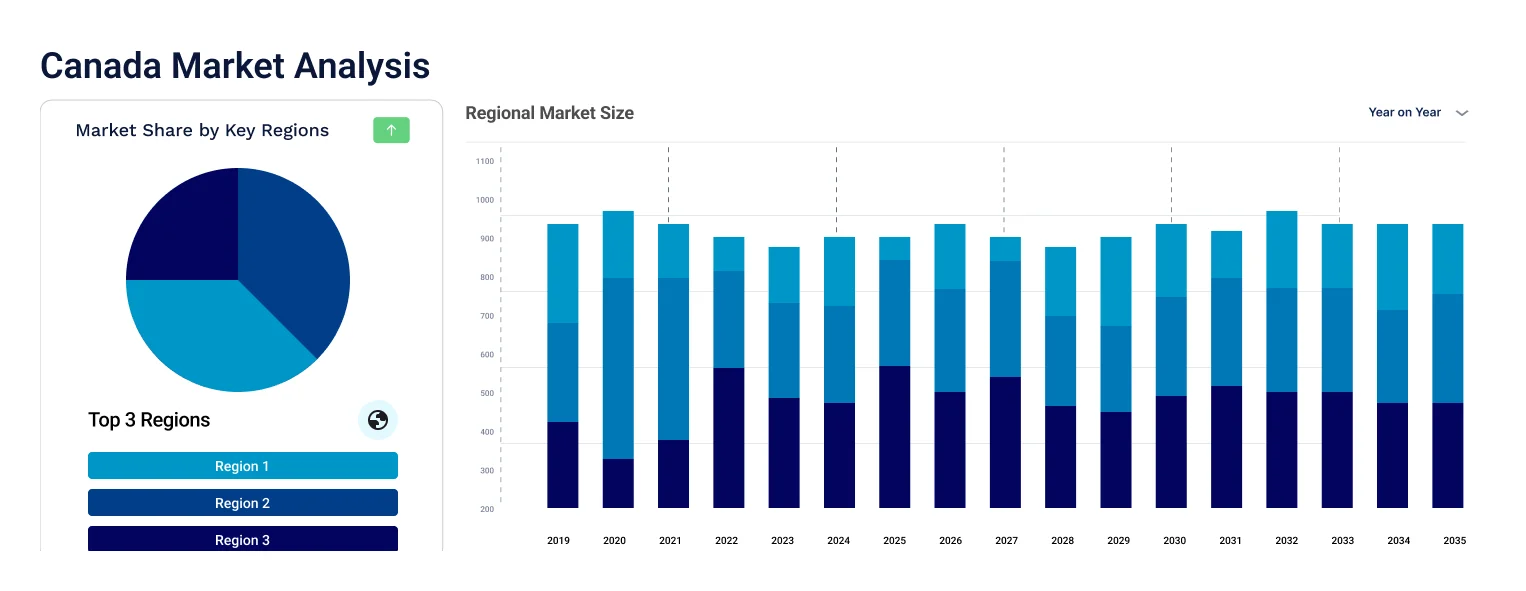
Key Insight: Central Canada accounts for the largest share of the market, anchored by concentrated steelmaking capacity across Ontario and Quebec, home to Algoma Steel, ArcelorMittal Dofasco, and Stelco. Alberta continues to represent substantial demand tied to energy and resource-sector construction activity. British Columbia and The Prairies serve steadily expanding demand as infrastructure investment continues across both regions, while Atlantic Canada represents a smaller but stable market. Central Canada is also growing fastest at an estimated 3.80 percent CAGR, reinforced by Stelco's continued domestic market share gains amid ongoing tariff disruption, with industry data published in August 2026 confirming Central Canada's continued dominance of national steelmaking capacity.
Read more about this report - REQUEST FREE SAMPLE COPY IN PDF
Flat Steel continues to account for the largest share of the market, reflecting sustained automotive and appliance manufacturing demand across Ontario's concentrated production corridor. Algoma Steel reported record plate sales of 116,000 net tons for the first quarter of 2026, reinforcing continued flat-rolled and plate category leadership as its electric arc furnace ramp-up continues.
Read more about this report - REQUEST FREE SAMPLE COPY IN PDF
Long Steel continues to serve construction reinforcement and structural applications nationwide. Algoma Steel's continued positioning as Canada's only producer of discrete plate products, following its permanent blast furnace closure on January 18, 2026, reinforced sustained specialised long and plate steel production capability.
Carbon Steel continues to account for the largest share of the market, reflecting broad structural and construction applications across cost-sensitive segments nationwide. Established producers continue anchoring the dominant carbon steel category through extensive domestic distribution networks built over decades.
Read more about this report - REQUEST FREE SAMPLE COPY IN PDF
Alloy Steel is the fastest-growing type at a projected 4.10 percent CAGR. Industry data published in July 2026 confirmed alloy steel demand accelerating as automotive and mechanical engineering end users increasingly specify higher-performance grades for demanding structural and precision applications nationwide.
Construction continues to account for the largest share of the market, reflecting sustained structural framework, reinforcing bar, and roofing system demand nationwide. Canada's new tariff-rate quota system, implemented December 26, 2025, reinforced continued domestic construction steel demand amid broader tariff-driven market protection measures.
Read more about this report - REQUEST FREE SAMPLE COPY IN PDF
Automotive is the fastest-growing end use at a projected 4.30 percent CAGR as Ontario's concentrated manufacturing corridor increasingly specifies higher-performance domestic steel grades. Industry data published in July 2026 confirmed accelerating automotive-linked steel demand across Ontario's manufacturing corridor amid tariff-driven supply chain reshoring nationwide.
Read more about this report - REQUEST FREE SAMPLE COPY IN PDF
Hamilton and Sault Ste. Marie continue to anchor the region's outsized contribution to national steel production, home to Algoma Steel, ArcelorMittal Dofasco, and Stelco, alongside Ontario's concentrated automotive manufacturing corridor driving sustained domestic demand.
Alberta continues to represent substantial demand tied to energy and resource-sector construction activity, while British Columbia and The Prairies serve steadily expanding demand as infrastructure investment continues across both regions, and Atlantic Canada represents a smaller but stable market. Central Canada is also the fastest-growing region at an estimated 3.80 percent CAGR, reinforced by Stelco's continued domestic market share gains amid ongoing tariff disruption.
The industry is fragmented, with Canada steel market companies ranging from integrated primary steelmakers to specialised fabricators competing across product, type, and end use segments nationwide amid sustained tariff disruption.
Competitive dynamics among Canada steel players are increasingly shaped by the pace of electric arc furnace decarbonisation investment, the depth of domestic customer diversification, and government tariff-rate quota protections. Manufacturers are investing in low-carbon production technology, domestic market pivots, and government engagement to secure long-term competitive positioning amid escalating US Section 232 tariff pressure.
Founded in 1901 and headquartered in Sault Ste. Marie, Ontario, Algoma Steel is Canada's only independent primary steelmaker and sole domestic producer of discrete plate products. The company permanently closed its blast furnace on January 18, 2026, completing its transition to recycled-content electric arc furnace production, while reporting a net loss of USD116.5 million for the first quarter of 2026 amid sustained US Section 232 tariff pressure. Algoma's completed EAF transition and discrete plate specialisation differentiate its offering from competitors still dependent on blast furnace technology.
Founded in 1912 and headquartered in Hamilton, Ontario, ArcelorMittal Dofasco is one of Canada's largest integrated steelmakers, specialising in flat-rolled steel products for the automotive and industrial sectors. The company's core business, supported by long-term procurement agreements serving Ontario's local automotive corridor, tracked approximately 3 percent up year-to-date production as of mid-2026, reflecting the protective effect of domestic market concentration amid broader industry tariff disruption. Dofasco's entrenched domestic automotive supply agreements differentiate its offering from competitors more exposed to volatile export markets.
Founded in 1910 and headquartered in Hamilton, Ontario, Stelco operates the Lake Erie Works integrated steelmaking facility and is now owned by Cleveland-Cliffs following its acquisition of the company. The company recorded an estimated 9 percent year-to-date production increase as of mid-2026, successfully pivoting toward domestic customers as expensive US steel imports withdrew from the Canadian market following escalating Section 232 tariff pressure. Stelco's successful domestic market pivot differentiates its offering from competitors still navigating the transition away from export dependency.
Founded in 1901 and headquartered in Sao Paulo, Brazil, Gerdau is a leading long-steel and specialty steel producer serving construction, automotive, and industrial markets across the Americas, including Canadian operations. The company continues serving Canada's long-steel and specialty steel segments amid broader industry competition centred on decarbonisation, cost efficiency, and customer diversification throughout 2026. Gerdau's broader Americas-wide long-steel manufacturing footprint differentiates its offering from Canada-focused domestic competitors.
Other key players in the Canada steel market include Rolled Alloys, Canam Group Inc., LMS Reinforcing Steel Group, and Walters Inc., among others.
*Please note that this is only a partial list; the complete list of key players is available in the full report. Additionally, the list of key players can be customized to better suit your needs.*
Unlock the latest insights with our Canada steel market trends 2026 report. Discover regional growth patterns, product and end use adoption trends, and key industry players. Stay ahead of competition with trusted data and expert analysis. Download your free sample report today and drive informed decisions in the market.
Weathering Steel Market
Stainless Steel Market
Structural Steel Market
Electrical Steel Market
South Korea Steel Market
Singapore Steel Market
Saudi Arabia Structural Steel Market
North America Stainless Steel Market
Europe Stainless Steel Market
Asia Pacific Stainless Steel Market


Upto 15% Off
USD
$2499 $2249
$3999 $3599
$4999 $4249
$5999 $5099


*While we strive to always give you current and accurate information, the numbers depicted on the website are indicative and may differ from the actual numbers in the main report. At Expert Market Research, we aim to bring you the latest insights and trends in the market. Using our analyses and forecasts, stakeholders can understand the market dynamics, navigate challenges, and capitalize on opportunities to make data-driven strategic decisions.*
The market is projected to grow at a CAGR of 2.60% between 2026 and 2035.
Canada produces its steel at 13 plants in five provinces, including Alberta, Manitoba, Ontario, Saskatchewan, and Quebec. The industry is largely concentrated in Ontario, with six plants operating there.
High-carbon steel has a high resistance to wear and tear, which makes it suitable tools and metal automotive fasteners. Manufacturers in automotive sector use high-carbon steel to produce bushings, chassis, vehicle frames, and door panels.
Completing electric arc furnace decarbonisation transitions, pivoting toward domestic customer relationships, securing government tariff-rate quota protections, and diversifying beyond historical US export dependency.
Key trends aiding market expansion rising residential and commercial construction, a growing demand for automobiles, and manufacturers investing in research to reduce the emissions of steel production.
Major countries in the market are British Columbia, Alberta, The Prairies, Central Canada, and Atlantic Canada.
The key products of steel are flat steel and long steel.
The key players in the market include Algoma Steel Inc., ArcelorMittal Dofasco, Stelco Inc., Gerdau S/A, Rolled Alloys, Canam Group Inc., LMS Reinforcing Steel Group, and Walters Inc.
In 2025, the market reached an approximate value of 13.13 MMT.
The market is estimated to witness a healthy growth in the forecast period of 2026-2035 to reach about 16.97 MMT by 2035.
The construction segment dominates the market with uses in structural frameworks, reinforcing bars, beams, and roofing systems.
Producers face severe US Section 232 tariff exposure that has curtailed historical export flows, the capital intensity of electric arc furnace transitions, and intensifying competition for domestic market share as export-dependent capacity redirects inward.
Explore our key highlights of the report and gain a concise overview of key findings, trends, and actionable insights that will empower your strategic decisions.
| REPORT FEATURES | DETAILS |
| Base Year | 2025 |
| Historical Period | 2019-2025 |
| Forecast Period | 2026-2035 |
| Scope of the Report |
Historical and Forecast Trends, Industry Drivers and Constraints, Historical and Forecast Market Analysis by Segment:
|
| Breakup by Product |
|
| Breakup by Type |
|
| Breakup by End Use |
|
| Breakup by Region |
|
| Market Dynamics |
|
| Competitive Landscape |
|
| Companies Covered |
|
Datasheet
One User
USD 2,499
USD 2,249
tax inclusive*
Single User License
One User
USD 3,999
USD 3,599
tax inclusive*
Five User License
Five User
USD 4,999
USD 4,249
tax inclusive*
Corporate License
Unlimited Users
USD 5,999
USD 5,099
tax inclusive*
*Please note that the prices mentioned below are starting prices for each bundle type. Kindly contact our team for further details.*
Flash Bundle
Small Business Bundle
Growth Bundle
Enterprise Bundle
*Please note that the prices mentioned below are starting prices for each bundle type. Kindly contact our team for further details.*
Flash Bundle
Number of Reports: 3
20%
tax inclusive*
Small Business Bundle
Number of Reports: 5
25%
tax inclusive*
Growth Bundle
Number of Reports: 8
30%
tax inclusive*
Enterprise Bundle
Number of Reports: 10
35%
tax inclusive*
How To Order

Select License Type
Choose the right license for your needs and access rights.

Click on ‘Buy Now’
Add the report to your cart with one click and proceed to register.

Select Mode of Payment
Choose a payment option for a secure checkout. You will be redirected accordingly.
Strategic Solutions for Informed Decision-Making
Gain insights to stay ahead and seize opportunities.

Get insights & trends for a competitive edge.

Track prices with detailed trend reports.

Analyse trade data for supply chain insights.

Leverage cost reports for smart savings

Enhance supply chain with partnerships.

Connect For More Information
Our expert team of analysts will offer full support and resolve any queries regarding the report, before and after the purchase.
Our expert team of analysts will offer full support and resolve any queries regarding the report, before and after the purchase.
We employ meticulous research methods, blending advanced analytics and expert insights to deliver accurate, actionable industry intelligence, staying ahead of competitors.
Our skilled analysts offer unparalleled competitive advantage with detailed insights on current and emerging markets, ensuring your strategic edge.
We offer an in-depth yet simplified presentation of industry insights and analysis to meet your specific requirements effectively.




