

Consumer Insights
Uncover trends and behaviors shaping consumer choices today
Procurement Insights
Optimize your sourcing strategy with key market data
Industry Stats
Stay ahead with the latest trends and market analysis.
The global electrical steel market attained a value of about USD 49.77 Billion in 2025. The market is further expected to grow at a CAGR of 7.20% during the forecast period of 2026-2035 to reach nearly USD 99.75 Billion by 2035. Electrical steel also known as silicon steel or lamination steel is a special-purpose soft magnetic alloy steel that contains between 0.5% and 6.5% silicon by weight, engineered to exhibit high magnetic permeability, low core loss, and low magnetostriction for use as the magnetic core material in electrical transformers, generators, motors, inductors, and other electromagnetic devices. The addition of silicon to iron significantly reduces the material's electrical resistivity, thereby reducing eddy current losses and improving energy efficiency in alternating current electromagnetic applications.
The electrical steel industry is being driven by the increasing deployment of electrical steel in power generation infrastructure, the growing demand from the automotive sector as electric vehicle penetration accelerates global demand for high-performance motor core materials, and rising disposable incomes supporting household appliance consumption in emerging markets. The global energy transition encompassing the rapid expansion of renewable energy generation, grid modernisation programs across North America, Europe, and Asia, and the electrification of transportation is creating structural and sustained demand growth for both grain-oriented electrical steel in power transformers and non-grain-oriented electrical steel in electric vehicle traction motors, industrial motors, and generators.
Asia Pacific is the dominant regional market, accounting for over 60% of global electrical steel production and consumption, with China, Japan, South Korea, and India collectively anchoring regional leadership through large-scale transformer production, automotive manufacturing, and power infrastructure investment. The rising production of grain-oriented electrical steel in India supported by government-backed grid expansion and growing transformer manufacturing capacity is anticipated to support market growth across the Asia Pacific region. North America and Europe represent mature but growing markets, driven by grid modernisation investment, EV adoption incentives, and increasingly stringent energy efficiency mandates for transformers and industrial motors.
Compound Annual Growth Rate
7.2%
Value in USD Billion
2026-2035
Read more about this report - REQUEST FREE SAMPLE COPY IN PDF
| Electrical Steel Market Report Summary | Description | Value |
| Base Year | USD Billion | 2025 |
| Historical Period | USD Billion | 2019-2025 |
| Forecast Period | USD Billion | 2026-2035 |
| Market Size 2025 | USD Billion | 49.77 |
| Market Size 2035 | USD Billion | 99.75 |
| CAGR 2019-2025 | Percentage | XX% |
| CAGR 2026-2035 | Percentage | 7.20% |
| CAGR 2026-2035 - Market by Region | Asia Pacific | 8.1% |
| CAGR 2026-2035 - Market by Country | India | 8.2% |
| CAGR 2026-2035 - Market by Country | China | 8.0% |
| CAGR 2026-2035 - Market by Type | Grain-Oriented Electrical Steel | 7.9% |
| CAGR 2026-2035 - Market by Application | Motors | 8.3% |
| Market Share by Country 2025 | Canada | 2.2% |
The global electric vehicle production boom is the single most transformational demand driver for non-grain-oriented electrical steel, creating a new and rapidly scaling demand category within an industry previously dominated by transformer and industrial motor applications. Each battery electric vehicle requires high-grade NOES for its traction motor stator core, with material specifications demanding silicon contents of 2.5% to 3.5%, thickness of 0.20mm to 0.27mm, and precise control of magnetic properties that standard industrial NOES grades cannot reliably provide. Global EV production is expected to reach 40+ million units annually by 2030, translating into millions of tonnes of premium NOES demand that is driving capacity expansion at producers including Nippon Steel, POSCO, Voestalpine, and ArcelorMittal.
The simultaneous upgrade of ageing power grid infrastructure in developed economies and construction of new grid capacity in developing economies is creating persistent and growing demand for grain-oriented electrical steel in power and distribution transformers. The US Department of Energy's Grid Deployment Office programs, the EU's REPowerEU and grid investment mandates, and India's National Smart Grid Mission collectively represent billions of dollars in transformer procurement that translates directly into sustained GOES demand across the forecast period. The Cleveland-Cliffs announcement to supply the US Pentagon with electrical steel reported in July 2026 illustrates the strategic national security dimension of domestic electrical steel supply that is accelerating government-backed production investment.
The rapid global expansion of wind and solar power generation capacity is creating growing demand for electrical steel in the generators, motors, and transformers that are integral to renewable energy infrastructure. Wind turbines require grain-oriented electrical steel in their step-up power transformers and non-grain-oriented electrical steel in their permanent magnet generators, with offshore wind turbines of 12MW and above requiring particularly large quantities of high-grade electrical steel per unit. The global wind power capacity additions expected to exceed 100GW annually through the late 2020s translate into consistent large-format GOES and NOES procurement that sustains demand through the forecast period.
Regulatory mandates for minimum energy performance standards for power and distribution transformers are a structural driver of electrical steel market premiumisation, compelling transformer manufacturers to specify higher-grade GOES with lower guaranteed core losses than the grades previously acceptable under less stringent efficiency standards. The EU's Ecodesign Regulation (EU) 2019/1783 implementing energy efficiency requirements for power transformers and equivalent standards in China (GB 20052), India (IS 1180), and the United States (DOE Final Rule for Distribution Transformers) mandate efficiency tiers that require premium GOES grades with maximum core loss values of 0.70 W/kg at 1.7T driving systematic upgrade of transformer core material specifications across global markets.
The development and commercialisation of ultra-thin non-oriented electrical steel in thicknesses of 0.20mm and below represents the most technically demanding and commercially significant product innovation trend in the electrical steel industry, directly serving the high-speed, high-frequency operating requirements of permanent magnet and induction motors used in battery electric vehicle traction systems. Ultra-thin NOES reduces eddy current losses at high frequencies where losses scale with the square of both frequency and sheet thickness enabling motor designers to achieve higher efficiency ratings and operating speeds that translate into extended EV range per charge cycle, supporting the 400-mile range targets increasingly demanded by premium EV manufacturers.
POSCO and Hyundai Motor Group launched a collaborative research and development program for high-silicon (above 4.5% silicon) electrical steel targeting next-generation high-speed EV motor applications where conventional 3.5% silicon NOES grades cannot achieve the required combination of low core loss and high saturation flux density. High-silicon electrical steel offers superior magnetic properties at elevated silicon contents but presents significant manufacturing challenges due to increased brittleness that makes conventional cold-rolling processing extremely difficult a technical challenge that the POSCO-Hyundai collaboration is addressing through advanced processing technology development.
ArcelorMittal launched a new phase of its electrical steel project in France in April 2026, advancing the company's strategy to integrate electric arc furnace (EAF) production routes into its electrical steel manufacturing chain as part of its commitment to decarbonising European steel production. In June 2026, ArcelorMittal announced plans to integrate EAFs into its electrical steel production chain in Europe a significant development that will enable ArcelorMittal to produce low-carbon electrical steel for EV motor and transformer applications where downstream customers are increasingly applying scope 3 carbon footprint requirements to their steel supply chains.
The insulation coating applied to the surface of electrical steel sheets providing the electrical isolation between adjacent laminations that prevents short-circuit currents and reduces eddy current losses in stacked motor and transformer cores is an area of active technical development, with coating manufacturers developing chrome-free coatings that meet increasingly stringent European REACH chemical safety regulations, higher-temperature-resistant coatings for EV motors that operate at elevated temperatures, and thinner coating formulations that minimize the non-magnetic material fraction in high-density lamination stacks.
The global electrical steel market faces significant operational challenges rooted in production complexity, raw material cost volatility, and the technical barriers to scaling advanced grade manufacturing to meet emerging EV motor demand. Electrical steel production is one of the most technically demanding steel manufacturing processes, requiring precise control of silicon content, temperature profiles, annealing atmospheres, and surface treatment processes that limit the number of producers globally capable of manufacturing premium grades to the tight specifications demanded by transformer OEMs and EV motor manufacturers. Raw material cost volatility particularly silicon metal pricing and energy costs for the electricity-intensive annealing processes creates margin pressure for electrical steel producers operating on fixed-price supply contracts with large transformer and motor customers who are slow to accept price adjustments that disrupt their production cost structures.
Structural restraints moderate the pace of capacity expansion and premium grade adoption across the market. The capital intensity of new electrical steel production capacity with a greenfield cold-rolling and annealing facility requiring investment of USD 500 million to USD 1 billion or more creates long lead times between investment decisions and new supply availability, creating cycles of tightness in premium grade markets when demand surges outpace announced capacity additions. The technical complexity of ultra-thin NOES manufacturing for EV motors limits the number of qualified suppliers capable of reliably producing 0.20mm grade at commercial scale, creating supply concentration risk for EV manufacturers seeking to diversify their electrical steel supply chains. Geographic concentration of premium GOES production capacity in Japan (Nippon Steel, JFE Steel) and South Korea (POSCO) creates supply chain resilience concerns for European and North American transformer manufacturers dependent on Asian imports.
Despite these structural challenges, the electrical steel market presents compelling and durable growth opportunities throughout the forecast period. The electric vehicle transition creates a structurally expanding demand base for premium NOES that did not exist a decade ago and is growing at a rate that significantly exceeds the market's historical transformer-driven demand growth trajectory. Grid modernisation programs representing trillions of dollars in global power infrastructure investment through 2035 provide a sustained and government-mandated procurement base for grain-oriented electrical steel that is insulated from short-term economic cycles. The progressive tightening of transformer efficiency standards across major global markets is driving systematic upgrade of electrical steel grade specifications in existing transformer procurement programs, expanding the market for premium low-loss GOES at the expense of standard-grade material. The full Expert Market Research Electrical Steel Market Report and Forecast 2026-2035 provides granular analysis across type, application, end use, and regional market to equip producers, distributors, transformer manufacturers, EV motor OEMs, and investors with the intelligence to capitalise on the most valuable growth opportunities.
Electrical steel, also known as silicon steel, is a steel alloy of iron and silicon. It has advanced electrical properties that are widely used in transformers, motors, and generators, among other electromagnetic devices. The addition of silicon in iron makes electrical steel rich with properties like high permeability, low magnetostriction, and high electric resistivity.
Market Breakup by Type
Key Insights: The electrical steel market is segmented by type into grain-oriented electrical steel and non-grain-oriented electrical steel. Grain-oriented electrical steel dominates in high-value transformer applications, engineered through a precisely controlled secondary recrystallisation process that aligns magnetic properties along one axis delivering low core loss, high permeability, and reduced magnetostriction in power and distribution transformer cores where flux circulates in a fixed direction. Non-grain-oriented electrical steel is the dominant type by production volume, offering uniform magnetic properties in all directions that make it the essential core material for rotating machines including electric vehicle traction motors, industrial motors, generators, and household appliances. Non-grain-oriented electrical steel is the fastest-growing segment, driven by accelerating global electric vehicle production that requires ultra-thin, high-grade non-oriented grades for high-speed, high-frequency traction motor stators.
Market Breakup by Application
Key Insights: The electrical steel market is segmented by application into transformers, motors, generators, and others. Transformers represent the largest application segment, accounting for the majority of grain-oriented electrical steel consumption globally, as power and distribution transformers require low-loss GOES cores to meet increasingly stringent energy efficiency standards mandated by regulators across Europe, North America, China, and India. Motors are the fastest-growing application segment, driven by the electric vehicle transition creating structural demand for ultra-thin non-grain-oriented electrical steel in permanent magnet and induction traction motor stators across major EV manufacturing markets. Generators represent a significant and growing application, with wind turbines, hydroelectric plants, and gas turbine generators requiring both grain-oriented and non-grain-oriented electrical steel for efficient power conversion. The others segment encompasses inductors, solenoids, relays, and power electronics components used in EV charging infrastructure, smart grid devices, and industrial automation systems.
Market Breakup by Region
Read more about this report - REQUEST FREE SAMPLE COPY IN PDF
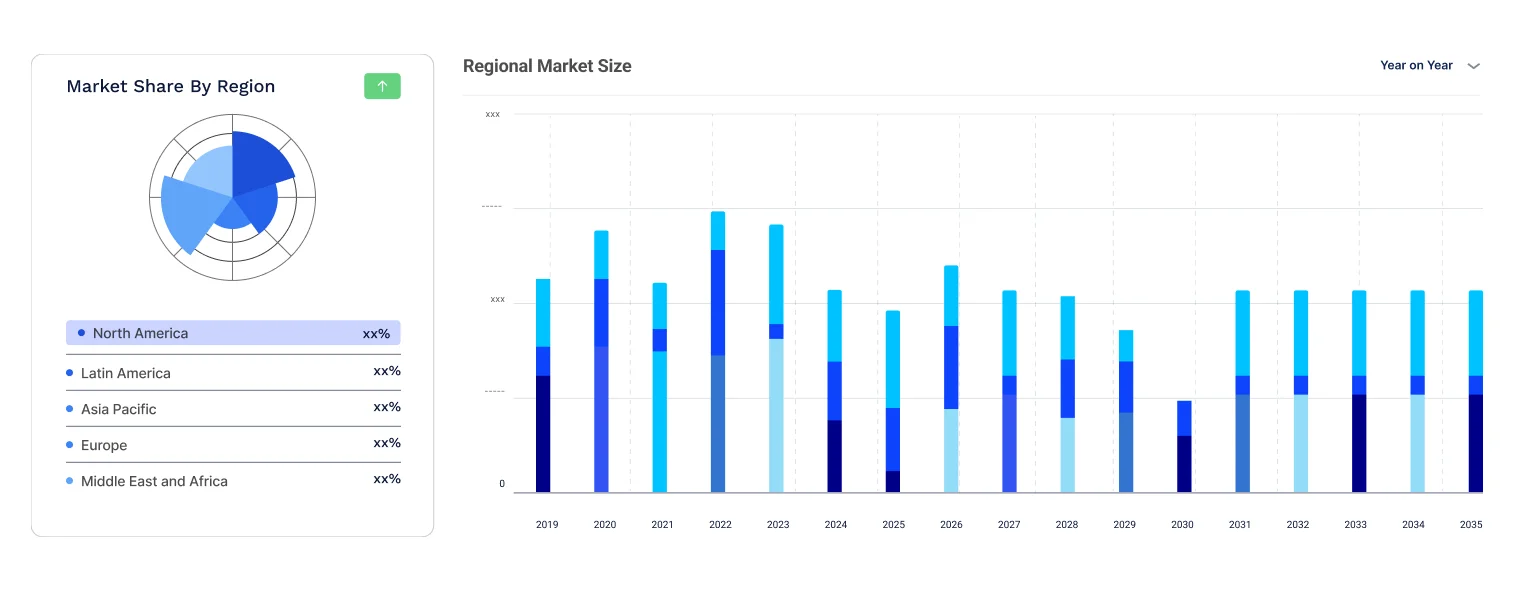
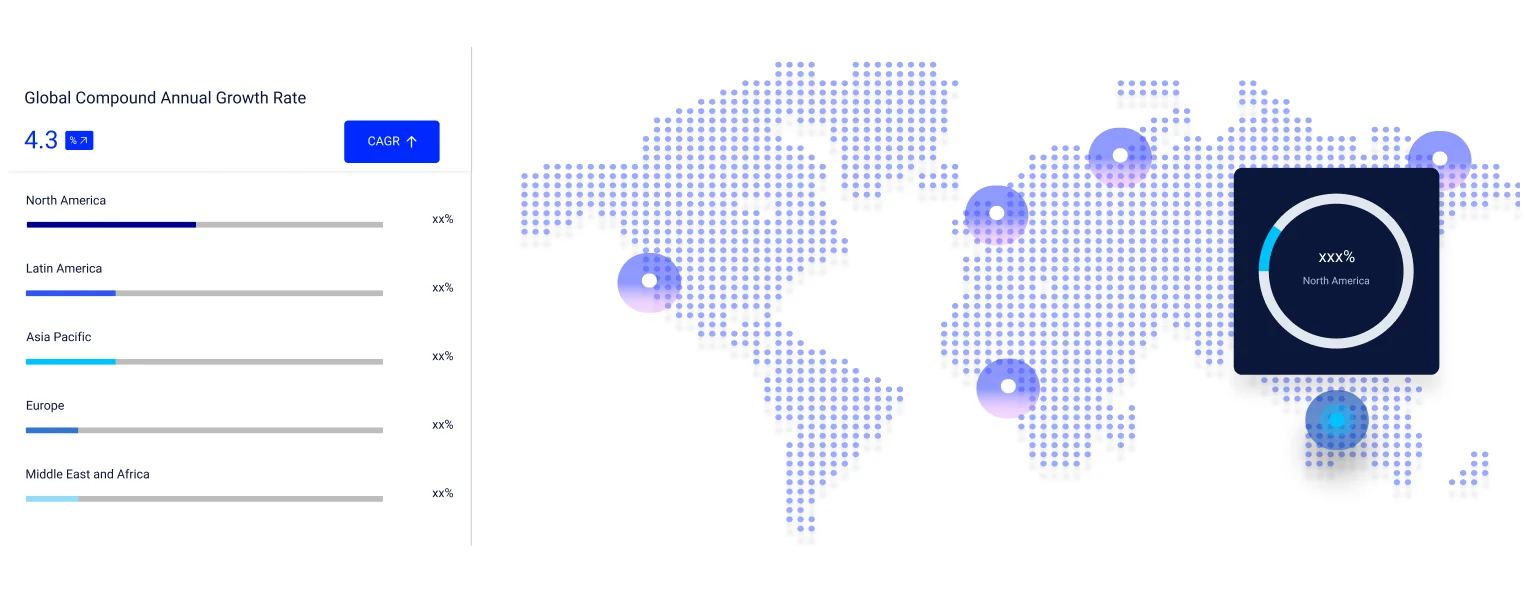
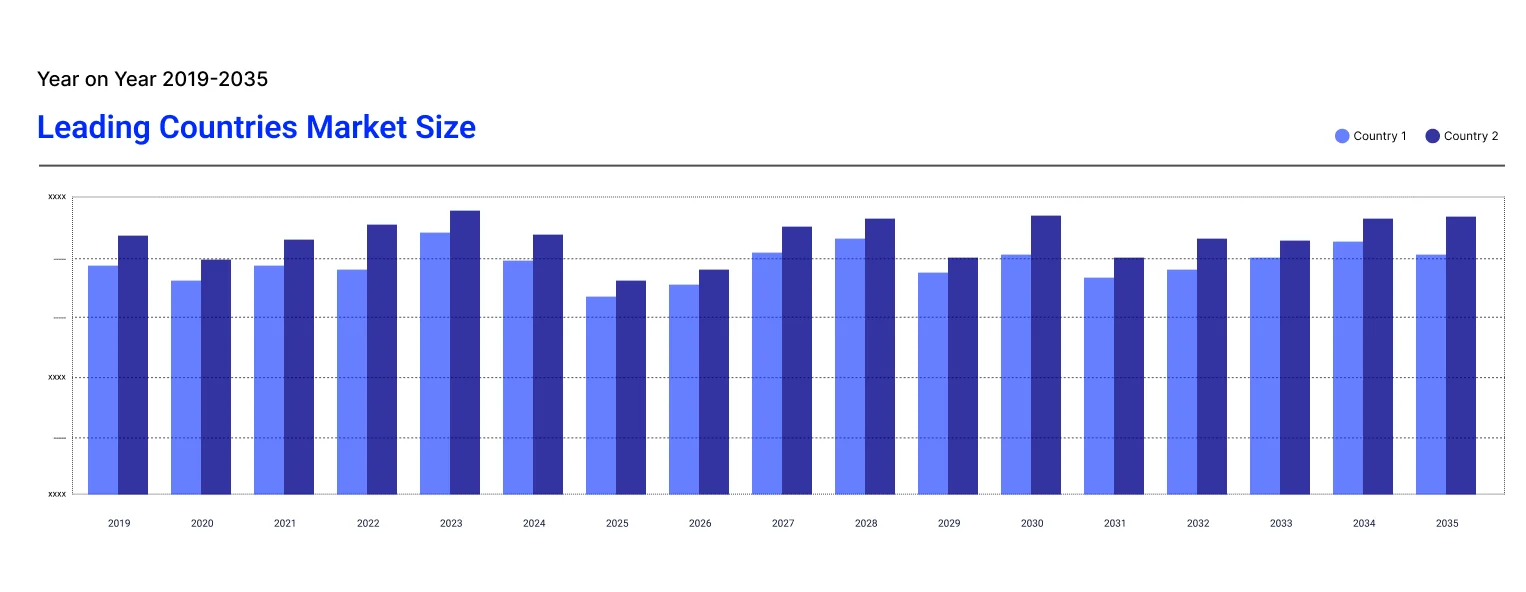
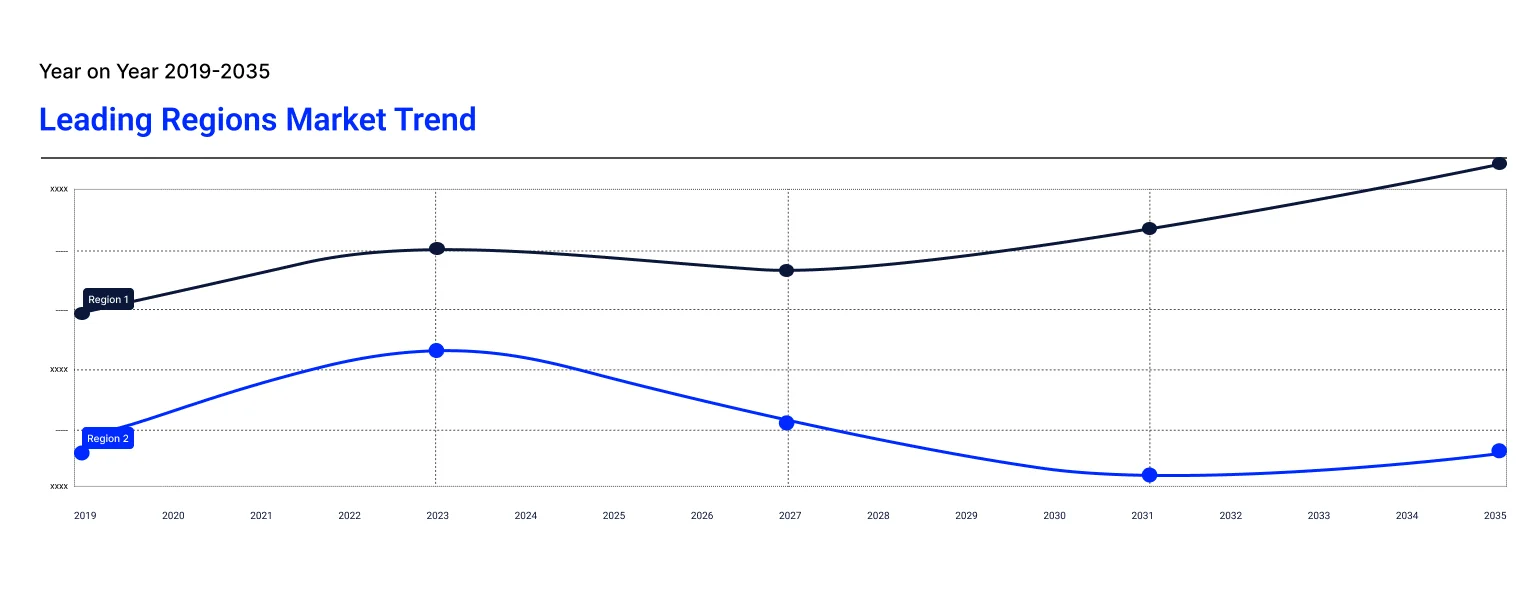
Asia Pacific is the dominant regional electrical steel market, accounting for over 60% of global production and consumption, led by China the world's largest electrical steel producer and consumer Japan, South Korea, and India. India is the fastest-growing national market within Asia Pacific for electrical steel, driven by the government's National Smart Grid Mission grid expansion program, rapidly growing transformer manufacturing industry supplying both domestic and export markets, expanding EV production supported by government PLI incentives, and rising industrial motor demand from the manufacturing sector. The rising production of grain-oriented electrical steel in India with TATA Steel and JSW Steel among the domestic producers expanding electrical steel capacity is progressively reducing India's import dependence and supporting regional electrical steel market development.
North America is a significant and growing electrical steel market, supported by major grid modernisation investment under the US Department of Energy's Grid Deployment Office programs, the Infrastructure Investment and Jobs Act's transmission and grid resilience funding, and the accelerating adoption of EVs across the US market driven by IRA tax credits. Cleveland-Cliffs is the primary domestic NOES producer in the United States, supplying transformer and motor manufacturers across North America. The announcement of Cleveland-Cliffs supplying the US Pentagon with USD 400 million worth of electrical steel underscores the strategic national security importance of domestic electrical steel production capacity for US defence and grid infrastructure applications.
Saudi Arabia represents the most commercially active electrical steel market within the Middle East and Africa region, driven by the Kingdom's Vision 2030 economic transformation agenda that includes massive investment in power generation capacity, grid infrastructure expansion, industrial development, and the nascent electric vehicle manufacturing and adoption ecosystem. The Saudi Electricity Company's transmission and distribution grid expansion programs require large volumes of power and distribution transformers, creating consistent procurement demand for grain-oriented electrical steel from international and regional transformer manufacturers supplying the Saudi market. The industrial development zones at NEOM, Yanbu, and Jubail are creating new industrial motor and generator demand that is adding to Saudi Arabia's electrical steel consumption growth trajectory.
Europe is a mature but strategically important and growing electrical steel market, shaped by aggressive grid decarbonisation investment under the EU's REPowerEU program, mandatory transformer efficiency standards under Ecodesign Regulation (EU) 2019/1783, and the EU's status as the world's leading EV adoption market outside China. ThyssenKrupp Steel Europe and Voestalpine AG are the primary European GOES producers, while ArcelorMittal is expanding its European electrical steel production capacity through its April 2026 project launch in France and June 2026 EAF integration announcement. The growing European transformer replacement cycle driven by the IEC 60076 efficiency upgrade standards and EU Taxonomy green investment requirements is sustaining GOES demand growth across the forecast period.
Australia is an emerging market for electrical steel, driven by the country's ambitious renewable energy transition under the National Electricity Market reforms, accelerating EV adoption supported by state government incentives across Victoria, New South Wales, and Queensland, and significant grid infrastructure investment by transmission system operators including TransGrid and AusNet. Australia's electrical steel market is primarily served by imports from Japan, South Korea, and China, with domestic consumption growing in line with transformer procurement for renewable energy generation connection and distribution grid reinforcement.
The report presents a detailed analysis of the following key players in the global electrical steel market, looking into their capacity, market share, and latest developments like capacity expansions, plant turnabouts and mergers and acquisitions.
The comprehensive report looks at the micro and macro aspects of the industry. The Expert Market Research report gives an in-depth insight into the market by providing a SWOT analysis as well as an analysis of the Porter’s Five Forces Model.
North America Stainless Steel Market
Saudi Arabia Structural Steel Market
Asia Pacific Stainless Steel Market
Europe Stainless Steel Market
South Korea Steel Market
Weathering Steel Market
Structural Steel Market
Stainless Steel Market
Africa Steel Market
Steel Market


Upto 15% Off
USD
$2499 $2249
$3999 $3599
$4999 $4249
$5999 $5099


*While we strive to always give you current and accurate information, the numbers depicted on the website are indicative and may differ from the actual numbers in the main report. At Expert Market Research, we aim to bring you the latest insights and trends in the market. Using our analyses and forecasts, stakeholders can understand the market dynamics, navigate challenges, and capitalize on opportunities to make data-driven strategic decisions.*
The market attained a value of approximately USD 49.77 Billion in 2025.
The market is projected to grow at a CAGR of 7.20% in the forecast period of 2026-2035.
The market is estimated to witness a healthy growth in the forecast period of 2026-2035 to reach about USD 99.75 Billion by 2035.
The market is being driven by the increasing deployment of electrical steel in power generation, growing demand from the automotive sector, and rising disposable incomes.
The key trends of the market include the growing deployment of renewable energy and favourable initiatives by various governments to promote urbanisation and industrialisation.
The major regional markets for electrical steel are North America, Latin America, the Asia Pacific, Europe, and the Middle East and Africa.
The leading types of electrical steel are grain-oriented electrical steel and non-grain-oriented electrical steel.
The major applications of electrical steel are transformers, motors, and generators, among others.
The key players in the global electrical steel market are ArcelorMittal S.A., China Baowu Steel Group Corp., Ltd., Nippon Steel Corporation, United States Steel Corporation, State Authority of India Limited, and Tata Steel Limited.
Explore our key highlights of the report and gain a concise overview of key findings, trends, and actionable insights that will empower your strategic decisions.
| REPORT FEATURES | DETAILS |
| Base Year | 2025 |
| Historical Period | 2019-2025 |
| Forecast Period | 2026-2035 |
| Scope of the Report |
Historical and Forecast Trends, Industry Drivers and Constraints, Historical and Forecast Market Analysis by Segment:
|
| Breakup by Type |
|
| Breakup by Application |
|
| Breakup by Region |
|
| Market Dynamics |
|
| Competitive Landscape |
|
| Companies Covered |
|
| Report Price and Purchase Option | Explore our purchase options that are best suited to your resources and industry needs. |
| Delivery Format | Delivered as an attached PDF and Excel through email, with an option of receiving an editable PPT, according to the purchase option. |
Datasheet
One User
USD 2,499
USD 2,249
tax inclusive*
Single User License
One User
USD 3,999
USD 3,599
tax inclusive*
Five User License
Five User
USD 4,999
USD 4,249
tax inclusive*
Corporate License
Unlimited Users
USD 5,999
USD 5,099
tax inclusive*
*Please note that the prices mentioned below are starting prices for each bundle type. Kindly contact our team for further details.*
Flash Bundle
Small Business Bundle
Growth Bundle
Enterprise Bundle
*Please note that the prices mentioned below are starting prices for each bundle type. Kindly contact our team for further details.*
Flash Bundle
Number of Reports: 3
20%
tax inclusive*
Small Business Bundle
Number of Reports: 5
25%
tax inclusive*
Growth Bundle
Number of Reports: 8
30%
tax inclusive*
Enterprise Bundle
Number of Reports: 10
35%
tax inclusive*
How To Order

Select License Type
Choose the right license for your needs and access rights.

Click on ‘Buy Now’
Add the report to your cart with one click and proceed to register.

Select Mode of Payment
Choose a payment option for a secure checkout. You will be redirected accordingly.
Strategic Solutions for Informed Decision-Making
Gain insights to stay ahead and seize opportunities.

Get insights & trends for a competitive edge.

Track prices with detailed trend reports.

Analyse trade data for supply chain insights.

Leverage cost reports for smart savings

Enhance supply chain with partnerships.

Connect For More Information
Our expert team of analysts will offer full support and resolve any queries regarding the report, before and after the purchase.
Our expert team of analysts will offer full support and resolve any queries regarding the report, before and after the purchase.
We employ meticulous research methods, blending advanced analytics and expert insights to deliver accurate, actionable industry intelligence, staying ahead of competitors.
Our skilled analysts offer unparalleled competitive advantage with detailed insights on current and emerging markets, ensuring your strategic edge.
We offer an in-depth yet simplified presentation of industry insights and analysis to meet your specific requirements effectively.




