

Consumer Insights
Uncover trends and behaviors shaping consumer choices today
Procurement Insights
Optimize your sourcing strategy with key market data
Industry Stats
Stay ahead with the latest trends and market analysis.
The global canine arthritis treatment market attained a value of USD 2.44 Billion in 2025 and is projected to expand at a CAGR of 5.00% through 2035. The market is further expected to achieve USD 3.97 Billion by 2035. The development and adoption of targeted biologic treatments are expanding therapeutic options for canine arthritis. Zoetis’ Librela, an anti-nerve growth factor monoclonal antibody administered monthly, has introduced an alternative to conventional pain-management approaches. FDA approval and subsequent clinical evidence comparing Librela with meloxicam are supporting greater veterinary awareness and treatment adoption.
Rising longevity among companion dogs is increasing the need for sustained arthritis management, as veterinary guidelines identify senior dogs as requiring closer monitoring for osteoarthritis risk and progression. Growing emphasis on early, multimodal management is also expanding treatment demand, with veterinarians increasingly combining pharmacological, nutritional, rehabilitation, and weight-management approaches. For example, 2025 veterinary guidance recommends integrating physical, nutritional, and analgesic interventions across different stages of canine osteoarthritis, encouraging earlier and more comprehensive care, thereby boosting the canine arthritis treatment market value.
Wearable sensor technology is emerging as a niche innovation for monitoring canine osteoarthritis outside veterinary clinics. In a 2025 exploratory study, the Maven Pet AI System combined accelerometers and gyroscopes to continuously track activity and rest patterns in dogs with osteoarthritis. Among five monitored dogs, the system identified nine clinically relevant events, with activity deviations corresponding to symptom onset, treatment response, or recovery in eight cases. Such technology could help veterinarians detect subtle mobility changes earlier, objectively monitor treatment outcomes, and personalise long-term arthritis management using real-world activity data.
One of the major problems posing threat to the canine arthritis treatment market players is that of dealing with the adverse effects of medications that might arise due to prolonged usage such as NSAIDs, which affect the stomach, kidneys, and liver. This problem can be overcome by using more targeted approaches, carrying out extensive clinical trials on the drugs for extended periods of time, and better monitoring by veterinarians. Frequent blood tests and urine tests, proper dosage and personalized treatment regimens can help minimize risk even as pain management is still achieved, thus aiming more towards the canine arthritis treatment market developments.
Compound Annual Growth Rate
5%
Value in USD Billion
2026-2035
Read more about this report - REQUEST FREE SAMPLE COPY IN PDF
Zoetis launched Lenivia (izenivetmab injection) in Canada and European Union member states, providing up to three months of osteoarthritis pain management through a single subcutaneous injection. The long-acting anti-NGF monoclonal antibody represents a major advancement in treatment convenience. The launch strengthens the market for long-acting biologics and expands alternatives to frequently administered canine arthritis therapies.
The UK Veterinary Medicines Directorate approved Lenivia (izenivetmab injection) for alleviating osteoarthritis-associated pain in dogs, with dosing scheduled once every three months. The authorisation expands access to long-acting anti-NGF therapy in Great Britain. The development strengthens competition in injectable canine arthritis treatments and supports the market’s transition toward targeted biologics offering less frequent administration.
The UK Veterinary Medicines Directorate completed an in-depth assessment of selected adverse events associated with Librela, including reports involving death and rapid arthritis deterioration. The regulator continued to support the product’s benefit-risk profile while emphasising pharmacovigilance. The assessment influences the canine arthritis treatment market by reinforcing safety monitoring, veterinarian awareness, and evidence-based prescribing of biologic therapies.
TVM UK advanced DogStem, an intra-articular stem-cell therapy containing equine umbilical-cord-derived mesenchymal stem cells for reducing pain and lameness associated with canine hip and elbow osteoarthritis. The product is authorised across multiple European markets. The development strengthens the regenerative-treatment segment and expands the canine arthritis market beyond conventional NSAIDs and symptomatic pain-management therapies.
The market for treatment of canine arthritis has transitioned from the use of NSAIDs towards biological treatment products. In July 2026, Zoetis introduced Lenivia in the Canadian and EU market which delivers pain relief for up to three months from just one injection of subcutaneous administration for dogs that suffer from osteoarthritis. This product targets nerve growth factor (NGF), giving it a differentiation in comparison with traditional NSAIDs. Earlier, Lenivia was approved in Great Britain in May 2026. Long-acting drugs are important in terms of treatment convenience and control by the veterinarian over pain management, thus affecting the canine arthritis treatment market dynamics and trends.
Despite the emergence of biologics, NSAIDs remain a core treatment category because they address both pain and inflammation and have extensive clinical experience. Boehringer Ingelheim's METACAM (meloxicam) and PREVICOX (firocoxib) are established canine OA products, available through oral and injectable formulations depending on the product. METACAM's oral suspension supports weight-based dose adjustment, while its injectable formulation can provide an in-clinic starting treatment. PREVICOX is offered as a once-daily chewable tablet. This established infrastructure means NSAIDs are expected to remain important alongside newer therapies rather than being immediately displaced.
Veterinary treatment decisions are increasingly influenced by comparative clinical evidence, safety monitoring, disease staging, and individual patient characteristics. In March 2025, Zoetis reported results from a study comparing Librela with meloxicam for canine OA pain. The company reported equivalent efficacy from Day 14, while fewer adverse events were recorded in the Librela group in that study. Although the trial was relatively small and short, such head-to-head evidence contributes to clinical discussions around selecting between biologic and conventional approaches, thereby boosting the trends in the canine arthritis treatment market.
Safety monitoring is emerging as an increasingly important factor in this market due to the increasing popularity of chronic treatments for canine OA. The United Kingdom’s Veterinary Medicines Directorate conducted a thorough safety review of certain adverse reactions linked to Librela in February 2026 and found that the benefit-to-risk ratio continued to be favorable. In May 2026, it also added additional product information with regard to extremely rare adverse reaction cases that included joint swelling, joint pain, bone and joint disorders, and soft tissue ossification. These kinds of actions by regulatory authorities are creating stricter mandates for informed prescription practices, patient monitoring, and reporting of adverse events.
Canine arthritis is becoming more common and is now being managed as a long-term chronic condition that requires continued treatment rather than short-term pain management alone. Veterinary practices may include pharmacotherapy alongside weight management, physiotherapy, physical therapy, nutritional supplements, hydrotherapy, and various other methods. According to the existing veterinary literature, non-steroidal anti-inflammatory drugs and monoclonal antibodies against NGF are seen as primary pharmaceutical choices but also accept regeneration treatments, intra-articular injections and non-pharmacological therapies as parts of the overall management scheme.
The Expert Market Research’s report titled "Canine Arthritis Treatment Market Report and Forecast 2026-2035” offers a detailed analysis of the market based on the following segments:
Market Breakup by Treatment
Key Insight: There have been several approaches that have gained momentum, including non-steroidal anti-inflammatory drugs, due to proven efficacy and their veterinary applications. The opioids have continued to play a significant role in managing acute and chronic pain situations, especially before surgery. There have been new advances in the area of stem cell therapy, which have been applied to dogs suffering from osteoarthritis using adipose derived stem-cell products, thereby opening up new opportunities and boosting the growth of the canine arthritis treatment market.
Market Breakup by Route of Administration
Key Insight: Oral treatments are gaining traction due to the established use of prescription NSAIDs such as carprofen, deracoxib, firocoxib, grapiprant, and meloxicam, with several approved specifically for canine osteoarthritis and suitable for continued at-home management. Injectable therapies are expanding through long-acting treatments such as Librela (bedinvetmab), a monthly subcutaneous monoclonal antibody injection approved by the FDA for controlling osteoarthritis pain in dogs.
Market Breakup by Distribution Channel
Key Insight: The distribution of canine arthritis treatment via veterinary hospitals and clinics continues to be important since veterinary prescription drugs are controlled by veterinarians. Retail pharmacies have access to these prescription drugs, while online sales continue to increase due to online delivery and online prescriptions. The FDA supports the fact that the veterinary NSAIDs that are approved for use are only prescription-based, making distribution important. Purchasing online is becoming common; however, reputable websites have to validate prescriptions prior to distributing these prescription veterinary drugs.
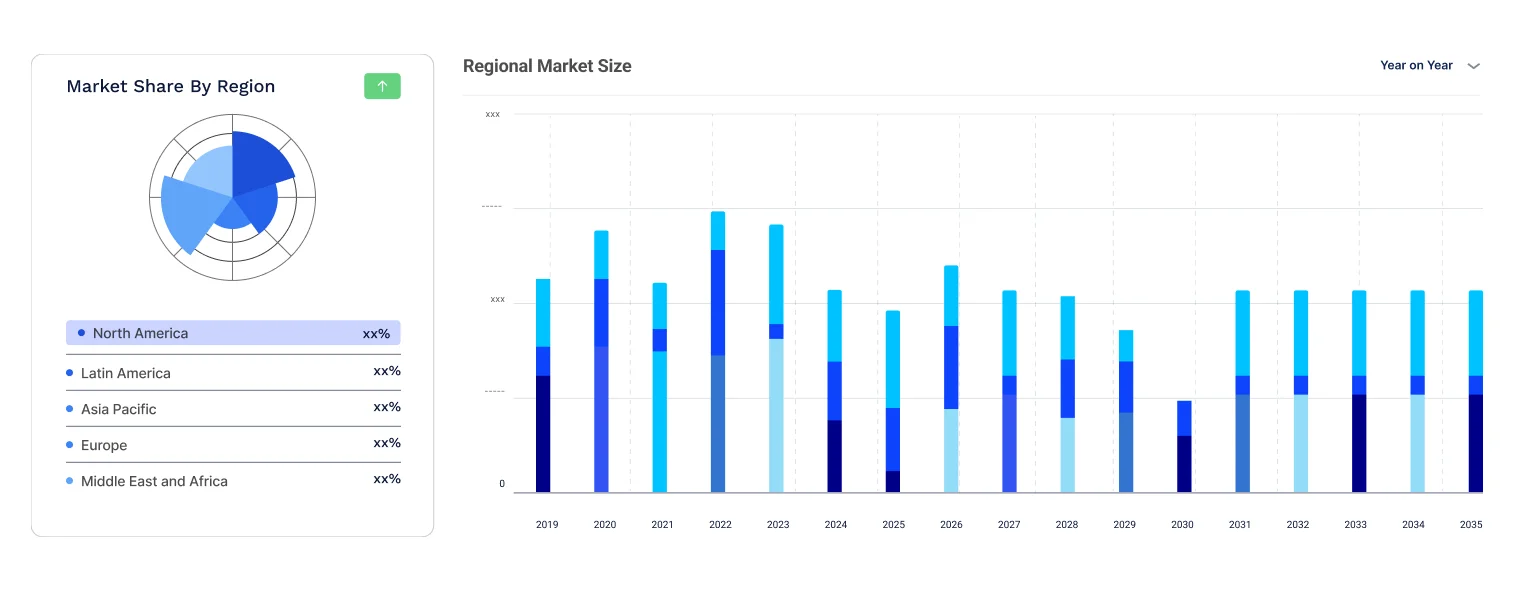
Market Breakup by Region
Key Insight: North America remains a major regional market, supported by established veterinary infrastructure and availability of advanced therapies. The United States approved Librela (bedinvetmab) in May 2023, introducing the first FDA-approved monoclonal antibody for canine osteoarthritis pain. Europe has also demonstrated strong adoption of advanced treatments, with Librela receiving European authorisation in 2020. Asia Pacific is expanding as therapies reach additional markets; Australia registered Beransa (bedinvetmab) in September 2022. Latin America and the Middle East and Africa are also gaining access as bedinvetmab has been licensed across more than 50 territories globally.

Read more about this report - REQUEST FREE SAMPLE COPY IN PDF
By treatment, NSAIDs dominate owing to their established use in managing canine osteoarthritis pain and inflammation
The NSAID category is the leading treatment class based on its proven effectiveness in the treatment of osteoarthritis pain in dogs. Some of the FDA-approved veterinary NSAIDs in the US include Carprofen, Deracoxib, Firocoxib, Grapiprant, Meloxicam, and Robenacoxib. There are several brands of drugs like Rimadyl, Galliprant, and Metacam among others. Such developments will thus boost the canine arthritis treatment market dynamics and trends in the long run.
Stem cell therapy is gaining momentum as veterinarians and developers explore regenerative approaches beyond conventional symptom management. However, current evidence and regulatory adoption remain more limited than established drug therapies. The broader shift toward advanced treatments is illustrated by Zoetis’ Librela, a monoclonal antibody for canine osteoarthritis pain, approved by the FDA and administered monthly. This demonstrates growing interest in targeted, biologic-based alternatives within canine arthritis care.
By route of administration, oral administration dominates owing to convenient at-home dosing and widespread NSAID availability
Oral administration continues to be the most common method due to the availability of prescription NSAID drugs like Rimadyl (carprofen), Galliprant (grapiprant), Deramaxx (deracoxib), and Previcox (firocoxib). According to the FDA, there are many oral options for treatment of osteoarthritis in dogs that can be used at home as a chronic condition management tool.
Injectable administration is gaining momentum with the expansion of long-acting and biologic therapies. Zoetis’ Librela (bedinvetmab), FDA-approved in May 2023, is administered subcutaneously once monthly for controlling osteoarthritis pain in dogs. Its weight-based dosing and veterinary-administered format provide an alternative to daily oral medication, supporting growing interest in injectable arthritis management.
By distribution channel, veterinary hospitals and clinics dominate owing to prescription requirements and monitoring
Veterinary hospitals and clinics form the leading distribution channel since canine arthritis treatments are often needed to be prescribed, diagnosed, monitored, or administered by a veterinarian. Canine NSAIDs approved by the FDA are available only by prescription, and Librela (bedinvetmab) is a treatment that has to be prescribed and administered by a veterinarian.
Online distribution is experiencing rapid growth as pet owners increasingly seek convenient access to prescribed canine medicines through digital veterinary-pharmacy platforms. However, prescription requirements remain important: the FDA states that approved veterinary NSAIDs can only be dispensed under a veterinarian’s prescription. This supports growth in legitimate online channels that integrate prescription verification with home delivery.
By region, North America dominates due to advanced veterinary infrastructure, high pet-care spending, and strong adoption of innovative canine arthritis therapies
North America remains the dominant regional market, supported by advanced veterinary infrastructure, high adoption of prescription therapies, and strong availability of canine osteoarthritis treatments. The United States is particularly significant, with the FDA approving Librela (bedinvetmab) in May 2023 as the first monoclonal antibody approved for controlling osteoarthritis pain in dogs. The region also has established products such as Galliprant, Rimadyl, Metacam, and Adequan Canine, strengthening treatment accessibility and veterinary adoption. Such factors are directly boosting the canine arthritis treatment market regional growth.
Asia Pacific is emerging as the fastest-growing regional market as veterinary healthcare infrastructure and access to advanced companion-animal therapies expand. Australia provides a notable example, where the Australian Pesticides and Veterinary Medicines Authority registered Beransa (bedinvetmab) in 2022 for alleviating osteoarthritis pain in dogs. Growing availability of biologic treatments, increasing veterinary capabilities, and greater access to specialised canine healthcare are supporting the region’s shift toward advanced arthritis-management solutions.
Canine arthritis treatment market players are aiming to expand their canine arthritis portfolios through targeted, longer-lasting, and more convenient therapies that improve pain control and treatment adherence. Companies are investing in biologics, novel mechanisms, and regenerative approaches while strengthening clinical evidence and veterinary education.
Canine arthritis treatment companies are also focusing on broader market penetration by expanding veterinary distribution, offering varied administration formats, and developing solutions suited to different stages of osteoarthritis. Strategic emphasis remains on improving safety, treatment accessibility, and long-term mobility outcomes while addressing the growing needs of aging dogs.
Established in 1885, Boehringer Ingelheim is headquartered in Germany. Its specialization in canine arthritis treatment is its established pain-management portfolio, particularly METACAM (meloxicam), available in oral and injectable formulations. Multiple administration options provide veterinarians with flexibility in managing osteoarthritis-related pain and inflammation, supported by the company’s long-standing animal-health expertise.
Established in 1967, American Regent is headquartered in the United States. Its key offering is Adequan Canine (polysulfated glycosaminoglycan), an injectable joint-health therapy designed for managing degenerative and traumatic arthritis in dogs. The company differentiates itself through its long-standing animal-health business and focus on joint-health solutions for dogs and horses.
Established in 1954, Elanco Animal Health is headquartered in the United States. Its key canine arthritis offering is Galliprant (grapiprant), an NSAID specifically developed for canine osteoarthritis. Its targeted EP4 receptor mechanism distinguishes it from conventional NSAIDs, while its once-daily chewable formulation supports convenient administration for pet owners managing long-term arthritis treatment.
Established as an independent company in 2013, Zoetis is headquartered in the United States. Its USP is its broad companion-animal therapeutic portfolio, including Rimadyl (carprofen) for canine osteoarthritis pain and inflammation. Its extensive animal-health expertise, global reach, and diversified veterinary product portfolio enable it to provide treatment options addressing different canine health requirements.
*Please note that this is only a partial list; the complete list of key players is available in the full report. Additionally, the list of key players can be customized to better suit your needs.*
Unlock opportunities in the global canine arthritis treatment market with Expert Market Research. Use market forecasts and competitive insights to support informed business decisions.


Upto 15% Off
USD
$2499 $2249
$3999 $3599
$4999 $4249
$5999 $5099


*While we strive to always give you current and accurate information, the numbers depicted on the website are indicative and may differ from the actual numbers in the main report. At Expert Market Research, we aim to bring you the latest insights and trends in the market. Using our analyses and forecasts, stakeholders can understand the market dynamics, navigate challenges, and capitalize on opportunities to make data-driven strategic decisions.*
In 2025, the market reached an approximate value of USD 2.44 Billion.
The market is projected to grow at a CAGR of 5.00% between 2026 and 2035.
Key strategies include adopting multimodal treatment plans, expanding advanced pain therapies, promoting weight management and rehabilitation, developing targeted therapies, improving early diagnosis, and strengthening veterinary and pet-owner education.
The key trends guiding the market development include increasing pet adoptions and the growing awareness regarding canine arthritis treatment.
The major regions in the canine arthritis treatment are North America, Latin America, the Middle East and Africa, Europe, and the Asia Pacific.
The major routes of administration of canine arthritis treatment include oral and injectable.
The various treatment segments considered in the market report are non-steroidal anti-inflammatory medications (NSAIDs), opioids, and stem cell therapy, among others.
The significant distribution channels in the market include veterinary hospitals and clinics, retail pharmacies, and online, among others.
The key players in the market include Boehringer Ingelheim (Canada) Ltd., American Regent, Inc., Elanco Animal Health Incorporated, Zoetis Services LLC, among others.
The key challenges include high treatment costs, limited access to advanced therapies, potential medication side effects, delayed diagnosis, variable treatment responses, and owners’ difficulties maintaining long-term treatment adherence.
Explore our key highlights of the report and gain a concise overview of key findings, trends, and actionable insights that will empower your strategic decisions.
| REPORT FEATURES | DETAILS |
| Base Year | 2025 |
| Historical Period | 2019-2025 |
| Forecast Period | 2026-2035 |
| Scope of the Report |
Historical and Forecast Trends, Industry Drivers and Constraints, Historical and Forecast Market Analysis by Segment:
|
| Breakup by Treatment |
|
| Breakup by Route of Administration |
|
| Breakup by Distribution Channel |
|
| Breakup by Region |
|
| Market Dynamics |
|
| Competitive Landscape |
|
| Companies Covered |
|
| Report Price and Purchase Option | Explore our purchase options that are best suited to your resources and industry needs. |
| Delivery Format | Delivered as an attached PDF and Excel through email, with an option of receiving an editable PPT, according to the purchase option. |
Datasheet
One User
USD 2,499
USD 2,249
tax inclusive*
Single User License
One User
USD 3,999
USD 3,599
tax inclusive*
Five User License
Five User
USD 4,999
USD 4,249
tax inclusive*
Corporate License
Unlimited Users
USD 5,999
USD 5,099
tax inclusive*
*Please note that the prices mentioned below are starting prices for each bundle type. Kindly contact our team for further details.*
Flash Bundle
Small Business Bundle
Growth Bundle
Enterprise Bundle
*Please note that the prices mentioned below are starting prices for each bundle type. Kindly contact our team for further details.*
Flash Bundle
Number of Reports: 3
20%
tax inclusive*
Small Business Bundle
Number of Reports: 5
25%
tax inclusive*
Growth Bundle
Number of Reports: 8
30%
tax inclusive*
Enterprise Bundle
Number of Reports: 10
35%
tax inclusive*
How To Order

Select License Type
Choose the right license for your needs and access rights.

Click on ‘Buy Now’
Add the report to your cart with one click and proceed to register.

Select Mode of Payment
Choose a payment option for a secure checkout. You will be redirected accordingly.
Strategic Solutions for Informed Decision-Making
Gain insights to stay ahead and seize opportunities.

Get insights & trends for a competitive edge.

Track prices with detailed trend reports.

Analyse trade data for supply chain insights.

Leverage cost reports for smart savings

Enhance supply chain with partnerships.

Connect For More Information
Our expert team of analysts will offer full support and resolve any queries regarding the report, before and after the purchase.
Our expert team of analysts will offer full support and resolve any queries regarding the report, before and after the purchase.
We employ meticulous research methods, blending advanced analytics and expert insights to deliver accurate, actionable industry intelligence, staying ahead of competitors.
Our skilled analysts offer unparalleled competitive advantage with detailed insights on current and emerging markets, ensuring your strategic edge.
We offer an in-depth yet simplified presentation of industry insights and analysis to meet your specific requirements effectively.




