

Consumer Insights
Uncover trends and behaviors shaping consumer choices today
Procurement Insights
Optimize your sourcing strategy with key market data
Industry Stats
Stay ahead with the latest trends and market analysis.
The global charcoal briquette market reached a value of USD 4.14 Billion in 2025. The market is estimated to grow at a CAGR of 6.20% during 2026-2035, to reach a value of USD 7.56 Billion by 2035.
Compound Annual Growth Rate
6.2%
Value in USD Billion
2026-2035
| Global Charcoal Briquette Market Report Summary | Description | Value |
| Base Year | USD Billion | 2025 |
| Historical Period | USD Billion | 2019-2025 |
| Forecast Period | USD Billion | 2026-2035 |
| Market Size 2025 | USD Billion | 4.14 |
| Market Size 2035 | USD Billion | 7.56 |
| CAGR 2019-2025 | Percentage | XX% |
| CAGR 2026-2035 | Percentage | 6.20% |
| CAGR 2026-2035 - Market by Region | Asia Pacific | 7.7% |
| CAGR 2026-2035 - Market by Country | India | 8.2% |
| CAGR 2026-2035 - Market by Country | China | 7.9% |
| CAGR 2026-2035 - Market by Grade (Charcoal & Molasses Ratio) | Grade C | 6.4% |
| CAGR 2026-2035 - Market by Distribution Channel | Direct | 6.9% |
| Market Share by Country 2025 | USA | 17.2% |
Charcoal briquettes offer multiple advantages over lumpy charcoal, such as high combustion value, longer burning time, cost-effectiveness, and easy transportation. The governments in developing countries, such as India, have taken initiatives to produce charcoal to offer livelihood to rural communities and women by making use of the abundant agricultural waste to produce charcoal briquettes and meet the market demand.
Charcoal briquettes burn slower with more heat output than other fuels and last longer, making them cost-effective and increasing their consumption.
Manufacturers of charcoal briquettes are increasing their production capacities to fulfil the demand for an efficient and cheap source of fuel.
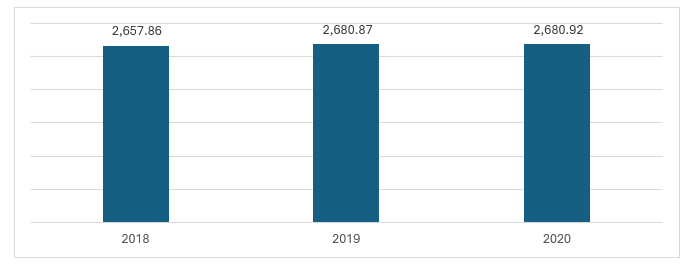
Figure: World Charcoal Production 2018-2020 (10,000 tons)
Bhopal Municipal Corporation shifted its bio-briquette plant to a site near AIIMS in September 2026, with operations expected from early November. The ₹2-crore facility is planned to process 20 tonnes of horticultural waste daily, converting tree-pruning and trimming residues into bio-briquettes. The project is intended to reduce illegal dumping and open burning while creating a usable solid fuel stream. Its planned commissioning highlights municipal interest in converting urban green waste into densified biomass fuels and expanding alternatives to conventional charcoal.
EKI Energy Services’ subsidiary GHG Reduction Technologies inaugurated a biomass briquettes plant in Dindori, Nashik, in August 2026. The facility uses agricultural residues including sugarcane trash, corn cob, soya husk, tamarind and pomegranate waste to produce briquettes for boilers and furnaces. The company positions the product as a cleaner alternative to conventional coal while also helping reduce open agricultural residue burning. The commissioning adds capacity for densified solid biofuels and supports industrial fuel-switching opportunities across Maharashtra and nearby markets.
HOMRE Limited commenced manufacturing operations at its biomass briquettes and pellets facility in Bharatpur, Rajasthan, on May 28, 2026. The plant uses agricultural biomass and forestry residues as feedstock and marks HOMRE’s entry into renewable fuel manufacturing. The development expands commercial availability of densified biomass fuels for industrial applications, including potential substitution of conventional solid fuels. By combining briquettes and pellets at one facility, HOMRE is broadening its product portfolio and strengthening its position within India’s growing alternative-fuel manufacturing ecosystem.
The Philippines Department of Science and Technology highlighted charcoal briquettes developed by the DOST-Forest Products Research and Development Institute in April 2026 as a locally sourced biomass fuel. The initiative focuses on converting abundant biomass into cleaner, energy-efficient fuel products amid the country’s declared energy emergency. DOST said charcoal briquettes, alongside bamboo pellets, can support community-based energy production and reduce reliance on imported fuels. The development reinforces public-sector interest in locally produced densified biomass fuels for resilient, lower-emission energy applications.
Charcoal manufacturers have started focusing their attention on using renewable resources and wastes for manufacturing charcoal briquettes since consumers have become more interested in efficient usage and traceability of resources. Agricultural residues, sawdust, coconut shells, bamboo and other biomass wastes may serve as an alternative to fresh wood resources and contribute to efficient utilization of manufacturing wastes. Research on biochar briquetting highlights densification as a route for converting biomass-derived carbon into fuel products with useful mechanical and combustion characteristics. This trend is encouraging manufacturers to diversify feedstock portfolios and improve carbonisation and densification processes. For commercial and industrial buyers, consistent feedstock quality is increasingly becoming important for maintaining calorific value, ash characteristics, burn duration and product consistency.
Environmental compliance is turning into an increasingly important factor in regard to the suppliers of charcoal briquettes selling their products to European consumers. Deforestation Regulation by the European Union will become mandatory for large and medium operators starting from 30 December 2026, with other timeframes specified for small companies. The regulation demands that the products meet the criteria of deforestation-free and lawful production. Even though the actual applicability of each individual product is defined by its classification and supply chain, the general regulatory trend is toward increasing the importance of origin documents. Suppliers targeting export markets are therefore strengthening sourcing records, chain-of-custody systems and supplier verification to reduce compliance risks.
Charcoal briquette demand is increasingly being influenced by the global clean-cooking transition, particularly in Sub-Saharan Africa where charcoal remains an important household energy source. The International Energy Agency reported in July 2026 that nearly 2 billion people worldwide still lack access to clean cooking solutions, with half of them in Sub-Saharan Africa. At the same time, IRENA has highlighted the continued dependence on charcoal and the need to modernise its production and use rather than assuming an immediate transition away from it. This is encouraging interest in more efficient charcoal production, improved briquette quality and cleaner-burning stove compatibility alongside broader efforts to expand modern cooking fuels.
The barbecue and outdoor cooking industry provides increased opportunities for niche charcoal briquettes that can focus on providing even heat and prolonged combustion. The marketing activities are now becoming more advanced than simply being about providing fuel to include products specifically geared towards grilling needs such as hard wood and coconut shell based charcoal briquettes. Recent market analysis identifies barbecue, outdoor recreational cooking and demand for natural high-heat fuels as important areas supporting charcoal consumption. This trend is encouraging manufacturers and distributors to compete through briquette shape, density, ignition characteristics, burn time, ash generation and packaging formats. Foodservice operators and consumers seeking predictable grilling performance are consequently becoming an important target market for higher-value briquette products.
Charcoal briquettes are gaining broader relevance across industrial applications as manufacturers seek carbon-based fuels and materials for specialised processes. Beyond household cooking and barbecue, charcoal products are used in areas including metallurgy, filtration and purification, creating opportunities for suppliers able to deliver consistent physical and chemical specifications. In addition to the growing use of biomass briquettes in residential and commercial applications, the broader industry for biomass briquettes has shown increased use in industrial applications involving fuel and thermal uses as well as power generation, reflecting increasing interest in densified renewable fuel options. This has meant that charcoal briquette makers are considering the design of an industrial grade briquette.
“Charcoal Briquette Market Report and Forecast 2026-2035” offers a detailed analysis of the market based on the following segments:
Market Breakup by Type
Market Breakup by Application
Market Breakup by Grade (Charcoal & Molasses Ratio)
Market Breakup by Region
| CAGR 2026-2035 - Market by | Grade (Charcoal & Molasses Ratio) |
| Grade C | 6.4% |
| Grade A | 6.0% |
| Grade B | XX% |
| Others | XX% |
| CAGR 2026-2035 - Market by | Distribution Channel |
| Direct | 6.9% |
| Indirect | XX% |
| CAGR 2026-2035 - Market by | Region |
| Asia Pacific | 7.7% |
| North America | 5.6% |
| Europe | XX% |
| Latin America | XX% |
| Middle East and Africa | XX% |
Based on application, barbecue accounts for a significant share of the market
Charcoal briquettes are among the most popular barbecue fuels as they are easy to ignite and have a uniform shape that delivers heat evenly. 100% natural charcoal briquettes that use corn starch binders are available in the market that deliver natural wood flavour to cooked food and can be used as a fuel in different grills.
Based on distribution channel, indirect channels lead the global charcoal briquette market
Manufacturers of charcoal briquette adopt external sales channels to benefit from the third party’s infrastructure and salesforce and avoid the complexities associated with managing distribution logistics.
The market players are focused on providing high quality and innovative charcoal briquettes, meeting the changing demands of consumers
The Clorox Company, based in the United States, offers its product line for health, wellness, household, lifestyle sectors. The company is listed on New York Stock Exchange under the symbol CLX.
Founded in 1952, the company provides charcoal briquettes, lump charcoal, pellets, wood chips and chunks, grills, gas grills, charcoal grills, electric grills, smokers, and pellet grills.
Otago Pte. Ltd., founded in 2018 is primarily engaged in manufacturing high-quality and sustainable char-briquettes, made from coconut shell charcoal and recycled wood charcoal residues/dust.
It is primarily engaged in manufacturing coconut shell charcoal for shisha and hookah in Indonesia. The company has three charcoal briquettes production lines with a daily capacity of ten tones of coconut charcoal briquettes for hookah.
*Please note that this is only a partial list; the complete list of key players is available in the full report. Additionally, the list of key players can be customized to better suit your needs.*
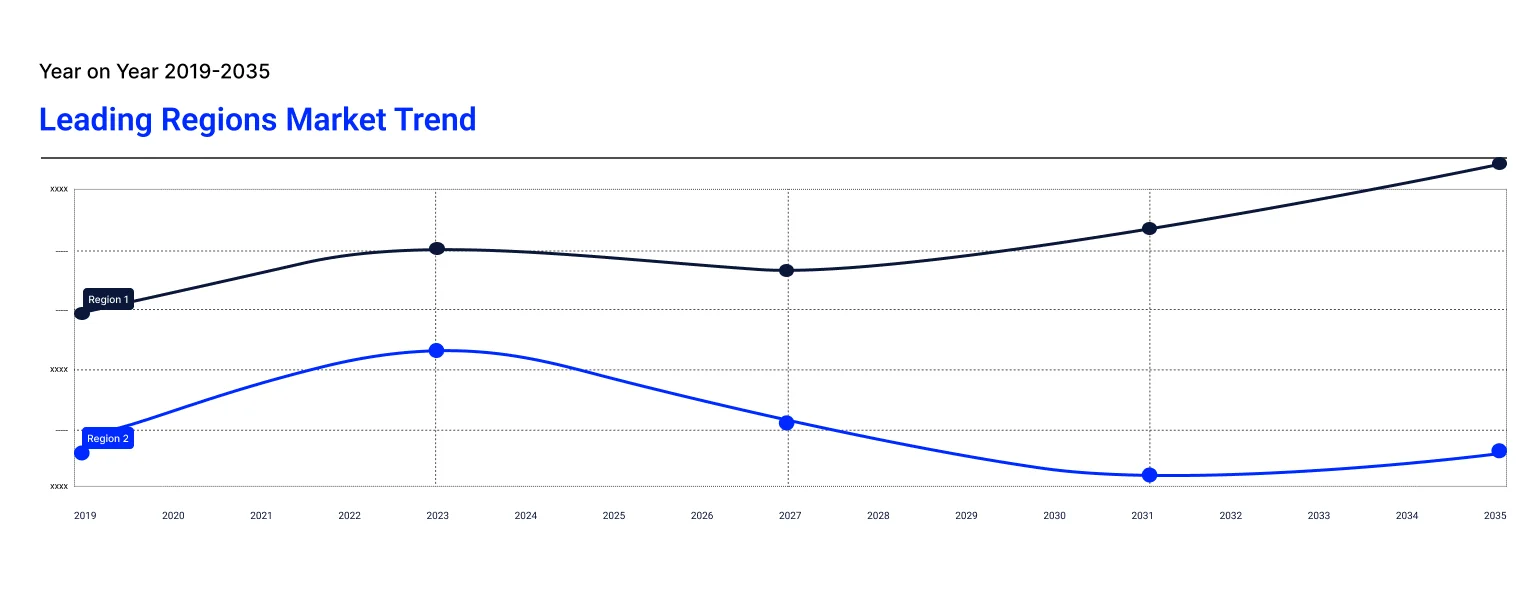
North America is one of the key regional markets due to increased focus of policy makers and citizens to promote sustainability
In North America, charcoal briquette producers are adopting sustainability in their production processes and are restraining from using protected species of trees. Charcoal briquettes produce evenly grilled food with a natural, smoky taste and are environmentally friendly owing to their characteristic property of low smoke during combustion.
| CAGR 2026-2035 - Market by | Country |
| India | 8.2% |
| China | 7.9% |
| South Korea | 7.6% |
| Brazil | 7.1% |
| Mexico | 6.8% |
| USA | XX% |
| Canada | 6.4% |
| UK | XX% |
| France | XX% |
| Italy | XX% |
| Australia | XX% |
| Saudi Arabia | XX% |
| Germany | 5.3% |
| 2025 Market Share by | Country |
| USA | 17.2% |
| Canada | XX% |
| UK | XX% |
| Germany | XX% |
Rural Africa is presenting considerable opportunities for establishing briquette production facilities due to its high demand for it as a cooking and heating fuel. In developing countries, such as Rwanda, the government is promoting the utilisation of charcoal briquettes as a substitute for wood and charcoal for cooking purposes to reduce the country’s dependence on charcoal to 42% of the population by 2024 and reduce deforestation.
Outdoor Cooking Fuel Market Insights
Agricultural Residue Energy Market Trends
Clean Cooking Fuel Market Trends


Upto 15% Off
USD
$2499 $2249
$3999 $3599
$4999 $4249
$5999 $5099


*While we strive to always give you current and accurate information, the numbers depicted on the website are indicative and may differ from the actual numbers in the main report. At Expert Market Research, we aim to bring you the latest insights and trends in the market. Using our analyses and forecasts, stakeholders can understand the market dynamics, navigate challenges, and capitalize on opportunities to make data-driven strategic decisions.*
The market reached a value of USD 4.14 Billion in 2025.
The market is further estimated to grow at a CAGR of 6.20% during 2026-2035.
The market is estimated to witness a healthy growth in the forecast period of 2026-2035 to reach a value of USD 7.56 Billion by 2035.
The different grades of charcoal briquette are grade A, grade B, grade C, and others.
The key regional markets for charcoal briquette are North America, Europe, the Asia Pacific, Latin America, and the Middle East and Africa.
The market is being driven by the growing trend of barbecue, research and development for eco-friendly charcoal briquette production technologies, and the rising demand for sustainable energy.
The applications include the metallurgical industry, barbecue, and others.
The key players in the market include The Clorox Company, Weber-Stephen Products LLC, Bricapar S.A., Otago Pte. Ltd., and PT. Coconut Charcoal Briquettes Factory, among others.
Explore our key highlights of the report and gain a concise overview of key findings, trends, and actionable insights that will empower your strategic decisions.
| REPORT FEATURES | DETAILS |
| Base Year | 2025 |
| Historical Period | 2019-2025 |
| Forecast Period | 2026-2035 |
| Scope of the Report |
Historical and Forecast Trends, Industry Drivers and Constraints, Historical and Forecast Market Analysis by Segment:
|
| Breakup by Type |
|
| Breakup by Application |
|
|
Breakup by Grade (Charcoal & Molasses Ratio) |
|
|
Breakup by Distribution Channel |
|
| Breakup by Region |
|
| Market Dynamics |
|
| Competitive Landscape |
|
| Companies Covered |
|
| Report Price and Purchase Option | Explore our purchase options that are best suited to your resources and industry needs. |
| Delivery Format | Delivered as an attached PDF and Excel through email, with an option of receiving an editable PPT, according to the purchase option. |
Datasheet
One User
USD 2,499
USD 2,249
tax inclusive*
Single User License
One User
USD 3,999
USD 3,599
tax inclusive*
Five User License
Five User
USD 4,999
USD 4,249
tax inclusive*
Corporate License
Unlimited Users
USD 5,999
USD 5,099
tax inclusive*
*Please note that the prices mentioned below are starting prices for each bundle type. Kindly contact our team for further details.*
Flash Bundle
Small Business Bundle
Growth Bundle
Enterprise Bundle
*Please note that the prices mentioned below are starting prices for each bundle type. Kindly contact our team for further details.*
Flash Bundle
Number of Reports: 3
20%
tax inclusive*
Small Business Bundle
Number of Reports: 5
25%
tax inclusive*
Growth Bundle
Number of Reports: 8
30%
tax inclusive*
Enterprise Bundle
Number of Reports: 10
35%
tax inclusive*
How To Order

Select License Type
Choose the right license for your needs and access rights.

Click on ‘Buy Now’
Add the report to your cart with one click and proceed to register.

Select Mode of Payment
Choose a payment option for a secure checkout. You will be redirected accordingly.
Strategic Solutions for Informed Decision-Making
Gain insights to stay ahead and seize opportunities.

Get insights & trends for a competitive edge.

Track prices with detailed trend reports.

Analyse trade data for supply chain insights.

Leverage cost reports for smart savings

Enhance supply chain with partnerships.

Connect For More Information
Our expert team of analysts will offer full support and resolve any queries regarding the report, before and after the purchase.
Our expert team of analysts will offer full support and resolve any queries regarding the report, before and after the purchase.
We employ meticulous research methods, blending advanced analytics and expert insights to deliver accurate, actionable industry intelligence, staying ahead of competitors.
Our skilled analysts offer unparalleled competitive advantage with detailed insights on current and emerging markets, ensuring your strategic edge.
We offer an in-depth yet simplified presentation of industry insights and analysis to meet your specific requirements effectively.




