Consumer Insights
Uncover trends and behaviors shaping consumer choices today
Procurement Insights
Optimize your sourcing strategy with key market data
Industry Stats
Stay ahead with the latest trends and market analysis.
The global conversational AI market was valued at USD 11.91 Billion in 2025 and is projected to reach USD 93.63 Billion by 2035, growing at a CAGR of 22.90% from 2026 to 2035, according to Expert Market Research. North America is the leading regional market, supported by the presence of major technology vendors, strong enterprise adoption of chatbots for routine customer service and rising investment in artificial intelligence. Cloud deployment and the retail and eCommerce end use hold a notable share. Conversational AI combines natural language processing, machine learning and speech recognition to deliver human-like interactions through chatbots, virtual assistants and voice interfaces. The report covers segmentation by component, technology, deployment mode, end use and region, along with the competitive landscape.
Compound Annual Growth Rate
22.9%
Value in USD Billion
2026-2035
Conversational AI is a set of technologies that lets machines understand, process and respond to human language in text or speech. It powers chatbots, virtual assistants and voice-enabled devices that hold natural dialogue with customers and employees. The core building blocks are natural language processing, natural language understanding, machine learning and automated speech recognition, which together interpret intent, manage context and generate replies.
Enterprises adopt conversational AI to give customers immediate, personalised responses at any hour and to lower the cost of routine service. Simple rule-based bots follow scripted flows, while modern systems learn from earlier interactions and handle open-ended questions. The technology supports customer service, sales assistance, internal helpdesks and voice commerce, and it connects with the wider artificial intelligence market and the natural language processing market.
Rising digitalisation and wider adoption of the Internet of Things generate more customer touchpoints and more connected devices that accept spoken or typed commands. Expanding internet access across industries brings new users to chat and voice channels. Each new channel creates demand for a conversational layer that can serve customers without waiting time.
The US Census Bureau reported e-commerce sales of USD 340.2 Billion in the second quarter of 2026, equal to 17.1% of total retail sales and 12.2% higher than the second quarter of 2025. Retailers deploy chatbots and virtual assistants to answer product questions, track orders and guide shoppers through checkout. Personalised recommendations drawn from browsing and purchase history make the experience resemble a human shopping assistant.
Customers expect instant answers on every channel. Chatbots and virtual assistants provide round-the-clock replies, resolve routine issues and route complex cases to human agents. Contact center operators value the shorter wait times and lower handling cost, and readers can explore the call center AI market for related insight.
Voice assistants such as Amazon Alexa, Google Assistant and Apple Siri have made spoken interaction familiar to consumers. Smart speakers and in-car systems extend the same interface into homes and vehicles. This familiarity shortens the learning curve for enterprise voice agents, and the smart speaker market shows how device adoption supports demand.
Leading technology companies are increasing research and development spending on language models, speech systems and conversational platforms. Funding rounds and acquisitions, such as Five9's agreement to acquire Level AI, help vendors scale operations, add engineering teams and enter new verticals and geographies. Continued investment widens product choice for buyers and speeds up the move from pilots to production.
Read more about this report - REQUEST FREE SAMPLE COPY IN PDF
Large language models allow assistants to answer open-ended questions, summarise documents and draft replies in natural language. Their fluent output also creates a risk of hallucination, where a model produces incorrect or irrelevant statements. Vendors respond with retrieval from approved knowledge sources, response checking and trust technologies that detect unreliable answers.
Conversational agents are moving beyond answering questions to completing tasks such as rebooking travel, updating accounts and processing returns. They call business systems through application programming interfaces and hand over to people when confidence is low. Salesforce's reported Agentforce and Data 360 annual recurring revenue of nearly USD 3.9 Billion in the second quarter of fiscal 2027 shows how quickly enterprises are buying agent platforms. Enterprises explore these agents inside the robotic process automation market and customer service workflows.
Conversational systems increasingly remember earlier interactions and stated preferences. This memory supports contextual replies that avoid repeated questions and tailor offers to the individual customer. Unified customer profiles and consent controls make this personalisation practical at scale.
Brands aim to provide a consistent conversation across web chat, messaging apps, email, telephone and in-car or smart speaker channels. Speech recognition and synthesis improve with every model generation, and readers can review the text-to-speech market and speech analytics market for supporting technologies.
Open-source frameworks such as Rasa, Botpress and the Microsoft Bot Framework offer prebuilt functions, documentation and community support. Cloud-based services further lower the effort needed to build a chatbot. Smaller businesses can launch capable assistants without large engineering teams, which broadens the buyer base for the chatbot market.
Article 50 of the EU AI Act, applicable from 2 August 2026, requires chatbot providers to inform people from the first interaction that they are dealing with an AI system. The US Federal Trade Commission's September 2025 orders on companion chatbots show regulators also looking at the effect on children and teens. Vendors are building disclosure notices, age safeguards and audit logs into their platforms.
Market challenges centre on answer accuracy, language coverage and integration. Generative models can produce confident but incorrect replies, and enterprises need guardrails, testing and human review before wide release. Supporting regional languages, accents and dialects adds training effort, and connecting assistants with legacy customer relationship, billing and knowledge systems requires careful design. Rules on AI transparency and the protection of minors are evolving across jurisdictions, which adds compliance work for global deployments. The Expert Market Research report examines how these challenges vary by component, technology and region.
Market restraints include data security concerns, implementation cost and uneven readiness among organisations. Sectors such as banking, healthcare and government prefer tight control over sensitive conversations, which lengthens approval cycles and favours on-premises or private deployment. Smaller organisations weigh licence fees, integration work and skilled-staff needs against expected savings. Customers who prefer human contact for complex problems also limit full automation. Readers may explore the full report for deployment and end-use detail.
Market opportunities span healthcare and life sciences, BFSI, retail and eCommerce, travel and hospitality, and telecom, where round-the-clock engagement raises satisfaction. Healthcare providers use assistants for appointment booking, patient queries and treatment guidance, and the Asia Pacific region offers fast adoption through mobile-first populations. Multilingual voice agents, industry-specific models and managed services give vendors room to differentiate. The Expert Market Research forecast of USD 93.63 Billion by 2035 reflects this widening demand. The full report provides segment-level and regional forecasts to help planning teams prioritise entry points.
Read more about this report - REQUEST FREE SAMPLE COPY IN PDF
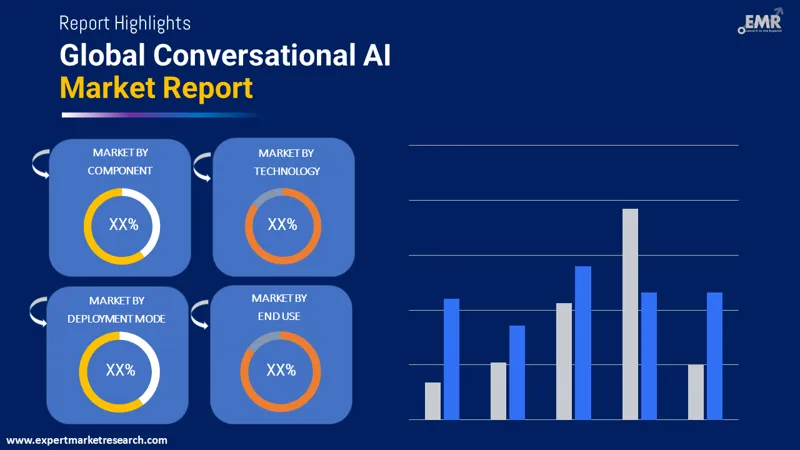
The Expert Market Research report titled “Conversational AI Market Report and Forecast 2026-2035” offers a detailed analysis of the market based on the following segments. Cloud deployment and the retail and eCommerce end use hold a notable share, and North America is the leading region.
Market Breakup by Component
Key Insights: Platform software forms the technical core, covering language understanding, dialogue management, analytics and integration tools. Buyers choose between broad suites from large technology vendors and focused products for specific channels or industries. Services include consulting, design, implementation, training and ongoing support. Implementation effort increases with the number of channels and back-end systems, so services demand follows platform rollouts in large enterprises.
Market Breakup by Technology
Key Insights: Machine learning and deep learning models learn from earlier interactions and improve responses over time. Natural language processing and natural language understanding interpret intent, entities and sentiment in text. Automated speech recognition converts spoken input to text for voice agents, call centres and smart devices. Progress in these technologies has made assistants more accurate and easier for developers to build.
Market Breakup by Deployment Mode
Key Insights: Cloud deployment is expected to dominate as industries such as healthcare and retail consolidate processes and store large volumes of data online. Low maintenance cost and easy scaling support adoption, and the cloud computing market provides wider context. On-premises demand remains meaningful among organisations that prioritise data security, compliance and customisation. Banks, healthcare providers and government bodies value direct control over security protocols and data handling.
Market Breakup by End Use
Key Insights: Retail and eCommerce accounts for a major share, as retailers use assistants for round-the-clock service, issue resolution and guided shopping. Healthcare and life sciences is growing quickly, driven by patient engagement, accessibility and operational efficiency, and the artificial intelligence in healthcare market offers adjacent insight. BFSI (banking, financial services and insurance) uses assistants for balance queries, claims and onboarding. Travel and hospitality firms handle bookings and itinerary changes. Telecom operators answer plan, billing and network queries at very large scale. Media and entertainment companies guide content discovery and subscriber support.
Market Breakup by Region
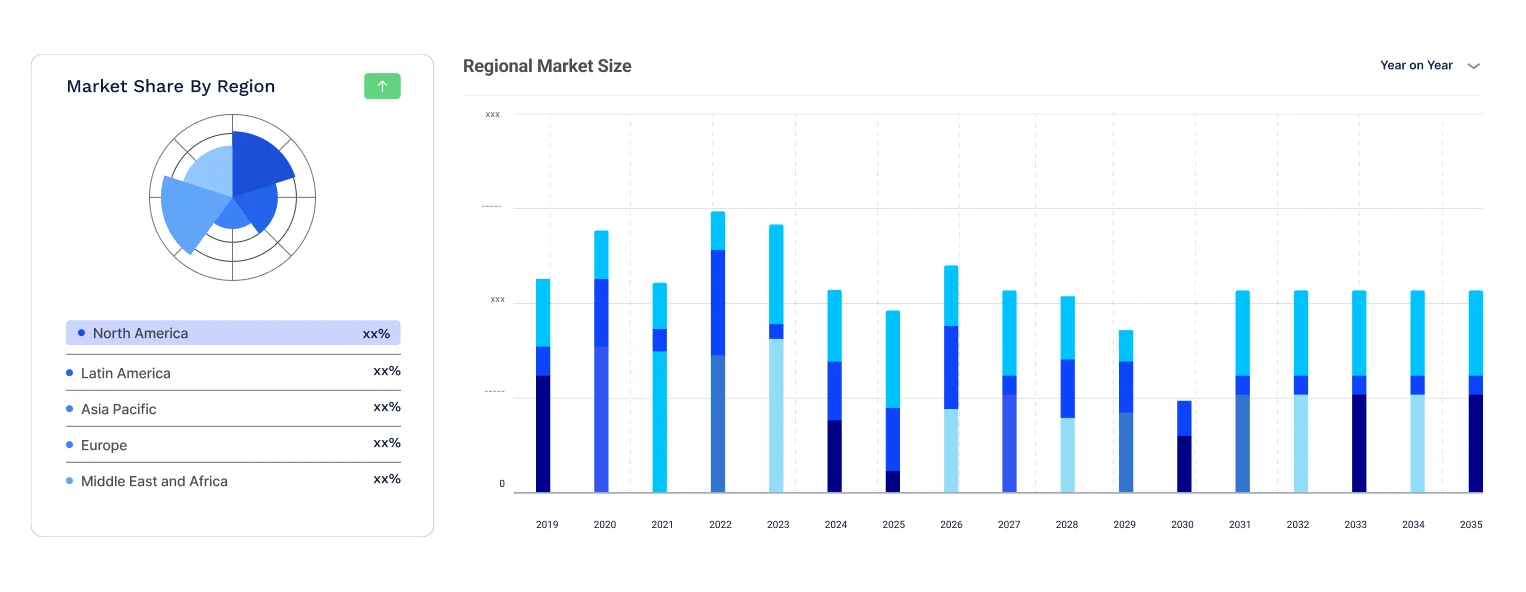
Key Insights: North America holds a leading share through the presence of major vendors and early enterprise adoption. Europe combines strong data protection practice with growing automation of service operations. Asia Pacific is advancing through digital transformation programmes and high smartphone use. Latin America draws banks, retailers and telecom operators. The Middle East and Africa gain from national digital and artificial intelligence strategies, especially in the Gulf.
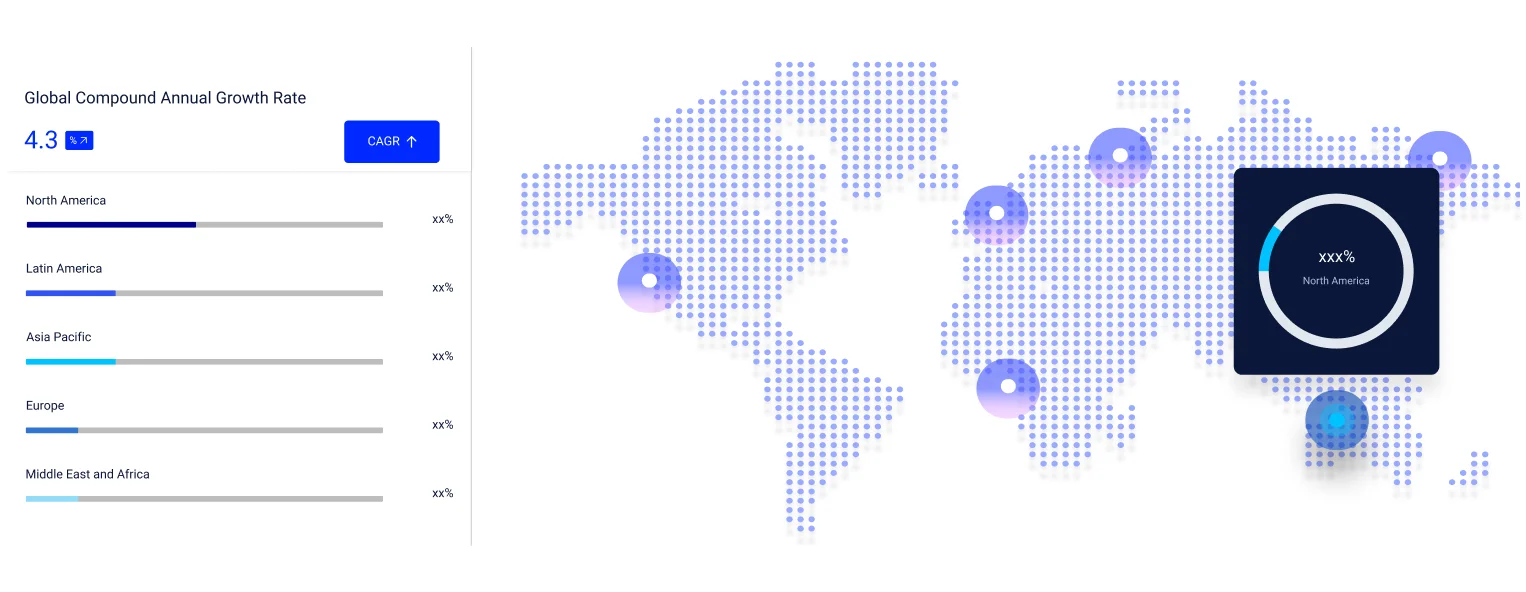
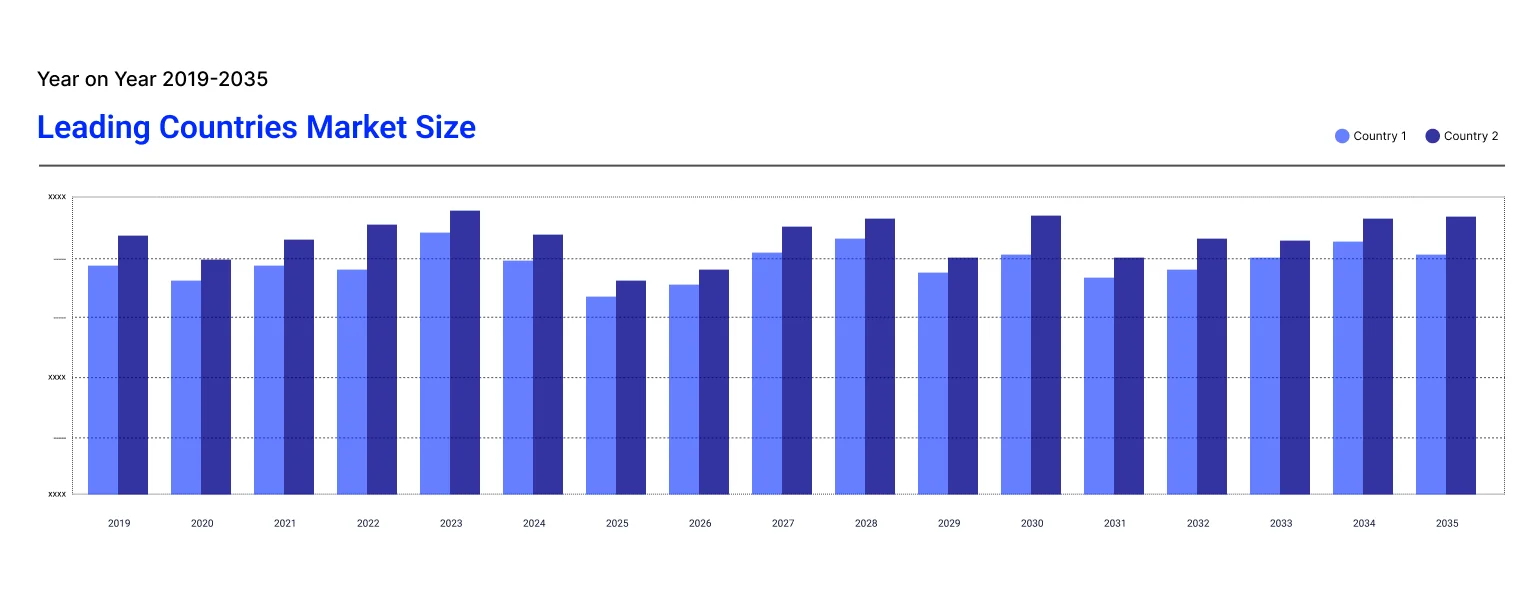
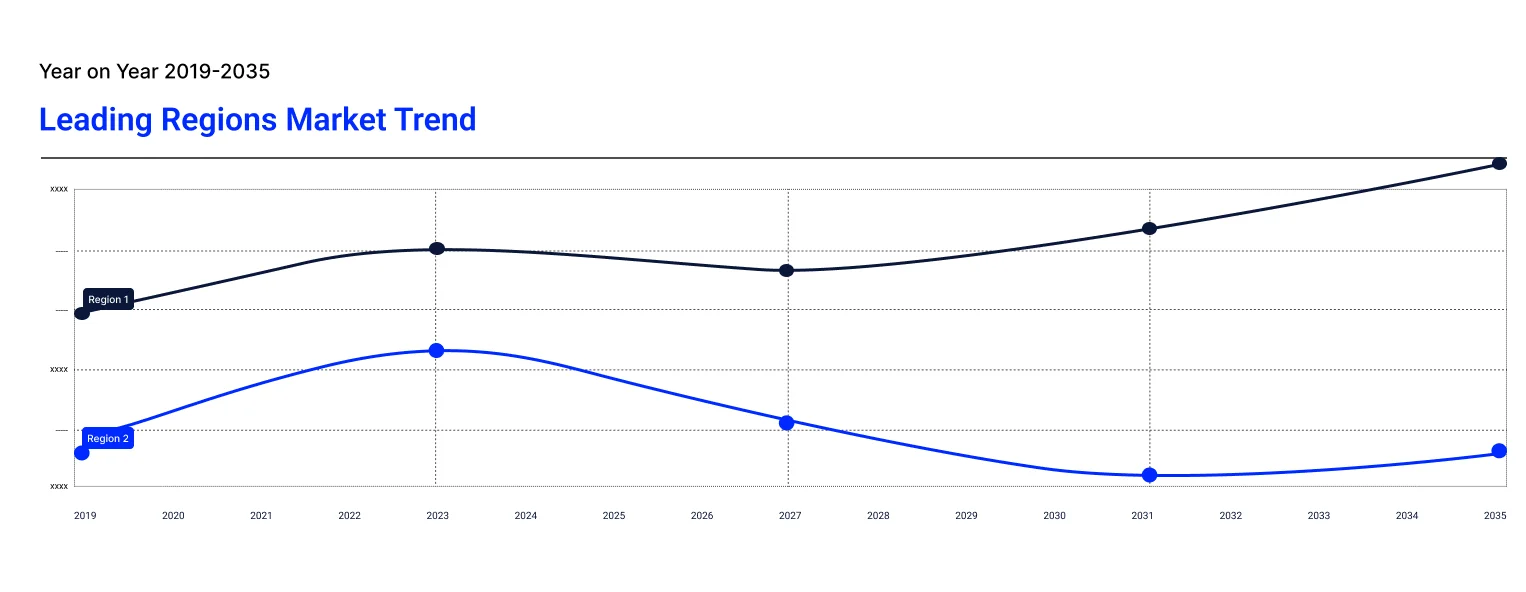
North America is expected to hold a significant share of the market, led by the United States. The presence of leading market players, heightened enterprise adoption of chatbot services for routine customer service and rising investment in artificial intelligence technology support growth. Canada contributes through banking, retail and public service use cases. Readers can explore the North America conversational computing platform market for related regional detail.
Europe’s demand reflects mature customer service operations and strict data protection practice under the General Data Protection Regulation and the AI Act. Article 50 of the AI Act, applicable from 2 August 2026, makes AI disclosure a baseline requirement for chatbots. Germany and the United Kingdom lead adoption, with banking, telecom, retail and public services among the active users. Buyers favour vendors that provide regional hosting, transparent AI disclosure and multilingual coverage.
Asia Pacific is witnessing strong growth as governments and businesses invest in artificial intelligence to improve services, productivity and innovation. High internet and smartphone penetration creates a favourable base for mobile-first conversational applications. India, Japan, South Korea, Singapore, the Philippines and Vietnam are active markets, with regional languages, messaging apps and voice interfaces shaping product design.
Latin America is adopting conversational AI in banking, retail and telecom, where large mobile and messaging user bases make automated service attractive. Portuguese and Spanish language support and integration with local payment and messaging channels influence vendor selection. Brazil and Mexico represent the largest opportunities.
National digital and artificial intelligence strategies in Saudi Arabia and the Gulf Cooperation Council countries are encouraging adoption in government services, banking and telecom. Arabic language support and local data residency are important selection criteria. Adoption in Africa is at an earlier stage, with mobile banking and telecom as natural starting points.
The report profiles the competitive landscape, covering company capacity and latest developments such as mergers, acquisitions, investments and expansions. Vendors compete on language model quality, channel coverage, integration depth and compliance features.
Microsoft Corporation, headquartered in Redmond, Washington, offers conversational AI through Azure AI services, the Microsoft Bot Framework and Copilot Studio. It acquired Nuance Communications in 2022, which added speech recognition and healthcare conversational technology to its portfolio.
Google LLC, a subsidiary of Alphabet Inc. headquartered in Mountain View, California, provides Dialogflow and contact center AI tools on Google Cloud. Its offerings combine language models, speech recognition and speech synthesis for chatbots and voice agents.
Amazon Web Services, Inc., based in Seattle, Washington, supplies Amazon Lex for building chatbots and voice interfaces and Amazon Connect for cloud contact centers. The company also operates the Alexa voice assistant, which has made spoken interaction familiar to consumers.
IBM Corporation, headquartered in Armonk, New York, supplies hybrid cloud, software and consulting services, including watsonx tools for building virtual agents. For the third quarter of 2026, IBM reported software revenue of USD 7,804 Million, up 8%.
Other key players in the conversational AI market include Oracle Corporation, Salesforce, Inc., NICE Ltd., and Avaamo, Inc.
*Please note that this is only a partial list; the complete list of key players is available in the full report. Additionally, the list of key players can be customized to better suit your needs.*


Upto 15% Off
USD
$2499 $2249
$3999 $3599
$4999 $4249
$5999 $5099


*While we strive to always give you current and accurate information, the numbers depicted on the website are indicative and may differ from the actual numbers in the main report. At Expert Market Research, we aim to bring you the latest insights and trends in the market. Using our analyses and forecasts, stakeholders can understand the market dynamics, navigate challenges, and capitalize on opportunities to make data-driven strategic decisions.*
In 2025, the global conversational AI market attained a value of USD 11.91 Billion.
The market is projected to grow at a CAGR of 22.90% between 2026 and 2035.
The market is estimated to witness a healthy growth in the forecast period of 2026-2035 to reach USD 93.63 Billion by 2035.
The major drivers of the market, such as the increased deployment of chatbots in major industry verticals, the rising adoption of IoT solutions, the rapid spread of the internet, and the increasing investments in research and development activities by the leading technology companies, are expected to aid the market growth.
The key market trends guiding the growth of the market include the rapid digitalisation and the growing technological advancements.
The major regions in the market are North America, Latin America, the Middle East and Africa, Europe, and the Asia Pacific.
The significant components considered within the market report include platform and services.
The significant segments based on technology include machine learning and deep learning, natural language processing, and automated speech recognition.
The major deployment modes include cloud and on-premises.
The significant end uses include banking, financial services and insurance, retail and e-commerce, healthcare and life sciences, travel and hospitality, telecom, and media and entertainment.
The major players in the market are Google LLC, Microsoft Corporation, Amazon Web Services (AWS), Oracle Corporation, IBM Corporation, Nuance Communications, Avaamo, Inc., SAP SE, Cognigy GmbH, Rasa Technologies Inc, and Kasisto, Inc., among others.
Explore our key highlights of the report and gain a concise overview of key findings, trends, and actionable insights that will empower your strategic decisions.
| REPORT FEATURES | DETAILS |
| Base Year | 2025 |
| Historical Period | 2019-2025 |
| Forecast Period | 2026-2035 |
| Scope of the Report |
Historical and Forecast Trends, Industry Drivers and Constraints, Historical and Forecast Market Analysis by Segment:
|
| Breakup by Component |
|
| Breakup by Technology |
|
| Breakup by Deployment Mode |
|
| Breakup by End Use |
|
| Breakup by Region |
|
| Market Dynamics |
|
| Competitive Landscape |
|
| Companies Covered |
|
| Report Price and Purchase Option | Explore our purchase options that are best suited to your resources and industry needs. |
| Delivery Format | Delivered as an attached PDF and Excel through email, with an option of receiving an editable PPT, according to the purchase option. |
Datasheet
One User
USD 2,499
USD 2,249
tax inclusive*
Single User License
One User
USD 3,999
USD 3,599
tax inclusive*
Five User License
Five User
USD 4,999
USD 4,249
tax inclusive*
Corporate License
Unlimited Users
USD 5,999
USD 5,099
tax inclusive*
*Please note that the prices mentioned below are starting prices for each bundle type. Kindly contact our team for further details.*
Flash Bundle
Small Business Bundle
Growth Bundle
Enterprise Bundle
*Please note that the prices mentioned below are starting prices for each bundle type. Kindly contact our team for further details.*
Flash Bundle
Number of Reports: 3
20%
tax inclusive*
Small Business Bundle
Number of Reports: 5
25%
tax inclusive*
Growth Bundle
Number of Reports: 8
30%
tax inclusive*
Enterprise Bundle
Number of Reports: 10
35%
tax inclusive*
How To Order

Select License Type
Choose the right license for your needs and access rights.

Click on ‘Buy Now’
Add the report to your cart with one click and proceed to register.

Select Mode of Payment
Choose a payment option for a secure checkout. You will be redirected accordingly.
Strategic Solutions for Informed Decision-Making
Gain insights to stay ahead and seize opportunities.

Get insights & trends for a competitive edge.

Track prices with detailed trend reports.

Analyse trade data for supply chain insights.

Leverage cost reports for smart savings

Enhance supply chain with partnerships.

Connect For More Information
Our expert team of analysts will offer full support and resolve any queries regarding the report, before and after the purchase.
Our expert team of analysts will offer full support and resolve any queries regarding the report, before and after the purchase.
We employ meticulous research methods, blending advanced analytics and expert insights to deliver accurate, actionable industry intelligence, staying ahead of competitors.
Our skilled analysts offer unparalleled competitive advantage with detailed insights on current and emerging markets, ensuring your strategic edge.
We offer an in-depth yet simplified presentation of industry insights and analysis to meet your specific requirements effectively.