

Consumer Insights
Uncover trends and behaviors shaping consumer choices today
Procurement Insights
Optimize your sourcing strategy with key market data
Industry Stats
Stay ahead with the latest trends and market analysis.
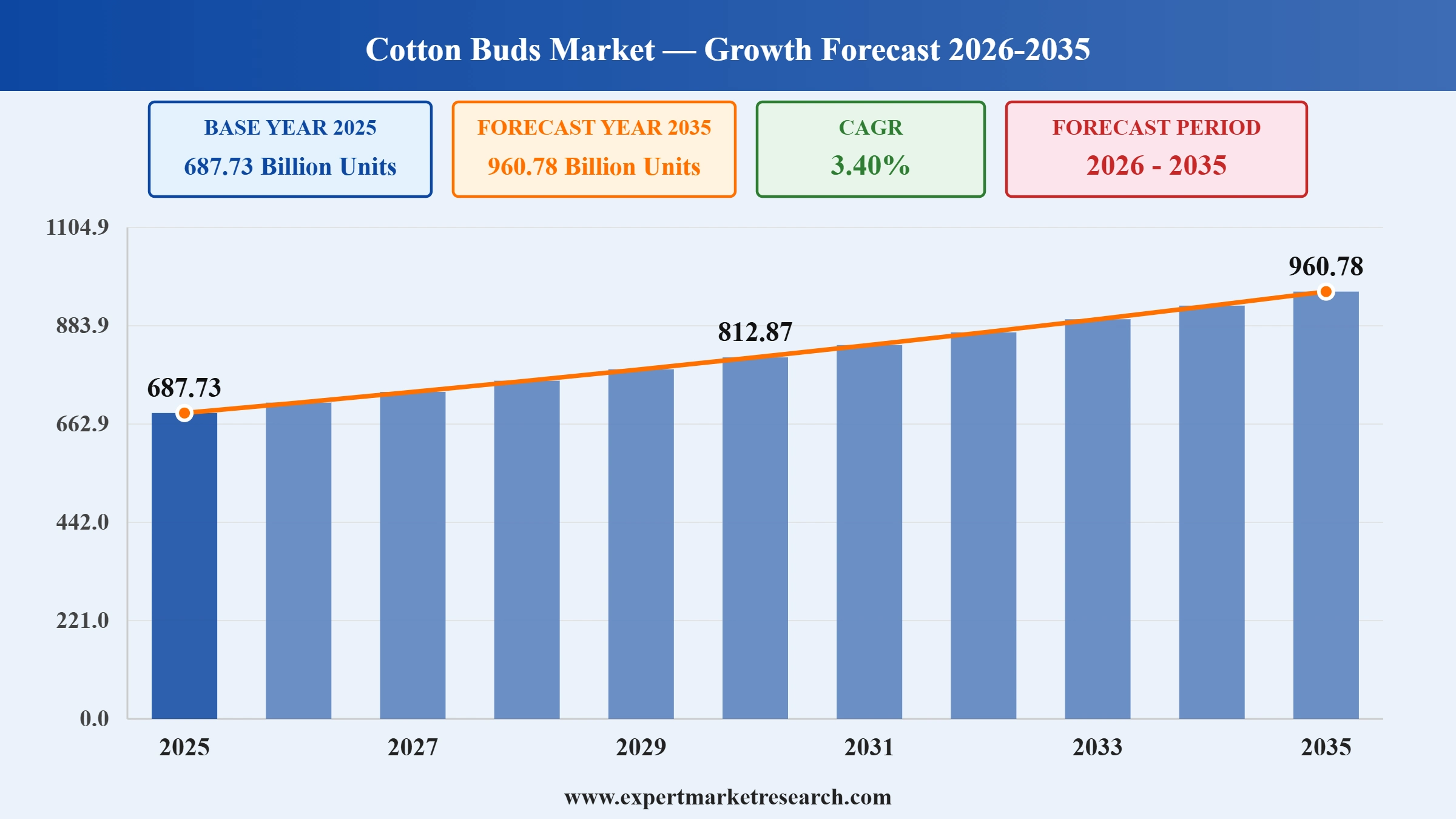
The global cotton buds market attained a value of 687.73 Billion Units in 2025 and is projected to expand at a CAGR of 3.40% through 2035. The market is further expected to achieve 960.78 Billion Units by 2035. The rise in demand for sterile and low-lint swabs in the health care, laboratory, and electronics cleaning sectors is pushing suppliers towards developing precision cotton buds with controlled fibers, and specific tip designs through procurement channels.
The cotton buds market observes an increase in the demands of sterile and low-lint swabs by health care and laboratory buyers as such swabs decrease contamination risks when conducting sample collection or wound care. On the other hand, cosmetics producers are increasingly demanding small tip shapes and higher absorbency tip design for controlled application of the makeup.
Product development trends in the cotton buds market include efforts to replace plastic handles without decreasing their stiffness, softness, and line efficiency. For instance, in December 2025, Q-tips utilized sustainably sourced bonded paper and paperboard applicators, and its products are completely biodegradable when being composted. This is critical for buyers, as paper-stick cotton swabs can be incorporated into production, enabling suppliers to comply with plastic restrictions without changing pack quantities or product characteristics.
In its turn, Johnson’s company is switching its baby cotton swabs to 100% paper sticks and plastic-free recyclable packaging. Its positioning includes gentle use characteristics and materials replacement. For suppliers, the current trend in the cotton buds market is focused on replacing plastic handles with paper ones and developing different formats for baby care, cosmetics, and precision cleaning. Bamboo and molded-fiber stems are being used by suppliers who are trying to make their products more rigid and moisture-resistant to develop product lines. The aspect becomes especially critical as shafts should be flexible enough to avoid bending during production, transportation, and usage processes.
Read more about this report - REQUEST FREE SAMPLE COPY IN PDF
Mitsui Matsushima Holdings bought Sanyo, which enhanced their manufacturing capability as well as gave them entry to consumer, industrial, and medical cotton bud segments. Other firms could buy specialized cotton bud manufacturers in order to tap into existing manufacturing ability and have entry into the lucrative industrial and medical cotton swab market.
STREMA launched a paper-packaged cotton swab solution that substitutes plastic packages and offers a sustainable and product-quality approach. Firms could create packaging that does not use plastics and is recyclable to differentiate their products in the cotton buds market.
Q-tips launched Quge-tips, nearly six-foot oversized cotton swabs, targeting alternative cleaning, DIY, and creative applications beyond conventional personal-care usage. Companies can introduce specialized, larger, or task-specific cotton buds to create new applications and attract consumers beyond traditional personal-care segments.
Q-tips refreshed packaging across more than 10 products, improving shelf differentiation, modernizing brand identity, and reducing plastic film in outer packaging. Companies in the cotton buds market can redesign packaging with clearer product differentiation and reduced plastic use to improve shelf visibility, sustainability, and consumer appeal.
Increasing government pressure is leading to the development of cotton buds using paper, bamboo, and other types of fibers instead of plastics. The research done by the European Commission further explains that the manufacturers and retailers are making the transition to paper stems of their own accord even before this law came into effect. Suppliers are improving the quality of paper shafts, cotton adhesion, and waterproofing of the packaging. The cotton buds market trend thus implies growing need for private label sustainable cotton buds that can comply with the regulations without reducing efficiency of the manufacturing process or usability of the end product by consumers. On the other hand, in June 2026, Recover launched Recover Yarns, offering ready-to-use recycled cotton yarn solutions to accelerate sustainable adoption across apparel supply chains.
Regulations imposed by governments are changing the nature of procurement of products across major cotton buds markets. The estimate of consumption of plastic-stemmed cotton buds per year was given at 1.8 billion in England alone. Current regulations have some exceptions for medical, scientific, and forensic uses, meaning that the manufacturers are encouraged to provide both specialized and sustainable cotton buds for different needs. In May 2026, Oritain launched its 2026 report, highlighting prohibited cotton exposure and increasing demand for independent supply-chain origin verification.
Medical and scientific applications are forming a more sophisticated niche within the cotton buds market scope, where sterility, sampling precision, swab functionality, and packing become crucial compared to traditional positioning within the personal care sector. The United Kingdom legislation explicitly excludes plastic cotton buds used for medical, diagnostic, research and forensic applications, thus ensuring demand for specialized versions. There are commercial suppliers offering sterile cotton mini-tip swabs on paper shaft and in individual peel packs with such parameters as 25-53.4 kGy of gamma irradiation and 24-month shelf life. It can be regarded as a proof for further developments within application-specific swabs for laboratory, healthcare and diagnostic procurement sectors. On the other hand, in July 2026, WileyTex launched salt-free cotton dyeing technology, reducing water consumption by up to 90% and improving sustainability.
Product differentiation trends in the cotton buds market are making manufacturers shift from double-ended cotton swabs to specific designs and material compositions. Technical documentation of the European Commission differentiates between conventional consumer cotton swabs and medical products, also marking paper cotton bud sticks as a separate product category due to material-related development of product. As a result, manufacturers are developing specialized mini-tip, pointed-tip, flexible-shaft and precision applicators for use in cosmetics, personal care, cleaning and professional sampling segments. Following such trends, in July 2026, Bayer launched Trance insecticide in India, targeting cotton sucking pests and improving crop protection against resistant infestations.
Sustainability requirements are currently extending to areas such as packaging, labeling, and substantiation of environmental claims. While the EU policy concerning the use of plastics involves both product restrictions, labeling, and waste management of certain plastics, its overall aim is to ensure sustainable alternatives and business models involving circular economy. Such an environment is driving companies to reconsider their cartons, decrease plastic use, improve material tracking, and shaft conversion. Aligning with such trends in the cotton buds market, in July 2026, Aastha Spintex secured an INR 77 crore order, reflecting strong demand and supporting growth in cotton yarn.
The Expert Market Research's report titled “Cotton Buds Market Report and Forecast 2026-2035” offers a detailed analysis of the market based on the following segments:
Market Breakup by Material
Key Insight: Material selection is determined by the overall balance of regulatory requirement, practicality of manufacturing, and marketing positioning of the material in the cotton buds market. Wood material caters to customers who demand stiff shaft and good sustainability, especially in the beauty and specialty personal care lines. Rolled paper continues to be important for high volume items as it allows replacement of plastic and works well within conventional manufacturing and retailing requirements. Extruded plastics continue catering to applications requiring flexibility and consistency in dimensions. In all three materials, there is competition among manufactures based on shaft strength, cotton fastening, sourcing, packaging compatibility, and application performance.
Market Breakup by Application
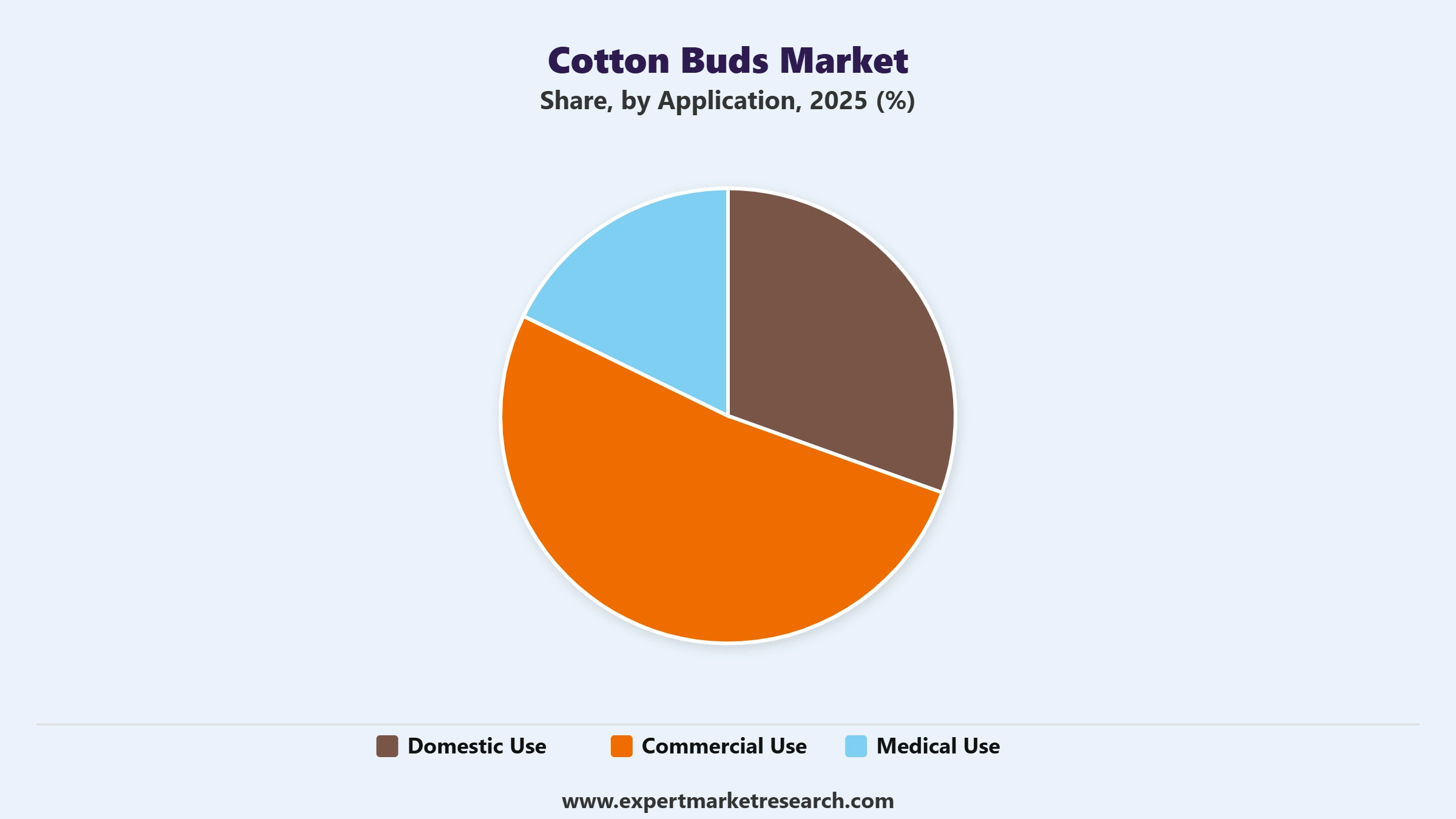
Key Insight: Application demands in the cotton buds market are increasingly necessitating differentiations in cotton swab specifications rather than standardized consumer products. Usage at home is focused on easy-to-use, reliable, and soft cotton buds for personal grooming, cosmetic and hygienic purposes. Commercial usage is characterized by the need for consistent handling and packaging of cotton swabs in various hospitality, salon, cleaning, and office applications. For medical usage, sterilization, traceability, lint control, specialized tips and package integrity take precedence. This is increasingly prompting suppliers to structure their products according to end-users' demands, thus allowing for custom specifications, professional versions and customized packaging.
Market Breakup by Region
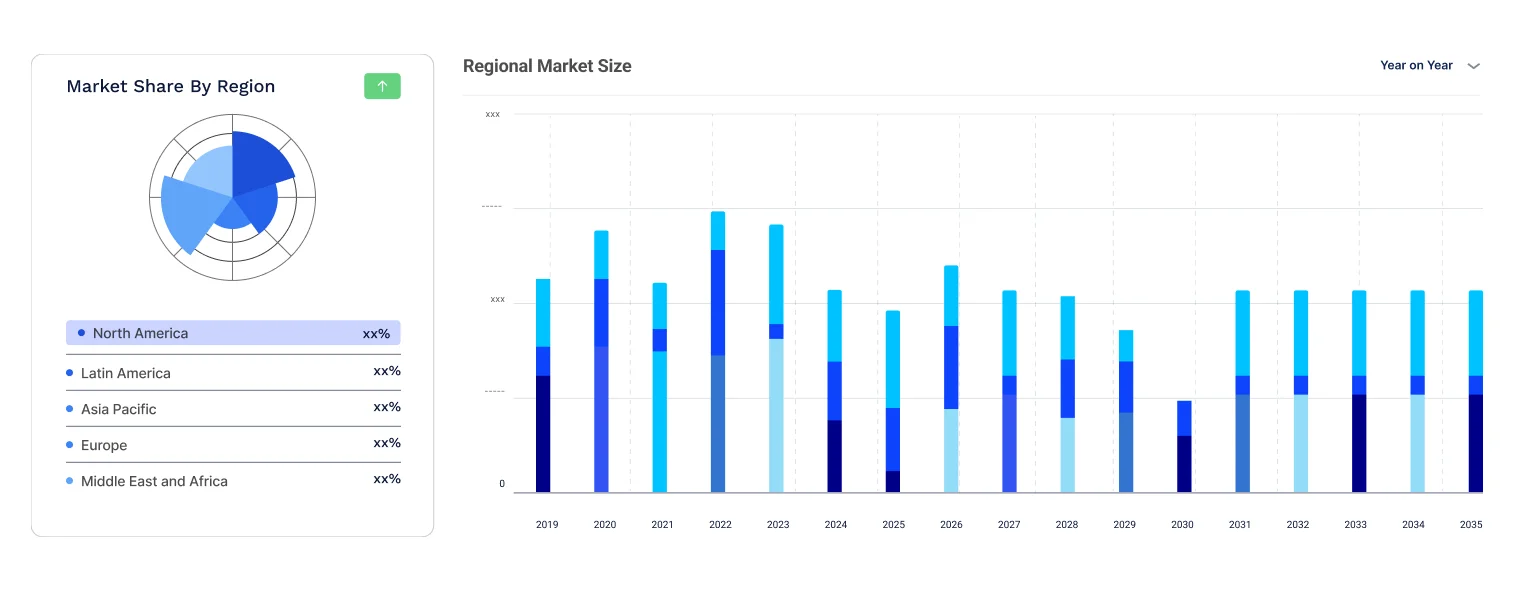
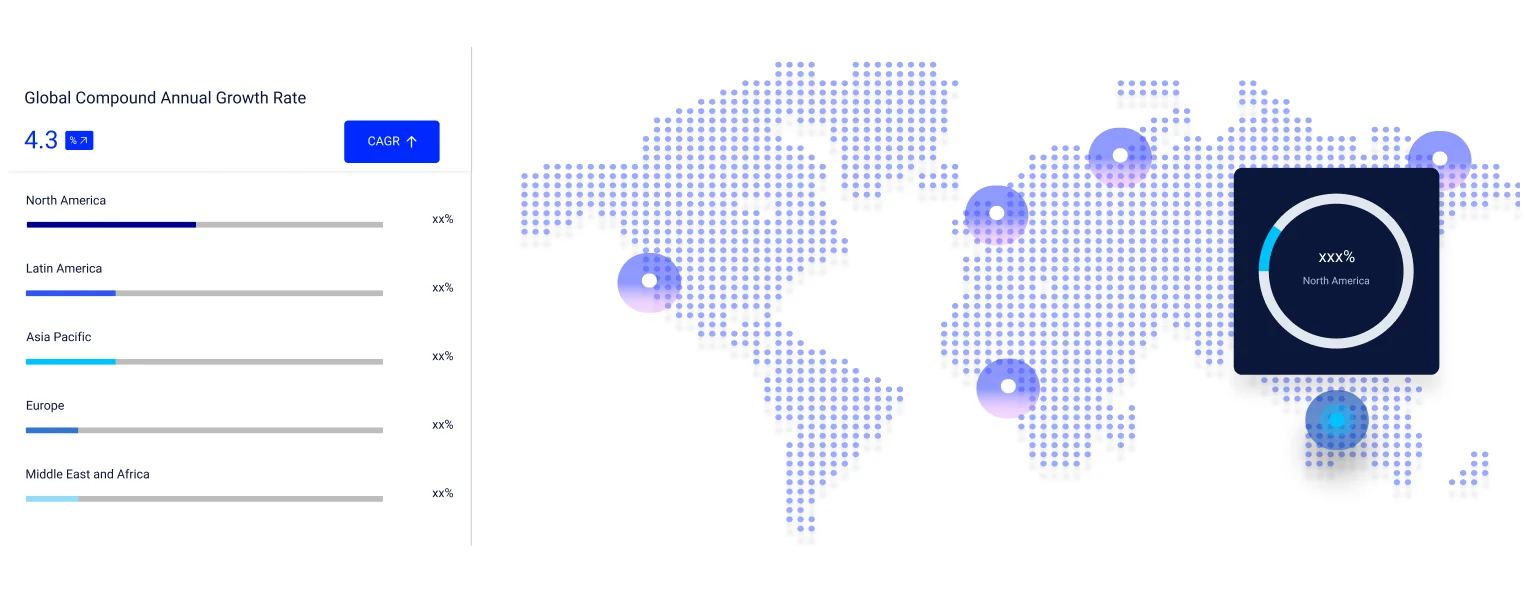
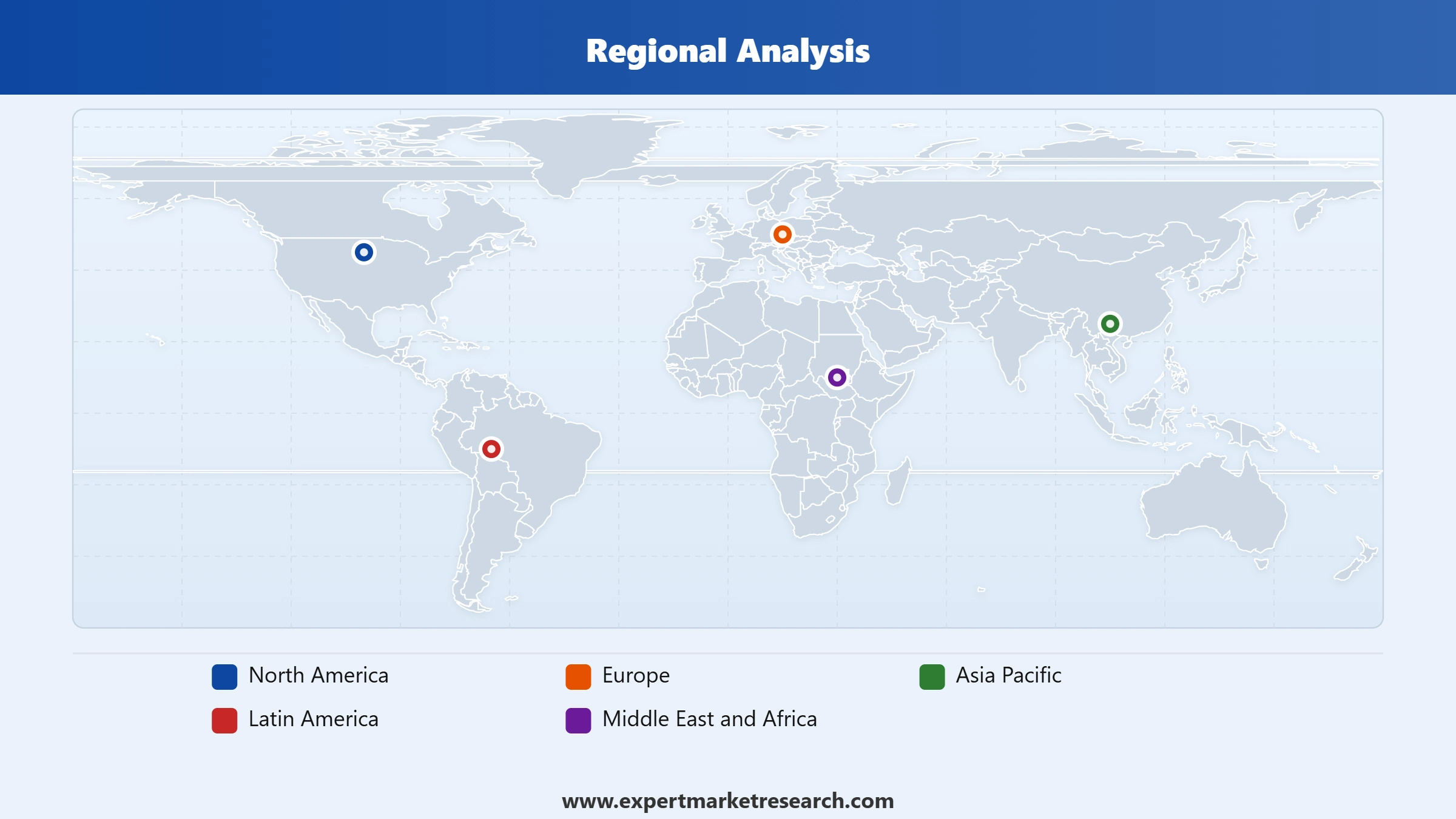
Key Insight: Regional dynamics in the cotton buds market are influenced by variations in the behavior of consumers in terms of buying, environment policies, production capabilities, and the distribution channels. The demand for products in North America is driven by the presence of well-established personal care distribution networks and the prevalence of private labels. On the other hand, Europe is characterized by the high level of plastic bans and sustainability-driven procurement practices. The Asia Pacific region comprises large numbers of consumers along with increasing use of hygiene products and robust manufacturing facilities for product adoption. Latin America and Middle East and Africa present business opportunities based on the growth of modern retailing, pharmacies, and spending on personal care products.
By material, rolled paper leads the market due to plastic restrictions and sustainability
Rolled paper largely contributes to the overall cotton buds market value due to the capability of manufacturers to substitute plastic shafts while maintaining cotton bud design, automated manufacturing process capability, and user-friendliness. The suitability with the ban on single-use plastics makes the material procurable from retailers, personal care brands, and private label suppliers. Rolled paper shafts can be produced in such a way as to make them rigid, moisture-resistant, and securely attached to cotton tips, making them suitable for formats. In August 2026, NHS introduced HPV self-testing kits, using simple swabs to enable convenient home-based cervical screening and improve participation.
Wood is the fastest-growing material since suppliers are producing biodegradable and premium cotton buds. These shafts offer rigidity while the characteristics of wood attract brands that promote personal care assortments. In addition, manufacturers have options to differentiate based on shaft diameter, surface finishing, cotton tip density, and responsibly sourced wood. These factors make the product attractive for use by retailers, beauty brands, and private label manufacturers. It is an appropriate category for situations where buyers want products that feel more premium compared to plastic or paper.
Domestic applications dominate the market due to frequent personal care and household routines
The domestic use continues to be the largest end-use since the cotton swabs are used by customers for cosmetic, hygiene and cleaning purposes at home. Manufacturers in the cotton buds market give top preference to easy packing, constant size of the cotton tip, fiber type, softness and protection of the product from damage during the usage at home. Brands are expanding their portfolio by introducing cotton swabs for baby care, beauty, and precision cleaning. It allows manufacturers to address different needs while not modifying the fundamental platform of manufacturing the product. For example, Tulips offers fully biodegradable cotton buds made with certified paper sticks and pure cotton, supporting sustainable personal care.
Read more about this report - REQUEST FREE SAMPLE COPY IN PDF
The fastest growing end use of the product is the medical one, as swabs are needed by health care institutions and laboratories for sampling, specimens handling, wound care and precision tasks. Manufacturers of swabs are producing their product with special qualities including sterile swabs, individual packaging, low lint cotton, specific geometry of the tip, selection of the shaft depending on handling tasks. Medical buyers pay close attention to the consistency, sterility, traceability, and proper packaging, which implies increased demands for the manufacturers of the swabs.
Read more about this report - REQUEST FREE SAMPLE COPY IN PDF
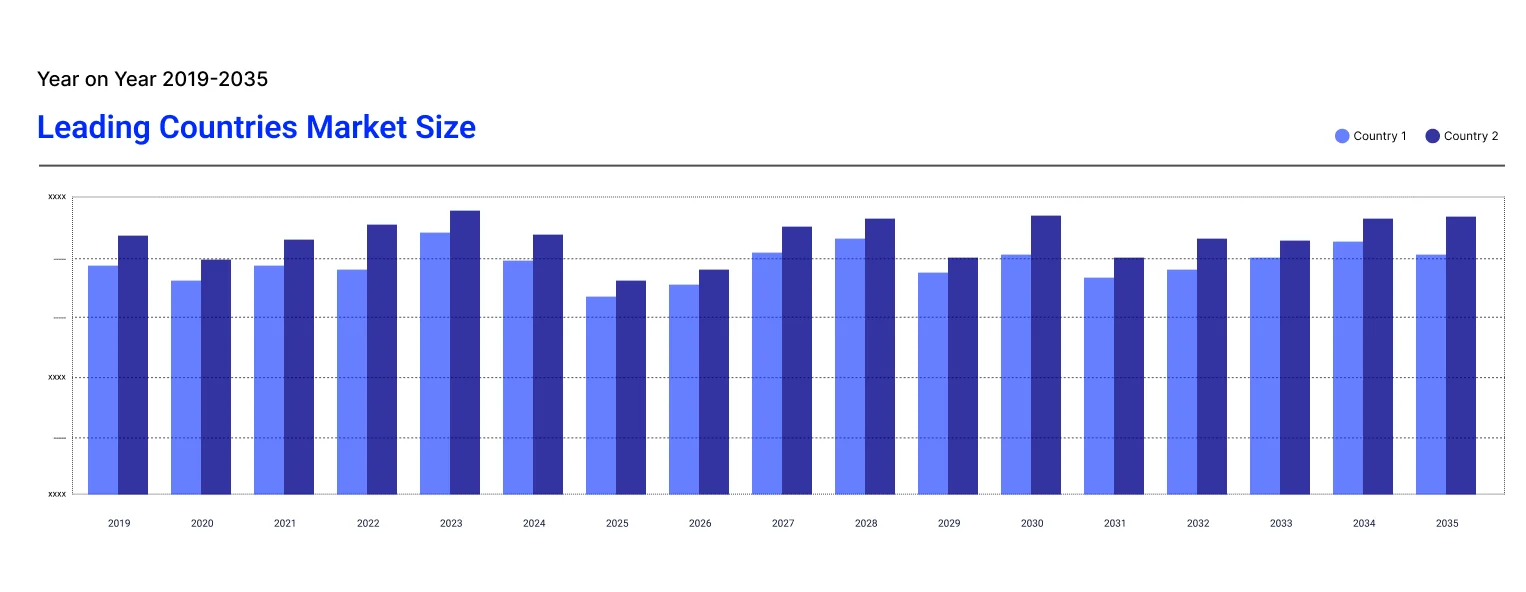
Asia Pacific registers the largest market share due to population scale and expanding personal care consumption
Asia Pacific emerges to be the largest cotton buds market, driven by large numbers of consumers, increasing personal care product usage and pharmacy and supermarket distribution networks, resulting in high cotton bud requirements. There is an advantage for manufacturers in the hygiene product supply chains and manufacturing abilities of consumer goods. Increasing differentiation takes place in home use, beauty, baby care, and professional segments, thus making suppliers capable of addressing both mass-market and premium segments. Purchase processes involve material substitution, packaging optimization, and quality assurance as brands in the region enhance their portfolios. In August 2026, Avalo and Better Cotton partnered to use AI-driven breeding for developing climate-resilient, locally adapted cotton varieties faster.
Read more about this report - REQUEST FREE SAMPLE COPY IN PDF
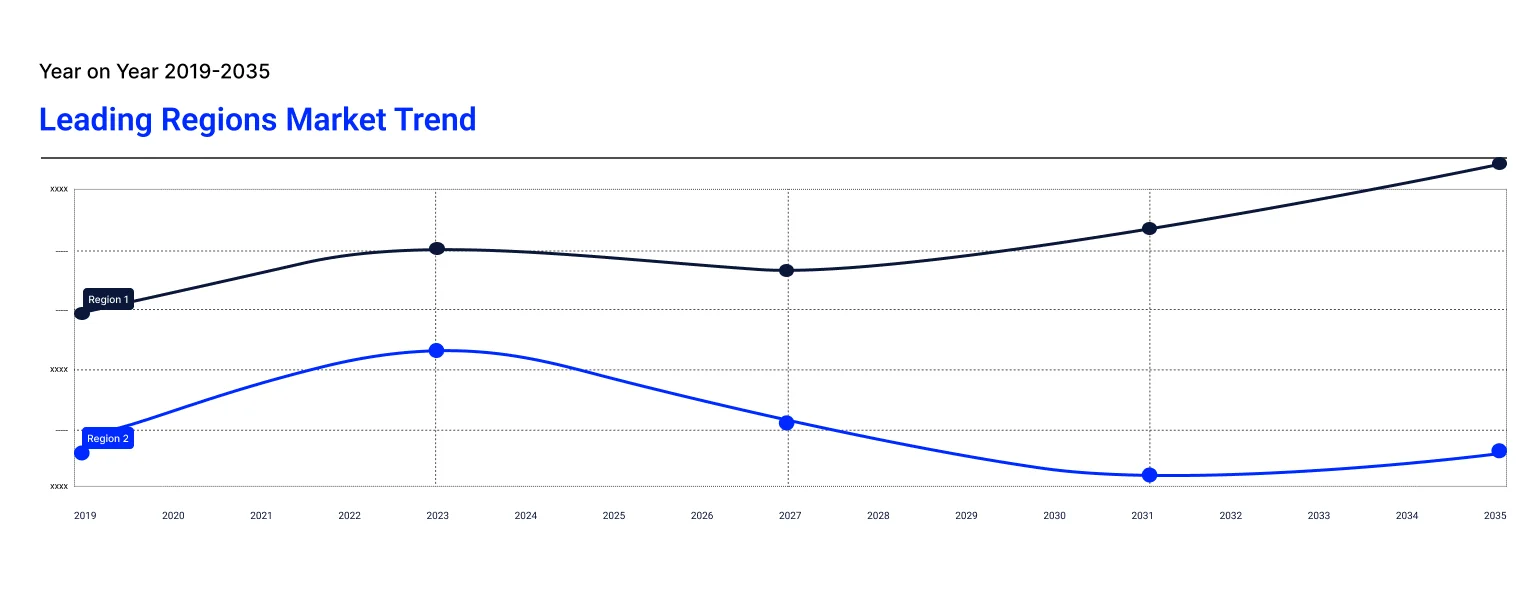
Europe is the fastest growing regional cotton buds market due to increased restrictions on plastic stemmed cotton buds and subsequent shift towards paper, wood, or compliant materials. Material composition, recyclability of the packaging, sourcing, and environmental positioning along with performance are required from buyers. Manufacturers are working on alternative shafts, certified materials and formats for retail, pharmacy, cosmetics companies, and private labels. Europe is focused on environmentally positioned personal care products, providing suppliers with opportunities to be positioned in compliance with the market demands.
Competitive trends within the global industry are increasingly becoming defined by sustainable shaft transformation, specialization, private label supplies, and production processes. Leading cotton buds market players are increasingly focusing on paper-based and other non-plastic shafts due to changing regulations that define their product specifications.
Competitive differentiation is achieved by cotton bud companies through precision tips, baby products, sterile products, and specialized applications such as those used in cosmetics, healthcare, and professional cleaning applications. Competition is expected to be more effective through developing low-lint cotton, more moisture-resistant paper shafts, recycling-friendly packaging, and certification of raw materials. Regional competitors might benefit from offering private label options, short lead times, customized packings, and production efficiency.
Johnson & Johnson has been in operation since 1886 and its headquarters is located in New Brunswick, New Jersey, United States. Historically, the company produced Johnson’s baby-care products and cotton buds. The company currently deals with pharmaceuticals and MedTech, meaning that it does not compete directly for the consumer cotton buds market.
Unilever has been operating since 1930 and its headquarters is based in London, United Kingdom. Unilever serves the market of cotton buds via Q-Tips cotton swabs, which belong to the personal care segment of the company.
Chicco was set up in 1958 within the Artsana Group, based in Grandate, Como, Italy. The company caters to the cotton buds market with baby-care products, capitalizing on its children’s medicine positioning to cater for the hygiene needs of infants. The brand is known for research, safety, and environmental sustainability through its Research Center and distribution globally to over 120 countries.
Helenvita belongs to Pharmex, which was founded in 1981 and headquartered in Greece. Its Baby Cotton Buds have 100% pure cotton buds with biodegradable paper safety stems, anatomic tips, and microbiological testing. This brand has both baby safety positioning and material substitution for targeting pharmacies, baby care stores, and environmentalists.
Other key players in the market include Becutan, NUK, and Sanyo, among others.
*Please note that this is only a partial list; the complete list of key players is available in the full report. Additionally, the list of key players can be customized to better suit your needs.*
Unlock the latest insights with our cotton buds market trends 2026 report. Discover regional growth patterns, consumer preferences, and key industry players. Stay ahead of competition with trusted data and expert analysis. Download your free sample report today and drive informed decisions in the market.


Upto 15% Off
USD
$2499 $2249
$3999 $3599
$4999 $4249
$5999 $5099


*While we strive to always give you current and accurate information, the numbers depicted on the website are indicative and may differ from the actual numbers in the main report. At Expert Market Research, we aim to bring you the latest insights and trends in the market. Using our analyses and forecasts, stakeholders can understand the market dynamics, navigate challenges, and capitalize on opportunities to make data-driven strategic decisions.*
In 2025, the market reached an approximate value of 687.73 Billion Units.
The market is projected to grow at a CAGR of 3.40% between 2026 and 2035.
The market is estimated to witness a healthy growth in the forecast period of 2026-2035 to reach nearly 960.78 Billion Units by 2035.
Stakeholders are developing sustainable shafts, improving cotton-tip consistency, expanding sterile formats, securing certified materials, customizing private-label packs, and targeting specialized healthcare, beauty, and baby-care applications.
The market growth is projected to be aided by the robust demand for cotton buds from the medical sector to collect blood and saliva samples.
The major regions in the industry are North America, Latin America, the Middle East and Africa, Europe, and the Asia Pacific.
The different materials of cotton buds are wood, rolled paper, and extruded plastics.
The various applications of cotton buds include domestic use, commercial use, and medical use.
The key players in the market include Johnson and Johnson, Unilever, Chicco, Helenvita, Becutan, NUK, and Sanyo, among others.
Companies are facing plastic restrictions, higher costs for sustainable materials, maintaining shaft strength, ensuring cotton adhesion, meeting medical-grade requirements, preventing contamination, and differentiating products in price-sensitive retail channels.
Explore our key highlights of the report and gain a concise overview of key findings, trends, and actionable insights that will empower your strategic decisions.
| REPORT FEATURES | DETAILS |
| Base Year | 2025 |
| Historical Period | 2019-2025 |
| Forecast Period | 2026-2035 |
| Scope of the Report |
Historical and Forecast Trends, Industry Drivers and Constraints, Historical and Forecast Market Analysis by Segment:
|
| Breakup by Material |
|
| Breakup by Application |
|
| Breakup by Region |
|
| Market Dynamics |
|
| Competitive Landscape |
|
| Companies Covered |
|
| Report Price and Purchase Option | Explore our purchase options that are best suited to your resources and industry needs. |
| Delivery Format | Delivered as an attached PDF and Excel through email, with an option of receiving an editable PPT, according to the purchase option. |
Datasheet
One User
USD 2,499
USD 2,249
tax inclusive*
Single User License
One User
USD 3,999
USD 3,599
tax inclusive*
Five User License
Five User
USD 4,999
USD 4,249
tax inclusive*
Corporate License
Unlimited Users
USD 5,999
USD 5,099
tax inclusive*
*Please note that the prices mentioned below are starting prices for each bundle type. Kindly contact our team for further details.*
Flash Bundle
Small Business Bundle
Growth Bundle
Enterprise Bundle
*Please note that the prices mentioned below are starting prices for each bundle type. Kindly contact our team for further details.*
Flash Bundle
Number of Reports: 3
20%
tax inclusive*
Small Business Bundle
Number of Reports: 5
25%
tax inclusive*
Growth Bundle
Number of Reports: 8
30%
tax inclusive*
Enterprise Bundle
Number of Reports: 10
35%
tax inclusive*
How To Order

Select License Type
Choose the right license for your needs and access rights.

Click on ‘Buy Now’
Add the report to your cart with one click and proceed to register.

Select Mode of Payment
Choose a payment option for a secure checkout. You will be redirected accordingly.
Strategic Solutions for Informed Decision-Making
Gain insights to stay ahead and seize opportunities.

Get insights & trends for a competitive edge.

Track prices with detailed trend reports.

Analyse trade data for supply chain insights.

Leverage cost reports for smart savings

Enhance supply chain with partnerships.

Connect For More Information
Our expert team of analysts will offer full support and resolve any queries regarding the report, before and after the purchase.
Our expert team of analysts will offer full support and resolve any queries regarding the report, before and after the purchase.
We employ meticulous research methods, blending advanced analytics and expert insights to deliver accurate, actionable industry intelligence, staying ahead of competitors.
Our skilled analysts offer unparalleled competitive advantage with detailed insights on current and emerging markets, ensuring your strategic edge.
We offer an in-depth yet simplified presentation of industry insights and analysis to meet your specific requirements effectively.




