

Consumer Insights
Uncover trends and behaviors shaping consumer choices today
Procurement Insights
Optimize your sourcing strategy with key market data
Industry Stats
Stay ahead with the latest trends and market analysis.
The global data center colocation market size was valued at USD 75.92 Billion in 2025. The industry is expected to grow at a CAGR of 14.50% during the forecast period of 2026-2035 to reach a value of USD 294.04 Billion by 2035. A key accelerator of the market growth is the rapid surge in hyperscale-led cloud and AI deployments, which are reshaping the industry’s infrastructure economics and expansion priorities.
Major cloud service providers are moving away from single scattered buildings and are favoring large, multi-phase campuses that feature scalable power, liquid-ready cooling, and carrier-neutral connectivity. Consequently, this transformation forces operators in the data center colocation market to buy large parcels of land, gain long-term power commitments, and build multi-building campuses that have phased capacity of 200 MW or more. Citing an instance, Google committed USD 2 billion for cloud and data-centre investment in Malaysia in May 2024. Similarly, in December 2024, EdgeConneX announced plans to strategically acquire land in Jakarta, a 45,000 sqm land purchase to expand its campus to over 200 MW.
As hyperscalers set up AI clusters, GPU farms, and high-density cloud regions, colocation operators enjoy the benefits of a strong pre-leasing pipeline, stable occupancy, and the gain revenues for several years ahead. So, the growth of hyperscalers and campus land banking are now closely linked, thereby reinforcing the development of the global data center colocation market.
Compound Annual Growth Rate
14.5%
Value in USD Billion
2026-2035
| Global Data Center Colocation Market Report Summary | Description | Value |
| Base Year | USD Billion | 2025 |
| Historical Period | USD Billion | 2019-2025 |
| Forecast Period | USD Billion | 2026-2035 |
| Market Size 2025 | USD Billion | 75.92 |
| Market Size 2035 | USD Billion | 294.04 |
| CAGR 2019-2025 | Percentage | XX% |
| CAGR 2026-2035 | Percentage | 14.50% |
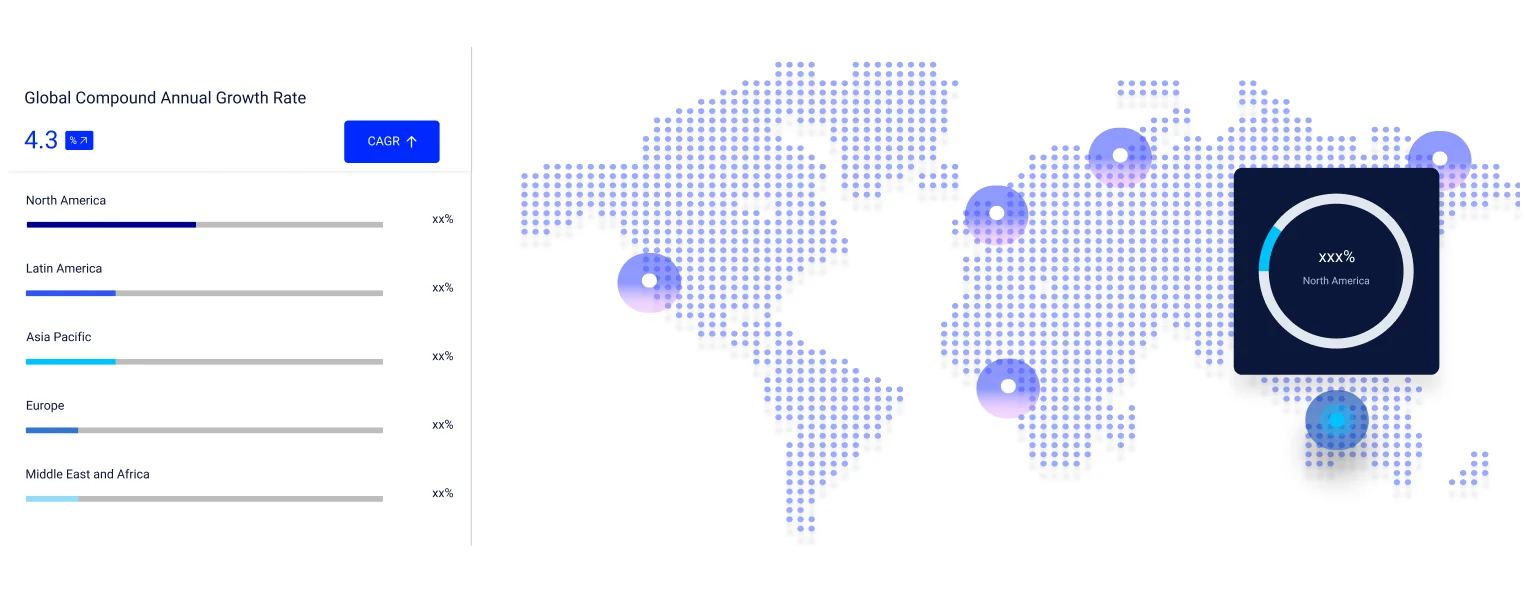
| CAGR 2026-2035 - Market by Region | Asia Pacific | 16.7% |
| CAGR 2026-2035 - Market by Country | China | 16.0% |
| CAGR 2026-2035 - Market by Country | India | 15.2% |
| CAGR 2026-2035 - Market by Colocation Type | Retail Colocation | 16.2% |
| CAGR 2026-2035 - Market by End Use | Retail | 16.5% |
| Market Share by Country 2025 | France | 3.3% |
Orange Morocco opened its 1.5 MW "Orange Tech" data center in Casablanca to accommodate AI, cloud, and cybersecurity workloads. The plant has solar panels, complies with Uptime standards, and helps to increase the local hosting capacity, which is beneficial for digital sovereignty and resilience. This growth solves the data storage problem for data centers in Africa and at the same time allows enterprises and government agencies to deploy AI-ready and cloud-enabled services in an efficient manner.
Schneider Electric and Digital Realty revealed a USD 373 million Supply Capacity Agreement that will lead to the fast deployment of the necessary supply of UPS, low-voltage switchgear, and prefabricated skids for data centers in the United States. The collaboration between the two companies is like a catalyst that revitalizes the supply chain for the quick delivery of new capacity and the scaling of AI-run workloads in response to the increasing demand for digital infrastructures in the data center colocation market.
CoreSite expanded its NY3 data center in Secaucus, New Jersey, providing an additional 138,000 square feet of AI-optimized capacity. The facility offers high-density power, liquid cooling, and robust cloud connectivity, so enterprises across BFSI and technology sectors can scale their operations efficiently. Additionally, it enhances CoreSite's footprint in the New York metro area.
ST Telemedia Global Data Centres, based in India, invested INR 450 crore in a state-of-the-art AI-ready data center campus in New Town, Kolkata. The facility covers 5.59 acres and can support up to 25 MW of IT load. It also provides high-density racks, advanced cooling, and modular design, thus enabling enterprises, hyperscalers, and government organizations to deploy AI and high-performance workloads.
Carrier-neutral colocation providers are investing in regional data center acquisitions to quickly scale their footprint and offer dense interconnection ecosystems to enterprises and cloud players, which is propelling the growth of the data center colocation market. Equinix's acquisition of three data centers in the Philippines in July 2024 is a prime instance of the company entering a fast-growing Southeast Asia hub and consolidating carrier-neutral services. Operators can therefore harness targeted acquisition strategies to attract established customer bases and significantly shorten time-to-market for regional cloud deployment.
In recent years, sustainability has emerged to major trend in the data center colocation market influencing the colocation site selection; operators are actively engaging in securing renewable power as well as green financing to keep their carbon footprint low. For example, in May 2024, Digital Realty inked five additional renewable energy deals in Spain and France, thereby reigniting its decarbonization initiative and catering to customer demand for green workloads. The environmental value proposition of colocation services is thereby being fortified with such PPA agreements, while consequently attracting hyperscalers with strict ESG targets.
Financial institutions and regulated industries have surged the demand in the data center colocation market as they seek infrastructure that offers ultra-low latency, high-security and can seamlessly integrate private cloud with colocation. In June 2024, CME Group collaborated with Google Cloud to establish a private cloud region next to a co-located data center market in Illinois, thus enabling support for next-generation trading workloads. This example demonstrates how demand for traditional colocation as an everyday hosting model is gradually giving way to more specialized, vertical-industry infrastructure solutions.
The establishment of new submarine cable routes is turning coastal markets into crucial interconnection hubs of the globe and therefore triggering the need for colocation facilities in the vicinity of landing stations. In March 2025, NTT DATA announced the commissioning of the MIST subsea cable connecting India, Malaysia, and Singapore, the primary aim being cross-border latency performance enhancement. Such cable deployments are playing a significant role in elevating the demand for carrier-dense colocation ecosystems by paving the way for more bandwidth and lesser latency between regions.
Colocation facilities with high-density racks, liquid cooling and power-intensive clusters are the preferred locations for businesses driven by generative AI and GPU-based computing. Equinix in August 2024, after experiencing the surge, increased its annual guidance and wrote that the reason for the surge was the rapidly increasing demand for AI workloads from cloud and enterprise customers. The change results in higher income per rack and faster upgrade of premium infrastructures, thus making AI a solid structural growth source for the colocation sector.
The EMR’s report titled “Global Data Center Colocation Market Report and Forecast 2026-2035” offers a detailed analysis of the market based on the following segments:
Market Breakup by Colocation Type
Key Insights: The data center colocation market is evolving in both retail and wholesale aspects as providers are combining flexible, on-demand rack models with large-scale campus investments. Cloud-adjacent services and pay-as-you-go billing are two factors that have enabled retail colocation to gain more acceptance, whereas wholesale providers are developing multi-megawatt campuses in order to satisfy the demand of hyperscalers. Equinix, Digital Realty, NTT, and Flexential, the leading operators, are heavily investing in hybrid campus designs, modular infrastructures, and green energy solutions to serve a spectrum of clients.
Market Breakup by Tier Level
Key Insights: Major colocation providers are creating a tiered portfolio that targets the different needs of their customers. For less mission-critical or edge use, they offer Tier 2 or Tier 3 facilities that not only provide flexible contracts but also a good uptime and redundant power. In the case of high-demand, latency-sensitive, or AI workloads, they locate Tier 4 campuses with fault-tolerant design and high-density power. Besides, companies are also introducing high-performance cooling and modular capacity so that they can serve both regional enterprises and global hyperscalers.
Market Breakup by Enterprise Size
Key Insights: The small and medium-sized enterprises (SMEs) account for a notable data center colocation market share, as they are increasingly dependent on modular, flexible colocation and interconnection to scale their infrastructure without incurring heavy capital expenditure. On the other hand, large enterprises require wholesale-grade capacity and high-density colocation to be able to support their most critical workloads. To cite a prime instance, in May 2024, Flexential launched its ‘FlexAnywhere’ platform by setting up a new high-density data center in Denver designed to serve enterprise customers that have a need for robust power and connectivity.
Market Breakup by End Use
Key Insights: The global data center colocation market scope comprises multiple end-use sectors. IT and telecom have emerged to be leading contributors due to 5G, mobile broadband, and content delivery. Healthcare is progressing, with telemedicine and secure data storage being its major needs. BFSI, retail, media and entertainment, and other industries are turning to colocation for cloud, compliance, and fast-paced operations. Providers are responding by setting up modular edge pods for retail, compliance-ready facilities for BFSI and healthcare, and high-density, interconnect-rich campuses for telecom and media, thus ensuring that the solutions are vertically tailored.
Market Breakup by Region
Key Insights: Global colocation players are amplifying their presence at the regional level in the data center colocation market, as digital demand diffuses worldwide. Companies are setting up AI-ready campuses in North America, Europe, and Asia Pacific in order to serve cloud, enterprise, and hyperscale customers. For instance, NTT DATA in May 2025 declared a series of land acquisitions across North America, Europe, and Asia which amounts to nearly a gigawatt of future data center capacity, thus enabling the provision of scalable, AI-ready infrastructure across various markets. The move is a clear indicator of the escalating demand for high-performance computing and cloud interconnection in different geographical areas, which also offers providers an opportunity to optimize for local regulations, latency, and sustainability requirements.
By type, retail colocation registers strong growth
The demand for retail data center colocation market is rising as providers expand metro edge facilities that offer smaller rack or cage spaces, and at the same time, support high-density AI workloads. For instance, Equinix, Inc. launched its first IBX data center in Chennai, India, in September 2025, thus, catering the international and domestic enterprises that are looking for low latency access and cloud interconnection via a retail colocation model. This debut underlines how retail colocation players are expanding the local footprints to serve SMEs, regional enterprises and branch office cloud users, who represent a mix of flexibility, interconnection and state-of-the-art cooling/interconnect infrastructure to attract a larger customer base.
On the other hand, wholesale colocation is witnessing vibrant growth in the data center colocation market as global operators buy land and invest in large scale, high-capacity campuses to meet the needs of hyperscalers, cloud and AI infrastructure. To cite an instance, in May 2025, NTT DATA made public its intention to have bought land in seven markets globally that are strategically located, with a goal of creating data centre capacity of almost a gigawatt in the future under a multi-year USD 10 billion investment plan by 2027. These moves signal how wholesale providers are preparing vast, future-proof infrastructure solutions that will be accessible at the rack or hall-level in the long-term.
By tier level, Tier 2 facilities continue to witness strong market interest
Operators in Tier 2, or the modular-scale category of the data center colocation market, are building a flexible, regional capacity that can be used to serve mid-sized enterprises, edge operations and growing workloads, without the need for a hyperscale infrastructure. To illustrate, in September 2025, Vantage Data Centers received a USD 5 billion in green-loan financing to fuel the expansion of its platform in North America, thus, facilitating the planned data-center developments in modular-campus formats that are adaptable to variable demand. This kind of flexible financing is instrumental in the roll-out of mid-size data halls, thus, enabling enterprises and small cloud customers to gain access to scalable, environmentally friendly colocation.
In Tier 4 category, which is also called as wholesale-grade, is contributing significantly to the data center colocation market revenue owing to the rise of AI, cloud, and hyperscale workloads which has spurred large-scale, campus-scale investments. In August 2025, Vantage announced that it is going to invest more than USD 25 billion to establish a 1,200-acre, 1.4-gigawatt mega-campus in Texas. The main features of the campus are ultra-high-density racks and scalable power to support AI and cloud-native workloads. This initiative demonstrates how wholesale colocation players are intensifying their commitment to large-scale, high-availability infrastructure as a way of meeting the requirements of next-generation computing and large enterprise clients.
By enterprise size, small and medium-sized enterprises account for substantial revenue share
Small and medium businesses have been increasingly turning towards colocation in a bid to avoid the heavy capital expenditures that come with setting up their own data center infrastructures. Besides this, they gain scalable computing capabilities by virtue of modular deployments, hybrid cloud access and the ongoing pay-as-you-grow pricing trend in the data center colocation market. Providers are henceforth answering this demand with flexible rack-level capacity and managed connectivity that can be easily tailored to small businesses that are growing at a fast pace. In November 2025, JLL invested in a prefab data-center partnership as a way of speeding up modular, AI-ready site deployments thereby making it easy for SMEs to adopt the technology. The trend is very vital in supporting cost-efficient digital transformation as it still allows SMEs to compete at enterprise compute levels.
On the other hand, large enterprises mainly invest in the wholesale-grade services of the data center colocation market that come with features such as high-density power and multi-cloud access. Additionally, it also enables strong interconnection to be able to support GPU clusters, core cloud workloads, and mission-critical applications. To meet these needs, providers are scaling through mega-campus builds, AI-ready halls, and sustainability-focused infrastructure. For instance, in July 2025, CoreSite solidified its capability to be a host for enterprise-class high-performance computing by completing a 228,000-sq-ft AI-optimized data center expansion in Silicon Valley. Such investments offer large enterprises the guarantee to secure predictable and infrastructure capacity that is highly available at a global scale.
By end-use, IT & telecom shows robust growth
The IT and telecom category is a major end-user in the data center colocation market. IT and telecom operators are upgrading the infrastructure and are introducing flexible, usage-based services to support cloud, 5G, and AI workloads. An instance of such a change is Sify Technologies introducing a "pay per use" colocation pricing model across its NVIDIA certified, AI-ready data centre campus in India in May 2025. The model is made for telecom and cloud customers who want to scale GPU-based compute dynamically. This transformation eliminates obstacles that limit the access and provides scalability at times of rising demand. This makes colocation more accessible to telecom operators and cloud service providers that require high-density, latency sensitive infrastructure.
Meanwhile, the BFSI sector is contributing significantly to the data center colocation market revenue owing to the growing need for extremely reliable, highly secured, and strictly compliant data storage and processing facilities. For instance, NTT Global Data Centers made a commitment of nearly USD 90 million in June 2025 to build a new data center focused on colocation in Thailand. The center is aimed at cloud providers and financial institutions that are looking for secure and scalable infrastructure. This expansion is indicative of how providers are matching their capacity with the very strict requirements of compliance, continuity, and high-density power for the BFSI clients.
By region, Asia Pacific leads the market growth
The Asia Pacific region has seen rapid growth in colocation as both global and regional players increase their capacity and make strategic investments in the data center construction sector to meet the soaring demand for cloud and AI. To illustrate, Keppel DC REIT invested around USD 555 million in a hyperscale data centre in the Greater Tokyo area, Japan, in September 2025, thus broadening its Asia Pacific reach. The escalating demand for low latency connectivity and local data sovereignty has led such investments to be the enablers of scalable and strong infrastructures for enterprises, hyper scalers, and cloud-native firms across Asia Pacific.
The data center colocation market growth in Europe is undergoing a rapid expansion as providers are heavily investing in new facilities and strategic partnerships to meet the needs of hyperscale and enterprises. An instance of such development is the announcement made in October 2025, by Interxion, a company by Digital Realty, regarding a EUR 400 million expansion of its Frankfurt campus, wherein the company will add modular AI-ready halls and high-density interconnection space. This investment acts as a lever to Europe’s digital infrastructure, thus enabling cloud providers, BFSI, and large enterprises to access facilities that are compliant, scalable, and interconnected to meet the growing requirements of data, AI, and hybrid cloud.
| CAGR 2026-2035 - Market by | Country |
| China | 16.0% |
| India | 15.2% |
| Canada | 14.8% |
| Germany | 11.9% |
| Australia | 11.4% |
| USA | XX% |
| UK | XX% |
| France | XX% |
| Italy | 10.2% |
| Japan | XX% |
| Saudi Arabia | XX% |
| Brazil | XX% |
| Mexico | XX% |
Top tier data center colocation market players are investing heavily in multi-city expansions, interconnection ecosystems and cloud partnerships in order to support AI-driven workloads. Companies like Equinix and Digital Realty are using the money they get from selling bonds linked to eco-friendly projects, sourcing renewable energy and upgrading high-density cooling systems to attract cloud, enterprise and GPU computing tenants. At the same time, they aim to improve operational efficiency and customer loyalty for the long term.
Moreover, operators in the global data center colocation market, such as NTT Communications, Cyxtera, Global Switch, Flexential and Iron Mountain, are moving forward with land acquisition, modular facility construction, and strategic purchases to have a local presence and be able to quickly increase their capacity in each area. Their commitment to edge deployments, disaster-ready campuses, and software-defined connectivity indicates that they are more focused on customers and that their infrastructure models will be very flexible and able to handle hybrid cloud, cybersecurity compliance, and low-latency digital service requirements, which comes from various industry verticals.
Digital Realty Trust Inc. delivers global standard colocation and interconnection services to hyperscalers and enterprises through an extensive ecosystem of data centers. The company, which was founded in 2004 and is headquartered in Austin, Texas, focuses on scalable campuses and neutral connectivity as the key factors to facilitate hybrid and multi-cloud transformation.
NTT Communications Corporation is a prominent provider in the data center colocation market, which also offers hybrid cloud, managed hosting, and global network services to the enterprise and hyperscaler segments. The company was founded in 1999 and is headquartered in Tokyo, Japan. It uses its vast global network and partnership ecosystem as a leverage to be the vendor of mission-critical digital workloads.
Equinix, Inc. offers one of the world's biggest carrier-neutral colocation platforms, which helps cloud on-ramps, digital ecosystems and high-density workloads. The company was founded in 1998 and has its headquarters in Redwood City, California; it is widely recognized for its interconnection-first strategy and Equinix Fabric.
Cyxtera Technologies, Inc. offers colocation, interconnection and digital transformation of infrastructure to enterprises in the form of a service across various metro hubs that are the most viable. The company which was established in 2017 and is headquartered in Coral Gables, Florida, merges software-defined networking and data center services to provide a more effective way of hybrid IT deployment.
*Please note that this is only a partial list; the complete list of key players is available in the full report. Additionally, the list of key players can be customized to better suit your needs.*
Other players in the market include Global Switch Limited, Rackspace US, Inc., Iron Mountain Incorporated, Flexential Corp., Colt Group Holdings Limited, QTS Realty Trust, LLC, and China Telecom Global Ltd., among others.
Explore the latest trends shaping the Global Data Center Colocation Market 2026-2035 with our in-depth report. Gain strategic insights, future forecasts, and key market developments that can help you stay competitive. Download a free sample report or contact our team for customized consultation on global data center colocation market trends 2026.


Upto 15% Off
USD
$2499 $2249
$3999 $3599
$4999 $4249
$5999 $5099


*While we strive to always give you current and accurate information, the numbers depicted on the website are indicative and may differ from the actual numbers in the main report. At Expert Market Research, we aim to bring you the latest insights and trends in the market. Using our analyses and forecasts, stakeholders can understand the market dynamics, navigate challenges, and capitalize on opportunities to make data-driven strategic decisions.*
In 2025, the global data center colocation market reached an approximate value of USD 75.92 Billion.
The market is projected to grow at a CAGR of 14.50% between 2026 and 2035.
The market is estimated to witness healthy growth in the forecast period of 2026-2035 to reach a value of around USD 294.04 Billion by 2035.
Key strategies driving the market include hyperscaler-focused campus expansions, modular and AI-ready infrastructure, strategic land acquisitions, carrier-neutral partnerships, and investments in renewable energy and high-density cooling.
The growing emphasis on sustainability in data centers and the increasing applications of artificial intelligence, machine learning, and other advanced technologies is expected to propel the expansion of the market in the coming years.
The major regional markets are North America, Europe, the Asia Pacific, Latin America, and the Middle East and Africa.
The different end uses are retail, BFSI, IT and telecom, healthcare, and media and entertainment, among others.
The key players in the market include Digital Realty Trust Inc., Equinix, Inc., NTT Communications Corporation, Cyxtera Technologies, Inc., Global Switch Limited, Rackspace US, Inc., Iron Mountain Incorporated, Flexential Corp., Colt Group Holdings Limited, QTS Realty Trust, LLC, China Telecom Global Ltd., and other prominent regional and international operators.
The major challenges that the global data center colocation market face includes high capital expenditure requirements, limited land and power availability, regulatory compliance, rising operational costs, and the need to balance sustainability with high-performance, AI-driven workloads.
Explore our key highlights of the report and gain a concise overview of key findings, trends, and actionable insights that will empower your strategic decisions.
| REPORT FEATURES | DETAILS |
| Base Year | 2025 |
| Historical Period | 2019-2025 |
| Forecast Period | 2026-2035 |
| Scope of the Report |
Historical and Forecast Trends, Industry Drivers and Constraints, Historical and Forecast Market Analysis by Segment:
|
| Breakup by Colocation Type |
|
| Breakup by Tier Level |
|
| Breakup by Enterprise Size |
|
| Breakup by End Use |
|
| Breakup by Region |
|
| Market Dynamics |
|
| Competitive Landscape |
|
| Companies Covered |
|
Datasheet
One User
USD 2,499
USD 2,249
tax inclusive*
Single User License
One User
USD 3,999
USD 3,599
tax inclusive*
Five User License
Five User
USD 4,999
USD 4,249
tax inclusive*
Corporate License
Unlimited Users
USD 5,999
USD 5,099
tax inclusive*
*Please note that the prices mentioned below are starting prices for each bundle type. Kindly contact our team for further details.*
Flash Bundle
Small Business Bundle
Growth Bundle
Enterprise Bundle
*Please note that the prices mentioned below are starting prices for each bundle type. Kindly contact our team for further details.*
Flash Bundle
Number of Reports: 3
20%
tax inclusive*
Small Business Bundle
Number of Reports: 5
25%
tax inclusive*
Growth Bundle
Number of Reports: 8
30%
tax inclusive*
Enterprise Bundle
Number of Reports: 10
35%
tax inclusive*
How To Order

Select License Type
Choose the right license for your needs and access rights.

Click on ‘Buy Now’
Add the report to your cart with one click and proceed to register.

Select Mode of Payment
Choose a payment option for a secure checkout. You will be redirected accordingly.
Strategic Solutions for Informed Decision-Making
Gain insights to stay ahead and seize opportunities.

Get insights & trends for a competitive edge.

Track prices with detailed trend reports.

Analyse trade data for supply chain insights.

Leverage cost reports for smart savings

Enhance supply chain with partnerships.

Connect For More Information
Our expert team of analysts will offer full support and resolve any queries regarding the report, before and after the purchase.
Our expert team of analysts will offer full support and resolve any queries regarding the report, before and after the purchase.
We employ meticulous research methods, blending advanced analytics and expert insights to deliver accurate, actionable industry intelligence, staying ahead of competitors.
Our skilled analysts offer unparalleled competitive advantage with detailed insights on current and emerging markets, ensuring your strategic edge.
We offer an in-depth yet simplified presentation of industry insights and analysis to meet your specific requirements effectively.




