

Consumer Insights
Uncover trends and behaviors shaping consumer choices today
Procurement Insights
Optimize your sourcing strategy with key market data
Industry Stats
Stay ahead with the latest trends and market analysis.

The global database management system (DBMS) market size was valued at USD 98.61 Billion in 2025. The market is expected to grow at a CAGR of 10.80% during the forecast period of 2026-2035 to reach a value of USD 274.99 Billion by 2035. This expansion is driven by the increasing need for scalable, cloud-based, and AI-integrated database solutions capable of managing both structured and unstructured data.
Another key growth driving factor is the rising demand for real-time data processing across industries such as finance, healthcare, and e-commerce, where instant data access and analytics are critical for decision-making and customer engagement. Innovations like MongoDB’s integration with Microsoft Azure for real-time analytics and generative AI highlight how DBMS providers are adapting to support next-generation capabilities, positioning the market for sustained growth.
The global database management system (DBMS) market growth is further driven by the surge in digital data, the proliferation of IoT devices, and the growing reliance on big data analytics across industries. Organizations are working efficiently to manage, integrate, and secure vast volumes of structured and unstructured data generated from diverse sources. This demand has made robust DBMS solutions essential for supporting real-time analytics, ensuring regulatory compliance, and enabling agile business operations.
A key trend shaping the market is the integration of artificial intelligence (AI) and advanced analytics into DBMS platforms. In October 2024, NNIT joined the Veeva AI Partner Program and launched FRED, an AI-powered solution for Veeva Vault R&D applications. By leveraging large language models, FRED enables organizations to convert business queries into executable code, automating data processes and enhancing compliance across relational databases and cloud repositories.
Base Year
Historical Period
Forecast Period
Compound Annual Growth Rate
10.8%
Value in USD Billion
2026-2035
*this image is indicative*
Read more about this report - REQUEST FREE SAMPLE COPY IN PDF
| Global Database Management System (DBMS) Market Report Summary | Description | Value |
| Base Year | USD Billion | 2025 |
| Historical period | USD Billion | 2019-2025 |
| Forecast Period | USD Billion | 2026-2035 |
| Market Size 2025 | USD Billion | 98.61 |
| Market Size 2035 | USD Billion | 274.99 |
| CAGR 2019-2025 | Percentage | XX% |
| CAGR 2026-2035 | Percentage | 10.80% |
| CAGR 2026-2035 - Market by Region | Asia Pacific | 11.7% |
| CAGR 2026-2035 - Market by Country | India | 12.0% |
| CAGR 2026-2035 - Market by Country | China | 11.2% |
| CAGR 2026-2035 - Market by Type | NoSQL | 12.3% |
| CAGR 2026-2035 - Market by Deployment Model | On Premise | 11.2% |
| Market Share by Country | USA | 33.4% |
Cloud adoption continues to be a key motivator for the growth of the database management system (DBMS) market, with organizations increasingly seeking scalable, flexible, and cost-effective solutions to manage their growing data requirements. Enterprises are moving towards multi-cloud and hybrid deployments to optimize performance, ensure business continuity, and meet regulatory standards.
A notable example is the 2025 partnership between Google Cloud and Oracle, which launched the OracleDatabase@Google Cloud managed service. This collaboration enables customers to run Oracle’s powerful database solutions on Google Cloud infrastructure, combining Oracle’s robust technology with Google Cloud’s scalability and advanced analytics.
The integration of Artificial Intelligence (AI) and automation is transforming the database management system (DBMS) market dynamics by significantly enhancing performance and efficiency. Modern DBMS platforms are now utilizing AI to accelerate data processing, increase search accuracy, and enable users to query databases using plain language. For instance, Snowflake’s AI Data Cloud allows businesses to analyze diverse data types and build AI-driven applications directly within the database, streamlining operations.
Moreover, the economic impact of AI is substantial, with projections showing AI could contribute an additional USD 15.7 trillion to the global economy by 2030, boosting local GDPs by as much as 26%. With over 300 real-world use cases, AI-powered DBMS solutions are becoming essential for businesses looking to enhance data management and operational efficiency.
As cyber threats increase and data privacy regulations tighten, organizations are prioritizing Database Management Systems (DBMS) with advanced security features and compliance tools. Modern DBMS platforms now offer built-in encryption, access controls, automated backups, and audit trails to safeguard sensitive data and ensure regulatory compliance, boosting demand in the database management system (DBMS) market. This need for robust security is highlighted by 2024 trends, where 72% of organizations reported rising cyber risks, with 47% concerned about generative AI-powered attacks. Additionally, 42% saw a surge in phishing and social engineering threats.
In response, DBMS providers, such as Databricks, are incorporating security certifications like HIPAA, PCI-DSS, and FedRAMP Moderate to help businesses meet compliance standards and mitigate security risks, ensuring safe and reliable data management.
The accelerating pace of digital transformation is a key catalyst for growth of the database management system (DBMS) market, as organizations modernize IT infrastructure to support automation, remote access, and seamless integration with enterprise systems. Industry-specific DBMS solutions are gaining momentum, tailored to sectors like healthcare, finance, retail, and manufacturing.
For example, SAP’s 2025 launch of industry cloud offerings integrates advanced database management with sector-specific analytics and compliance tools. This shift enables businesses to streamline operations, enhance customer experiences, and remain agile in an evolving digital landscape, further driving demand for customizable, innovative DBMS platforms.
The growing volume and diversity of data are accelerating the adoption of multi-model and NoSQL databases, which offer flexibility in managing structured, semi-structured, and unstructured data. Platforms like MongoDB, Apache Cassandra, and Couchbase are increasingly becoming popular due to their scalability and ability to handle complex data environments, shaping the database management system (DBMS) market trends.
The Expert Market Research’s report titled “Global Database Management System (DBMS) Market Report and Forecast 2026-2035” offers a detailed analysis of the market based on the following segments:
Market Breakup by Type
Key Insight: Relational databases continue to dominate the database management system (DBMS) market, with their structured data management capabilities and proven reliability for transaction-heavy applications. As businesses increasingly prioritize data integrity, relational databases remain the preferred choice for critical operations across BFSI and retail industries. NoSQL databases are also gaining traction due to their ability to handle large volumes of unstructured data and scalability, particularly for big data and real-time applications.
Market Breakup by Deployment Model
Key Insight: The shift toward cloud-based database solutions is accelerating because of their scalability, flexibility, and cost-efficiency. Small and medium enterprises (SMEs) benefit from cloud deployments as they provide advanced database functionalities without significant capital expenditure, boosting the database management system (DBMS) market value. On-premise solutions continue to hold strong in industries requiring greater control over sensitive data, such as BFSI and government.
Market Breakup by Organization size
Key Insight: Large enterprises continue to be the major consumers of advanced database management systems, driven by their complex data requirements, scalability, and need for security and regulatory compliance. SMEs, on the other hand, are rapidly adopting cloud-based solutions due to the affordability and flexibility they offer. As digital transformation takes hold, more SMEs are integrating database systems to streamline operations and gain data-driven insights.
Market Breakup by Application
Key Insight: The BFSI, defense, and government sectors are key motivators of industry growth, relying on robust, secure, and high-performance solutions to handle sensitive data. These sectors demand high levels of data integrity, security, and regulatory compliance, making relational databases the preferred choice. The healthcare sector is also witnessing a growing need for database systems to manage patient records, clinical data, and research, accelerating the database management system (DBMS) market growth.
Market Breakup by Region
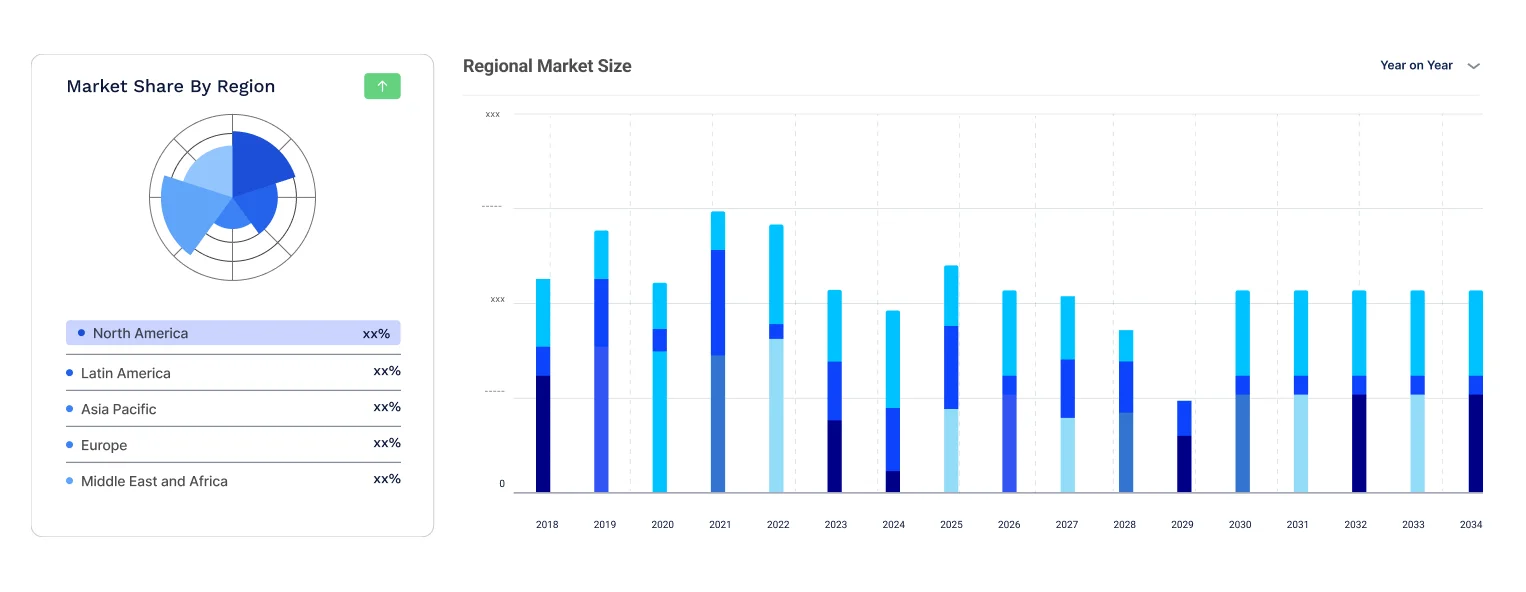
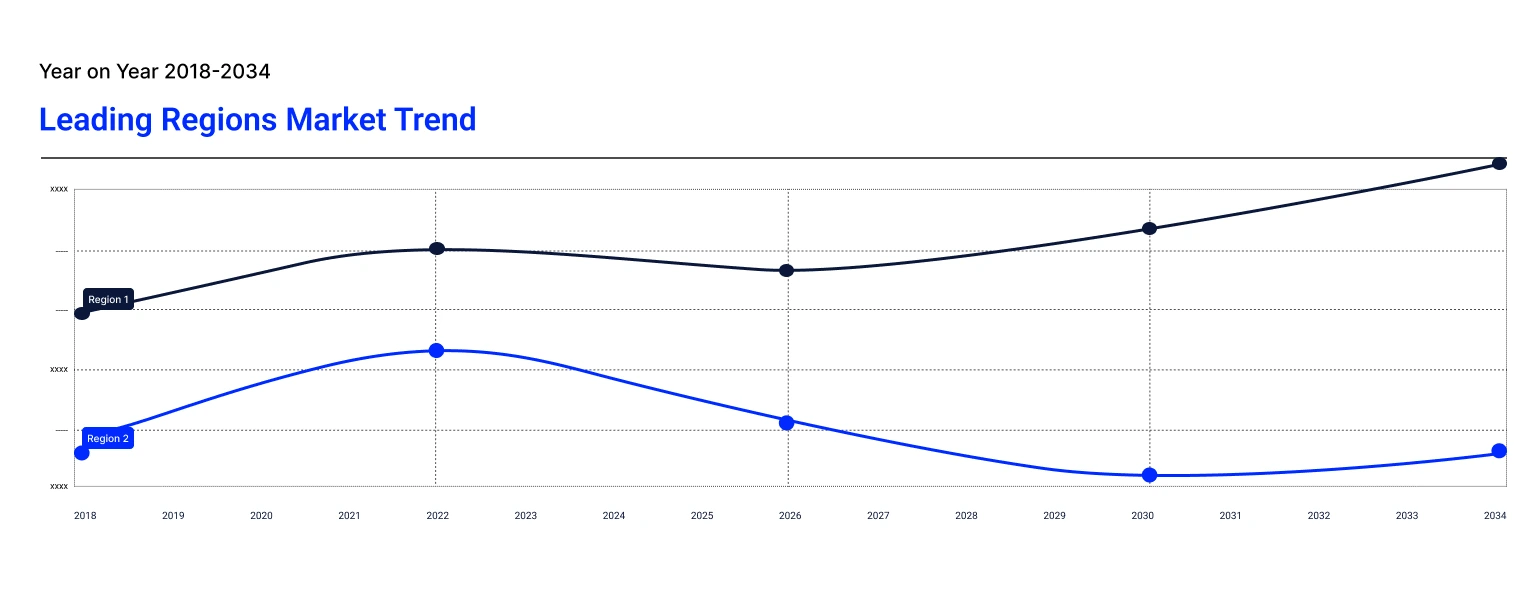
Key Insight: North America remains a dominant player in the global market, supported by its mature technology landscape and the presence of leading cloud providers. As businesses in North America increasingly adopt AI, big data analytics, and IoT technologies, the demand for scalable, secure database solutions continues to rise. The European database management system (DBMS) industry growth is driven by strong regulatory frameworks and the adoption of GDPR, emphasizing data protection and privacy. Asia Pacific is expected to see the fastest growth, driven by digitalization and the rising demand for big data analytics across emerging markets.
| CAGR 2026-2035 - Market by | Type |
| NoSQL | 12.3% |
| Relational Database | xx% |
| Others RDBMS | xx% |
| CAGR 2026-2035 - Market by | Deployment Model |
| On Premise | 11.2% |
| Cloud Based | xx% |
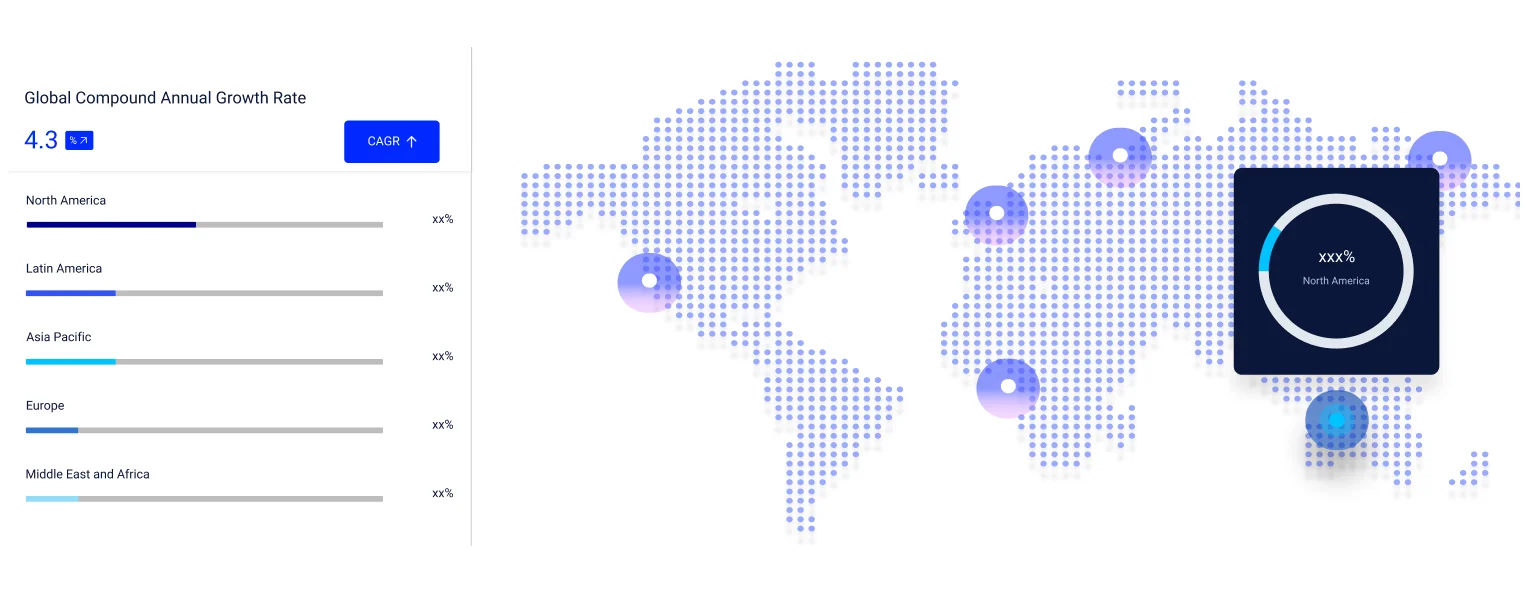
| CAGR 2026-2035 - Market by | Region |
| Asia Pacific | 11.7% |
| North America | 10.2% |
| Europe | 10.1% |
| Latin America | xx% |
| Middle East and Africa | xx% |
Rational databases command the largest share of the market due to their reliability and structured data management
Relational databases command the largest revenue share due to their reliability, structured data management, and strong performance in transaction-heavy applications. Widely adopted across industries such as BFSI and retail, they ensure data integrity and consistency, making them essential for managing critical business data. With increasing regulatory compliance and data security concerns, relational databases are set to remain integral to enterprises.
As per the database management system (DBMS) market report, NoSQL databases are rapidly growing in popularity, particularly in industries requiring high scalability and flexibility, such as e-commerce, big data analytics, and social media. Their ability to handle unstructured data and support real-time data processing makes them an ideal choice for modern applications. The shift toward data-driven decision-making, combined with the rise of cloud platforms, has further accelerated the adoption of NoSQL databases.
By deployment model, on-premises solutions dominate the market due to their ability to provide control over data security and compliance
On-premises database solutions continue to dominate the market due to their ability to provide control over data security and compliance. Industries like BFSI, government, and defense rely on on-premises deployments for handling sensitive information and adhering to strict regulatory standards. Although cloud adoption is growing, on-premises solutions remain essential for organizations with complex security and data governance needs.
Cloud-based database deployment is experiencing rapid growth in the database management system (DBMS) market, driven by its scalability, cost-efficiency, and the ability to support remote work environments. Cloud solutions allow businesses to scale their operations without heavy upfront investments, making them particularly attractive to SMEs. The increasing adoption of cloud services for data storage, processing, and analytics has positioned cloud databases for long-term growth.
By organization size, large enterprises continue to drive market value owing to their complex data requirements
Large enterprises remain the largest consumers of database management systems, driven by their complex data requirements and the need for high-performance, scalable solutions. These organizations often deploy hybrid database solutions, combining on-premises systems for sensitive data with cloud databases for flexibility and scalability. The large enterprise category’s dominance is expected to continue, as these companies increasingly rely on data-driven strategies to gain a competitive edge.
SMEs represent the fastest-growing category in the database management system (DBMS) market, fueled by the increasing adoption of cloud-based databases. These enterprises are leveraging cost-effective, scalable database solutions to improve operational efficiency and access advanced data analytics capabilities. As SMEs continue to embrace digital transformation, the demand for affordable, easy-to-deploy database solutions will rise.
By application, BFSI, defense, and government sectors are the largest application areas
The BFSI, defense, and government sectors are the largest application contributing to the database management system (DBMS) market revenue, driven by their need for secure, reliable, and high-performance solutions. These sectors handle large volumes of sensitive data, requiring databases that ensure compliance with data privacy regulations. The need for secure data storage, real-time analytics, and disaster recovery in these sectors continues to drive demand for advanced database solutions. This application is expected to remain dominant due to its critical data security and compliance requirements, fueling continued investment in robust database management systems.
The healthcare sector is experiencing heavy demand for database management systems, driven by the need to store, manage, and analyze electronic health records (EHR), patient data, and clinical information. Cloud-based databases are being adopted in the healthcare industry to improve data accessibility, collaboration, and compliance with regulatory standards such as HIPAA. As healthcare organizations embrace digital transformation, the demand for secure, scalable database solutions is expected to rise.
Read more about this report - REQUEST FREE SAMPLE COPY IN PDF
North America clocks in the largest share of the market owing to the presence of leading technology firms
The North America database management system (DBMS) market is driven by the presence of leading technology firms, high cloud adoption rates, and significant investments in data-centric technologies. Key sectors such as BFSI, healthcare, and retail rely on advanced DBMS solutions for big data analytics, cybersecurity, and compliance with regulations like GDPR and HIPAA. The region’s early adoption of AI, IoT, and automation further boosts demand for high-performance, scalable database management platforms.
Asia Pacific is poised to register the fastest CAGR over the forecast period, driven by rapid digitalization, expanding IT infrastructure, and growing cloud adoption. The rise of e-commerce, fintech, and smart city initiatives is fueling demand for scalable, flexible DBMS solutions, particularly in India and China, where data volumes from retail, telecom, and banking sectors are surging. Investments in AI, big data analytics, and cybersecurity are further accelerating DBMS adoption, particularly among startups and SMEs shifting to cloud databases.
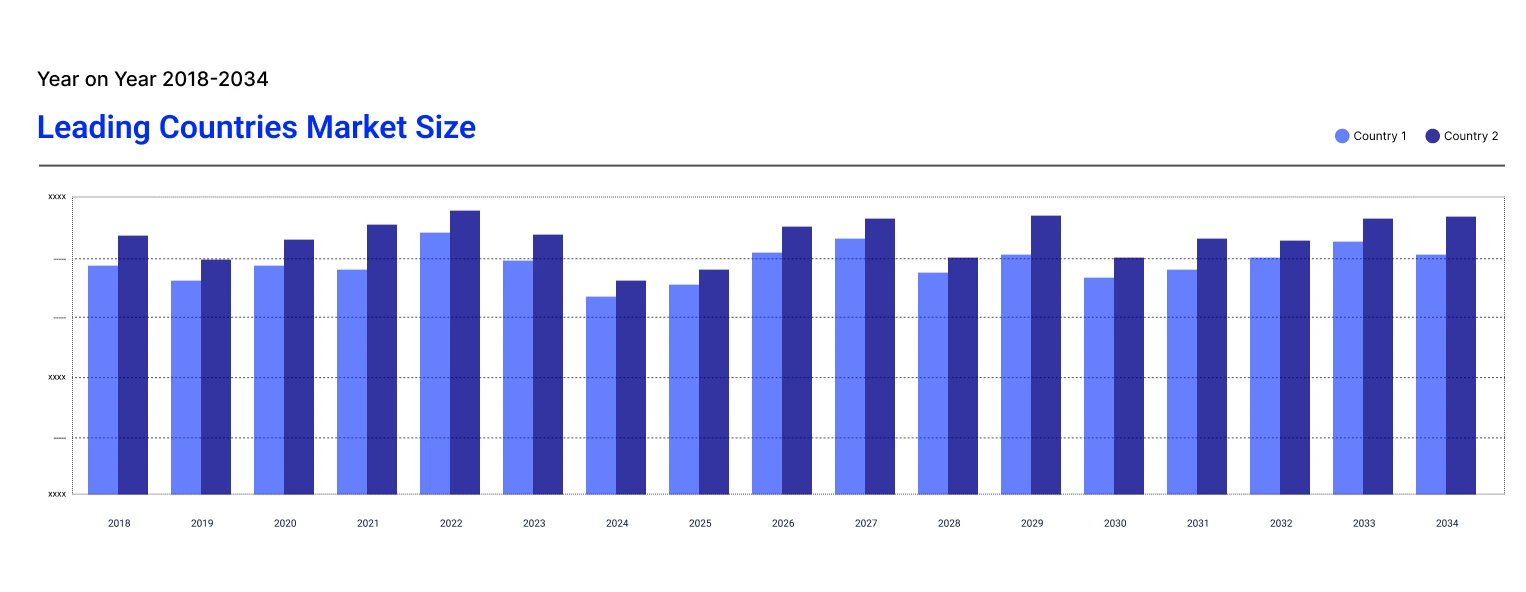
| CAGR 2026-2035 - Market by | Country |
| India | 12.0% |
| Brazil | 11.4% |
| China | 11.2% |
| USA | 10.0% |
| Italy | 9.9% |
| Canada | xx% |
| UK | xx% |
| Germany | 8.5% |
| France | xx% |
| Japan | xx% |
| ASEAN | xx% |
| Saudi Arabia | xx% |
| Mexico | xx% |
Leading database management system (DBMS) market players focus on continuous innovation, cloud integration, and AI/ML-powered automation to differentiate their offerings and address evolving enterprise needs123. Growth in data volume, cloud adoption, and the demand for real-time analytics are fueling market expansion.
Strategies such as mergers and acquisitions, strategic partnerships, and the launch of industry-specific solutions are common among database management system (DBMS) companies, as vendors seek to expand their market share and enhance product capabilities. Compliance with global data privacy regulations and robust security features remain crucial differentiators in this dynamic landscape. While cloud comes out to boast about the only AI-driven analytics, MongoDB facilitates this adoption with its multi-purpose, developer-friendly NoSQL database.
Founded in 1977 and headquartered in Austin, Texas, United States, Oracle Corporation is a global leader in database management systems. Renowned for its Oracle Database solutions, the company serves enterprises with robust cloud, on-premise, and hybrid DBMS offerings, driving innovation, scalability, and security in managing mission-critical business data.
Established in 1975 and headquartered in New Mexico, Microsoft Corporation dominates the DBMS market with its SQL Server and Azure SQL Database. Its strong cloud-first approach, enterprise integration, and global presence make Microsoft a pivotal player in advancing database technologies, empowering organizations with scalable, intelligent, and secure data solutions.
The PostgreSQL Global Development Group began in 1986 and is an independent community-driven organization dedicated to the development and improvement of the PostgreSQL database system, with its headquarters located in different parts of the world. The company began its operations in California, United States. It offers open-source relational databases, credible, trustworthy, and enhanced with different advanced features.
Founded in 2007 and headquartered in New York City, MongoDB, Inc. is the company behind MongoDB, the No. 1 NoSQL database and the fastest-growing new database in job postings and type searches. The company offers cloud-based MongoDB Atlas, a database service, along with professional support and training to enable organizations to get the most value from their database solutions.
*Please note that this is only a partial list; the complete list of key players is available in the full report. Additionally, the list of key players can be customized to better suit your needs.*
Other key players in the database management system (DBMS) market include Elasticsearch B.V, IBM Corporation, MariaDB Foundation, Amazon Web Services, Inc., Splunk Inc., and The Apache Software Foundation, among others.
Explore the latest trends shaping the database management system (DBMS) market 2026-2035 with our in-depth report. Gain strategic insights, future forecasts, and key market developments that can help you stay competitive. Download a free sample report or contact our team for customized consultation on database management system (DBMS) market trends 2026.


Upto 20% Off
USD


*While we strive to always give you current and accurate information, the numbers depicted on the website are indicative and may differ from the actual numbers in the main report. At Expert Market Research, we aim to bring you the latest insights and trends in the market. Using our analyses and forecasts, stakeholders can understand the market dynamics, navigate challenges, and capitalize on opportunities to make data-driven strategic decisions.*
Get in touch with us for a customized solution tailored to your unique requirements and save upto 35%!
In 2025, the database management system (DBMS) market reached an approximate value of USD 98.61 Billion.
The market is projected to grow at a CAGR of 10.80% between 2026 and 2035.
Key strategies driving the database management system (DBMS) market include cloud-first adoption for scalability, integration of AI and automation for advanced data insights, hybrid and multi-cloud deployment models, focus on security and compliance, expansion into emerging markets, and partnerships to deliver tailored industry-specific DBMS solutions.
The key trends in the market are the adoption of multi-model databases and cloud-based management systems and the rising integration of AI and machine learning in DBMS systems.
The major regions in the market are North America, Latin America, the Middle East and Africa, Europe, and the Asia Pacific.
The major applications of DBMS are BFSI, defence and government, healthcare, oil and gas, and retail and manufacturing, among others.
The different deployment models of DBMS are on premise and cloud based.
The key players in the market include Oracle Corporation, Microsoft Corporation, The Postgresql Global Development Group, MongoDB, Inc., Elasticsearch B.V, IBM Corporation, MariaDB Foundation, Amazon Web Services, Inc., Splunk Inc., and The Apache Software Foundation, among others.
The market is estimated to witness a healthy growth in the forecast period of 2026-2035 to reach USD 274.99 Billion by 2035.
The key challenges found in the database management system (DBMS) market are managing growing data complexity, shortage of skilled professionals, and balancing performance with scalability in real-time, data-intensive applications.
Explore our key highlights of the report and gain a concise overview of key findings, trends, and actionable insights that will empower your strategic decisions.
| REPORT FEATURES | DETAILS |
| Base Year | 2025 |
| Historical Period | 2019-2025 |
| Forecast Period | 2026-2035 |
| Scope of the Report |
Historical and Forecast Trends, Industry Drivers and Constraints, Historical and Forecast Market Analysis by Segment:
|
| Breakup by Type |
|
| Breakup by Deployment Model |
|
| Breakup by Organization Size |
|
| Breakup by Application |
|
| Breakup by Region |
|
| Market Dynamics |
|
| Competitive Landscape |
|
| Companies Covered |
|
Datasheet
One User
USD 2,999
USD 2,699
tax inclusive*
Single User License
One User
USD 4,839
USD 4,355
tax inclusive*
Five User License
Five User
USD 5,999
USD 5,099
tax inclusive*
Corporate License
Unlimited Users
USD 7,259
USD 6,170
tax inclusive*
*Please note that the prices mentioned below are starting prices for each bundle type. Kindly contact our team for further details.*
Flash Bundle
Small Business Bundle
Growth Bundle
Enterprise Bundle
*Please note that the prices mentioned below are starting prices for each bundle type. Kindly contact our team for further details.*
Flash Bundle
Number of Reports: 3
20%
tax inclusive*
Small Business Bundle
Number of Reports: 5
25%
tax inclusive*
Growth Bundle
Number of Reports: 8
30%
tax inclusive*
Enterprise Bundle
Number of Reports: 10
35%
tax inclusive*
How To Order

Select License Type
Choose the right license for your needs and access rights.

Click on ‘Buy Now’
Add the report to your cart with one click and proceed to register.

Select Mode of Payment
Choose a payment option for a secure checkout. You will be redirected accordingly.
Gain insights to stay ahead and seize opportunities.

Get insights & trends for a competitive edge.

Track prices with detailed trend reports.

Analyse trade data for supply chain insights.

Leverage cost reports for smart savings

Enhance supply chain with partnerships.

Connect For More Information
Our expert team of analysts will offer full support and resolve any queries regarding the report, before and after the purchase.
Our expert team of analysts will offer full support and resolve any queries regarding the report, before and after the purchase.
We employ meticulous research methods, blending advanced analytics and expert insights to deliver accurate, actionable industry intelligence, staying ahead of competitors.
Our skilled analysts offer unparalleled competitive advantage with detailed insights on current and emerging markets, ensuring your strategic edge.
We offer an in-depth yet simplified presentation of industry insights and analysis to meet your specific requirements effectively.





Share