

Consumer Insights
Uncover trends and behaviors shaping consumer choices today
Procurement Insights
Optimize your sourcing strategy with key market data
Industry Stats
Stay ahead with the latest trends and market analysis.
The global digital experience platform market reached a value of USD 11.72 Billion in 2025 and is projected to grow at a compound annual growth rate (CAGR) of 11.50% during the forecast period of 2026 to 2035, reaching USD 34.81 Billion by 2035. This expansion reflects a fundamental shift in how enterprises design, deliver, and continuously optimise customer interactions across every digital channel.
A digital experience platform (DXP) is an integrated technology suite that enables organisations to build, manage, personalise, and optimise digital experiences across web, mobile, social, and emerging channels from a unified architecture. Unlike traditional content management systems (CMS) or customer relationship management (CRM) platforms that operate in functional silos, a DXP consolidates content management, customer data, analytics, personalisation engines, and commerce capabilities into a single, orchestrated layer. This integration allows enterprises to deliver consistent, contextually relevant experiences at scale across the entire customer lifecycle, from initial acquisition through long-term retention.
The market is experiencing accelerating investment driven by the convergence of agentic artificial intelligence, cloud-native architecture, composable platform design, and first-party data strategies. Enterprises across retail, banking, healthcare, and manufacturing are deploying DXP solutions to resolve fragmentation across customer journeys, reduce operational complexity, and build measurable digital loyalty.
Compound Annual Growth Rate
11.5%
Value in USD Billion
2026-2035
Read more about this report - REQUEST FREE SAMPLE COPY IN PDF
| Digital Experience Platform Market Report Summary | Description | Value |
| Base Year | USD Billion | 2025 |
| Historical Period | USD Billion | 2019-2025 |
| Forecast Period | USD Billion | 2026-2035 |
| Market Size 2025 | USD Billion | 11.72 |
| Market Size 2035 | USD Billion | 34.81 |
| CAGR 2019-2025 | Percentage | XX% |
| CAGR 2026-2035 | Percentage | 11.50% |
| CAGR 2026-2035 - Market by Region | Asia Pacific | 13.3% |
| CAGR 2026-2035 - Market by Country | India | 13.4% |
| CAGR 2026-2035 - Market by Country | China | 12.7% |
| CAGR 2026-2035 - Market by Component | Platform | 12.8% |
| CAGR 2026-2035 - Market by End-Use | IT and Telecom | 13.1% |
| Market Share by Country 2025 | UK | 3.4% |
The digital experience platform market is being reshaped by several structural technology and commercial trends that are redefining how enterprises build, deploy, and differentiate their digital customer experience capabilities.
Composable DXP architecture, built on MACH (Microservices, API-first, Cloud-native, Headless) principles, is among the most consequential structural trends in the market. Rather than deploying monolithic, vendor-locked platforms, enterprises are assembling best-of-breed components across headless CMS, customer data platforms, commerce engines, and analytics tools through open APIs. This approach delivers greater deployment flexibility, faster time-to-market for digital initiatives, and the ability to upgrade individual components without replacing the entire stack. Pure-play composable vendors including Contentful, Contentstack, Bloomreach, and Magnolia are gaining market share as enterprises prioritise MACH-based architectures for new digital experience investments.
Enterprises are demanding DXP solutions that deliver true omnichannel orchestration across web, mobile, in-store kiosk, voice, social commerce, and connected device channels from a single, unified content and data layer. This requires DXP platforms to integrate with point-of-sale systems, IoT devices, contact centre platforms, and digital marketing tools through open integration frameworks. Customer journey mapping, powered by real-time behavioural analytics, is becoming a core enterprise use case, with platforms that can visualise and continuously optimise the end-to-end customer journey commanding greater enterprise investment and longer contract tenure.
The deprecation of third-party cookies and the tightening of data privacy regulations across major markets have elevated first-party data strategy to a board-level priority. Enterprises are deploying DXP-native customer data platform (CDP) capabilities to collect, unify, and activate consent-based first-party data across all digital touchpoints in real time. This trend is increasing the strategic value of DXP solutions with integrated CDP functionality, built-in consent management, and transparent data activation frameworks. European enterprises, operating under GDPR, are particularly active in building privacy-first DXP architectures with EU-hosted cloud deployment and data localisation controls.
AI and machine learning are now embedded at the core of leading DXP solutions, fundamentally changing how enterprises deliver personalised digital experiences. AI-driven personalisation engines analyse behavioural data, purchase history, contextual signals, and predictive models to deliver unique, dynamically adapted content to individual users in real time. Platforms with mature AI personalisation capabilities, including Adobe Experience Platform, Salesforce Customer 360, and Optimizely, are achieving measurable improvements in conversion rate, average order value, and customer retention among enterprise deployments. The shift from rule-based segmentation to AI-native personalisation is now a baseline expectation rather than a premium feature in enterprise DXP procurement.
Read more about this report - REQUEST FREE SAMPLE COPY IN PDF
AI integration, low code and no code development and omnichannel integration are the major trends impacting the digital experience platform demand growth.
MarTech reported that Adobe rebranded its Experience Cloud as CX Enterprise, an end-to-end agentic AI system organised around three strategic pillars: Brand Visibility, Customer Engagement, and Content Supply Chain. The rebrand signals a shift from tool-centric marketing software toward goal-oriented, AI-first workflows, underpinned by a new Adobe AI Platform combining Adobe Brand Intelligence and the CX Engagement Intelligence System.
At Adobe Summit in Las Vegas, Adobe unveiled CX Enterprise as an end-to-end agentic AI system designed to manage the full customer lifecycle from acquisition to loyalty. More than 1,770 enterprise customers were already activated on the platform's new credit-based AI pricing model, with over 10 purpose-built AI agents now in production across key marketing and experience workflows.
Salesforce launched Agentforce Contact Center on March 10, natively unifying voice, digital channels, CRM data, and AI agents in a single platform. Generally available in the US and Canada, the solution enables contact centers to reduce integration costs and deploy autonomous AI agents across service and digital customer interactions.
Optimizely expanded its Opal agentic platform to support Anthropic Claude via Google Vertex AI, introducing multi-LLM capability across 28 purpose-built agents spanning content management, personalisation, experimentation, and commerce. Enterprises deploying these AI-agent workflows reported 25 to 35 per cent increases in content velocity and 200 per cent improvements in click-through rates.
The need for personalized experiences through digital platforms fuels the integration of artificial intelligence technologies and boost the digital experience platform demand. Organizations make use of AI technologies in studying user behaviour and preferences to allow real-time personalization for better customer engagement and satisfaction, hence higher conversion rates and loyalty.
Low-code and no-code solutions are changing the way digital experience platforms are developed and run within an organization. This puts the capability into the hands of non-technical users to design or modify digital experiences in a fast and agile manner, independent of IT resources, reducing the time to market, and enabling quick innovation in response to market evolution.
Consumers need and, hence, wish to interact with a particular brand in an across-channel seamless way. This is what has thrust businesses toward an omni-channel strategy within the digital experience platforms. This approach is aimed at the delivery of unified customer journeys whereby a user receives consistent messages and experiences regardless of the channel used: website, mobile app, social media, or in-store interaction. Such interactions eventually propels the growth of the digital experience platform market.
As the laws on data privacy become tougher every day, digital experience platforms are finding their center in compliance and security. Companies are leaning towards making data governance robust for the safety of customer information and being transparent and trustworthy while remaining compliant with laws like the General Data Protection Regulation (GDPR) and, in truth, the California Consumer Privacy Act, which, in turn, boosts brand reputation.
The digital experience platform market growth is sustained by a set of structural demand drivers spanning technology adoption, industry expansion, and changing consumer behaviour. These factors are expected to drive consistent investment in DXP infrastructure through the 2026-2035 forecast period.
Enterprise digital transformation spending is the foundational driver of DXP market growth. Organisations across all major industries are prioritising the modernisation of customer-facing digital infrastructure to reduce operational fragmentation, improve customer experience consistency, and build competitive advantage in digital channels. DXP solutions are increasingly positioned as the enabling infrastructure for these transformation programmes, consolidating the content, data, personalisation, and commerce capabilities that previously required multiple disconnected systems.
The shift from project-based digital initiatives to continuous digital experience optimisation is expanding the strategic and budgetary commitment enterprises make to DXP deployments. Vendors offering outcome-based business models, in which DXP pricing is tied to measurable improvements in customer lifetime value, conversion rate, or digital revenue, are gaining traction among enterprise buyers seeking to align technology investment with commercial outcomes.
The continued growth of global e-commerce, combined with the proliferation of mobile as the primary digital engagement channel, is driving sustained DXP adoption across retail, consumer goods, travel, and media sectors. Mobile-first consumers expect digital experiences that are personalised, contextually relevant, and consistent across devices and channels. DXP solutions enable enterprises to deliver these experiences by unifying customer data, content, and personalisation capabilities across web, mobile app, and emerging touchpoints including voice and connected devices.
The growth of social commerce, livestream shopping, and AI-assisted product discovery is expanding the range of digital experience touchpoints that enterprises must manage and personalise, further increasing the scope and value of DXP deployments. Adobe Analytics data from 2025 confirmed the scale of AI-driven traffic growth to retail and travel sites, with generative AI sources now representing a material and growing share of digital acquisition channels that DXP solutions are required to serve.
Cloud deployment is growing at the fastest rate within the DXP market, driven by the shift from capital expenditure to operational expenditure models for enterprise software, the availability of continuous vendor-managed product updates, and the ability to scale digital experience infrastructure elastically in response to demand. Cloud-native DXP deployments allow organisations to launch new digital experience initiatives significantly faster than on-premise alternatives and to integrate more readily with the broader ecosystem of SaaS-based marketing, commerce, and analytics tools.
Multi-cloud strategies, in which enterprises distribute DXP workloads across two or more cloud providers, are becoming standard among large enterprises seeking to optimise performance by geography and avoid single-vendor infrastructure dependency. This trend is increasing demand for cloud-agnostic DXP architectures, containerised deployment models built on Kubernetes, and open API frameworks that allow enterprises to assemble best-of-breed cloud services within a unified DXP layer.
Healthcare and banking, financial services, and insurance (BFSI) represent two of the highest-growth end-use verticals for DXP adoption. In healthcare, providers are deploying DXP solutions to deliver personalised patient portal experiences, telehealth engagement platforms, and integrated care navigation tools. The importance of digital patient experience as a driver of clinical outcomes and patient loyalty is creating sustained investment in DXP infrastructure across hospital systems, health networks, and telehealth providers globally.
In the BFSI sector, the continued rollout of digital banking services, AI-powered financial advisory tools, and contactless payment experiences is driving DXP adoption. Indian banking institutions including the State Bank of India, ICICI Bank, and HDFC Bank have deployed AI and ML-powered virtual assistants built on DXP infrastructure, delivering consistent personalised experiences across web and mobile banking channels. The growing importance of digital engagement in insurance, wealth management, and payments is further expanding the BFSI addressable market for DXP solutions.
The global digital experience platform market report provides a comprehensive overview of the industry's growth, key players, and emerging trends. It offers detailed insights into market segmentation, including product types, end-user industries, and geographical regions. The report analyses the factors driving market expansion and highlights the strategic developments shaping the future of digital experience platforms worldwide.
By Component: Platform Dominates, Services Growing Fastest
Key Insights: The platform segment holds the largest component share, reflecting the core product investment enterprises make in deploying a DXP. Platform capabilities include content management, personalisation, analytics, customer data integration, and multi-channel delivery. The services segment is growing at the highest CAGR within the component dimension, driven by the increasing complexity of enterprise DXP implementations and the growing demand for implementation consulting, system integration, and managed services. Professional services providers and system integrators represent a critical layer of the DXP ecosystem, helping enterprises configure, deploy, and optimise DXP solutions across their digital infrastructure.
By Deployment: Cloud Gains Ground on On-Premise
Key Insights: On-premise deployment currently holds the larger deployment segment share among enterprises that prioritise data sovereignty, customisation depth, and compliance with sector-specific regulations. The cloud segment is growing at the fastest rate and is expected to overtake on-premise as the dominant deployment model over the forecast period. The shift from capital to operational expenditure models, continuous vendor-managed updates, and the ease of integration with SaaS marketing and commerce tools are the primary factors accelerating cloud adoption.
By Application: B2C Leads, B2B Accelerating
Key Insights: The B2C segment holds the largest application share, driven by the rapid digitalisation of retail, media, and consumer services industries. The B2B segment is growing at an accelerating pace as enterprises invest in account-based marketing, partner portal personalisation, and complex configuration experiences. The Spring 2026 launch of Salesforce Agentforce B2B capabilities and the Adobe Journey Optimizer B2B Edition Prime, available from Q2 2026, reflect the growing platform investment in this application segment. The increasing consumerisation of B2B buying behaviour, in which business buyers expect the same quality of digital experience as B2C consumers, is a significant structural growth driver for this segment.
By End-Use: Retail Leads, BFSI and Healthcare Expanding Rapidly
Key Insights: Retail holds the largest end-use market share, driven by the growing importance of digital commerce, loyalty programme personalisation, and AI-driven product discovery. BFSI is growing at the fastest CAGR among end-use industries, supported by digital banking expansion, AI virtual assistants, and the rollout of contactless services. Healthcare represents a growing and underserved vertical, as patient portal personalisation, telehealth UX investment, and integrated care navigation drive DXP adoption in this sector.
Region Outlook (Revenue, Billion, 2026-2035)
The digital experience platform market faces a set of operational, technical, and structural challenges that enterprises and vendors are actively addressing. The most persistent challenge is the complexity of implementing and managing DXP solutions at enterprise scale. DXP deployments require the integration of multiple technology systems, including CMS, CDP, CRM, commerce engines, and analytics tools, and the specialised skills to configure and optimise these integrations are in short supply. Adobe AI and Digital Trends Study from March 2026 found that 75 per cent of organisations cite data integration and quality as their primary AI implementation barrier, 71 per cent cite talent gaps, and 68 per cent cite unclear ROI, underscoring that these operational challenges are not diminishing with the adoption of more advanced platforms. Measuring return on investment from DXP deployments remains a persistent difficulty, as the business impact of a DXP spans customer experience quality, conversion rate, retention, and brand equity simultaneously, making single-metric attribution complex. DXP vendors are responding by embedding credit-based AI pricing models and ROI measurement dashboards directly into their platforms to help enterprise buyers build financial cases and track outcomes.
From a structural restraint perspective, the high initial licensing, implementation, and integration costs associated with enterprise-grade DXP deployments present a significant barrier to adoption for mid-market organisations. The DXP market remains dominated by platforms designed for large enterprise buyers, with implementation costs that can take several years to recoup and require significant professional services engagement. Data privacy and compliance requirements represent an additional structural restraint, particularly in jurisdictions with strict regulatory frameworks including the European GDPR, India Data Protection Act, and China Cybersecurity Law. These frameworks influence deployment model selection, data architecture, and cross-border data strategy in ways that increase compliance overhead and limit some global deployment approaches. Vendor consolidation, including the announced Salesforce acquisition of Contentful in 2026, is creating concerns among enterprise buyers about long-term product roadmap continuity, platform lock-in risk, and the future pricing dynamics of maturing platform ecosystems.
Despite these constraints, the DXP market presents substantial and expanding opportunities across all dimensions. The most immediate growth opportunity lies in serving the mid-market segment, representing a large and relatively underpenetrated buyer population that is beginning to invest in unified digital experience infrastructure for the first time. The rapid digitalisation of consumer services, financial technology, and healthcare in high-growth emerging markets including India, China, Brazil, and the GCC countries is generating accelerating demand for mobile-first DXP deployments designed for large, digitally engaged populations. The integration of generative and agentic AI into DXP platforms is creating an entirely new category of autonomous experience orchestration capability that expands both the scope and the commercial value of enterprise DXP deployments. Enterprises that invest in AI-ready DXP architectures today will be positioned to capture compounding returns as agentic capabilities mature through the forecast period. For full quantification of these opportunities by segment and geography, explore the complete Expert Market Research digital experience platform market report.
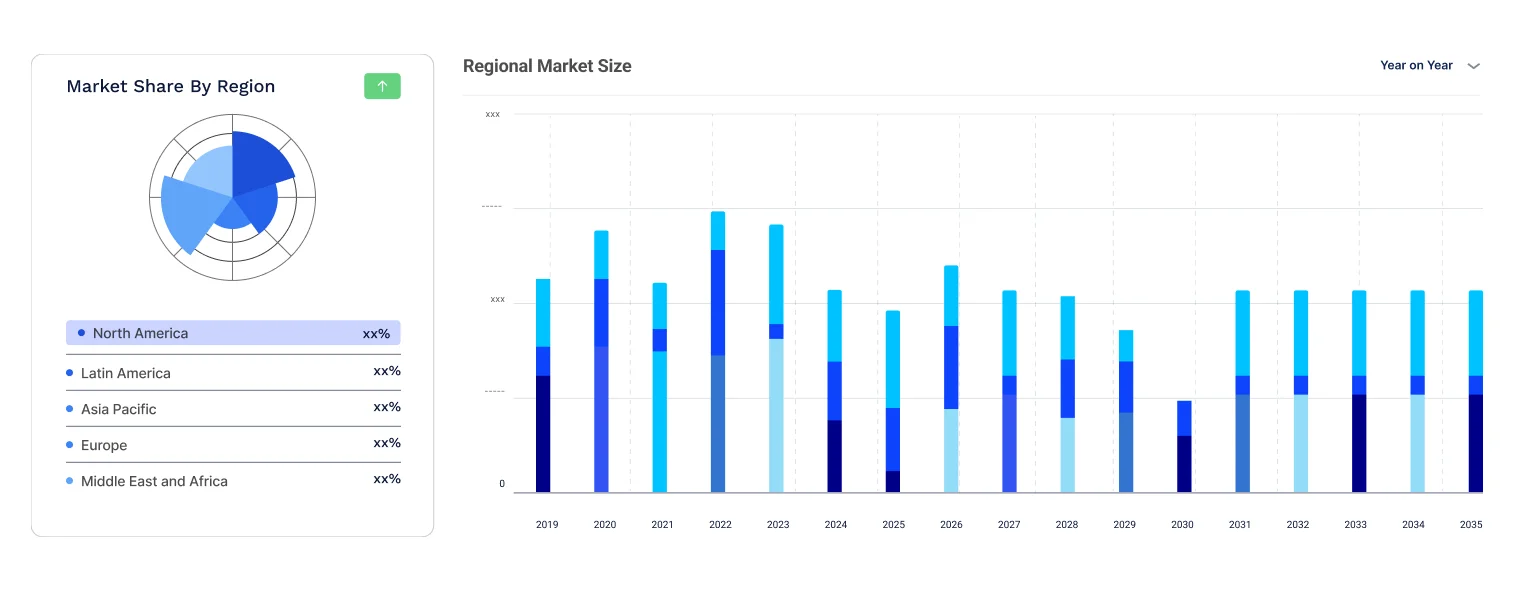
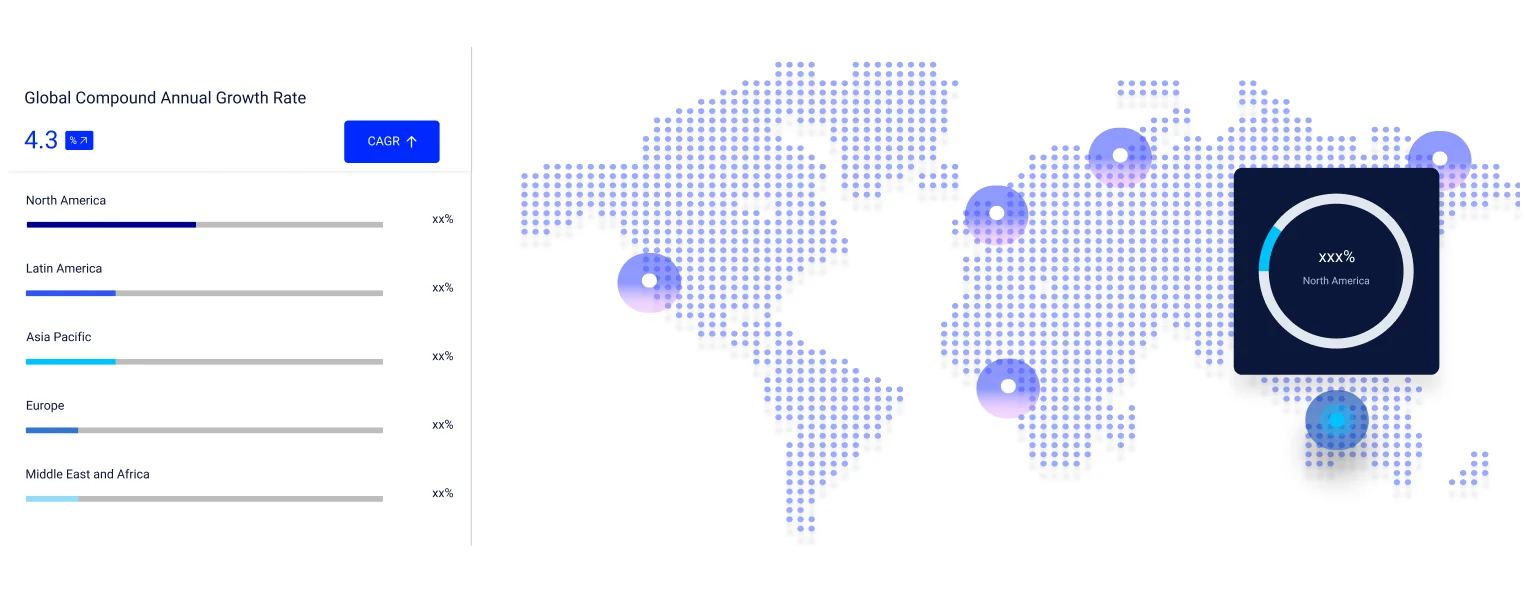
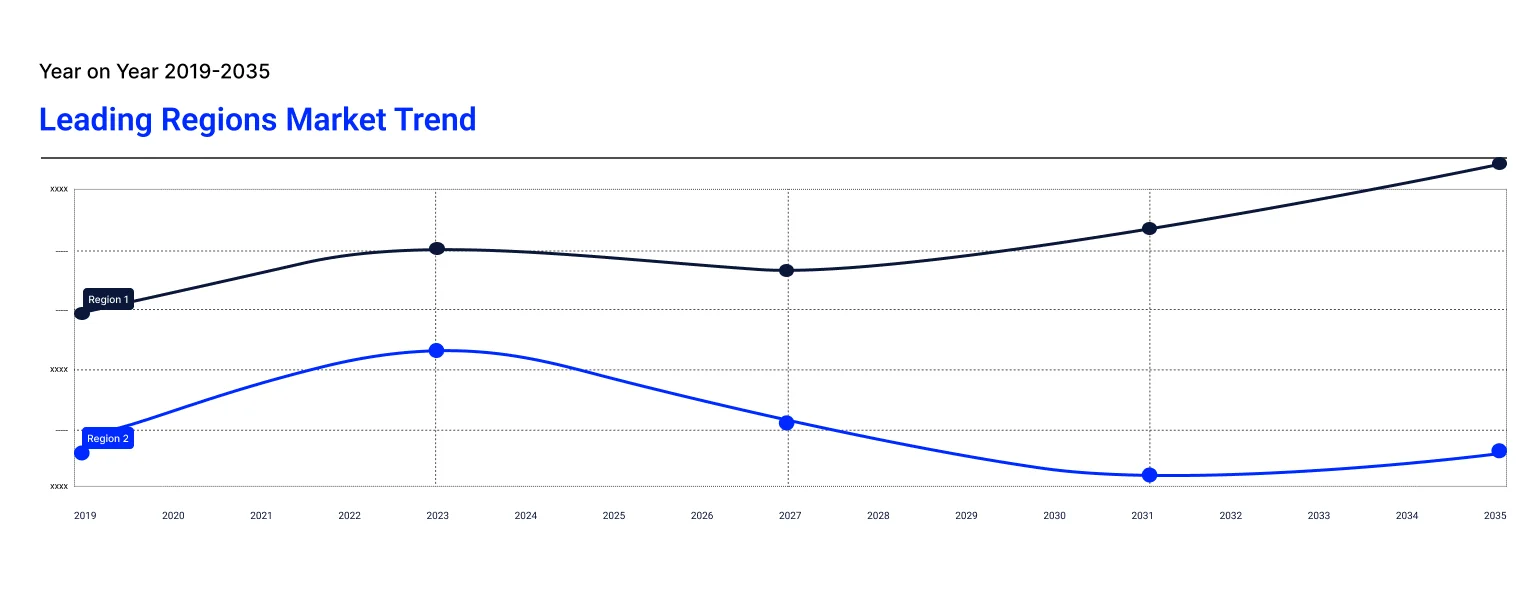
The digital experience platform market exhibits distinct regional dynamics shaped by digital infrastructure maturity, industry composition, regulatory environment, and the pace of enterprise digital transformation investment.
North America holds the largest regional revenue share in the global digital experience platform market, supported by a concentration of large enterprises across retail, financial services, media, and technology that are deploying sophisticated DXP solutions at scale. The United States accounts for the majority of North American market revenue and is home to leading DXP vendors including Adobe, Salesforce, Oracle, and Microsoft, creating a mature competitive ecosystem. The growing preference for agentic AI and cloud-native DXP architectures, combined with increasing data privacy focus through state-level regulatory frameworks, is shaping enterprise DXP procurement and architecture decisions in this region.
Europe is a mature and strategically important DXP market, characterised by strong enterprise software spending, high digital literacy, and a regulatory environment shaped by GDPR that requires privacy-first DXP architectures. European enterprises are prioritising first-party data strategies, consent management integration, and EU-hosted cloud deployment to meet compliance requirements. Germany and France are the largest national markets, supported by manufacturing, financial services, and retail sectors. The UK, despite regulatory divergence post-Brexit, remains a strong DXP adopter particularly in fintech and retail. National digital infrastructure investment programmes across the continent continue to support sustained enterprise adoption through the forecast period.
Asia Pacific is the fastest-growing regional DXP market, driven by the rapid digital transformation of large enterprise sectors across China, India, Japan, South Korea, and Australia. India digital experience platform demand is driven by the rapid digitalisation of banking, retail, government services, and healthcare, supported by the Digital India programme and expanding smartphone and broadband penetration. The Chinese market is characterised by a strong domestic technology ecosystem with local DXP providers competing alongside international vendors. Japan benefits from advanced technological infrastructure and high rates of AI and IoT integration, making it one of the more mature markets within the region.
Brazil and Mexico lead the Latin America DXP market as e-commerce, financial services, and telecommunications sectors invest in DXP solutions to improve digital customer acquisition and retention. Growth in internet penetration and mobile commerce across the region is expanding the DXP-addressable enterprise base, with the region expected to sustain an accelerating adoption pace through the forecast period.
The Middle East and Africa region represents an early but accelerating DXP market, led by the UAE, Saudi Arabia, and South Africa. UAE and Saudi Arabia are deploying DXP solutions as part of national digital economy programmes, including Saudi Vision 2030, which mandates digital transformation of government services and commercial customer engagement. The region is expected to grow at one of the higher CAGRs globally through the forecast period, supported by rising enterprise digital transformation budgets and expanding 5G connectivity.
The digital experience platform market is moderately concentrated. The top five suppliers, Adobe, Salesforce, SAP, Oracle, and Microsoft, held the majority of 2025 revenue, while more than 30 specialist vendors compete for the remaining share. Incumbents are cross-selling experience modules into existing CRM and ERP customer bases, bundling multi-year contracts, and embedding AI capabilities that increase switching costs.
Adobe is the leading participant in the global digital experience platform market, operating through Adobe Experience Cloud, a comprehensive suite spanning content management, analytics, customer data management, advertising, and commerce. At Adobe Summit in March 2025, Adobe launched the AEP Agent Orchestrator, enabling autonomous AI agents to handle site optimisation, content production, and audience management at scale. In April 2026 at Adobe Summit, Adobe unveiled CX Enterprise, rebranding its entire Experience Cloud as an end-to-end agentic AI system for managing the full customer lifecycle. CX Enterprise is built on Adobe Brand Intelligence and the CX Engagement Intelligence System, with partnerships across AWS, Anthropic, Google Cloud, IBM, Microsoft, NVIDIA, and OpenAI.
Salesforce competes through its Customer 360 architecture, integrating CRM, Marketing Cloud, Commerce Cloud, Service Cloud, and the Salesforce Data Cloud as the underlying CDP. Since the Agentforce launch at Dreamforce in September 2024, Salesforce has aggressively built its agentic AI platform, with the Spring 2026 release renaming Marketing Cloud to Agentforce Marketing and introducing the Campaign Creation Agent for autonomous multi-channel campaign generation. Salesforce announced the acquisition of Contentful in 2026, positioning itself as the API-first content and commerce platform for agentic enterprise workflows.
SAP operates the SAP Customer Experience suite covering Commerce Cloud, Service Cloud, Marketing Cloud, Sales Cloud, and Customer Data Platform capabilities. SAP competitive strength lies in deep integration with SAP S/4HANA and the SAP Business Technology Platform, making it the preferred DXP partner for large enterprises already operating within the SAP ERP ecosystem. SAP targets manufacturing, utilities, and industrial enterprises where integration between customer experience and supply chain management is a core requirement.
Other significant participants include Oracle Corporation (Oracle CX Cloud Suite), IBM Corporation (IBM iX and Watson-based DXP solutions), Microsoft Corporation (Dynamics 365 and Azure-based experience capabilities), OpenText Corporation (TeamSite and Exstream for regulated industries), Sitecore, Acquia Inc. (Drupal-based open-source cloud DXP), Optimizely (Opal agentic platform with 28 purpose-built agents including Anthropic Claude support from March 2026), and Liferay Inc. (B2B and employee experience portals). Pure-play composable vendors Contentful (now acquired by Salesforce), Contentstack, Kontent.ai, Bloomreach, and Magnolia are gaining share among enterprises prioritising MACH-based headless DXP architectures.
*Please note that this is only a partial list; the complete list of key players is available in the full report. Additionally, the list of key players can be customized to better suit your needs.*


Upto 15% Off
USD
$2499 $2249
$3999 $3599
$4999 $4249
$5999 $5099


*While we strive to always give you current and accurate information, the numbers depicted on the website are indicative and may differ from the actual numbers in the main report. At Expert Market Research, we aim to bring you the latest insights and trends in the market. Using our analyses and forecasts, stakeholders can understand the market dynamics, navigate challenges, and capitalize on opportunities to make data-driven strategic decisions.*
In 2025, the global digital experience platform market attained a value of nearly USD 11.72 Billion.
The market is projected to grow at a CAGR of 11.50% between 2026 and 2035.
The market is estimated to witness healthy growth in the forecast period of 2026-2035 to reach about USD 34.81 Billion by 2035.
The major market drivers include growing technological innovations, the rising demand for digital experience platforms in developing regions, the increase in the number of internet and smartphone users, and the surging volume of data generation.
The key trends guiding the growth of the market include technological advancements, the growing use of data analytics, the increasing integration of AI, and a growing shift towards cloud computing.
The major regions in the market are North America, Latin America, the Middle East and Africa, Europe, and the Asia Pacific.
Platforms and services are the different components of digital experience platform in the market.
On-premises and cloud are the major deployment types of digital experience platform in the market.
The significant end-users in the market include IT and telecom, BFSI, retail, healthcare, manufacturing, travel and hospitality, media and entertainment, and public sector, among others.
The major players in the market are Adobe Inc., Oracle Corporation, International Business Machines Corporation, SAP SE, Microsoft Corporation, Salesforce.com, Inc., Acquia Inc., Liferay, Inc., Open Text Corporation, and Sitecore, among others.
North America held the largest market share due to the significant emphasis on customer engagement and retention, a robust presence of both online and traditional retail channels, and a strong preference for developing customer-centric marketing campaigns, all of which are key drivers of growth in the region's DXP market.
Explore our key highlights of the report and gain a concise overview of key findings, trends, and actionable insights that will empower your strategic decisions.
| REPORT FEATURES | DETAILS |
| Base Year | 2025 |
| Historical Period | 2019-2025 |
| Forecast Period | 2026-2035 |
| Scope of the Report |
Historical and Forecast Trends, Industry Drivers and Constraints, Historical and Forecast Market Analysis by Segment:
|
| Breakup by Component |
|
| Breakup by Deployment |
|
| Breakup by Application |
|
| Breakup by End-Use |
|
| Breakup by Region |
|
| Market Dynamics |
|
| Competitive Landscape |
|
| Companies Covered |
|
| Report Price and Purchase Option | Explore our purchase options that are best suited to your resources and industry needs. |
| Delivery Format | Delivered as an attached PDF and Excel through email, with an option of receiving an editable PPT, according to the purchase option. |
Datasheet
One User
USD 2,499
USD 2,249
tax inclusive*
Single User License
One User
USD 3,999
USD 3,599
tax inclusive*
Five User License
Five User
USD 4,999
USD 4,249
tax inclusive*
Corporate License
Unlimited Users
USD 5,999
USD 5,099
tax inclusive*
*Please note that the prices mentioned below are starting prices for each bundle type. Kindly contact our team for further details.*
Flash Bundle
Small Business Bundle
Growth Bundle
Enterprise Bundle
*Please note that the prices mentioned below are starting prices for each bundle type. Kindly contact our team for further details.*
Flash Bundle
Number of Reports: 3
20%
tax inclusive*
Small Business Bundle
Number of Reports: 5
25%
tax inclusive*
Growth Bundle
Number of Reports: 8
30%
tax inclusive*
Enterprise Bundle
Number of Reports: 10
35%
tax inclusive*
How To Order

Select License Type
Choose the right license for your needs and access rights.

Click on ‘Buy Now’
Add the report to your cart with one click and proceed to register.

Select Mode of Payment
Choose a payment option for a secure checkout. You will be redirected accordingly.
Strategic Solutions for Informed Decision-Making
Gain insights to stay ahead and seize opportunities.

Get insights & trends for a competitive edge.

Track prices with detailed trend reports.

Analyse trade data for supply chain insights.

Leverage cost reports for smart savings

Enhance supply chain with partnerships.

Connect For More Information
Our expert team of analysts will offer full support and resolve any queries regarding the report, before and after the purchase.
Our expert team of analysts will offer full support and resolve any queries regarding the report, before and after the purchase.
We employ meticulous research methods, blending advanced analytics and expert insights to deliver accurate, actionable industry intelligence, staying ahead of competitors.
Our skilled analysts offer unparalleled competitive advantage with detailed insights on current and emerging markets, ensuring your strategic edge.
We offer an in-depth yet simplified presentation of industry insights and analysis to meet your specific requirements effectively.




