

Consumer Insights
Uncover trends and behaviors shaping consumer choices today
Procurement Insights
Optimize your sourcing strategy with key market data
Industry Stats
Stay ahead with the latest trends and market analysis.
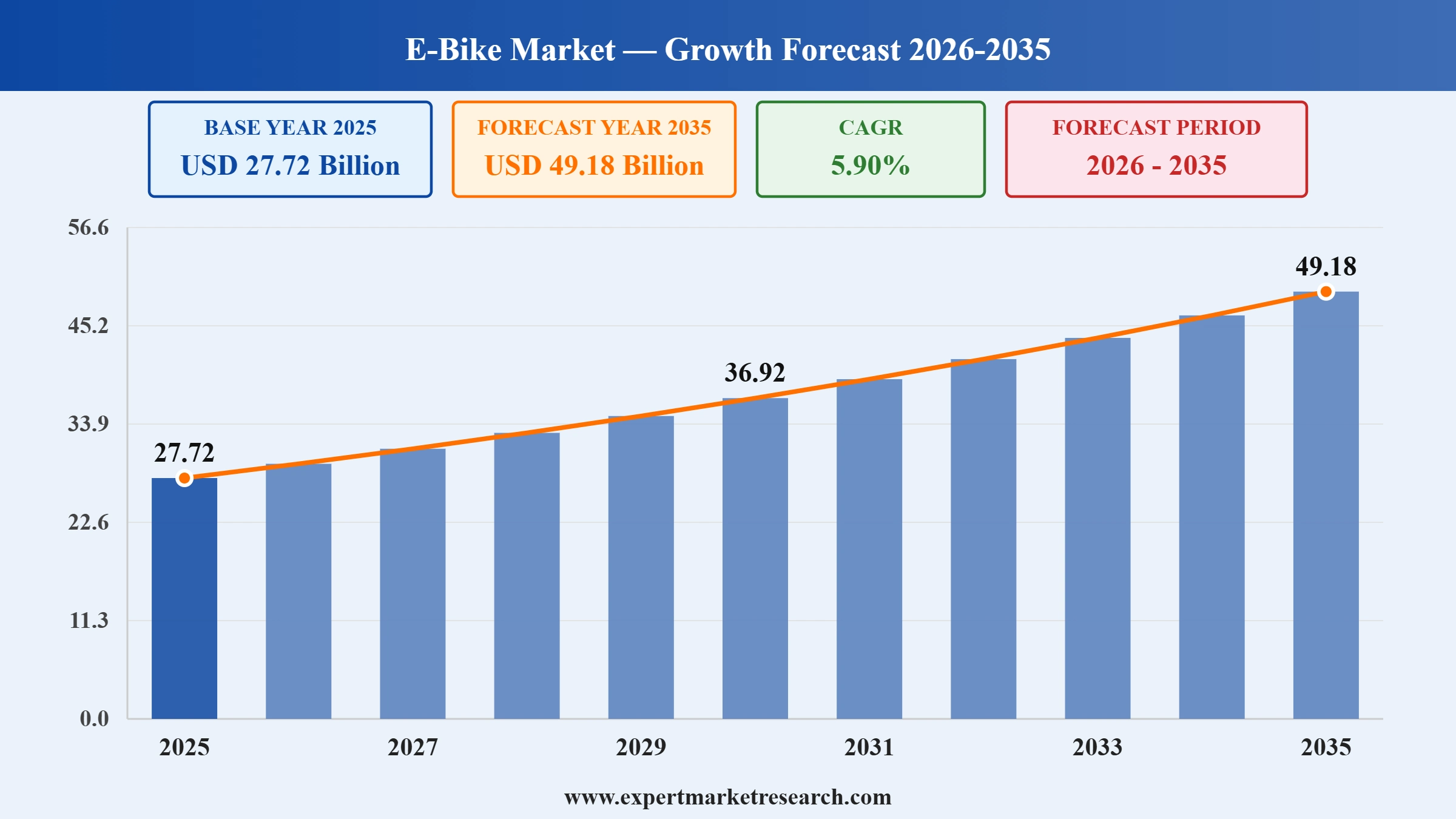
The e-bike market was valued at USD 27.72 Billion in 2025. The market is expected to grow at a CAGR of 5.90% during the forecast period of 2026-2035 to reach a value of USD 49.18 Billion by 2035. Advancing smart connectivity features significantly drive growth in the market, with IoT-enabled dashboards and predictive maintenance tools transforming fleet management and commuter safety alike.
The e-bike market covers bicycles fitted with an electric motor and battery that supplement rider effort, either through pedal assistance that engages only while the rider pedals or through throttle control that operates independently. Classification, permitted assisted speed and infrastructure access are set by regional regulation rather than by manufacturers, which makes legal framework a primary determinant of product design in a way that is unusual for consumer goods. The industry spans component suppliers producing drive units, batteries and control systems, bicycle manufacturers integrating those components into frames, and downstream operators running rental, sharing and delivery fleets.
Demand divides between private ownership and commercial deployment, and the two follow different logic. Consumer purchasing responds to commuting economics, cycling infrastructure and product styling, while fleet purchasing is governed by load capacity, duty cycle, servicing intervals and increasingly by safety certification. That second criterion is becoming decisive, as lithium-ion battery standards move from voluntary certification towards binding regulatory requirements across major markets, placing compliance capability alongside engineering and cost as a condition of competing.
Read more about this report - REQUEST FREE SAMPLE COPY IN PDF
| E-Bike Market Report Summary | Description | Value |
| Base Year | USD Billion | 2025 |
| Historical Period | USD Billion | 2019-2025 |
| Forecast Period | USD Billion | 2026-2035 |
| Market Size 2025 | USD Billion | 27.72 |
| Market Size 2035 | USD Billion | 49.18 |
| CAGR 2019-2025 | Percentage | XX% |
| CAGR 2026-2035 | Percentage | 5.90% |
| CAGR 2026-2035 - Market by Region | North America | 6.7% |
| CAGR 2026-2035 - Market by Country | Canada | 7.2% |
| CAGR 2026-2035 - Market by Country | UK | 6.9% |
| CAGR 2026-2035 - Market by Mode | Pedal Assist | 6.6% |
| CAGR 2026-2035 - Market by Motor Type | Mid Drive | 6.8% |
| Market Share by Country 2025 | Mexico | 2.1% |
Urban Transport Policy Converting Adoption Into Necessity
City and national governments have moved decisively towards reducing private car and combustion two-wheeler use through low-emission zones, congestion charging, dedicated cycling infrastructure and restrictions on petrol scooters in dense Asian cities. E-bikes are the only mode delivering motorised range at bicycle infrastructure cost, which positions them as a policy-supported option rather than a discretionary purchase. Because these measures sit within multi-year transport and climate commitments, they give the category demand visibility that consumer goods rarely enjoy.
Commercial and Last-Mile Logistics Demand
Courier, retail and logistics operators are adopting cargo e-bikes to serve city centres where delivery vans face access restrictions, parking constraints and congestion charges that erode fleet economics. The segment is professionalising rather than simply expanding, with purpose-built platforms replacing adapted bicycles and development extending to four-wheel pedal-assist vehicles for major retail logistics customers. Fleet buyers specify on load capacity, duty cycle and serviceability, creating a product requirement distinct from the consumer range.
Regulatory Certification Rewarding Established Manufacturers
Battery safety is moving from voluntary standard to binding rule, with the United States Consumer Product Safety Commission proposing mandatory lithium-ion requirements in June 2026 covering complete vehicles, replacement packs and conversion kits. Evidence supports the shift, as New York City recorded e-bike fire deaths falling from 14 to 3 year on year after certification was written into law. Manufacturers already certifying face limited additional cost, while price-led importers must invest or exit.
Also, which began as an internal Rivian project in 2022 before spinning out in March 2025 with USD 105 million in backing from Eclipse, confirmed at the end of July 2026 that deliveries of its TM-B Launch Edition e-bike priced at USD 4,500 would commence in early August after supply chain pressure on raw materials and electronic components pushed the original spring schedule to summer. Companies in the global e-bike market can target premium design-led segments where consumers accept higher price points for integrated engineering.
The United States Consumer Product Safety Commission published a proposed rule on 24 June 2026 setting mandatory safety requirements for lithium-ion batteries in e-bikes, electric scooters and light electric vehicles, covering tamper-resistant enclosures, post-discharge and reverse-polarity testing, charger incompatibility protection and expanded labelling, with comments due 24 August 2026 and 180 days to comply after final publication. Manufacturers can differentiate on certified battery systems ahead of enforcement and build compliance capability as a competitive asset.
Bosch eBike Systems introduced the Hub Line, its first hub motor, weighing 2.3 kilograms with a 10 centimetre diameter and 45 Nm of torque, disengaging above 25 kilometres per hour and paired with the slimline PowerTube 360 battery at 2.1 kilograms and 360 Wh, targeting urban e-bikes designed to resemble conventional bicycles. Suppliers can pursue discreet, low-visual-impact drive architecture for commuters who reject the visual signature of conventional electric assistance.
The proposed federal micromobility battery standard published in June 2026 explicitly extends beyond complete vehicles to separately sold replacement battery packs and conversion kit components, alongside third-party testing and certification requirements for products intended for children. Established manufacturers can gain share as uncertified aftermarket batteries and low-cost conversion kits, historically a significant source of fire incidents, face compliance obligations they were not previously subject to.
Cities across the world are adopting policies that reduce car dependency and prioritize low-carbon mobility. Paris has pledged to become a “100% cycling city” by 2026, with EUR 250 million in dedicated cycling infrastructure. Similarly, New York City expanded its e-bike-friendly lanes, stimulating growth in the e-bike market. China’s clampdown on gasoline-powered scooters has further supported e-bikes as a viable urban alternative. These measures are not only consumer-focused but also open avenues for B2B leasing fleets, courier services, and last-mile logistics players who are increasingly leaning on e-bikes as cost-effective urban delivery vehicles.
The e-bike market dynamics is witnessing a shift from lithium-ion to solid-state and modular swappable batteries. Companies like Gogoro and Hero MotoCorp are launching swappable battery partnerships, pushing operational efficiency for shared mobility fleets. Battery longevity improvements, now offering ranges above 120 miles per charge, directly enhance value for B2B delivery platforms. Moreover, Europe’s “Battery Passport” regulation, set to be effective from 2027, will require traceability and sustainability data across battery lifecycles, pushing manufacturers to integrate greener chemistries and recycling methods. This innovation cycle transforms e-bikes from a consumer-only solution into a dependable enterprise mobility asset.
Last-mile logistics is a booming market opportunity where e-bikes are increasingly being deployed at scale. For example, UPS expanded e-bike cargo fleets in Paris in June 2024, reporting faster delivery times in congested zones. Similarly in April 2022, Amazon India partnered with Sun Mobility to electrify last-mile deliveries, with plans to deploy over 10,000 e-bikes by 2025. For B2B logistics firms, this represents not just a cost saving but also an ESG compliance advantage.
The tourism sector has turned to e-bikes as a profitable, sustainable transport solution. In September 2022, Italy’s tourism ministry announced investments of EUR 400 million to develop cycling tourism routes between 2022 to 2026, with e-bike rental stations lining popular destinations, boosting the e-bike market scope. In the United States, e-bike tours in states like Colorado and Oregon have seen demand grow significantly. B2B rental platforms, fleet operators, and hospitality chains are capitalizing on this by embedding e-bikes into their offerings, catering to eco-conscious tourists.
E-bikes today are increasingly equipped with IoT dashboards, real-time GPS tracking, and predictive maintenance alerts. Companies like Bosch and Shimano offer smart driving systems that give fleet operators data-driven insights into vehicle performance and rider behavior. This level of intelligence allows corporate fleets to optimize energy usage, monitor downtime, and enhance rider safety.
The Expert Market Research's report titled “E-bike Market Report and Forecast 2026-2035” offers a detailed analysis of the market based on the following segments:
Market Breakup by Motor Type
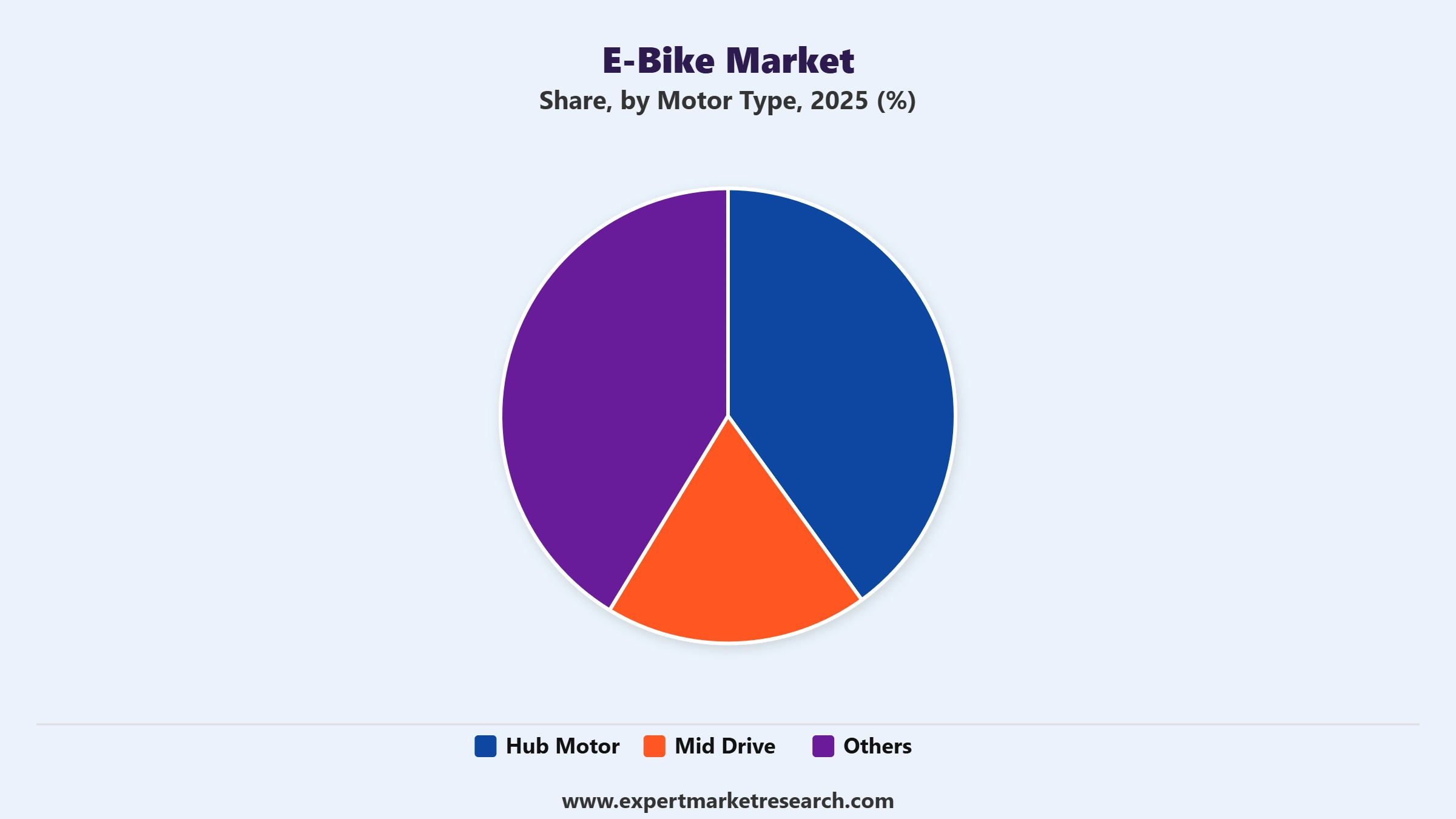
Key Insight: Hub motors remain the most popular choice due to their cost efficiency and low-maintenance design, making them ideal for budget commuters and large-scale delivery fleets. Mid-drive motors, on the other hand, are gaining traction in the e-bike market, as performance-focused solutions, well-suited for adventure, premium urban models, and cargo logistics where torque and endurance matter. Meanwhile, other motor categories, such as lightweight or foldable systems, cater to highly specific use cases.
Market Breakup by Mode
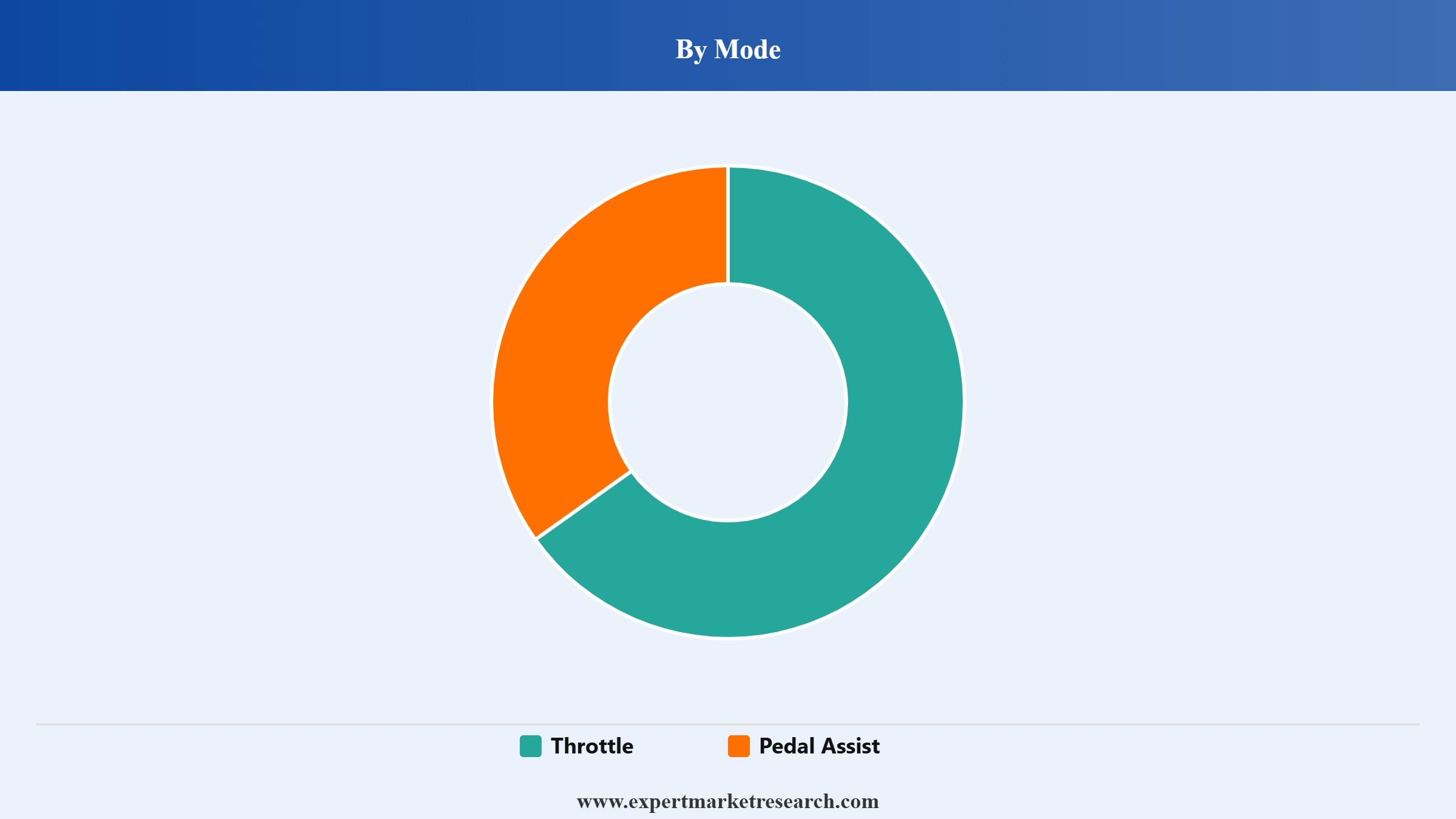
Key Insight: Pedal-assist command the largest market share because they align with regulations in Europe and North America, while also appealing to commuters who prefer combining fitness with efficiency. Throttle-based systems, however, are rapidly gaining ground in Asia Pacific and emerging markets where convenience, speed, and delivery use-cases take priority. Hybrid designs that merge pedal-assist and throttle functions further broaden the appeal, offering flexibility for both personal and enterprise riders.
Market Breakup by Battery Type
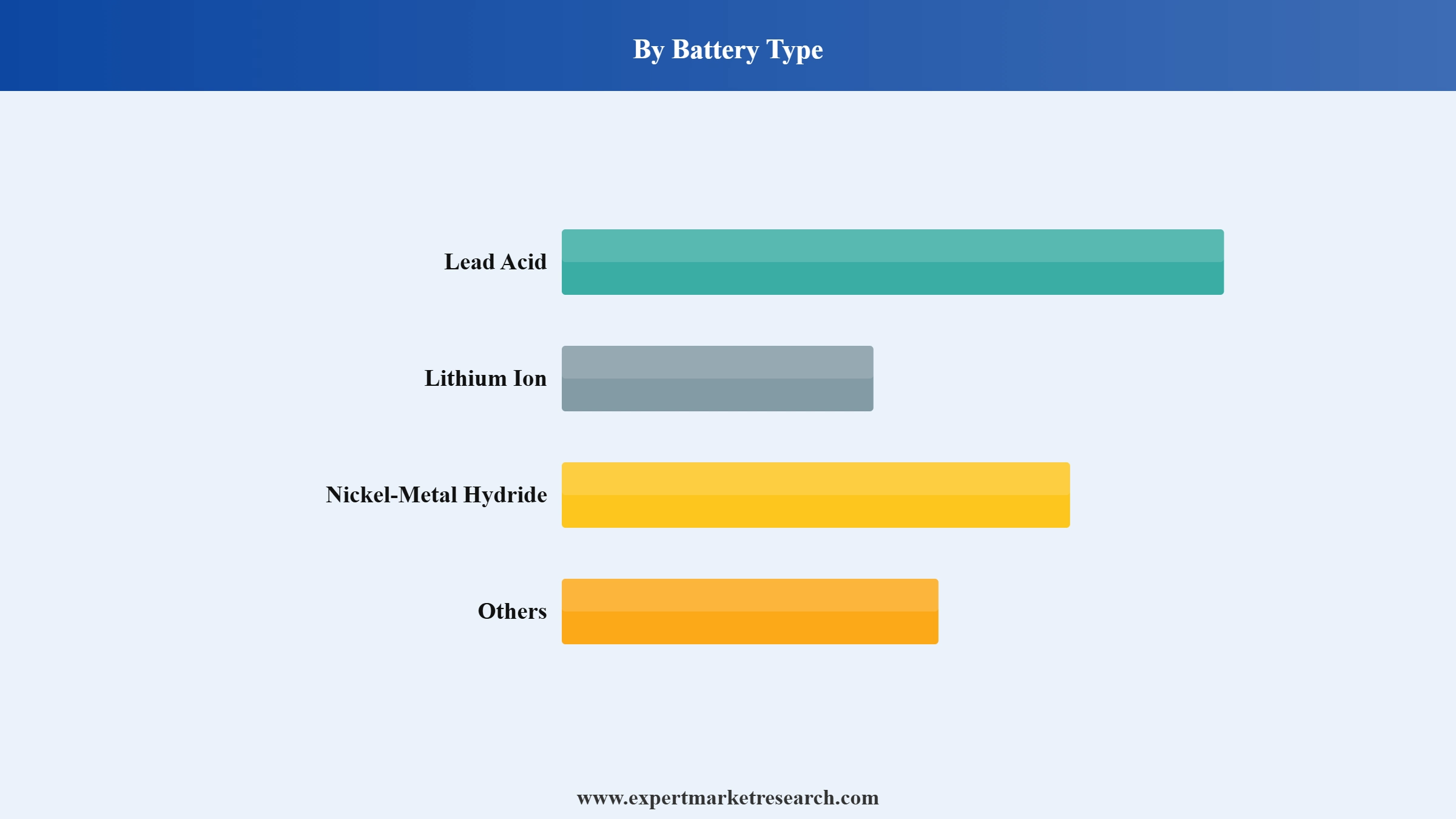
Key Insight: As per the e-bike market report, lithium-ion batteries dominate because of their efficiency, longer life, and scalability for premium and enterprise applications. Lead acid batteries, however, are growing quickly in developing economies where cost is the primary adoption factor. Nickel-metal hydride (NiMH) offers a middle ground for certain niche applications, delivering stable energy performance but facing competition from more advanced chemistries. Other emerging battery types, including solid-state and hybrid systems, target innovation-driven categories where sustainability and compactness matter.
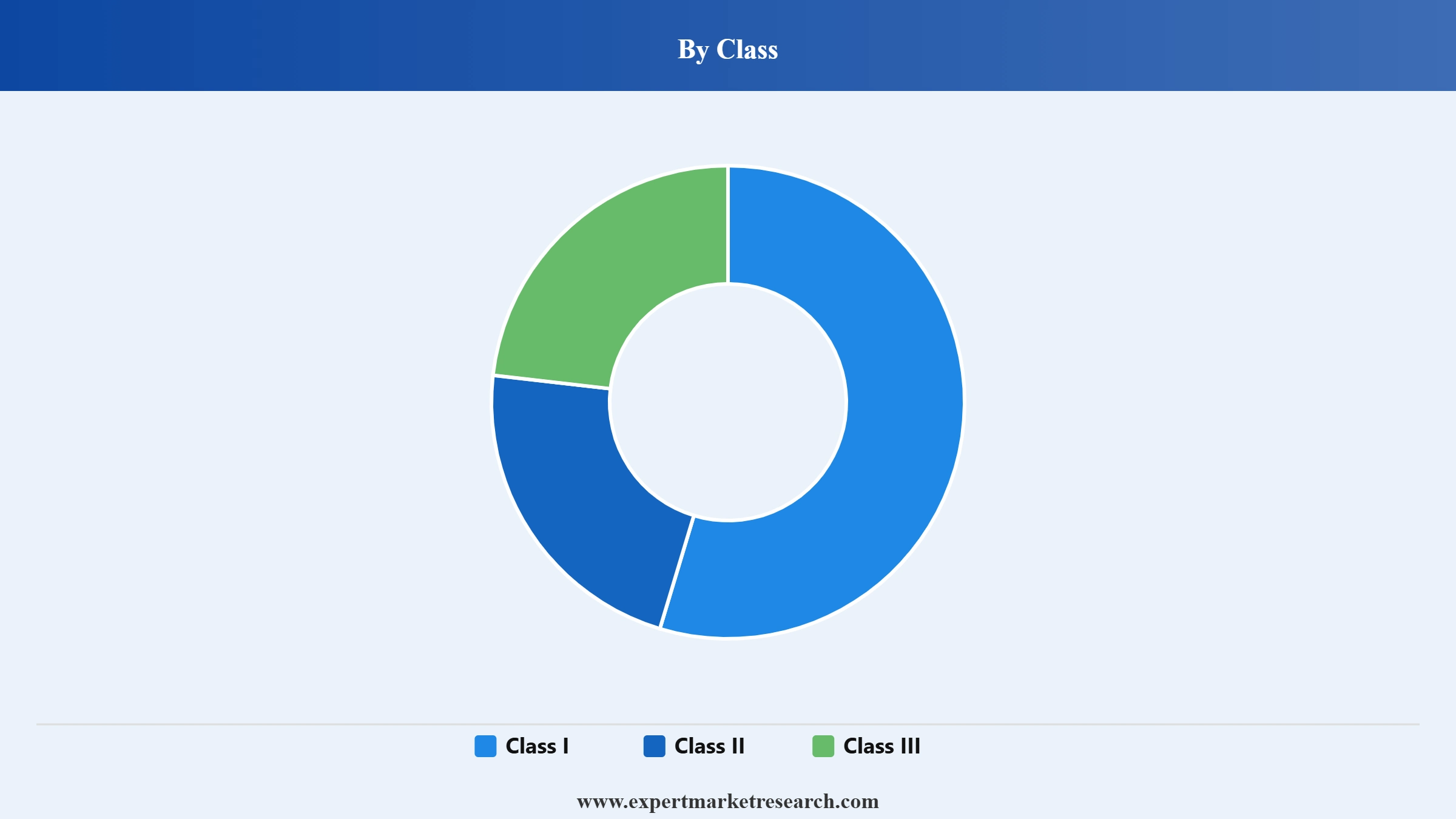
Market Breakup by Class
Key Insight: Class divisions underscore how e-bikes cater to diverse rider and enterprise needs. Class I models dominate because they balance regulatory compliance, commuter convenience, and health-conscious appeal. Class II bikes, featuring throttle-only control, address short-distance commuting and gig-economy delivery demand in less-regulated regions, offering ease of use and accessibility. Class III, representing the fastest-growing category in the e-bike market meet the growing need for faster commuting and productivity in dense urban areas.
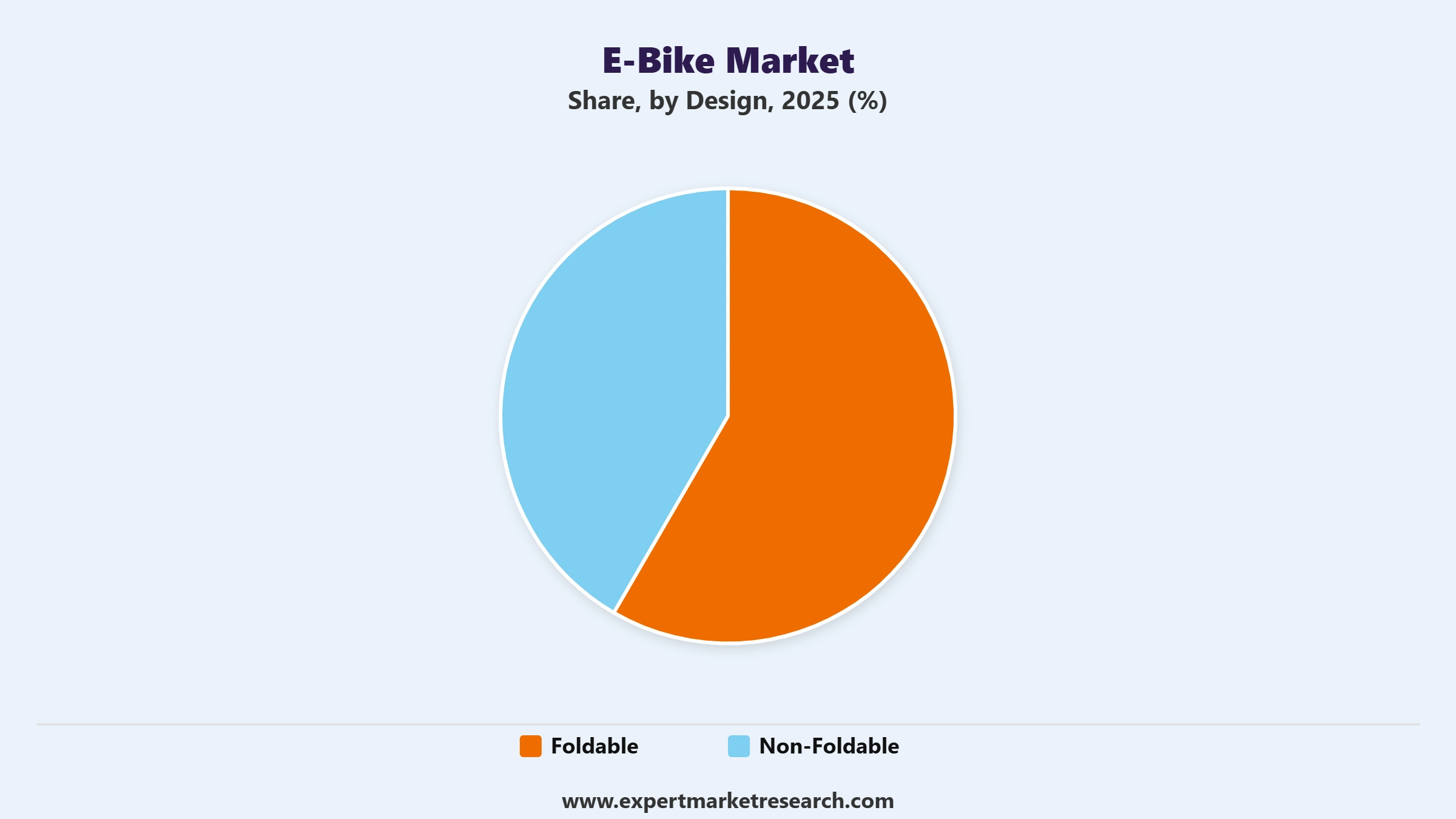
Market Breakup by Design
Key Insight: Non-foldable models hold a significant share in driving the market value because of their sturdiness, endurance, and suitability for high-usage fleets and cargo applications. Foldable e-bikes are rapidly growing popular owing to their urban portability and integration into multimodal transport systems. These categories cater to two distinct but complementary user groups; commuters and enterprises needing reliability, and urban professionals or businesses prioritizing flexibility and space efficiency.
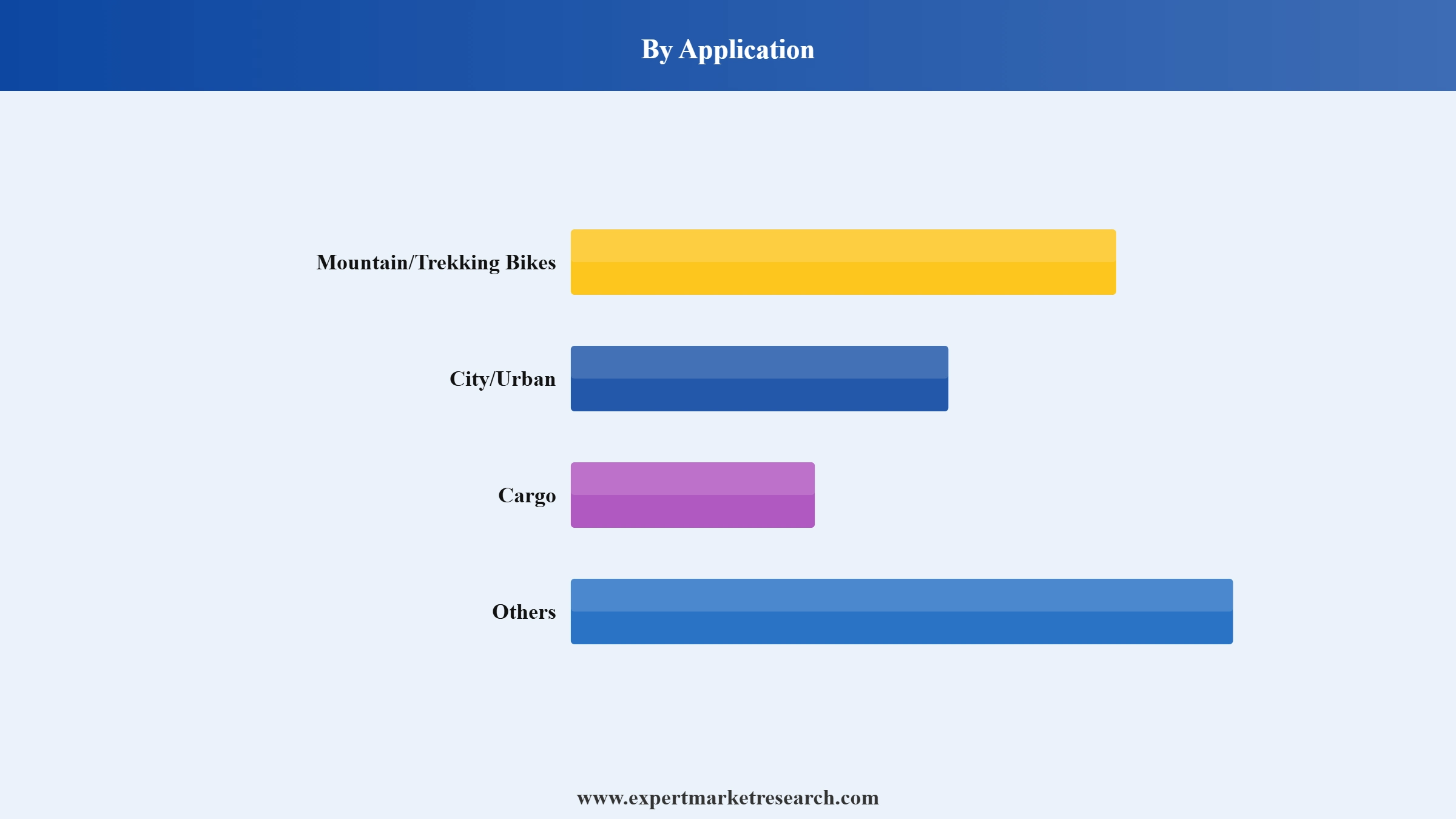
Market Breakup by Application
Key Insight: City and urban bikes currently dominate the market because they align with commuter demand and municipal cycling infrastructure. Cargo bikes are rapidly growing their e-bike market share, appealing to businesses focused on efficient last-mile delivery and compliance with sustainability regulations. Mountain and trekking bikes address recreational and premium adventure markets, while other niche categories fill specialized gaps like tourism rentals or institutional fleets.
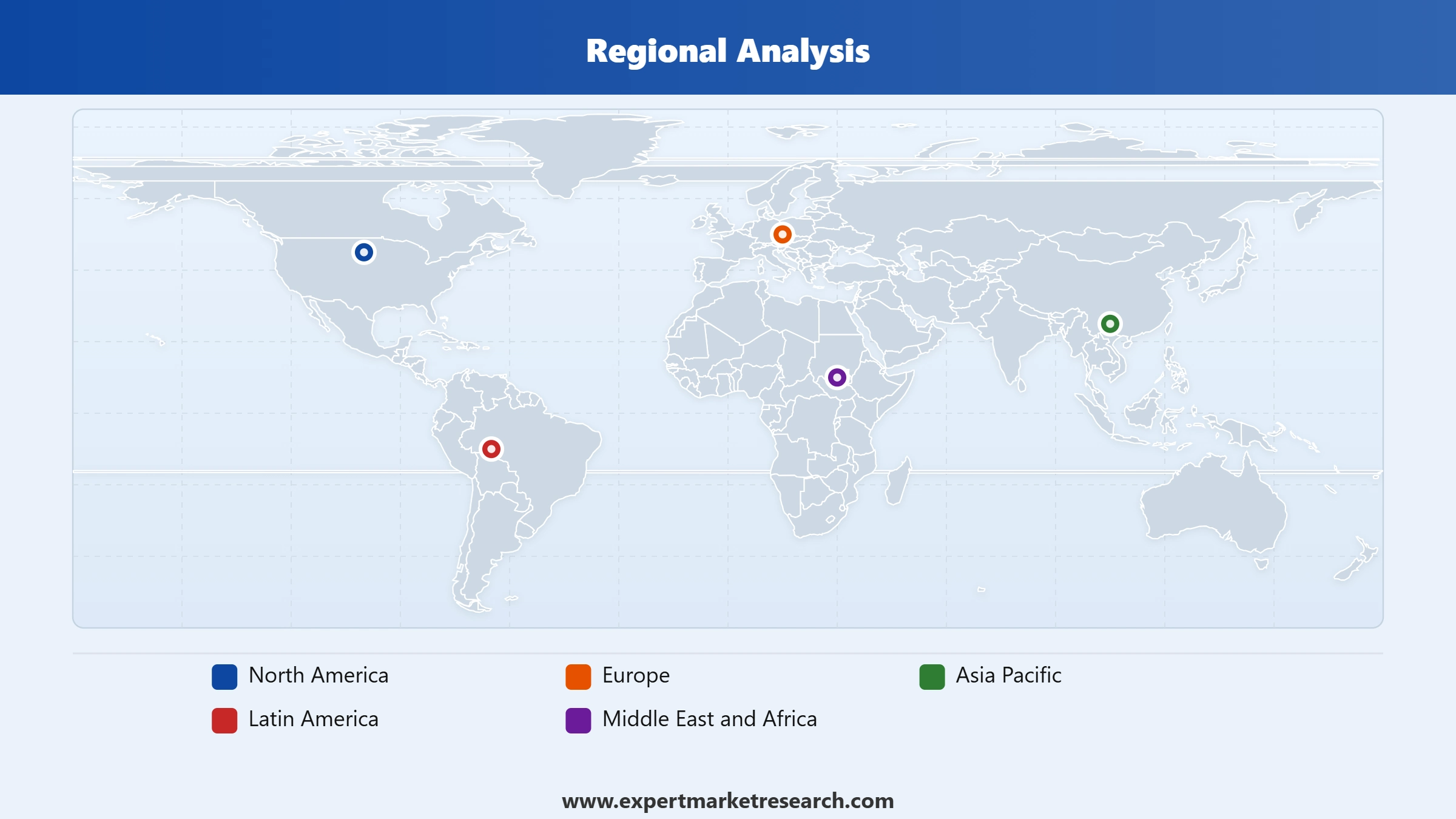
Market Breakup by Region
Key Insight: Regional trends in the e-bike market reflect that Asia Pacific dominates the industry due to its manufacturing capacity, affordability, and high-density urban adoption. Europe’s strong cycling culture and sustainability policies create steady growth, while North America is rapidly expanding as commuters and enterprises embrace alternatives to car travel. Latin America is gradually scaling adoption, particularly in urban hubs seeking affordable mobility, while the Middle East and Africa show potential where infrastructure development supports e-bike integration.
Read more about this report - REQUEST FREE SAMPLE COPY IN PDF
By motor type, hub motor captures the largest market share due to cost efficiency
Hub motors dominate the market with a high margin due to their affordability and simplicity, making them the go-to choice for mass-market urban bikes. These motors, integrated directly into the wheel hub, reduce maintenance and offer silent operations. Asia Pacific manufacturers, particularly in China, have scaled hub motor production, lowering per-unit costs and boosting export capacity. Their compact design suits lightweight commuter bikes and budget-friendly delivery models, further fueling demand in the e-bike market. For fleet operators, the predictable servicing cycle makes hub motor e-bikes ideal for large-scale deployments.
Mid-drive motors are gaining rapid adoption for their efficiency in tackling terrains and delivering higher torque, making them suitable for premium and performance-oriented e-bikes. Brands like Bosch and Yamaha expanded mid-drive production in Europe in 2024, targeting the rising demand for adventure and cargo bikes. Their integration with gear systems offers natural pedaling and better range optimization compared to hub motors.
Read more about this report - REQUEST FREE SAMPLE COPY IN PDF
By mode, pedal assist secures the largest market share owing to rider preference
Pedal-assist systems drive industry growth by blending natural cycling with electrical support, offering health benefits alongside energy efficiency. These models also comply with stricter e-bike regulations in Europe and North America, where throttle-only systems face restrictions. For B2B delivery firms, pedal-assist bikes lower energy usage per trip, extending battery life and reducing replacement cycles. Consumer appeal is equally strong, as riders see them as a healthier commuting option. Urban infrastructure, particularly bike lanes and sharing programs, increasingly favors pedal-assist over throttle models, further ensuring its ongoing dominance in the e-bike market dynamics.
Throttle-driven e-bikes are experiencing a surge in popularity, particularly in Asia-Pacific markets, where regulations are more flexible. These bikes allow users to accelerate without pedaling, making them highly convenient for short-distance commutes and delivery services. In markets like India and Southeast Asia, throttle-based models are driving large-scale adoption due to their ease of use and lower learning curve. The growth of app-based delivery services across emerging economies ensures this mode continues its upward momentum, outpacing other categories in adoption rates.
Read more about this report - REQUEST FREE SAMPLE COPY IN PDF
By battery type, lithium-ion batteries account for the largest share of the market due to high energy density and longer lifecycle
With their superior energy density, lightweight design, and longer lifecycle compared to traditional alternatives, lithium-ion batteries boast their dominance in driving the e-bike market value. Their ability to support higher ranges and faster charging times makes them the most practical solution for both individual riders and enterprise logistics fleets. Leading manufacturers are focusing on scaling lithium-ion production due to rising regulatory emphasis on sustainability and recyclability.
Despite being an older technology, lead acid batteries continue to experience steady growth in the e-bike market, particularly in price-sensitive and emerging markets. Their affordability and accessibility make them attractive for large-scale adoption, especially in regions where upfront costs remain a key deciding factor. Delivery and rental fleets in developing economies prefer lead acid due to easier servicing and lower replacement expenses.
Read more about this report - REQUEST FREE SAMPLE COPY IN PDF
By class, Class I bikes capture the largest market share due to regulatory compliance and fitness appeal
Class I e-bikes, which provide pedal assistance up to 20 mph, lead the market due to their wide regulatory acceptance and strong appeal to both commuters and fitness-oriented riders. These bikes align with cycling infrastructure plans in major urban hubs, making them ideal for integration into public bike-sharing schemes. For B2B operators, Class I bikes offer lower insurance risks and regulatory hurdles, making fleet deployment smoother across multiple regions.
Class III e-bikes, which reach speeds up to 28 mph, are experiencing rapid growth in the e-bike market, especially in commuter-heavy regions. Their ability to cover longer distances in shorter times makes them attractive for urban professionals and delivery services that demand efficiency. In markets where regulatory frameworks allow Class III operations, adoption has surged among logistics providers seeking productivity gains. The premium positioning of these models also appeals to high-income commuters, boosting revenues for manufacturers.
Read more about this report - REQUEST FREE SAMPLE COPY IN PDF
By design, non-foldable e-bikes captured the largest share due to durability and stability
Non-foldable e-bikes currently secure the biggest market share due to their structural stability, larger battery capacity, and suitability for long-distance commuting. They are preferred by both individual riders and commercial operators who prioritize endurance and load capacity over compactness. Delivery companies and rental fleets often favor non-foldable designs because they withstand higher usage intensity and require less maintenance in comparison to foldable units. Their wider frame allows integration of advanced mid-drive motors and larger batteries, making them ideal for cargo applications as well.
As per the e-bike market report, foldable e-bikes are witnessing rapid growth as cities grow denser and consumers demand portability. Their ability to collapse into compact forms makes them popular for multimodal commuters who combine cycling with trains, buses, or private cars. Enterprises in the rental and tourism sectors also adopt foldable models to provide flexible options for short-term users. For urban businesses with limited storage space, foldable e-bikes offer a practical, space-saving solution without compromising convenience.
Read more about this report - REQUEST FREE SAMPLE COPY IN PDF
By application, city/urban e-bikes secure the largest market share due to commuter demand
City and urban bikes are rapidly expanding their shares in the e-bike market revenue due to rising demand for efficient, eco-friendly daily commuting solutions. Their design balances affordability with performance, making them the go-to option for urban dwellers seeking convenience over long-distance capability. Municipal investments in cycling lanes and sharing systems further boost their integration into city mobility frameworks. For enterprises, particularly bike-sharing and rental operators, city e-bikes provide scalable fleet options that are easy to maintain and adapt across varied geographies.
Cargo e-bike demand is rapidly surging as businesses explore sustainable last-mile delivery solutions. Their ability to carry significant loads while bypassing traffic congestion has made them highly attractive for logistics providers, retailers, and courier services. Enterprises see value in reduced operational costs and improved ESG performance when switching from vans or motorcycles to e-cargo fleets. Additionally, urban regulations restricting larger delivery vehicles in city centers are accelerating adoption.
Read more about this report - REQUEST FREE SAMPLE COPY IN PDF
Asia Pacific captures the largest share of the market due to manufacturing scale and urban adoption
Asia Pacific leads the global e-bike market, driven by its large-scale manufacturing capacity and rapid adoption across densely populated cities. Countries like China and India dominate both production and consumption, supported by low-cost supply chains and strong government incentives. Urban congestion and environmental regulations further accelerate adoption, with millions of commuters opting for e-bikes as affordable alternatives to scooters or cars.
The e-bike market in North America is experiencing rapid growth as urban commuters seek alternatives to cars amid traffic congestion and rising fuel prices. Supportive policies, cycling infrastructure upgrades, and growing health consciousness contribute to the shift. Enterprises in logistics, tourism, and rental services are increasingly integrating e-bikes into their operations, finding them both cost-effective and environmentally responsible. While the adoption began slower than in Europe and Asia, North America’s regulatory alignment and consumer shift toward sustainable transport have created strong growth momentum.
Read more about this report - REQUEST FREE SAMPLE COPY IN PDF
The majority of e-bike market players are channeling efforts into innovation, digital integration, and stronger supply chain frameworks. Battery advancement remains a key priority, with brands investing in longer ranges, faster charging, and sustainable chemistries to reduce lifecycle costs. Connectivity features, including IoT dashboards and predictive maintenance, are increasingly built into models to appeal to B2B operators managing fleets.
At the same time, sustainable materials in frames and components help e-bike companies align with tightening environmental standards. Partnerships with logistics companies and municipal governments are unlocking opportunities in cargo, rental, and last-mile delivery networks. Success in this competitive market depends on balancing affordability with advanced performance while tailoring products to diverse regional policies and consumer preferences. Firms excelling in both innovation and compliance are emerging as long-term leaders.
Established in 1998 and headquartered in Heerenveen, Netherlands, Accell Group has positioned itself as a leader in premium and mid-segment e-bikes. The company focuses on design-driven models with smart connectivity, appealing to both consumers and enterprise operators. Its portfolio covers urban commuting, cargo, and leisure bikes, supported by strong European distribution networks.
Founded in 2007 and headquartered in Aurora, Canada, BionX International built its reputation on pioneering advanced electric propulsion systems. The company’s focus lies in retrofitting conventional bicycles into e-bikes, offering modular conversion kits that empower both consumers and businesses to electrify fleets without replacing entire units.
Established in 1886 and headquartered in Gerlingen, Germany, Robert Bosch GmbH is one of the most influential players in the e-bike ecosystem. Its Bosch eBike Systems unit leads in drive motors, batteries, and intelligent software integration. Bosch emphasizes smart connectivity with IoT dashboards, predictive maintenance, and fleet management tools, which are particularly attractive for B2B logistics and rental platforms.
Founded in 1955 and headquartered in Japan, Yamaha Motor Co., Ltd. plays a central role in shaping high-performance e-bike technologies. The company specializes in mid-drive motors and power-assist systems, well-suited for both urban commuting and mountain biking. Other than hardware, Yamaha invests in connected solutions, enabling data-driven riding experiences.
Another key player in the market is Derby Cycle among others.
*Please note that this is only a partial list; the complete list of key players is available in the full report. Additionally, the list of key players can be customized to better suit your needs.*
Market Challenges, Restraints, and Opportunities
The e-bike industry faces a compliance challenge that will reshape its cost base. Proposed mandatory lithium-ion battery requirements in the United States extend beyond complete vehicles to replacement packs and conversion kit components, bringing a largely informal aftermarket inside the regulatory perimeter and requiring testing, enclosure engineering and labelling that low-cost suppliers have not previously carried. Manufacturers must also manage fragmented classification rules, since assisted speed limits, throttle permissions and infrastructure access differ across jurisdictions and complicate multi-region product planning.
Several restraints temper expansion. Component and raw material availability has emerged as an operational constraint, with new entrants reporting delivery delays attributed to industry-wide demand spikes for electronic parts, which favours established firms with mature supplier relationships. Secure parking and charging infrastructure remains limited in dense urban housing, restricting adoption precisely where journey economics are strongest. Price sensitivity in emerging markets also limits how far certified, higher-specification products can penetrate beyond developed economies.
Opportunities remain substantial. Certification requirements advantage manufacturers able to evidence compliance across an entire range, and are likely to consolidate the lower end of the market where uncertified imports currently compete. Commercial logistics offers a distinct demand pool governed by operating economics rather than consumer sentiment. Component developments enabling slim, visually discreet integration open a segment of urban buyers previously deterred by the appearance of electric bicycles.
Explore the latest trends shaping the e-bike market 2026-2035 with our in-depth report. Gain strategic insights, future forecasts, and key market developments that can help you stay competitive. Download a free sample report or contact our team for customized consultation on e-bike market trends 2026.


Upto 15% Off
USD
$2499 $2249
$3999 $3599
$4999 $4249
$5999 $5099


*While we strive to always give you current and accurate information, the numbers depicted on the website are indicative and may differ from the actual numbers in the main report. At Expert Market Research, we aim to bring you the latest insights and trends in the market. Using our analyses and forecasts, stakeholders can understand the market dynamics, navigate challenges, and capitalize on opportunities to make data-driven strategic decisions.*
In 2025, the e-bike market reached an approximate value of USD 27.72 Billion.
The market is projected to grow at a CAGR of 5.90% between 2026 and 2035.
The market is estimated to reach a value of about USD 49.18 Billion by 2035.
Players are expanding into cargo fleets, partnering with city programs, investing in solid-state batteries, integrating IoT features, and developing flexible financing models to attract consumers and enterprise buyers simultaneously.
Rising health consciousness, usefulness of e-bikes for short distances, and regulations pertaining to the use of environmentally friendly and sustainable vehicles are expected to be the key trends guiding the growth of the market.
North America, Europe, the Asia Pacific, Latin America, and the Middle East and Africa are the leading regions in the market.
The major motor types of e-bikes in the market are hub motor and mid drive, among others.
The major modes of e-bikes in the market are throttle and pedal assist.
The major battery types in the market are lead acid, lithium ion, and nickel-metal hydride (NiMH), among others.
The major class divisions of e-bikes are Class I, Class II, and Class III.
The designs of e-bikes in the market include foldable and non-foldable.
The significant applications of e-bikes include mountain/trekking bikes, city/urban, and cargo, among others.
The key players in the market include Accell Group, BionX International Corporation, Robert Bosch GmbH, Yamaha Motor Co., Ltd., and Derby Cycle, among others.
Companies in the e-bike market face challenges with raw material volatility, complex battery recycling requirements, high R&D costs, and fragmented regulatory environments, which create uncertainties in scaling global operations efficiently.
Explore our key highlights of the report and gain a concise overview of key findings, trends, and actionable insights that will empower your strategic decisions.
| REPORT FEATURES | DETAILS |
| Base Year | 2025 |
| Historical Period | 2019-2025 |
| Forecast Period | 2026-2035 |
| Scope of the Report |
Historical and Forecast Trends, Industry Drivers and Constraints, Historical and Forecast Market Analysis by Segment:
|
| Breakup by Mode |
|
| Breakup by Motor Type |
|
| Breakup by Battery Type |
|
| Breakup by Class |
|
| Breakup by Design |
|
| Breakup by Application |
|
| Breakup by Region |
|
| Market Dynamics |
|
| Competitive Landscape |
|
| Companies Covered |
|
Datasheet
One User
USD 2,499
USD 2,249
tax inclusive*
Single User License
One User
USD 3,999
USD 3,599
tax inclusive*
Five User License
Five User
USD 4,999
USD 4,249
tax inclusive*
Corporate License
Unlimited Users
USD 5,999
USD 5,099
tax inclusive*
*Please note that the prices mentioned below are starting prices for each bundle type. Kindly contact our team for further details.*
Flash Bundle
Small Business Bundle
Growth Bundle
Enterprise Bundle
*Please note that the prices mentioned below are starting prices for each bundle type. Kindly contact our team for further details.*
Flash Bundle
Number of Reports: 3
20%
tax inclusive*
Small Business Bundle
Number of Reports: 5
25%
tax inclusive*
Growth Bundle
Number of Reports: 8
30%
tax inclusive*
Enterprise Bundle
Number of Reports: 10
35%
tax inclusive*
How To Order

Select License Type
Choose the right license for your needs and access rights.

Click on ‘Buy Now’
Add the report to your cart with one click and proceed to register.

Select Mode of Payment
Choose a payment option for a secure checkout. You will be redirected accordingly.
Strategic Solutions for Informed Decision-Making
Gain insights to stay ahead and seize opportunities.

Get insights & trends for a competitive edge.

Track prices with detailed trend reports.

Analyse trade data for supply chain insights.

Leverage cost reports for smart savings

Enhance supply chain with partnerships.

Connect For More Information
Our expert team of analysts will offer full support and resolve any queries regarding the report, before and after the purchase.
Our expert team of analysts will offer full support and resolve any queries regarding the report, before and after the purchase.
We employ meticulous research methods, blending advanced analytics and expert insights to deliver accurate, actionable industry intelligence, staying ahead of competitors.
Our skilled analysts offer unparalleled competitive advantage with detailed insights on current and emerging markets, ensuring your strategic edge.
We offer an in-depth yet simplified presentation of industry insights and analysis to meet your specific requirements effectively.




