

Consumer Insights
Uncover trends and behaviors shaping consumer choices today
Procurement Insights
Optimize your sourcing strategy with key market data
Industry Stats
Stay ahead with the latest trends and market analysis.
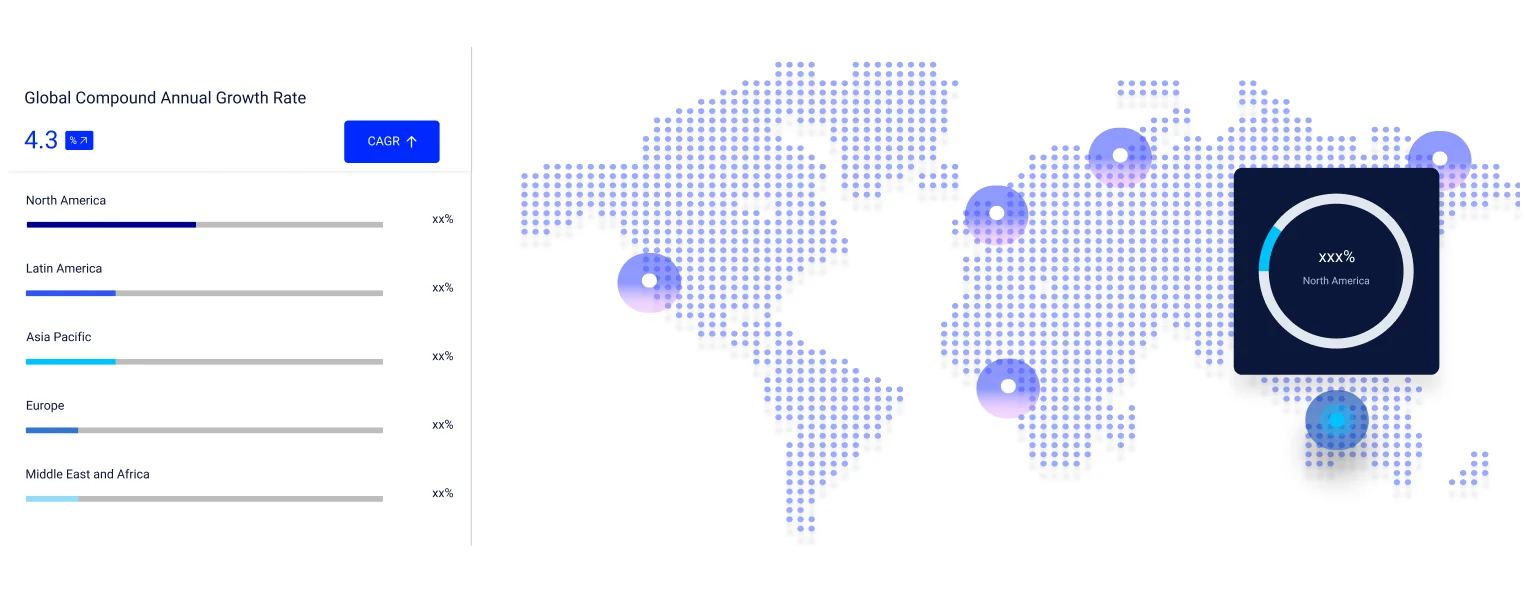
The edge computing in healthcare market was valued at USD 8.46 Billion in 2025 and is expected to grow at a CAGR of 27.20%, reaching USD 93.81 Billion by 2035. The market growth is driven by connected medical devices, IoT adoption, real-time patient monitoring, telehealth expansion, and demand for low-latency clinical decision-making. The integration of edge computing with AI, wearables, and remote monitoring is expected to accelerate adoption, supporting strong market expansion throughout the forecast period.
Compound Annual Growth Rate
27.2%
Value in USD Billion
2026-2035
Read more about this report - REQUEST FREE SAMPLE COPY IN PDF
Edge computing in healthcare is gaining importance as providers seek faster data processing, real-time insights, and more responsive digital healthcare operations. Its adoption supports connected medical devices, remote monitoring, clinical workflows, and data-intensive applications while reducing dependence on centralized infrastructure. The market was valued at USD 8.46 Billion in 2025. The growth is supported by increasing connected device adoption, expanding remote patient monitoring, rising healthcare data volumes, and demand for low-latency processing. Investments in healthcare digitization and advanced analytics are further strengthening adoption across hospitals, clinics, and other healthcare settings.
|
Analysis Type |
Factors |
Example |
|
Market Drivers |
Real-time edge AI adoption enables faster processing, enhanced security, and low-latency clinical decision-making across connected healthcare environments. |
Johnson & Johnson MedTech and NVIDIA collaborated in 2024 to advance AI-enabled surgical workflows using localized edge computing platforms. |
|
Market Restraints |
Data security, device management, and interoperability requirements increase deployment complexity, operational demands, and costs for healthcare organizations. |
Healthcare facilities must secure distributed devices, manage software updates, and integrate diverse medical sensors while protecting sensitive patient information. |
|
Market Opportunities |
On-device AI supports secure, immediate clinical insights by processing healthcare data locally without transferring sensitive information externally. |
NXP and GE HealthCare introduced edge AI concepts for anesthesiology and neonatal care, including local image processing without images leaving devices. |
The following section outlines the key factors influencing the growth of the market, including major drivers, restraints, and emerging opportunities.
Real-Time Edge AI Adoption to Propel the Market Landscape
The growing adoption of real-time edge AI in clinical environments is supporting market expansion by enabling faster data processing, improved security, and low-latency decision-making. For instance, in March 2024, Johnson & Johnson MedTech announced a collaboration with NVIDIA to accelerate AI for surgery, using NVIDIA IGX and Holoscan edge platforms for localized processing of live and stored surgical data. The collaboration targets clinical decision-making, education, training, and collaboration within connected operating rooms. Such deployments demonstrate the increasing integration of edge computing into advanced healthcare workflows, supporting continued market growth.
Data Security and Device Management Challenges May Limit Market Expansion
Data security, device management, and interoperability challenges can restrict the wider deployment of edge computing across healthcare facilities. Processing sensitive patient information across numerous distributed devices requires strong encryption, access controls, secure communication protocols, regular updates, and centralized monitoring. In addition, differences among medical sensors, wearables, and other connected devices can complicate integration. These technical and operational requirements can increase implementation complexity and costs, particularly for healthcare organizations with limited digital infrastructure, potentially slowing adoption.
On-Device AI Creates New Pathways for Market Growth
The increasing integration of artificial intelligence with edge computing creates opportunities for healthcare providers to obtain immediate, secure, and actionable clinical insights. For instance, in January 2026, NXP and GE HealthCare announced collaboration on two edge AI concepts for anesthesiology and neonatal care. The concepts include real-time voice interaction with anesthesia equipment and local image processing for neonatal monitoring, with no images leaving the device. Such applications highlight the potential for secure, low-latency edge AI to expand across point-of-care and acute-care environments.
Some of the notable trends in the market include rising edge AI adoption, real-time analytics, and localized data processing.
Rising Edge AI Adoption Is Likely to Accelerate Market Value
The healthcare sector is increasingly adopting edge computing to support real-time analytics, artificial intelligence, and low-latency clinical decision-making. For instance, in March 2025, International Data Corporation reported that global edge computing spending was expected to reach nearly USD 380 billion by 2028, with AI among the fastest-growing use-case areas. The growing integration of AI workloads with edge infrastructure is expected to strengthen healthcare applications requiring rapid processing, supporting continued market growth.
Hardware Segment Is Positioned to Maintain Market Leadership by Component
The market is segmented by component into hardware, software, and services. Hardware includes the computing infrastructure required to process and manage healthcare data closer to its source, while software supports edge-based applications and analytics, and services facilitate deployment and ongoing management. Hardware dominated the market with a revenue share of 53% in 2025. Its leading position reflects the fundamental requirement for edge computing infrastructure to support data processing, storage, connectivity, and healthcare applications, making hardware a key component of the market.
Read more about this report - REQUEST FREE SAMPLE COPY IN PDF
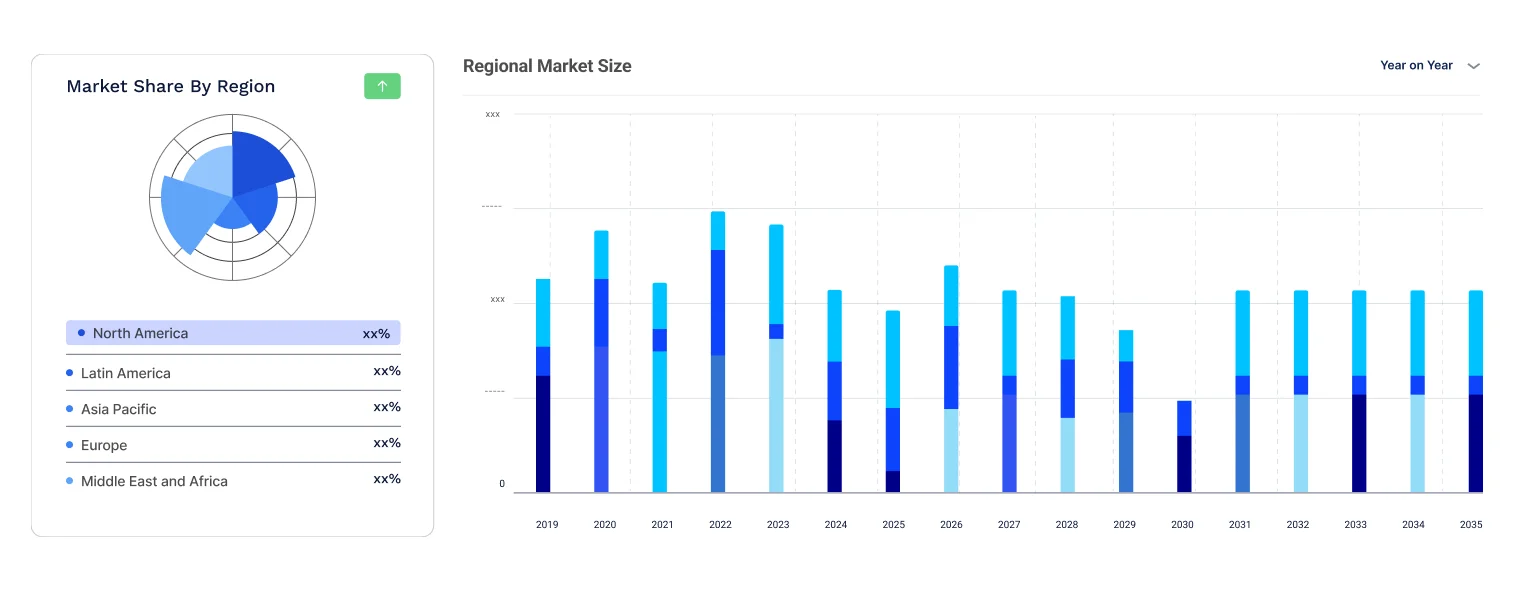
The regions included in the report are North America, Europe, Asia Pacific, Latin America, and the Middle East and Africa. North America is expected to lead the market, supported by advanced healthcare technology infrastructure, increasing adoption of connected medical devices, and growing use of edge computing for real-time healthcare analytics. For instance, in October 2023, Teguar highlighted edge computing applications in healthcare, including real-time analytics, medical imaging, wearable monitoring, predictive analytics, and faster clinical decision-making. These developments support the region's strong potential for continued market expansion.
The key features of the market report include patent analysis, funding and investment analysis, and strategic initiatives by leading players. The major companies in the market are as follows:
Cisco Systems, Inc. develops networking, computing, security, and digital infrastructure technologies. Its Cisco Unified Edge platform provides AI-ready edge infrastructure for healthcare, integrating compute, networking, storage, security, observability, and cloud management. The platform supports real-time medical imaging analysis, vital-sign monitoring, diagnostics, telehealth, and remote patient monitoring, strengthening Cisco’s involvement in healthcare edge computing.
Hewlett Packard Enterprise provides technology solutions for healthcare and life sciences, spanning edge computing, AI, secure networking, and hybrid cloud. Its new ruggedized HPE ProLiant Compute EL2000 Chassis and enhanced DL145 edge server are designed for secure, AI-driven edge operations, supporting healthcare organizations with scalable infrastructure, connected care, data protection, and intelligent applications.
Intel Corporation develops processors and computing technologies supporting AI and edge computing applications. Its Intel Core Ultra Series 3 processors, launched in the first quarter of 2026, provide enhanced AI and computing capabilities for edge systems. These technologies contribute to healthcare edge computing by enabling local processing and AI capabilities in systems requiring responsive, distributed computing.
Dell Technologies provides edge computing infrastructure designed to bring processing closer to where data is generated. Its edge portfolio includes Dell PowerEdge servers for near-edge computing and solutions supporting healthcare applications, including medical devices that can analyze patient data locally. These capabilities support faster insights, reduced latency, reliable operations, and expanding adoption of edge computing in healthcare.
Other key players in the market include Amazon Web Services, Microsoft, GE HealthCare, and Advantech.
*Please note that this is only a partial list; the complete list of key players is available in the full report. Additionally, the list of key players can be customized to better suit your needs.*
The market report offers a detailed analysis of the market based on the following segments:
Market Breakup by Component
The market is segmented by component, with adoption supported by the growing need for real-time data processing, connected healthcare infrastructure, improved operational efficiency, and scalable digital systems that enable healthcare organizations to manage increasing volumes of data closer to the point of care.
Market Breakup by Application
Application-based segmentation reflects the expanding use of edge computing across healthcare workflows, driven by demand for faster data analysis, continuous patient monitoring, connected medical technologies, reduced latency, and improved responsiveness in time-sensitive clinical and healthcare service environments.
Market Breakup by End User
End-user adoption is being shaped by the increasing integration of connected devices, digital health platforms, and real-time analytics across healthcare settings, alongside growing requirements for efficient data management, rapid clinical insights, enhanced workflow coordination, and reliable connectivity at the point of care.
Market Breakup by Region
Regional market development is influenced by varying levels of healthcare digitization, investments in connected infrastructure, adoption of advanced technologies, data management requirements, and government-supported digital transformation initiatives, creating differing opportunities for edge computing integration across healthcare systems and facilities.
This report is developed through a structured mixed-methods research approach combining:


Upto 15% Off
USD
$3299 $2969
$5499 $4949
$6999 $5949
$8199 $6969


*While we strive to always give you current and accurate information, the numbers depicted on the website are indicative and may differ from the actual numbers in the main report. At Expert Market Research, we aim to bring you the latest insights and trends in the market. Using our analyses and forecasts, stakeholders can understand the market dynamics, navigate challenges, and capitalize on opportunities to make data-driven strategic decisions.*
Explore our key highlights of the report and gain a concise overview of key findings, trends, and actionable insights that will empower your strategic decisions.
| REPORT FEATURES | DETAILS |
| Base Year | 2025 |
| Historical Period | 2019-2025 |
| Forecast Period | 2026-2035 |
| Scope of the Report |
Historical and Forecast Trends, Industry Drivers and Constraints, Historical and Forecast Market Analysis by Segment:
|
| Breakup by Component |
|
| Breakup by Application |
|
| Breakup by End User |
|
| Breakup by Region |
|
| Market Dynamics |
|
| Supplier Landscape |
|
| Companies Covered |
|
Datasheet
One User
USD 3,299
USD 2,969
tax inclusive*
Single User License
One User
USD 5,499
USD 4,949
tax inclusive*
Five User License
Five User
USD 6,999
USD 5,949
tax inclusive*
Corporate License
Unlimited Users
USD 8,199
USD 6,969
tax inclusive*
*Please note that the prices mentioned below are starting prices for each bundle type. Kindly contact our team for further details.*
Flash Bundle
Small Business Bundle
Growth Bundle
Enterprise Bundle
*Please note that the prices mentioned below are starting prices for each bundle type. Kindly contact our team for further details.*
Flash Bundle
Number of Reports: 3
20%
tax inclusive*
Small Business Bundle
Number of Reports: 5
25%
tax inclusive*
Growth Bundle
Number of Reports: 8
30%
tax inclusive*
Enterprise Bundle
Number of Reports: 10
35%
tax inclusive*
How To Order

Select License Type
Choose the right license for your needs and access rights.

Click on ‘Buy Now’
Add the report to your cart with one click and proceed to register.

Select Mode of Payment
Choose a payment option for a secure checkout. You will be redirected accordingly.
Strategic Solutions for Informed Decision-Making
Gain insights to stay ahead and seize opportunities.

Get insights & trends for a competitive edge.

Track prices with detailed trend reports.

Analyse trade data for supply chain insights.

Leverage cost reports for smart savings

Enhance supply chain with partnerships.

Connect For More Information
Our expert team of analysts will offer full support and resolve any queries regarding the report, before and after the purchase.
Our expert team of analysts will offer full support and resolve any queries regarding the report, before and after the purchase.
We employ meticulous research methods, blending advanced analytics and expert insights to deliver accurate, actionable industry intelligence, staying ahead of competitors.
Our skilled analysts offer unparalleled competitive advantage with detailed insights on current and emerging markets, ensuring your strategic edge.
We offer an in-depth yet simplified presentation of industry insights and analysis to meet your specific requirements effectively.




