

Consumer Insights
Uncover trends and behaviors shaping consumer choices today
Procurement Insights
Optimize your sourcing strategy with key market data
Industry Stats
Stay ahead with the latest trends and market analysis.
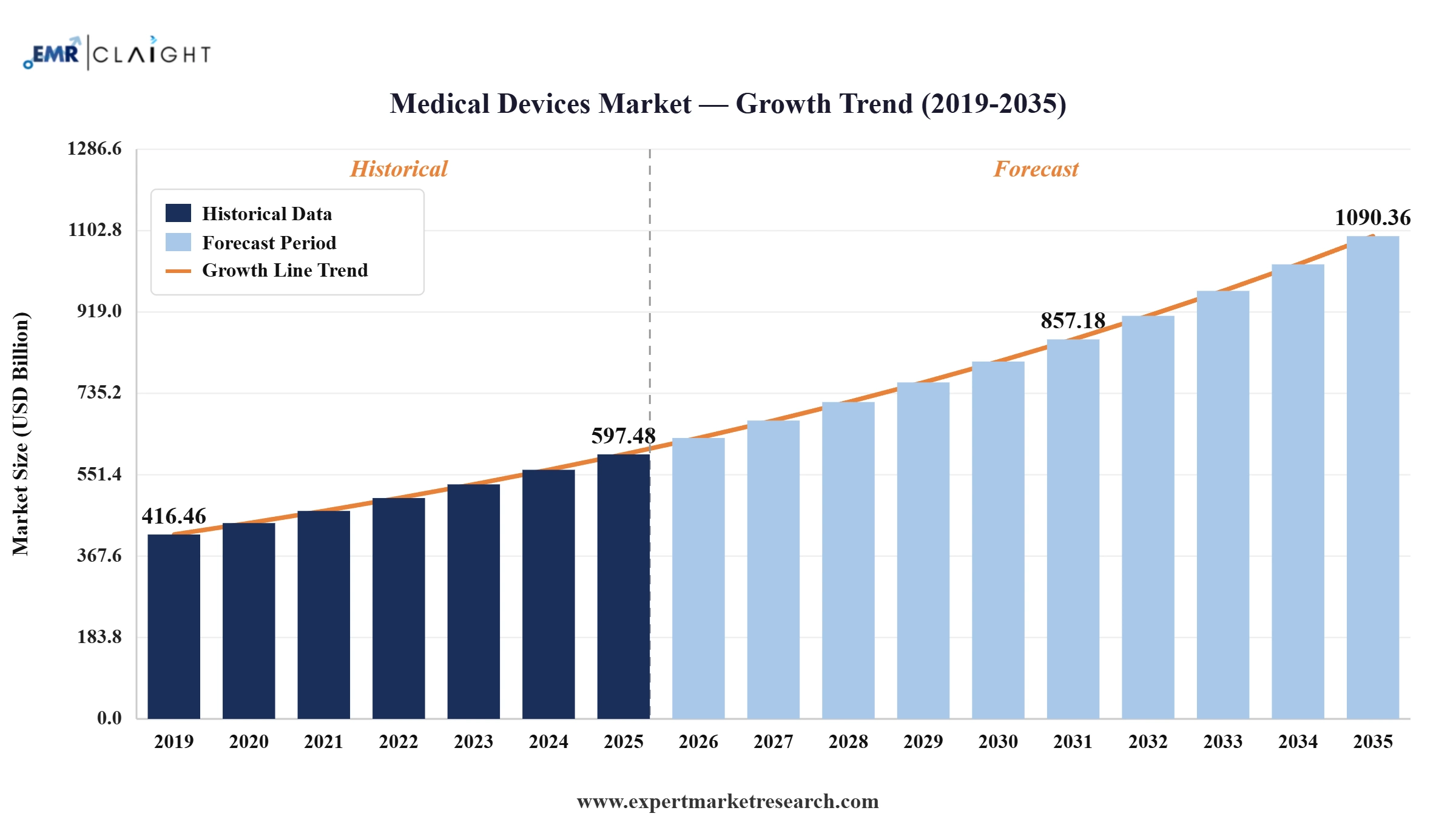
The global medical devices market was valued at USD 597.48 Billion in 2025, and expected to grow at a CAGR of 6.20% during the forecast period 2026-2035 to attain a market value of USD 1090.36 Billion by 2035, driven by the prevalence of chronic diseases and technological advancements worldwide.
According to STAT News, the U.S. FDA reaffirmed its oversight of AI-enabled medical devices in April 2026, rejecting proposals to deregulate certain clinical decision support tools. The decision underscores the agency's commitment to safety, transparency, and predetermined change-control plans, signaling continued pressure on medtech manufacturers operating in U.S. markets to maintain compliance.
According to the U.S. Food and Drug Administration, the agency refreshed its publicly maintained AI-enabled medical devices list on March 4, 2026, reflecting accelerating clearance volume across radiology, cardiology, and neurology applications. The expanded register highlights mainstream integration of artificial intelligence into routine clinical workflows and rising demand for software-driven device innovation.
Read more about this report - REQUEST FREE SAMPLE COPY IN PDF
Rising Chronic Disease Burden and Aging Global Population
The fundamental demand driver underlying the global medical devices market is the escalating global burden of chronic disease cardiovascular disease, diabetes, chronic respiratory disease, cancer, and musculoskeletal disorders occurring within the context of a rapidly aging global population. Cardiovascular disease remains the world's leading cause of death, creating sustained demand for cardiac monitoring devices, implantable defibrillators and pacemakers, cardiac imaging equipment, and transcatheter heart valve systems. The International Diabetes Federation estimated over 537 million adults living with diabetes globally in 2021, a figure projected to reach 783 million by 2045, driving continuous demand expansion for blood glucose monitors, continuous glucose monitoring (CGM) systems, insulin pumps, and integrated closed-loop insulin delivery systems.
The global population aged 65 and over is growing at twice the rate of the overall population, creating disproportionate demand for orthopedic implants (hip and knee replacements), hearing aids and audiology devices, ophthalmology devices, and remote patient monitoring solutions that enable older individuals to manage chronic conditions with reduced clinical visit frequency.
AI Integration: Intelligent Diagnostics and Clinical Decision Support
Artificial intelligence is transforming the medical devices industry across multiple dimensions simultaneously. In diagnostic imaging, AI algorithms trained on millions of radiological images are achieving detection accuracy for conditions including lung cancer, breast cancer, diabetic retinopathy, and stroke-associated brain bleeds that meet or exceed radiologist performance benchmarks. Major diagnostic imaging platform providers are integrating AI-powered automated detection, measurement, and reporting tools directly into their imaging systems, reducing diagnostic turnaround times, improving detection sensitivity, and enabling more consistent diagnostic quality across different facility types and geographic locations.
In remote patient monitoring, AI-enabled platforms are transforming the management of chronic conditions by analyzing continuous data streams from wearable and implantable devices to detect deterioration patterns, predict adverse events, and generate clinical alerts before patients develop symptomatic crises. The global AI in remote patient monitoring market is reflecting the powerful value proposition of AI-augmented continuous monitoring in reducing hospitalizations, emergency department visits, and preventable chronic disease complications. In March 2026, Medtronic expanded its AI-enabled cardiac monitoring portfolio specifically to strengthen remote patient monitoring capabilities for chronic disease management, underscoring the strategic importance of AI-integrated cardiac monitoring to leading medical device companies.
Wearable Medical Devices: Extending Healthcare into Daily Life
Wearable medical devices ranging from smartwatch-based ECG and blood oxygen monitoring, to prescription continuous glucose monitors, to clinical-grade ambulatory cardiac monitors represent the most dynamically growing category in the medical devices market. Consumer-grade wearable medical devices accounted for approximately 76.4% of the wearable medical device market share in 2025, reflecting the enormous scale of the consumer health monitoring segment relative to prescription wearable device categories.
The commercial significance of wearables extends beyond the device hardware itself. Wearable devices generate continuous, longitudinal health data streams that are transforming clinical care models for chronic conditions. Integration of wearable-generated health data into electronic health records (EHRs) and clinical decision support platforms is enabling care teams to manage larger chronic disease patient populations with greater proactive intervention and earlier complication detection. In July 2025, Samsung Electronics acquired Xealth, a US-based digital health company, specifically to integrate wearable wellness data directly into clinical workflows and electronic health records, reflecting the strategic priority that major consumer electronics and healthcare technology companies are placing on this data integration capability.
In September 2025, Philips and Masimo extended their multi-year strategic partnership to accelerate the adoption of advanced wearable sensors and AI-powered patient monitoring technologies across both bedside and remote care settings, further evidence of the accelerating integration of wearable sensor technology with AI-powered clinical monitoring platforms.
Remote Patient Monitoring and Telehealth Integration
Remote patient monitoring (RPM), the use of connected medical devices to collect and transmit patient health data from outside traditional clinical settings, has evolved from a niche telehealth application into a mainstream care delivery model for chronic disease management. The COVID-19 pandemic catalyzed widespread adoption of RPM across health systems, and post-pandemic investment in RPM infrastructure has sustained as health systems recognized the clinical and operational benefits of continuous monitoring for conditions including heart failure, hypertension, diabetes, chronic obstructive pulmonary disease, and post-surgical recovery.
Regulatory reimbursement policy changes in the United States, particularly Centers for Medicare and Medicaid Services (CMS) billing code expansions for RPM services, have been critical in enabling the business model for RPM-based care programs, creating payer coverage that supports the clinical deployment of connected monitoring devices at scale. Similar reimbursement developments are progressing in European healthcare systems, supporting the adoption of remote monitoring across cardiac, diabetic, and pulmonary disease management programs.
Healthcare Infrastructure Expansion in Emerging Markets
The rapid expansion of healthcare infrastructure across Asia Pacific, Latin America, Africa, and the Middle East is creating substantial new demand for medical devices across the full product spectrum from basic diagnostic equipment and surgical instruments to advanced imaging systems and specialty implants. China's ongoing investment in hospital capacity expansion and healthcare technology modernization is creating one of the world's most rapidly growing markets for both domestic and imported medical devices. India's healthcare infrastructure investment, driven by government programs including Ayushman Bharat and significant increases in public health expenditure, is expanding the addressable market for medical devices across diagnostic, surgical, and patient monitoring categories. The combination of rising middle-class healthcare expectations, government investment in healthcare access, and progressive regulatory reform to attract medical device investment is positioning Asia Pacific as the market's most significant long-term growth region.
Medical equipment is the instruments, apparatus, or machines used for the diagnosis, prevention, or treatment of illnesses and diseases. They are used to improve health by assisting in the identification and supervision of health issues. They are also used in operations and long-term illness control, which enhance the well-being of individuals and play a vital role in both regular and urgent medical treatment.
There are various classifications of medical devices, including diagnostic devices like X-ray machines, therapeutic devices such as insulin pumps, surgical devices like instruments, life-support devices like ventilators, monitoring devices such as blood pressure monitors, and assistive devices like hearing aids for healthcare. Healthcare professionals and patients rely on medical devices in hospitals, clinics, and homes for diagnosing conditions, monitoring vital signs, administering treatments, and assisting in rehabilitation. These devices are essential in modern healthcare, elevating patient outcomes, increasing productivity, and facilitating sophisticated medical procedures.
Read more about this report - REQUEST FREE SAMPLE COPY IN PDF
Prevalence of Chronic Diseases Spurs Market Growth
The global medical device market is experiencing growth due to the rising prevalence of chronic diseases like cardiovascular conditions, diabetes, cancer, and respiratory disorders. The World Health Organization reports that chronic diseases (also known as non-communicable diseases) result in around 41 million deaths annually, making up 74% of total global deaths. Factors such as aging populations, unhealthy lifestyles, and pollution are necessitating advanced diagnostic and therapeutic devices to provide effective long-term care. Controlling diabetes depends on CGMs and insulin pumps, whereas heart problems necessitate pacemakers and stents. The rise in cancer diagnoses has caused a higher need for imaging devices, while respiratory illnesses have created a demand for inhalers and ventilators. In February 2024, the International Agency for Research on Cancer (IARC), a World Health Organization (WHO) cancer agency, examined the global impact of cancer. The study revealed that approximately 20 million new cancer diagnoses and 9.7 million fatalities were recorded in 2022.
There is also a high demand for orthopedic devices to help with chronic pain and mobility problems in aging populations. Healthcare facilities are dedicating resources to enhance patient care and results by investing in state-of-the-art equipment, highlighting the significance of innovation and accessible healthcare solutions in the medical device market.
Technological Advancements to Boost the Global Medical Device Market Demand
Technological progress has fueled the global need for medical equipment, leading to the development of more precise and less intrusive devices. The custom production of medical devices has been transformed by 3D printing, enhancing patient comfort and the results of surgical procedures. These advancements are changing how patients are treated by offering ongoing monitoring, detecting problems early, and increasing medical services, especially helpful in areas with limited access. In April 2024, Abbott’s TriClip heart valve repair device received FDA approval to treat tricuspid regurgitation, where the heart valve fails to close properly, causing blood to flow backwards. Additionally, in April 2024, Fresenius patented a blood treatment system with multiple pumps for ECMO treatments, improving treatment efficiency with parallel blood flow paths and pumps for various fluids.
The market is witnessing several trends and developments to improve the current scenario. Some of the notable trends are as follows:
The global medical device market is being transformed by the increasing popularity of portable and wearable devices. Devices such as fitness trackers and smartwatches enable the tracking of health in real-time and the collection of data. Patients can consistently monitor their health status and key indicators, which helps in managing chronic illnesses. The increasing demand for these products from customers is fueling market expansion, enhancing patient involvement and compliance with treatment regimes.
With the increasing number of older individuals, there is a growing need for medical devices that address health concerns associated with aging, such as aiding in mobility, managing chronic conditions, and providing long-term assistance. Orthopedic devices like joint replacements and support braces, along with diagnostic imaging tools and cardiovascular devices, play a crucial role in treating age-related conditions and diseases, fueling market expansion.
The increasing presence of AI and ML in the market is a revolutionary development that improves medical devices by incorporating advanced data analysis and predictive analytics to customize medicine. AI-based tools enhance disease detection from medical images and machine learning algorithms improve treatment precision by analyzing patient data. These technologies simplify clinical processes, easing the workload of healthcare professionals and fostering innovation.
Both patients and healthcare providers prefer minimally invasive procedures due to less pain, faster recovery, and decreased complication risks. This interest has led to the development of sophisticated tools such as laparoscopic instruments, robotic-assisted surgical systems, and endoscopes, enabling more accurate and less invasive procedures that improve patient results and contentment.
Medical Devices Market Report and Forecast 2026-2035 offers a detailed analysis of the market based on the following segments:
Market Breakup by Type of Device
Market Breakup by Application
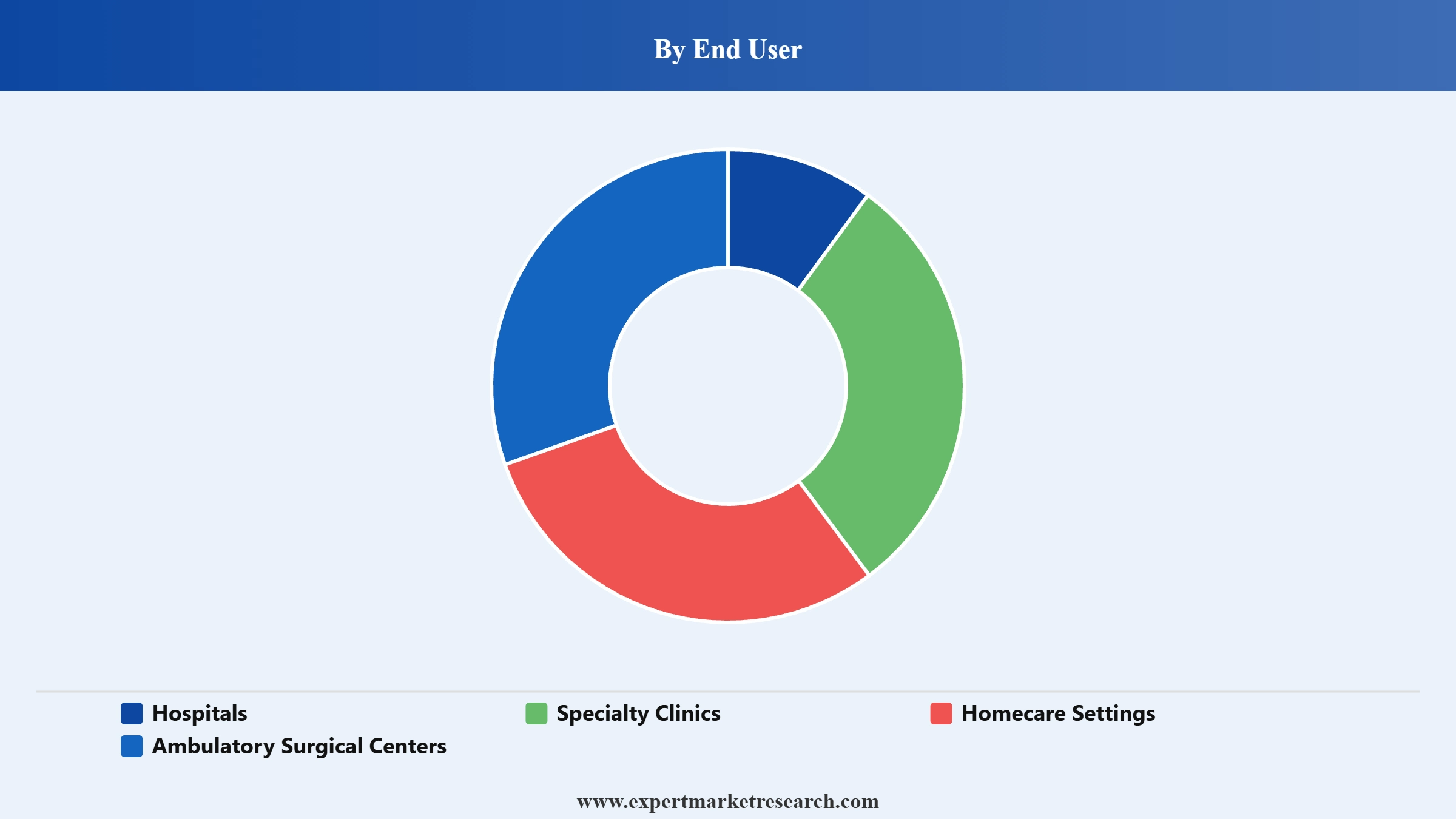
Market Breakup by End User
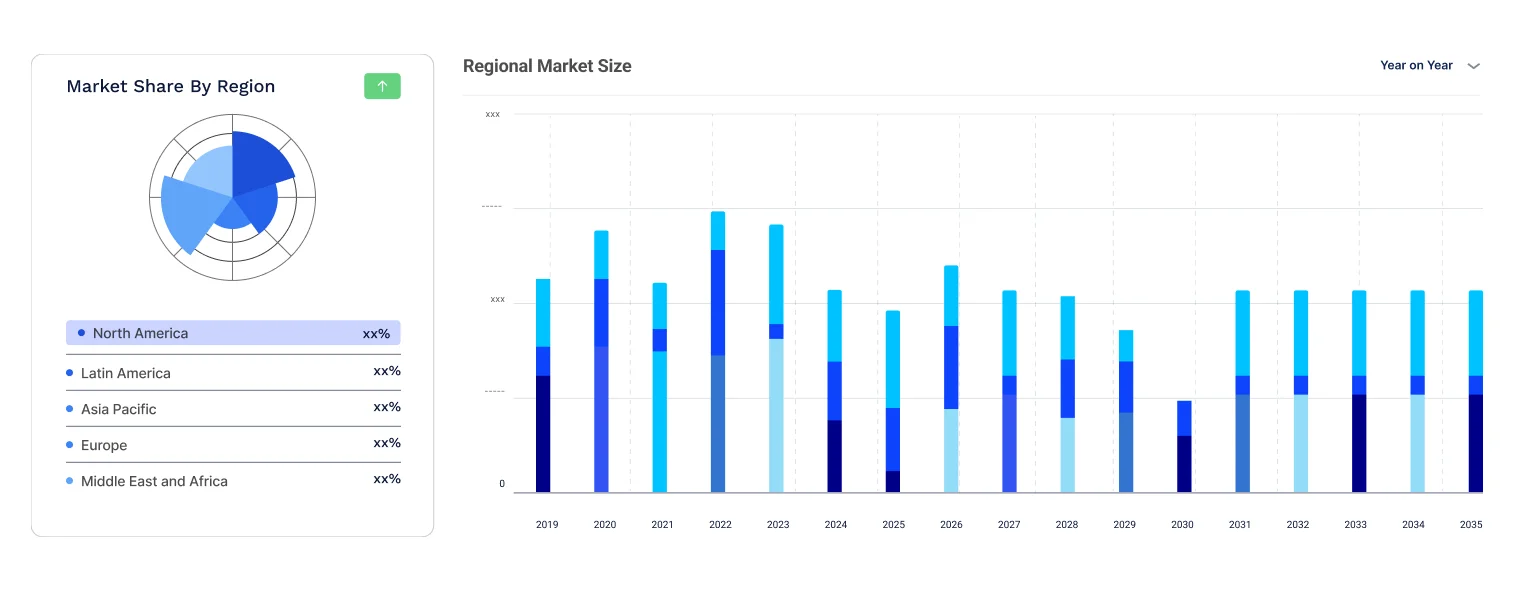
Market Breakup by Region
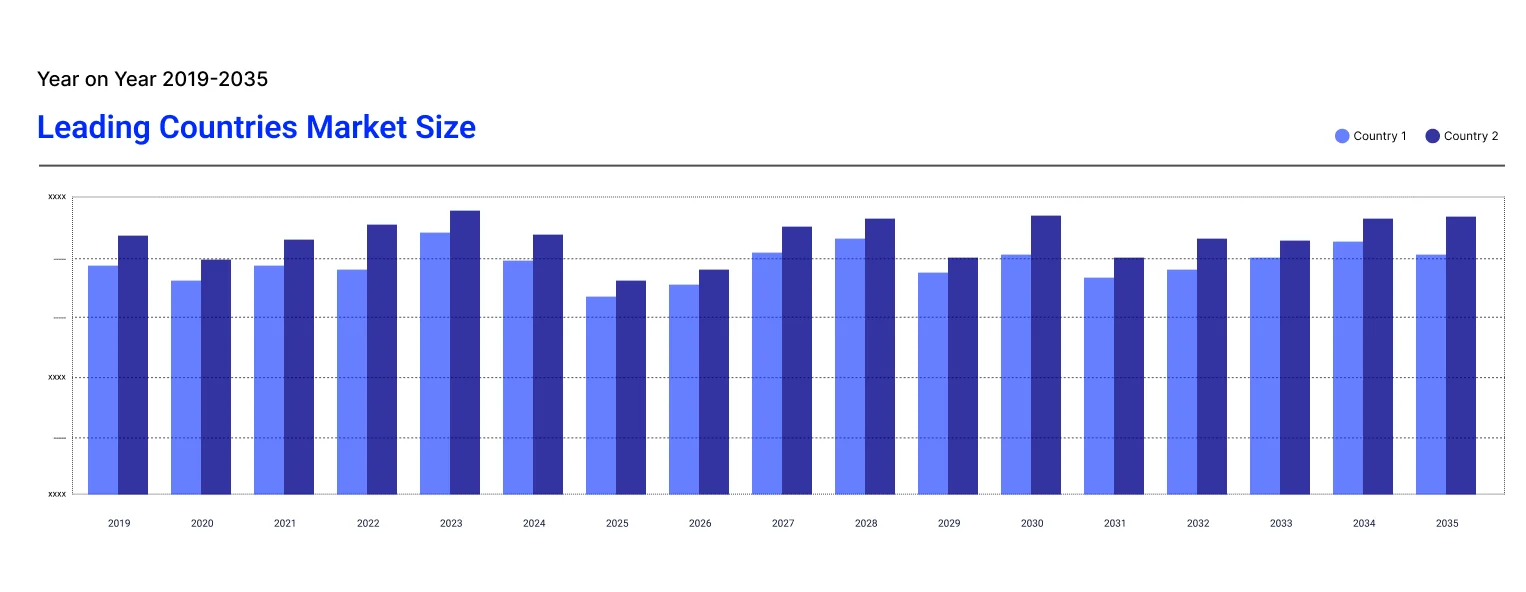
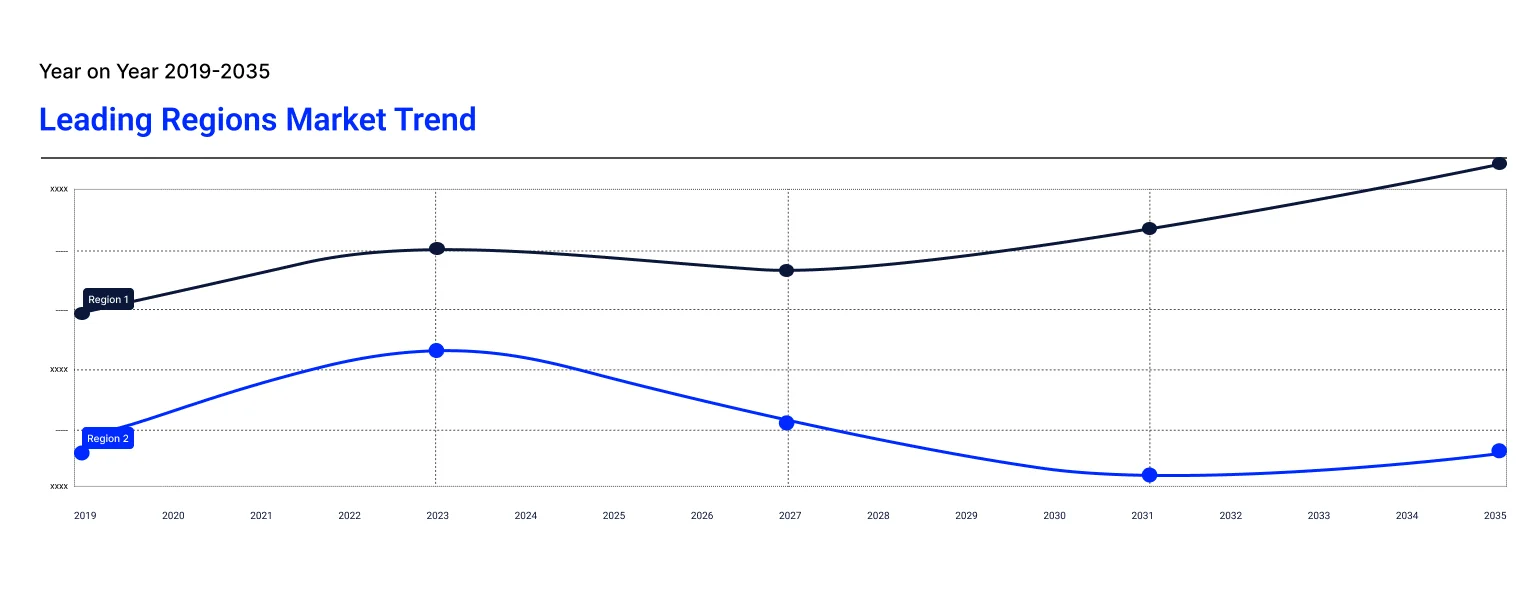
Read more about this report - REQUEST FREE SAMPLE COPY IN PDF
Market Segmentation Based on Application to Witness Growth
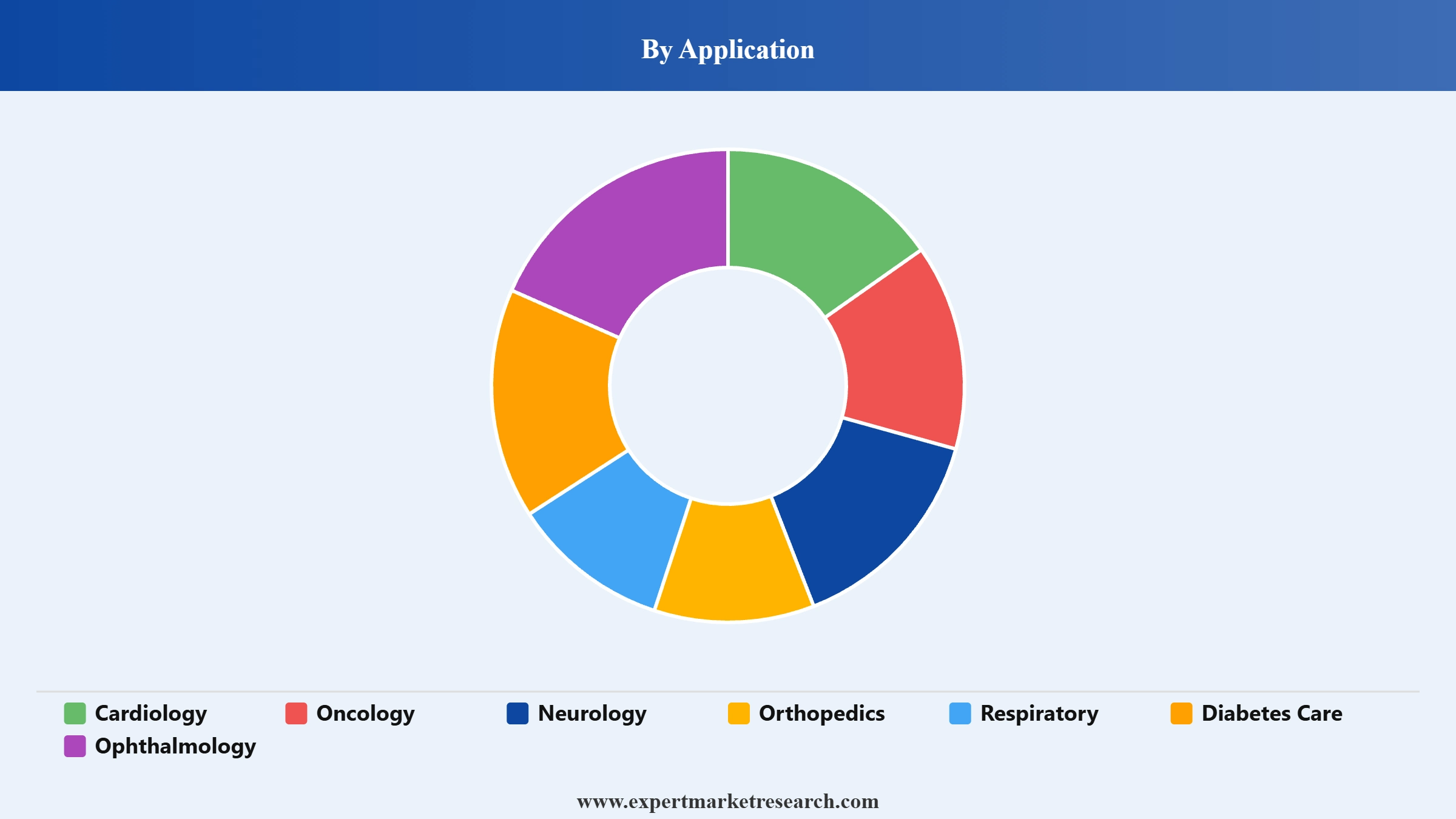
Based on the application, the market is segmented into cardiology, oncology, neurology, orthopedics, respiratory, diabetes care, ophthalmology, and others.
Cardiology is a leading area of focus in the medical device industry and is expected to hold a substantial market share during the forecast period. The market value can be attributed to the high incidence of cardiovascular diseases such as coronary artery disease, heart failure, and arrhythmias. This leads to an increase in the need for cardiology devices like pacemakers, stents, defibrillators, and cardiac monitoring systems. Ongoing advancements in cardiology devices are predicted to enhance patient outcomes, lower risk, and bolster the management of chronic conditions, meeting the urgent demand for heart care.
Read more about this report - REQUEST FREE SAMPLE COPY IN PDF
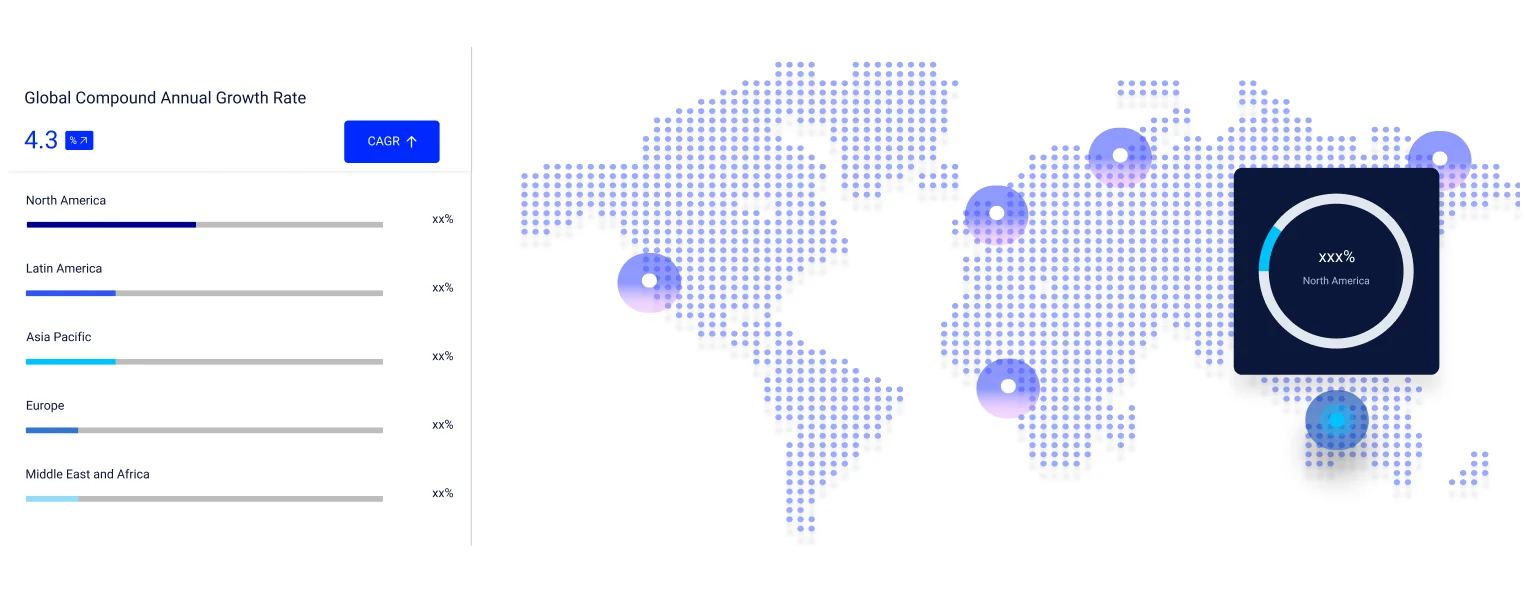
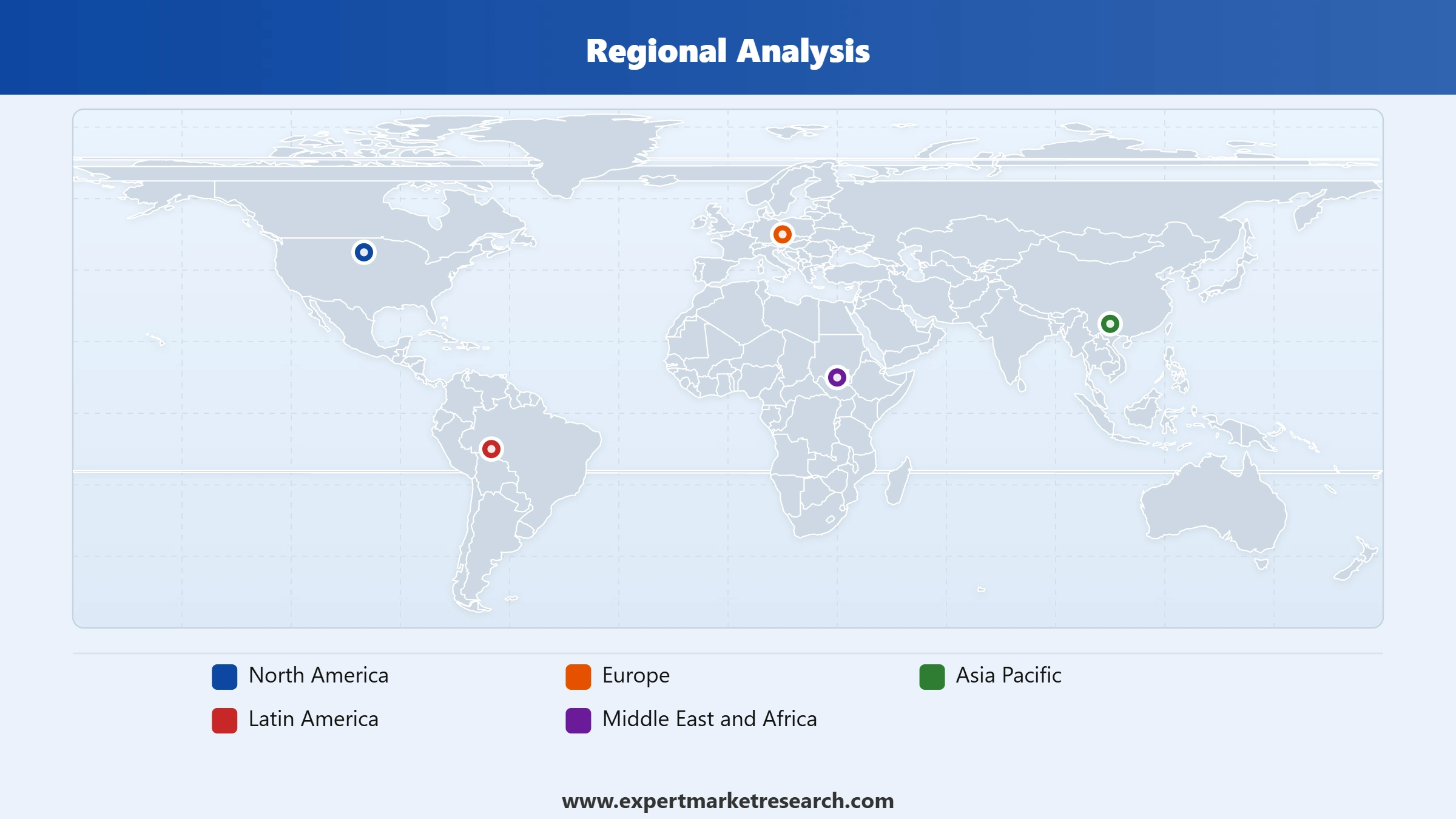
Based on region, the market report covers North America, Europe, Asia-Pacific, Latin America, and the Middle East and Africa.
North America is expected to dominate the market due to its advanced healthcare infrastructure, substantial healthcare spending, and significant emphasis on research and development. The growth is driven by the presence of leading manufacturers and early adoption of technology, meeting rising demands from chronic illnesses and an aging population.
Read more about this report - REQUEST FREE SAMPLE COPY IN PDF
Europe's robust healthcare system and regulatory framework have resulted in a significant market share of the global market for medical devices. Countries such as Germany, the UK, and France possess strong industrial foundations and significant healthcare expenditures. The market growth in this region is due to technological advancements and the increased need for less invasive medical devices. Positive reimbursement policies also encourage the uptake of advanced medical devices.
The key features of the market report include strategic initiatives, including recent partnerships and collaborations by the leading players. The major companies in the market are as follows:
Medtronic plc, an American Irish company, is a global leader in medical technology. Their portfolio includes ablation systems, acute extracorporeal therapy solutions, airway monitoring, brain monitoring, and more. In March 2023, they collaborated with NVIDIA to build an AI platform for medical devices.
Johnson & Johnson researches, develops, manufactures, and sells pharmaceutical products and medical devices through its operating companies. In May 2024, Johnson & Johnson acquired Shockwave Medical, enhancing their position in cardiovascular intervention.
Fresenius Medical Care AG & Co is a renowned company offering services, products, and care coordination for individuals with chronic kidney failure. In February 2024, the company received FDA clearance for its 5008X Hemodialysis System. In April 2024, they patented a blood treatment system with multiple pumps for ECMO treatments, improving treatment efficiency with parallel blood flow paths and pumps for various fluids.
Abbott Labs, a healthcare company, manufactures and sells pharmaceuticals, diagnostics, nutrition products, and medical devices. In April 2024, their TriClip heart valve repair device received FDA approval to treat tricuspid regurgitation, where the heart valve fails to close properly, causing blood to flow backwards.
Other players in the market are Baxter International, Inc., BD, Cardinal Health, Dentsply Sirona, F. Hoffman-La Roche Ltd., GE HealthCare, Koninklijke Philips N.V., Siemens Healthcare GmbH, Smiths & Nephew plc, Stryker, and Terumo Corporation.
*Please note that this is only a partial list; the complete list of key players is available in the full report. Additionally, the list of key players can be customized to better suit your needs.*
Australia 3D Printing Medical Devices Market
India 3D Printing Medical Devices Market


Upto 15% Off
USD
$3299 $2969
$5499 $4949
$6999 $5949
$8199 $6969


*While we strive to always give you current and accurate information, the numbers depicted on the website are indicative and may differ from the actual numbers in the main report. At Expert Market Research, we aim to bring you the latest insights and trends in the market. Using our analyses and forecasts, stakeholders can understand the market dynamics, navigate challenges, and capitalize on opportunities to make data-driven strategic decisions.*
Explore our key highlights of the report and gain a concise overview of key findings, trends, and actionable insights that will empower your strategic decisions.
| REPORT FEATURES | DETAILS |
| Base Year | 2025 |
| Historical Period | 2019-2025 |
| Forecast Period | 2026-2035 |
| Scope of the Report |
Historical and Forecast Trends, Industry Drivers and Constraints, Historical and Forecast Market Analysis by Segment:
|
| Breakup by Type of Device |
|
| Breakup by Application |
|
| Breakup by End User |
|
| Breakup by Region |
|
| Market Dynamics |
|
| Supplier Landscape |
|
| Companies Covered |
|
Datasheet
One User
USD 3,299
USD 2,969
tax inclusive*
Single User License
One User
USD 5,499
USD 4,949
tax inclusive*
Five User License
Five User
USD 6,999
USD 5,949
tax inclusive*
Corporate License
Unlimited Users
USD 8,199
USD 6,969
tax inclusive*
*Please note that the prices mentioned below are starting prices for each bundle type. Kindly contact our team for further details.*
Flash Bundle
Small Business Bundle
Growth Bundle
Enterprise Bundle
*Please note that the prices mentioned below are starting prices for each bundle type. Kindly contact our team for further details.*
Flash Bundle
Number of Reports: 3
20%
tax inclusive*
Small Business Bundle
Number of Reports: 5
25%
tax inclusive*
Growth Bundle
Number of Reports: 8
30%
tax inclusive*
Enterprise Bundle
Number of Reports: 10
35%
tax inclusive*
How To Order

Select License Type
Choose the right license for your needs and access rights.

Click on ‘Buy Now’
Add the report to your cart with one click and proceed to register.

Select Mode of Payment
Choose a payment option for a secure checkout. You will be redirected accordingly.
Strategic Solutions for Informed Decision-Making
Gain insights to stay ahead and seize opportunities.

Get insights & trends for a competitive edge.

Track prices with detailed trend reports.

Analyse trade data for supply chain insights.

Leverage cost reports for smart savings

Enhance supply chain with partnerships.

Connect For More Information
Our expert team of analysts will offer full support and resolve any queries regarding the report, before and after the purchase.
Our expert team of analysts will offer full support and resolve any queries regarding the report, before and after the purchase.
We employ meticulous research methods, blending advanced analytics and expert insights to deliver accurate, actionable industry intelligence, staying ahead of competitors.
Our skilled analysts offer unparalleled competitive advantage with detailed insights on current and emerging markets, ensuring your strategic edge.
We offer an in-depth yet simplified presentation of industry insights and analysis to meet your specific requirements effectively.




