

Consumer Insights
Uncover trends and behaviors shaping consumer choices today
Procurement Insights
Optimize your sourcing strategy with key market data
Industry Stats
Stay ahead with the latest trends and market analysis.
The Fabry disease market was valued at USD 2.14 Billion in 2025 and is expected to grow at a CAGR of 7.50%, reaching USD 4.41 Billion by 2035. The market growth is driven by the increasing disease awareness, improved diagnostic capabilities, and expanding access to enzyme replacement and chaperone therapies. The development of targeted treatments, advances in gene therapy, and growing emphasis on early diagnosis are expected to support market expansion and improve treatment outcomes during the forecast period.
Compound Annual Growth Rate
7.5%
Value in USD Billion
2026-2035
Read more about this report - REQUEST FREE SAMPLE COPY IN PDF
Fabry disease is a rare inherited disorder that can affect multiple organs, with manifestations involving the kidneys, heart, nervous system, and skin. Its progressive nature often requires long-term disease management, monitoring, and specialized care to address organ complications and improve patient outcomes. The market is supported by increasing disease awareness, improved diagnostic capabilities, and advances in targeted treatment approaches. The market is poised to grow at a CAGR of 7.50% during the forecast period of 2026-2035. The growing adoption of enzyme replacement and chaperone therapies, alongside emerging gene therapy programs, is expanding treatment options. Increased clinical research and efforts to enable earlier diagnosis are also supporting market development.
|
Analysis Type |
Factors |
Example |
|
Market Drivers |
Increasing Disease Prevalence and Long-Term Treatment Requirements |
Sanofi estimates Fabry disease prevalence at about 1 in 40,000 males and 1 in 20,000 females, driving sustained treatment demand. |
|
Market Restraints |
Safety Concerns Associated With Gene Therapy |
In February 2026, uniQure suspended medium- and high-dose AMT-191 administration after two of 11 patients developed Grade 3 liver enzyme elevations. |
|
Market Opportunities |
Growing Potential of Single-Administration Gene Therapies |
In March 2023, Emory University investigated an adeno-associated virus gene therapy intended to deliver the deficient enzyme gene and support prolonged enzyme production. |
The following section outlines the key factors influencing the growth of the market, including major drivers, restraints, and emerging opportunities.
Rising Disease Prevalence and Treatment Needs to Support Market Expansion
The increasing recognition of Fabry disease and the need for lifelong disease management are supporting the demand for effective therapies. According to Sanofi, Fabry disease is an X-linked lysosomal storage disorder that affects males, females, and children across ethnicities, with an estimated prevalence of approximately 1 in 40,000 males and 1 in 20,000 females. The disease results from deficient alpha-galactosidase A activity and can cause progressive damage to the kidneys, heart, nervous system, eyes, skin, and other organs. The resulting need for continuous disease management and treatment is expected to sustain market growth.
Gene Therapy Safety Risks May Constrain Market Expansion
Safety concerns surrounding investigational gene therapies may limit market development by increasing clinical, regulatory, and investment risks. For instance, in February 2026, uniQure paused dosing in the medium- and high-dose cohorts of its Phase I/IIa AMT-191 trial after two of 11 enrolled patients experienced asymptomatic Grade 3 liver enzyme elevations, both classified as dose-limiting toxicities following independent review. Although the patients responded to corticosteroid treatment and AMT-191 demonstrated increased alpha-galactosidase A activity, the findings highlight safety uncertainties that could delay development and adoption of emerging gene therapies.
One-Time Gene Therapies Create New Growth Potential
Advances in one-time gene therapy are creating potential for treatments that could reduce the burden associated with lifelong enzyme replacement therapy. For instance, in March 2023, Emory University reported clinical research evaluating an adeno-associated virus-based gene therapy designed to deliver genetic material encoding the deficient enzyme to the liver. The approach aims to enable sustained enzyme production and potentially overcome limitations of repeated enzyme replacement, including intermittent effects and antibody development. Continued clinical development of these approaches is expected to expand treatment options and support future market growth.
Some of the notable trends in the market are sustained enzyme expression, gene therapy innovation, and reduced treatment burden.
Sustained Enzyme Production Is Likely to Elevate the Market Growth
The market is increasingly moving toward gene therapies designed to provide sustained alpha-galactosidase A production and reduce dependence on repeated treatments. For instance, in September 2025, uniQure reported that all four patients in the first AMT-191 cohort achieved 27- to 208-fold increases in alpha-galactosidase A activity relative to the mean normal level, with sustained increases observed for up to 45 weeks. All four patients discontinued enzyme replacement therapy while maintaining stable plasma lyso-Gb3 levels, highlighting the potential for durable treatment approaches to support market growth.
Enzyme Replacement Therapy Is Expected to Maintain Market Leadership by Treatment Type
The market is segmented by treatment type into enzyme replacement therapy (ERT), chaperone therapy, gene therapy, supportive and symptomatic therapy, and others. Among these, enzyme replacement therapy is expected to maintain a leading position because it remains an established treatment approach for long-term disease management. For instance, in March 2026, Chiesi Global Rare Diseases and Protalix BioTherapeutics announced that the European Commission approved a 2 mg/kg every four weeks dosing regimen for Elfabrio (pegunigalsidase alfa) in adults with Fabry disease who are stable on ERT. The change extends the infusion interval from every two weeks to every four weeks, potentially reducing treatment burden while supporting continued ERT use.
Read more about this report - REQUEST FREE SAMPLE COPY IN PDF
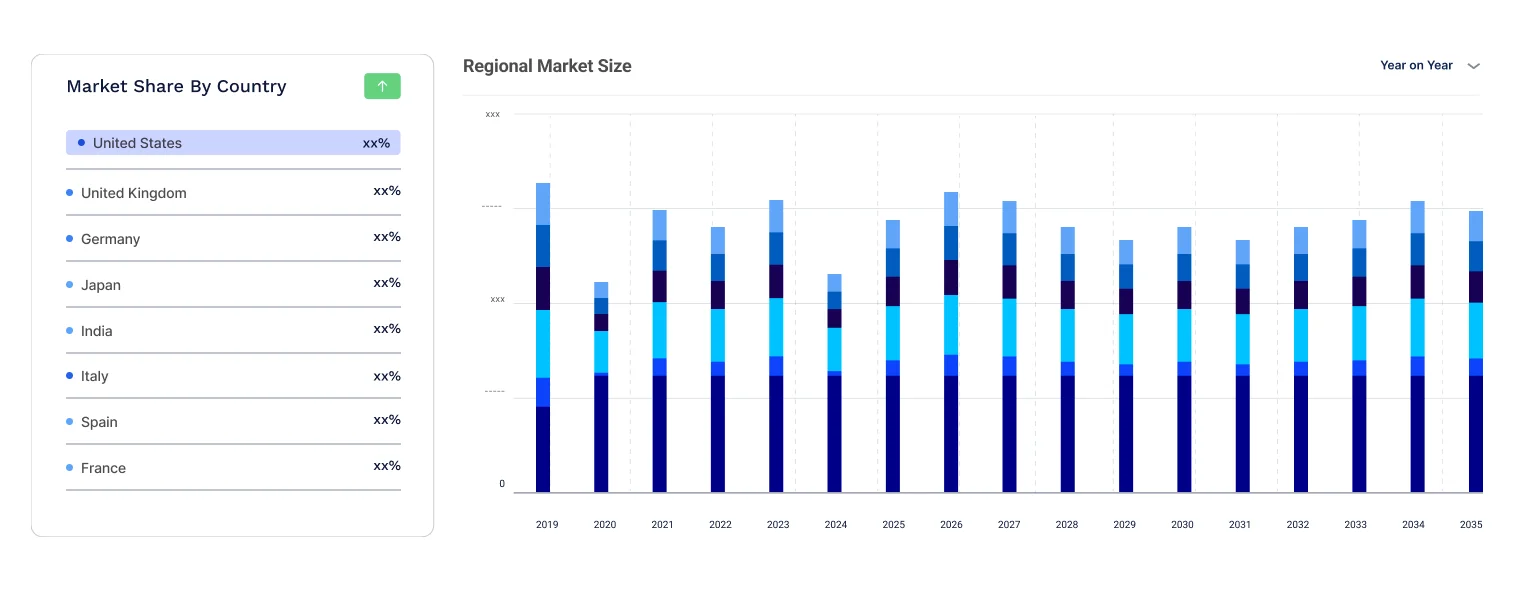
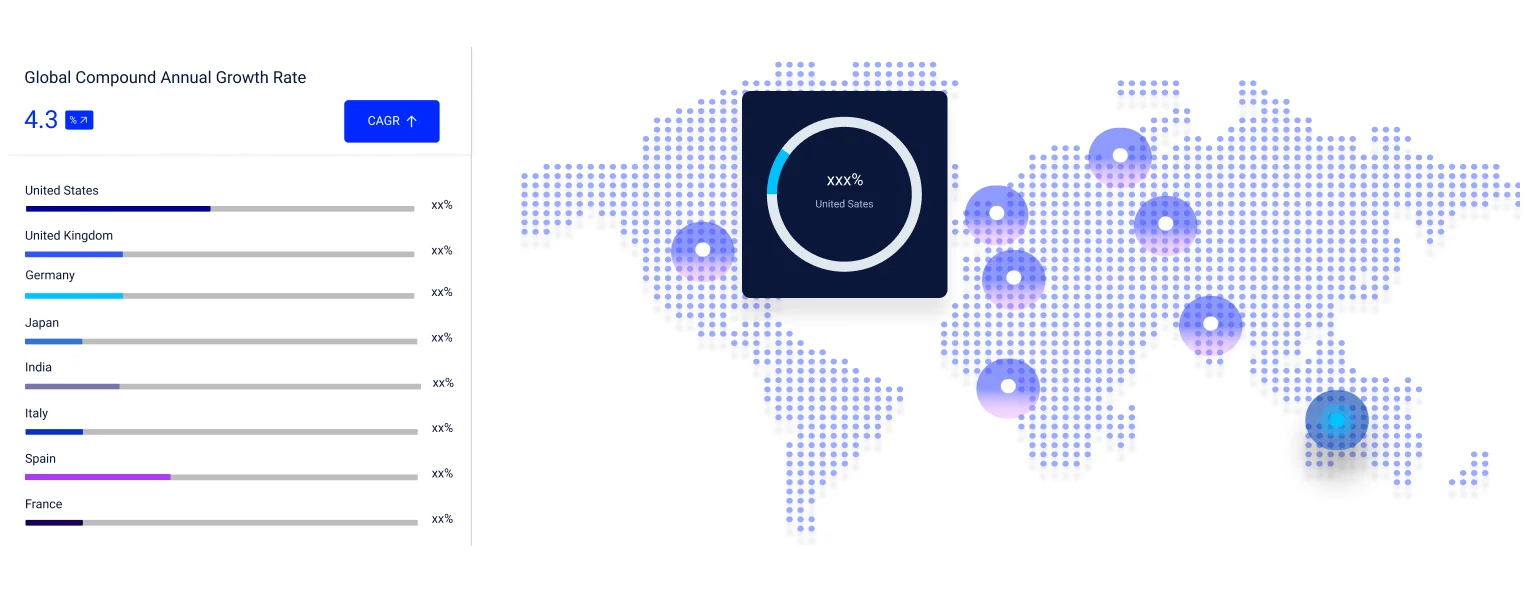
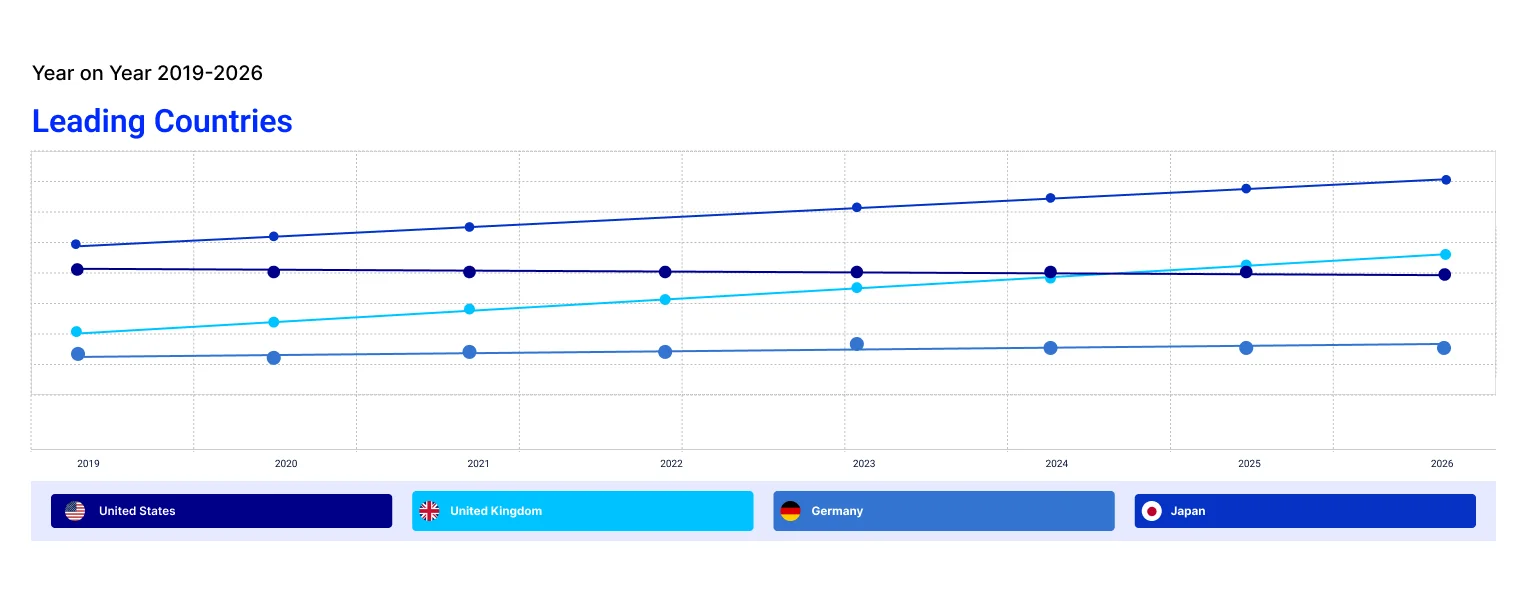
The countries included in the analysis are the United States, United Kingdom, Germany, France, Italy, Spain, Japan, and India. Among these, the United States is expected to lead, supported by its advanced rare-disease treatment infrastructure, regulatory support, and active development of innovative therapies. For instance, in August 2026, PTC Therapeutics announced its selection as the winning bidder to acquire ST-920, a BLA-stage, one-time AAV gene therapy for Fabry disease, for USD 111 million upfront and up to USD 100 million in contingent milestone payments. PTC expects to complete a rolling BLA submission in the fourth quarter of 2026, with a potential commercial launch in 2027. The company estimates that approximately 11,000 people live with Fabry disease in the United States.
The key features of the market report include patent analysis, funding and investment analysis, and strategic initiatives by leading players. The major companies in the market are as follows:
Sanofi S.A. is a global pharmaceutical company with a longstanding focus on rare diseases and lysosomal storage disorders. The company has launched medicines for Fabry disease and supports Fabry disease patient communities through humanitarian programs and disease registries. Its continued commitment to rare disease research, patient support, and improved diagnosis strengthens its involvement in Fabry disease care.
GSK plc is a research-based pharmaceutical company involved in rare disease treatment development. In collaboration with Amicus Therapeutics, GSK expanded its Fabry disease program to develop and commercialize migalastat hydrochloride, including monotherapy, enzyme replacement therapy co-administration, and a chaperone-enzyme replacement therapy formulation. The collaboration combined GSK’s global development capabilities with Amicus Therapeutics’ chaperone expertise.
Takeda Pharmaceutical Company Limited is a research-driven biopharmaceutical company with a strong focus on rare genetic diseases and lysosomal storage disorders, and a key player in the Fabry disease market. In 2022, Takeda succeeded Sumitomo Dainippon Pharma in obtaining manufacturing and marketing approval and marketing rights for REPLAGAL 3.5 mg, an alpha-galactosidase enzyme intravenous infusion used to treat Fabry disease in Japan.
Sumitomo Pharma Co., Ltd. has been involved in Fabry disease treatment through REPLAGAL 3.5 mg, an alpha-galactosidase enzyme intravenous infusion. The company launched REPLAGAL in Japan in 2007 and held manufacturing and marketing approval under a licensing agreement with Takeda. In 2022, manufacturing and marketing approval and marketing rights were transferred to Takeda.
Other key players in the market include Chiesi Farmaceutici S.p.A., Amicus Therapeutics Inc., Idorsia Ltd., Sangamo Therapeutics Inc., Protalix BioTherapeutics Inc., and AceLink Therapeutics, Inc.
*Please note that this is only a partial list; the complete list of key players is available in the full report. Additionally, the list of key players can be customized to better suit your needs.*
The market report offers a detailed analysis of the market based on the following segments:
Market Breakup by Disease Type
The market is segmented based on disease type, reflecting differences in disease presentation, progression, symptom severity, and patient management requirements. The growing awareness of Fabry disease, improvements in diagnostic capabilities, and earlier identification of affected individuals are influencing demand across this segment.
Market Breakup by Treatment Type
Treatment-based segmentation reflects the expanding range of therapeutic approaches available for Fabry disease management. Advances in disease-specific therapies, increasing emphasis on individualized care, and ongoing research into innovative treatment approaches are supporting market development and broadening therapeutic options.
Market Breakup by Indication
The market is categorized according to the organ systems and clinical manifestations affected by Fabry disease. Increasing recognition of disease-related complications, greater use of specialized diagnostic evaluations, and growing emphasis on comprehensive disease management are shaping treatment demand across clinical settings.
Market Breakup by End User
End-user segmentation encompasses healthcare and research environments involved in diagnosing, treating, monitoring, and managing Fabry disease. Rising healthcare utilization, greater access to specialized care, increased patient monitoring requirements, and expanding research activities are contributing to demand across these settings.
Market Breakup by Distribution Channel
Distribution channel segmentation reflects the various pathways through which Fabry disease therapies and related products reach patients and healthcare providers. Improvements in pharmaceuticals distribution infrastructure, increasing treatment accessibility, and the growing need for convenient medication procurement are influencing channel development.
Market Breakup by Country
Geographic segmentation considers variations in healthcare infrastructure, diagnostic awareness, treatment accessibility, regulatory environments, and disease management practices across major countries. Differences in healthcare expenditure, availability of specialized therapies, and initiatives supporting rare disease diagnosis and treatment are shaping regional market opportunities.
This report is developed through a robust mixed-methods research design combining:


Upto 15% Off
USD
$5499 $4949
$3299 $2969
$6999 $5949
$8199 $6969


*While we strive to always give you current and accurate information, the numbers depicted on the website are indicative and may differ from the actual numbers in the main report. At Expert Market Research, we aim to bring you the latest insights and trends in the market. Using our analyses and forecasts, stakeholders can understand the market dynamics, navigate challenges, and capitalize on opportunities to make data-driven strategic decisions.*
Explore our key highlights of the report and gain a concise overview of key findings, trends, and actionable insights that will empower your strategic decisions.
| REPORT FEATURES | DETAILS |
| Base Year | 2025 |
| Historical Period | 2019-2025 |
| Forecast Period | 2026-2035 |
| Scope of the Report |
Historical and Forecast Trends, Industry Drivers and Constraints, Historical and Forecast Market Analysis by Segment:
|
| Breakup by Disease Type |
|
| Breakup by Treatment Type |
|
| Breakup by Indication |
|
| Breakup by End User |
|
| Breakup by Distribution Channel |
|
| Breakup by Region |
|
| Market Dynamics |
|
| Supplier Landscape |
|
| Companies Covered |
|
Single User License
One User
USD 5,499
USD 4,949
tax inclusive*
Datasheet
One User
USD 3,299
USD 2,969
tax inclusive*
Five User License
Five User
USD 6,999
USD 5,949
tax inclusive*
Corporate License
Unlimited Users
USD 8,199
USD 6,969
tax inclusive*
*Please note that the prices mentioned below are starting prices for each bundle type. Kindly contact our team for further details.*
Flash Bundle
Small Business Bundle
Growth Bundle
Enterprise Bundle
*Please note that the prices mentioned below are starting prices for each bundle type. Kindly contact our team for further details.*
Flash Bundle
Number of Reports: 3
20%
tax inclusive*
Small Business Bundle
Number of Reports: 5
25%
tax inclusive*
Growth Bundle
Number of Reports: 8
30%
tax inclusive*
Enterprise Bundle
Number of Reports: 10
35%
tax inclusive*
How To Order

Select License Type
Choose the right license for your needs and access rights.

Click on ‘Buy Now’
Add the report to your cart with one click and proceed to register.

Select Mode of Payment
Choose a payment option for a secure checkout. You will be redirected accordingly.
Strategic Solutions for Informed Decision-Making
Gain insights to stay ahead and seize opportunities.

Get insights & trends for a competitive edge.

Track prices with detailed trend reports.

Analyse trade data for supply chain insights.

Leverage cost reports for smart savings

Enhance supply chain with partnerships.

Connect For More Information
Our expert team of analysts will offer full support and resolve any queries regarding the report, before and after the purchase.
Our expert team of analysts will offer full support and resolve any queries regarding the report, before and after the purchase.
We employ meticulous research methods, blending advanced analytics and expert insights to deliver accurate, actionable industry intelligence, staying ahead of competitors.
Our skilled analysts offer unparalleled competitive advantage with detailed insights on current and emerging markets, ensuring your strategic edge.
We offer an in-depth yet simplified presentation of industry insights and analysis to meet your specific requirements effectively.




