

Consumer Insights
Uncover trends and behaviors shaping consumer choices today
Procurement Insights
Optimize your sourcing strategy with key market data
Industry Stats
Stay ahead with the latest trends and market analysis.
The heated sweater market was valued at USD 21.40 Million in 2025. The market is expected to grow at a CAGR of 11.10% during the forecast period of 2026-2035 to reach a value of USD 61.31 Million by 2035. Rising demand for battery powered outdoor and workwear apparel, continued advances in lightweight heating element and battery technology, and growing manufacturer investment in safety certified professional grade garments are collectively shaping the market's growth trajectory.
The current heated sweater market dynamics reflect continued consumer preference for battery-powered warmth solutions that reduce reliance on bulky layering. According to PatentPC's analysis of battery technology trends, lithium-ion energy density has been improving roughly 5–8% per year, giving today's batteries meaningfully more capacity than a decade ago, translating into longer runtimes and faster recharges. NIOSH and OSHA note that insulated clothing and PPE significantly reduce cold stress risk for outdoor workers, with OSHA recommending employers supply insulated gear, reinforcing industrial demand. Manufacturers are differentiating on heating zone coverage, app connectivity, and safety compliance under ANSI/ISEA 107-2020, the national standard for high-visibility safety apparel, broadening the category into construction, forestry, and industrial use, even as rising battery and textile costs push suppliers toward scale efficiencies through expanded retail distribution. At the same time, rising battery pack and technical textile input costs continue to pressure margins across the value chain, prompting suppliers to seek scale efficiencies through expanded retail distribution partnerships.
The overall heated sweater industry through 2025 continues to be shaped by expanding professional workwear adoption, growing manufacturer investment in higher capacity power sources for heavy duty applications, and increasing diversification into complementary temperature control categories such as cooling apparel. In September 2025, the UK Ministry of Defence awarded an extreme cold weather clothing contract worth approximately 8.5 million pounds for base layers, jackets, and gloves, illustrating how institutional and defence buyers are emerging as a new demand channel alongside traditional recreational and workwear applications. Consumer demand for multi season, dual purpose garments are prompting established heated apparel brands to broaden their product portfolios beyond traditional jackets and sweaters, while distribution partnerships with major retail and specialty channels continue to expand consumer access to certified, higher performance heated garments.
Compound Annual Growth Rate
11.1%
Value in USD Million
2026-2035
|
Heated Sweater Market Report Summary |
Description |
Value |
|
Base Year |
USD |
2025 |
|
Historical Period |
USD |
2019-2025 |
|
Forecast Period |
USD |
2026-2035 |
|
Market Size 2025 |
USD |
21.40 |
|
Market Size 2035 |
USD |
61.31 |
|
CAGR 2019-2025 |
Percentage |
XX% |
|
CAGR 2026-2035 |
Percentage |
11.10% |
|
CAGR 2026-2035 - Market by Region |
Asia Pacific |
13.8% |
|
CAGR 2026-2035 - Market by Power Source |
9-20 Volts |
13.2% |
|
CAGR 2026-2035 - Market by End User |
Women |
12.6% |
|
2025 Market Share by Region |
North America |
38.7% |
The heated sweater market is being reshaped by continued product innovation among established heated apparel brands, expanding professional workwear certification requirements, and growing diversification into complementary temperature control categories. New distribution partnerships and brand sponsorships are further broadening consumer access and awareness across both recreational and industrial buyer segments.
Milwaukee Tool expanded its Fall 2026 jobsite apparel lineup with new heated workwear, including a Heated Merino Wool Baselayer collection and an M12 Heated Shirt Jacket, designed for lightweight warmth across construction, electrical, and utility applications. This kind of targeted baselayer development offers a template other manufacturer could follow to differentiate their professional workwear lines.
Venustas launched its first Cooling Vest featuring ice water circulation and airflow technology, marking the brand's expansion beyond heated apparel into full temperature control for warm weather use. A similar move into complementary cooling products could help other brands extend their relevance and revenue beyond the traditional winter season.
ORORO Heated Apparel released three new styles to its Heated Down Collection, including the brand's first ever packable heated down jacket and a new eight zone dual control and dual battery heated garment. This focus on packable, multi zone innovation illustrates how other manufacturers might stand out in an increasingly crowded outerwear category.
Gerbing Heated Clothing announced a distribution partnership with Lemans Corp, parent company of Parts Unlimited and Drag Specialties, expanding its reach across more than eight thousand powersports dealers in the United States. Partnerships of this scale offer other manufacturers a lower capital route to expanding dealer access without direct retail investment.
Researchers and manufacturers are increasingly exploring AI-enabled and sensor-driven heating textiles that automatically adjust warmth output, moving the category beyond simple on-off heat settings toward more responsive, personalised temperature management. In February 2025, the American Chemical Society highlighted new research on an AI-enabled jacket built from electronic textile that automatically delivers optimal heating to the wearer, with colour-changing yarns signalling when body temperature moves outside a comfortable range.
Brands originally focused on heated jackets and sweaters are broadening into adjacent heated wearable categories, using established heating-element and battery technology to enter new product lines and capture demand beyond core cold-weather outerwear. In November 2025, Bedsure launched its GentleSoft Heated Wearable Faux Cashmere Blanket alongside a companion heating pad, featuring four adjustable heat settings and hands-free wearable design, illustrating how heated-apparel manufacturers are extending core warming technology into comfort and homewear-adjacent categories to widen their addressable market.
Growing regulatory scrutiny of environmental claims across the apparel industry is increasing pressure on heated garment manufacturers to back sustainability marketing with verifiable, third-party validated material sourcing data rather than general claims. Beginning in July 2026, new European Union rules make it illegal for large apparel enterprises to destroy unsold textiles and footwear, part of a broader Ecodesign framework requiring brands to disclose verifiable material composition and recyclability data.
Growing consumer and manufacturer interest in environmental impact is prompting heated apparel makers to explore recycled and eco-friendly materials, extending sustainability considerations into a product category historically centred on synthetic technical fabrics and single use battery packaging. In June 2025, apparel brands including Lululemon signed a ten-year offtake agreement with recycling innovator Samsara Eco for enzymatically recycled nylon and polyester, illustrating the kind of long-term recycled material sourcing commitment that heated apparel makers are increasingly expected to match.
Established heated apparel brands are increasingly investing in high visibility sponsorships and co-branded partnerships to build consumer awareness beyond their core outdoor and workwear buyer base, extending brand recognition into new audiences. In October 2025, ORORO Heated Apparel was named the official heated apparel partner of the 150th Annual Westminster Kennel Club Dog Show, creating limited edition co-branded apparel for the event's three-day competition to reach new consumer segments.
The Expert Market Research's report titled “Heated Sweater Market Report and Forecast 2026-2035” offers a detailed analysis of the market based on the following segments:
Market Breakup by Power Source
Key Insight: Below 9 Volts accounts for the largest share of the heated sweater market by power source. Moderate power ratings such as 5 volt and 7.4-volt batteries offer an optimal balance between warmth and battery life for everyday recreational use. In January 2025, People magazine named a 7.4-volt ORORO heated jacket a top pick for the season, citing its 54 second heat-up time and up to 10 hours of runtime on a single charge as standout features within this power range. 9-20 Volts is the fastest-growing power source for heavy-duty applications, including construction, forestry, and extreme winter sports, increasingly adopt higher output heating systems for prolonged, intense warmth. Above 20 Volts remains a smaller, specialised category used in extreme cold industrial and professional settings requiring sustained maximum heat output. The Others category includes emerging low voltage and hybrid power configurations designed for lightweight, everyday wear.
Market Breakup by Material
Key Insight: Fleece accounts for the largest share of the heated sweater market by material, owing to its excellent insulation properties and strong compatibility with integrated heating elements, which allow it to trap air and retain body heat while remaining soft and comfortable. In January 2026, CNN Underscored reviewed a heated fleece jacket as a versatile mid-layer option, noting its ability to be worn alone in mild conditions or layered under a puffer jacket for maximum warmth in more severe cold. Down is the fastest-growing material as manufacturers develop insulated heated garments that provide targeted warmth for extremely cold environments without the bulk of traditional layering. Polyester Blends remain widely used for their durability, water resistance, and cost effectiveness across mainstream product lines. The Others category includes emerging eco-friendly materials such as recycled fibres and organic cotton blends.
Market Breakup by End User
Key Insight: Men account for the largest share of the heated sweater market by end user, driven by higher participation in winter sports and outdoor work activities and greater willingness to spend on technologically advanced heated apparel. Women represent the fastest-growing end user segment as manufacturers expand dedicated fit, styling, and colour options tailored specifically to female consumers rather than offering unisex designs alone. Kids represent a smaller but developing segment as parents seek safer, lower voltage heated garments for children's outdoor activities. The Others category includes unisex and adaptive designs intended for broader household use.
Market Breakup by Region
Key Insight: North America dominates the heated sweater market, supported by strong demand for professional workwear across construction and utility sectors, high consumer awareness of battery powered outdoor apparel, and the presence of leading heated apparel and power tool brands headquartered across the region. Asia Pacific emerges as the fastest-growing region, propelled by rising cold weather outdoor participation, expanding e-commerce retail penetration, and growing manufacturing capacity for heated garment components across the region. Europe remains a significant market supported by established outdoor apparel demand and a mature regulatory framework for electrical safety compliance, illustrated in January 2026 by a product review evaluating Robert Bosch GmbH's battery heated jacket for professional cold weather work use, reflecting continued regional manufacturer investment in certified workwear. Latin America and the Middle East and Africa witness steadier growth tied to expanding modern retail infrastructure and rising outdoor recreation awareness across their respective regions.
By power source, below 9 volts leads the market due to a favourable balance of warmth and battery life
By power source, below 9 volts accounts for the largest share of the heated sweater market, as moderate power ratings such as 5-volt and 7.4-volt batteries provide sufficient warmth for everyday recreational use while preserving longer battery life, with above 20 volts and other specialized configurations remaining smaller, niche categories used mainly in extreme industrial settings. In September 2025, RefrigiWear introduced its FrostFlex Heated Vest at the National Safety Council Safety Congress & Expo, engineered for continuous operation in conditions as extreme as -60°F, illustrating how higher-capacity, specialized power configurations remain concentrated in extreme-cold industrial and safety-critical applications rather than displacing the moderate-voltage systems that dominate everyday consumer use.
9-20 Volts is the fastest-growing power source for heavy-duty applications, including construction, forestry operations, and extreme winter sports, increasingly adopt higher output heating systems for prolonged warmth in demanding outdoor conditions. Industry guidance published in July 2026 noted that only around 18 of 40 major OEM and ODM heated apparel factories worldwide currently certify to the UL 60335-2-81 battery safety standard required for higher voltage, professional grade garments sold in the United States.
By material, fleece dominates the market due to superior insulation and heating element compatibility
Fleece accounts for the largest share of the heated sweater market by material, owing to its excellent insulation properties and strong compatibility with integrated heating elements, which allow it to trap air and retain body heat, with Polyester Blends and Others remaining common in mainstream, cost sensitive product lines. In May 2026, GearBrain's long-term winter review found that a leading heated apparel brand's fleece-lined garments delivered consistent warmth and lightweight comfort across six heating zones during extended real-world testing.
Down is the fastest-growing material as manufacturers develop insulated heated garments that provide targeted, packable warmth for extremely cold environments without the bulk of traditional layering common to older designs. In May 2026, Yahoo Life tested a leading brand's heated gloves in minus 20-degree Celsius Canadian winter conditions, reporting steady warmth and strong durability, underscoring the extreme cold performance driving demand for insulated, cold-climate product lines.
By end user, men lead the market due to higher winter sports participation and spending on advanced heated apparel
Men account for the largest share of the heated sweater market by end user, driven by higher participation in winter sports and outdoor work activities and greater willingness to spend on advanced heated apparel featuring multiple heating zones, with Kids and Others remaining a smaller, developing share of overall demand. In November 2025, a graphene apparel partnership was revealed to equip competitive athletes with heated, thermally regulated clothing ahead of major regional sporting competitions.
Women represent the fastest-growing end user segment as manufacturers increasingly expand dedicated fit, styling, and colour options tailored specifically to female consumers rather than relying on unisex designs alone across the category. In May 2026, Good Housekeeping named a leading brand's heated socks its Best Overall pick, citing targeted toe warmth and comfortable, feminine-fit design as standout features that broaden the category's appeal among women.
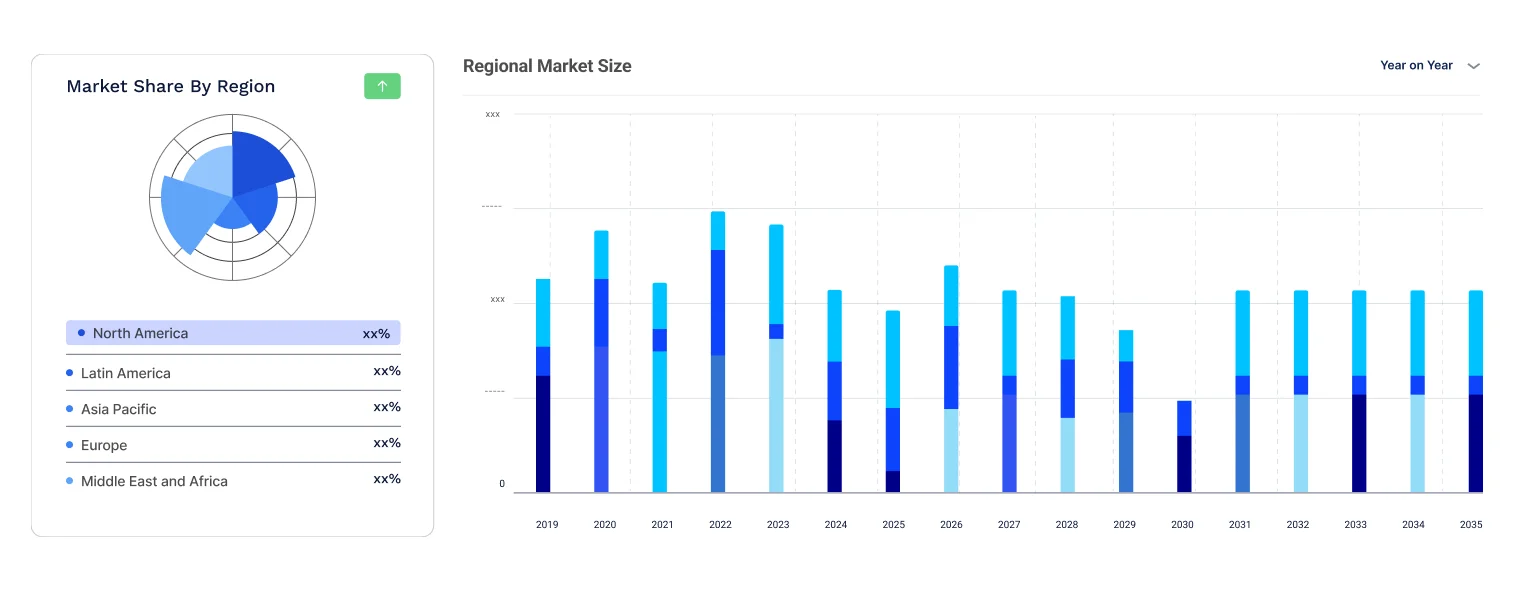
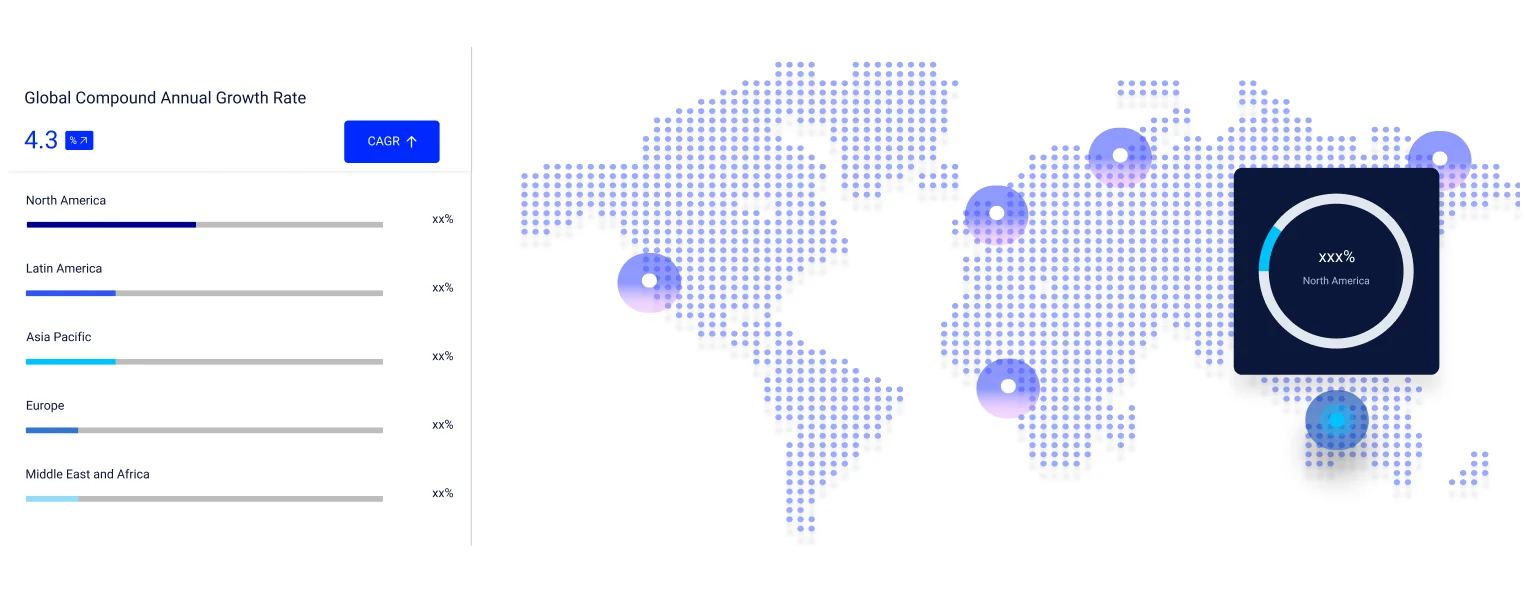
North America dominates the market due to strong professional workwear demand and established brand presence
North America dominates the heated sweater market, supported by strong demand for professional workwear across construction and utility sectors, high consumer awareness of battery powered outdoor apparel, and a well-established retail and dealer distribution network anchored by leading heated apparel and power tool brands headquartered across the region. In the second quarter of 2026, outdoor apparel retailer Arc'teryx accelerated its North American store expansion, opening new locations and raising its full-year revenue outlook, illustrating the continued strength of consumer demand for technical cold-weather apparel across the region.
Asia Pacific is the fastest-growing region as rising cold weather outdoor participation and expanding e-commerce retail penetration drive growing consumer interest in battery powered heated apparel across China, Japan, and other regional markets. In February 2025, the International Ski Federation announced three new freestyle skiing events for the 2026 Winter Olympics, reflecting continued global growth in winter sports participation that is expanding the addressable market for cold-weather apparel across newer winter sports markets including much of Asia Pacific.
The global market features a moderately fragmented competitive structure led by specialised heated apparel brands and established power tool manufacturers with dedicated workwear lines. Heated sweatercompanies including ORORO Heated Apparel and Gerbing are competing primarily through product innovation, distribution partnerships, and brand visibility, while power tool manufacturers such as Milwaukee Tool and Robert Bosch GmbH are leveraging existing professional trade relationships to expand their heated workwear portfolios.
Leading heated sweater market players are focusing on heating technology innovation, expanded distribution partnerships, and safety certification for professional workwear applications to differentiate their products. Increasing emphasis on multi zone heating, app connected controls, and diversification into complementary temperature control categories is also enabling manufacturers to broaden their customer base while supporting long-term market growth.
ORORO Heated Apparel, headquartered in Las Vegas, Nevada, United States, and founded in Kansas City in 2015, is a specialised heated apparel brand offering rechargeable heated jackets, vests, hoodies, and accessories designed to deliver warmth without bulky layering. The company has built a large direct-to-consumer customer base and continues to expand its product range into workwear, packable down, and cooling apparel categories.
Milwaukee Tool, headquartered in Brookfield, Wisconsin, United States, and founded in 1924, is a global power tool manufacturer that introduced its first heated jacket in 2010 and has since expanded its M12 heated gear lineup to include jackets, vests, and baselayers for professional jobsite use. The company leverages its extensive professional trade distribution network to reach construction, electrical, and utility sector buyers.
Gerbing, headquartered in Philadelphia, Pennsylvania, United States, and founded in 1975, is one of the original heated clothing manufacturers, known for its patented Microwire heating technology used across both 7-volt rechargeable and 12-volt motorcycle powered heated gear. The company primarily serves powersports riders and outdoor enthusiasts through an extensive dealer and specialty retail network.
Robert Bosch GmbH, headquartered in Gerlingen, Germany, and founded in 1886, is a diversified global technology and engineering company that offers heated workwear including jackets, vests, and hoodies powered by its 12V Max battery platform under its professional tools and workwear division. The company leverages its established professional tools distribution network to reach construction and trade professionals worldwide.
Other key players in the market report include Venustas Heated Apparel, Venture Heat, Volt Resistance, Neberon, and DEWALT, among others.
*Please note that this is only a partial list; the complete list of key players is available in the full report. Additionally, the list of key players can be customized to better suit your needs.*
Explore the latest trends shaping the heated sweater market 2026-2035 with our in-depth report. Gain strategic insights, future forecasts, and key market developments that can help you stay competitive. Download a free sample report or contact our team for customized consultation on the market trends 2026.


Upto 15% Off
USD
$2499 $2249
$3999 $3599
$4999 $4249
$5999 $5099


*While we strive to always give you current and accurate information, the numbers depicted on the website are indicative and may differ from the actual numbers in the main report. At Expert Market Research, we aim to bring you the latest insights and trends in the market. Using our analyses and forecasts, stakeholders can understand the market dynamics, navigate challenges, and capitalize on opportunities to make data-driven strategic decisions.*
In 2025, the heated sweater market reached an approximate value of USD 21.40 Million.
The market is projected to grow at a CAGR of 11.10% between 2026 and 2035.
The key players in the market include ORORO Heated Apparel, Venustas Heated Apparel, Venture Heat, Robert Bosch GmbH, Milwaukee Tool, Volt Resistance, Gerbing, Neberon, and DEWALT, among others.
Leading manufacturers are pursuing heating technology innovation, expanded distribution partnerships, and safety certification for professional workwear applications to differentiate their products.
Key challenges include limited battery runtime on a single charge, higher product costs relative to traditional sweaters, and the risk of skin burns or battery damage from prolonged or improper product use.
Explore our key highlights of the report and gain a concise overview of key findings, trends, and actionable insights that will empower your strategic decisions.
|
Report Features |
Details |
|
Base Year |
2025 |
|
Historical Period |
2019-2025 |
|
Forecast Period |
2026-2035 |
|
Scope of the Report |
Historical and Forecast Trends, Industry Drivers and Constraints, Historical and Forecast Market Analysis by Segment:
|
|
Breakup by Power Source |
|
|
Breakup by Material |
|
|
Breakup by End User |
|
|
Breakup by Region |
|
|
Market Dynamics |
|
|
Competitive Landscape |
|
|
Companies Covered |
|
Datasheet
One User
USD 2,499
USD 2,249
tax inclusive*
Single User License
One User
USD 3,999
USD 3,599
tax inclusive*
Five User License
Five User
USD 4,999
USD 4,249
tax inclusive*
Corporate License
Unlimited Users
USD 5,999
USD 5,099
tax inclusive*
*Please note that the prices mentioned below are starting prices for each bundle type. Kindly contact our team for further details.*
Flash Bundle
Small Business Bundle
Growth Bundle
Enterprise Bundle
*Please note that the prices mentioned below are starting prices for each bundle type. Kindly contact our team for further details.*
Flash Bundle
Number of Reports: 3
20%
tax inclusive*
Small Business Bundle
Number of Reports: 5
25%
tax inclusive*
Growth Bundle
Number of Reports: 8
30%
tax inclusive*
Enterprise Bundle
Number of Reports: 10
35%
tax inclusive*
How To Order

Select License Type
Choose the right license for your needs and access rights.

Click on ‘Buy Now’
Add the report to your cart with one click and proceed to register.

Select Mode of Payment
Choose a payment option for a secure checkout. You will be redirected accordingly.
Strategic Solutions for Informed Decision-Making
Gain insights to stay ahead and seize opportunities.

Get insights & trends for a competitive edge.

Track prices with detailed trend reports.

Analyse trade data for supply chain insights.

Leverage cost reports for smart savings

Enhance supply chain with partnerships.

Connect For More Information
Our expert team of analysts will offer full support and resolve any queries regarding the report, before and after the purchase.
Our expert team of analysts will offer full support and resolve any queries regarding the report, before and after the purchase.
We employ meticulous research methods, blending advanced analytics and expert insights to deliver accurate, actionable industry intelligence, staying ahead of competitors.
Our skilled analysts offer unparalleled competitive advantage with detailed insights on current and emerging markets, ensuring your strategic edge.
We offer an in-depth yet simplified presentation of industry insights and analysis to meet your specific requirements effectively.




