

Consumer Insights
Uncover trends and behaviors shaping consumer choices today
Procurement Insights
Optimize your sourcing strategy with key market data
Industry Stats
Stay ahead with the latest trends and market analysis.
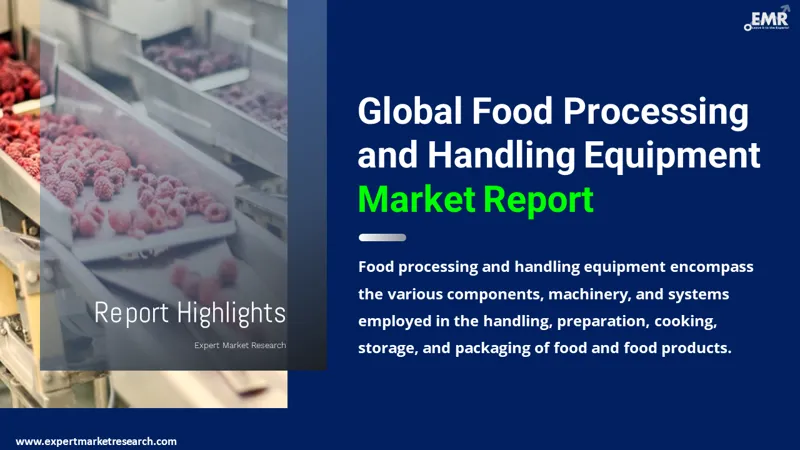
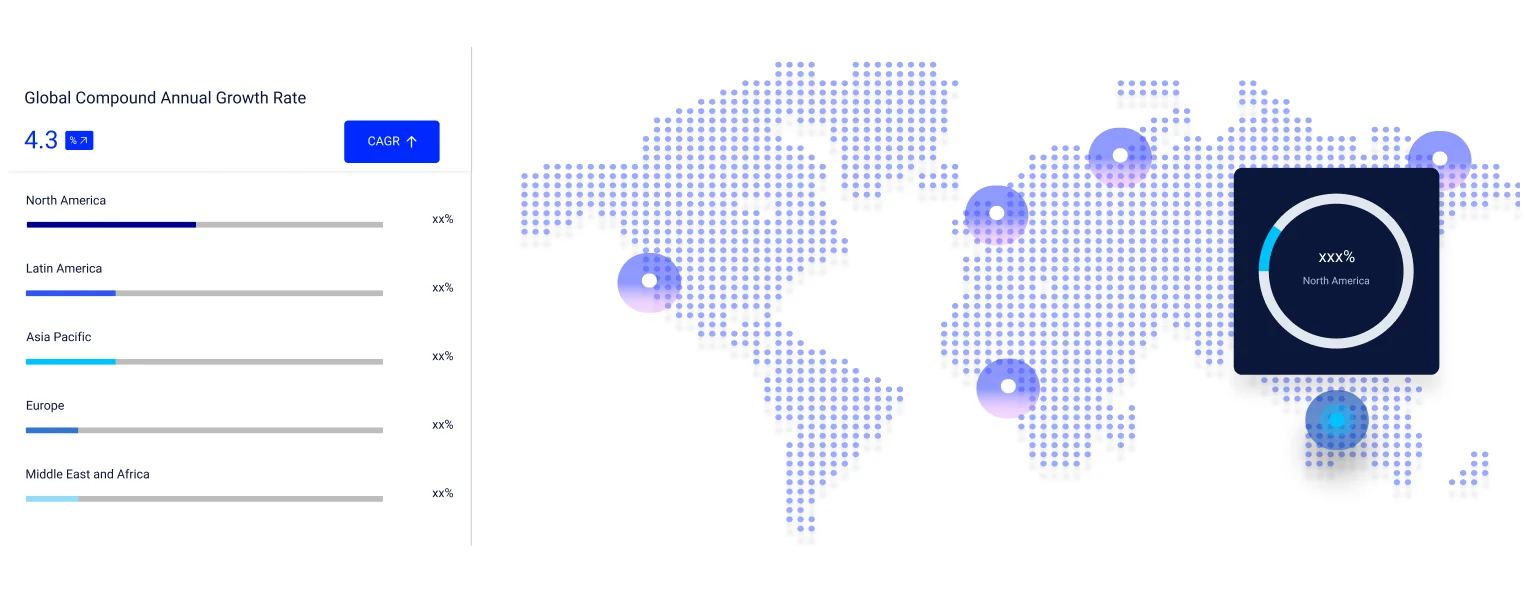
The global food processing and handling equipment market was valued at USD 179.21 Billion in 2025. The market is expected to grow at a CAGR of 6.20% during the forecast period of 2026-2035 to reach a value of USD 327.04 Billion by 2035. Market growth is driven by the increasing pressure on manufacturers to improve operational resilience, efficiency, and sustainability across production ecosystems.
The global food processing and handling equipment market is primarily driven by rising demand for automated and hygienic production systems that ensure consistent food quality while reducing operational inefficiencies. Manufacturers are increasingly adopting integrated solutions combining sorting, processing, and packaging operations to minimize contamination risks and enhance throughput. Another key driving factor is the growing emphasis on sustainable and energy-efficient equipment, as food processors aim to reduce waste, lower energy consumption, and comply with stringent environmental regulations. These combined factors are accelerating modernization across large-scale and mid-sized food manufacturing facilities worldwide.
Rising volatility in raw material supply chains, coupled with persistent labor shortages and tightening food safety regulations, is accelerating the adoption of automated processing lines, smart monitoring systems, and energy-efficient machinery. Additionally, food manufacturers are increasingly investing in technologies that reduce product wastage, enhance hygiene compliance, and support scalable production across diverse food categories such as dairy, bakery, meat, and packaged foods. The integration of robotics, IoT-enabled equipment, and modular processing systems is further enabling manufacturers to optimize throughput while maintaining consistent product quality. These advancements are reshaping capital investment priorities across both developed and emerging markets, strengthening long-term expansion prospects for equipment suppliers. As a result, the food processing and handling equipment market is evolving into a highly technology-driven ecosystem where innovation-led differentiation is becoming critical for competitiveness. For instance, in April 2026, Tetra Pak urged accelerated food innovation to ease ongoing supply chain strain, emphasizing automation, sustainable processing, and reduced food wastage across manufacturing systems, reinforcing demand for next-generation equipment and energy-efficient solutions across the global market.
Compound Annual Growth Rate
6.2%
Value in USD Billion
2026-2035
Read more about this report - REQUEST FREE SAMPLE COPY IN PDF
Eriez developed the X8-SF metal detector that increases the accuracy of detecting contamination. This advancement improves the sensitivity of metal detectors while decreasing errors, thus contributing to the growing demand for inspection equipment due to increasing automation and quality control efficiency, boosting growth of the food processing and handling equipment market.
Flint Group Digital and Xeikon introduced a new product Ecolyne aimed at improving packaging processes and lowering material waste during production. The development contributes to eco-friendly manufacturing and short run operations, supporting increased demand for advanced packaging and processing equipment.
India's first advanced dehydrator was launched by Creature Industry. Advanced dehydrator machines can improve food preservation and lower post-harvest losses. This technology helps to develop local manufacturing capabilities and create a need for energy-efficient processing and packaging equipment, thereby stabilizing demand in the food processing and handling equipment market.
Famsun introduced its own range of pet food machinery with an extrusion and processing system for making pet food products. This launch responds to growing needs for specialized and automated processing machines and contributes to the overall food processing and handling equipment market value.
Increasing importance of automation and precision in food processing is leading to increased use of equipment that increases efficiency in terms of yield and lowers risks of contamination. The growing focus on AI-based inspections along with high performance equipment in manufacturing is expected to help organizations achieve greater operational efficiency and effective labor utilization in manufacturing operations. Such developments in the food processing and handling equipment market are also being driven by increasing concerns regarding food safety as well as the need for scalable equipment manufacturing infrastructure. As a result, manufacturers are developing advanced solutions that increase sorting efficiency while also facilitating effective handling of materials. For example, Duravant displayed high-performance sorting and handling equipment for foods at PACK EXPO International held in October 2024.
Growing demand for efficient packaging production is encouraging packaging companies to adopt advanced flexographic presses that improve efficiency while reducing waste. Food producers are selecting packaging technologies that not only guarantee brand flexibility but also boost cost efficiency. This rising food processing and handling equipment market trend also ensures that sustainability goals are achieved. For instance, in May 2026, Tecnopack advanced its growth journey by adopting the BOBST VISION CI flexo press.
An increase in the consumption of baked and confectionary goods is leading to investments made in the latest food manufacturing processes that increase efficiency, precision, and sustainability. More emphasis is being laid on developing energy-efficient machinery and equipment that increases the consistency of food products and minimizes wastage. In addition, automation and digitalization in manufacturing processes is contributing to increased production volume and better-quality control, further leading to food processing and handling equipment market expansion. For example, in May 2026, Bühler Group demonstrated its latest food manufacturing technology for chocolate and bakery at Interpack 2026.
The food processing sector is gradually adopting an approach that involves the utilization of integrated automated systems involving robotic technology, software intelligence, and processing machines. This helps increase efficiency by eliminating reliance on human intervention in food processing. Additionally, the approach ensures scalability of such technologies across various segments including proteins, dairy, and packaged foods. Food production systems around the world are embracing this technology in order to enhance their operational processes and efficiency. For example, Fortifi announced the development of an integrated food processing automation platform in March 2024, which thereby redefining global food processing and handling equipment market dynamics.
Growing demand for automation, sustainable packaging, and advanced food processing technologies is increasing the need for industry platforms that connect equipment manufacturers, processors, and consumers on a larger scale. This would promote the use of intelligent processing systems, digitization, and production processes. By doing so, these measures are expected to foster collaboration among participants operating in the food processing and handling equipment market value chain. For example, F & T India announced plans to conduct an event called F & T India 2027, which would take place at India Expo Centre, Greater Noida in June 2027, to promote the latest machinery, automation equipment, and sustainable packaging.
Read more about this report - REQUEST FREE SAMPLE COPY IN PDF
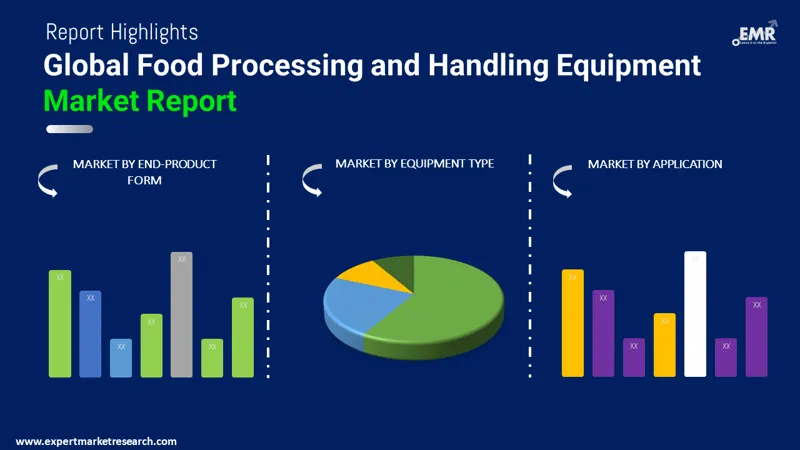
The Expert Market Research’s report titled “Global Food Processing and Handling Equipment Market Report and Forecast 2026-2035” offers a detailed analysis of the market based on the following segments:
Market Breakup by End Product
Key Insight: Rising consumption of processed foods is driving equipment demand across solid, liquid, and semi-solid categories, with manufacturers focusing on improving efficiency, hygiene, and yield consistency. Liquid processing is advancing through high-precision extraction and juicing systems, while solid and semi-solid segments are adopting enhanced cutting, blending, and portioning technologies. Companies are increasingly integrating automation to reduce wastage and improve throughput across diversified product lines. Innovation in beverage extraction and fruit processing is also gaining traction. A notable example includes JBT Marel’s launch of the Fresh’n Squeeze 1800 citrus juicer in October 2025, reinforcing advancements in liquid processing within the food processing and handling equipment market.
Market Breakup by Equipment Type
Key Insight: The food processing and handling equipment market scope comprises of various equipment types. Manufacturers are incorporating the use of integrated equipment that can aid in the process of pre-processing, primary processing, food service, and packing of food items. The systems for sorting, cutting, extrusion, thermal processing, refrigeration, and packaging are being made more efficient by employing digital and automated technology in these processes. Food manufacturers are also improving their systems through investment in better inspection, filling, and labelling systems. All these developments are ensuring better safety for the foods manufactured and increased efficiency of the process involved.
Market Breakup by Application
Key Insight: Demand is increasing across bakery, meat and poultry, seafood, dairy, alcoholic, and non-alcoholic beverage applications, driving the need for application-specific processing equipment. Bakery and dairy segments are focusing on precision mixing and hygienic production systems, while meat and seafood processing is adopting advanced cutting, deboning, and filleting technologies. Beverage processing is witnessing strong uptake of automated filling and filtration systems to improve efficiency and product quality. Industry players are continuously innovating to meet evolving consumption trends and safety standards. For instance, BAADER showcased next-generation seafood processing solutions in April 2026, reflecting growth in the food processing and handling equipment market.
Market Breakup by Region
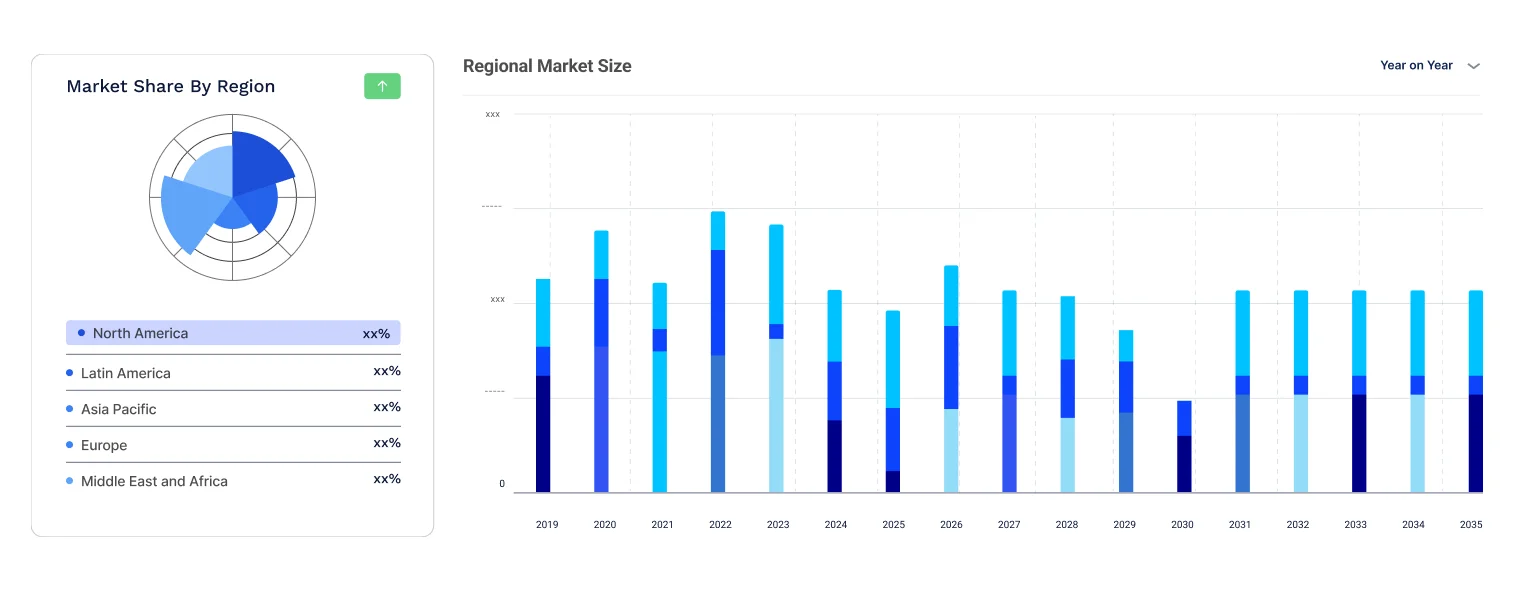
Key Insight: Regional expansion in the food processing and handling equipment market landscape is being shaped by varying levels of industrial maturity across North America, Europe, Asia Pacific, Latin America, and the Middle East and Africa. Developed regions are prioritizing automation, digitalization, and high-capacity processing systems, while emerging economies are focusing on scalable and cost-efficient equipment adoption. Asia Pacific is experiencing rapid growth due to rising food demand and industrial investments, whereas Latin America is strengthening agro-processing infrastructure. Europe continues to lead in sustainable food technologies. A key example is Provisur’s fruit processing innovation showcased at Fruit Logistica 2026 in February 2026, highlighting regional advancements in the global industry.
Read more about this report - REQUEST FREE SAMPLE COPY IN PDF
By end-product, solid product processing shows robust growth driven by fruits and vegetables infrastructure investment
Rising consumption of packaged fruits and vegetable-based solid foods is driving investments in large-scale processing infrastructure, with manufacturers focusing on reducing post-harvest losses, improving shelf-life, and enhancing value addition capabilities. Demand for advanced washing, cutting, and preservation systems is increasing as food processors scale operations to meet urban consumption growth and supply chain efficiency requirements. Automation and cold-chain integration are also becoming central to solid food processing modernization. In this context, Mother Dairy’s March 2025 investment of INR 600 crore in new fruits and vegetable processing plants highlights expanding capacity and technological upgrades, reinforcing the growth momentum in the food processing and handling equipment market.
Liquid food processing is witnessing strong expansion due to rising beverage consumption and increasing demand for high-speed, hygienic bottling and filling systems. Manufacturers are investing in integrated bottling lines that improve production efficiency, reduce contamination risks, and enhance operational flexibility across alcohol, dairy, and soft drink segments. Automation and precision filling technologies are becoming critical for meeting large-scale production requirements while maintaining product consistency. Supporting this trend, STM Group’s January 2024 launch of an advanced beer bottling line at Fabrica Grivita in Romania demonstrates growing adoption of high-performance liquid processing systems, strengthening demand in the food processing and handling equipment market.
By equipment types, pre-processing equipment witnesses high demand owing to the innovation driven by advanced extrusion technologies
Pre-processing equipment demand is increasing as manufacturers prioritize efficiency in sorting, grinding, mixing, and extrusion processes to ensure consistent raw material preparation. Advanced technologies are enabling higher throughput, improved texture control, and better nutritional retention across processed food applications. Equipment innovation in extrusion systems is particularly supporting diversification in snack and plant-based food production. Companies are focusing on modular and energy-efficient solutions to improve scalability and operational flexibility. In May 2026, Bühler advanced its extrusion technology with the new Nutrex 7 series, highlighting strong innovation momentum in pre-processing systems.
Food packaging equipment demand is rising due to increasing regulatory requirements, sustainability pressures, and the need for higher production accuracy. Manufacturers are adopting advanced inspection, detection, and compliance systems to ensure product safety and reduce recalls across packaged food categories. Automation in labeling, weighing, and sealing processes is improving operational efficiency while minimizing human error. Integration of smart sensors and quality control systems is further enhancing packaging reliability. In May 2026, Mettler-Toledo showcased advanced inspection solutions focused on product protection and compliance, reinforcing the importance of precision packaging technologies in the global food processing and handling equipment market.
By application, dairy processing expansion is supported by large-scale manufacturing investments
The dairy segment is experiencing strong growth due to increasing consumption of processed milk, cheese, and value-added dairy products, driving demand for advanced filling, packaging, and processing systems. Manufacturers are investing in automated dairy processing facilities to improve hygiene, efficiency, and production scalability. Cold-chain integration and aseptic processing technologies are also becoming critical to maintaining product quality and extending shelf life. For example, in March 2026, Tetra Pak began construction of a new dairy processing facility in Texas, reinforcing capacity expansion and automation trends across North America in the food processing and handling equipment market.
Meat and poultry processing is increasingly adopting automated cutting, deboning, and portioning systems to improve yield efficiency, food safety, and labor productivity. Rising demand for processed protein products is encouraging manufacturers to invest in integrated processing lines that reduce manual intervention and enhance traceability. Smart automation technologies are enabling higher precision and consistency across large-scale production environments. In September 2025, CIMIE showcased Aokai Machinery’s advanced automated meat processing equipment innovations, highlighting growing adoption of intelligent systems, thereby accelerating the food processing and handling equipment market penetration.
Read more about this report - REQUEST FREE SAMPLE COPY IN PDF
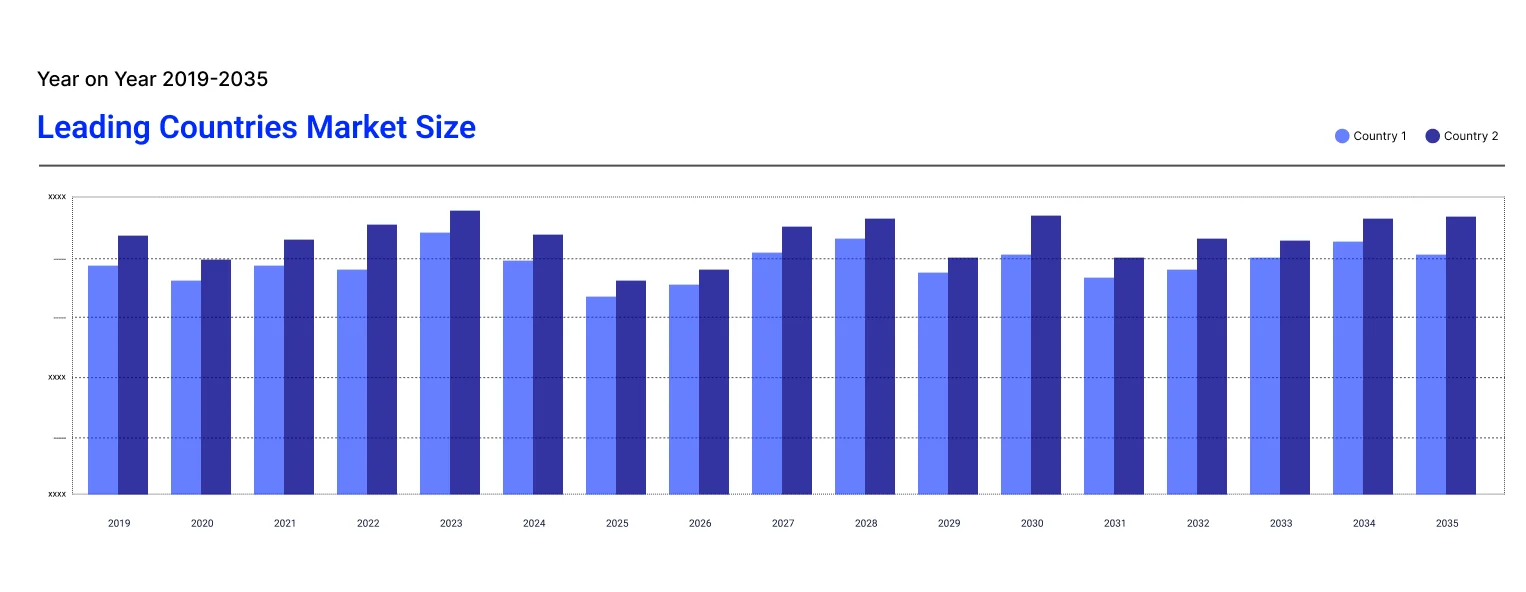
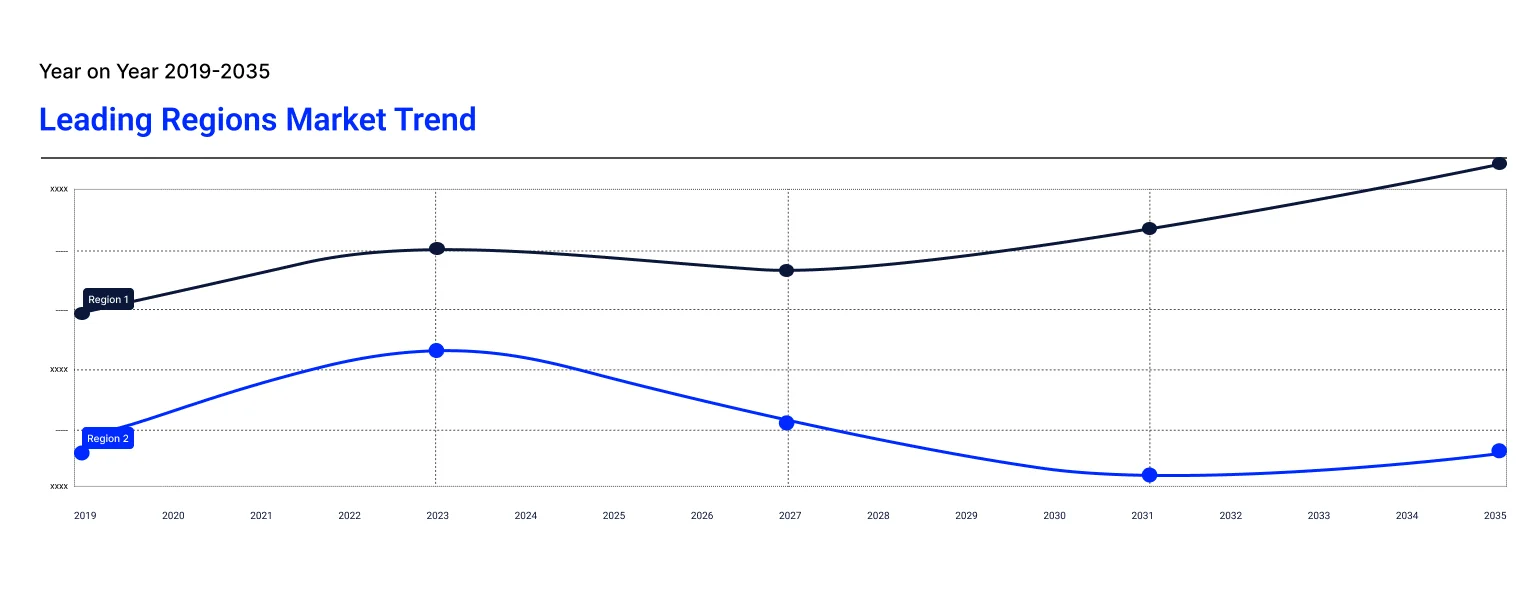
By region, Asia Pacific dominates the market growth fueled by snack and biscuit processing automation demand
Asia Pacific is witnessing rapid expansion in food processing automation due to rising packaged food consumption, urbanization, and increasing demand for snacks and convenience foods. Manufacturers are investing in high-speed production lines, packaging automation, and energy-efficient processing systems to support large-scale output. The region is also benefiting from strong industrial expansion and export-oriented food manufacturing. In August 2025, Syntegon highlighted advanced packaging solutions for snack and biscuit production in India, accelerating technological adoption across the Asia Pacific food processing and handling equipment market.
North America is experiencing strong growth, driven by reshoring of manufacturing, rising packaged food consumption, and investments in automated production facilities. Companies are focusing on expanding production capacity and integrating advanced packaging technologies to improve efficiency and meet increasing demand. Sustainability and operational scalability are also becoming key investment priorities across the region. In April 2026, SIG announced plans to expand its Querétaro plant to double production capacity, reinforcing large-scale infrastructure development in the food processing and handling equipment market.
The major food processing and handling equipment market players are focusing significantly on adopting transformation based on automation. Key strategies adopted by players include integrating smart sensors and AI-based monitoring systems, along with modular equipment designs that enable scalable processing for different food categories.
Another strategy that is gaining importance among the food processing and handling equipment companies is increasing the capacity of the company through innovations and developing their product range and capacity globally. Innovations are being made in the processing technology which will help in making an integrated end-to-end processing system from pre-processing to packaging. There is also a shift towards the use of sustainable equipment design and low-carbon footprint processes, which is expected to propel the global market growth trajectory.
The GEA Group AG is one of the best engineering firms across the world offering advanced and special solutions to food processing, dairy products, and industrial machinery. It is also known for offering advanced methods towards sustainable automation and production processes. Established in 1881, GEA Group AG is headquartered in Düsseldorf, Germany. The firm processes and packages products produced by food manufacturing companies.
Bühler Holding AG is one of the best technology firms, which manufactures advanced products for food processing, feed manufacturing, and material handling systems. The company was founded in 1860 and has its headquarters in Uzwil, Switzerland. Bühler Holding AG is known for its advanced systems of grain processing, food manufacturing efficiency, and automation.
Alfa Laval AB is a firm that offers engineering solutions in terms of heat transfer, separation, and fluid handling technologies in various applications such as food processing and hygiene. Alfa Laval AB is one of the leading engineering firms in the world, which was established in 1883. It has its headquarters in Lund, Sweden.
JBT Corporation has emerged as one of the leading manufacturers of innovative food processing and automation technologies in the food and beverages industry, focusing primarily on machinery related to preservation, packaging, and material handling technologies. JBT Corporation, founded in 2008, is headquartered in Chicago, United States, and has been working to provide solutions that improve efficiency and quality in the food manufacturing process.
Other key players in the market include SPX Flow Inc., Robert Bosch GmbH, IMA- Industria Macchine Automatiche S.p.A., and Krones AG, among others.
*Please note that this is only a partial list; the complete list of key players is available in the full report. Additionally, the list of key players can be customized to better suit your needs.*
Explore the latest trends shaping the global food processing and handling equipment market 2026-2035 with our in-depth report. Gain strategic insights, future forecasts, and key market developments that can help you stay competitive. Download a free sample report or contact our team for customized consultation on global food processing and handling equipment market trends 2026.


Upto 15% Off
USD
$2499 $2249
$3999 $3599
$4999 $4249
$5999 $5099


*While we strive to always give you current and accurate information, the numbers depicted on the website are indicative and may differ from the actual numbers in the main report. At Expert Market Research, we aim to bring you the latest insights and trends in the market. Using our analyses and forecasts, stakeholders can understand the market dynamics, navigate challenges, and capitalize on opportunities to make data-driven strategic decisions.*
In 2025, the global food processing and handling equipment market attained a value of nearly USD 179.21 Billion.
The market is projected to grow at a CAGR of 6.20% between 2026 and 2035.
The market is estimated to witness a healthy growth in the forecast period of 2026-2035 to reach about USD 327.04 Billion by 2035.
The major market drivers include the growing demand for processed food, rising disposable incomes, the growing food processing sector, changing lifestyle and dietary patterns, and increasing population.
The key trends guiding the growth of the market include the growth of foodservice chains and the growing technological advancements.
The major regions in the market are North America, Latin America, the Middle East and Africa, Europe, and the Asia Pacific.
The major end-product forms included in the market report are solid, liquid, and semi-solid.
The significant equipment types considered in the market report include pre-processing, primary processing, foodservice, and food packaging equipment.
Bakery and confectionery products, meat and poultry products, fish and seafood products, dairy products, alcoholic beverages, and non-alcoholic beverages, among others, are the major applications of the product.
The major players in the market are GEA Group AG, Bühler Holding AG, Alfa Laval AB, JBT Corporation, SPX Flow Inc., Robert Bosch GmbH, IMA- Industria Macchine Automatiche S.p.A., and Krones AG, among others.
In 2025, the global food processing and handling equipment market reached an approximate value of USD 179.21 Billion.
Explore our key highlights of the report and gain a concise overview of key findings, trends, and actionable insights that will empower your strategic decisions.
| REPORT FEATURES | DETAILS |
| Base Year | 2025 |
| Historical Period | 2019-2025 |
| Forecast Period | 2026-2035 |
| Scope of the Report |
Historical and Forecast Trends, Industry Drivers and Constraints, Historical and Forecast Market Analysis by Segment:
|
| Breakup by End-Product Form |
|
| Breakup by Equipment Type |
|
| Breakup by Application |
|
| Breakup by Region |
|
| Market Dynamics |
|
| Competitive Landscape |
|
| Companies Covered |
|
| Report Price and Purchase Option | Explore our purchase options that are best suited to your resources and industry needs. |
| Delivery Format | Delivered as an attached PDF and Excel through email, with an option of receiving an editable PPT, according to the purchase option. |
Datasheet
One User
USD 2,499
USD 2,249
tax inclusive*
Single User License
One User
USD 3,999
USD 3,599
tax inclusive*
Five User License
Five User
USD 4,999
USD 4,249
tax inclusive*
Corporate License
Unlimited Users
USD 5,999
USD 5,099
tax inclusive*
*Please note that the prices mentioned below are starting prices for each bundle type. Kindly contact our team for further details.*
Flash Bundle
Small Business Bundle
Growth Bundle
Enterprise Bundle
*Please note that the prices mentioned below are starting prices for each bundle type. Kindly contact our team for further details.*
Flash Bundle
Number of Reports: 3
20%
tax inclusive*
Small Business Bundle
Number of Reports: 5
25%
tax inclusive*
Growth Bundle
Number of Reports: 8
30%
tax inclusive*
Enterprise Bundle
Number of Reports: 10
35%
tax inclusive*
How To Order

Select License Type
Choose the right license for your needs and access rights.

Click on ‘Buy Now’
Add the report to your cart with one click and proceed to register.

Select Mode of Payment
Choose a payment option for a secure checkout. You will be redirected accordingly.
Strategic Solutions for Informed Decision-Making
Gain insights to stay ahead and seize opportunities.

Get insights & trends for a competitive edge.

Track prices with detailed trend reports.

Analyse trade data for supply chain insights.

Leverage cost reports for smart savings

Enhance supply chain with partnerships.

Connect For More Information
Our expert team of analysts will offer full support and resolve any queries regarding the report, before and after the purchase.
Our expert team of analysts will offer full support and resolve any queries regarding the report, before and after the purchase.
We employ meticulous research methods, blending advanced analytics and expert insights to deliver accurate, actionable industry intelligence, staying ahead of competitors.
Our skilled analysts offer unparalleled competitive advantage with detailed insights on current and emerging markets, ensuring your strategic edge.
We offer an in-depth yet simplified presentation of industry insights and analysis to meet your specific requirements effectively.




