

Consumer Insights
Uncover trends and behaviors shaping consumer choices today
Procurement Insights
Optimize your sourcing strategy with key market data
Industry Stats
Stay ahead with the latest trends and market analysis.
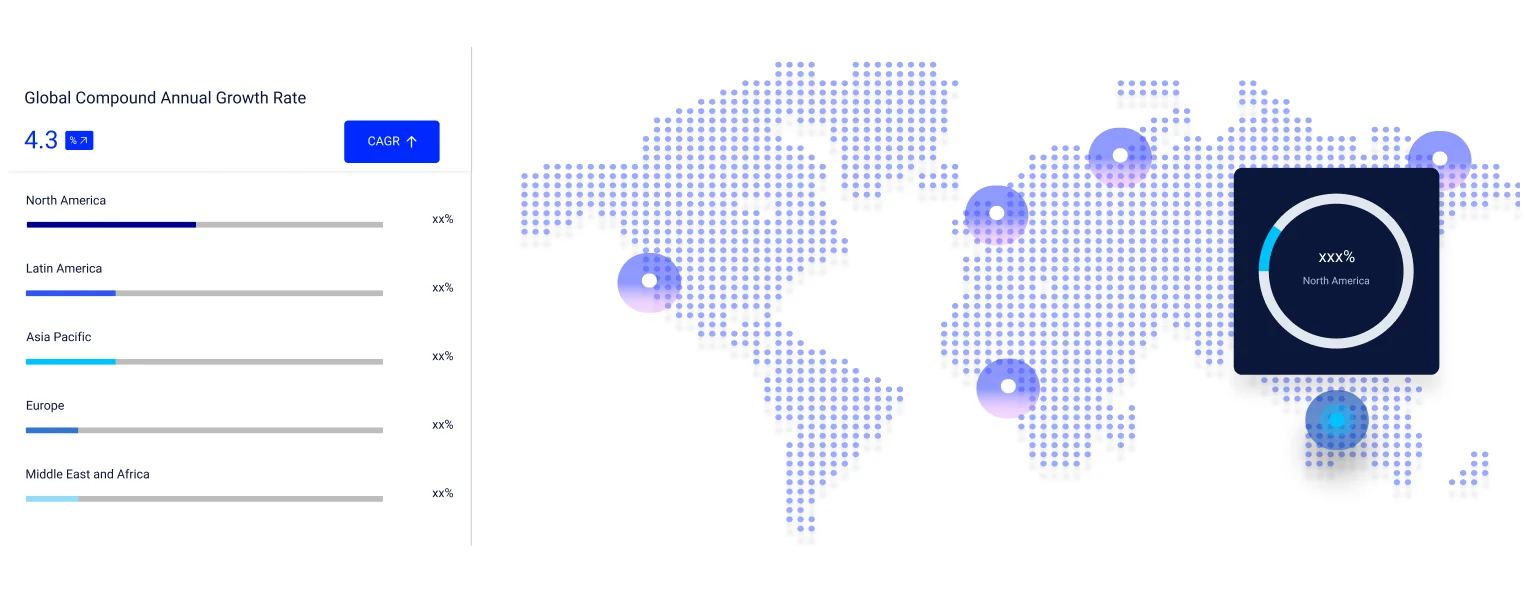
The global forestry lubricants market attained a value of USD 4.33 Billion in 2025 and is projected to expand at a CAGR of 3.20% through 2035. The market is further expected to achieve USD 5.93 Billion by 2035. Increased use of mechanization in logging operations is driving demand for lubricants capable of protecting highly loaded chains, hydraulics, bearings, and gears, while allowing for longer maintenance cycles and higher equipment operational time for end users.
There are two major factors contributing to the increased demand in the forestry lubricants market. First, increased environmental standards in forests and areas adjacent to water bodies are prompting contractors to opt for bio-lubricants for chains and hydraulics that have proven performance records. Secondly, more intensive use of mechanized harvesters and processing machines is making the importance of lubricants resistant to oxidation and wear more valuable.
A trend that is influencing the forestry lubricants market is innovation in the products, which involves the combination of biodegradability and professional quality. DEWALT Bio Oil produced by Stanley Black & Decker and designed together with Dynamic Green Products based on soy as the renewable raw material that substitutes petroleum chainsaw oil. The product is an example of the tendency of the producers to formulate application-specific products with reduced exposure and professional lubricating qualities. It is commercially important since forestry businesses operate in environmentally vulnerable areas where the release of oils is almost inevitable. In October 2025, Lubrizol launched AH933ZF, a zinc-free hydraulic additive designed to enhance environmental protection and equipment performance.
In addition, the product line of the companies is growing due to specialization in terms of chains, hydraulic systems, bearings, gears, and centralized lubrication systems. One of the innovations in this forestry lubricants market is FUCHS PLANTO TAC 68 rapeseed-based professional chainsaw oil tested according to the German KWF forestry test and European Ecolabel certified. The certificates help the producers to promote their products as products for fleet, contractor, and distributor customers who need lubricants for forestry operations. In November 2024, SKF developed its first bearings designed for circular performance, supporting greater resource efficiency, reuse, and lifecycle sustainability.
Compound Annual Growth Rate
3.2%
Value in USD Billion
2026-2035
Read more about this report - REQUEST FREE SAMPLE COPY IN PDF
Renewable Lubricants introduced Bio-Blast, a biodegradable penetrant that helps break down the corroded parts without posing any danger to the environment or workers. Producers can produce biodegradable penetrants and maintenance oils for chains, cables, machinery, and components that are used in forests, boosting growth in the forestry lubricants market.
LANXESS initiated the local production of Reolube fire-resistant hydraulic fluids. This has improved their availability in the region and provided reliable access to high-quality industrial lubricants. Forestry lubricant producers can initiate local production of fire-resistant hydraulic fluids for the heavy machinery used in the forest industry.
RKB Bearing Industries expanded technical support, distribution coordination, and customer service across Canada, with increased focus on forestry customers across the nation. Companies can increase their penetration in the forestry market by offering localized technical support, maintenance assistance, distributor support, and application-specific lubricants.
PETRONAS introduced Pro Series industrial lubricants for compressors, greases, transmissions, and hydraulic fluids to increase the efficiency of the machinery. Forestry lubricants market companies can provide simple and application-based product range for various machinery systems with an emphasis on life and reduced downtime of machinery.
The use of bio-degradable lubricants is on the rise due to the increased environmental focus on accidental oil spills by forestry companies in environmentally sensitive areas. The European Union’s Ecolabel scheme facilitates the acquisition of environmentally friendly lubricants, which can be an advantage for certified formulations. FUCHS offers PLANTO TAC 68, a rape seed-based chainsaw oil with the EU Ecolabel and KWF forestry tests. Neste produces renewable and biodegradable saw-chain lubricants. On the other hand, in March 2025, Green Science Alliance developed a bio-based, biodegradable lubricant using waste cooking oil and plant-based ingredients. These developments in the forestry lubricants market challenge manufacturers to balance lubricity, adhesion, and oxidation resistance.
With mechanized harvesting increasing the technical requirements for the lubricants employed in harvesters, forwarders, processors, and other attachments. The Forest Inventory and Analysis (FIA) from the United States Forest Service indicates that industrial round wood harvesting is an important element in the forest product supply chain. Industrial roundwood harvesting requires intensive equipment operation, making there a need for greases and hydraulic oils which control wear for extended operating cycles. To meet these trends in the forestry lubricants market, in February 2026, CNH launched new agricultural machinery in India, expanding its tractor, harvester, and baler offerings to accelerate mechanization and growth.
Restoration and reforestation projects initiated by government agencies are expanding the operating base for the use of chainsaws, chippers, harvesters, and transport equipment, widening the forestry lubricants market scope. In India, the Green India Mission program is aimed at increasing forest cover while also helping to restore ecosystems, thus generating activities in planting, maintenance, and forest management. In the United States, the Forest Service is being funded significantly from federal legislation in terms of wildfire resilience and hazardous fuels. Such programs can lead to increasing the hours of operation of equipment in public fleets. In January 2026, Manulife launched Impact Forests, a global forest restoration initiative powered by Veritree’s smart forest technology platform.
Wildfire prevention and firefighting as well as forest management after wildfires generate special needs since the equipment must work under hot conditions, in contaminated environments, and during high duty cycles. The Wildfire Crisis Strategy by the United States Forest Service identifies as a priority the hazardous fuel reduction and landscape-scale treatments and thus favors the use of equipment for mechanical thinning, boosting growth in the forestry lubricants market. Caterpillar and other equipment manufacturers emphasize the need for maintenance and fluid management to improve availability in challenging applications. It motivates lubricant producers to make special hydraulic oils and greases with improved oxidation stability and corrosion resistance and water resistance. In October 2024, Aviogel launched an innovative wildfire management solution designed to enhance fire suppression and improve protection of forest ecosystems.
The partnership with OEMs is emerging as a means of growth in the forestry lubricants market as owners of forestry equipment look for authentic lubricants and not just alternatives. John Deere uses custom-engineered fluids for its entire range of forestry equipment, while Ponsse has service centers providing support for harvester fleets. In January 2026, Gulf introduced additions to its ACE Genuine Oil range for cranes, backhoe loaders, compactors, motor graders, forklifts, and tractors. OEM approvals, joint formulation development, and condition-based maintenance programs can be targeted. Safety organizations further underscore the importance of maintaining equipment from a commercial perspective as per the OSHA requirement to control hazardous energy when servicing machinery according to the lockout/tagout standard. Differentiation can be made by supplying advanced lubricants along with other services like training and fluid analysis.
The Expert Market Research's report titled “Forestry Lubricants Market Report and Forecast 2026-2035” offers a detailed analysis of the market based on the following segments:
Market Breakup by Product Type
Key Insight: Importance of mineral base lubricants is due to the preference that existing forestry fleets have for known criteria including competitive costs, and simplicity in maintenance inventory. The bio-lubricants are becoming more popular across the forestry lubricants market scope due to the considerations that are involved in terms of environmental needs and risk of leakage. Synthetics are required in applications where there is a need for enhanced stability under temperature and oxidation and drain life. In November 2025, Castrol launched BioTrans GB, a biodegradable marine lubricant designed to support reliable performance while reducing environmental impact.
Market Breakup by Application Type
Key Insight: Hydraulics takes precedence in the forestry lubricants market since fluid power is needed in the functioning of mechanized forest equipment. Engine oils are based on heavy-duty diesel engine protection, soot dispersing, and extensive operating time frames. Gear oils cater to high load transmission and severe pressure demands, while greases help in the maintenance of pins, bearings, joints, and central lubrication systems. Chain oils are favored because of total loss systems and need for improved adhesion/biodegradability. Paper machine oils cater to downstream forestry equipment processing needs, while others cater to specific parts.
Market Breakup by Region
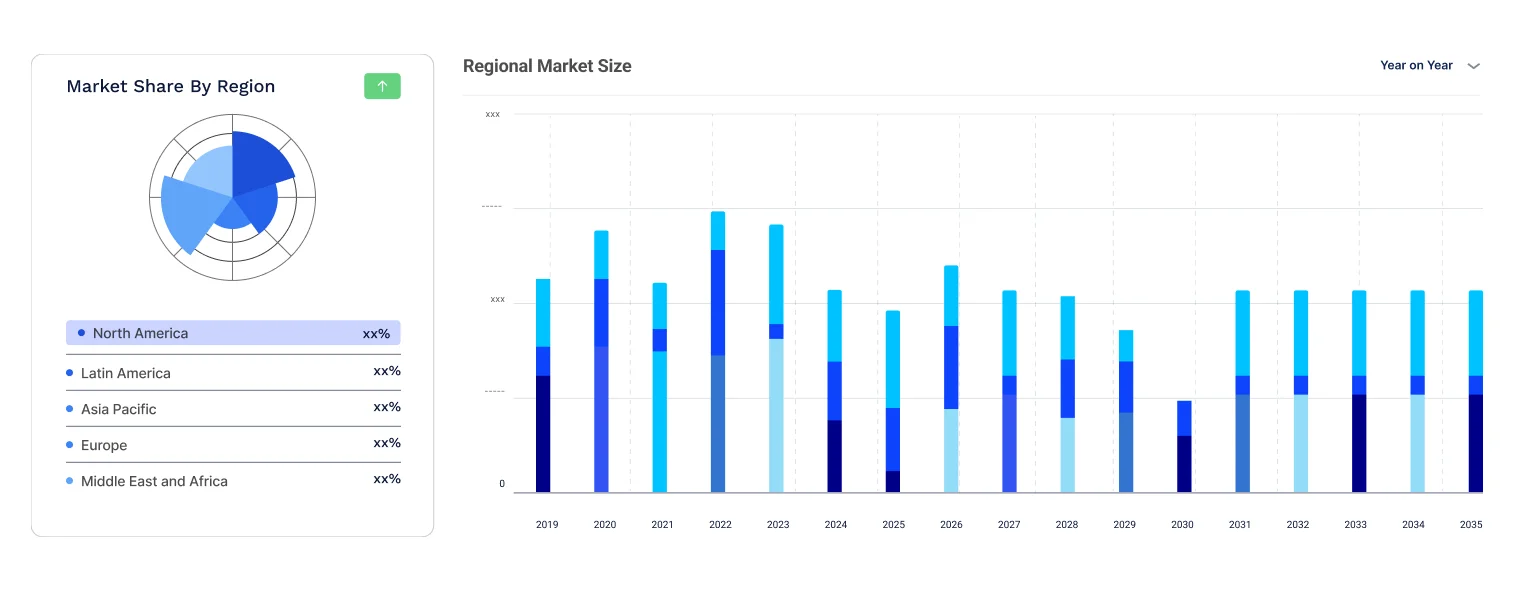
Key Insight: North America offers extensive mechanized harvesting along with efficient lubricants logistics to facilitate effective equipment utilization. Europe's growth comes from environmental policies, sustainable forestry, and the need for biodegradable products. The forestry lubricants market in Asia Pacific is boosted by plantation, industrialization, use of equipment, and wood processing operations. Latin America leverages commercial forestry plantations, land management, and mechanization in forestry operations. Middle East and Africa are more specialized markets, where the demand for greases is associated with plantation development, forestry activities, land clearance, and vegetation management for infrastructure.
By product type, mineral lubricants register the largest market share due to cost-effective compatibility
The mineral lubricant category is leading the forestry lubricants market growth owing to the consistent usage of standard fluids by forestry operators in engines, transmissions, hydraulics, and central lubrication systems. The already existing compatibility with equipment, wide availability via distributors in industry and low acquisition cost favor their continuous use. Mineral lubricants are available in improved formulations with additives such as anti-wear, extreme pressure, and oxidation resistance. This allows customers to select lubricants based on their particular duty conditions. In April 2025, TotalEnergies Marketing Canada announced transitioning from mineral to synthetic-technology engine oils, enhancing performance, protection, and efficiency.
Bio-based lubricants represent the fastest growing sub-segment in the forestry lubricants market owing to the increasing need for forestry fluids which limit adverse environmental effects from accidental spills of fluid when operating equipment. There is a particular demand for biodegradable chain oils and hydraulic fluids used close to soil, water bodies, and restricted forest regions. Producers have improved bio-based lubricants using vegetable oil and synthetic esters addressing the weaknesses associated with previous formulations such as poor oxidation resistance and low temperature performance.
Hydraulics applications clock in majority of the market shares due to extensive equipment use
The hydraulics sub-segment constitutes a major share in the forestry lubricants market revenue due to the heavy reliance on hydraulics systems in the operation of harvesters, forwarders, loaders, cranes, and processing heads. The equipment used in the forestry industry operates under heavy loads, contamination, and different temperatures, thus necessitating the need for oils with good viscosities, anti-wear qualities, and water separation capabilities. There is also a preference for oils that help in extending the life of components and minimizing downtime caused by issues relating to pumps, valves, and hoses. In July 2024, TYGRIS launched a biodegradable lubricant line designed to reduce environmental impact while maintaining performance across demanding industrial applications.
The chain oils and saw guide oils sub-segments constitute the fastest-growing application sub-segment owing to the continued use of chainsaws in tree harvesting, thinning, land clearing, arborist services, and forestry maintenance. These products are unlike the enclosed lubrication systems since they have a significant amount of total loss consumption, thus necessitating biodegradability and adhesion. Suppliers are designing oils that cling to the moving chains without wearing out the bars and drive components.
Read more about this report - REQUEST FREE SAMPLE COPY IN PDF
North America secures the leading position in the market due to mechanized forestry
North America emerges as the leading regional forestry lubricants market due to the mechanized process of cutting timber on this continent, which necessitates large-scale lubricant consumption on harvesters, skidders, forwarders, loaders, chainsaws, and auxiliary equipment. High-level forest enterprises and contracting companies generate demand for standard lubrication systems capable of providing service to distributed fleets. Availability of machines far from repair stations makes machine performance especially vital and stimulates use of high-grade hydraulic fluids, greases, engine oils, and gear lubricants. In December 2025, MORESCO announced plans to merge its United States lubricant subsidiaries, streamlining operations and strengthening market coordination.
Asia Pacific holds the position of the most rapidly growing regional forestry lubricants market due to increased need for specialized fluids used by equipment engaged in commercial forestry activities, plantation management, wood processing, and mechanization. The markets in this region also offer development potential for manufacturers addressing the needs of both large-scale industrial players and smaller contracting companies moving to higher standards of maintenance of their equipment. Bio-based lubricants may play an increasingly important role here with advancement of environmental management practices, while traditional lubricants are also important due to their lower cost and compatibility with existing equipment.
There is a trend towards increased innovation in the industry, in terms of developing environmentally-friendly formulas, longer fluid life, and machine-specific applications. New opportunities for forestry lubricants market players are in total loss chain oils, high load hydraulic fluids and greases suitable for use in mechanized harvesting operations and remote sites. Top lubricant manufacturers are developing improvements in terms of tackiness, anti-oxidation characteristics, low temperature properties, and wear-resistance while being eco-friendly at the same time.
Another opportunity lies in forming close cooperation with distributors of forestry equipment, operators, and maintenance companies. Technical services, oil analysis and custom lubrication programs add additional value to companies’ offers besides products themselves. The growing demand to minimize equipment downtime encourages forestry lubricant companies to provide premium quality formulas capable of extending maintenance intervals and protecting expensive parts such as hydraulic pumps, bearings, gears and saws. Differentiation becomes increasingly dependent on independent verification of biodegradability, renewable raw materials, OEM approval, and machine-specific performance.
Exxon Mobil Corporation was founded in 1999 in Spring, Texas, United States. It provides lubrication for the engines, hydraulic systems, gears, and greasing for forest machinery and heavy equipment under the brand name Mobil. The company aims at increasing the efficiency and duration of maintenance periods of forestry operators using expensive equipment.
Chevron Corporation was established in 1879 in San Ramon, California, United States. It provides lubricants for forestry equipment under the brands of Chevron and Delo. The company offers products to heavy-duty engines, hydraulic equipment, gears, and industrial equipment. The main aim of the company is the improvement of additive technology for wear protection and fluid durability. Wide distributor network allows forestry operators to use standardized lubricants.
Founded in 1944, and based in Madrid, Spain, Repsol SA provides its services to forestry equipment operators by offering lubricant products formulated for industrial and heavy-duty operations. The company is currently diversifying into more advanced formulations and environmentally friendly lubricant products, thus creating opportunities for sensitive operational environments.
Founded in 1984 and based in England, United Kingdom, Exol Lubricants Limited produces lubricants for commercial vehicles, agricultural machinery, hydraulics, gears, and industrial applications for forestry equipment. Flexibility in production and application-oriented product design is among the main strengths of the company.
Other key players in the market include FUCHS SE, Midlands Lubricants Ltd., Behran Oil Company, Cortec Corporation, Frontier Performance Lubricants, Inc., and Pennine Lubricants, among others.
*Please note that this is only a partial list; the complete list of key players is available in the full report. Additionally, the list of key players can be customized to better suit your needs.*
Unlock the latest insights with our forestry lubricants market trends 2026 report. Discover regional growth patterns, consumer preferences, and key industry players. Stay ahead of competition with trusted data and expert analysis. Download your free sample report today and drive informed decisions in the market.
Colombia Industrial Lubricants Market


Upto 15% Off
USD
$2499 $2249
$3999 $3599
$4999 $4249
$5999 $5099


*While we strive to always give you current and accurate information, the numbers depicted on the website are indicative and may differ from the actual numbers in the main report. At Expert Market Research, we aim to bring you the latest insights and trends in the market. Using our analyses and forecasts, stakeholders can understand the market dynamics, navigate challenges, and capitalize on opportunities to make data-driven strategic decisions.*
In 2025, the market reached an approximate value of USD 4.33 Billion
The market is projected to grow at a CAGR of 3.20% between 2026 and 2035.
The market is estimated to witness healthy growth in the forecast period of 2026-2035 to reach a value of around USD 5.93 Billion by 2035.
Stakeholders are developing biodegradable formulations, expanding OEM partnerships, strengthening regional distribution, offering lubricant monitoring, improving technical validation, and targeting mechanized forestry fleets with application-specific premium products and services.
The major trends supporting the market expansion include rising demand for sustainable lubricant solutions aprat from traditionl solutions and the increasing emphasis on proactive maintenance of equipment.
The major regional markets are North America, Europe, the Asia Pacific, Latin America, and the Middle East and Africa.
The different applications are engine, transmission and gears, hydraulics, greasing, chain oils/saw guide oils, and paper machine oils, among others.
The key players in the market include Exxon Mobil Corporation, Chevron Corporation, Repsol SA, Exol Lubricants Limited, FUCHS SE, Midlands Lubricants Ltd., Behran Oil Company, Cortec Corporation, Frontier Performance Lubricants, Inc., and Pennine Lubricants, among others.
Companies are facing formulation costs, stringent environmental requirements, compatibility concerns, fluctuating feedstock prices, proving biodegradable performance, and building distribution networks capable of serving remote forestry operations.
Explore our key highlights of the report and gain a concise overview of key findings, trends, and actionable insights that will empower your strategic decisions.
| REPORT FEATURES | DETAILS |
| Base Year | 2025 |
| Historical Period | 2019-2025 |
| Forecast Period | 2026-2035 |
| Scope of the Report |
Historical and Forecast Trends, Industry Drivers and Constraints, Historical and Forecast Market Analysis by Segment:
|
| Breakup by Product |
|
| Breakup by Application |
|
| Breakup by Region |
|
| Market Dynamics |
|
| Competitive Landscape |
|
| Companies Covered |
|
Datasheet
One User
USD 2,499
USD 2,249
tax inclusive*
Single User License
One User
USD 3,999
USD 3,599
tax inclusive*
Five User License
Five User
USD 4,999
USD 4,249
tax inclusive*
Corporate License
Unlimited Users
USD 5,999
USD 5,099
tax inclusive*
*Please note that the prices mentioned below are starting prices for each bundle type. Kindly contact our team for further details.*
Flash Bundle
Small Business Bundle
Growth Bundle
Enterprise Bundle
*Please note that the prices mentioned below are starting prices for each bundle type. Kindly contact our team for further details.*
Flash Bundle
Number of Reports: 3
20%
tax inclusive*
Small Business Bundle
Number of Reports: 5
25%
tax inclusive*
Growth Bundle
Number of Reports: 8
30%
tax inclusive*
Enterprise Bundle
Number of Reports: 10
35%
tax inclusive*
How To Order

Select License Type
Choose the right license for your needs and access rights.

Click on ‘Buy Now’
Add the report to your cart with one click and proceed to register.

Select Mode of Payment
Choose a payment option for a secure checkout. You will be redirected accordingly.
Strategic Solutions for Informed Decision-Making
Gain insights to stay ahead and seize opportunities.

Get insights & trends for a competitive edge.

Track prices with detailed trend reports.

Analyse trade data for supply chain insights.

Leverage cost reports for smart savings

Enhance supply chain with partnerships.

Connect For More Information
Our expert team of analysts will offer full support and resolve any queries regarding the report, before and after the purchase.
Our expert team of analysts will offer full support and resolve any queries regarding the report, before and after the purchase.
We employ meticulous research methods, blending advanced analytics and expert insights to deliver accurate, actionable industry intelligence, staying ahead of competitors.
Our skilled analysts offer unparalleled competitive advantage with detailed insights on current and emerging markets, ensuring your strategic edge.
We offer an in-depth yet simplified presentation of industry insights and analysis to meet your specific requirements effectively.




