

Consumer Insights
Uncover trends and behaviors shaping consumer choices today
Procurement Insights
Optimize your sourcing strategy with key market data
Industry Stats
Stay ahead with the latest trends and market analysis.
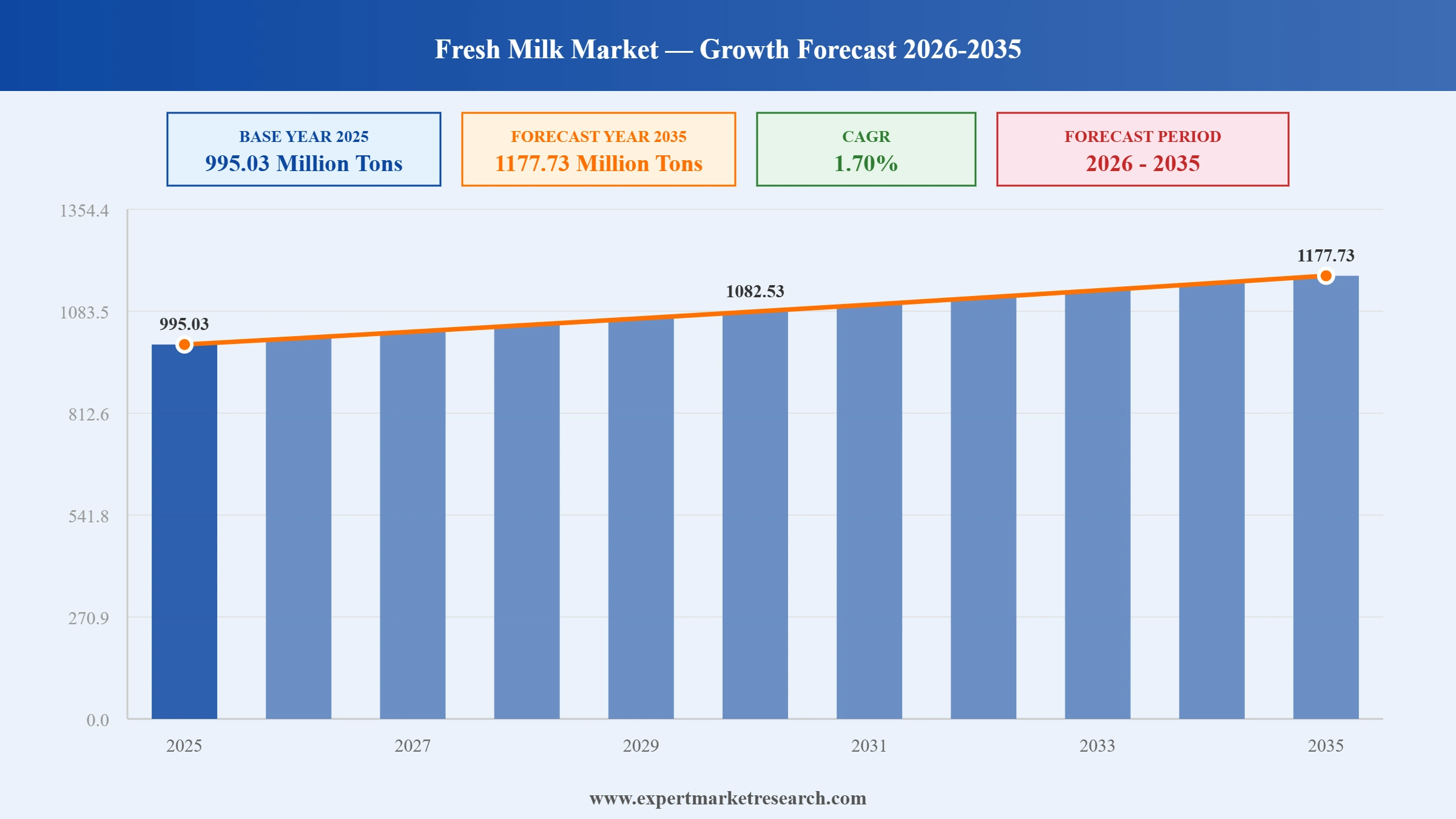
The global fresh milk market reached a volume of 995.03 Million Tons in 2025 and is projected to expand at a CAGR of 1.70% through 2035. The market is further expected to achieve a volume of 1177.73 Million Tons by 2035. Growing demand from foodservice chains and premium dairy brands is encouraging processors to invest in advanced cold-chain networks, traceability platforms, and nutrient-enhanced milk products.
According to USDA Agricultural Marketing Service, the April 2026 Dairy Market News reported balanced US fluid milk supply against processing capacity, with year-over-year production gains across major regions. Retail conventional whole milk averaged USD 3.78 per gallon, while organic whole milk averaged USD 5.26 per half gallon, reflecting steady consumer demand and orderly farm-level output across federal milk marketing orders.
As covered by DairyReporter, European Union milk production was forecast to decline 0.5% in 2026 to around 148.95 million metric tons, in updates published in March. The reduction reflects shrinking cow inventories and disease pressures across key producing states, tightening fresh milk supply and supporting firmer farmgate prices for European processors and bottlers.
Players in the fresh milk market are witnessing the rapid development of the high protein and lactose free products, which are attracting health-conscious customers looking for nutritious food options without compromising on taste and freshness. On the other hand, there is a growing preference among the retailers towards sourcing milk from local farms using clear tracking systems for their milk products from farms to shelves.
Transformation persists in the fresh milk market, as dairy firms focus more on premiumization, traceability, and nutritional value rather than relying only on competition in volume terms. One of the recent developments was recorded when in July 2025, Arla Foods expanded its research and development activities in farm digitalization and climate-oriented dairy production initiatives across Europe. This initiative benefits both milk quality standardization and suppliers’ efforts to cut down greenhouse gas emissions. In this regard, the company states that over 8,000 farmers have joined sustainable milk-producing programs, which ensures better visibility within the entire milk supply chain process.
In order to differentiate their product offerings, fresh milk market players resort to creating functional nutrition options, protein-rich milk, lactose-free milk products, and high-value-added fresh milk sourced from specific farms. Milk products enriched with vitamins and other nutrients as well as enhanced longevity are being offered by dairy companies in response to changing consumer demands. Innovations in filtration technology are facilitating this process. For example, in January 2026, Provilac introduced fresh high-protein milk using ultra-filtration technology, delivering enhanced nutrition through a familiar daily dairy product.
Read more about this report - REQUEST FREE SAMPLE COPY IN PDF
Mother Dairy unveiled the country's first naturally decomposable milk pouch. This innovation aims at addressing environmental concerns while preserving the integrity of the product and its shelf life. Sustainability is becoming an important consideration for companies in the fresh milk market in the choice of appropriate packaging. Producers can hence consider investing in sustainable packaging to address corporate environmental objectives.
AceKid unveiled the first fresh milk-based formula in Indonesia that emphasizes the unique benefits of fresh milk. The launch captures consumer interest in high-quality dairy nutrition products featuring a natural ingredient narrative. Manufacturers can produce fresh milk-based nutrition products for consumers who are conscious about health issues.
Namaste India launched fresh milk in Bihar, increasing their geographical presence within the dairy industry in the region, as well as ensuring better availability of fresh milk of good quality to the consumers. Such developments reflect how geographic market penetration is an important factor in increasing dairy consumption.
Amul announced its entry into the fresh milk market in the United States, indicating a strategic move to capitalize on the growing demand for reliable dairy products across international boundaries. The example shows that dairy companies can explore international expansion as an option.
The sustainability factor is emerging as one of the major growth drivers in the fresh milk market, whereby processors are matching their procurement processes with sustainability goals. Major dairy processors are now investing in methane reduction solutions, renewable energy infrastructure, and regenerative farming practices to sign long-term contracts with retailers. Companies like Arla Foods are rolling out a sustainability-based incentive scheme among farmers using emission-reducing approaches and biodiversity conservation projects. Such trends compel dairy processors to upgrade their farms, make their operations more efficient, and increase supply chain visibility. For example, in June 2026, Nestlé reported a 26% reduction in greenhouse gas emissions intensity across participating dairy farms, supporting sustainable milk production.
New digital traceability tools are bringing significant changes to the procurement and brand-building strategies, accelerating the fresh milk market expansion. Currently, dairy processors employ blockchain, farm monitoring software, and QR-code labeling allowing consumers to identify the origin and production methods of the product. It is particularly relevant for institutional buyers and large-scale retailers striving to meet sourcing standards. For example, several dairy cooperatives in Europe are launching digital systems providing end-to-end milk quality management. On the other hand, in October 2025, Danone launched the Milk Academy, providing dairy farmers with sustainability, regenerative agriculture, and farm management training to strengthen resilient global dairy supply chains.
Innovation in product development is taking place in the fresh milk industry due to concerns regarding nutrition. Manufacturers are introducing milk enriched with protein content, vitamins, and lactose-free varieties to meet changes in consumer tastes. Innovation helps manufacturers enter new, higher-margin categories without compromising their traditional dairy products. Leading brands across North America and Europe are diversifying into high protein content milk categories to cater to younger and elderly age groups in their target markets. Nutrition drives by governments emphasizing the need for protein and calcium consumption also add momentum to demand. In February 2026, Lactalis introduced a collagen-enriched ready-to-drink milk beverage, targeting joint mobility, bone health, and longevity-focused consumers.
Modernization in cold-chain logistics infrastructure is becoming an important trend contributing to the growth of the fresh milk market. This includes improvements in refrigerated transport, sophisticated logistics systems, and temperature control equipment to ensure quality. Governments in developing countries are also focusing on improving cold-chain logistics infrastructure in order to minimize wastage in the logistics process. In May 2026, Parag Milk Foods partnered with Tetra Pak to launch India’s first aseptic protein drink, enhancing convenience, nutrition, and shelf stability.
The demand for premium quality fresh milk obtained via ethical agricultural practices provides opportunities for growth. Dairy manufacturers are increasingly resorting to certifications on animal welfare, farming in pastures, and local sources of milk in order to boost their market position. Even retailers are allocating more shelf space to items featuring sustainable and welfare certifications, boosting demand in the fresh milk market. Examples of certified milk brands launched by some of the dairy manufacturers in Europe and Australia include those that emphasize farm ethics and welfare of animals. In January 2025, Carmen’s Best launched locally sourced fresh milk production, supporting dairy farmers while expanding premium dairy offerings nationwide.
The EMR’s report titled “Global Fresh Milk Market Report and Forecast 2026-2035” offers a detailed analysis of the market based on the following segments:
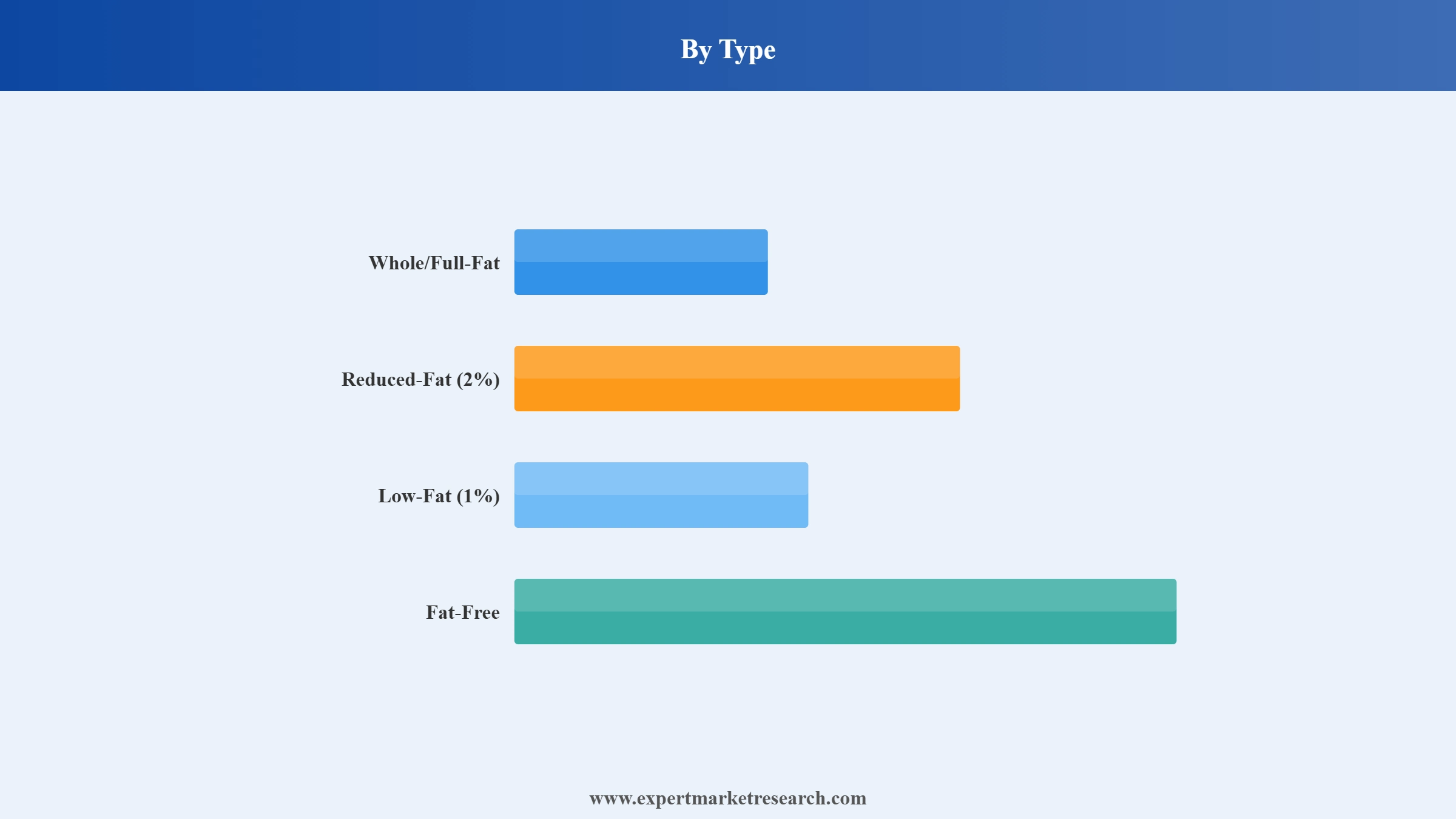
Market Breakup by Type
Key Insight: The fresh milk market showcases different growth trajectories based on the fat content. The leading position is taken by whole/full-fat milk, which owes its success to excellent sensory quality, premium status, and extensive application both in commercial and household kitchens. The reduced-fat milk category retains its value for those who are concerned about finding the right combination of flavor and healthiness. Low-fat milk shows increased growth rates, driven by rising wellness trends that promote moderate-fat dairy products. Moreover, fat-free milk caters to the needs of people managing their calories and adhering to special diets. For example, in January 2024, GCMMF introduced fat-free Sagar Skimmed Milk, targeting health-conscious consumers with affordable, nutritious dairy options.
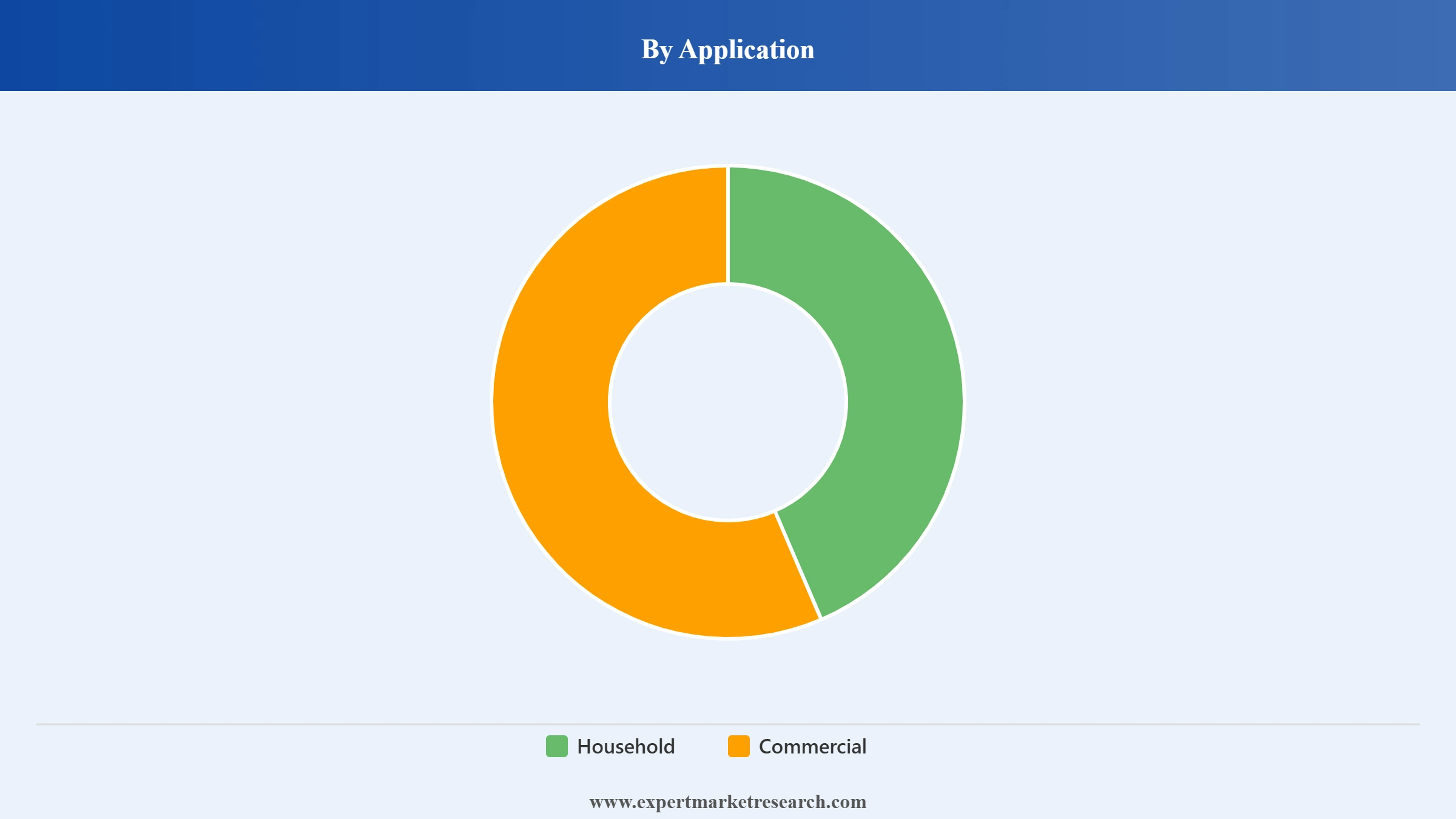
Market Breakup by Application
Key Insight: Demand trends driven by applications are unique to the consumption pattern in the fresh milk market. Household usage dominates because fresh milk acts as an important dietary item that can be consumed by individuals at different stages of life and during various meals. The commercial segment is growing fast since commercial firms are increasing their use of dairy products to ensure that high-end menu items are delivered to consumers. Consumers from the household sector look for freshness, nutrition, and convenience in their fresh milk, while commercial consumers seek quality, consistent delivery, and functionality.
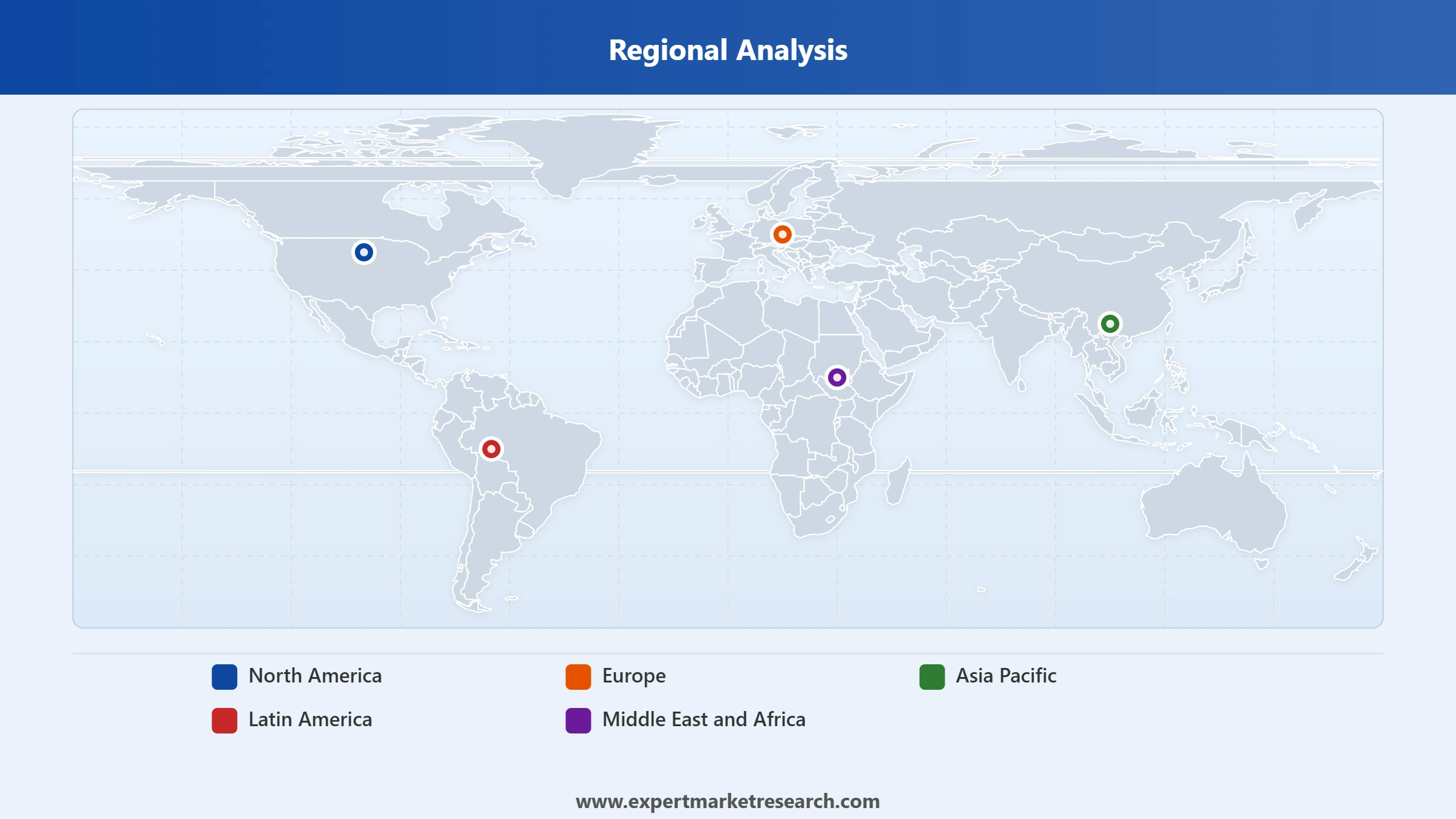
Market Breakup by Region
Key Insight: The regional dynamics of the fresh milk market depend on consumption patterns, level of dairy sophistication, and supply chain capability. The Asia Pacific region holds the top position owing to high consumer demand and increasing expansion in organized dairy chains. North America gains from sophisticated dairy processing technology and quality products. Europe maintains its position due to the long-standing presence of dairy, high standards of production, and sustainable measures. Latin America aids market development with growing dairy access and improved supply chain systems. On the other hand, the Middle East and Africa region experiences the highest growth rates due to investments in local production, retail, and cold chains.
Read more about this report - REQUEST FREE SAMPLE COPY IN PDF
By type, the whole/full-fat milk category registers the largest share of the market due to superior taste, functionality, and broad consumer acceptance
The dominant sub-segment within the fresh milk market dynamics is represented by the whole/full-fat milk category due to their characteristic natural taste and creaminess. Additionally, the dairy processing companies are expanding their portfolio of premium whole milk from grass-fed and other specialty dairy farms, as brand differentiation continues to become more prevalent. Within the commercial industry, this milk category continues to dominate since its taste, texture, and consistency remain key purchase factors in beverages and bakery products. In May 2026, Purabi Dairy introduced Purabi Gold full cream milk ahead of Rongali Bihu, targeting rising demand for high-fat dairy products in Assam, India.
Read more about this report - REQUEST FREE SAMPLE COPY IN PDF
The fast-growing sub-segment of the market is represented by low-fat milk since consumers are opting for milk products that can support their health without the presence of all milk fats. Producers continue to make innovations in this sub-segment by developing products that maintain the taste while reducing fat content, which satisfies health-conscious consumers, fitness-oriented individuals, and families who are looking to consume balanced nutrition. For example, in March 2025, Midland Farms introduced low-fat milk enriched with DHA Omega-3s, enhancing nutrition and propelling the fresh milk market revenue growth.
Household applications secure the largest share of the global market due to daily consumption habits and routine nutritional requirements
Households largely contribute to the total fresh milk market value as milk is an essential commodity in people’s diets in many parts of the world. Household consumers buy fresh milk for personal consumption, for making breakfast, preparing tea and coffee, and other kitchen requirements. Dairy companies are continuing to develop more ways of innovating packaging, freshness, and quality products to entice household buyers. This segment is expected to remain relevant due to the increased awareness of nutrition, especially in households that have children as there is need to ensure that they consume high-quality fresh milk products consistently. In August 2025, India’s Country Delight introduced high-protein cow milk containing twice the protein, supporting daily nutrition, fitness, and wellness needs.
Read more about this report - REQUEST FREE SAMPLE COPY IN PDF
The commercial segment whose demand for fresh milk continues to increase is another major application area. Food service operations use fresh milk when preparing beverages, desserts, bakery items, and other processed foods. There is a need for the consistency of milk quality and reliable supply to be met in commercial settings. Dairy companies are addressing the challenges by introducing special packages for the commercial sector and reliable delivery processes for business clients. There is a continued demand for coffee beverages, premium bakery products, and dairy products in the commercial setting. In June 2026, Idaho Milk Products expanded production capabilities through a new ice cream and powder blending facility, supporting value-added dairy innovation.
Asia Pacific dominates the market due to expanding dairy consumption and large consumer base
Asia Pacific dominates the fresh milk market because of its large population size, increasing middle-income classes, and increased consumption of packaged dairy products. Urbanization is leading to high demand for milk that is fresh and delivered through organized retail channels. Dairy firms are directing their efforts to enhance production capacity, build processing plants, and improve their cold chain networks because of the increasing consumption. There are also governmental initiatives in place that seek to increase milk production through productivity improvement and modernization of its collection and distribution networks. In June 2026, Amul committed USD 74.8 million for a new dairy processing plant, strengthening regional capacity, farmer linkages, and dairy infrastructure in eastern India.
Read more about this report - REQUEST FREE SAMPLE COPY IN PDF
The fastest-growing fresh milk market is found in the Middle East and Africa owing to increased urbanization, changes in consumer dietary habits, and investments in dairy farming. Governments and private organizations are enhancing their dairy production capabilities and improving supply chains to achieve food security goals. Increased retail presence and improvement of refrigerated infrastructures is making fresh milk more accessible. Value-added dairy products also play an important role in stimulating the demand for different kinds of milk within the region. In August 2025, Sawani launched a model farm producing 500,000 liters monthly, advancing sustainable camel milk production.
The competition in the market is expected to rise as major fresh milk companies adopt sustainable, reliable, and traceable production processes alongside innovation in milk nutrition. Dairy companies are expected to invest in digital farm monitoring tools, methane emission reduction initiatives, high-efficiency filtration technologies, and innovative cold chain solutions to improve operational efficiency and enhance supply reliability. Companies might also look into offering lactose-free milk, enriched proteins, and other innovations to satisfy consumers' demands.
Other areas of growth for leading fresh milk market players include farm-to-shelf traceability, animal welfare certified milk, and region-specific premium dairy products. Retailers, restaurants, and dairy cooperatives are being viewed as important strategic partners to sustain consumer demand. Companies are making investments in automation of processing facilities and artificial intelligence technology for managing the quality of the milk.
With headquarters located in Vevey, Switzerland, Nestlé was founded in the year 1866. The company provides expertise in dairy farming, advanced technologies for milk processing, and wide-ranging logistical services. Nestlé’s business philosophy includes strong commitment towards enhancing food nutrition, sustainable and responsible procurement, and high-quality products.
Founded in 1999 with headquarters in Hohhot, China, China Mengniu Dairy Company Limited is one of the top dairy companies providing innovative and high-quality fresh milk products to its customers. China Mengniu Dairy has made heavy investments in the construction of intelligent farms, state-of-the-art processing plants, and advanced digital quality control systems.
Arla Foods Group is an established business that has been in operation since 2000 from its headquarters in Viby, Denmark. The company actively participates in the fresh milk market through farmer cooperative networks and sustainable dairy production practices. The organization advocates for effective climate dairy farming, improved animal welfare, and transparency of the procurement process.
Cooperativa Central dos Produtores Rurais de Minas Gerais Ltda., which has been operating since 1944 and is based in Belo Horizonte, Brazil, known as the Itambé, plays an important role in the fresh milk industry because of its extensive dairy network in the region. The main aspects of this company's operations include efficient milk collection, ensuring product quality, and running various programs for farmers.
Other key players in the market include Gujarat Cooperative Milk Marketing Federation Ltd. (Amul), DMK Deutsches Milchkontor GmbH, and Dairy Farmers of America, Inc., among others.
*Please note that this is only a partial list; the complete list of key players is available in the full report. Additionally, the list of key players can be customized to better suit your needs.*
Unlock the latest insights with our fresh milk market trends 2026 report. Discover regional growth patterns, consumer preferences, and key industry players. Stay ahead of competition with trusted data and expert analysis. Download your free sample report today and drive informed decisions in the market.


Upto 15% Off
USD
$3999 $3599
$2499 $2249
$4999 $4249
$5999 $5099


*While we strive to always give you current and accurate information, the numbers depicted on the website are indicative and may differ from the actual numbers in the main report. At Expert Market Research, we aim to bring you the latest insights and trends in the market. Using our analyses and forecasts, stakeholders can understand the market dynamics, navigate challenges, and capitalize on opportunities to make data-driven strategic decisions.*
In 2025, the market reached an approximate volume of 995.03 Million Tons.
The production volume of fresh milk is expected to reach approximately 1177.73 Million Tons by 2035.
Investing in traceability platforms, expanding premium dairy portfolios, strengthening sustainable sourcing programs, modernizing cold-chain infrastructure, collaborating with retailers, and adopting smart farming technologies are improving competitiveness and profitability.
The rising health consciousness among the consumers is expected to be a key trend guiding the growth of the market.
North America, Europe, the Asia Pacific, Latin America, and the Middle East and Africa are the leading regions in the market.
The leading types of fresh milk in the market include whole/full-fat, reduced-fat (2%), low-fat (1%), and fat-free.
The significant application segments of the market include household and commercial.
The key players in the market include Nestle S.A, China Mengniu Dairy Company Limited, Arla Foods Group, Cooperativa Central Dos Produtores Rurais De Minas Gerais Ltda., Gujarat Cooperative Milk Marketing Federation Ltd. (Amul), DMK Deutsches Milchkontor GmbH, and Dairy Farmers of America, Inc., among others.
The market is projected to grow at a CAGR of 1.70% between 2026 and 2035.
Rising feed costs, climate-related production risks, milk price volatility, cold-chain investment requirements, stringent sustainability regulations, and maintaining consistent milk quality across increasingly complex supply networks remain major challenges.
Explore our key highlights of the report and gain a concise overview of key findings, trends, and actionable insights that will empower your strategic decisions.
| REPORT FEATURES | DETAILS |
| Base Year | 2025 |
| Historical Period | 2019-2025 |
| Forecast Period | 2026-2035 |
| Scope of the Report |
Historical and Forecast Trends, Industry Drivers and Constraints, Historical and Forecast Market Analysis by Segment:
|
| Breakup by Type |
|
| Breakup by Application |
|
| Breakup by Region |
|
| Market Dynamics |
|
| Competitive Landscape |
|
| Companies Covered |
|
| Report Price and Purchase Option | Explore our purchase options that are best suited to your resources and industry needs. |
| Delivery Format | Delivered as an attached PDF and Excel through email, with an option of receiving an editable PPT, according to the purchase option. |
Single User License
One User
USD 3,999
USD 3,599
tax inclusive*
Datasheet
One User
USD 2,499
USD 2,249
tax inclusive*
Five User License
Five User
USD 4,999
USD 4,249
tax inclusive*
Corporate License
Unlimited Users
USD 5,999
USD 5,099
tax inclusive*
*Please note that the prices mentioned below are starting prices for each bundle type. Kindly contact our team for further details.*
Flash Bundle
Small Business Bundle
Growth Bundle
Enterprise Bundle
*Please note that the prices mentioned below are starting prices for each bundle type. Kindly contact our team for further details.*
Flash Bundle
Number of Reports: 3
20%
tax inclusive*
Small Business Bundle
Number of Reports: 5
25%
tax inclusive*
Growth Bundle
Number of Reports: 8
30%
tax inclusive*
Enterprise Bundle
Number of Reports: 10
35%
tax inclusive*
How To Order

Select License Type
Choose the right license for your needs and access rights.

Click on ‘Buy Now’
Add the report to your cart with one click and proceed to register.

Select Mode of Payment
Choose a payment option for a secure checkout. You will be redirected accordingly.
Strategic Solutions for Informed Decision-Making
Gain insights to stay ahead and seize opportunities.

Get insights & trends for a competitive edge.

Track prices with detailed trend reports.

Analyse trade data for supply chain insights.

Leverage cost reports for smart savings

Enhance supply chain with partnerships.

Connect For More Information
Our expert team of analysts will offer full support and resolve any queries regarding the report, before and after the purchase.
Our expert team of analysts will offer full support and resolve any queries regarding the report, before and after the purchase.
We employ meticulous research methods, blending advanced analytics and expert insights to deliver accurate, actionable industry intelligence, staying ahead of competitors.
Our skilled analysts offer unparalleled competitive advantage with detailed insights on current and emerging markets, ensuring your strategic edge.
We offer an in-depth yet simplified presentation of industry insights and analysis to meet your specific requirements effectively.




