

Consumer Insights
Uncover trends and behaviors shaping consumer choices today
Procurement Insights
Optimize your sourcing strategy with key market data
Industry Stats
Stay ahead with the latest trends and market analysis.
The Japan automotive lead acid battery market was valued at USD 2.14 Billion in 2025. The market is expected to grow at a CAGR of 8.10% during the forecast period of 2026-2035 to reach a value of USD 4.66 Billion by 2035. This growth is mainly attributed to the increasing collaboration between automotive manufacturers and battery suppliers which is playing an important role in strengthening the performance and reliability of vehicle power systems in Japan.
The increasing use of stop/start systems along with the constant demand from the automotive replacement market is collectively driving the growth in the Japan automotive lead acid battery market. Increasing sophistication levels of passenger cars are resulting in a growing demand for EFB and AGM type lead acid batteries, which can handle several charge and discharge cycles along with high electricity loads provided by electronic equipment. Moreover, the relatively short lifespan of lead-acid batteries creates consistent opportunities for steady aftermarket sales in the automotive battery market.
In addition, modern automobiles utilize various electronics such as infotainment systems, driving assistive technologies, and safety devices, which require reliable sources of secondary power supply for starting, controlling, and powering the vehicle electronics. To address these needs, car manufacturers are collaborating with battery makers to develop high-quality starter batteries and auxiliary batteries that guarantee reliable operation of the vehicle, regardless of operating conditions. Such collaboration also helps battery producers create batteries tailored to the specific requirements of cars and their electronics systems.
These trends are driving innovation and deeper supply chain integration, supporting growth in the Japan automotive lead acid battery market, where such batteries remain widely used for starting, lighting, and ignition functions. This can be illustrated in April 2026, when GS Yuasa Corporation announced that its battery technology was selected for the all-new model of RAV4 made by Toyota Motor Corporation. It indicates continuous trust in the existing lead acid battery suppliers by OEMs.
Compound Annual Growth Rate
8.1%
Value in USD Billion
2026-2035
|
Japan Automotive Lead Acid Battery Market Report Summary |
Description |
Value |
|
Base Year |
USD Billion |
2025 |
|
Historical Period |
USD Billion |
2019-2025 |
|
Forecast Period |
USD Billion |
2026-2035 |
|
Market Size 2025 |
USD Billion |
2.14 |
|
Market Size 2035 |
USD Billion |
4.66 |
|
CAGR 2019-2025 |
Percentage |
XX% |
|
CAGR 2026-2035 |
Percentage |
8.10% |
|
CAGR 2026-2035 - Market by Region |
Kanto |
8.9% |
|
CAGR 2026-2035 - Market by Product |
Motive |
7.6% |
|
CAGR 2026-2035 - Market by Construction |
VRLA |
7.9% |
|
2025 Market Share by Region |
Kansai |
23.4% |
GS Yuasa Corporation introduced the new ECO.R HV Auxiliary Valve Regulated Lead Acid Battery Range intended for use in hybrid vehicles. This was part of product innovation to meet evolving technology requirements in the lead acid automotive batteries sector.
Clarios received a second order from a major car manufacturer for the company’s advanced AGM batteries for future vehicles. The deal reflects advancements in lead-acid battery technology, which are expected to support the growth of the Japan automotive lead acid battery market.
Exide Technologies added two new AGM batteries to its existing range that were specifically developed for use in start-stop cars. This move was an indication of innovations being made in the field of advanced lead-acid batteries used in automobiles.
4GS Yuasa Corporation launched the new range of batteries under the name of ECO.R EC battery series with superior performance characteristics for cars. It proved that continuous product development drives technological advancement in the Japan automotive lead acid battery market.
With the growing use of start-stop technology in modern passenger cars, the demand for high-performance lead-acid batteries that can withstand constant restarts and greater cycles is set to increase. Automakers are focused on installing advanced AGM and EFB battery systems in automobiles to conserve fuel and cut down on carbon emissions, apart from managing the rising electrical load in automobiles. This is prompting battery manufacturers to make significant investments in upgrading their products to meet the changing needs of start-stop technologies. For instance, in April 2025, VARTA AG launched its new range of automobile batteries comprising AGM and EFB batteries.
Automotive battery companies are diversifying their portfolio in response to the changing needs of modern automobiles that are fitted with electronic components and energy management systems. These companies are now designing several versions of the batteries suitable for conventional vehicles, start-stop technology, and increased electricity demand by these vehicles. This enables battery manufacturers to expand their reach to more automakers and strengthen their position in both OEM and aftermarket segments. To illustrate the approach, in September 2025, Clarios diversified its VARTA range to offer AGM and EFB versions for modern vehicles, boosting the Japan automotive lead acid battery market value.
The automobile battery makers are concentrating on ensuring greater efficiency and higher durability of their batteries to cope up with the increasing complexities in vehicle electrical systems. The increased load due to infotainment systems, driver assistance systems, and advanced connectivity systems is resulting in the increased demand for more efficient and durable batteries that can withstand high cycles of work. Consequently, battery makers are launching advanced batteries based on lead-acid technologies that offer enhanced charging capabilities and longer life spans. To support this trend, Exide Technologies made a move towards expanding their presence in the Japan automotive lead acid battery market with an innovative global campaign in March 2026.
Ongoing developments in the technology of valve regulated lead-acid batteries are fueling the adoption rate due to their reliability, maintenance free nature, and efficiency in terms of cost. Advancements in cycle life and stability are enabling the production of batteries capable of supporting the higher electrical loads of modern vehicles and their auxiliary systems. These technological developments are leading to innovation in the Japan automotive lead acid battery market. For example, in March 2026, Panasonic came up with a series of batteries called New-R with better cycle life and performance.
Technological developments in efforts to improve longevity, efficiency, and sustainability continue to drive the development of lead-acid batteries utilized in automobiles. The players in the Japan automotive lead acid battery market are designing sophisticated internal parts that help minimize electrolyte leakage, maximize charge acceptance, and increase battery longevity, especially in start-stop vehicles that demand better performance from 12V batteries. For example, W. L. Gore & Associates launched the GORE Catalytic Device for improved flooded batteries in April 2023, now used in a new battery range by GS Yuasa Corporation.
The EMR’s report titled “Japan Automotive Lead Acid Battery Market Report and Forecast 2026-2035” offers a detailed analysis of the market based on the following segments:
Market Breakup by Product
Key Insight: Considering the product segment, SLI batteries account for the largest share of the Japan automotive lead acid battery market because of their growing usage in vehicle starting, lighting, and ignition operations in both passenger vehicles and commercial vehicles. Stationary batteries are used in facilities related to automobile services, including the electricity used to charge the batteries, workshop needs, and backup battery facilities. Motive batteries are used in machinery such as forklifts and automated equipment employed in automobile logistics operations. Companies like Hitachi Energy and EnerSys are focusing on their efficiency improvement.
Market Breakup by Construction
Key Insight: The flooded lead-acid batteries are gaining traction in the Japan automotive lead acid battery market due to their low cost of production, easy manufacturing process, and efficient recyclability in conventional vehicles. However, VRLA batteries, which include AGM and EFB batteries, are finding wide applications in modern automobiles, especially those that use start-stop technologies and high levels of electricity. The advantages of using VRLA batteries include their ability to work without any maintenance and their superior charging capability. In addition, major players, including Panasonic Holdings Corporation, are developing advanced VRLA batteries for upcoming vehicles.
Market Breakup by Vehicle Type
Key Insight: Passenger vehicles are becoming a key application segment, as they require reliable lead-acid batteries for ignition, auxiliary systems, and electronic components such as infotainment and safety systems. On the other hand, the commercial vehicles contribute significantly to the Japan automotive lead acid battery market revenue, resulting from the growing demand for batteries due to the higher capacity requirements, as these vehicles operate for longer periods of time.
Market Breakup by Region
Key Insight: The Kanto region is emerging as a key hub for automotive manufacturing, battery production, and advanced research and development in the Japan automotive lead acid battery market. While the Kansai region is expanding its market share as it is powered by battery components manufacturing and technological innovation related to energy technologies, the Chubu region benefits significantly from extensive automotive manufacturing and assembly activities, which drive continuous demand for batteries.
By product, SLI battery is witnessing notable demand driven by replacement cycles and fleet electrification
The SLI category in the Japan automotive lead acid battery market is driven by steady replacement demand, as these batteries are widely used for starting, lighting, and ignition in motorcycles and passenger vehicles. Additionally, ongoing international advancements in products are shaping the aftermarket trend in the segment. For example, in July 2025, Varroc Engineering Limited introduced a line of VRLA motorcycle batteries that exhibited low discharge rates and increased longevity, indicating the move towards better SLI battery specifications globally.
Moreover, the stationary segment is creating new Japan automotive lead acid battery market opportunities, owing to the increased requirement for constant and reliable power generation in industries, telecommunication networks, data centers, and auxiliary power units in vehicles. The importance placed on uninterrupted operations is resulting in an increasing number of manufacturers opting for superior VRLA and AGM technologies that provide better cycle life and recharge times, as well as durability when operated under heavy load conditions. For example, the VRLA and AGM series of batteries from GS Yuasa and stationary batteries from Exide Technologies find application in UPS systems.
By construction, the VRLA category picks up significant momentum attributed to the rising preference for maintenance-free technologies
The VRLA category witnesses high demand in the Japan automotive lead acid battery market due to the increasing demand for maintenance-free, spill-proof, and superior-performance batteries that can be utilized in various applications, including automotive, industrial, and stationary uses. For example, the Solance Plus VRLA line introduced in August 2025 by Solance Industries, is characterized by improved cycles, faster charging, and robustness in difficult conditions. Similarly, battery products developed by GS Yuasa Battery Europe promote further use of VRLA technology in demanding applications, thus impacting the choice of batteries in Japan.
Meanwhile, the flooded battery category of the Japan automotive lead acid battery market retains a consistently stable presence in terms of performance due to its economic feasibility, existing production framework, and application in low-cost cars and traditional automotive usage. Manufacturers like GS Yuasa and Exide Technologies continue to cater to the ongoing demand for flooded batteries through high-frequency cycles in the aftermarket space. While there is a slow but steady technological shift towards VRLA battery types, flooded batteries are expected to observe significant preference for their affordable nature and sufficient starting capability.
By vehicle type, commercial vehicles show notable growth driven by rising electrical load requirements
The commercial vehicle category significantly accelerates demand in the Japan automotive lead acid battery market. This category requires high levels of reliability in terms of starting power, quick recharging, and longevity. This surging requirement is prompting manufacturers to develop new battery solutions that address these challenges. For example, in March 2026, GS Yuasa Corporation developed the Yuasa YBX9625 AGM commercial vehicle battery, reflecting advancements in automotive lead-acid battery technology.
The passenger vehicle battery market holds considerable share in the Japan automotive lead acid battery market, since these batteries continue to be widely used in starting engines, lighting, and ignition systems in standard and hybrid cars. High aftermarket demand is maintained by the need for frequent replacements in the aged passenger vehicle base in Japan. In addition, battery manufacturers are introducing improved, longer-lasting products, such as the Premio series of passenger vehicle batteries developed by TATA Green Batteries in collaboration with GS Yuasa Corporation.
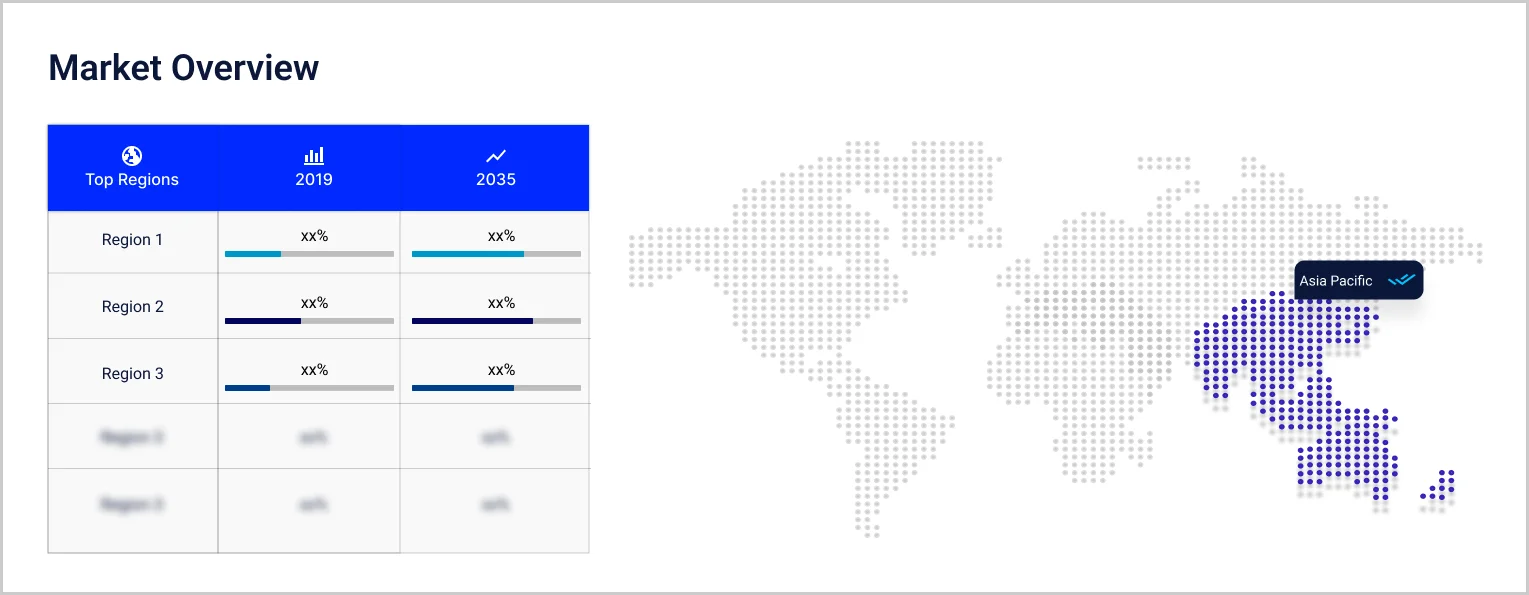
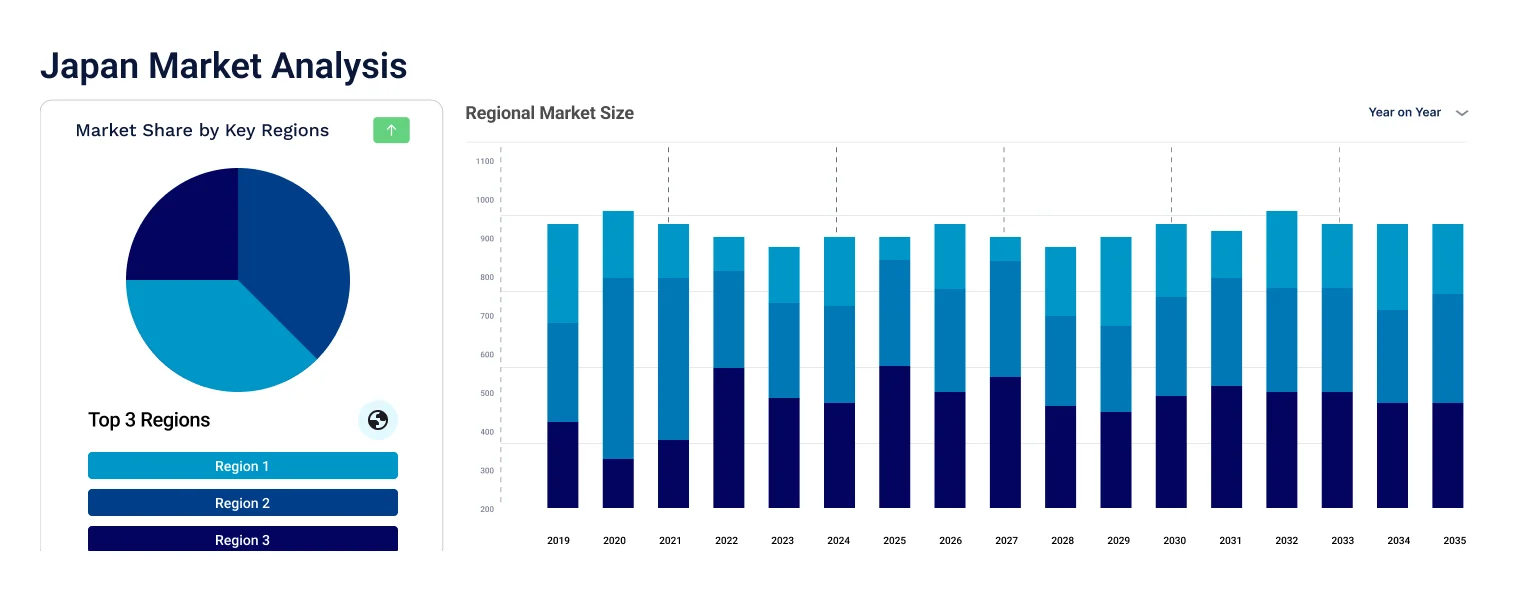
|
CAGR 2026-2035 - Market by |
Region |
|
Kanto |
8.9% |
|
Chubu |
xx |
|
Kansai |
xx |
|
Others |
xx |
By region, Kanto leads the market growth driven by expanding corporate presence and establishment of strong supply chains
The Kanto region plays a vital role in enhancing corporate operations, strengthening distribution networks, and supporting international trade in the industry. With Tokyo being a significant economic center, global battery manufacturers are setting up their regional offices and forging ties with automobile producers and distributors. For example, Sebang Global Battery revealed its plan in April 2026 to establish an office in Tokyo to bolster its business activities in Japan. These efforts are helping in developing the supply chain and customer interactions in the Japan automotive lead acid battery industry.
Kansai holds significance in the Japan automotive lead acid battery market owing to the presence of a strong automotive manufacturing ecosystem in the region and also because of the extensive network of suppliers. Leading car manufacturers present in cities like Osaka and Kyoto ensure that there is always constant demand for the starter battery in both original equipment manufacturing and aftermarket segments. Firms like GS Yuasa Corporation and Panasonic Holdings Corporation operate from this region with technological and manufacturing expertise.
The major Japan automotive lead acid battery market players are increasingly working towards innovations in products that can enhance the efficiency, durability, and energy consumption of automotive lead-acid batteries. Rigorous efforts are being are made to develop new solutions that can help the manufacturing companies produce improved EFBs and AGM batteries to sustain start-stop systems and increased electricity demands in modern vehicles. This increases the life span of the batteries and their charging capabilities.
Moreover, several automotive lead acid batteries companies in Japan are also increasing their production capabilities and enhancing their supply chains due to increased demand for their products from both the original equipment manufacturers and the automotive aftermarket sellers. With strategic collaborations with automotive manufacturers and suppliers, it becomes easy for the battery manufacturers to incorporate the battery systems in the newly manufactured vehicles.
East Penn Manufacturing Co., established in 1946, is a privately held battery manufacturing firm that operates from its headquarters in Lyon Station, Pennsylvania, United States. The firm is renowned for the manufacture of diverse models of lead-acid batteries used in automobiles, industrial settings, and energy storage systems.
Exide Industries was established in 1976 and is a leading battery manufacturing firm based in Kolkata, India. The firm has emerged to be a leading player in the Japan automotive lead acid battery market as it focuses on the manufacture of lead-acid storage batteries for automobiles and industries.
Johnson Controls International PLC was established in 1971. It is a multinational corporation based out of Cork, Ireland. Johnson Controls International PLC has a reputation for being one of the leading organizations in terms of automotive battery technology and energy solutions across the world.
Northstar Recycling Corporation was established in 2011 and has since emerged to be a prominent player operating in the Japan automotive lead acid battery market landscape. The organization specializes in waste management and recycling solutions.
*Please note that this is only a partial list; the complete list of key players is available in the full report. Additionally, the list of key players can be customized to better suit your needs.*
Other key players operating in the market include GS Yuasa Corp, Crown Holdings Inc., and Leoch International Technology Ltd., among others.
Explore the latest trends shaping the Japan automotive lead acid battery market 2026-2035 with our in-depth report. Gain strategic insights, future forecasts, and key market developments that can help you stay competitive. Download a free sample report or contact our team for customized consultation on Japan automotive lead acid battery market trends 2026.


Upto 15% Off
USD
$2499 $2249
$3999 $3599
$4999 $4249
$5999 $5099


*While we strive to always give you current and accurate information, the numbers depicted on the website are indicative and may differ from the actual numbers in the main report. At Expert Market Research, we aim to bring you the latest insights and trends in the market. Using our analyses and forecasts, stakeholders can understand the market dynamics, navigate challenges, and capitalize on opportunities to make data-driven strategic decisions.*
In 2025, the Japan automotive lead acid battery market reached an approximate value of USD 2.14 Billion.
The market is projected to grow at a CAGR of 8.10% between 2026 and 2035.
The key players in the market include East Penn Manufacturing Co., EXIDE Industries, Johnson Controls International PLC, Northstar Recycling, GS Yuasa Corp, Crown Holdings Inc., and Leoch International Technology Ltd., along with several other regional and international players.
Key strategies driving the market include product innovation in AGM and EFB batteries, strategic partnerships with automotive manufacturers, expansion of production capacities, strengthening aftermarket distribution networks, and investments in recycling and sustainable battery technologies.
Major challenges that the Japan automotive lead acid battery market players face include increasing competition from lithium-ion batteries, fluctuating raw material prices such as lead, stringent environmental regulations, and the gradual shift toward electric vehicles.
Explore our key highlights of the report and gain a concise overview of key findings, trends, and actionable insights that will empower your strategic decisions.
| REPORT FEATURES | DETAILS |
| Base Year | 2025 |
| Historical Period | 2019-2025 |
| Forecast Period | 2026-2035 |
| Scope of the Report |
Historical and Forecast Trends, Industry Drivers and Constraints, Historical and Forecast Market Analysis by Segment:
|
| Breakup by Product |
|
| Breakup by Construction |
|
| Breakup by Vehicle Type |
|
| Breakup by Region |
|
| Market Dynamics |
|
| Competitive Landscape |
|
| Companies Covered |
|
Datasheet
One User
USD 2,499
USD 2,249
tax inclusive*
Single User License
One User
USD 3,999
USD 3,599
tax inclusive*
Five User License
Five User
USD 4,999
USD 4,249
tax inclusive*
Corporate License
Unlimited Users
USD 5,999
USD 5,099
tax inclusive*
*Please note that the prices mentioned below are starting prices for each bundle type. Kindly contact our team for further details.*
Flash Bundle
Small Business Bundle
Growth Bundle
Enterprise Bundle
*Please note that the prices mentioned below are starting prices for each bundle type. Kindly contact our team for further details.*
Flash Bundle
Number of Reports: 3
20%
tax inclusive*
Small Business Bundle
Number of Reports: 5
25%
tax inclusive*
Growth Bundle
Number of Reports: 8
30%
tax inclusive*
Enterprise Bundle
Number of Reports: 10
35%
tax inclusive*
How To Order

Select License Type
Choose the right license for your needs and access rights.

Click on ‘Buy Now’
Add the report to your cart with one click and proceed to register.

Select Mode of Payment
Choose a payment option for a secure checkout. You will be redirected accordingly.
Strategic Solutions for Informed Decision-Making
Gain insights to stay ahead and seize opportunities.

Get insights & trends for a competitive edge.

Track prices with detailed trend reports.

Analyse trade data for supply chain insights.

Leverage cost reports for smart savings

Enhance supply chain with partnerships.

Connect For More Information
Our expert team of analysts will offer full support and resolve any queries regarding the report, before and after the purchase.
Our expert team of analysts will offer full support and resolve any queries regarding the report, before and after the purchase.
We employ meticulous research methods, blending advanced analytics and expert insights to deliver accurate, actionable industry intelligence, staying ahead of competitors.
Our skilled analysts offer unparalleled competitive advantage with detailed insights on current and emerging markets, ensuring your strategic edge.
We offer an in-depth yet simplified presentation of industry insights and analysis to meet your specific requirements effectively.




