

Consumer Insights
Uncover trends and behaviors shaping consumer choices today
Procurement Insights
Optimize your sourcing strategy with key market data
Industry Stats
Stay ahead with the latest trends and market analysis.
The global laboratory automation market was valued at USD 6.21 Billion in 2025. The market is expected to grow at a CAGR of 5.50% during the forecast period of 2026-2035 to reach a value of USD 10.61 Billion by 2035. The rising need for high-throughput testing, better workflow efficiency, and minimal human intervention drives the rapid growth of advanced automation platform adoption in laboratories.
Research centers, diagnostic laboratories, and pharma companies are increasingly investing in integrated automation systems that connect multiple instruments, improve sample handling efficiency, and reduce human errors. This software enables a laboratory to process many samples while maintaining the consistency and accuracy of even complex analytical procedures. As laboratories upgrade their facilities and digitalize workflows, manufacturers launch modular automation systems that support integration of instruments from different vendors, making laboratory operations more flexible and scalable.
These technological advances are strengthening the laboratory automation market penetration as laboratory workflow efficiency and reproducibility continue to be the main focus of companies. For example, at ADLM 2024 in July, Inpeco introduced the FlexLab X total laboratory automation system, designed to integrate multiple diagnostic instruments into a single automated workflow and significantly increase laboratory throughput. Such new products are expected to fuel the growth of the global industry through the forecast years.
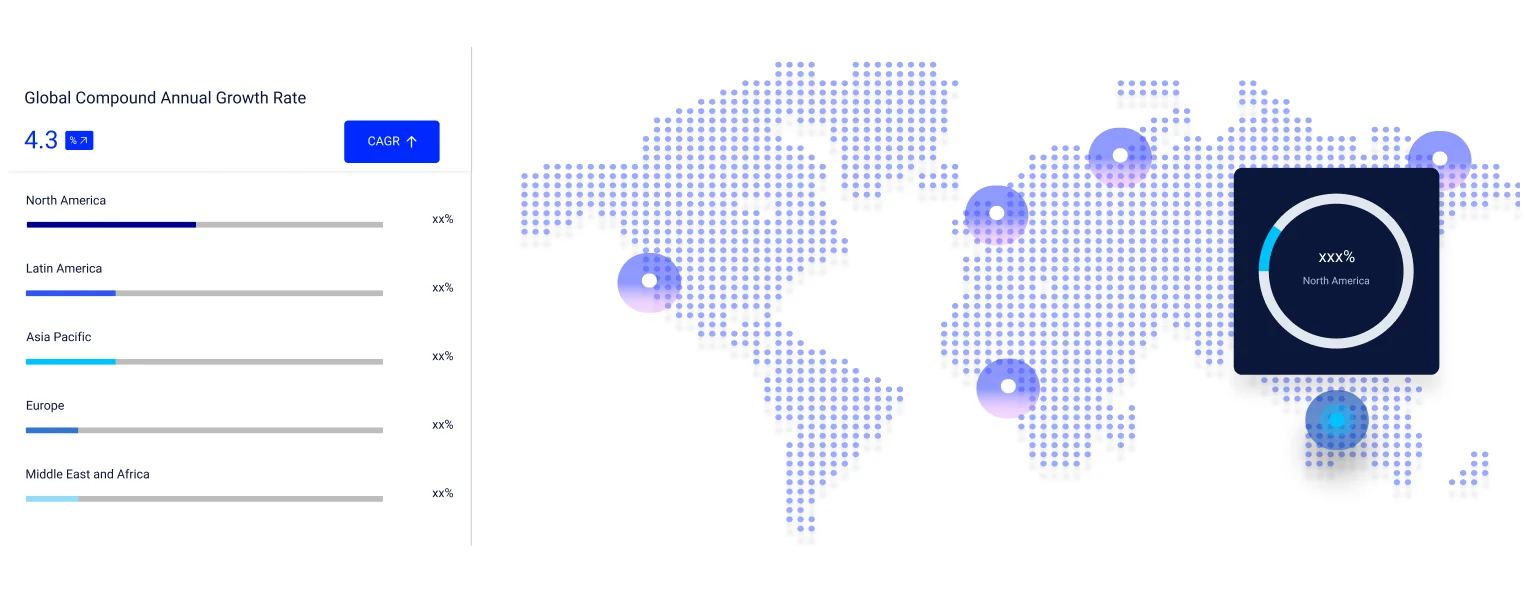
Compound Annual Growth Rate
5.5%
Value in USD Billion
2026-2035
| Global Laboratory Automation Market Report Summary | Description | Value |
| Base Year | USD Billion | 2025 |
| Historical Period | USD Billion | 2019-2025 |
| Forecast Period | USD Billion | 2026-2035 |
| Market Size 2025 | USD Billion | 6.21 |
| Market Size 2035 | USD Billion | 10.61 |
| CAGR 2019-2025 | Percentage | XX% |
| CAGR 2026-2035 | Percentage | 5.50% |
| CAGR 2026-2035 - Market by Region | Asia Pacific | 6.1% |
| CAGR 2026-2035 - Market by Country | India | 6.6% |
| CAGR 2026-2035 - Market by Country | China | 5.9% |
| CAGR 2026-2035 - Market by Type | Modular Automation | 5.8% |
| CAGR 2026-2035 - Market by Equipment and Software Type | Automated Clinical Laboratory Systems | 6.0% |
| Market Share by Country 2025 | Brazil | 2.7% |
Leica Biosystems introduced the Aperio GT Elite scanner and the Aperio iQC software backed by AI, which are set to advance digital pathology workflows via quality control and automatic scanning of the slides. Innovations like this not only help labs make better use of time, space, and equipment, but they also contribute to the growth in laboratory automation demand growth.
Valmet launched the IQ Virtual Sensor that predicts paper strength instantaneously and hence can assist in adjusting the production lines. Such technologies relying on automation are boosting higher operational efficiencies in most of the industries, and, as a result, they indirectly support the laboratory automation market expansion.
The U.S. Department of Health and Human Services (HHS) allocated over USD 100 million in January 2026 for the modernization of laboratory infrastructure with automation technologies. This investment aims to increase efficiency and throughput in high-demand workflows, particularly for genomics and drug discovery applications.
Automation technology providers and analytical instrument manufacturers are partnering with each other to promote the use of robotic systems in laboratories. This facilitates the integration of robotics, analytical instruments, and workflow management, resulting in increased laboratory precision and reduced human involvement in tedious operations. As research and diagnostic facilities process larger numbers of samples, this collaboration contributes to the creation of a scalable automation infrastructure that supports the laboratory automation market development. For instance, in January 2025, ABB Robotics entered into a collaboration with Agilent Technologies for the creation of automated laboratory solutions that combine robotics and analytical technologies.
Complexity levels in research experiments are continuously rising, which is one of the reasons companies are using artificial intelligence along with laboratory automation platforms to carry out intelligent workflow orchestration. Market participants are collaborating to develop automation ecosystems that can not only handle high-throughput experiments but also improve the reproducibility of those experiments. These kinds of activities are helping to switch to digitally connected laboratories with sophisticated automation capabilities. For instance, HighRes and Opentrons announced a partnership in February 2026, through which they plan to create an AI agent-to-agent laboratory automation workflow platform that will pave the way for the automation of research processes and the progress of technological advancement in the laboratory automation market.
Automation suppliers in the life sciences industry are developing new types of automated workstations that not only make experimental processes easier but also assist in standardizing laboratory workflows. This is because these technologies allow researchers to automate tedious tasks such as liquid handling, assay preparation, and sample processing. By automating such procedures, one can reduce the number of experimental variants while increasing efficiency. A research lab, like any other firm, seeks to improve its efficiency and reproducibility, redefining the entire laboratory automation market trends and dynamics. For instance, in July 2025, Merck introduced the AAW Automated Assay Workstation, a co-product of Opentrons robots, which can automate daily laboratory experiments while also facilitating complex research workflows.
The surging demand for quicker and more precise diagnostic testing is motivating companies to launch automation solutions that simplify sample processing and laboratory workflows. Automated track systems and diagnostic platforms enable laboratories to handle huge test volumes while reducing turnaround time and operational errors. Since healthcare systems are still updating their laboratory infrastructure, automation solutions are being considered vital in clinical laboratories. For instance, in May 2024, Abbott unveiled its GLP systems Track automation solution for diagnostic laboratories in India, through which the company aims to automate sample handling and enhance laboratory efficiency, thereby contributing to global laboratory automation market value.
The shift toward automation in pharma research is pushing firms to build shared labs with high-throughput screening and automated liquid handling. These settings accelerate drug development by making trials scalable and data more accurate. Partnerships between automation technology companies and biotech startups are broadening the global reach of automated lab equipment. Such collaborations promote innovation in real-world circumstances. In October 2024, SPT Labtech teamed up with ICE Bioscience to open a joint lab in Beijing, China, combining cutting-edge liquid handling tools for drug screening. The setup supports growth in the adoption of automated lab solutions, further boosting the market growth.
Read more about this report - REQUEST FREE SAMPLE COPY IN PDF
The EMR’s report titled “Global Laboratory Automation Market Report and Forecast 2026-2035” offers a detailed analysis of the market based on the following segments:
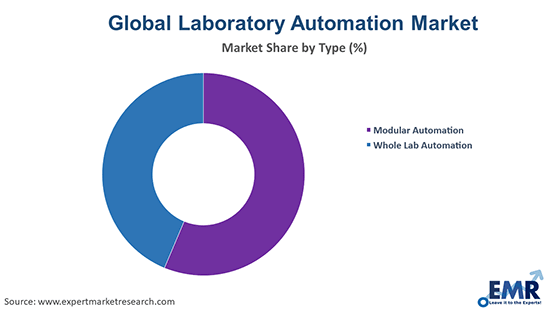
Market Breakup by Type
Key Insight: Increasing testing volume in laboratories and the imperative for operational efficiency have fueled the adoption of modular automation and whole lab automation systems in the global laboratory automation market. Modular automation allows the lab to automate specific procedures while maintaining the flexibility to grow progressively. On the other hand, whole lab automation incorporates robotics, software platforms, and sample transport systems to create seamless end-to-end workflows. Leading enterprises such as Roche, Thermo Fisher Scientific, and Abbott keep working on integrated automated solutions to boost throughput in lab operations.
Market Breakup by Equipment and Software Type
Key Insight: The laboratory automation market scope comprises automated clinical laboratory systems such as computer workstations, LIMS (Laboratory Information Management Systems), sample transport systems, specimen handling systems, and storage retrieval systems. These automations contribute to workflow optimization and data-handling facilities of laboratories. For instance, in October 2025, InstantGMP introduced a fully integrated laboratory information management system as part of its manufacturing solution, thus offering an uninterrupted data flow between QC, inventory, and production operations. On the other hand, automated drug discovery laboratory systems, such as plate readers, automated liquid handling systems, LIMS robotic systems, storage retrieval systems, and dissolution testing systems, enable large-scale pharmaceutical research and screening.
Market Breakup by End Use
Key Insight: The laboratory automation market caters to different end use categories including biotech and pharmaceutical companies, hospitals and diagnostic laboratories, and research and academic institutions, with each industry leveraging automation technologies to boost operational efficiency and research and development output. For example, biotech and pharmaceutical companies employ automated liquid handling and robotic platforms to speed up the drug discovery process. Hospitals and diagnostic laboratories deploy automated sample processing and diagnostic equipment to handle rising testing volumes efficiently. Research and academic institutions are investing in integrated laboratory automation systems to facilitate complex experiments and data analysis. Major players like Abbott Laboratories, Danaher Corporation, and PerkinElmer are expanding their offering of automation solutions specifically crafted for these sectors.
Market Breakup by Region
Key Insight: Regionally, the competitive landscape of the global laboratory automation market covers North America, Europe, Asia Pacific, Latin America, the Middle East, and Africa. The adoption of drug discovery and molecular docking automation is primarily driven by expanding research infrastructure and the growing integration of automation in laboratories. North America is the leading region due to a strong pharmaceutical research and development base and ongoing technical innovation, whereas Europe benefits from increased spending in biotechnology research. The Asia Pacific area is experiencing a rapid increase in drug discovery activity. For example, in August 2023, XtalPi Inc. unveiled its new automated drug discovery plant in Shanghai, bolstering the China’s automation capabilities. As healthcare and research facilities improve, laboratories in Latin America, the Middle East, and Africa are gradually automating.
By type, whole lab automation leads the market growth driven by increasing adoption of integrated high-throughput laboratory systems
The global laboratory automation market is witnessing an increase in the adoption of whole lab automation systems as the demand for faster diagnostic results and more efficient laboratory workflows continues to grow. These systems combine various instruments, robotic tracks, and data platforms to allow continuous sample processing with little human intervention. For instance, in June 2023, Kokilaben Dhirubhai Ambani Hospital introduced a Total Lab Automation system that combines various disciplines such as chemistry, immunology, and hematology to improve operational efficiency and testing accuracy.
Meanwhile, the rising requirement for flexible laboratory workflows and research infrastructure that can be scaled up is driving demand for modular automation solutions in the laboratory automation market. Modular systems enable laboratories to combine various instruments and automation components and simultaneously keep the option to enhance or change workflows according to changing research needs. As a result of this, in July 2025, Ginkgo Bioworks revealed the use of modular automation technology through its Reconfigurable Automation Cart system at the Environmental Molecular Sciences Laboratory of Pacific Northwest National Laboratory to help speed up microbial research and increase laboratory throughput and data quality.
By equipment and software type, automated clinical laboratory systems gain significant traction owing to the expansion of global clinical research infrastructure
The complexity and scope of global clinical trials are leading to a surge in the adoption of automated laboratory equipment and software, which are not only automated but also capable of streamlining sample processing, improving workflow efficiency, and enhancing data integration, especially in multi-site studies. Besides enabling laboratories to handle large testing volumes without compromising on standardized procedures, these systems are also a part of the global laboratory automation market that is growing rapidly. LabConnect's intention to open a clinical research center in Wuxi, China, announced in March 2026, can be interpreted as a step to support this trend by expanding the global central laboratory infrastructure.
Meanwhile, the automated drug discovery laboratory systems witness notable demand in the laboratory automation market. The increasing demand for shortening drug discovery cycle times is one of the main factors behind the growing adoption of AI-enabled automated drug discovery laboratory systems. These systems facilitate pharmaceutical research by allowing high-throughput screening, advanced analytics, and integrated experimental workflows. In addition to enabling the management of complex datasets, these technologies also help in improving efficiency and research productivity. For instance, in February 2026, UnitedLabs launched a new AI-ready laboratory automation operating system geared at improving research workflows.
By end use, biotechnology and pharmaceutical companies show the highest adoption, due to the growing investments in advanced life sciences research and development
Massive investments in biotechnology innovation and pharmaceutical research are driving firms to invest in advanced laboratory automation technologies to accelerate experimentation and improve data management. Automation technologies accelerate drug development, increase sample processing efficiency, and improve research accuracy in life sciences laboratories. Such innovations are boosting the global laboratory automation market growth. For instance, in March 2026, Shimadzu Scientific Instruments started a new research and development laboratory in South San Francisco, United States, to aid pharmaceutical and life sciences research.
On the other hand, the hospitals and diagnostic laboratories continue to boost the laboratory automation market revenue as the demand for automation systems increases due to the growing need to reduce clinical turnaround times for diagnostic tests. In addition to speeding up the working process, these systems also help in minimizing manual errors and support efficient sample processing in healthcare laboratories. Various ongoing healthcare automation projects are boosting the market expansion. For instance, in January 2026, KIMS Hospitals launched a total laboratory automation facility for Telangana and Andhra Pradesh in India.
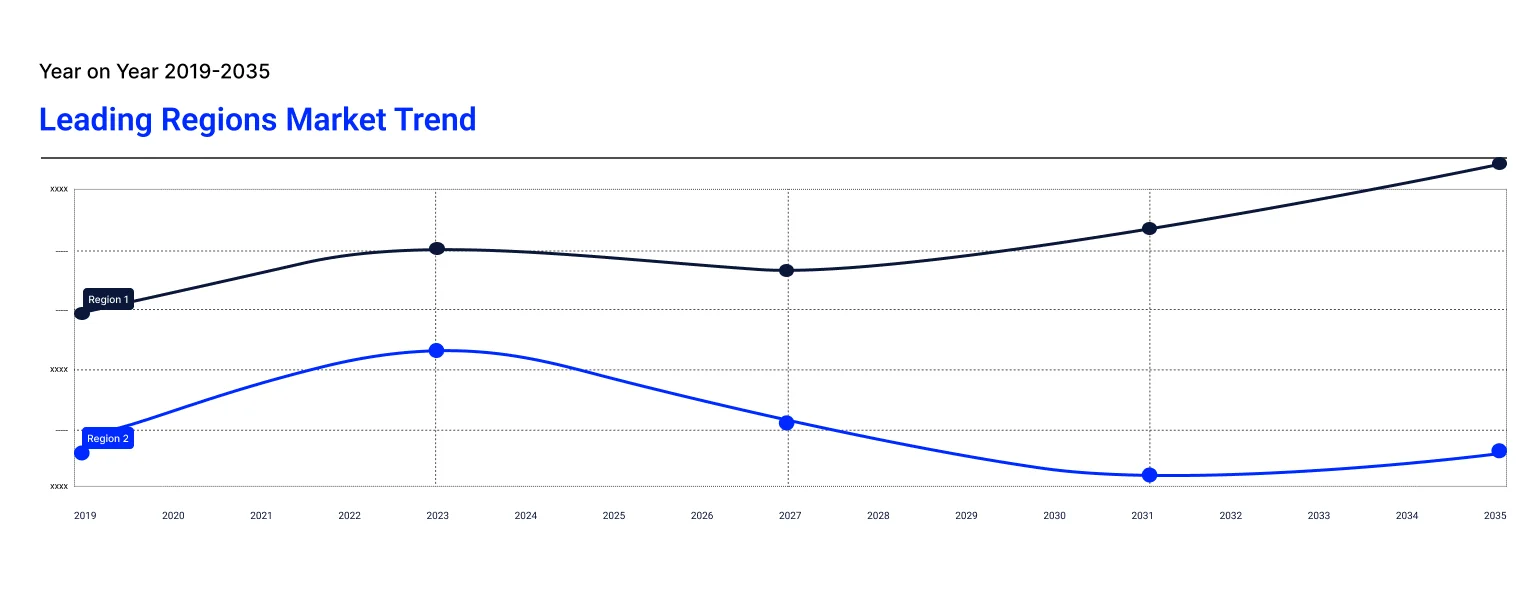
By region, Asia Pacific leads the market growth, driven by the rapid expansion of clinical research infrastructure and laboratory facilities
Asia Pacific represents a high-potential laboratory automation market hub huand is developing at a rapid rate, mainly attributed to the rising number of clinical trials and biopharmaceutical research activities. Governments and the private sector are making massive investments to upgrade their laboratory facilities with automation systems, in order to make research and clinical testing more productive and efficient. For instance, in March 2026, LabConnect ramped up its global clinical research network by opening a new central laboratory facility in Wuxi, China.
Europe contributes significantly to the laboratory automation market revenue, mainly due to the strong investments in biomedical research and diagnostic innovation. In order to improve test accuracy, streamline workflows, and manage higher diagnostic volumes, automation technologies are being installed in laboratories around the region. These kinds of advancements are supporting the widespread adoption of automated laboratories. For instance, in March 2026, Roche announced their new plans, which center on creating laboratory automation capabilities and diagnostic technologies.
| CAGR 2026-2035 - Market by | Country |
| India | 6.6% |
| China | 5.9% |
| Mexico | 5.8% |
| USA | 5.6% |
| UK | 5.4% |
| Canada | XX% |
| Germany | XX% |
| France | XX% |
| Italy | XX% |
| Japan | XX% |
| Australia | XX% |
| Saudi Arabia | 4.9% |
| Brazil | XX% |
The major laboratory automation market players are strategically concentrating their investments in research and development to develop automated workflows that are more efficient, accurate, and scalable. Industry players are introducing advanced robotic systems, automated liquid handling instruments, and laboratory software platforms that are integrated to increase the efficiency of laboratory operations. Regular product innovation in high-throughput screening systems, data management tools that are enabled by AI, and automated sample preparation solutions are helping labs perform more analytical tasks with a higher level of reproducibility and efficiency in operations in research and diagnostic applications.
At the same time, laboratory automation companies are consolidating their position through strategic partnerships, acquisitions, and capacity building in manufacturing and distribution. By working together with biotechnology, pharmaceutical companies, and research laboratories, automation providers are able to create such products for drug discovery, diagnostics, and clinical testing. In addition, businesses are enhancing their global service networks and investing in state-of-the-art laboratory infrastructure so that they can accommodate the rising needs for automated solutions.
Danaher Corporation was established in 1984, and with its headquarters in Washington, D.C., United States. It is a science and technology company that operates worldwide. It designs and manufactures diagnostic instruments, life sciences technologies, and laboratory workflow solutions that are used in biotechnology and healthcare research.
Abbott Laboratories is a leading multinational healthcare company that was established in 1888, and its head office is in Abbott Park, Illinois, United States. The company produces medical devices, diagnostic systems, drugs, and nutrition products, which are widely used in clinical and research laboratories.
PerkinElmer was established in 1937, and its corporate office is located in Shelton, Connecticut, United States. It is a leading manufacturer of scientific instruments, laboratory technologies, and testing solutions for the biotechnology, environmental, and pharmaceutical industries.
Tecan Trading AG was established in 1980, and its head office is located in Männedorf, Switzerland. Tecan Trading AG manufactures automated laboratory instruments, liquid handling systems, and workflow automation solutions for clinical diagnostics and life sciences research.
*Please note that this is only a partial list; the complete list of key players is available in the full report. Additionally, the list of key players can be customized to better suit your needs.*
Other key players in the market include Siemens Healthcare GmbH, ThermoFisher Scientific Inc., and Agilent Technologies, Inc., among others.
Explore the latest trends shaping the global laboratory automation market 2026-2035 with our in-depth report. Gain strategic insights, future forecasts, and key market developments that can help you stay competitive. Download a free sample report or contact our team for customized consultation on global laboratory automation market trends 2026.


Upto 15% Off
USD
$2499 $2249
$3999 $3599
$4999 $4249
$5999 $5099


*While we strive to always give you current and accurate information, the numbers depicted on the website are indicative and may differ from the actual numbers in the main report. At Expert Market Research, we aim to bring you the latest insights and trends in the market. Using our analyses and forecasts, stakeholders can understand the market dynamics, navigate challenges, and capitalize on opportunities to make data-driven strategic decisions.*
In 2025, the global laboratory automation market reached an approximate value of USD 6.21 Billion.
The market is projected to grow at a CAGR of 5.50% between 2026 and 2035.
The market is estimated to reach a value of about USD 10.61 Billion by 2035.
Key strategies driving the market include product innovation in automated laboratory systems, strategic partnerships with research institutions, expansion of automation platforms, and investments in AI-enabled laboratory workflow solutions.
The increasing investments in R&D activities in diverse areas, the surging number of retiring professionals, and the growing demand for laboratory automation to increase the productivity of drug delivery processes are the key trends guiding the market.
North America, Europe, the Asia Pacific, Latin America, and the Middle East and Africa are the leading regions in the market.
Modular automation and whole lab automation are the significant types of laboratory automation.
The major equipment and software types in the market are automated clinical laboratory systems and automated drug discovery laboratory systems.
Biotechnology and pharmaceutical companies, hospitals and diagnostics laboratories, and research and academic institutes are the different end uses of laboratory automation.
The key players in the market include Danaher Corp., Abbott, PerkinElmer Inc., Tecan Trading AG, Siemens Healthcare GmbH, ThermoFisher Scientific Inc., and Agilent Technologies, Inc., among others.
The major challenges that the global laboratory automation market players face include high implementation costs, integration complexities with existing laboratory infrastructure, and the need for skilled personnel to manage advanced automated systems.
Explore our key highlights of the report and gain a concise overview of key findings, trends, and actionable insights that will empower your strategic decisions.
| REPORT FEATURES | DETAILS |
| Base Year | 2025 |
| Historical Period | 2019-2025 |
| Forecast Period | 2026-2035 |
| Scope of the Report |
Historical and Forecast Trends, Industry Drivers and Constraints, Historical and Forecast Market Analysis by Segment:
|
| Breakup by Type |
|
| Breakup by Equipment and Software Type |
|
| Breakup by End Use |
|
| Breakup by Region |
|
| Market Dynamics |
|
| Competitive Landscape |
|
| Companies Covered |
|
| Report Price and Purchase Option | Explore our purchase options that are best suited to your resources and industry needs. |
| Delivery Format | Delivered as an attached PDF and Excel through email, with an option of receiving an editable PPT, according to the purchase option. |
Datasheet
One User
USD 2,499
USD 2,249
tax inclusive*
Single User License
One User
USD 3,999
USD 3,599
tax inclusive*
Five User License
Five User
USD 4,999
USD 4,249
tax inclusive*
Corporate License
Unlimited Users
USD 5,999
USD 5,099
tax inclusive*
*Please note that the prices mentioned below are starting prices for each bundle type. Kindly contact our team for further details.*
Flash Bundle
Small Business Bundle
Growth Bundle
Enterprise Bundle
*Please note that the prices mentioned below are starting prices for each bundle type. Kindly contact our team for further details.*
Flash Bundle
Number of Reports: 3
20%
tax inclusive*
Small Business Bundle
Number of Reports: 5
25%
tax inclusive*
Growth Bundle
Number of Reports: 8
30%
tax inclusive*
Enterprise Bundle
Number of Reports: 10
35%
tax inclusive*
How To Order

Select License Type
Choose the right license for your needs and access rights.

Click on ‘Buy Now’
Add the report to your cart with one click and proceed to register.

Select Mode of Payment
Choose a payment option for a secure checkout. You will be redirected accordingly.
Strategic Solutions for Informed Decision-Making
Gain insights to stay ahead and seize opportunities.

Get insights & trends for a competitive edge.

Track prices with detailed trend reports.

Analyse trade data for supply chain insights.

Leverage cost reports for smart savings

Enhance supply chain with partnerships.

Connect For More Information
Our expert team of analysts will offer full support and resolve any queries regarding the report, before and after the purchase.
Our expert team of analysts will offer full support and resolve any queries regarding the report, before and after the purchase.
We employ meticulous research methods, blending advanced analytics and expert insights to deliver accurate, actionable industry intelligence, staying ahead of competitors.
Our skilled analysts offer unparalleled competitive advantage with detailed insights on current and emerging markets, ensuring your strategic edge.
We offer an in-depth yet simplified presentation of industry insights and analysis to meet your specific requirements effectively.




