

Consumer Insights
Uncover trends and behaviors shaping consumer choices today
Procurement Insights
Optimize your sourcing strategy with key market data
Industry Stats
Stay ahead with the latest trends and market analysis.
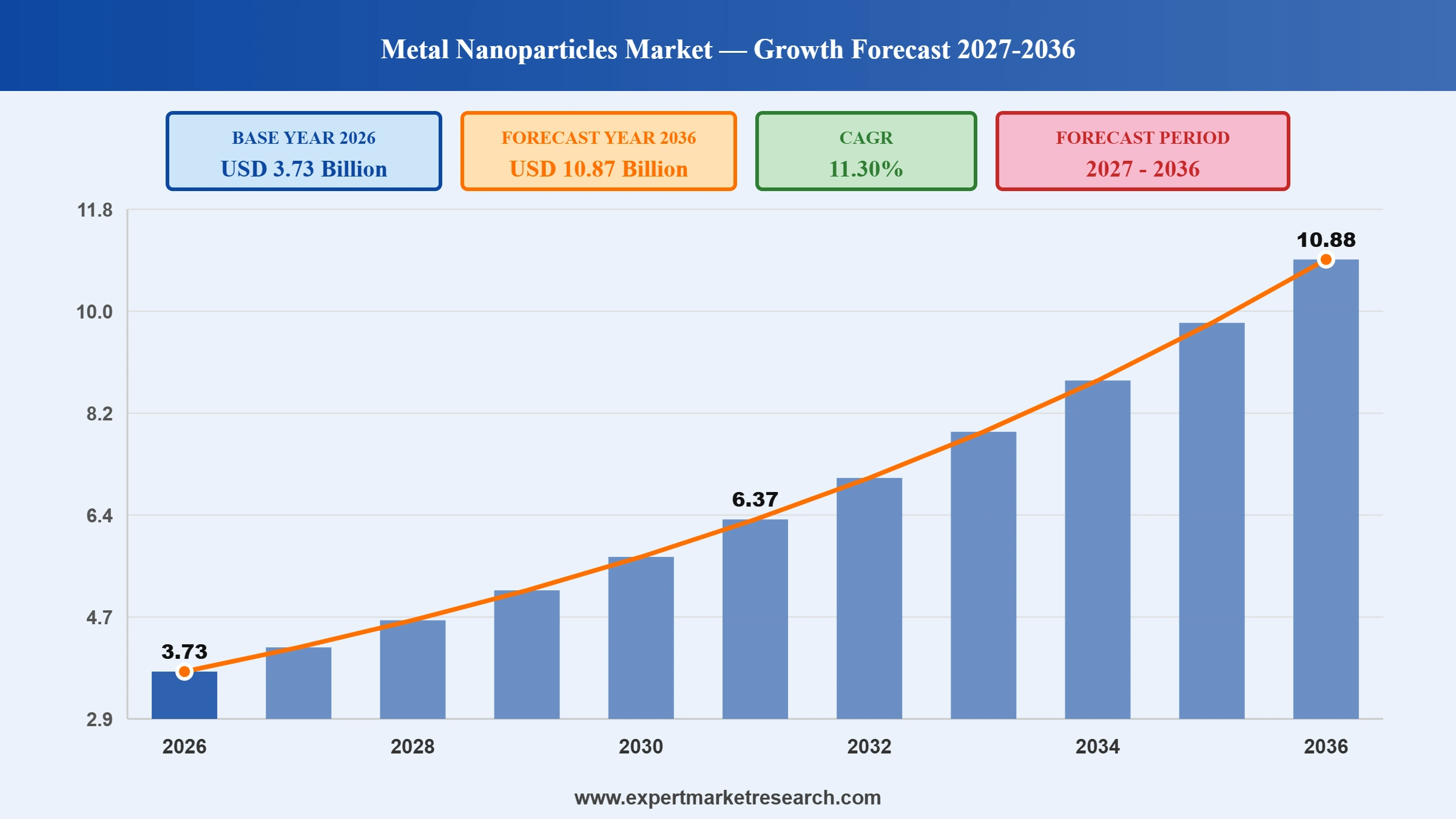
The global metal nanoparticles market attained a value of USD 3.35 Billion in 2025 and is projected to expand at a CAGR of 11.30% through 2035. The market is further expected to achieve USD 9.77 Billion by 2035. Increased utilization of metal nanoparticles for highly sensitive diagnostics is leading to rising demand owing to the ability of these nanoparticles to offer enhanced detection, multiplexing abilities, and more sophisticated point-of-care diagnostic devices owing to their nanoscale optical properties.
Factors that are facilitating metal nanoparticles market growth include the increasing use of diagnostics through nanotechnology and the production of efficient catalysts. Gold nanoparticles continue being utilized in lateral flow tests, whereas silver nanoparticles are being created for antimicrobial applications. Platinum-group metal nanoparticles are gaining traction among industry buyers looking for increased catalytic efficiency but lower amounts of expensive metals.
Further, the metal nanoparticles market is progressing through increasingly specialized product platforms, demonstrated by NanoComposix, whose product line has evolved around precisely engineered metal and metal oxide nanoparticles that have diagnostic, therapeutic, sensing, and optical uses. It can manufacture particles ranging from about 2 nm to above 500 nm, thereby providing its customers with the ability to customize the optical and catalytic properties of its products depending on their sizes. On the other hand, in February 2026, Brenntag partnered with Nanum to expand industrial-scale nanomaterials distribution, strengthening access to graphene, nano-silver, and nano-cerium solutions. Such levels of engineering are gaining importance as diagnostics in the medical industry, advanced coating and photonic devices need precise performance of nanoparticles rather than raw material.
Product development in the metal nanoparticles market is also being influenced by the trend towards scaling up and application specific formulations. Manufacturers are focused on producing surface-functionalized gold, silver, platinum, and magnetic nanoparticles that can be directly incorporated into assays, drug delivery vehicles, catalysts, and conductive inks. Manufactures are also developing more consistent batches of particles, reducing the chances of aggregating particles, and surface modification to help the customers save the formulation time. In August 2026, First Mining signed a project agreement with Cat Lake and Lac Seul First Nations, supporting Springpole Gold Project development and environmental stewardship.
Read more about this report - REQUEST FREE SAMPLE COPY IN PDF
| Global Metal Nanoparticles Market Report Summary | Description | Value |
| Base Year | USD Billion | 2025 |
| Historical Period | USD Billion | 2019-2025 |
| Forecast Period | USD Billion | 2026-2035 |
| Market Size 2025 | USD Billion | 3.35 |
| Market Size 2035 | USD Billion | 9.77 |
| CAGR 2019-2025 | Percentage | XX% |
| CAGR 2026-2035 | Percentage | 11.30% |
| CAGR 2026-2035 - Market by Region | Latin America | 11.9% |
| CAGR 2026-2035 - Market by Country | China | 12.1% |
| CAGR 2026-2035 - Market by Country | Mexico | 11.6% |
| CAGR 2026-2035 - Market by Synthesis Process | Bio-Based Process | 13.2% |
| CAGR 2026-2035 - Market by End Use | Pharmaceuticals and Healthcare | 12.2% |
| Market Share by Country 2025 | Japan | 4.6% |
Artis BioSolutions established mRNA and lipid nanoparticle manufacturing capacities at their facility in Bilbao, thus adding value in terms of integrated development and manufacturing support for genetic drugs. Companies in the metal nanoparticles market can now build manufacturing capacities for nanoparticles and utilize specialized CDMO services to cater to the rising demand for advanced therapeutic delivery systems.
Evonik inaugurated its GMP facility in Vancouver, enhancing its lipid-based drug delivery and commercial-scale advanced therapeutic manufacturing capacity. Other companies can scale up GMP manufacturing capacities and build specialized nanoparticle delivery platforms to capitalize on growing outsourcing demands within pharmaceuticals and biotech industries.
Researchers innovated new technologies by developing nanoparticles, which have exhibited superior functional abilities and widened the scope of applications in biomedical and therapeutic research. Commercialization of new nanoparticle research can be undertaken by companies through partnerships, based on scalable nanoparticles for diagnosis, therapeutics, and precision medicine applications.
Galmed innovated a cardiac-targeted formula of Aramchol using the latest nanoparticle technologies, providing better possibilities for targeted delivery of drugs in cardiovascular therapy. Companies can innovate new delivery systems based on organ-specific nanoparticles for better targeted therapeutics and pharmaceutical products, boosting growth in the metal nanoparticles market.
The growing requirement of precision nanomedicine is increasing the demand for advanced gold nanoparticle fabrication facilities in the pharmaceutical industry. For example, Litchlab offers a Gold Nanoparticle Drug Delivery CDMO Platform for the development of processes and manufacturing of gold nanoparticles under the guidance of the company for the needs of pharmaceutical companies. Such developments in the metal nanoparticles market demonstrate the ongoing trend of switching from selling research-grade particles to offering integrated development services for particles needed for applications in oncology, immunotherapy, gene therapy, which require surface modification of particles. Similarly, in October 2025, Peptinovo selected Ardena to manufacture its targeted cancer nanotherapy, supporting scalable, reproducible production ahead of planned clinical trials.
Metallic nanoparticles are becoming increasingly valuable in next generation diagnostic products due to their improved performance in terms of optical, catalytic, and electrical properties, which improve detection sensitivity. Gold nanoparticles are becoming particularly interesting for colorimetric biosensors and lateral flow technologies, whereas platinum and silver nanoparticles are becoming popular in enhancing sensing functionalities. According to a scientific review published in 2025, engineered nanoparticles play a critical role in increasing sensitivity of in vitro detection and real-time multiplexed analysis of analytes. Application-ready particles with a specific size distribution and surface chemistry are being developed by companies. This trend in the metal nanoparticles market supports government-backed biomedical innovation as EU research programs continue financing collaboration projects that involve nanomaterials, diagnostics, imaging, and advanced healthcare technologies.
The metal nanoparticles market observes emerging opportunities in the clean energy transition for metal nanoparticle suppliers involved in providing catalytic nanoparticles with increased exposed surface areas for hydrogen, fuel cell technology applications, and process decarbonization. Metallic nanoparticles such as platinum, palladium, nickel, and others increase surface exposure and help manufacturers improve their catalytic efficiency using smaller amounts of materials. Suppliers are encouraged to use scalable manufacturing processes and nanoparticle design that will be less dependent on critical raw materials. In June 2026, University at Buffalo researchers developed a rapid process producing uniform high-entropy alloy nanoparticles for lower-cost, high-performance clean-energy catalysts.
Manufacturers of electronics and smart devices are promoting a paradigm shift where nanoparticles can be integrated directly into surfaces, further accelerating the metal nanoparticles market growth. In April 2026, MIT.nano added sixteen START.nano companies, accelerating commercialization of nanomaterial technologies addressing energy, healthcare, semiconductor, climate, and advanced materials challenges. These projects are favorable for metal nanoparticle suppliers providing materials for sensors, conductive elements, photonics, and miniaturized electronics. Suppliers are encouraged to develop nanoparticles with controlled properties such as shape, positioning, and surface chemistry. This is done to control their conductivity and optical properties.
Government-supported funding is helping develop the pipeline for commercially viable nanoparticles through collaboration between academia and the metal nanoparticles market players. The 2025 work program from Horizon Europe included the expansion of calls within each research cluster, and the European Commission initiated EUR 536.1 million worth of Digital, Industry and Space calls in June 2025. Both programs are important for developers of advanced materials dealing with strategic technologies and competitiveness in industries. Moreover, in December 2025, India notified a INR 7,280 crore scheme to boost rare-earth magnet manufacturing, strengthening domestic capabilities and reducing import dependence.
The Expert Market Research's report titled “Metal Nanoparticles Market Report and Forecast 2026-2035” offers a detailed analysis of the market based on the following segments:
Market Breakup by Type of Metal
Key Insight: Gold takes advantage of its biomedical compatibility and surface chemistry customization, while silver sees an increase in popularity through its use in antimicrobial coatings. Iron is valuable for its ability to undergo magnetic separation and imaging techniques, accelerating the overall metal nanoparticles market expansion. Copper is driven by conductive inks, antimicrobial applications, and alternative cheaper materials for certain electronic uses. Nickel is useful for catalysts and energy-related formulations, whereas platinum is valued for its role in catalysts and fuel cells.
Market Breakup by Synthesis Process
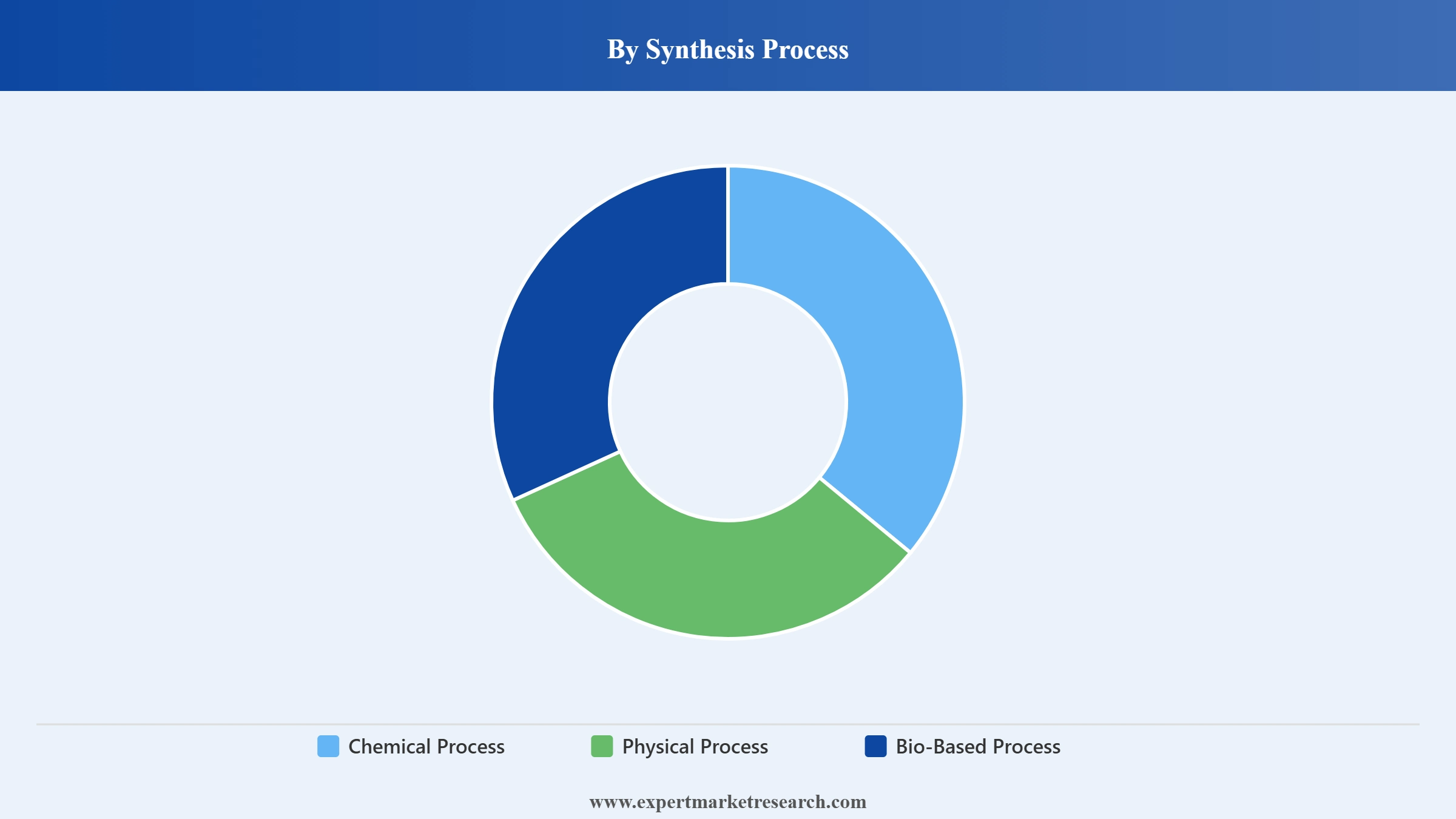
Key Insight: As per the metal nanoparticles market report, chemical processes follow the path of accurate engineering, scalability, and consistency with specific functionalization needs. Physical processes are relevant for those processes that require highly purified materials and specific particle morphology, although high equipment intensity can hamper wider adoption. In August 2026, researchers synthesized Astragalus-derived zinc oxide nanoparticles, demonstrating antibacterial, antibiofilm, antioxidant, and photocatalytic activities for biomedical and environmental applications. Biological processes are becoming popular owing to lesser reliance on harsh chemicals, sustainability considerations, and development of biocompatible nanoparticles. Manufacturers are choosing synthesis approaches based on desired particle uniformity, output volume, purity levels, particle surface properties, and economic feasibility of applications.
Market Breakup by End Use
Key Insight: The need for pharmaceutical and healthcare products is met by delivery, diagnostic, imaging, and antimicrobial technologies, boosting the metal nanoparticles market value. Electrical and electronics sectors promote adoption by means of conductive inks, sensors, miniaturization, and functional components. Catalysis requires high surface areas and active sites to make reactions more efficient and effective. Personal care and cosmetics make use of specially chosen nanoparticles for antimicrobial, optical, and specific formulation purposes, ensuring safety compliance.
Market Breakup by Region
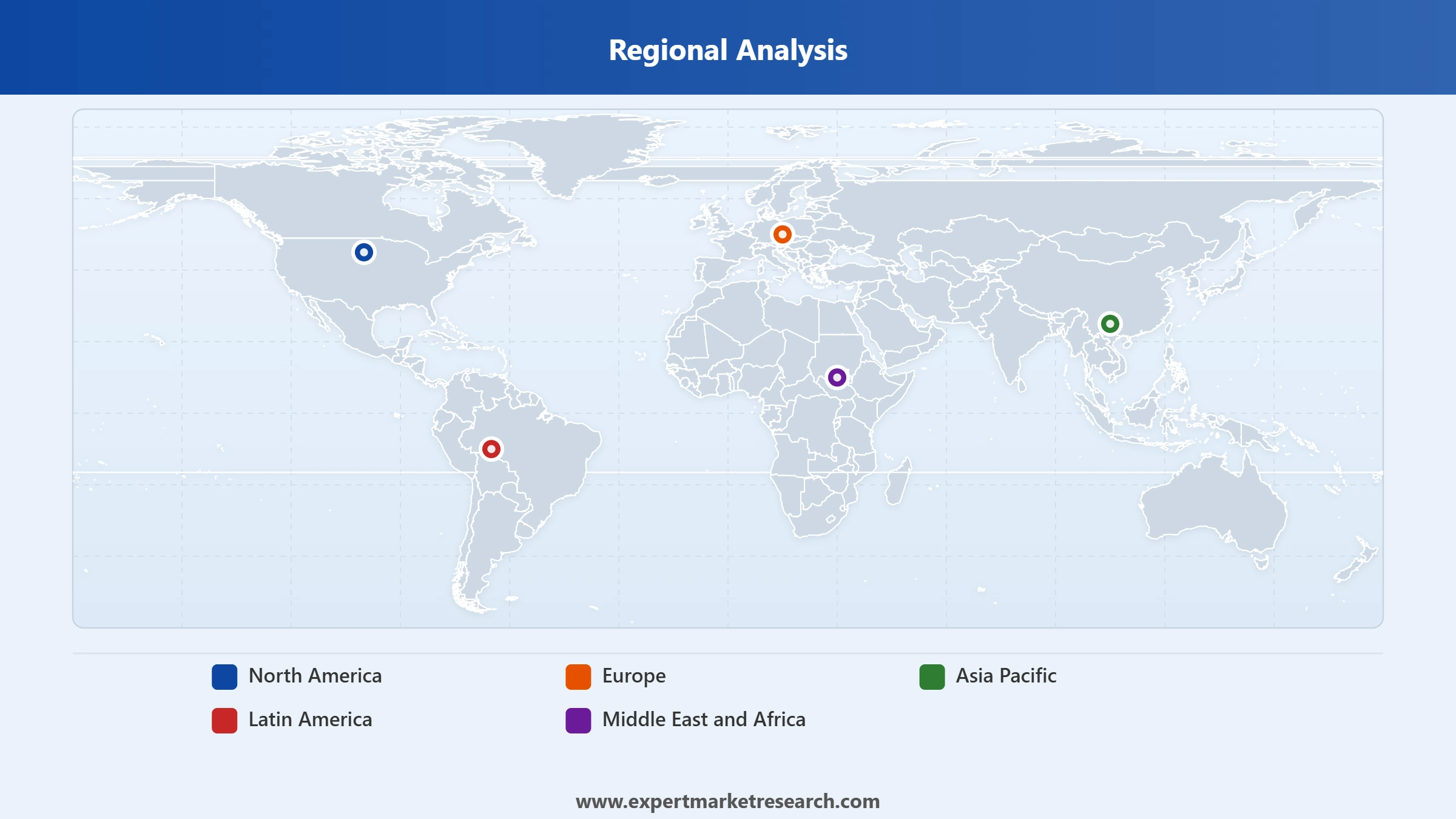
Key Insight: North America leads the global market with commercialization of research, biomedical innovation, advanced material knowledge, and technology partnerships. Growth of the metal nanoparticles market in Europe is motivated by sustainability requirements, research collaboration, and the need for high-performance materials for medical, automotive, energy, and industry use. Asia Pacific records the highest growth rate with electronics manufacture, increased investments in healthcare, nanotechnology research, and capability of large industrial production. Latin America provides potential for research in healthcare, materials for mining industry, and new industrial uses. Middle East and Africa capitalize on investments in advanced healthcare technologies, energy solutions, water purification, and research, making selective opportunities available to suppliers of specialized nanoparticles.
By metal, gold registers the largest share of the market due to strong biomedical applications
Gold nanoparticles are highly popular owing to their versatile optical properties, biocompatibility, and the possibility to functionalize their surface to be used in various diagnostic, therapeutic, and research applications. They are used by pharmaceuticals and biotech companies for targeted drug delivery, biosensors, imaging, and development of lateral flow assays. Suppliers in the metal nanoparticles market offer products that can be precisely customized by size, shape, coating type, and possibility for conjugation for various applications. The chemical stability of these nanoparticles allows using them in reproducible formulations and storage conditions.
Silver nanoparticles show the highest rate of growth in the metal nanoparticles market among metal nanoparticles owing to the increasing demand for antimicrobial formulations, functional coatings, wound care products, textiles, and healthcare products. The wide-spectrum antimicrobial properties allow producers of these nanoparticles targeting infection control products and industrial coatings market. Manufacturers are developing the particles with surface modifications suitable for polymers, liquid, and composite coatings. In June 2026, researchers developed silver nanoparticle technology enabling precise DNA cutting and joining, improving assembly efficiency for genetic engineering applications.
By synthesis process, the chemical segment accounts for the largest share of the market due to precise scalability
Chemical synthesis holds the dominant share in the metal nanoparticles market due to the possibility of precise manipulation of such parameters as particle size, shape, composition, and surface properties when preparing materials for diverse commercial applications. By means of reduction, precipitation, sol-gel, and similar techniques, suppliers of materials could tailor nanoparticles for diagnostic, catalytic, coating, and electronic applications. These processes are preferred by companies due to their ability to adjust known process parameters to meet larger volumes of production and unique needs of customers. In August 2026, researchers developed stabilized Ni-La nanoparticles using dry-gel synthesis, improving catalyst durability, and efficiency for methane reforming.
Read more about this report - REQUEST FREE SAMPLE COPY IN PDF
Bio-based synthesis is becoming the fastest growing process segment in the metal nanoparticles market since customers demand nanoparticle manufacturing based on microorganisms, plant extracts, enzymes, and other biological reducers. Scientists work in the direction of less consumption of harmful reagents and gentler process conditions while maintaining commercially valuable properties of nanoparticles. This process attracts the attention of companies operating in the medical products, cosmetics, and sustainable materials development fields.
Pharmaceuticals and healthcare categories account for the largest share of the market due to advanced nanomedicine
The pharmaceuticals and healthcare category continues to be dominant due to the commercial value offered by metal nanoparticles in diagnostics, imaging, delivery, antimicrobials, and biosensors. Gold, iron, and silver nanoparticles are increasingly engineered by modifying surfaces to be more responsive to certain biological targets or better performing as part of the formula. Manufacturers serving this segment of the metal nanoparticles industry are placing more emphasis on particle uniformity, ability to ensure sterility, traceability, and customized documentation of the application.
The electrical and electronics sector observes the highest growth rate among the end-users as manufacturers look for materials that can be used to create smaller and lighter electronics with increased complexity. This market is particularly interested in silver and copper nanoparticles, which could help in creating conductive features while reducing material consumption. Companies in the metal nanoparticles market are developing formulations which have superior performance when it comes to sintering and dispersion. In June 2026, researchers developed a nanoparticle exsolution strategy, enabling simultaneous control of oxide thin films’ electronic conductivity and magnetic properties.
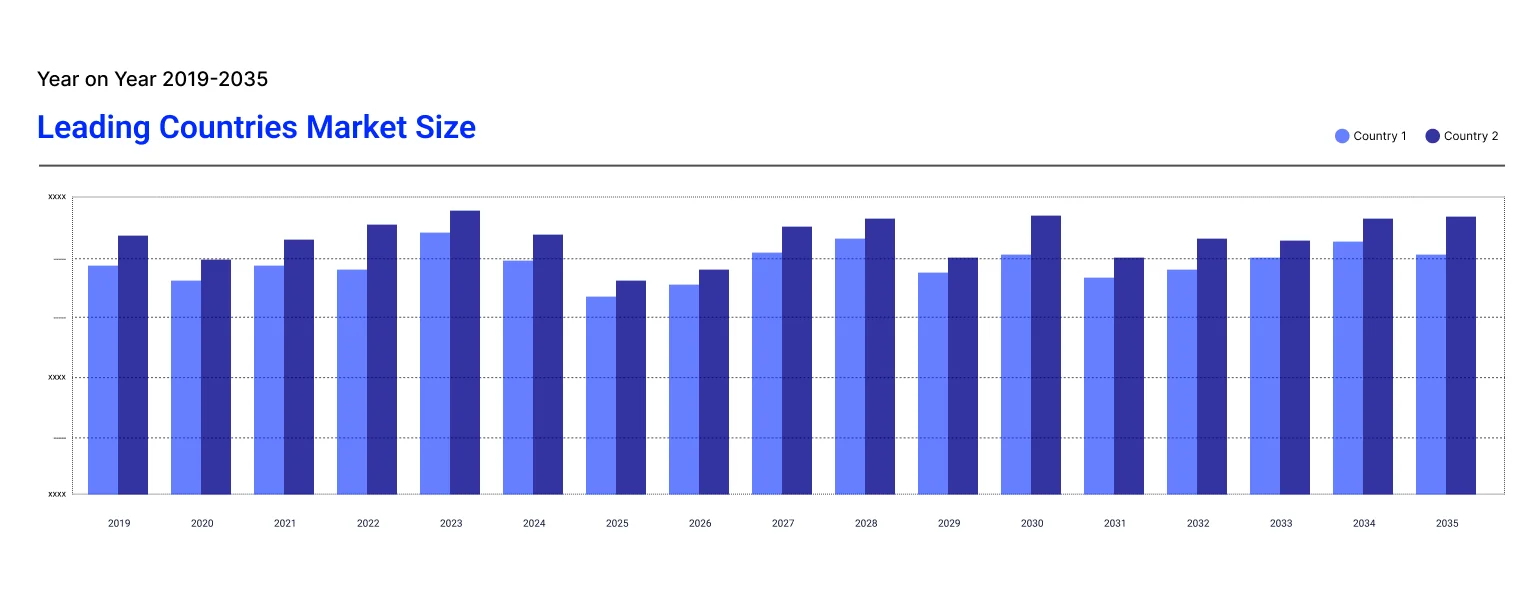
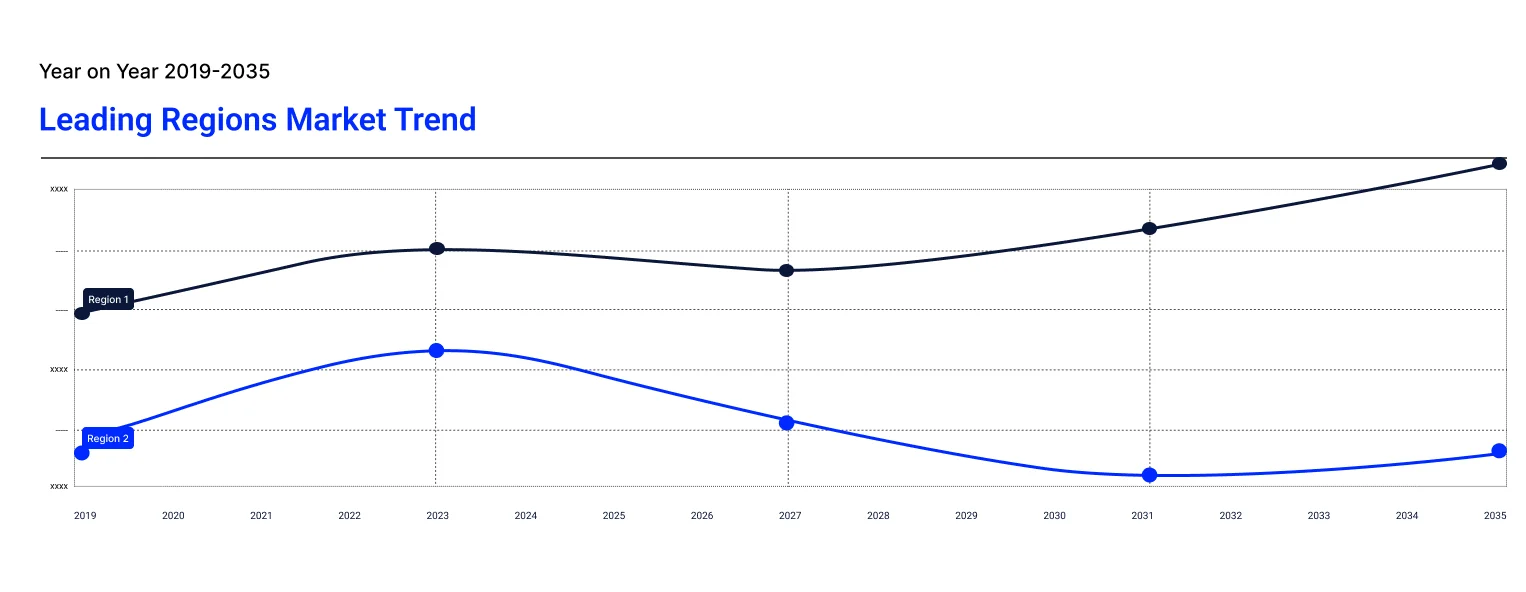
Read more about this report - REQUEST FREE SAMPLE COPY IN PDF
North America clocks in the leading market position due to advanced innovation infrastructure
North America dominates the metal nanoparticles market owing to its dominance in biotechnology, pharmaceuticals, electronics, and advanced materials industries, which provide a platform for commercialization of specialty metal nanoparticles. Firms enjoy an extensive network of collaborations with universities, national laboratories, startups, and existing industrial manufacturers in research activities. The healthcare industry of North America provides continuous demand opportunities for nanoparticles for diagnostic, imaging, drug delivery, and antimicrobial applications. In June 2026, NIST researchers developed a laser-based method for rapidly mixing alloys, enabling efficient synthesis of high-entropy alloy nanoparticles.
Read more about this report - REQUEST FREE SAMPLE COPY IN PDF
The Asia Pacific region is the most rapidly growing metal nanoparticles market, with countries like China, Japan, South Korea, India, and others investing in electronics, healthcare technology, advanced materials, and energy solutions. Companies in this region are making efforts to make nanoparticle engineering more cost-effective along with advanced capabilities. Advanced electronics industry provides demand opportunities for conductive, magnetic, and optical nanoparticles, while pharmaceutical industry developments are providing opportunities for diagnostics and nanomedicine research.
Differentiation within the global market is taking a more defined path where metal nanoparticle companies move beyond providing plain metal nanoparticles powder to engineered particles with controlled properties such as particle size, shape, surface chemistry, and stability. There is a trend towards developing products which are useful in diagnostics, drug delivery, antimicrobials, catalysts, conductive ink, and highly sophisticated sensors. Customization is one of the key areas of competition within this market where firms are offering customization services that allow customers to get nanoparticles that have performance characteristics in biology, optics, conductivity, and catalysis.
Leading metal nanoparticles market players are also increasing their services in areas such as nanoparticle characterization, application development, and scale-up which help to develop strong relationships with the customers during all stages of commercialization. Some of the emerging opportunities within the market include greener synthesis, less use of precious metals, and formulation of nanoparticles ready for application. Manufacturers who are able to increase batch reproducibility and documentation are becoming increasingly significant, especially among pharmaceutical and healthcare customers.
Cytodiagnostics Inc., incorporated in 2009 and based in Canada, is serving the market by way of gold and silver nanoparticles, conjugates, lateral flow assay components, and custom nanoparticles. Cytodiagnostics Inc. is catering especially to the diagnostics and life sciences markets by supplying application-based nanoparticles that vary in size, shape, surface treatments, and biomolecule conjugation ability.
Merck KGaA, founded in 1668 and headquartered in Darmstadt, Germany, is catering to its metal nanoparticle customers with the help of its wide range of advanced materials, life sciences, and research products. Merck KGaA focuses on targeting laboratories and industrial developers with specialty nanomaterials, analytical support, and high-quality chemicals.
American Elements was founded in 1998 and is based in California, United States. American Elements offers metal nanoparticles that include a broad variety of elements and compositions. The company is targeting customers who need customized particle sizes, purities, and formulations. Its comprehensive material range helps in exploring various avenues like catalysis, electronics, energy, coatings, additive manufacturing, and research projects.
Nanoshel LLC was founded in 2005 and is located in the United States. Nanoshel LLC offers metal nanoparticles, nanocomposites, and other nanomaterials to research and industrial customers. The company is targeting customers by offering a broad range of products including gold, silver, copper, nickel, platinum, and other materials. Its products help in developing products in areas such as antimicrobials, catalysts, electronics, energy, coatings, and scientific research.
Other key players in the market include Tanaka Holdings Co., Ltd., EPRUI Biotech Co. Ltd., Fortis Life Sciences Company, SkySpring Nanomaterials, Inc., Meliorum Technologies, Inc., Nanostructured & Amorphous Materials, Inc., and Nanocs Inc., among others.
*Please note that this is only a partial list; the complete list of key players is available in the full report. Additionally, the list of key players can be customized to better suit your needs.*
Unlock the latest insights with our metal nanoparticles market trends 2026 report. Discover regional growth patterns, consumer preferences, and key industry players. Stay ahead of competition with trusted data and expert analysis. Download your free sample report today and drive informed decisions in the market.


Upto 15% Off
USD
$2499 $2249
$3999 $3599
$4999 $4249
$5999 $5099


*While we strive to always give you current and accurate information, the numbers depicted on the website are indicative and may differ from the actual numbers in the main report. At Expert Market Research, we aim to bring you the latest insights and trends in the market. Using our analyses and forecasts, stakeholders can understand the market dynamics, navigate challenges, and capitalize on opportunities to make data-driven strategic decisions.*
The market reached a value of approximately USD 3.35 Billion in 2025.
The market is projected to grow at a CAGR of 11.30% between 2026 and 2035.
The market is estimated to witness a healthy growth in the forecast period of 2026-2035 to reach USD 9.77 Billion by 2035.
Stakeholders are investing in customized formulations, improving batch reproducibility, building application partnerships, adopting greener synthesis, strengthening regulatory documentation, and scaling specialized production for diagnostics, electronics, catalysis, and healthcare customers.
The key trends fuelling the growth of the market include growing applications of nanoparticles in healthcare sector, increasing demand from the electronics industry, and rising requirement for air and water purification.
The major regions in the market are North America, Europe, the Asia Pacific, Latin America, and the Middle East and Africa.
The significant types of metals include gold, silver, iron, nickel, copper, nickel, platinum, and titanium, among others.
The key players in the market are Cytodiagnostics Inc ©, Merck KGaA, American Elements, Nanoshel LLC, Tanaka Holdings Co., Ltd., EPRUI Biotech Co. Ltd., Fortis Life Sciences Company, SkySpring Nanomaterials, Inc., Meliorum Technologies Inc., Nanostructured & Amorphous Materials Inc., and Nanocs Inc., among others.
Companies are facing scale-up difficulties, batch inconsistencies, costly characterization, complex safety requirements, regulatory uncertainty, aggregation issues, and pressure to lower production costs while maintaining application-specific performance.
Explore our key highlights of the report and gain a concise overview of key findings, trends, and actionable insights that will empower your strategic decisions.
| REPORT FEATURES | DETAILS |
| Base Year | 2025 |
| Historical Period | 2019-2025 |
| Forecast Period | 2026-2035 |
| Scope of the Report |
Historical and Forecast Trends, Industry Drivers and Constraints, Historical and Forecast Market Analysis by Segment:
|
| Breakup by Type of Metal |
|
| Breakup by Synthesis Process |
|
| Breakup by End Use |
|
| Breakup by Region |
|
| Market Dynamics |
|
| Competitive Landscape |
|
| Companies Covered |
|
Datasheet
One User
USD 2,499
USD 2,249
tax inclusive*
Single User License
One User
USD 3,999
USD 3,599
tax inclusive*
Five User License
Five User
USD 4,999
USD 4,249
tax inclusive*
Corporate License
Unlimited Users
USD 5,999
USD 5,099
tax inclusive*
*Please note that the prices mentioned below are starting prices for each bundle type. Kindly contact our team for further details.*
Flash Bundle
Small Business Bundle
Growth Bundle
Enterprise Bundle
*Please note that the prices mentioned below are starting prices for each bundle type. Kindly contact our team for further details.*
Flash Bundle
Number of Reports: 3
20%
tax inclusive*
Small Business Bundle
Number of Reports: 5
25%
tax inclusive*
Growth Bundle
Number of Reports: 8
30%
tax inclusive*
Enterprise Bundle
Number of Reports: 10
35%
tax inclusive*
How To Order

Select License Type
Choose the right license for your needs and access rights.

Click on ‘Buy Now’
Add the report to your cart with one click and proceed to register.

Select Mode of Payment
Choose a payment option for a secure checkout. You will be redirected accordingly.
Strategic Solutions for Informed Decision-Making
Gain insights to stay ahead and seize opportunities.

Get insights & trends for a competitive edge.

Track prices with detailed trend reports.

Analyse trade data for supply chain insights.

Leverage cost reports for smart savings

Enhance supply chain with partnerships.

Connect For More Information
Our expert team of analysts will offer full support and resolve any queries regarding the report, before and after the purchase.
Our expert team of analysts will offer full support and resolve any queries regarding the report, before and after the purchase.
We employ meticulous research methods, blending advanced analytics and expert insights to deliver accurate, actionable industry intelligence, staying ahead of competitors.
Our skilled analysts offer unparalleled competitive advantage with detailed insights on current and emerging markets, ensuring your strategic edge.
We offer an in-depth yet simplified presentation of industry insights and analysis to meet your specific requirements effectively.




