

Consumer Insights
Uncover trends and behaviors shaping consumer choices today
Procurement Insights
Optimize your sourcing strategy with key market data
Industry Stats
Stay ahead with the latest trends and market analysis.
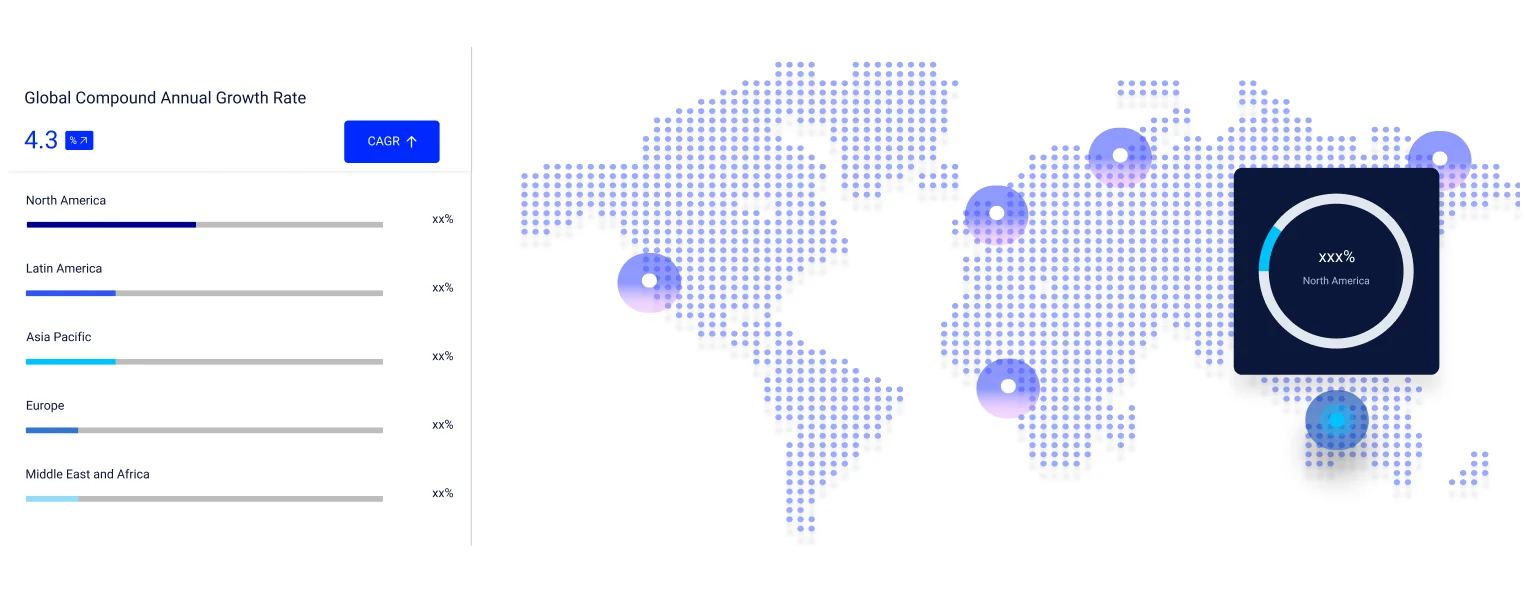
The global natural sweeteners market was valued at USD 147.18 Million in 2025. The market is expected to grow at a CAGR of 6.30% during the forecast period of 2026-2035 to reach a value of USD 271.13 Million by 2035. Technological innovation in ingredient discovery and the growing demand for healthier food formulations are the key factors that are driving the overall market growth.
Consumer demand for clean-label and naturally-sourced ingredients is becoming an important factor fueling the growth of the natural sweeteners market. In the case of foods and beverages, the natural sweeteners are being increasingly employed instead of processed sugars owing to consumers' preferences for minimally processed products. Moreover, advances in ingredient processing technologies are enhancing the functionalities of natural sweeteners. For example, innovations in precision extraction and fermentation technologies are being made in order to tackle issues like bitterness and poor solubility of natural sweeteners.
Furthermore, the rising need for sugar substitutes that do not provide any calories is encouraging food and beverages companies to focus on innovations. As a result, technologies such as artificial intelligence and molecular analysis are being developed. These help in the identification of natural sources of sweeteners. Innovations like these are also enabling players to overcome some of the limitations of natural sweeteners such as availability of sources, time-consuming processes, and formulating difficulties, propelling the innovation trend in the natural sweeteners market.
For example, in January 2026, 2nd Nature introduced a range of its AI-based functional ingredients comprising non-calorie natural sweeteners discovered from the waste products of agricultural crops like wheat, soy, rice, and corn. The discovery was made using the AgWaste Portal AI platform created by 2nd Nature to analyze molecular composition and discover functional ingredients capable of imitating the taste of sugar.
Compound Annual Growth Rate
6.3%
Value in USD Million
2026-2035
Read more about this report - REQUEST FREE SAMPLE COPY IN PDF
| Global Natural Sweeteners Market Report Summary | Description | Value |
| Base Year | USD Million | 2025 |
| Historical Period | USD Million | 2019-2025 |
| Forecast Period | USD Million | 2026-2035 |
| Market Size 2025 | USD Million | 147.18 |
| Market Size 2035 | USD Million | 271.13 |
| CAGR 2019-2025 | Percentage | XX% |
| CAGR 2026-2035 | Percentage | 6.30% |
| CAGR 2026-2035 - Market by Region | North America | 6.0% |
| CAGR 2026-2035 - Market by Country | India | 7.5% |
| CAGR 2026-2035 - Market by Country | Saudi Arabia | 6.9% |
| CAGR 2026-2035 - Market by Type | High Intensity Sweeteners | 6.8% |
| CAGR 2026-2035 - Market by Distribution Channel | Online Retailers | 9.6% |
| Market Share by Country 2025 | Japan | 4.3% |
Tate & Lyle extended its partnership with BioHarvest Sciences to evaluate the potential of utilizing botanical synthesis technology for developing various plant-based sweetener molecules. This development was executed with an objective to ensure that natural, new-age sweetening agents can be easily made available to food and beverages companies, thereby propelling the natural sweeteners market growth.
Natural sweetener startup Sweet Change secured an investment of INR 70 lakh from IAN Angel Fund at the early stage. The funding enabled the company to diversify its portfolio of natural sweetener alternatives and distribute them via omnichannel networks.
In order to provide cost-efficient and healthier sugar reduction solutions to manufacturers in the food and beverages industry through innovative sweetener systems, Oobli collaborated with Ingredion in creating an advanced sweetener system that utilized sweet proteins and natural sweeteners, like stevia.
Elo Life Systems secured USD 20.5 million in Series A2 funding for the development of a natural sweetener from monk fruit using molecular farming technology. This type of financial activity demonstrates increased research and development investments in natural sweeteners products.
Product innovation and the development of various natural sweeteners' formulations are critical factors that are driving growth of the natural sweeteners market. Companies are focusing on developing zero calorie and low-calorie sweetener products for consumers who are looking for healthier substitutes to sugar but want to keep the flavor and functional benefits of using sugar in their food and beverages. Such developments allow companies to diversify their portfolio and offer their products in various forms like table-top sweeteners, beverages, and baking products. In June 2023, SweetLeaf, for example, introduced innovative products like zero calorie sweeteners and 50% lower calorie sugar blends.
The emergence of new sources of natural sweeteners is bolstering the supply chain and assisting in the commercialization of natural alternatives to sugar. Research organizations and agriculture programs are working on growing high-intensity natural sweeteners plants in order to increase production capacity and decrease dependency on restricted geographical locations, reshaping the natural sweeteners market dynamics. Cultivating these crops also assists in increasing availability of ingredients for food manufacturing industries. For instance, in May 2026, CSIR-Institute of Himalayan Bioresource Technology launched the low-calorie natural sweetener plant monk fruit (Siraitia grosvenorii) in India, whose mogrosides are much sweeter than sucrose.
Emerging R&D activities and commercialization of next generation sweetener compounds are fostering innovation in the natural sweeteners market. Firms are focusing on developing high-end formulation technologies in order to manufacture sweeteners that not only deliver the same taste as sugar but are also low-calorie and low-glycemic. These advances are helping firms enhance sensory quality and functional applications in various food and beverage items. For example, in October 2024, NutraEx Food Inc. launched “Bi-Sugar,” a new generation sweetener product that aims to provide the same functional benefits as traditional sugar but is low in calories.
As the levels of obesity and diabetes increase due to excessive sugar consumption, consumers are gravitating towards low-calorie and natural sweeteners as alternatives to sugar. Given the efforts made by the government and health organizations to lower the consumption of sugar, firms are employing alternative sweeteners that would help meet the demands of their consumers. Natural sweeteners such as stevia, monk fruit, and sweet proteins are gaining popularity because they offer consumers the sweetness without adding any extra calories. The ongoing discussions in the media and scientific circles concerning other natural sweeteners such as brazzein and stevia, as highlighted in The Atlantic in April 2024, support this trend in the natural sweeteners market.
Natural sweeteners are used more often in the development of new beverages as food and beverages companies attempt to capitalize on the emerging demand for healthy ready-to-drink beverages. The use of natural products such as molasses, plant milk, and different sugars enables the development of beverages that are functional and rich in nutrients. It is also helpful in the production of unique-flavored beverages in the beverages industry. For instance, Blackmores introduced some innovative instant beverages with molasses and oat milk in May 2023 at the FHA food show.
Read more about this report - REQUEST FREE SAMPLE COPY IN PDF
The Expert Market Research's report titled “Global Natural Sweeteners Market Report and Forecast 2026-2035” offers a detailed analysis of the market based on the following segments:
Market Breakup by Type
Key Insight: The low intensity sweeteners including honey, maple syrup, and coconut sugar are gaining popularity in the natural sweeteners market due to their natural origin and minimal processing, which makes them an important ingredient in clean label products. The high intensity sweeteners including stevia and monk fruit are widely utilized in the food and beverage industry due to their capability of providing intense sweetness without adding any calories. The sweet proteins and rare sugars can be cited as some of the examples of natural sweeteners belonging to others category. Companies like Cargill and Tate & Lyle are making heavy investments in formulation.
Market Breakup by Product
Key Insight: Stevia leads the innovation front due to its high intensity sweetness and suitability for sugar reduction programs, whereas maple syrup and honey continue to be popular ingredients in bakery, confectionery, and beverages because of their natural flavors. Molasses and coconut sugar find increasing use in functional foods and vegan formulations due to their mineral content and unique flavors, boosting demand in the natural sweeteners market. Under the others category, monk fruit and sweet proteins are being marketed as commercially viable products. For example, in July 2025, Bioenergy Life Science introduced PureSweet, which is a stevia sweetener of the Reb M type.
Market Breakup by Application
Key Insight: As per the natural sweeteners market report, the food industry segment is responsible for accelerating consumption through reformulation of bakery, confectionery, and dairy products with natural sweeteners in order to reduce the use of refined sugars. Beverages make up another significant segment with stevia and honey used by companies in developing functional drinks and low-calorie beverages. Pharmaceuticals use natural sweeteners in their syrups and chewable formulations in order to enhance the taste profile of their formulations. Personal care products also use natural sweeteners in oral care and cosmetics formulations. Nutraceuticals and dietary supplements are other uses for natural sweeteners.
Market Breakup by Distribution Channel
Key Insight: The distribution channel in the natural sweeteners market mainly comprises hypermarkets and supermarkets, which offer a range of natural sweetener products that consumers can compare in terms of price and quality. The convenience store channel helps with impulse buying of tabletop sweeteners and small pack sizes. The specialty store channel includes retail outlets that sell organic and health foods and helps with premium natural sweetener brands like raw honey, stevia extracts, and monk fruit products. E-commerce tends to be the fastest-growing distribution channel owing to its increasing popularity among consumers.
Market Breakup by Region
Key Insight: North America is leading the adoption of natural sweeteners due to the high demand for low-calorie food products and product innovations. The market in Europe is continuously evolving due to stringent sugar reduction laws and increasing consumer preference for clean label ingredients. The Asia Pacific natural sweeteners market is experiencing rapid growth due to the high awareness regarding health and cultivation of natural sweetener crops such as stevia and monk fruit. Latin America and Middle East & Africa represent emerging markets that are led by expanding food processing industry. For example, in March 2026, NEOH raised funds from REWE Group to expand reduced sugar chocolate products.
Read more about this report - REQUEST FREE SAMPLE COPY IN PDF
By type, low intensity sweeteners witness higher demand driven by rising consumer preference for minimally processed sweeteners
The low-intensity natural sweeteners market category is gaining more popularity among consumers, who are searching for minimally processed natural sweeteners that provide balanced sweetness and nutrients. The use of ingredients such as coconut sugar, honey, and maple syrup is becoming common in bakery products, beverages, and functional foods owing to their natural flavors and mineral content. Innovations are being made by companies in the development of products to suit consumer preferences. For example, in February 2025, Burlap & Barrel launched powdered coconut sugar that is sourced from single-source origins.
On the other hand, the high-intensity natural sweeteners market is gaining rapid popularity as these products reduce calories while maintaining the same level of sweetness in food. Natural sweeteners such as monk fruits are highly concentrated in sweetness; hence they are relatively cheaper compared to sugars when used in food and beverages. Some of the ways through which companies are enhancing the supply chain include biotechnology and local cultivation. For instance, Manus Bio announced plans to grow monk fruits in the Untied States, in January 2026.
By product, stevia is picking up momentum owing to technological improvements enhancing taste and solubility
Demand for stevia products remains consistent because of their zero-calorie content and suitability in formulating low sugar food and beverage products. Making stevia products more palatable and soluble is one of the main focus areas of ingredient manufacturers when it comes to increasing the potential applications of stevia. Improved stevia products which are not only more palatable but also easier to formulate into beverages and food products are being introduced. Ingredion’s PureCircle Clean Taste stevia ingredient is one such innovation introduced to address rising demand in the natural sweeteners industry.
Maple syrup is largely contributing to the natural sweeteners market value with its natural taste and organic nature, while being a less processed option compared to other sweeteners like sugar. The growing demand for organic foods is prompting many companies to launch products such as maple syrup. Additionally, investments are being made in packaging and marketing of these products to appeal to health-conscious individuals. For example, in February 2025, Pure Maple introduced an organic line of maple syrup with its brand revitalization in the international market.
By application, the food sector records a notable growth rate owing to the growing reformulation of food products with natural sweeteners
The food industry is reformulating packaged foods, bakery products, and confectioneries by including natural sweeteners to fulfill the increasing demand for alternative sources of sugar among consumers. The food industry is using natural ingredients like honey, stevia, and coconut sugar to reduce the use of refined sugars and improve taste and texture. These reforms are also supporting the adaptation of food industries to growing clean-label and wellness trends. For instance, in July 2025, Honeyman introduced new food products that contain honey as a sweetener, accelerating the overall natural sweeteners market penetration.
Use of natural sweeteners is being seen more often in personal care products, particularly in oral care products. Natural sweeteners in personal care products provide mild sweetness and better taste of formulations. Xylitol and stevia are among the key ingredients which personal care brands use to make toothpaste, mouthwash, and other oral care products. Formulations of personal care products without the use of artificial sweeteners are being made to meet the needs of health-conscious people. One such example is the introduction of SoPure Dentivia ingredient for oral care products by Howtian in January 2026.
By distribution channel, expanding retail shelf presence in hypermarkets and supermarkets is driving distribution growth
The hypermarket and supermarket segment in the natural sweeteners market is becoming pivotal for extending the consumer reach for natural sweeteners through the availability of a wide range of branded products in retail outlets. The retail chains allow companies to increase brand presence and engage in promotional activities to cater to a wider customer base. These distribution channels also help in the launch of premium and private labels. For instance, in November 2023, Rowse Honey expanded its maple syrup brand into Sainsbury’s stores.
E-commerce is fast becoming an important part of the retail distribution channel as the trend toward buying healthy food ingredients through online retailers is on the rise among consumers. E-commerce helps in reaching out to health-focused consumers and providing various types of dietary segments such as sugar-free and low-calorie products. In October 2025, for instance, Swiggy launched a “no added sugar” segment on its online platform as a way of promoting mindfulness while indirectly contributing to the global natural sweeteners market value.
Read more about this report - REQUEST FREE SAMPLE COPY IN PDF
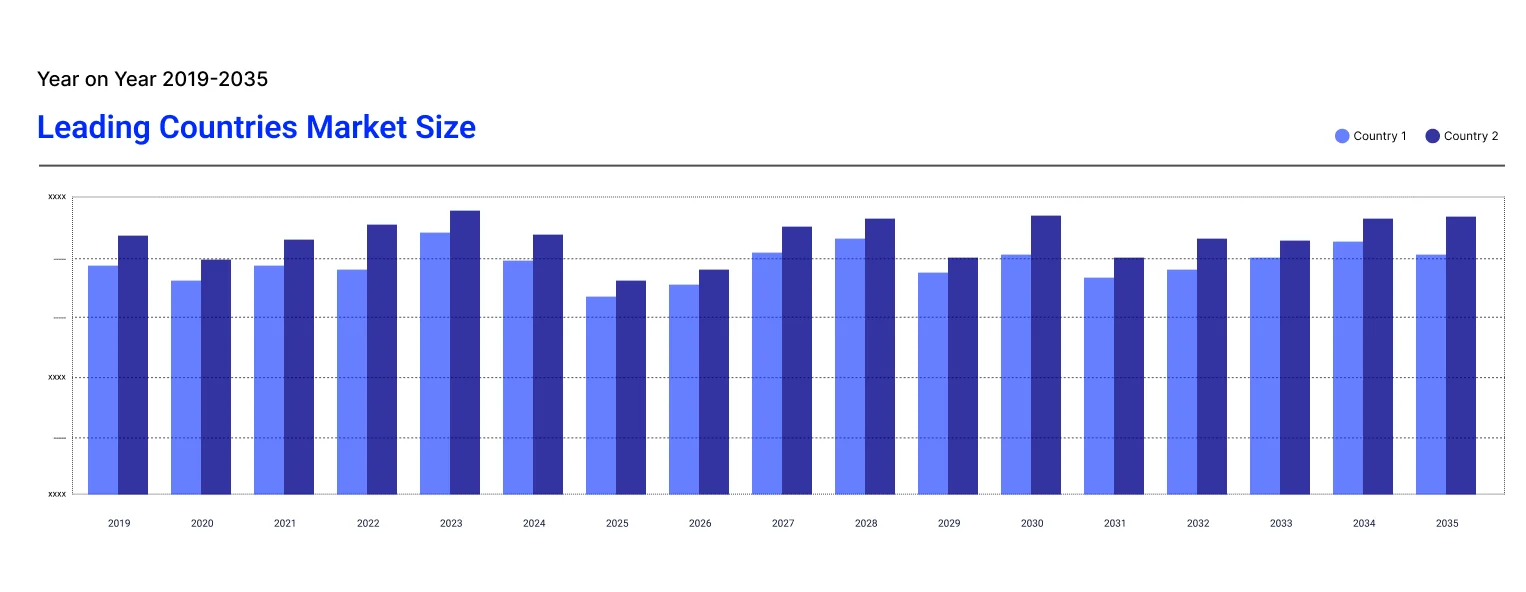
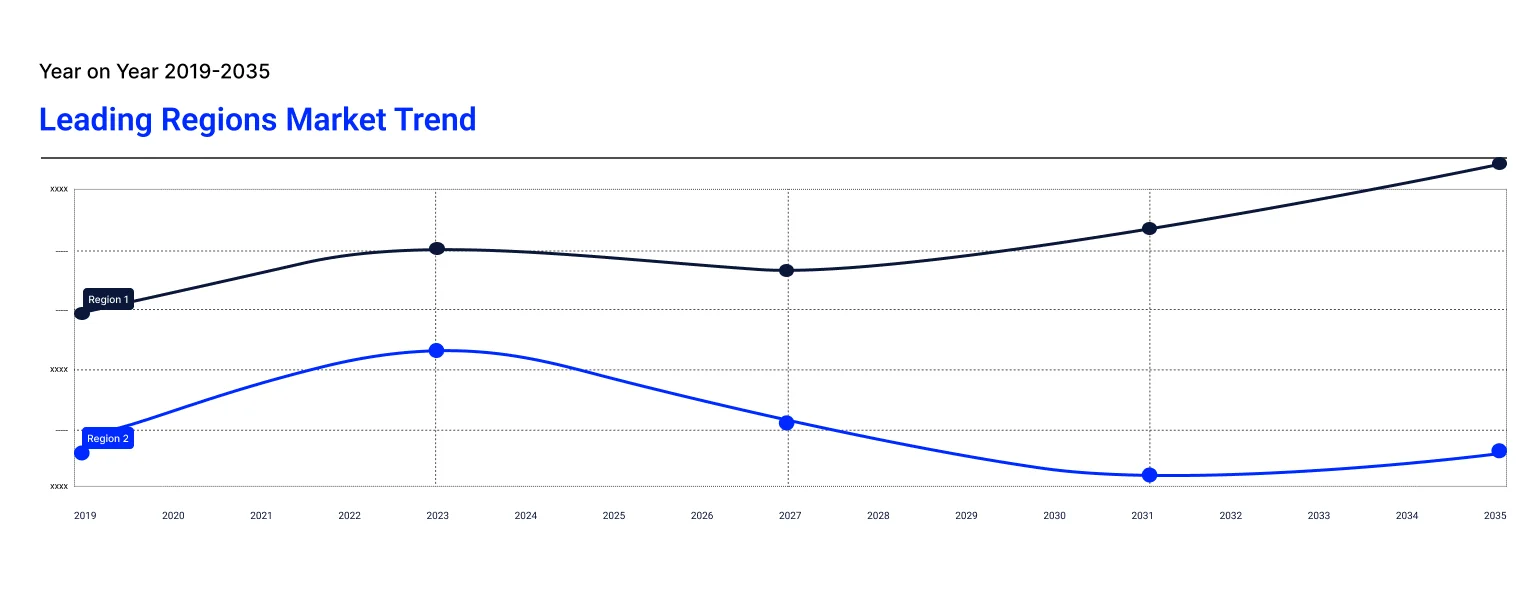
By region, North America dominates the market growth, driven by strong product innovation and premiumization trends
The growth in the North America natural sweeteners market is attributed to the high consumer awareness regarding sugar reduction and availability of natural sweetener products. Brands are coming up with innovative packaging options and premium sweetener products in order to offer convenience and differentiation in the market. Increasing popularity of honey sweetener and food products is further contributing towards the growth of the market in this region. For example, in February 2026, Honey Department launched thick honey in squeezable tube form as a new innovative product.
Rapid growth is being witnessed in the natural sweeteners market in Asia Pacific due to increasing health awareness, growth in food processing industry, and increasing demand for natural sugar alternatives. Companies are introducing new natural sweetener products in order to cater to the changing consumer preferences and premium food trends. Asia Pacific’s market also benefits from the retail growth and diversified product portfolio. For example, in June 2023, Foodsterr launched dark robust maple syrup as a product used in foods and beverages application.
There is an increasing focus of natural sweeteners market players towards research and development activities to improve the taste profile, solubility, and functionality of their products. Efforts by companies to improve their research and development capabilities in biotechnology, fermentation, and extraction from plants are leading to the development of advanced-generation sweeteners with improved sweetness and less bitterness. This is helping manufacturers to come up with formulations that mimic the taste characteristics of sugar while having low or zero calorie content.
Moreover, natural sweetener companies are their strengthening supply chains and presence in the market through strategic collaborations, launches of new products, and geographic expansions. Sustainable cultivation of crops used for natural sweeteners and the introduction of novel blends of natural sweeteners are aiding market players in meeting the increasing demands of consumers for clean-label and plant-based ingredients.
Ingredion Incorporated is one of the largest suppliers of sweeteners, starch, and plant-based ingredients to the food and beverage industry. It was established in 1906, and currently the main office of the company is located in Westchester, Illinois, United States of America. Besides, the company has several operational sites worldwide.
Tate and Lyle PLC is a multinational company providing solutions in sweetening, texturizing, and fortifying ingredients for the food and beverages industry. It was established in 1921 and the main office of the company is situated in London, United Kingdom. Tate & Lyle owns a global network for sourcing specialty ingredients.
Cargill, Incorporated is a multinational company in the food ingredients and agribusiness sector. They provide solutions for food, agriculture, nutrition, and industrial products. The company was established in 1865, and the main office is situated in Minnetonka, Minnesota, United States of America.
Archer Daniels Midland Company is a multinational company working in the field of processing and nutrition of agricultural produce. The company offers ingredients for food, sweeteners, and commodity trading. Archer Daniels Midland Company was established in 1902, and its main office is located in Chicago, Illinois, United States of America.
Other key players in the market include Capilano Honey Ltd., Roodin Group Co., Ltd., Pastili Limited, PT. Coco Sugar Indonesia., Roquette Frères, Sunwin Stevia International Inc., GLG Life Tech Corporation, and K K Birla Group of Sugar Companies, among others.
*Please note that this is only a partial list; the complete list of key players is available in the full report. Additionally, the list of key players can be customized to better suit your needs.*
Explore the latest trends shaping the global natural sweeteners market 2026-2035 with our in-depth report. Gain strategic insights, future forecasts, and key market developments that can help you stay competitive. Download a free sample report or contact our team for customized consultation on global natural sweeteners market trends 2026.


Upto 15% Off
USD
$3999 $3599
$2499 $2249
$4999 $4249
$5999 $5099


*While we strive to always give you current and accurate information, the numbers depicted on the website are indicative and may differ from the actual numbers in the main report. At Expert Market Research, we aim to bring you the latest insights and trends in the market. Using our analyses and forecasts, stakeholders can understand the market dynamics, navigate challenges, and capitalize on opportunities to make data-driven strategic decisions.*
In 2025, the market is being supported by the increasing production value of stevia, which reached nearly USD 147.18 Million in 2025.
The market is being aided by the increasing production value of stevia, which is projected to grow at a CAGR of 6.30% between 2026 and 2035.
The major drivers of the market include the increase in the production of maple syrup, growing consumer demand for natural products, increase in the consumption of sports and energy drinks, rising production of dietary foods, and increasing health problems.
The increasing health awareness among consumers and a shift towards low-calorie alternatives are the key market trends propelling the market growth.
The major regions in the market are North America, Latin America, the Middle East and Africa, Europe, and the Asia Pacific.
Significant types of natural sweeteners are low intensity sweeteners, and high intensity sweeteners, among others.
The major products include stevia, maple syrup, honey, molasses, coconut sugar, and others.
The various applications are food, beverages, pharmaceuticals, personal care, and others.
The significant distribution channels include hypermarkets/supermarkets, convenience stores, specialty stores, online retailers, and others.
The major players in the market are Ingredion Incorporated, Tate & Lyle PLC, Cargill, Incorporated, Archer Daniels Midland Company, Capilano Honey Ltd., Roodin Group Co., Ltd., Pastili Limited, PT. Coco Sugar Indonesia., Roquette Frères, Sunwin Stevia International Inc., GLG Life Tech Corporation, and K K Birla Group of Sugar Companies, among others.
The market is estimated to witness a healthy growth in the forecast period of 2026-2035 due to the rapidly growing stevia market, which is expected to reach USD 271.13 Million by 2035.
Explore our key highlights of the report and gain a concise overview of key findings, trends, and actionable insights that will empower your strategic decisions.
| REPORT FEATURES | DETAILS |
| Base Year | 2025 |
| Historical Period | 2019-2025 |
| Forecast Period | 2026-2035 |
| Scope of the Report |
Historical and Forecast Trends, Industry Drivers and Constraints, Historical and Forecast Market Analysis by Segment
|
| Breakup by Type |
|
| Breakup by Product |
|
| Breakup by Application |
|
| Breakup by Distribution Channel |
|
| Breakup by Region |
|
| Market Dynamics |
|
| Competitive Landscape |
|
| Companies Covered |
|
| Report Price and Purchase Option | Explore our purchase options that are best suited to your resources and industry needs. |
| Delivery Format | Delivered as an attached PDF and Excel through email, with an option of receiving an editable PPT, according to the purchase option. |
Single User License
One User
USD 3,999
USD 3,599
tax inclusive*
Datasheet
One User
USD 2,499
USD 2,249
tax inclusive*
Five User License
Five User
USD 4,999
USD 4,249
tax inclusive*
Corporate License
Unlimited Users
USD 5,999
USD 5,099
tax inclusive*
*Please note that the prices mentioned below are starting prices for each bundle type. Kindly contact our team for further details.*
Flash Bundle
Small Business Bundle
Growth Bundle
Enterprise Bundle
*Please note that the prices mentioned below are starting prices for each bundle type. Kindly contact our team for further details.*
Flash Bundle
Number of Reports: 3
20%
tax inclusive*
Small Business Bundle
Number of Reports: 5
25%
tax inclusive*
Growth Bundle
Number of Reports: 8
30%
tax inclusive*
Enterprise Bundle
Number of Reports: 10
35%
tax inclusive*
How To Order

Select License Type
Choose the right license for your needs and access rights.

Click on ‘Buy Now’
Add the report to your cart with one click and proceed to register.

Select Mode of Payment
Choose a payment option for a secure checkout. You will be redirected accordingly.
Strategic Solutions for Informed Decision-Making
Gain insights to stay ahead and seize opportunities.

Get insights & trends for a competitive edge.

Track prices with detailed trend reports.

Analyse trade data for supply chain insights.

Leverage cost reports for smart savings

Enhance supply chain with partnerships.

Connect For More Information
Our expert team of analysts will offer full support and resolve any queries regarding the report, before and after the purchase.
Our expert team of analysts will offer full support and resolve any queries regarding the report, before and after the purchase.
We employ meticulous research methods, blending advanced analytics and expert insights to deliver accurate, actionable industry intelligence, staying ahead of competitors.
Our skilled analysts offer unparalleled competitive advantage with detailed insights on current and emerging markets, ensuring your strategic edge.
We offer an in-depth yet simplified presentation of industry insights and analysis to meet your specific requirements effectively.




