Consumer Insights
Uncover trends and behaviors shaping consumer choices today
Procurement Insights
Optimize your sourcing strategy with key market data
Industry Stats
Stay ahead with the latest trends and market analysis.
The global non-conductive inks market attained a value of USD 542.94 Million in 2025 and is projected to expand at a CAGR of 6.80% through 2035. The market is further expected to achieve USD 1048.25 Million by 2035, driven by growing adoption of flexible electronics, rising demand for low-VOC and sustainable ink formulations, wider use of inkjet and digital printing in electronics manufacturing, and increasing use of printable diagnostic kits and wearables.
North American demand for printed circuit boards is firming. The Global Electronics Association reported in September 2026 that North American PCB shipments in August 2026 rose 23.5% from a year earlier, with the three-month book-to-bill ratio at 1.29 and year-to-date shipments up 15.5%, while new orders pulled back in the month. Every rigid and flexible board carries solder mask, legend and dielectric layers, so rising shipments translate into steadier volume demand for non-conductive inks from board fabricators, although uneven bookings show that buying decisions remain cautious.
Brazil's electrical and electronics sector points to steady regional demand. ABINEE, the Brazilian electrical and electronics industry association, projected in April 2026 that sector revenue would reach BRL 291.2 billion in 2026, up 7% from BRL 272.0 billion in 2025. Local makers of consumer, industrial and automotive electronics buy circuit boards, membrane switches and displays that rely on insulating inks, so a growing sector supports demand for non-conductive inks across Latin America, even though much of the equipment is still assembled from imported components and parts.
German electrical industry demand is strengthening. The ZVEI association reported in October 2026 that orders in the electrical and digital industry in August 2026 were 17% above the previous year, lifting orders for the first eight months of 2026 by 13.1%, while revenue in August 2026 reached EUR 18.6 billion, up 11%, with the information and communications sector again a driving force. Producers of controls, sensors and electronics use printed insulating layers on boards, membrane switches and flexible circuits, so firmer orders point to steadier demand for non-conductive inks across Europe over the coming months.
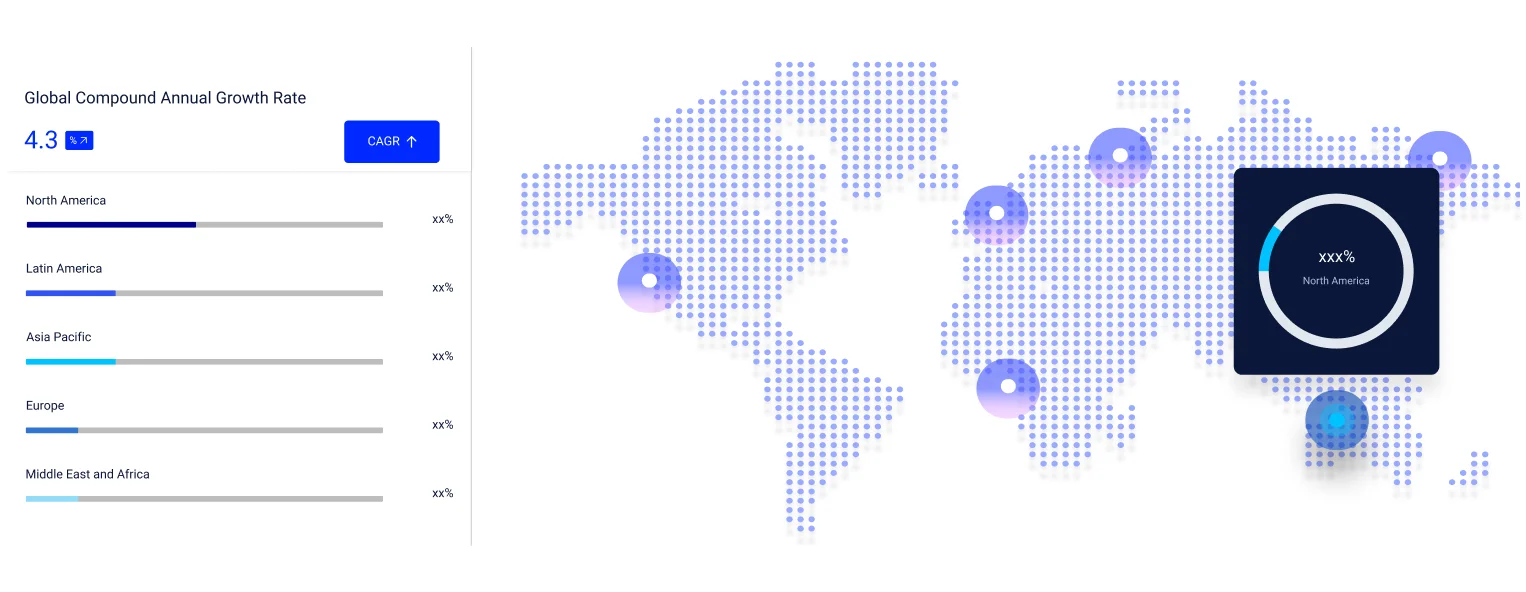
Compound Annual Growth Rate
6.8%
Value in USD Million
2026-2035
Read more about this report - REQUEST FREE SAMPLE COPY IN PDF
Sun Chemical announced in October 2026 that it would present its SunTronic functional ink range at The Future of Electronics Reshaped 2026 in Berlin later that month, including silver inks with higher recycled content, a conductive ink with lower overall silver content and LED curable dielectrics for automotive, home appliance and healthcare uses. Companies can expand LED curable dielectric ranges that pair with lower-silver conductive designs.
Taiyo Holdings presented in September 2026, at the IEEE Electronics System-Integration Technology Conference in Helsinki, its FPIM series, a negative-tone i-line photosensitive insulating material for fine-pitch redistribution layers in advanced semiconductor packaging, developed with imec. A three-layer structure reached a critical dimension of 700 nm on 12-inch wafers with favorable leakage current and resistance. Companies can leverage photosensitive dielectric chemistry to enter advanced semiconductor packaging insulation markets.
Taiyo Ink Mfg., a subsidiary of Taiyo Holdings, announced in June 2026 that its through-hole plugging ink for next-generation high-speed boards won the 22nd JPCA Encouragement Award, ahead of its exhibit at the JPCA Show in Tokyo. The insulating ink has a dielectric constant of 3.0 or below and showed far fewer voids in back-drilled holes. Companies can develop low-dielectric insulating inks for server and communications boards.
The LOPEC 2026 fair in Munich closed in February 2026 with 158 exhibitors from 29 countries and more than 2,400 visitors, and organizers said printed electronics has made the leap to industrial applications, with many machines on show. The managing director of the OE-A industry association cited 7 percent sales growth and an expected 10 percent in 2027. Companies can scale insulating and dielectric ink supply to match machine-based production.
Henkel said in February 2026 that it would present at LOPEC 2026 a silver-plated copper ink technology aimed at lower material cost and less price volatility, a sustainability concept built on recycled silver, and two new self-regulating PTC inks for low- and high-voltage thermal management, with demonstrators made with Flextem, INO and Teca-Print. Companies can leverage cost-efficient functional inks and matching insulation layers to serve printed heaters and sensors.
Henkel reported in May 2026 Adhesive Technologies sales of EUR 2,627 million for the three months ended March 2026, with organic growth of 1.7%. Its Mobility & Electronics business area grew 6.7% organically, driven by the Electronics and Industrial businesses, and the Electronics business in China posted a double-digit sales increase. Companies can secure growth by aligning insulating and functional ink offers with Asian electronics customers.
Proell GmbH exhibited at Automotive Interiors Expo Europe in Stuttgart in June 2026, in hall 3 at stand 3232, showing IMD and FIM ink systems, adhesion promoters, dual-cure protective lacquers and non-conductive black screen printing inks for film insert molding of automotive interior parts and appliance display panels. Companies can leverage formable, backmolding-ready black inks to win decorative and display-panel work from vehicle and appliance makers.
Teikoku Printing Inks Mfg. Co., Ltd announced in September 2026 that its Shizuoka and Mitaka sales offices would close and be integrated into the Tokyo Sales Office from October 2026. The company lists automobile, home appliance, smartphone and sensor applications for its screen inks and functional inks. Companies can strengthen service to electronics customers by concentrating sales coverage in its Tokyo office.
This Expert Market Research Report titled "Global Non-Conductive Inks Market Report and Forecast 2026-2035" offers a detailed analysis of the market based on the following segments:
Market Breakup by Application
Key Insight: PCB Panels are the dominant application and focus on dielectric accuracy for multilayer boards, and JLCPCB showcased 1 to 32 layer rigid, high-frequency, high-speed and flexible boards at the JPCA Show in Tokyo in June 2026; PV Panels need ink that keeps its insulating strength under long environmental exposure, and China's National Energy Administration reported in August 2026 that solar generation capacity reached 1.29 billion kW at the end of July 2026, up 16.1% year on year; and LED Packaging requires small-scale inks that withstand heat, and Taiwanese LED makers Everlight and Ennostar both posted revenue growth for June 2026 and for the quarter ended June 2026, as reported in July 2026.
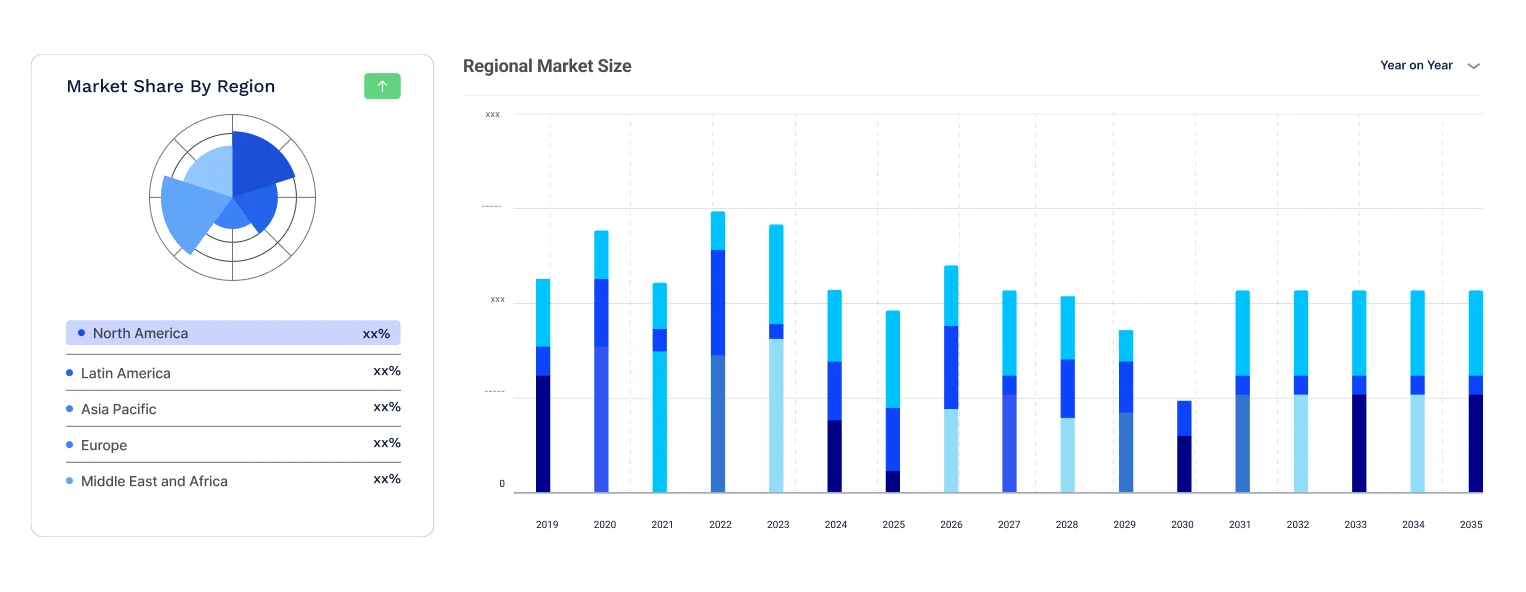
Market Breakup by Region
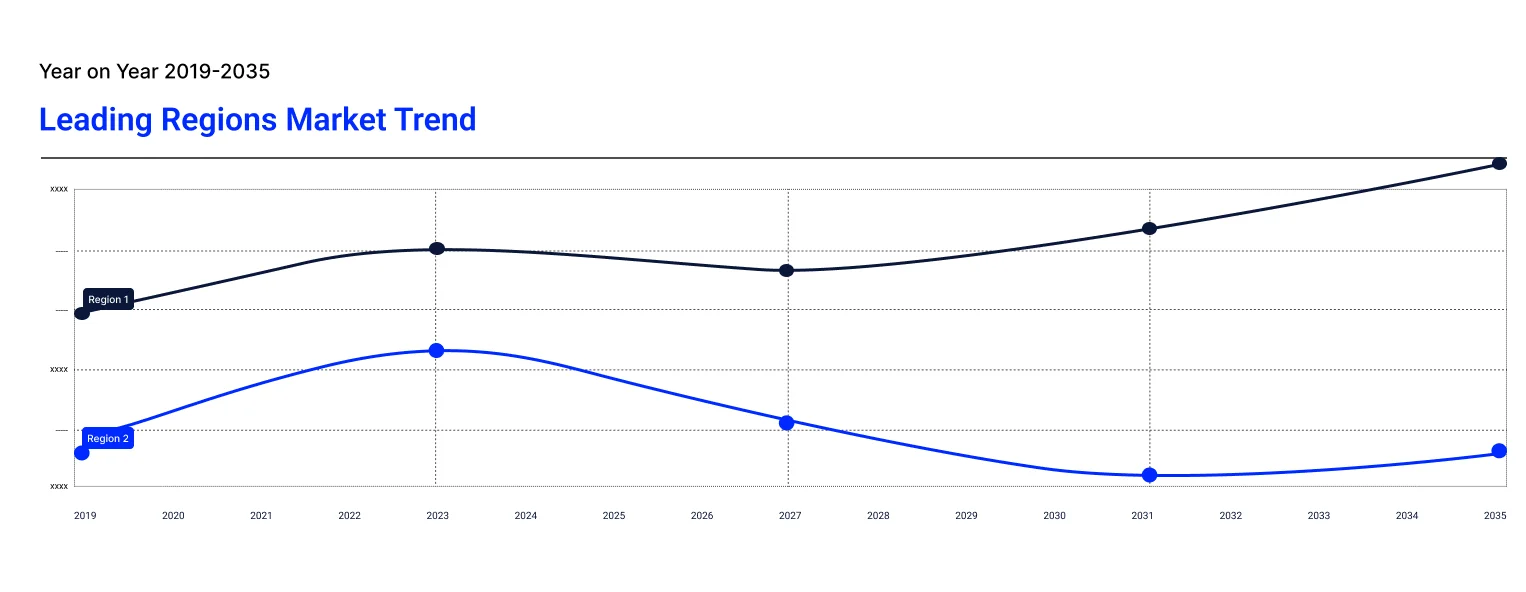
Key Insight: North America concentrates on innovation-led demand in healthcare and aerospace electronics, and the Global Electronics Association reported in August 2026 that North American PCB bookings in July 2026 rose 62.0% from a year earlier, with shipments up 14.5% and a book-to-bill ratio of 1.46; Europe emphasizes sustainability and compliance, and ZVEI data for August 2026, issued in October 2026, showed that exports of the German electrical and digital industry rose 18.4% year on year to EUR 21.6 billion in August 2026, with shipments within the EU single market up 21.2%; Asia Pacific holds a prominent position through high-volume electronics manufacturing, and Toyo Ink India opened the aTIC-India research centre at the Indian Institute of Science in Bengaluru in February 2026 to develop materials for advanced electronics; Latin America is integrating printed electronics gradually, and Mexico's president said in October 2026 that electronics exports had risen strongly on United States demand for data center equipment; and the Middle East and Africa is developing local supply, where EDGE Group and ICAPE Group signed a memorandum of understanding in May 2026 to explore the joint development and local supply of electronic subsystems, including printed circuit boards, in the United Arab Emirates.
Read more about this report - REQUEST FREE SAMPLE COPY IN PDF
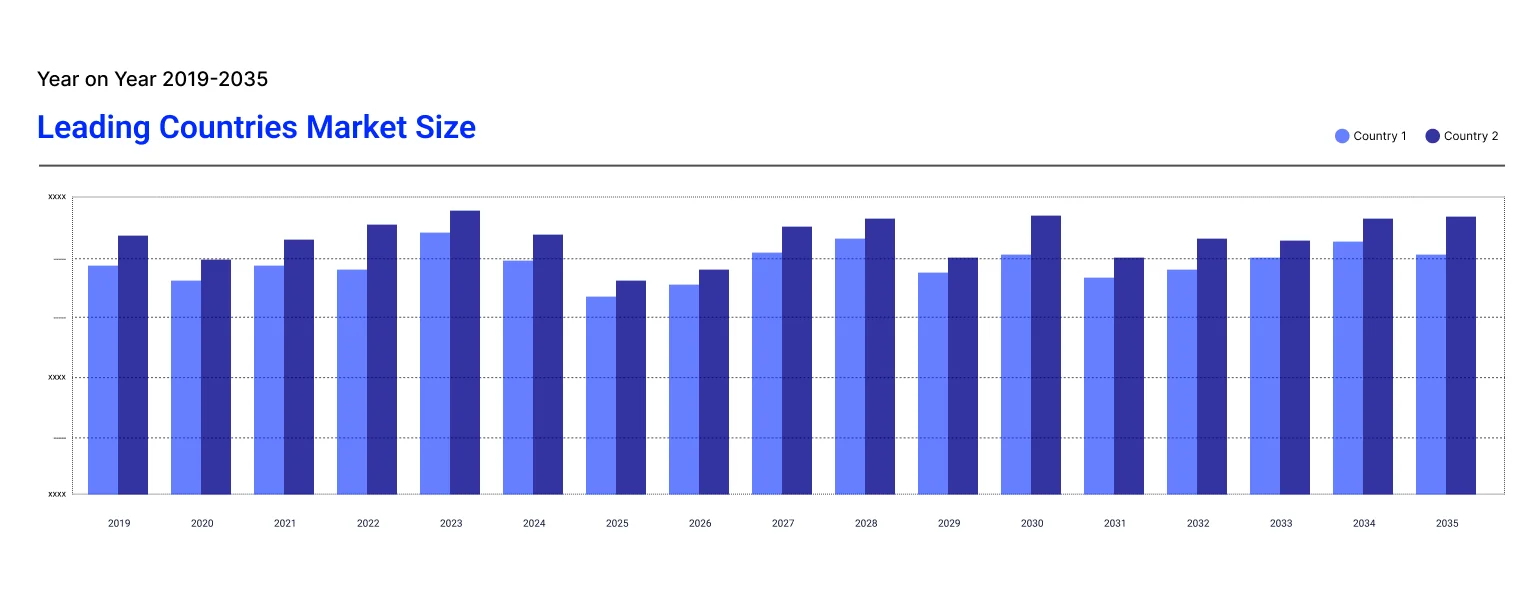
By Application, PCB Panels lead the market while PV Panels and LED Packaging follow on solar and lighting demand because multilayer boards need precise dielectric layers, while solar modules and LED packages need insulation that survives heat and weather
PCB Panels lead because denser, multilayer boards need more insulating and protective layers per panel. MKS' Atotech said in June 2026 that it would present at the JPCA Show in Tokyo its electroless copper, copper filling and plating processes, together with plating equipment for high-density interconnect boards and package substrates. Such finer circuits leave little room for variation in dielectric and solder mask coverage, which pushes board makers to specify inks with tight thickness control, dependable adhesion and stable curing.
PV Panels advance as module makers adopt cell designs that place more circuitry on the rear of each cell. GCL SI announced in June 2026 at Intersolar Europe in Munich that back-contact cell technology is the core of its next-generation roadmap, and unveiled its GPC 3.0 full-screen all-black module. Back-contact cells keep both polarities on one side, so insulating layers between contacts become more important, which supports demand for dependable non-conductive inks in solar cell and module manufacturing lines today.
Asia Pacific holds the leading share of the market, shaped by high-volume electronics manufacturing, dense supply chains and the concentration of circuit board, display and LED production across China, South Korea and Japan
This is supported by China's Ministry of Industry and Information Technology, whose data for the eight months to August 2026, reported in October 2026, showed value added of electronic information manufacturing up 15.7% year on year, integrated circuit output up 22.3% to 386 billion units and sector revenue of CNY 12.8 trillion, up 20.1%. Output on this scale keeps board makers, display suppliers and module assemblers ordering insulating inks, and it sustains regional supply chains for quick delivery.
Asia Pacific is also the fastest-growing region, with South Korea's Ministry of Science and ICT and Ministry of Trade, Industry and Energy reporting in October 2026 that ICT exports reached a record USD 75.15 billion in September 2026, up 195.8% year on year, led by semiconductors at USD 60.33 billion. North America, Europe, Latin America and the Middle East and Africa are developing through healthcare electronics, regulation-led formulations and local assembly, where distributors and OEM relationships shape supplier choice.
The global non-conductive inks market is specialized, with adhesive and coatings groups, screen ink makers and printed electronics material suppliers serving circuit board fabricators, solar module makers, LED packagers and automotive and appliance electronics customers.
Competitive dynamics are shaped by application-specific formulations for flexible electronics, car controls and medical devices, advances in dielectric performance, low-temperature curing and substrate flexibility, collaboration with equipment makers and original equipment manufacturers, and the development of low-VOC and bio-sourced ink types.
Founded in 1876 and headquartered in Düsseldorf, Germany, Henkel AG & Co. KGaA supplies adhesives, sealants and coatings, including conductive inks for printed electronics. In August 2026 it reported group sales of EUR 10,348 million for the six months ended June 2026, with Adhesive Technologies organic sales up 4.5% and double-digit growth in its Electronics business.
Founded in 1895 and based in Arakawa-ku, Tokyo, Japan, Teikoku Printing Inks Mfg. Co., Ltd makes screen inks, carbon inks, desensitizing inks, pad printing inks and related printing materials and equipment. In August 2026 it notified customers that its offices and factories would close for the autumn holiday period in September 2026.
Headquartered in Weißenburg in Bayern, Germany, Proell GmbH develops and produces screen printing inks, pad printing inks, IMD and FIM ink systems and functional lacquers, and says it has done so for over 80 years. Its website lists its participation in glasstec 2026 in Düsseldorf in October 2026, in hall 12 at stand G32-2.
*Please note that this is only a partial list; the complete list of key players is available in the full report. Additionally, the list of key players can be customized to better suit your needs.*
For a detailed assessment of opportunities across the non-conductive inks market's application and regional segments through 2026 and beyond, connect with Expert Market Research for a customized consultation.


Upto 15% Off
USD
$2499 $2249
$3999 $3599
$4999 $4249
$5999 $5099


*While we strive to always give you current and accurate information, the numbers depicted on the website are indicative and may differ from the actual numbers in the main report. At Expert Market Research, we aim to bring you the latest insights and trends in the market. Using our analyses and forecasts, stakeholders can understand the market dynamics, navigate challenges, and capitalize on opportunities to make data-driven strategic decisions.*
The global non-conductive inks market attained a value of USD 542.94 Million in 2025.
The non-conductive inks market is projected to grow at a CAGR of 6.80% from 2026 to 2035.
The market is estimated to witness a healthy growth in the forecast period of 2026-2035 to reach USD 1048.25 Million by 2035.
Key strategies include developing low-VOC and bio-sourced formulations, tailoring inks to flexible electronics, automotive controls and medical devices, working with original equipment manufacturers and inkjet printer makers, shortening cure times and lowering curing energy, and expanding research centres close to electronics customers.
Expanding electronic industry and use of glass substrates in electronics are among the key trends propelling the growth of the market.
The major regions in the market are North America, Latin America, the Middle East and Africa, Europe, and the Asia Pacific.
PCB panel is the dominant application type in the global non-conductive inks market.
Key players in the non-conductive inks market include Henkel AG & Co. KGaA, Teikoku Printing Inks Mfg. Co., Ltd, and Proell GmbH.
Key challenges include meeting dielectric, adhesion and curing requirements on thinner and more flexible substrates, tightening chemical and VOC regulation, cost pressure from board and module makers, qualification cycles with original equipment manufacturers, and the need for inks that stay stable at high temperatures and in long outdoor use.
Explore our key highlights of the report and gain a concise overview of key findings, trends, and actionable insights that will empower your strategic decisions.
| REPORT FEATURES | DETAILS |
| Base Year | 2025 |
| Historical Period | 2019-2025 |
| Forecast Period | 2026-2035 |
| Scope of the Report |
Historical and Forecast Trends, Industry Drivers and Constraints, Historical and Forecast Market Analysis by Segment:
|
| Breakup by Application |
|
| Breakup by Region |
|
| Market Dynamics |
|
| Competitive Landscape |
|
| Companies Covered |
|
| Report Price and Purchase Option | Explore our purchase options that are best suited to your resources and industry needs. |
| Delivery Format | Delivered as an attached PDF and Excel through email, with an option of receiving an editable PPT, according to the purchase option. |
Datasheet
One User
USD 2,499
USD 2,249
tax inclusive*
Single User License
One User
USD 3,999
USD 3,599
tax inclusive*
Five User License
Five User
USD 4,999
USD 4,249
tax inclusive*
Corporate License
Unlimited Users
USD 5,999
USD 5,099
tax inclusive*
*Please note that the prices mentioned below are starting prices for each bundle type. Kindly contact our team for further details.*
Flash Bundle
Small Business Bundle
Growth Bundle
Enterprise Bundle
*Please note that the prices mentioned below are starting prices for each bundle type. Kindly contact our team for further details.*
Flash Bundle
Number of Reports: 3
20%
tax inclusive*
Small Business Bundle
Number of Reports: 5
25%
tax inclusive*
Growth Bundle
Number of Reports: 8
30%
tax inclusive*
Enterprise Bundle
Number of Reports: 10
35%
tax inclusive*
How To Order

Select License Type
Choose the right license for your needs and access rights.

Click on ‘Buy Now’
Add the report to your cart with one click and proceed to register.

Select Mode of Payment
Choose a payment option for a secure checkout. You will be redirected accordingly.
Strategic Solutions for Informed Decision-Making
Gain insights to stay ahead and seize opportunities.
Get insights & trends for a competitive edge.
Track prices with detailed trend reports.
Analyse trade data for supply chain insights.
Leverage cost reports for smart savings
Enhance supply chain with partnerships.
Connect For More Information
Our expert team of analysts will offer full support and resolve any queries regarding the report, before and after the purchase.
Our expert team of analysts will offer full support and resolve any queries regarding the report, before and after the purchase.
We employ meticulous research methods, blending advanced analytics and expert insights to deliver accurate, actionable industry intelligence, staying ahead of competitors.
Our skilled analysts offer unparalleled competitive advantage with detailed insights on current and emerging markets, ensuring your strategic edge.
We offer an in-depth yet simplified presentation of industry insights and analysis to meet your specific requirements effectively.